
Understanding Free Webcasting Services
Free webcasting services have become increasingly valuable tools for individuals and organizations seeking to broadcast live content without incurring significant expenses. These platforms enable users to stream video and audio content over the internet, providing a seamless way to reach broad audiences with minimal setup and technical knowledge. Unlike paid offerings, free webcasting solutions typically offer essential features that cater to smaller-scale events, personal projects, or initial testing phases of larger campaigns.
At their core, most free webcasting services provide a user-friendly interface that streamlines the process of uploading, scheduling, and broadcasting live sessions. These platforms often include features such as real-time chat, basic analytics, and simple integration with popular social media channels to boost audience engagement. While some limitations exist, these services are designed to be accessible, making high-quality streaming possible without the need for advanced technical expertise or costly infrastructure.
The main difference between free and paid webcasting services lies in their feature set, capacity, and scalability. Paid platforms typically offer higher bandwidth limits, bespoke customization, dedicated support, and advanced tools such as HD resolution, multi-camera support, and robust security measures. Conversely, free solutions are ideal for preliminary broadcasts, educational purposes, or small-scale virtual events where budget constraints are a significant consideration.
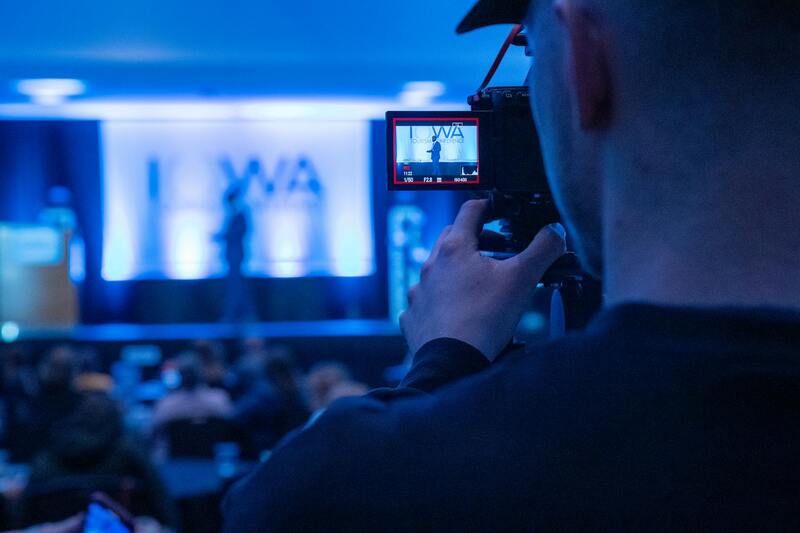
In essence, free webcasting services serve as an accessible entry point into live streaming, allowing users to experiment, build their online presence, and evaluate the potential of live broadcasts before making investments in more advanced, paid solutions. These platforms are instrumental in democratizing live content delivery, providing opportunities for diverse industries and individual creators to connect with their audiences in real-time without financial barriers.
Key Features to Consider in Free Webcasting Platforms
When selecting a free webcasting service, several features must be evaluated to ensure it aligns with your broadcasting goals and technical requirements. A comprehensive platform should offer reliable streaming quality, seamless integration options, and user-friendly controls. Accessibility of analytics tools, chat functionalities, and social media sharing capabilities also play a pivotal role in maximizing audience engagement.
One of the fundamental features is video quality. Although free services may have limitations on resolution, platforms that offer adjustable settings or promise consistent streaming without significant buffering should be prioritized. Additionally, multi-platform compatibility—such as support for desktops, tablets, and smartphones—is essential to reach diverse viewers effectively.
Ease of use is another critical factor. Platforms with intuitive dashboards enable broadcasters to manage their streams effortlessly, whether they are scheduling sessions or switching between cameras. Customization options, like adding overlays, branding elements, or introductory slides, help professionalize your broadcasts without added expenses.

Security measures and reliability are also worth careful consideration. While free services may have restricted security protocols, platforms that maintain consistent uptime and provide basic protections for content can meet casual or educational broadcasting needs effectively. Lastly, support for live chat and audience interaction features fosters real-time engagement, making the webcast more dynamic and participatory.
Understanding these core features helps users distinguish between various free webcasting options, enabling more informed decisions that align with their event scope and audience expectations. Even with budget considerations, selecting platforms that balance functionality with simplicity often results in a more successful and impactful live streaming experience.
Top Free Webcasting Services Suitable for Miami Production Needs
Several platforms stand out due to their features and ease of use, catering to a wide range of Miami-based content creators, educational institutions, and small businesses. These services provide reliable streams and straightforward setup processes, allowing local organizations to extend their reach without substantial financial investment.
Among the top options are platforms that integrate well with regional social media channels and offer scalable features suitable for various event sizes. Typically, these services support multiple input types, including cameras, screen sharing, or pre-recorded videos, giving Miami broadcasters flexibility in content delivery. Superior customer support, when available, ensures quick troubleshooting, especially critical for live events where technical issues can impact viewer experience.
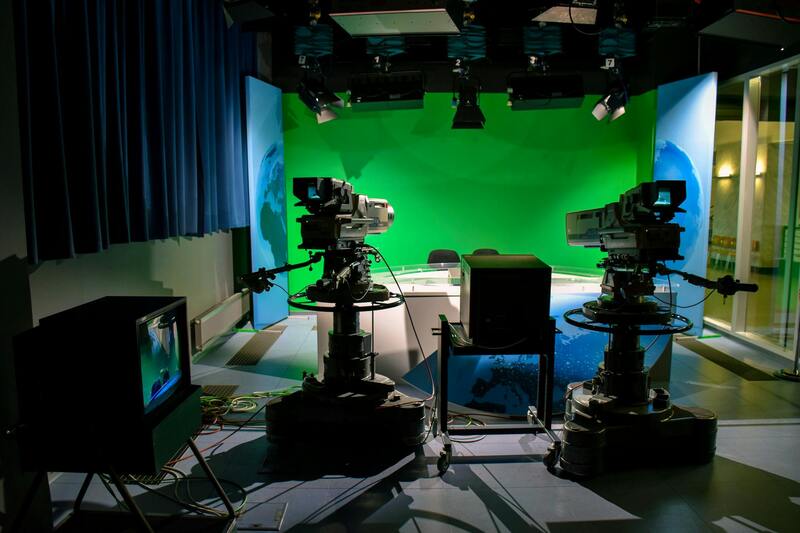
Choosing the right service involves assessing bandwidth limits, streaming resolution options, and compatibility with existing hardware. For educational or community-driven events, services that facilitate multi-user management and provide simple moderation tools are particularly advantageous. For small business marketing or product launches, platforms offering branding customization and real-time viewer engagement tools can significantly enhance impact.
While these free services are ideal for initial efforts or low-budget projects, it remains vital to evaluate platform stability and support responsiveness as your streaming demands grow or become more complex.
Key Features to Consider in Free Webcasting Platforms
When selecting a free webcasting platform, understanding the core features that influence the quality and success of your live stream is crucial. These features determine not only the technical performance but also how effectively you can engage and expand your audience.
- Streaming Quality: Opt for platforms that support high-definition video options, ideally up to 1080p. Quality streaming ensures your content appears clear and professional, which is particularly important for visual-sensitive events such as product launches or educational demonstrations.
- Platform Support: Compatibility across devices, including desktops, tablets, and smartphones, maximizes viewer access. A platform that functions consistently on different operating systems and browsers provides a seamless experience for your audience.
- Audience Capacity: Even free platforms have limitations on the number of simultaneous viewers. Choose services that align with your expected audience size to prevent disruptions during your live broadcast.
- Interactivity Options: Engagement tools such as chat, polls, and Q&A sessions deepen viewer involvement. These features are especially useful during webinars, Q&A sessions, or community events, fostering real-time communication.
- Stream Management: Features like scheduling, multi-camera input, screen sharing, and pre-recorded content integration support diverse content delivery methods. Simple user interfaces for managing multiple inputs help streamline your workflow.
- Moderation and Control: Tools for moderating comments, controlling stream access, and managing viewers ensure a professional and safe broadcast environment.
- Analytics and Reporting: Access to viewer statistics enables content creators to track engagement levels and optimize future broadcasts.
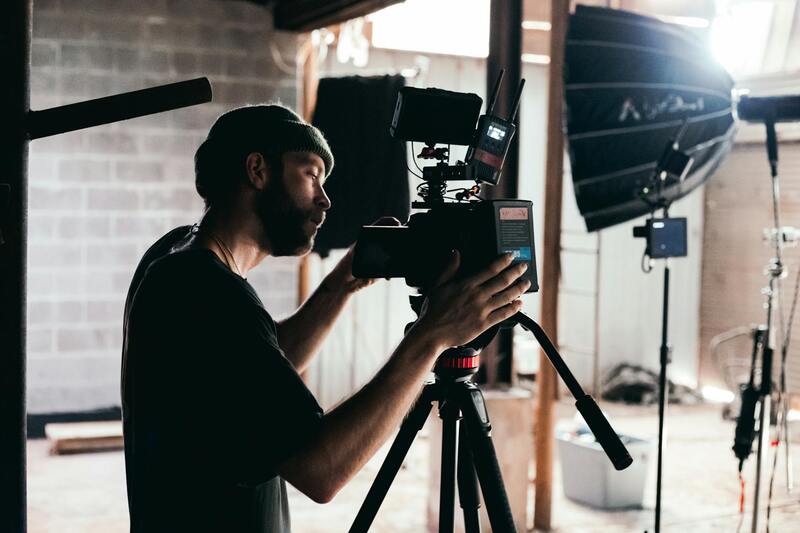
Top Free Webcasting Services Suitable for Miami Production Needs
Several platforms stand out for their suitability to Miami-based content creators, educators, and small businesses. Each offers unique advantages tailored to different event types and audience sizes.
- Platform A: Offers comprehensive HD streaming, multi-camera support, and integrated chat features. Its straightforward interface facilitates quick setup, making it ideal for quick-turnaround events.
- Platform B: Focuses on community engagement, providing interactive tools like polls and audience Q&A, along with social media integration for wider outreach.
- Platform C: Designed for small to medium-sized events, with options for branding customization and analytics. It supports high viewer concurrency and easy moderation.
These options prioritize stability, ease of use, and engagement, aligning with the demands of Miami’s diverse event producers.

Common Challenges and How to Address Them
While free webcasting services offer significant advantages, users should be aware of common challenges that may arise during live streams. Common issues include bandwidth limitations, latency or delays, restricted customization options, and limited technical support. Addressing these challenges effectively is essential for maintaining a professional streaming experience.
Bandwidth limitations are a primary concern, especially in areas with fluctuating internet speeds. To mitigate this, it is advisable to test your connection thoroughly before the event and ensure a wired connection when possible, rather than relying solely on Wi-Fi. This reduces the risk of interruptions caused by network instability.
Latency issues, such as delays between the live event and viewer screens, can affect viewer engagement. Selecting platforms known for optimized streaming protocols and ensuring your hardware is capable of handling high-quality streams can improve latency performance. For critical broadcasts, consider reducing streaming resolution or bitrate to minimize delays without compromising too much on quality.
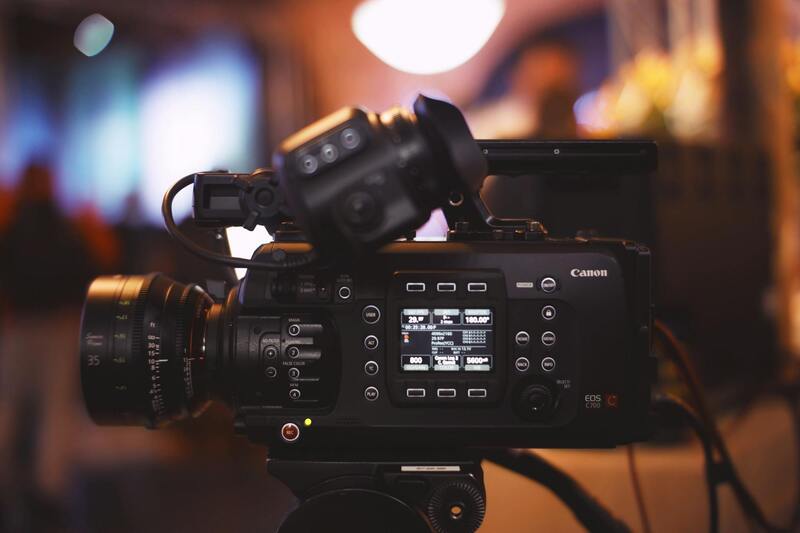
Customization restrictions in free platforms may limit branding options or advanced interactive features. To compensate, organizers can integrate additional social media tools or supplementary platforms to enhance audience engagement. Moreover, many free services constantly update their features, so staying informed about new opportunities can help maximize their utility.
Technical support services tend to be less comprehensive with free platforms. Preparation is key—pre-event testing, familiarization with platform interfaces, and having contingency plans in place ensure smooth streaming operations. Recording broadcasts locally or on the platform also provides a backup in case streaming issues occur.
Ensuring Privacy and Security During Free Webcasts
Security measures are another aspect to consider when using free webcasting services. These platforms often lack advanced security features, making it crucial to implement best practices for safeguarding content and viewer data. Utilizing password-protected streams, restricting access to registered viewers, and monitoring chat interactions can help maintain a controlled environment.
Furthermore, reviewing the platform’s privacy policies and understanding data handling processes ensures responsible content management. For confidential or sensitive broadcasts, pairing free webcasting solutions with additional encryption layers can enhance security, even on platforms with basic protections.
Best Practices for Optimizing Free Webcasting Success
- Pre-Event Testing: Always conduct trial runs to identify potential technical issues, test internet stability, and familiarize yourself with the platform's features.
- Audience Engagement: Incorporate interactive elements like polls or Q&A sessions to keep viewers involved and enhance their experience.
- Clear Communication: Provide viewers with precise instructions on how to access the stream, and communicate any necessary passwords or access codes ahead of time.
- Content Quality: Use high-quality audio and video equipment within your platform’s technical limits to deliver professional-looking broadcasts.
- Backup Plans: Have alternative internet sources, such as mobile hotspots or secondary connections, ready to ensure uninterrupted streaming if primary connections fail.
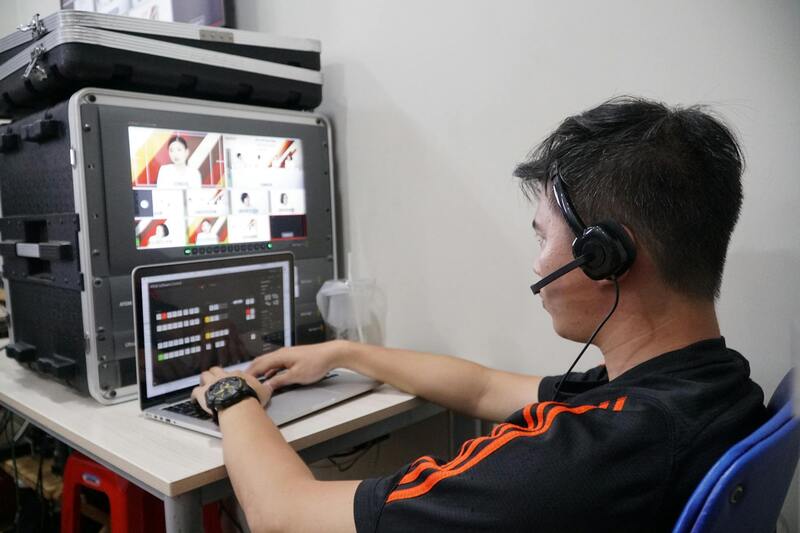
By addressing these practical considerations, organizations and content creators in Miami can leverage free webcasting services effectively while mitigating potential risks. Proper planning, technical preparation, and audience management are vital components of a successful live streaming strategy without significant financial investment.
Understanding Free Webcasting Services
Free webcasting services have become an attractive resource for individuals, small businesses, educational institutions, and non-profit organizations that aim to broadcast live events without incurring substantial costs. These platforms typically offer essential streaming functionalities such as video and audio transmission, chat interaction, and basic viewer analytics. They serve as accessible gateways for content creators to expand their reach, engage audiences, and deliver real-time updates efficiently. The core advantage of utilizing free webcasting services lies in their no-cost entry point, allowing users to experiment with live broadcasting, develop audience engagement strategies, and gauge interest before allocating budgets to more advanced solutions.
It is essential to recognize that while free platforms provide vital streaming capabilities, they also impose certain constraints related to bandwidth, customization options, and included features. Typically, providers host streams on their servers, which means your content benefits from their infrastructure without the need for your own dedicated streaming server. This simplifies the setup process, ensuring that individuals with limited technical expertise can launch a webcast quickly and effortlessly. Many services also integrate basic chat features, viewer polls, and live chat moderation tools, helping to foster interaction and maintain viewer engagement during broadcasts.
When considering free webcasting services, checking the platform's compatibility with various devices and operating systems is crucial. Most popular free options support access via web browsers on desktops, laptops, smartphones, and tablets, providing flexibility for viewers regardless of their device choice. Additionally, many services offer mobile apps or optimizations designed for seamless viewing experiences on smaller screens. Prior to hosting your event, evaluating the platform’s capacity to handle the expected viewer count and stream quality parameters ensures a smooth live experience that aligns with your goals and audience size.

Another important aspect is the platform’s data handling and privacy policies. As broadcasters may include sensitive content or require compliance with specific industry standards, understanding how the service manages user data, stream recordings, and viewer interactions is vital. Even when opting for free options, selecting a platform that emphasizes transparent data practices and offers necessary security features helps in delivering reliable and responsible broadcasts. For organizations handling confidential information, combining free services with additional security measures like secure channels and encryption can offer added peace of mind.
Setup and Workflow for Free Webcasting
Implementing a successful live stream using free webcasting services involves a structured setup and a clear workflow. The process starts with choosing the appropriate platform that aligns with your event’s objectives and technical requirements. Once selected, content preparation is crucial. This includes ensuring high-quality video and audio sources, testing equipment, and preparing any visual or multimedia elements needed during the broadcast.
Next, configuring the streaming setup involves connecting your camera, microphone, and encoder (if applicable) to the platform. Many free services offer browser-based streaming options, simplifying the process by removing the need for additional software; however, some may require basic encoding tools for higher customizability. It’s vital to perform a test run to verify the connection stability, audio-visual synchronization, and overall stream quality before going live.
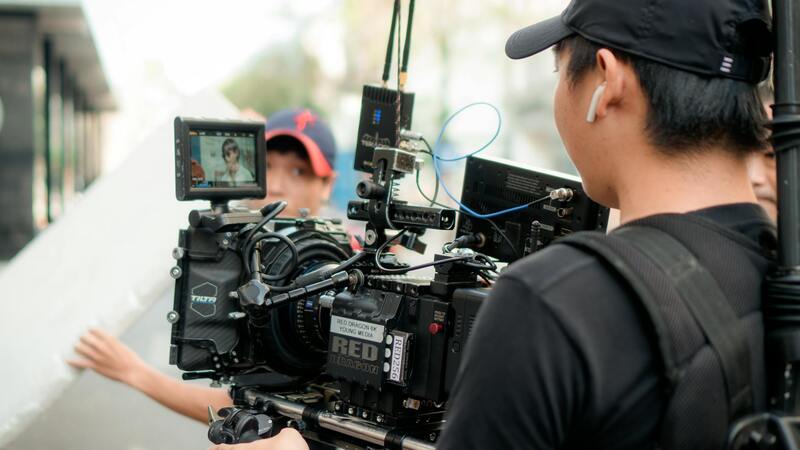
During the live broadcast, monitor the stream’s health regularly through the platform’s dashboard, watching for potential issues with bandwidth, latency, or viewer engagement tools. Engage viewers actively using chat features, polls, and Q&A sessions to foster interaction and ensure a dynamic broadcast experience. Post-event, many platforms offer automatic recordings or options to manually save the stream for on-demand viewing or archival purposes.
Preparation Tips for Smooth Webcasting
- Test equipment and connections extensively prior to the event day.
- Ensure your internet connection is robust, preferably wired, to prevent disruptions.
- Prepare backup plans for technical failures, such as secondary internet sources.
- Use good quality audio and video sources to enhance viewer experience.
- Familiarize yourself with the platform’s controls and features for seamless operation during the broadcast.
- Schedule your broadcast during optimal times for your target audience to maximize viewership.
Handling Post-Stream Activities
After concluding the live session, review the stream data to analyze viewer engagement levels, dropout points, and feedback. Many free platforms provide analytics to measure viewer count, duration, and interaction metrics. This information is valuable for refining future broadcasts. Additionally, consider promoting the recorded content through your website or social media channels to extend your reach and maximize the content’s value.
Understanding Free Webcasting Services
Free webcasting services have become essential tools for organizations seeking to broadcast live events without incurring significant expenses. These platforms offer a variety of features designed to facilitate real-time video streaming to audiences across the globe. Typically, they provide an easy-to-use interface, which minimizes the technical expertise required to initiate a webcast. Common features include basic analytics, chat functionalities, and limited branding options, making them accessible options for small businesses, educational institutions, community groups, and individuals.

Benefits of Using Free Webcasting Services
- Cost-Effective: They eliminate the need for expensive hardware and software, allowing users to broadcast live content at no financial cost.
- Ease of Access: Most platforms are designed with user-friendly interfaces that simplify setup and operation, enabling even novices to start streaming quickly.
- Wide Reach: Leveraging internet streaming, free services can reach large, geographically dispersed audiences instantly.
- Quick Deployment: Users can schedule broadcasts with minimal preparation, making them ideal for urgent updates or spontaneous events.
- Basic Engagement Tools: Features like chat boxes and Q&A sessions help foster real-time interaction between broadcasters and viewers.
Key Features to Consider in Free Webcasting Platforms
While exploring free options, certain features should be prioritized to ensure quality and reliability:
- Stream Quality and Resolution: Choose platforms that support high-definition video for a professional viewer experience.
- Bandwidth Management: Effective handling of data transfer to prevent buffering or stream interruptions.
- Audience Engagement Tools: Interactive chat, polls, and viewer feedback options are valuable for fostering viewer participation.
- Analytics and Reporting: Basic insights into viewer counts, engagement levels, and viewing durations aid in assessing event success.
- Compatibility and Accessibility: Support for multiple devices, browsers, and operating systems ensures wider accessibility.
Top Free Webcasting Services Suitable for Miami Production Needs
Several platforms stand out for their robustness and community trust, especially suitable for regional content producers:
- Platform A: Offers reliable live streaming with a focus on educational and community-based events.
- Platform B: Known for high-quality video support and seamless integration with social media channels.
- Platform C: Provides basic analytics and viewer engagement tools tailored for small to medium-sized events.
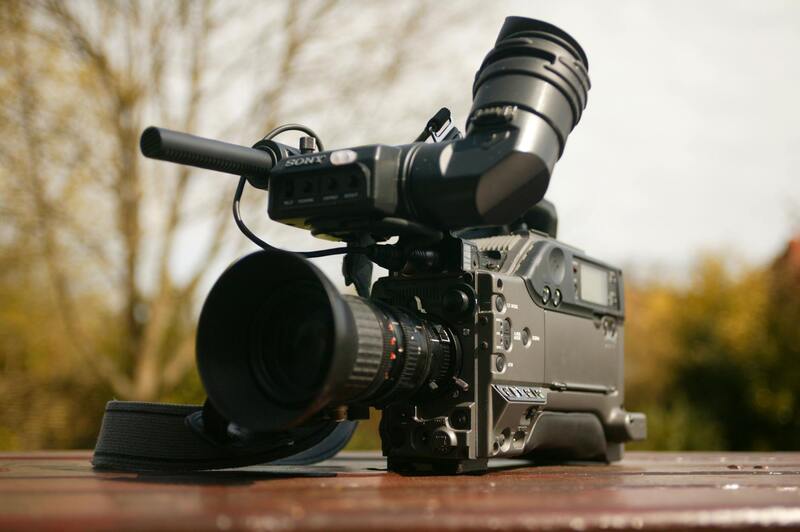
Setup and Workflow for Free Webcasting
Establishing an effective workflow involves several key steps:
- Pre-Broadcast Preparation: Conduct thorough testing of equipment, internet connection, and platform settings. Prepare backup procedures for potential technical issues.
- Content Arrangement: Organize your presentation materials, slides, or visuals to ensure a smooth delivery.
- Stream Configuration: Set the video source, audio levels, and camera angles. Confirm platform settings for privacy, branding, and interaction tools.
- Promotion: Announce the webcast through social media, email newsletters, and community channels to maximize attendance.
- Livestream Execution: Monitor the stream continuously, engaging with viewers via chat and addressing technical issues promptly.
Limitations and Risks of Free Webcasting Platforms
While free services are advantageous, they do come with certain constraints that require consideration:
- Limited Customization: Branding options, overlays, and advanced interface customization are often restricted.
- Bandwidth Restrictions: Shared resources can lead to reduced stream quality or interruptions during high traffic periods.
- Storage and Archiving: Many platforms do not offer extensive storage for recorded sessions, limiting post-event access or on-demand playback.
- Support and Reliability: Technical support might be minimal, and platform stability can be affected during peak times or large audiences.
- Advertising and Watermarks: Some free platforms introduce branding or watermarks that may not align with professional presentation standards.
Understanding Free Webcasting Services
Free webcasting services offer accessible solutions for individuals, small businesses, and community groups seeking to broadcast live content without incurring additional costs. These platforms typically provide basic functionalities sufficient for smaller audiences or less complex productions, making them popular among newcomers and those exploring digital outreach. They often operate through web-based interfaces, eliminating the need for specialized hardware or software installation, and allow users to deliver real-time video streams over the internet efficiently. Quality, scalability, and customization options tend to vary, but many services focus on delivering core features that meet fundamental broadcasting needs. It's vital to evaluate each platform's offerings carefully to determine if they align with your specific event requirements and audience expectations.
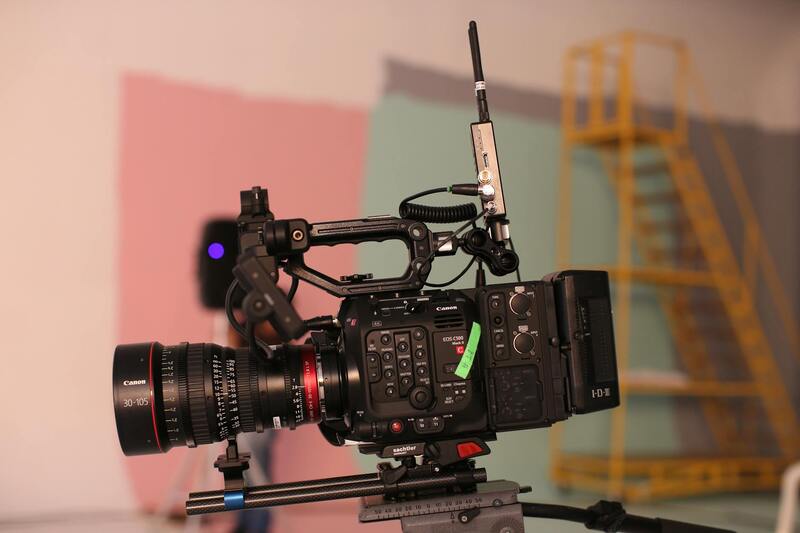
Benefits of Using Free Webcasting Services
- Cost Efficiency: Eliminates financial barriers for individuals and small organizations to engage in live streaming activities.
- Ease of Access: Many platforms are user-friendly, with minimal setup required, making live broadcasting straightforward even for beginners.
- Rapid Deployment: Simplifies the process of launching a webcast, enabling quick responses to sudden events or spontaneous broadcasts.
- Global Reach: Facilitates widespread dissemination of content, allowing viewers from diverse locations to participate in real-time.
- Community Engagement: Supports interaction through chat features, polls, or comment sections, fostering viewer involvement.
Key Features to Consider in Free Webcasting Platforms
When selecting a free webcasting service, it’s important to assess several core features to ensure a smooth and professional broadcast experience:
- Stream Quality: Check for support of HD video streaming to maintain visual clarity for viewers.
- Platform Stability: Verify consistent performance and minimal downtime, especially during peak traffic periods.
- Customization Options: Determine if the platform allows branding adjustments, overlays, and custom layouts.
- Interactivity: Look for integrated chat, Q&A, or polling tools to enhance viewer engagement.
- Compatibility: Ensure the service supports various devices and browsers for maximum accessibility.
- Recording and Archiving: Evaluate the platform’s capability to record broadcasts for later access or on-demand viewing.
- Bandwidth Limits: Understand resource restrictions that may impact stream quality and duration.
Top Free Webcasting Services Suitable for Miami Production Needs

In Miami’s vibrant media landscape, several free webcasting platforms have gained prominence due to their robust features and user-friendly interfaces. Platforms such as StreamYard, OBS Studio, and Facebook Live are widely utilized for diverse events, from community town halls to local business promotions. These services excel at integrating local content with minimal setup, supporting multi-camera configurations, and enabling real-time chat interactions that foster community participation. By leveraging the features of these platforms, Miami-based organizers can achieve professional-quality broadcasts that effectively engage their target audiences.
Setup and Workflow for Free Webcasting
Establishing a successful webcast involves organized preparation and a systematic workflow:
- Pre-Broadcast Testing: Conduct comprehensive checks of audio-visual equipment, internet connectivity, and platform functionalities to identify potential issues before going live.
- Content Preparation: Arrange presentation materials, visuals, and scripts to ensure seamless delivery and transition during the broadcast.
- Stream Configuration: Set up video sources, adjust audio levels, and choose camera angles. Confirm platform privacy settings and branding overlays that align with the broadcast’s goals.
- Audience Engagement: Promote the event through social media, community channels, and mailing lists to boost participation.
- Go Live and Monitor: Launch the stream, actively monitor its stability, and respond to viewer interactions promptly. Keep backup plans ready to mitigate technical disruptions.
Limitations and Risks of Free Webcasting Platforms
While free services present significant advantages, they may impose certain constraints that impact broadcast quality and reliability:
- Limited Customization: Restrictions on overlays, branding, and interface design may lead to a less polished appearance.
- Bandwidth Constraints: Shared network resources can cause fluctuations in stream stability and quality, especially during high traffic periods.
- Storage and Accessibility: Many free platforms do not offer extensive storage, limiting archival capabilities or the ease of sharing recorded sessions.
- Technical Support: Support options are often limited or community-based, which can slow resolution of issues during live events.
- Advertising and Watermarks: Some platforms embed branding or watermarks in broadcasts, which could detract from professional presentation standards.
Best Practices for Successful Free Webcasts
To maximize the effectiveness of free webcasting efforts, consider the following best practices:
- Plan Thoroughly: Develop a detailed event plan, including content flow, technical setup, and contingency procedures.
- Test Extensively: Run multiple test sessions to identify and resolve potential issues, ensuring a smooth live broadcast.
- Engage Viewers: Encourage interaction through chat or Q&A, and respond promptly to maintain audience interest.
- Monitor the Stream: Assign a dedicated team member to oversee stream quality, viewer comments, and technical troubleshooting during the event.
- Archive Content: Record broadcasts for on-demand access, extending the event’s reach and impact beyond the live session.
- Respect Platform Limits: Be mindful of bandwidth, duration, and storage restrictions to avoid disruptions during the webcast.