Understanding Live Event Video Streaming
What is Live Event Video Streaming?
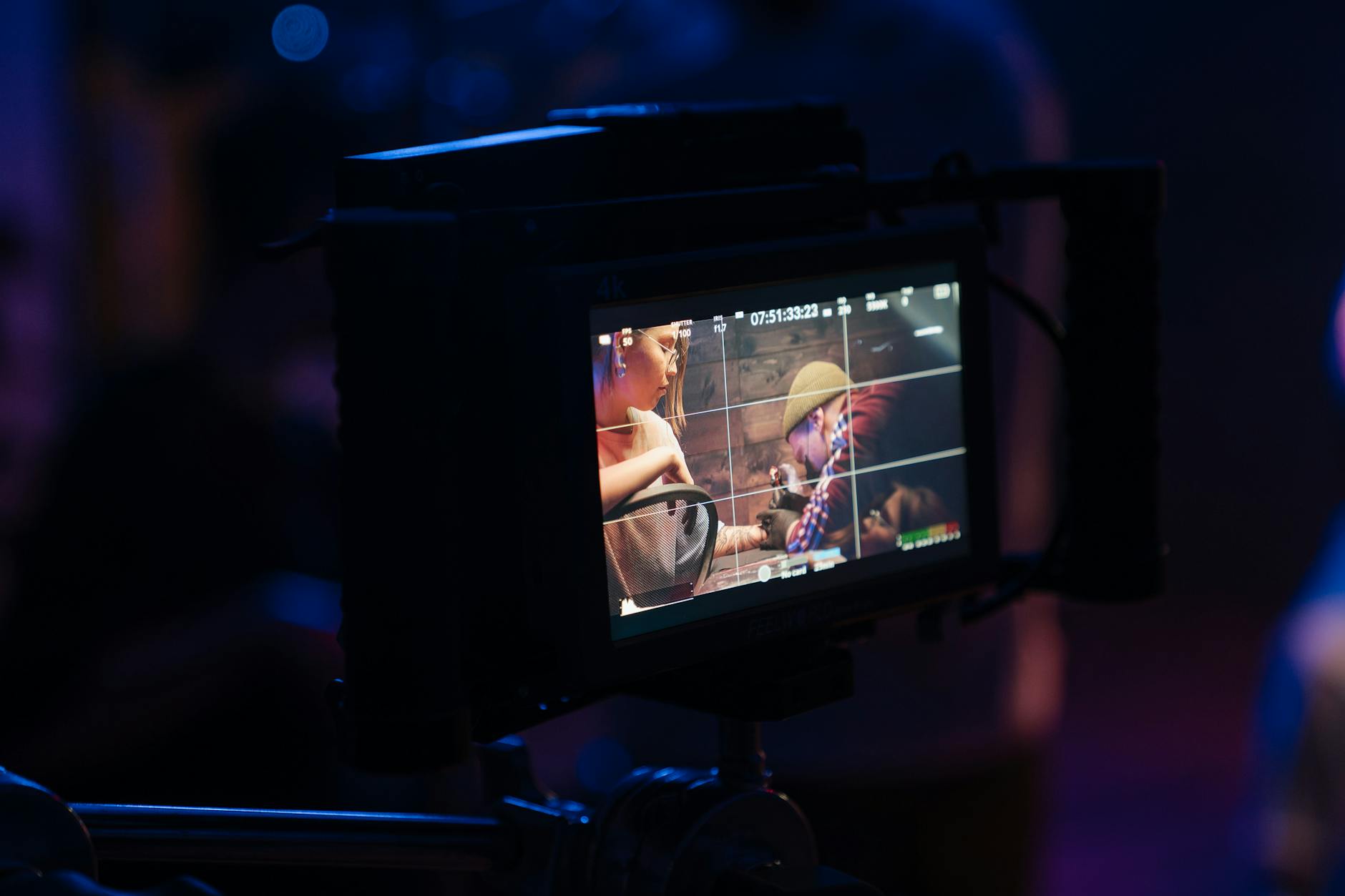
Live event video streaming is the real-time transmission of a live event over the internet, allowing virtual audiences to experience the event synchronized with its occurrence. This process involves capturing the event through high-quality cameras, encoding the video signal, and broadcasting it via a reliable internet connection using specialized streaming software and platforms. Such technology transforms the traditional live event into a digital experience accessible to viewers regardless of their location, thus significantly broadening audience reach.
The Growing Importance of Live Streaming in Miami
Miami, a vibrant hub for conferences, entertainment, corporate events, and cultural festivals, benefits immensely from live streaming solutions. By broadcasting events live, organizers can extend their reach beyond physical attendees, engaging a global audience. This approach not only enables real-time interaction but also enhances visibility and attendance metrics. Moreover, Miami's diverse and dynamic event landscape demands advanced streaming capabilities to deliver high-definition content that captures the city's energy and vibrancy effectively.
Advantages of Live Streaming for Miami Events
- Increased Audience Engagement: Live streaming creates opportunities for interactive experiences, such as live Q&A sessions and real-time polls, fostering a deeper connection with viewers.
- Broader Reach and Accessibility: Events can be viewed from anywhere around the world, eliminating geographical barriers and attracting international spectators.
- Cost-Effective Promotion: Digital broadcasting reduces the need for large physical setups, allowing organizers to allocate resources efficiently for marketing and content enhancement.
- Content Archiving and Repurposing: Recordings of live streams serve as valuable content for post-event marketing, training, or archival purposes.
- Enhanced Sponsorship Opportunities: Broad exposure during live streams provides additional branding and advertising opportunities for sponsors and partners.
Technical Benefits and Audience Expectations
Modern audiences expect seamless, high-definition streaming experiences. This demands robust infrastructure, high-quality production equipment, and skilled technicians to ensure minimal latency, clear audio, and crisp visuals. Effective streaming solutions also accommodate device diversity—from desktops to mobile phones—ensuring accessibility and engagement across channels. When executed professionally, live streaming elevates the overall perception of an event, reinforcing its prestige and appeal within Miami’s competitive event scene.

Understanding Live Event Video Streaming
Successful live event video streaming hinges on meticulous planning and execution, utilizing a range of specialized equipment to deliver a high-quality experience to viewers. Central to this process are key hardware components that form the backbone of any professional live broadcast.
Core Hardware Components for Effective Streaming
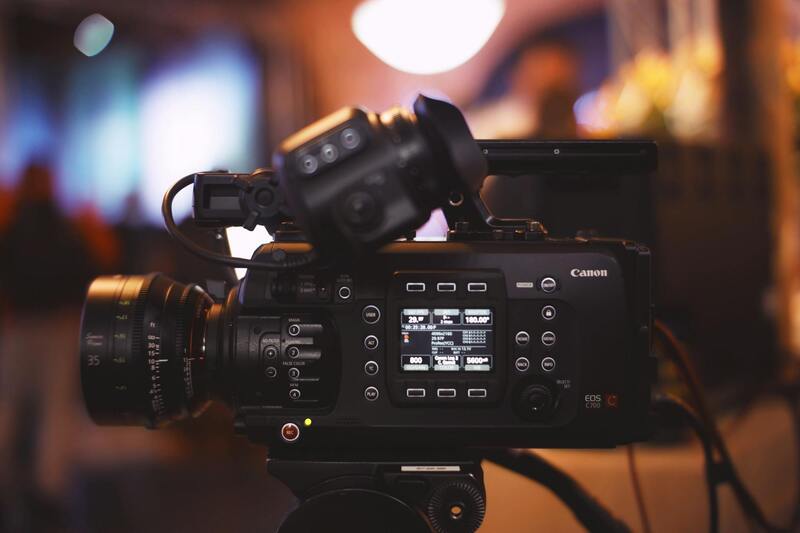
- Professional Cameras: High-definition (HD) and 4K cameras ensure crisp visuals, while robotic or PTZ cameras offer remote operation, ideal for dynamic shot changes and multi-angle coverage.
- Video Encoders: Devices such as hardware encoders convert raw video signals into digital format suitable for streaming. Encoders play a critical role in ensuring minimal latency and maintaining stream stability.
- Audio Equipment: High-quality microphones, mixers, and audio interfaces guarantee clear sound, which is vital for audience engagement and professionalism.
- Switchers and Mixers: Video switchers facilitate seamless transitions between different camera feeds, adding professionalism and production value to the live stream.
- Lighting Solutions: Proper lighting enhances image clarity and color accuracy, creating a more compelling visual experience for viewers.
- Network Infrastructure: Robust wired and wireless internet connections are necessary to prevent interruptions, buffering, or dropouts during the event.
Equipping a live event with reliability requires tailored hardware configurations based on event size, venue constraints, and geographic reach. Ensuring all components are compatible and properly maintained contributes significantly to a smooth streaming experience.
Software Tools Supporting Professional Live Streaming
Beyond physical hardware, a suite of software solutions facilitates the entire streaming workflow:
- Encoding Software: Applications like OBS Studio or Wirecast enable seamless video encoding, scene switching, and streaming setup on computers.
- Streaming Platforms: Cloud-based services allow for distribution across multiple channels simultaneously, accommodating large audiences with minimal latency.
- Production Control Software: Tools for managing multi-camera feeds, overlays, and graphics, which contribute to an engaging viewing experience.

Integrating these components into a cohesive workflow, supported by a skilled technical team, ensures the live event broadcast is both smooth and visually compelling. Proper calibration, testing, and contingency planning are imperative to handle unexpected technical challenges and to uphold quality standards throughout the event.
Implementing Secure and Reliable Streaming Protocols
To achieve a consistent and uninterrupted live event broadcast, selecting the right streaming protocols is paramount. The most widely adopted protocols include Real-Time Messaging Protocol (RTMP), Secure Reliable Transport (SRT), and Hypertext Transfer Protocol Live Streaming (HLS). Each serves a specific purpose in maintaining video quality and buffering resilience. RTMP is foundational, enabling low-latency streaming from encoders to streaming servers. Its widespread compatibility makes it a staple for live broadcasts. SRT enhances this setup by offering secure, resilient transmission over unpredictable network conditions, ensuring minimal packet loss and latency. HLS, on the other hand, is optimized for broad device compatibility and adaptive bitrate streaming, which adjusts video quality dynamically based on viewers' internet speeds. Implementing these protocols requires an understanding of how they function within a streaming architecture. A typical setup involves encoding the live feed with appropriate software or hardware encoders, transmitting it via RTMP or SRT to a Content Delivery Network (CDN), which then distributes the stream to viewers using HLS or DASH (Dynamic Adaptive Streaming over HTTP). Choosing the right protocol combination depends on the event’s scale, expected audience, and technical infrastructure. For instance, small-scale events might rely solely on RTMP to platforms like YouTube or Facebook, while large, multi-platform broadcasts benefit from SRT’s robust and secure delivery mechanisms paired with adaptive streaming protocols like HLS. Ensuring synchronization between audio and video streams is vital. Latency management becomes complex, especially when integrating multiple feeds or streams from various locations. Employing low-latency protocols and dedicated network paths minimizes delays, providing a more synchronized viewing experience. Furthermore, implementing redundancy strategies such as backup encoders and multiple CDN pathways can mitigate risks associated with network failures. Monitoring tools and real-time analytics facilitate proactive adjustments during the broadcast, preserving stream stability. Effective use of secure protocols and rigorous network planning significantly enhances the reliability and professionalism of live event streaming, elevating viewer engagement and satisfaction throughout the broadcast.
Ensuring Production Quality and Reliability
Maintaining high production standards is essential for delivering a seamless live streaming experience during significant events. This involves meticulous attention to both technical execution and content presentation. High-quality visuals rely on professional-grade cameras capable of capturing clear, vibrant images across various lighting conditions. Lens selection and camera positioning should be optimized to cover key angles without obstruction.
Audio quality plays a crucial role in viewer engagement. Utilizing high-fidelity microphones, such as shotgun mics or wireless lavalier systems, ensures crystal-clear sound, minimizing background noise and echo. Proper sound mixing and levels are vital for preserving audio clarity, especially in dynamic environments.
Reliability hinges on deploying redundant systems within the broadcast setup. This includes backup power supplies, secondary encoders, and failover internet connections. Employing automatic failover mechanisms guarantees continuous stream delivery even when primary channels encounter issues.
Real-time monitoring is indispensable for maintaining a professional webcast. Dedicated operators oversee video and audio feeds constantly, ready to address issues like signal loss, latency spikes, or synchronization errors promptly. Integrating advanced streaming software with analytics dashboards allows for immediate identification of potential problems, ensuring swift resolutions.

Signal quality and stability are further bolstered by employing high-bandwidth internet connections, ideally via fiber-optic links. This supports high-definition streams without buffering delays, creating a smooth viewing experience. Additionally, implementing secure and optimized network configurations prevents data leaks and minimizes interference.
Technical Staff and Roles
Successful live streaming operations rely heavily on a team of skilled professionals. Videographers and camera operators manage visual captures, while audio technicians focus on sound quality. A dedicated director oversees the entire broadcast, coordinating camera switches, graphics, and overlays in real-time.
Technical support staff handle network performance, troubleshoot connectivity issues, and monitor streaming health throughout the event. Having experienced personnel ensures swift responses to unforeseen technical challenges, safeguarding the broadcast’s integrity.
Ensuring Production Quality and Reliability
Achieving a seamless live event video stream requires meticulous attention to technical excellence and stability. Incorporating redundant systems as part of the core setup enables continuous broadcast even if primary equipment fails. For instance, deploying backup encoders and secondary internet connections ensures uninterrupted transmission, safeguarding against common technical disruptions. These redundancies act as fail-safes, allowing the production team to switch seamlessly without impacting the viewer experience.
Synchronization between audio and video sources is critical for professional broadcasting. Precision in audio-video sync prevents disorienting delays that can diminish viewer engagement. To achieve this, technicians rely on high-quality hardware with low latency performance, combined with real-time synchronization software that continually adjusts feed timing.
Consistent monitoring throughout the stream is essential to promptly identify and resolve issues. It benefits from dedicated personnel utilizing advanced analytics dashboards that track metrics such as bit rate, packet loss, and latency. Immediate alerts allow technicians to diagnose problems—whether it’s a dip in internet speed, hardware malfunction, or signal degradation—and initiate corrective measures swiftly.
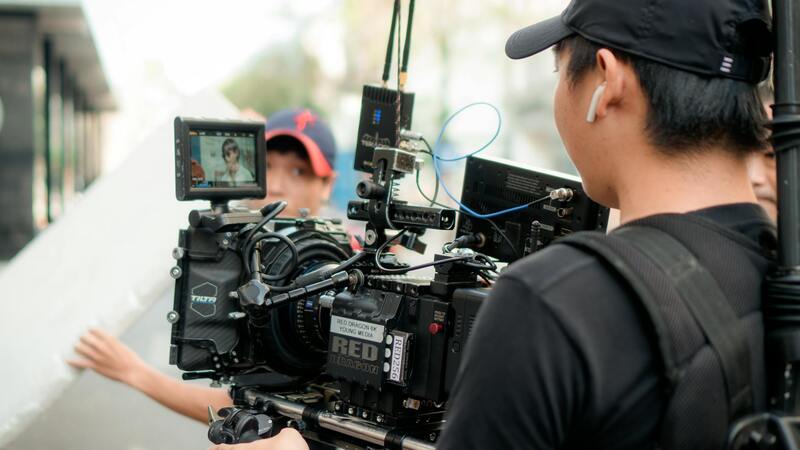
High-quality internet connectivity underpins reliable streaming, with fiber-optic connections providing the bandwidth necessary for high-definition broadcasts. Networking equipment configured to prioritize streaming traffic using Quality of Service (QoS) protocols further stabilizes the data flow. Additionally, secure network architecture reduces interference and prevents unauthorized access, ensuring the integrity of the live stream.
Implementing targeted training for technical staff enhances overall reliability. Regular drills, troubleshooting exercises, and staying updated on new streaming technologies ensure team readiness. Their ability to swiftly adapt to unforeseen issues during a live broadcast minimizes potential disruptions, maintaining the professionalism expected from a live event.
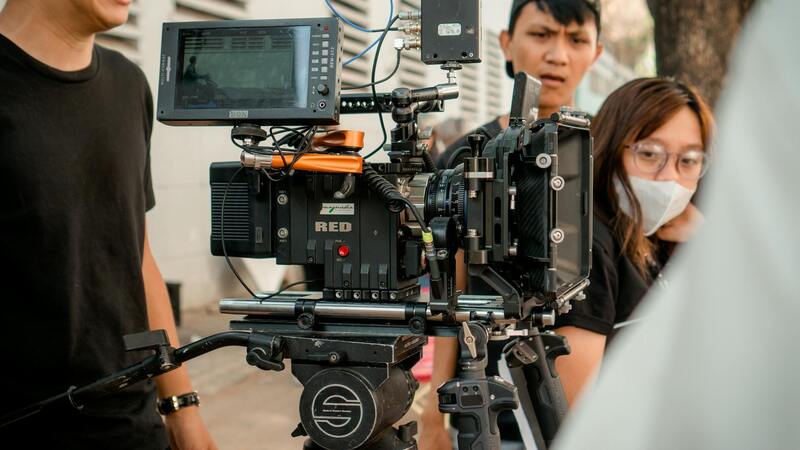
Incorporating these strategies results in a robust streaming environment capable of delivering high-quality live content. Resilience against technical hiccups combined with proactive monitoring and redundancies produces a professional broadcast that reflects positively on the event organizers and ensures viewer satisfaction.
Understanding Live Event Video Streaming
Live event video streaming involves capturing, encoding, and transmitting video content in real-time over the internet, allowing viewers to experience events as they happen, regardless of their location. This process requires a seamless integration of high-quality production techniques and reliable technology to ensure that the broadcast reaches audiences without interruption or degradation in quality. The success of live streaming depends on precise coordination, clarity of the audiovisual feed, and uninterrupted data flow, making it an essential component for conferences, sports events, concerts, and corporate gatherings.
Technical Foundations of Live Streaming
At its core, live streaming relies on advanced hardware and software solutions that facilitate the efficient capture and transmission of content. High-definition cameras with professional-grade lenses and sensors capture clear, vibrant visuals. Audio equipment, including wireless microphones and mixing consoles, deliver crisp sound quality vital for engaging broadcasts. These signals are then fed into encoders that compress the video and audio data, making it suitable for internet transmission without sacrificing quality.
Bandwidth and Network Infrastructure
Reliable internet connectivity forms the backbone of live event streaming. Fiber-optic networks are preferred for their ability to support high bandwidth requirements essential for HD and 4K streams. Networking equipment such as routers, switches, and firewalls must be optimized to prioritize streaming traffic, utilizing Quality of Service (QoS) protocols to prevent lag or buffering. Network redundancy, through backup internet connections, ensures continuous transmission even if primary connections encounter issues.
Encoding and Content Delivery
The encoding process involves transforming raw audio-visual feeds into digital packets suitable for online streaming. Adaptive bitrate streaming techniques optimize the viewer experience by adjusting video quality based on individual internet speeds, maintaining smooth playback and reducing buffering. Content delivery networks (CDNs) distribute the stream across multiple servers geographically, reducing latency and ensuring high availability for viewers scattered across different locations.
Monitoring and Troubleshooting
Ongoing monitoring during a live broadcast is critical. Tools that track streaming health, bandwidth utilization, and viewer engagement provide real-time insights, enabling operators to address issues proactively. Skilled technical staff are essential for troubleshooting potential problems, from signal degradation to hardware failures. Implementing redundant systems and rapid response protocols can mitigate disruptions and uphold the broadcast’s professionalism.
Legal, Copyright, and Permitting Aspects
Managing licensing rights and securing necessary permits is integral to hosting live streams. Proper authorization from content owners, adherence to intellectual property laws, and compliance with local regulations help prevent conflicts and ensure the smooth delivery of content. Maintaining detailed records of rights and permissions facilitates transparency and safeguarding against potential disputes or interruptions during ongoing transmission. This diligence helps organizations to deliver compelling content without legal hindrance, supporting their reputation and operational integrity.
Implementing Secure and Authorized Streaming Methods
Opting for official streaming solutions involves utilizing platforms and services that are recognized and authorized by content providers and broadcasting standards. Reliable providers offer comprehensive packages that ensure compliance with industry guidelines, providing peace of mind and safeguarding against operational issues. These platforms typically include robust content protection measures, such as encryption and secure data transfer protocols, which protect streamed content from unauthorized access and piracy.
When selecting a streaming service, consider its alignment with your event’s specific requirements, such as scalable bandwidth support, geo-restriction capabilities, and integration options with other media tools. These services often come with dedicated customer support, ensuring prompt resolution of technical issues during live broadcasts. Ability to seamlessly connect with multiple sources and scalable infrastructure support ensures a smooth streaming experience, regardless of the event size or audience scale.
Monitoring and Managing Rights Throughout the Broadcast
Maintaining strict control over the distribution rights and permissions associated with live streaming content is essential. This includes verifying that all content being broadcast has appropriate licensing and that rights agreements are in place for each piece of media involved. Using rights management tools can help track content usage and prevent unauthorized retransmission or reuse.
During the live event, active monitoring helps identify potential infringements or misuses of content. This can include automatic detection of unauthorized streams or unauthorized recordings. When conflicts or issues are detected, having a clear protocol to address these quickly minimizes disruption and protects the event’s integrity.
Implementing Watermarking and Digital Rights Management (DRM)
To further secure streamed content, employing digital watermarking and DRM technologies can be highly effective. Watermarks embedded within video streams help trace the origin of unauthorized copies, while DRM restricts how viewers can access and share content. These measures are crucial when high-value or proprietary content is involved, ensuring that distribution remains within authorized channels.
Documentation and Record-Keeping for Content Rights
Proper documentation of all rights, permissions, and licenses associated with live stream content is vital. This includes keeping records of signed agreements, licensing permits, and consent forms from content creators or owners. Maintaining thorough documentation ensures transparency and facilitates quick resolution if questions about content rights arise.
In addition, ensuring compliance with regional regulations concerning media rights and broadcasting rights helps streamline ongoing and future streaming efforts. Regular audits of rights and permissions also aid in identifying potential gaps or issues before they affect live broadcasts.
Legal and Copyright Considerations
Securing the rights to broadcast event content is a fundamental step in the live event video streaming process. Engagement with content owners and rights holders should be established well in advance of the event to ensure permissions are obtained for both live transmission and subsequent distribution. This involves negotiating licenses for copyrighted material, including music, video clips, logos, and proprietary branding. Verifying the scope of permitted use, duration, and geographic distribution ensures compliance with established agreements.
Implementing robust rights management protocols helps prevent unauthorized use or sharing of streamed content. This includes digital watermarking, which embeds identifiable markers within the video feed, allowing for the tracing of copies or unauthorized recordings. When disputes or infringements occur, these identifiers can assist in enforcing content usage policies and addressing breaches in a timely manner.
Content owners should also consider licensing agreements that specify restrictions on recording or rebroadcasting the event. Clear terms regarding the use of content for promotional purposes, archive rights, and audience access are essential for maintaining control over the event material. Additionally, regional broadcasting and media rights regulations must be adhered to, requiring close monitoring and documentation of all permissions secured.

Maintaining comprehensive records of all licenses, permissions, and legal agreements related to streamed content ensures transparency and facilitates rapid response in the event of inquiries or disputes. Documenting permissions for third-party materials, such as music or footage, is equally important. This documentation should be easily accessible and regularly audited for accuracy, especially as regional or contractual regulations evolve.
Post-Event Streaming Management and Content Repurposing
Once the live broadcast concludes, managing the recorded content is vital for extending its value and audience reach. Smooth post-event management involves securely storing the recorded footage, ensuring it retains quality for future use, and organizing metadata for easy retrieval. Repurposing event content can involve creating highlight reels, behind-the-scenes footage, or shorter clips for social media channels, maximizing engagement beyond the live broadcast.
Segmented content offers additional monetization opportunities through licensing or targeted advertising. It also provides brand reinforcement and public relations benefits by showcasing key moments of the event to a broader audience. Implementing an effective content distribution strategy post-event enhances overall return on investment and sustains the event’s visibility in the digital space.