
Understanding Live Event Streaming Services
Live event streaming has become an essential component of modern event planning, offering a dynamic way to reach wider audiences beyond physical venue limitations. It involves broadcasting live footage of events—such as conferences, concerts, sports, corporate meetings, or festivals—over the internet, enabling remote viewers to participate in real-time. This technology enhances engagement, increases exposure, and provides accessible content for attendees and audiences around the world.
In Miami, a city known for its vibrant culture and bustling business scene, leveraging professional live streaming services can significantly elevate the impact of events. By transmitting high-quality visuals and clear audio, live streaming ensures that every detail of an event reaches viewers clearly and professionally, regardless of their location.
Moreover, employing live streaming solutions grants event organizers flexibility and resilience. It allows for hybrid event formats, combining in-person and virtual participation, which broadens the reach and inclusivity of the event. As more organizations recognize the benefits of real-time digital engagement, the importance of choosing the right live event streaming partner with specialized local expertise and reliable technology has never been greater.

Technical Aspects of Live Event Streaming
At the core of a successful live streaming experience lies a sophisticated technical foundation. A professional live event streaming company employs state-of-the-art equipment to ensure flawless delivery and exceptional visual quality. This includes high-definition cameras capable of capturing every detail from multiple angles, creating an engaging viewing experience for remote audiences.
Beyond cameras, the infrastructure for stable data transmission is vital. This involves robust internet connectivity solutions, such as dedicated fiber optic lines or bonded cellular networks, to maintain uninterrupted streams even in challenging network environments. Engineers continuously monitor upload speeds, latency, and packet loss metrics to preemptively address issues before they impact the broadcast.
Encoding hardware plays a crucial role, converting live video feeds into optimized digital formats that suit various streaming platforms and devices. Advanced encoders allow for multi-codec support, adaptive bitrate streaming, and real-time transcoding, ensuring viewers enjoy smooth playback whether they are watching on smartphones, tablets, or desktops.
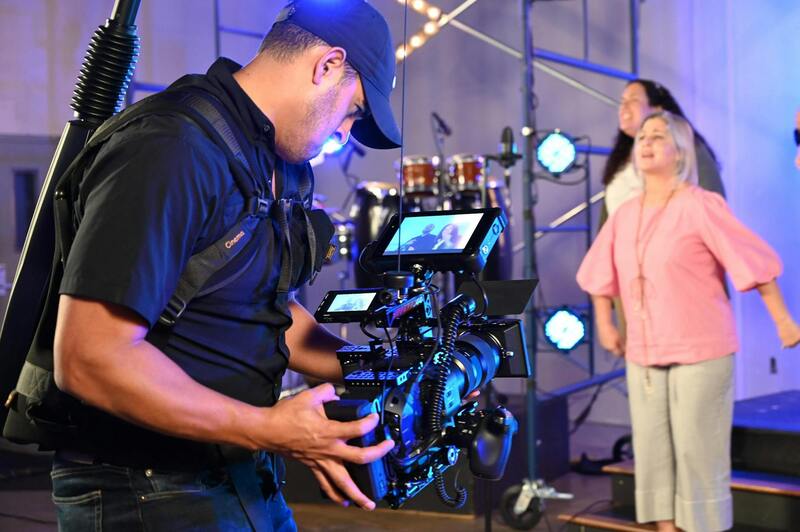
Audio quality is equally prioritized. Directional microphones, mixers, and sound engineers work together to deliver crisp, clear audio, even in noisy environments. This attention to audio detail enhances the overall viewing experience and maintains audience engagement.
Integration capabilities are also significant. An experienced streaming provider seamlessly integrates with social media platforms, third-party apps, and event management software. Such integration offers real-time analytics, viewer interactions, and streamlined content management, further enriching the event’s digital footprint.
Security measures are implemented to protect content from unauthorized access or piracy. Encryption technologies, secure servers, and controlled access credentials safeguard high-value broadcast content and uphold the integrity of the live stream.
Technical Aspects of Live Event Streaming
Executing a seamless live stream hinges on an intricate balance of sophisticated technology and meticulous planning. At the core of this process are high-quality encoding hardware and software that convert live video feeds into digital formats compatible with various streaming platforms. Professional-grade encoders support multiple codecs and adaptive bitrate streaming, dynamically adjusting video quality based on viewers' internet speeds to prevent buffering and ensure smooth playback.
Reliable bandwidth management is vital. A dedicated, high-capacity internet connection facilitates continuous data transmission, reducing latency and packet loss, especially in crowded venues or congested networks. Continuous network monitoring during the event enables technical teams to promptly identify and resolve potential disruptions, such as spikes in traffic or network interruptions.
Audio fidelity plays a crucial role alongside visual clarity. Professional audio equipment, including directional microphones, digital mixers, and sound engineers, collaborate to deliver crisp, clear sound regardless of ambient noise levels. Proper audio-balancing and feedback suppression techniques prevent audio distortions, ensuring that audience members experience sound as intended.
Stream Security and Content Protection
Protecting live content from unauthorized access is achieved through robust encryption protocols and secure streaming servers. Access credentials and digital rights management tools restrict viewing to authorized audiences, safeguarding proprietary content. These measures not only secure the broadcast but also maintain content integrity, especially for high-value or premium events.
Integration and Interactivity
Modern live streaming platforms enable real-time integration with social media, chat features, or audience interaction tools. This interactivity fosters engagement, allowing viewers to comment, share, or participate actively during the event. Additionally, integration with event management systems streamlines scheduling, ticketing, and content distribution, enhancing the overall efficiency of the broadcast.
Monitoring and Post-Event Analytics
Real-time monitoring dashboards enable technical teams to track stream health, viewer metrics, and engagement levels throughout the event. After the broadcast, detailed analytics provide insights into viewer demographics, peak viewing times, and engagement patterns. These insights inform future event planning and help optimize subsequent streams for maximum impact.
Technical Aspects of Live Event Streaming
Ensuring a high-quality live broadcast necessitates a comprehensive understanding of the technical components involved in streaming. A professional live event streaming company leverages advanced equipment and infrastructure to deliver seamless content. This includes high-definition cameras capable of capturing the event from multiple angles, professional-grade audio systems to ensure clear sound, and robust encoding hardware that converts video signals into live streams compatible with various devices.
Network stability plays a crucial role in maintaining uninterrupted streams. Businesses typically work with providers that utilize dedicated bandwidth or content delivery networks (CDNs) to prevent buffering issues and ensure consistent quality across all viewer locations. Additionally, adaptive bitrate streaming adjusts the video quality in real time based on viewer bandwidth, providing a buffer-free experience regardless of internet speed variations.
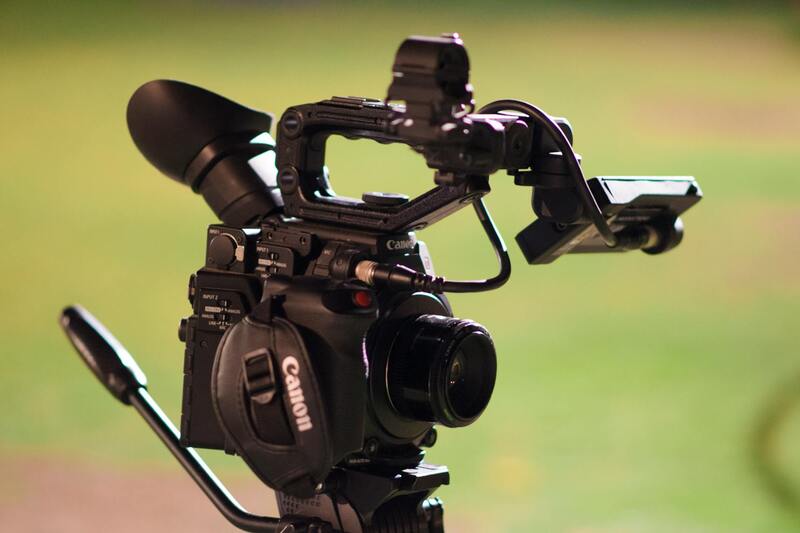
For streamed content to be engaging and accessible, encoding standards such as H.264 or HEVC (High-Efficiency Video Coding) are employed, optimizing video quality while minimizing bandwidth usage. Live streaming platforms also support multiple streaming protocols including RTMP, HLS, and DASH, which facilitate compatibility with various playback devices, from desktops to mobile phones.
Coordination of these technical elements requires meticulous planning and experience. A reputable provider performs comprehensive pre-event testing, including latency assessments and picture/audio synchronization checks. During the event, they maintain real-time monitoring dashboards, allowing immediate response to any technical issues that may arise. Post-event, data analytics help evaluate stream performance and viewer engagement, informing improvements for future broadcasts.
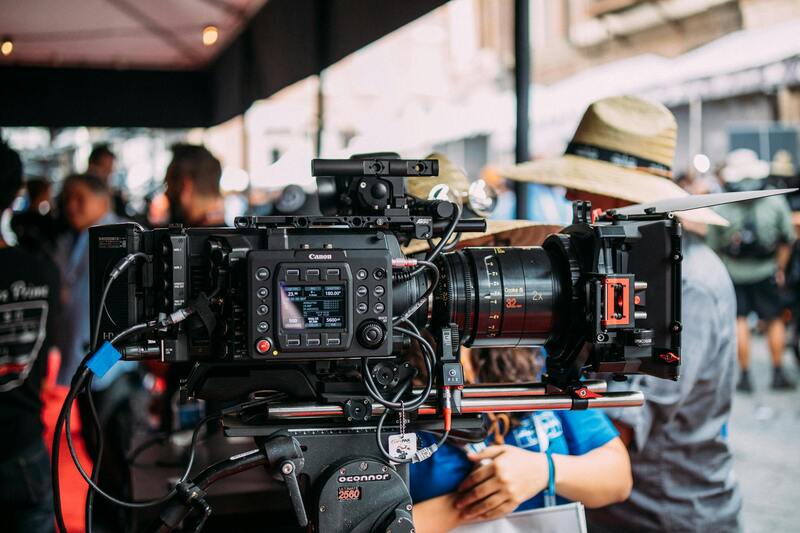
In the expansive city of Miami, where events range from high-profile corporate functions to vibrant music festivals, familiarity with local infrastructure becomes an influential factor. A Miami-based live event streaming company often collaborates closely with local ISPs, venues, and technology vendors to optimize connectivity and setup. This localized expertise translates into more reliable streams, reduced logistical complications, and timely execution, ultimately elevating the viewer experience.
Understanding Live Event Streaming Services
Live event streaming services serve as a vital conduit for broadcasting real-time events to a global audience. These services encompass a comprehensive range of technological solutions designed to ensure the smooth and uninterrupted delivery of live content. Central to these solutions are high-definition video encoding, robust streaming protocols, and reliable content delivery networks (CDNs). These elements work in tandem to provide viewers with high-quality streams, minimizing latency and buffering issues, regardless of their location or device type.
Effective live streaming relies on a combination of hardware and software components. Professional-grade cameras, audio equipment, and encoders capture and encode the event content. The data is then transmitted via secure and optimized pathways using protocols such as RTMP (Real-Time Messaging Protocol), HLS (HTTP Live Streaming), or DASH (Dynamic Adaptive Streaming over HTTP). The chosen platform ensures compatibility across desktops, tablets, and smartphones, allowing diverse audiences to access the event seamlessly.
Beyond the technical infrastructure, an efficient live event streaming service integrates features like multi-bitrate streaming, real-time analytics, and viewer engagement tools. These functionalities provide broadcasters with insights into stream performance and viewer interaction, facilitating immediate troubleshooting and post-event reporting. Continuous monitoring throughout the event is essential to identify and resolve potential issues proactively, ensuring a professional presentation that maintains viewers’ interest and trust.
Key Features of a Professional Live Event Streaming Company
- Advanced encoding technology for crisp video and audio quality
- Multiple streaming protocols for device compatibility
- Strategic use of Content Delivery Networks (CDNs) for global reach
- Multi-location setup capabilities for large venues or multi-stage events
- Pre-event testing and real-time troubleshooting support
- Comprehensive post-event analytics to assess engagement and technical performance
- Dedicated technical team with experience in live event production
Importance of Local Experience in Miami
Miami’s dynamic event landscape, characterized by its vibrant cultural scene and bustling corporate events, requires an understanding of the city’s unique infrastructure and logistical environment. A live event streaming company rooted in Miami leverages local partnerships with internet service providers, venue operators, and technology vendors. This local knowledge enhances the reliability and quality of the stream, reducing potential delays or technical disruptions caused by connectivity issues or venue limitations.
Moreover, familiarity with Miami’s popular event venues and logistical nuances allows the streaming provider to coordinate effectively, ensuring timely setup and minimal disruption. Local expertise also streamlines permissions, permits, and access to specialized equipment, further contributing to a smooth event execution. Such regional experience is invaluable when managing high-profile or complex live broadcasts, where every second counts in delivering an engaging viewer experience.

In addition, Miami’s diverse weather patterns and outdoor venue setups necessitate weather contingency planning. A local team understands these variables and can implement appropriate measures, such as weather-proofing equipment and adjusting setups on short notice, ensuring seamless broadcast regardless of environmental conditions.
Understanding Live Event Streaming Services
Live event streaming services have revolutionized the way audiences engage with events, offering real-time access regardless of geographical boundaries. These services rely on sophisticated technology infrastructures and skilled professionals to ensure seamless transmission of audio, video, and supplementary content. When choosing a live event streaming company, it’s essential to understand the core components involved in delivering a high-quality experience. This includes the use of multiple high-definition cameras strategically positioned to capture different angles, professional encoding devices that convert raw footage into a broadcast-ready format, and robust internet connectivity capable of handling the high data flow without interruptions.
Additionally, the integration of backup systems and redundant pathways is critical to prevent service disruption. From pre-production planning to post-event analytics, a comprehensive streaming service manages every phase to optimize viewer engagement and provide valuable insights for future events. It’s also vital to consider the platforms where the content will be streamed—whether via dedicated websites, social media channels, or specialized streaming portals—each requiring tailored technical configurations to maximize reach and performance.
Key Features of a Professional Live Event Streaming Company
- Technical Expertise: Skilled personnel adept at managing complex broadcasting equipment and troubleshooting technical issues swiftly.
- High-Definition Video Capture: Use of professional-grade cameras that deliver sharp, clear visuals across diverse lighting conditions.
- Reliable Internet Infrastructure: Access to high-speed, dedicated bandwidth ensures uninterrupted streaming sessions.
- Multi-Platform Streaming: Capability to broadcast simultaneously across multiple digital channels for broader outreach.
- Customized Solutions: Tailored services aligned with event-specific objectives, including branding integration and interactive features.
- Post-Event Analytics: Data collection tools to evaluate viewer engagement, geographic reach, and content performance.
Importance of Local Experience in Miami
Miami’s vibrant event environment demands a streaming partner with ingrained local knowledge and connections. A local provider understands the city’s diverse venues, infrastructure, and logistical considerations, which are crucial for seamless event execution. Familiarity with Miami’s renowned event spaces ensures that technical setup and operations align with venue-specific requirements, reducing delays and minimizing setup issues. This regional expertise often translates to better coordination with venue staff, permits, and access permissions, ultimately making the entire process more efficient.
Moreover, Miami’s outdoor venues and variable weather conditions necessitate specific strategies to safeguard equipment and maintain stream stability. A local streaming service provider is well-equipped to adapt swiftly to weather changes, employing weather-resistant gear and contingency plans. This proactive approach guarantees that the broadcast remains consistent, maintaining professional standards and viewer satisfaction.
Types of Live Events Suitable for Streaming
A variety of events can benefit significantly from live streaming, expanding their reach and engagement. Some of these include:
- Corporate Events: Conferences, product launches, shareholder meetings, and training sessions intended for global audiences.
- Music Festivals and Concerts: Allow fans around the world to experience performances in real-time, fostering community and brand loyalty.
- Sports Events: From local tournaments to professional matches, streaming maximizes viewership and monetization opportunities.
- Conferences and Trade Shows: Virtual participation options for attendees unable to attend physically, broadening exposure.
- Religious Ceremonies and Community Gatherings: Ensuring accessibility to those unable to attend due to distance or health restrictions.
- Educational Workshops and Seminars: Interactive sessions delivered live, enabling real-time engagement and Q&A.
Each event type requires specific technical considerations and creative approaches to ensure the broadcast resonates with the viewers, maintains professionalism, and enhances overall event impact.
Technical Aspects of Live Event Streaming
Ensuring a seamless live stream involves a meticulous understanding of several technical components that work harmoniously to deliver high-quality content. At the core, reliable internet connectivity is fundamental, often achieved through dedicated bandwidth and redundant connections to prevent disruptions. The selection of pay-per-view or subscription-based platforms depends on the event’s monetization strategy and target audience, requiring an integration that supports secure access and real-time analytics.
Video and Audio Equipment
High-definition video cameras, microphones, and mixing equipment are essential for capturing the event's essence. Use of professional-grade gear ensures clarity, vivid visuals, and crisp audio, contributing significantly to viewer engagement. Skilled operators manage camera angles, transitions, and sound levels, enhancing the broadcast quality.
Encoding and Streaming Software
Encoding hardware or software converts raw footage into a digital format suitable for streaming. Advanced encoding software offers real-time adjustments to bitrate and resolution, optimizing the viewing experience across different devices and internet speeds. The choice of streaming protocol, such as HLS or RTMP, impacts latency and stability, demanding expertise to select the most appropriate for the event.
Contingency Planning and Redundancy
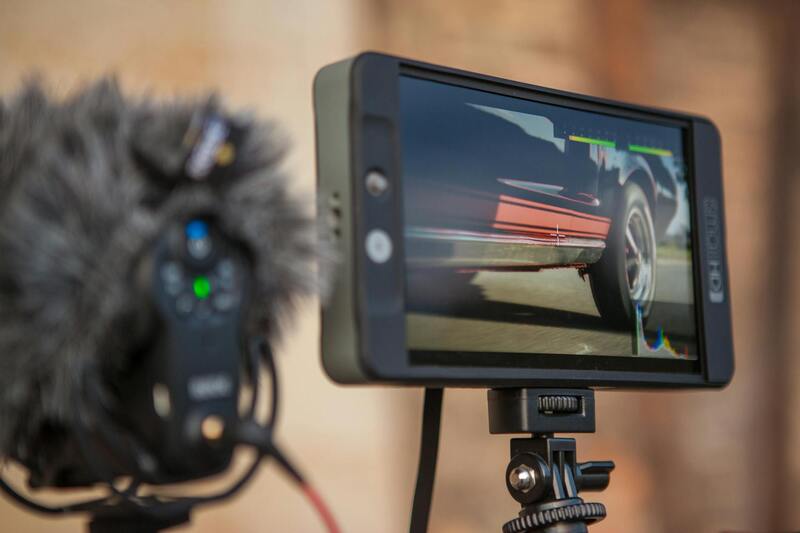
Technical failures are mitigated through redundant systems, including backup internet connections, power supply, and pre-recorded segments as fail-safes. Event streaming companies conduct thorough testing beforehand to identify potential issues, facilitating swift resolution if unexpected problems arise during the live broadcast.
Viewer Engagement and Interactivity
Live streaming solutions often incorporate interactive features such as live chat, polls, and Q&A sessions. These tools foster real-time interaction, elevating the viewer experience and encouraging active participation. Integrating social media links and sharing options further extends the event’s reach, creating additional engagement channels.

Post-Event Analytics and Feedback
Post-broadcast analytics provide insights into viewer demographics, engagement levels, and stream quality metrics. This data informs future events, allowing organizers to refine their approaches based on detailed feedback. Gathering viewer comments and conducting surveys further enhances understanding of audience preferences and satisfaction.
Ensuring Accessible and Secure Live Event Streaming
For organizations aiming to maximize their reach through live event streaming, employing authorized and reputable methods is imperative. Utilizing official streaming platforms and licensed broadcasting services guarantees a high-quality, secure experience for viewers. These licensed services often adhere to industry standards that provide reliable content delivery, ensuring minimal interruptions and consistent performance throughout the event.
Partnering with a recognized live event streaming company, especially one with a local presence in Miami, enhances these benefits. Such providers bring a nuanced understanding of regional network infrastructure and compliance requirements, making the stream more resilient and accessible to a diverse audience. They operate within established frameworks for content security and distribution, protecting intellectual property rights and audience data from unauthorized access or interference.
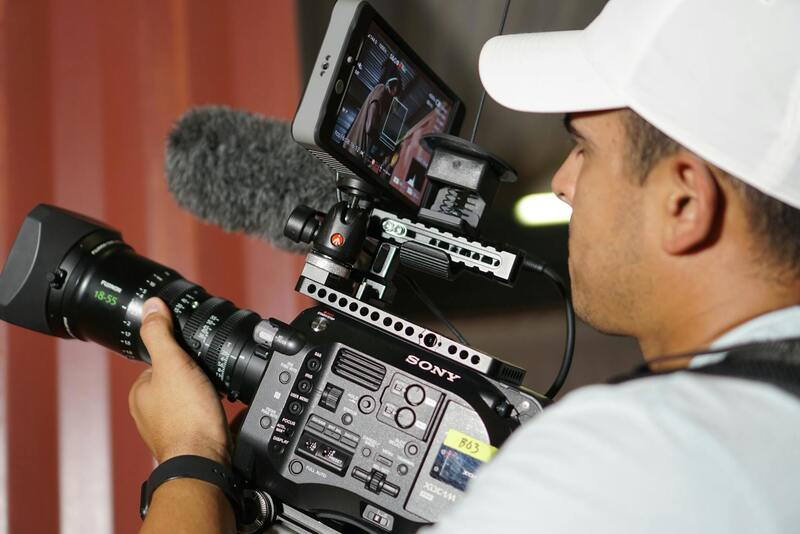
Utilizing Official Streaming Platforms for Optimal Quality
Official streaming platforms offer robust infrastructure for content delivery, supporting multiple viewers simultaneously without compromising quality. These platforms often provide advanced features such as adaptive bitrate streaming, which automatically adjusts video quality based on the viewer’s internet speed, ensuring a seamless viewing experience. They also facilitate integration with social media channels, enabling broader dissemination and real-time sharing.
Listeners and viewers can access streams securely via encrypted connections, such as HTTPS, which protect against unauthorized interception. Content delivery networks (CDNs) used by reputable streaming companies distribute the content efficiently across geographic regions, reducing latency and buffering. This technical setup is essential for large-scale events where audience engagement and professionalism are priorities.
Prioritizing Content Rights and Licensing
When conducting live streams, especially for high-profile events, it is vital to secure appropriate content rights and licensing. This ensures that all broadcasted material, including music, videos, and proprietary content, complies with legal standards. Working with a live event streaming company familiar with regional licensing agreements helps avoid potential disputes and enhances trust with your audience.
Proper licensing also guarantees that the content can be monetized, if desired, through targeted advertising or pay-per-view models. It aligns the event with industry best practices, supporting the long-term reputation of the organizers and stream providers.
Adhering to Industry Standards for Content Delivery
Adopting established standards for streaming protocols and formats ensures wide compatibility and high-quality playback across multiple devices. Common standards such as HLS (HTTP Live Streaming) and DASH (Dynamic Adaptive Streaming over HTTP) enable flexible, scalable delivery suited for various viewers' bandwidth capacities.
Implementing these standards requires technical expertise, often provided by a professional live event streaming company. They manage encoding processes, ensure proper synchronization of audio and video, and incorporate digital rights management (DRM) when necessary. These practices collectively bolster the professionalism and reliability of the live broadcast.