
Understanding the Role of a Live Streaming Videographer
A live streaming videographer specializes in capturing, producing, and transmitting real-time video content through various digital platforms. Their expertise ensures that live events, whether corporate meetings, concerts, sporting events, or personal celebrations, are broadcast seamlessly across multiple channels. These professionals combine technical skills with artistic sensibility to deliver engaging, high-quality live streams that meet the specific needs of each client.
A proficient live streaming videographer must possess a comprehensive understanding of video production, including camera operation, audio management, lighting, and network stability. Attention to detail is critical, as they need to anticipate potential technical issues and address them proactively to prevent disruptions. The ability to coordinate with event organizers, technical teams, and on-screen talent contributes significantly to the success of the broadcast.
The role also demands proficiency in using specialized software for live switching, encoding, and streaming. This enables the videographer to switch between multiple camera feeds, add graphics or overlays, and ensure consistent audio-visual synchronization. Additionally, a thorough familiarity with various streaming platforms helps tailor each broadcast to maximize reach and viewer engagement.
A high level of professionalism and adaptability characterizes skilled live streaming videographers. They are adept at working under pressure, managing complex setups, and troubleshooting issues swiftly to maintain the quality of the live feed. Their goal is to provide a polished, professional broadcast that resonates with the intended audience and enhances the event's overall impact.
Understanding the Role of a Live Streaming Videographer
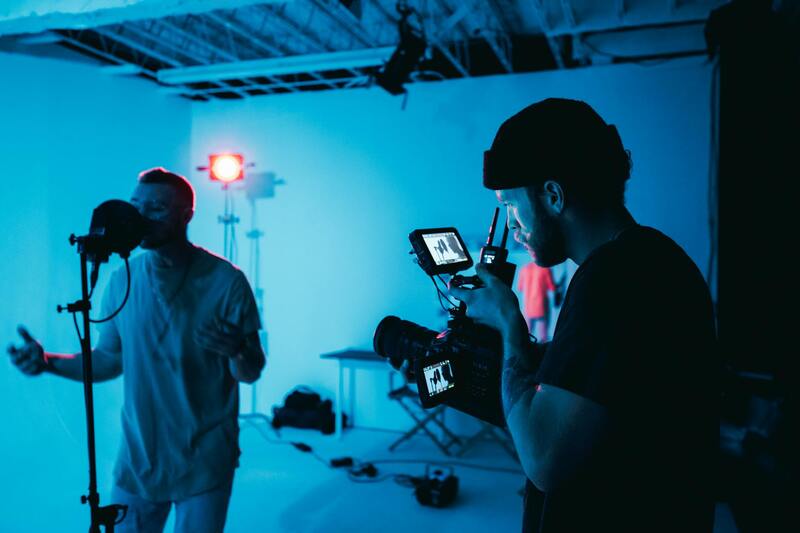
A live streaming videographer is responsible for producing high-quality broadcasts of events in real-time, ensuring that every visual and audio element is captured, integrated, and transmitted seamlessly. Their expertise extends beyond mere camera operation; they are skilled in the technical and creative aspects of digital content delivery. This includes managing multiple camera feeds, operating professional-grade broadcast equipment, and ensuring optimized audio clarity, all while maintaining engaging visual storytelling.
To achieve a polished live stream, these professionals utilize an arsenal of sophisticated tools, such as multi-camera setups, video switchers, audio mixers, and real-time graphics overlays. Their technical proficiency allows them to adapt quickly to changing circumstances during an event, such as adjusting camera angles, switching between shots, or compensating for lighting variations. They ensure audio levels remain consistent, preventing disruptions caused by volume fluctuations or technical glitches, thereby maintaining an immersive viewer experience.
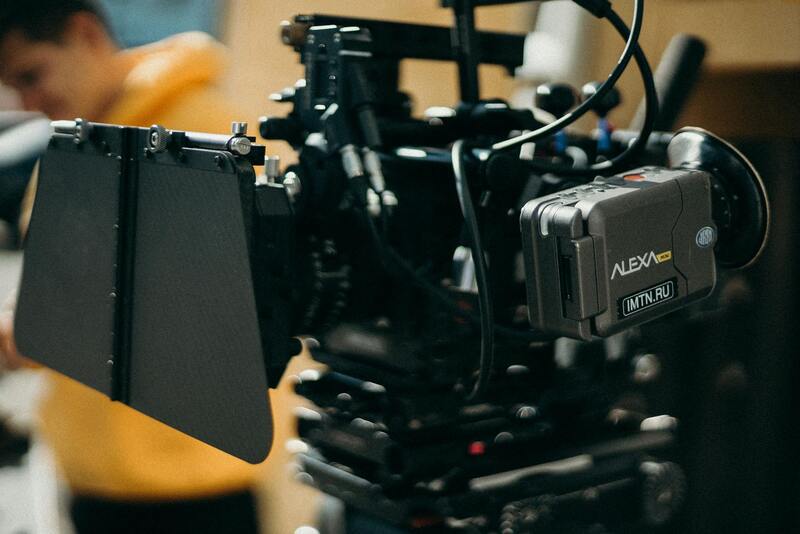
The continuous evolution of live streaming technology empowers videographers to implement innovative solutions. For instance, many now incorporate 4K resolution, remote camera control, and cloud-based streaming platforms to enhance broadcast quality and accessibility. They stay updated on industry trends through ongoing training, allowing them to deploy cutting-edge tools that elevate the production value of every event.
Beyond technical skills, a live streaming videographer needs excellent planning and communication abilities. They collaborate closely with event organizers and clients to understand the event’s objectives and audience preferences. Pre-event rehearsals and technical rehearsals are crucial steps that help identify potential issues ahead of time, ensuring a smooth broadcast during the actual event. During the live stream, vigilant monitoring and swift adjustments are necessary to address any unforeseen technical glitches with minimal disruption.
Their role also involves real-time coordination of visual elements, such as camera angles, transitions, and graphics. Skilled live switching ensures viewers receive a consistent and engaging visual narrative. Incorporating multimedia elements, such as lower thirds, event branding, and on-screen prompts, further enhances viewer engagement and professionalism.
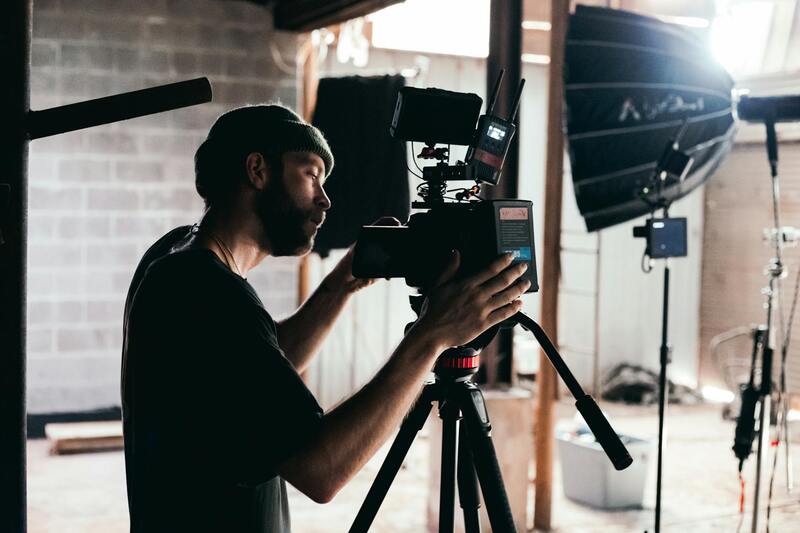
Overall, a live streaming videographer acts as the central point of control for all broadcast activities. Their ability to blend technical precision with creative vision results in a compelling, high-quality live presentation. This expertise not only captures the event’s essence but also expands its reach to audiences who can experience it in real-time from anywhere in the world, making their role indispensable in today’s digital content landscape.
Essential Techniques for Ensuring Top-Quality Live Streaming
Maintaining high-quality live streaming requires meticulous attention to detail and adherence to industry best practices. A professional live streaming videographer employs a combination of technical skill and strategic planning to deliver a seamless broadcast experience. One of the foundational elements involves rigorous pre-event testing of all equipment, including cameras, audio gear, and internet connections, to prevent disruptions during the live broadcast.
Real-time monitoring remains a critical component. This includes overseeing the video and audio signals, ensuring camera angles are appropriately framed, and verifying that transitions between scenes are smooth. The use of multi-camera setups allows for a dynamic viewing experience; switching between different perspectives keeps viewers engaged and enhances the storytelling aspect of events.
Optimizing internet connectivity is often achieved through dedicated high-speed connections with sufficient bandwidth to accommodate the entire data flow. Employing backup internet sources, such as cellular hotspots, provides an added layer of reliability should primary connections encounter issues. Modern encoding hardware and software also play a vital role; they compress video streams efficiently without sacrificing image quality, ensuring smooth delivery over various devices and connection speeds.
Sound quality should not be overlooked. Professional audio equipment, such as lavalier microphones and mixers, ensures clear audio that complements the live visual content. Incorporating on-screen graphics, branding, and lower thirds enriches the viewer experience and reinforces the event’s professional presentation. These visual elements should be prepared in advance, with the live switching team trained to insert them seamlessly into the broadcast.
Strategies to Mitigate Common Live Streaming Challenges
- Bandwidth Management: Prioritize stable internet connections and utilize bandwidth throttling to prevent overloads.
- Redundancy Planning: Have backup systems in place, including secondary streaming devices and internet sources, to switch seamlessly if primary ones fail.
- Technical Rehearsals: Conduct comprehensive rehearsals to test equipment and troubleshoot potential issues beforehand.
- Team Coordination: Ensure clear communication channels among the technical crew, hosts, and event organizers for swift response to unexpected situations.
Adopting these practices guarantees not only the technical excellence of the broadcast but also enhances viewer engagement and overall event professionalism. As technology evolves, staying updated with the latest tools and techniques ensures that live streaming services continue to meet the highest standards of quality and reliability.
Importance of Content Preparation and Event Coordination
Effective live streaming is significantly influenced by meticulous content preparation and coordinated execution on the day of the event. Prior to the broadcast, comprehensive planning sessions with clients help outline the program structure, including key segments, timing, and visual branding elements. This ensures that all stakeholders share a unified understanding of the event flow and expectations.
During this phase, a detailed technical checklist is created to verify equipment readiness, internet stability, and backup resources. Preparing visual assets such as overlays, lower thirds, and event logos in advance helps streamline the broadcast and adds to the professional appearance of the stream.
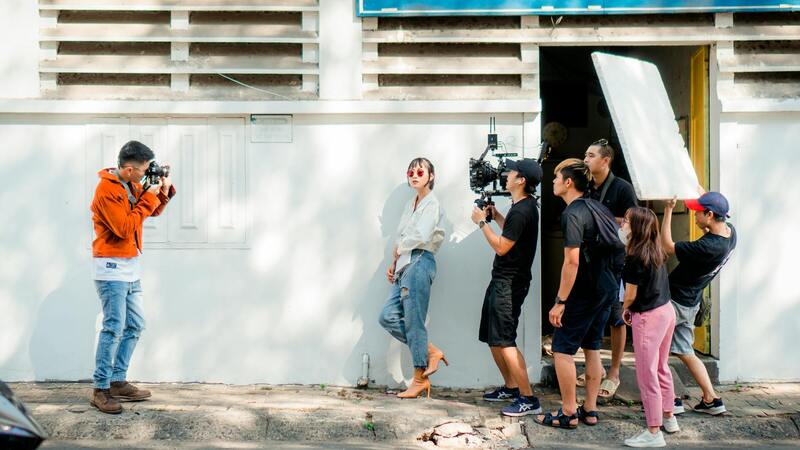
On the day of the event, a well-structured schedule for technical rehearsals allows the team to perform dry runs, troubleshoot potential issues, and familiarize themselves with the event layout and equipment operation. Clear communication channels among the technical crew, event organizers, and on-camera talent facilitate swift responses to any unforeseen circumstances, maintaining smooth flow and high-quality output.
Key Aspects of Effective Event Coordination
- Pre-event Meetings: Align expectations, review scripts, and finalize visual elements.
- Technical Rehearsals: Test all equipment, internet sources, and streaming platforms.
- On-site Setup: Confirm proper placement of cameras, microphones, and lighting.
- Live Monitoring: Assign dedicated personnel for real-time monitoring of audio-visual quality and internet connection.
- Contingency Planning: Establish protocols for handling technical difficulties promptly.
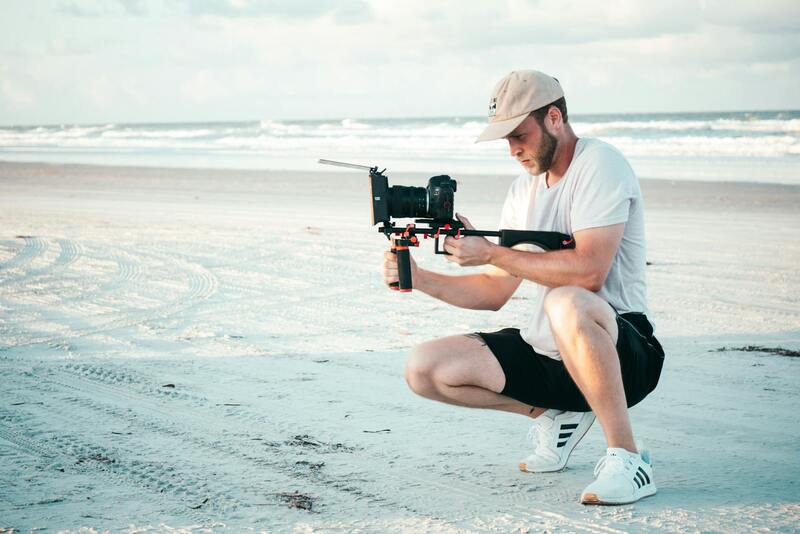
Incorporating these detailed steps into the project timeline ensures a well-orchestrated event, minimizing disruptions and maintaining viewer engagement throughout the broadcast. A professional videography team's expertise in planning and coordination directly translates into a polished, engaging viewing experience for audiences, highlighting the importance of thorough preparation in live streaming endeavors.
Technical Considerations for Stable and High-Quality Live Streaming
Achieving a seamless live streaming experience hinges on understanding and implementing key technical considerations that ensure stability, clarity, and minimal disruptions. A professional live streaming videographer meticulously manages these aspects to provide viewers with an uninterrupted, high-caliber broadcast, whether the event is a corporate conference, wedding, concert, or seminar.
Central to maintaining broadcast quality is the reliability of internet connectivity. A dedicated, high-bandwidth internet connection minimizes the risk of lag or interruption. Many professionals employ wired Ethernet connections over Wi-Fi due to their superior stability and consistent speed, especially in environments with multiple devices sharing bandwidth. For less controlled environments, multiple internet sources can be aggregated through bonding technology, which combines multiple connections to deliver a stable stream.
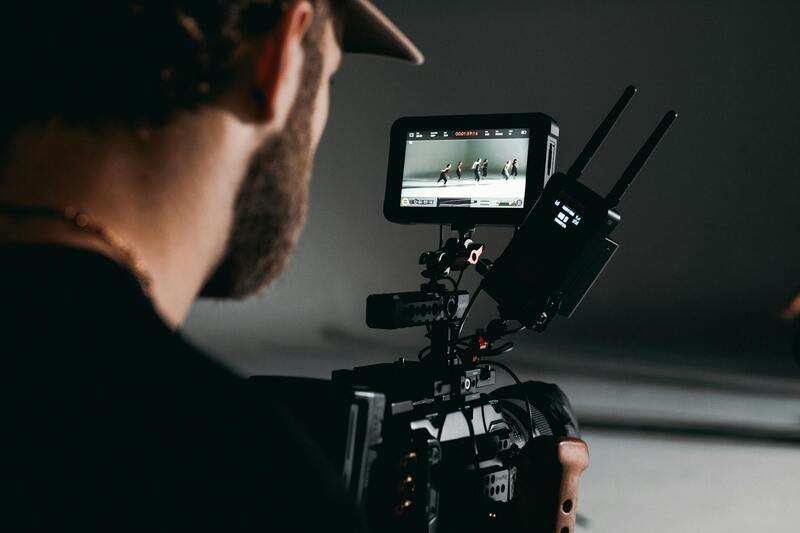
In addition to internet stability, the choice of streaming platform and encoding hardware dramatically impacts broadcast quality. Advanced encoders convert high-definition video signals into digital formats compatible with streaming services. These encoders can be hardware-based, providing robust, reliable performance, or software-based for greater flexibility. Proper configuration of encoding settings, including bitrate, resolution, and frame rate, ensures optimal delivery tailored to the viewer's bandwidth and device capabilities.
Video quality is further enhanced by professional camera operation and lighting management. High-definition cameras with professional lenses provide sharp images. Proper lighting setup ensures clarity and minimizes shadows or glare, which can be distracting or diminish visual fidelity on the viewer’s end. Skilled videographers adjust camera angles and focus dynamically during the event to capture the most engaging visuals.
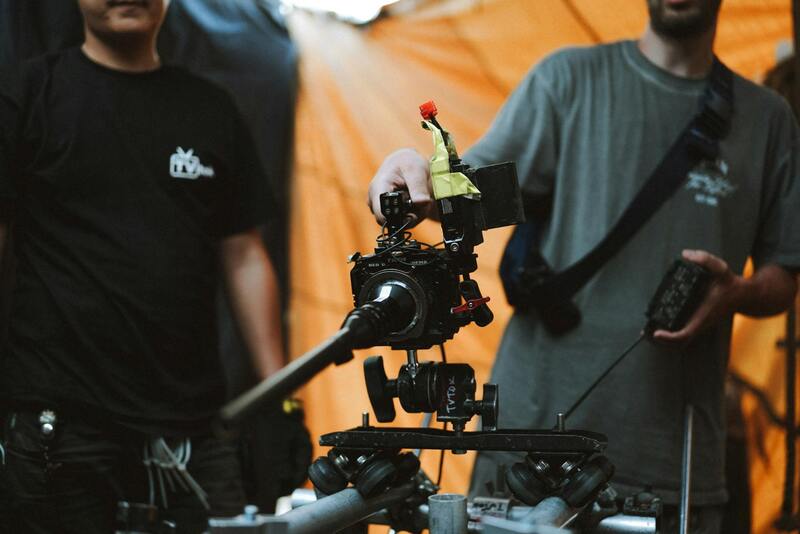
Audio quality is equally vital. Clear sound requires high-quality microphones, proper placement, and sound mixing. Shotgun microphones are often used on-camera to pick up direct audio, while wireless lapel microphones capture speech more discreetly and clearly, especially during presentations or performances. An experienced videographer ensures audio levels are balanced and free from interference or background noise.
Monitoring tools allow real-time oversight of all technical streams. Live feedback on video clarity, audio levels, and internet stability enables immediate adjustments to prevent viewer experience degradation. Backup systems, such as secondary internet sources or additional power supplies, safeguard against unforeseen technical failures.
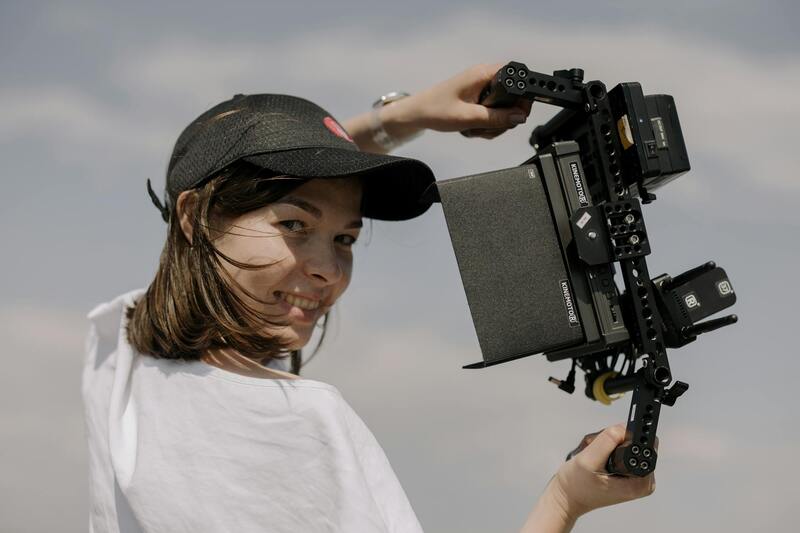
In essence, the technical mastery of a live streaming videographer combines reliable hardware setups, strategic platform choices, and real-time monitoring. These elements work together to transmit an engaging, high-resolution broadcast that meets professional standards and satisfies viewers’ expectations. The responsibility of executing these technical details falls to specialists dedicated to delivering flawless live streaming experiences, leveraging their expertise to troubleshoot potential issues before they impact the broadcast.
Understanding the Role of a Live Streaming Videographer
A live streaming videographer plays a crucial role in ensuring that events are captured and broadcasted seamlessly to audiences in real time. Their responsibilities extend beyond mere recording; they are tasked with orchestrating a complex interplay of technology, visuals, and audio to produce a broadcast that feels both professional and engaging. These professionals possess a deep understanding of various camera techniques, lighting setups, and sound management, which are vital for maintaining high-quality visuals and audio throughout an event.
A proficient live streaming videographer carefully assesses the environment beforehand, identifying potential challenges related to space, lighting conditions, and internet connectivity. They select and configure the right equipment, including cameras, microphones, mixers, and streaming hardware, to optimize performance. During the event, they monitor multiple technical streams, adjusting camera angles, lighting, and sound levels in real time to adapt to changing circumstances. Their expertise ensures that viewers experience crisp visuals and clear audio, regardless of technical glitches or environmental factors.
Furthermore, their role involves coordinating with event organizers, speakers, and technical support teams to align the production schedule and technical requirements. This coordination is essential for capturing important moments, managing transitions, and ensuring the broadcast aligns with the event’s agenda. By managing the technical aspects smoothly and efficiently, a live streaming videographer allows clients to focus on the content and audience engagement, leaving the technical execution in capable hands.
Types of Live Streaming Events Covered
Live streaming videographers are skilled in handling a broad spectrum of event types, each demanding unique technical approaches and considerations. These include corporate conferences, webinars, product launches, wedding ceremonies, concerts, religious services, and sports events. Each segment necessitates tailored strategies to optimize visual clarity, audio fidelity, and platform compatibility.
In corporate settings, the focus is often on delivering a polished presentation, with emphasis on capturing speaker angles, presentation materials, and audience reactions. For weddings and personal events, capturing memorable moments with emotional depth requires thoughtful framing, lighting, and unobtrusive microphone placement. Live music performances, concerts, and sports events benefit from high-resolution cameras, dynamic shot changes, and robust audio setups to convey the energy and atmosphere authentically.
The diversity of these events underscores the importance of a versatile approach, where a videographer adapts equipment and techniques to suit specific content and audience needs. Whether managing multiple camera feeds or utilizing specialized equipment for close-up shots and wide-angle views, a competent videographer ensures that each event type achieves a professional, engaging, and high-quality broadcast.
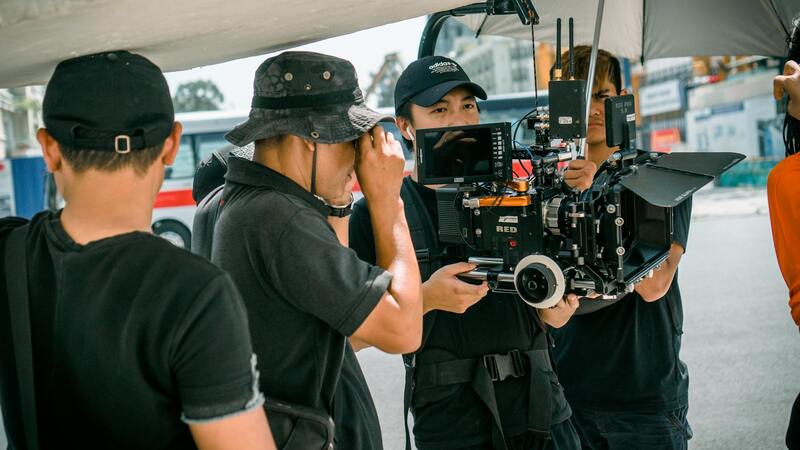
Key Equipment and Technology Used
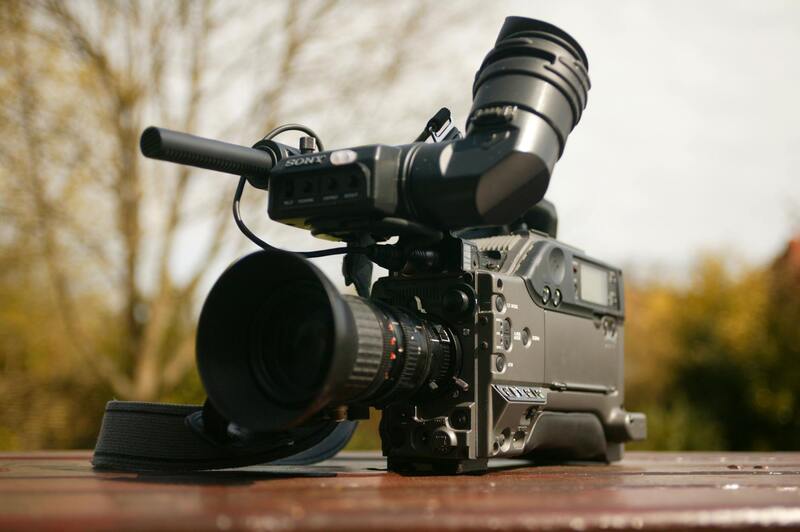
An effective live streaming setup relies on a combination of high-quality hardware and reliable software solutions. Central to this are professional-grade cameras capable of capturing sharp, detailed images with excellent low-light performance. These cameras often feature multiple lenses and sensors, enabling versatile shot selection and high-definition output.
Audio equipment holds equal importance; industry-standard microphones include shotgun mics, wireless lapel mics, and boundary microphones, all designed to capture speech and ambient sound clearly. Sound mixing consoles and digital audio interfaces are integrated to balance audio levels and eliminate background noise.
Streaming hardware such as encoders, switchers, and capture cards facilitate real-time encoding and transmission of live feeds to chosen platforms. Hardware streaming encoders offer stability and lower latency compared to software-based solutions, essential for professional broadcasts.
Additionally, a robust internet connection with sufficient upload bandwidth is vital to prevent buffering and delays. Dual internet sources and backup power supplies are often incorporated to ensure uninterrupted streaming despite potential technical issues.
Modern technology also includes monitoring tools for real-time feedback on video quality, audio levels, and stream stability. These tools enable instant adjustments, contributing to a seamless viewing experience for the audience.
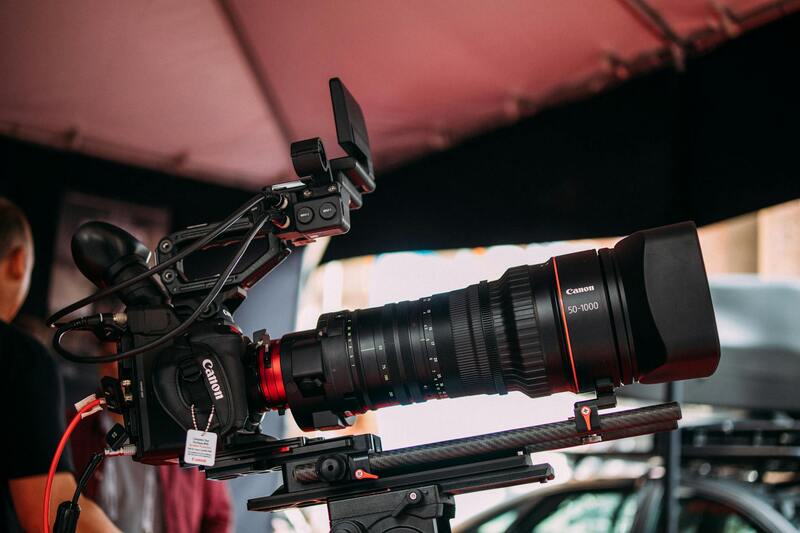
Planning and Coordination for Live Streaming Projects
Effective live streaming requires meticulous planning and coordination well ahead of the event. The initial phase involves understanding the client’s objectives, target audience, and desired broadcast quality. This helps determine the appropriate equipment, platform choice, and technical setup.
Developing a detailed production plan is crucial. This plan outlines camera locations, lighting requirements, audio setup, and crew responsibilities. It also considers staging, backdrop, and graphical overlays to enhance visual appeal.
Pre-event rehearsals are essential for testing equipment, internet connectivity, and the overall flow of the broadcast. During rehearsals, potential issues are identified and addressed to prevent disruptions during the live event.
On the day of the event, a designated team manages each aspect of the production—camera operators, sound engineers, and technical directors coordinate seamlessly to execute the plan. Clear communication channels are established to facilitate real-time decisions and adjustments.
Post-event, the project involves reviewing the broadcast quality and gathering feedback to improve future live streams. Proper documentation of the process helps refine procedures, ensuring continuous improvement in technical execution and overall quality.
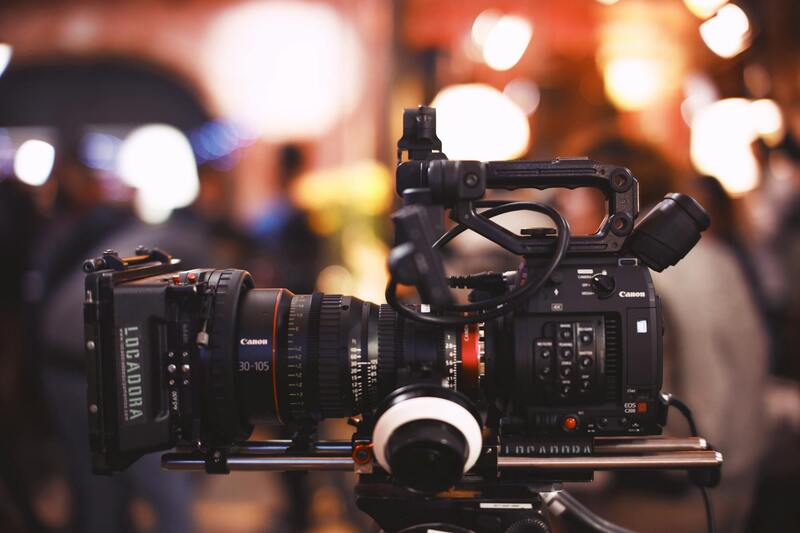
Best Practices for Live Streaming Quality
Achieving high-quality live streams involves a combination of technical precision and strategic execution. Ensuring a stable internet connection is fundamental; fiber optic or dedicated broadband services are preferred for their reliability and bandwidth capacity. Prior to the event, conducting speed tests helps verify sufficient upload speeds to support streaming in high definition. Camera setup and positioning are optimized to capture key moments without obstruction, utilizing a mix of wide shots and close-ups to maintain viewers' engagement. Lighting must be carefully calibrated to reduce shadows, enhance facial features, and highlight the event’s ambiance. Audio quality is enhanced through the use of directional microphones set close to speakers or performers. It’s critical to monitor audio levels throughout the broadcast, making real-time adjustments to prevent distortion or background noise. Employing streaming encoders that support adaptive bitrate streaming ensures viewers with varying internet speeds can access the broadcast smoothly. Additionally, choosing platforms with scalable infrastructure handles increased viewer loads seamlessly. Monitoring software provides real-time insights into stream performance, enabling technical teams to address latency issues, buffering, or visual artifacts immediately. Maintaining backup systems, such as secondary internet sources and power supplies, further safeguards against disruptions. Consistent communication among the technical team ensures swift responses to any unforeseen issues, maintaining the integrity and professionalism of the broadcast. Post-event, analyzing viewer metrics and feedback helps identify areas for technical refinements in future projects.
Understanding the Role of a Live Streaming Videographer
A live streaming videographer serves as the technical and creative backbone of any live broadcast. Their responsibilities extend beyond simple camera operation to encompass comprehensive event coverage, ensuring that every visual and audio element aligns seamlessly with the event’s objectives. The videographer’s expertise is vital in translating a live event into a captivating digital experience, captured through high-quality video feeds that resonate with viewers across various devices.
In this role, a live streaming videographer must possess an extensive knowledge of camera systems, lighting setups, sound engineering, and streaming platforms. They are tasked with selecting appropriate camera angles to maximize viewer engagement, employing advanced equipment to deliver clear images even in challenging lighting conditions. Precise audio capture is equally critical, as crisp sound enhances the overall production value and viewer immersion.
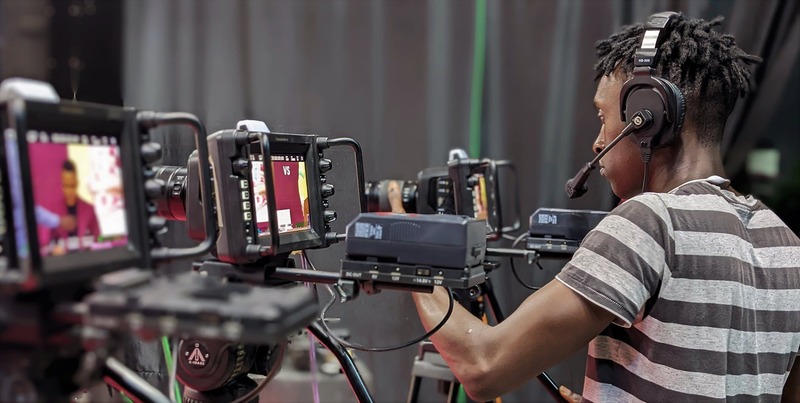
Beyond technical skills, a professional videographer is responsible for pre-event preparations, including site surveys and equipment testing. During the event, they operate in real-time, making rapid adjustments to camera angles, lighting, and audio levels to adapt to changing scene dynamics. Post-event, the videographer may assist with editing or archiving footage, ensuring that the broadcast content remains accessible and of high quality for future use.
Types of Live Streaming Events Covered
Live streaming videographers are versatile professionals capable of covering a broad array of events. Each event type demands specific skills and equipment configurations to optimize the viewing experience. Some of the most common live streaming scenarios include:
- Corporate Events: Conferences, product launches, and seminars require a professional setup that captures both keynote speakers and audience reactions while managing multiple camera angles.
- Weddings and Private Celebrations: These occasions benefit from intimate camera shots, candid captures, and high-quality audio to preserve precious memories in a broadcast format.
- Sports and Fitness Events: High-speed action calls for specialized equipment such as high frame-rate cameras and multi-camera coordination for smooth, dynamic streaming.
- Religious Services: Ensuring unobstructed views and clear sound for sermons and rituals, often in challenging lighting environments, calls for precise camera placement and lighting calibration.
- Educational Sessions: Livestreaming seminars or workshops involves capturing instructional content clearly while facilitating interaction through platforms that support Q&A or live polls.

Key Equipment and Technology Used
Delivering high-quality live streams relies on a suite of advanced equipment and technology to ensure clarity, stability, and reliability. Essential tools include:
- Professional Cameras: High-definition (HD) or 4K camera systems with lenses suited for various shots, including wide-angle, telephoto, and macro capabilities.
- Streaming Encoders: Hardware or software solutions that compress and transmit video signals efficiently, supporting adaptive bitrates for different viewer bandwidths.
- Audio Equipment: Directional microphones, wireless lavaliers, and audio mixers help capture clear dialogue and ambient sounds.
- Lighting Systems: Portable LED panels and softboxes enhance visibility and create a professional look regardless of venue lighting conditions.
- Networking Solutions: High-capacity internet connections, including backup options such as mobile hotspots or secondary ISPs, ensure uninterrupted streaming.
- Monitoring Devices: Real-time software and hardware monitors track stream quality, latency, and viewer engagement metrics.
Planning and Coordination for Live Streaming Projects
Effective live streaming demands meticulous planning and coordination among team members, venue staff, and clients. Establishing a detailed storyboard or shot list helps define camera angles, key moments to capture, and overall visual narrative. Site reconnaissance allows the videographer to identify optimal camera placements, power sources, and lighting conditions, minimizing surprises during the live event.
Pre-event rehearsals are crucial for testing equipment, verifying internet speeds, and syncing audio-visual components. Clear communication protocols, including designated roles for technical staff and contingency plans for potential disruptions, elevate the professionalism of the production.
On the day of the event, a well-organized schedule ensures synchronized operations, from camera switching to audio mixing, with real-time adjustments made based on live feedback. Continuous monitoring of stream health enables prompt troubleshooting, preserving the quality of the broadcast.
Advanced Techniques for Enhancing Live Streaming Quality
To deliver a seamless and professional live streaming experience, adopting advanced techniques is essential. This involves the integration of real-time feedback systems that monitor stream health metrics such as latency, buffering, and resolution. High-quality encoding hardware ensures that the video remains crisp and clear, even when transmitting over variable internet conditions common in Miami's diverse venue landscapes. Employing adaptive bitrate streaming allows the broadcast to dynamically adjust resolution based on viewer bandwidth, minimizing interruptions and buffering issues.
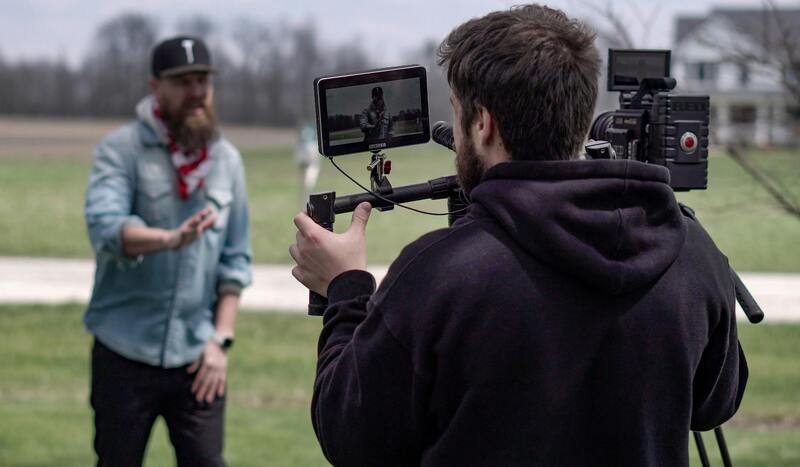
Color grading and image stabilization techniques can significantly enhance the visual appeal of the broadcast. While traditionally associated with post-production editing, these adjustments can be applied in real-time using specialized software to correct lighting inconsistencies and shaky footage caused by unstable camera mounts or movement. Additionally, employing multiple camera feeds with different focal lengths provides viewers with a rich visual experience, showcasing various angles and details of the event.
Utilizing Multi-Platform Streaming for Broader Reach
One of the key strategies for maximizing viewership involves simultaneous streaming across multiple platforms such as social media channels, dedicated websites, and streaming services. This multi-platform approach ensures that content reaches diverse audiences, catering to viewers’ preferred channels. Strategically managing the streaming schedule and optimizing broadcast settings for each platform enhances overall viewer engagement and satisfaction.
Incorporating Professional Audio Solutions
Audio clarity is fundamental for an engaging live stream. Employing professional-grade microphones, audio mixers, and real-time audio processing tools guarantees high-fidelity sound that complements the visual coverage. Windshields, directional microphones, and proper acoustic treatment of the venue contribute to reducing unwanted background noise, ensuring clear communication of speakers, performers, and other audio sources.
Legal Considerations and Content Rights Management
Ensuring that all content captured during live streams complies with copyright laws and intellectual property rights is vital. Securing permissions for music, videos, and images prior to broadcast prevents potential disputes. Incorporating digital rights management (DRM) measures and watermarking can protect content and establish ownership. Transparent rights management not only maintains the integrity of the content but also fosters trust with clients and viewers.
Post-Event Content Repurposing and Engagement Tracking
Post-live streaming activities, such as editing, clipping, and sharing highlight reels, extend the value of the original content. With proper archiving and metadata tagging, these assets can be repurposed for marketing, training, or promotional campaigns. Analyzing viewer engagement metrics—such as peak viewership times, drop-off points, and interaction rates—provides insights that inform future live streaming strategies, enabling videographers to tailor content to audience preferences effectively.