
Understanding the Role of a Livestream Videographer
A livestream videographer plays a crucial role in capturing live events and broadcasting them seamlessly to a virtual audience. These professionals are responsible for the entire production process, from managing equipment to ensuring the event is broadcast smoothly and in high quality. Their work is instrumental in making events accessible to remote viewers while maintaining visual and audio clarity.
A skilled livestream videographer combines technical expertise with creative vision to deliver engaging content. They are proficient in operating various camera systems, audio equipment, and streaming platforms. Additionally, they understand how to adapt to different environments, whether it's indoor corporate events, outdoor festivals, or large-scale conferences.
Their responsibilities include setting up and testing equipment before the event, coordinating with event organizers, managing live feeds, troubleshooting technical issues promptly, and coordinating with other production team members. The goal is to produce a polished livestream that captures the event's essence without disruptions.
Using advanced technology, such as multi-camera setups, professional-grade microphones, and reliable streaming hardware, videographers can maintain high-quality broadcast standards. They often utilize professional software for live mixing, graphics, and real-time editing, enhancing the viewer experience.
Moreover, experience in network management and streaming protocols ensures minimal latency and interruption during the broadcast. A knowledgeable livestream videographer also has an understanding of internet bandwidth requirements to handle live data transfer efficiently.
In Miami, where events range from corporate galas and sports tournaments to cultural festivals, the role of a livestream videographer extends beyond mere filming. It involves strategic planning and technical precision to deliver seamless live coverage that engages viewers and meets client expectations.
Key Skills and Qualifications to Look For
When selecting a professional livestream videographer, it is essential to evaluate their core competencies and technical expertise. A proficient videographer must possess a comprehensive understanding of various streaming protocols, network configurations, and live broadcasting software to ensure reliability and optimal performance. Technical literacy extends to operating multi-camera systems, professional-grade audio equipment, and integrating graphics or overlays seamlessly into the live feed.
Experience in managing different event types enhances a videographer’s adaptability. Whether capturing the energy of a sports competition or the formal atmosphere of a corporate presentation, versatility is key. A qualified operator demonstrates a solid track record, with a portfolio showcasing diverse projects and satisfied clients.
Strong communication and coordination skills are paramount. A livestream videographer must effectively liaise with event organizers, content creators, and technical teams to synchronize efforts and troubleshoot issues swiftly. Time management skills also play a critical role, as live productions require precise execution within strict schedules.
In addition, familiarity with the latest broadcast hardware, such as high-definition cameras, wireless transmitters, and dependable streaming servers, is vital. Knowledge of best practices for audio mixing, lighting adjustments, and camera angles ensures high-quality content delivery. Staying updated on emerging technologies and industry standards can significantly elevate the overall production quality.
Continual professional development through workshops, certifications, and hands-on experience distinguishes top-tier technicians. These investments in education ensure that the videographer remains adept at adapting to evolving technology and industry trends, ultimately providing clients with a resilient and innovative streaming service.
Understanding the Role of a Livestream Videographer
A livestream videographer is a professional responsible for capturing, managing, and broadcasting live video footage of events to audiences in real-time. This role requires a blend of technical mastery, creative vision, and excellent coordination skills to ensure seamless delivery of content across various platforms. The livestream videographer's primary goal is to provide viewers with a high-quality viewing experience, regardless of the event type or venue.
Their responsibilities extend beyond merely pointing cameras and pressing record. They are tasked with setting up and operating sophisticated broadcast equipment, adjusting camera angles for optimal coverage, managing audio inputs for clear sound, and streaming the live feed reliably. This role also involves troubleshooting technical issues swiftly to prevent disruptions during the broadcast. In essence, the livestream videographer acts as the backbone of live digital content, translating physical events into engaging virtual experiences.
Key Responsibilities of a Livestream Videographer
- Pre-event planning, including site assessment and equipment setup
- Operating professional-grade cameras and audio equipment
- Managing live streaming software and hardware configurations
- Monitoring stream quality and stability throughout the event
- Making real-time adjustments for lighting, angles, and sound
- Ensuring all streaming endpoints are functioning correctly
- Collaborating closely with event organizers, technical staff, and content creators
This role demands familiarity with high-definition broadcast hardware, such as professional cameras, wireless transmitters, streaming servers, and audio mixing consoles. Moreover, understanding industry standards for video compression, encoding, and live streaming protocols is essential for delivering consistent quality.
The Significance of a Livestream Videographer’s Expertise
A skilled livestream videographer combines technical proficiency with an artistic eye, ensuring that each shot contributes meaningfully to the storytelling. Their ability to quickly adapt to unforeseen circumstances, like camera malfunctions or lighting issues, minimizes disruptions and maintains viewer engagement. Staying updated on emerging streaming technologies and industry best practices allows professionals to incorporate innovative solutions, providing clients with state-of-the-art services.
In addition, professional certification and ongoing education demonstrate a commitment to excellence in this field. These standards help distinguish top-tier workflow practices and ensure that the videographer remains adept at handling complex live productions with precision and confidence.
Advantages of Hiring a Certified Livestream Videographer
- Guarantees access to the latest broadcast technology and techniques
- Ensures professional quality and consistency in live streams
- Reduces the risk of technical failures during events
- Provides comprehensive pre-event planning and post-event support
- Enhances the overall experience for both live audiences and remote viewers
Essential Equipment for Optimal Livestream Quality
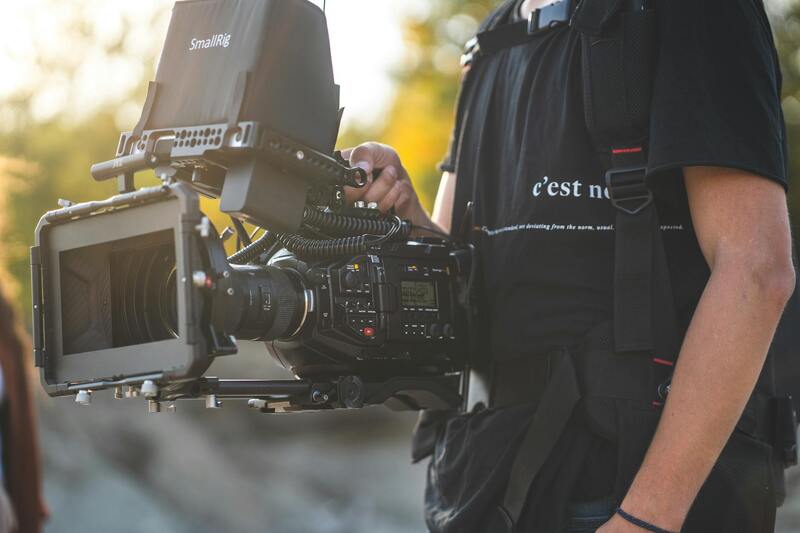
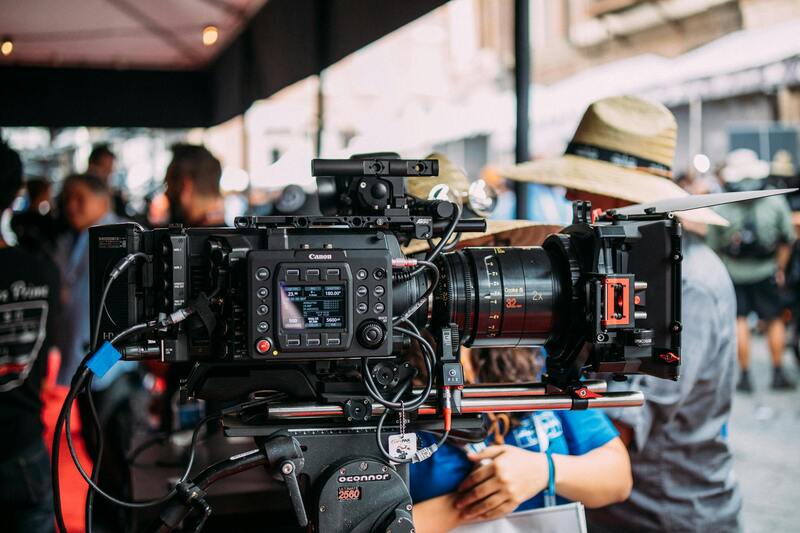
Achieving professional-grade live streaming requires a combination of advanced hardware and reliable software solutions. High-definition cameras are fundamental, with options ranging from DSLR and mirrorless models to professional broadcast-level cameras. These devices offer superior image clarity, accurate color reproduction, and low light performance, ensuring that viewers experience live visuals as close to the real event as possible. Audio quality is equally critical, necessitating the use of high-quality microphones and sound mixers. Clear audio helps convey the event’s atmosphere and maintains viewer engagement, making the audience feel as if they are part of the action. For seamless streaming, a robust streaming platform or encoder is necessary. Hardware encoders provide dedicated, reliable systems to convert and transmit video feeds efficiently. Additionally, software encoders can be integrated into computers or mobile devices, offering versatility for different event sizes and locations. Redundancy systems, such as backup internet connections and secondary hardware units, guard against unexpected disruptions, ensuring a smooth broadcast regardless of unforeseen technical issues. Monitoring equipment, including multi-view monitors and audio level meters, allows technicians to oversee the production in real-time. This continuous oversight ensures that video quality, sound levels, and stream stability are maintained throughout the event. Lastly, the importance of high-capacity storage solutions cannot be overstated, as they facilitate recording the live feed for post-event editing or distribution.
Software Considerations for Livestream Success
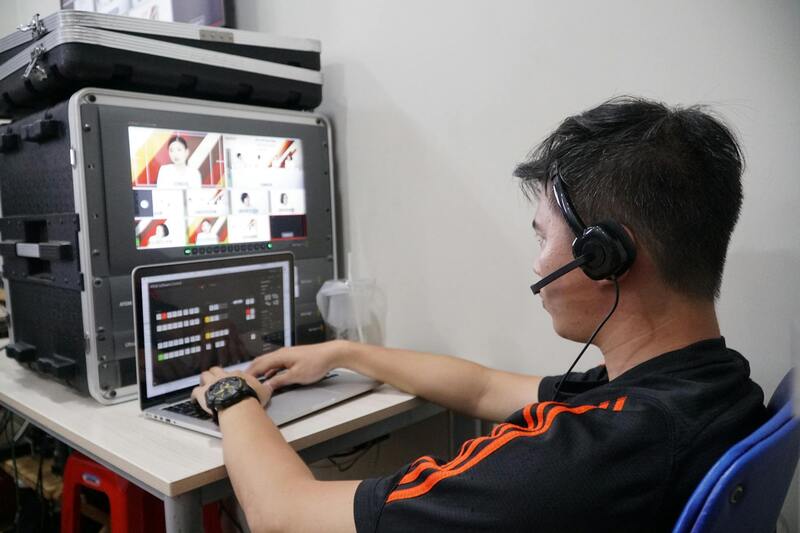
Choosing the appropriate streaming software is crucial for managing the complexities of live broadcasts. Popular platforms incorporate features like multi-camera switching, overlays, real-time graphics, and chat moderation, which enhance viewer engagement and professional presentation. These tools often support integration with multiple social channels and streaming services simultaneously, expanding the event’s reach. Furthermore, software solutions should offer robust encoding options, adaptive bitrate streaming, and analytics to monitor stream performance. This data helps identify potential issues during the broadcast and provides insights into audience engagement post-event. As technology advances, newer software often includes AI-driven features such as automated camera tracking and scene detection, which reduce the need for extensive manual operation and streamline the production workflow.
Network Infrastructure and Its Impact on Livestream Quality
A stable and high-bandwidth internet connection is arguably the backbone of a successful livestream. Fiber optic internet connections are ideal due to their high speeds and low latency, preventing buffering and lag that can hamper the viewing experience. For events in remote or variable environments, a dedicated wireless connection or a mobile bonding solution that combines multiple internet sources can be employed to maintain a consistent stream. To mitigate potential network failures, technicians often set up secondary internet sources, which can automatically take over if the primary connection drops. Proper network configuration, including firewall settings and port forwarding, ensures smooth data transfer between the streaming device and the platform. Constant monitoring of bandwidth usage and real-time network diagnostics during the event can help preempt issues, guaranteeing viewers experience uninterrupted, high-quality content.
Factors to Consider When Hiring a Livestream Videographer in Miami
Choosing the right livestream videographer is crucial to ensuring your event’s success and maximizing audience engagement. When searching for a local professional in Miami, several key factors should guide your decision-making process. These include the videographer’s experience with similar events, their technical expertise, portfolio of past work, and ability to adapt to specific event requirements.
Experience in Miami’s vibrant event scene is especially valuable. Familiarity with local venues, crowd dynamics, and regional event types can significantly enhance production quality. An accomplished livestream videographer understands the unique logistical and technical considerations inherent to Miami’s diverse event landscape, whether it’s a corporate conference, a music festival, or a religious ceremony.
Evaluating a videographer's portfolio provides insight into their technical proficiency and creative approach. Look for samples that showcase their capability to handle different lighting conditions, camera movements, and multi-camera setups. A professional should also demonstrate their proficiency in operating advanced streaming software, managing live feeds, and troubleshooting technical issues swiftly.
Pricing structures and service packages vary across providers. Clarify what is included—such as pre-production planning, multiple camera angles, audio mixing, graphics, and on-site technical support. Transparent pricing and clear deliverables help avoid surprises and ensure the service aligns with your event goals and budget expectations. Many professional videographers also offer customizable packages to cater to specific needs, whether the event is live-streamed on social media, embedded on a website, or recorded for later use.
Beyond technical skills, interpersonal qualities like professionalism, communication skills, and reliability are essential. An adept livestream videographer collaborates closely with clients and event organizers to understand objectives and coordinate logistics seamlessly. Responsive communication and a proactive approach to potential challenges contribute to a smooth live broadcast from setup through post-event.
Factors to Consider When Hiring a Livestream Videographer in Miami
When selecting a livestream videographer to capture your event in Miami, it is crucial to evaluate multiple aspects that influence the quality of the broadcast and the overall success of the project. First, review their portfolio thoroughly. A comprehensive portfolio should demonstrate versatility across different event types, lighting conditions, and camera configurations. Look for examples showcasing multi-camera setups, smooth camera movements, and clear audio quality, which are indicative of their technical expertise and experience.
It’s also advisable to inquire about their familiarity with the specific venue or similar locations to your event. A local Miami videographer possesses valuable insights into regional logistical considerations, permitting access issues, and optimal shooting angles. Their knowledge of Miami’s event spaces can translate into a more seamless production process and higher-quality footage.
Technical proficiency is vital, particularly in managing live streams on various platforms such as social media, company websites, or dedicated streaming services. Ask potential providers about their experience with popular streaming software and hardware, their ability to handle multi-camera feeds, and how they troubleshoot common technical issues swiftly. These capabilities prevent disruptions and ensure your event remains professional and engaging.
Reliability and professionalism are equally important. A top-tier livestream videographer should communicate clearly, adhere to timelines, and demonstrate a proactive approach in planning and execution. They should provide transparent information about their service offerings, including pre-event consultations, on-site support, and post-production editing when applicable. Clear expectations regarding deliverables, such as recorded footage, highlights, or full-event streams, help you plan your content distribution strategy effectively.
Pricing and package options vary significantly among providers. It is prudent to request detailed proposals that outline the scope of work, included services, and associated costs. Understanding what is included—like multiple camera angles, audio mixing, graphics overlays, and technical support—helps ensure your event’s specific needs are met within your budget.
Lastly, consider client reviews and testimonials. Feedback from past clients provides insights into the videographer’s reliability, communication skills, and capacity to deliver a high-quality live stream. Prior successful projects similar in scope and complexity to your event are strong indicators of their ability to meet your expectations effectively. Carefully assessing these factors will help you identify a professional livestream videographer who can deliver a seamless, engaging broadcast tailored to your Miami event.
Factors Influencing the Success of a Livestream Event in Miami
Choosing the right livestream videographer is crucial to ensuring a flawless broadcast that engages your audience and meets your event objectives. Several variables directly impact the quality, stability, and overall professionalism of a live stream. Understanding these factors can help organizers make informed decisions and set realistic expectations for their Miami event.
Network Infrastructure and Connectivity Reliability
The backbone of any live streaming operation is a robust internet connection. High bandwidth and stable network pathways are pivotal to prevent interruptions or buffering during the broadcast. Miami-based events, often held in venues with varying levels of internet infrastructure, require thorough assessment of available connectivity options. Professional livestream videographers typically utilize dedicated internet lines or bond multiple connections to secure the necessary upload speeds. Redundant connections and backup plans are also essential to mitigate potential disruptions caused by network instability.
Technical Expertise and Equipment Proficiency
The technical skill set of your chosen videographer impacts every aspect of the broadcast, from camera work to audio fidelity. Experienced professionals are adept at configuring multi-camera setups, managing live switching, and balancing audio inputs in real-time to produce seamless visuals. They also understand the importance of lighting conditions, camera positioning, and framing to capture the event effectively. The proficiency in troubleshooting technical issues as they arise minimizes downtime and preserves the quality of the stream.
Environmental Considerations and Venue Conditions
The physical environment where the live stream takes place significantly influences production. Factors such as lighting levels, acoustics, background noise, and available space must be taken into account. A professional livestream videographer performs a comprehensive site survey beforehand to identify optimal camera placements and sound sources. Proper planning ensures the visuals remain clear and the audio remains intelligible regardless of environmental challenges.
Audience Engagement and Interaction Elements
Incorporating audience participation enhances the effectiveness of a livestream. Features such as live chat, Q&A sessions, and social media integration demand additional technical setup and moderation. A skilled videographer works closely with your team to incorporate these interactive components seamlessly, elevating the overall viewer experience and fostering a sense of community during the event.
Legal and Compliance Aspects
Adhering to copyright rules, privacy policies, and proper licensing is fundamental when producing a livestream. Ensuring that all content, including music, images, and footage, is appropriately licensed prevents potential disputes. A knowledgeable videographer familiar with Miami’s regulatory landscape will handle permissions and rights clearance, providing peace of mind and maintaining the event’s integrity.
Choosing a Livestream Videographer with Proven Experience in Miami
Expertise specific to the Miami region, including familiarity with local venues and logistical nuances, enhances the likelihood of a successful live broadcast. An experienced professional will anticipate challenges, leverage regional connectivity solutions, and adapt to venue-specific environments. Their portfolio should showcase a range of past projects similar in scope, demonstrating their capacity to deliver professional results consistently.
By evaluating these critical factors, event organizers can select a livestream videographer whose skills, equipment, and approach align with their goals for a high-quality, engaging broadcast in Miami. The investment in reliable technology and experienced personnel directly correlates to the event's success and audience satisfaction.
Post-Event Review and Content Repurposing
After the livestream event concludes, a comprehensive review of the broadcast quality and technical performance is essential. This step ensures that any issues, whether related to audio clarity, video stability, or streaming interruptions, are identified and addressed for future improvements. A detailed analysis provides insights into the strengths and shortcomings of the production, enabling the team to optimize processes for upcoming events.
Beyond the technical evaluation, the recorded footage from the event offers a valuable resource for repurposing content. High-quality recordings can serve multiple marketing and engagement strategies, including highlight reels, promotional materials, or educational content. Transforming live footage into visually engaging clips can extend the reach of the event beyond its live audience, attracting new viewers and potential clients in Miami and beyond.
Utilizing Recorded Content Effectively
- Social Media Campaigns: Short clips from the event can be shared across various platforms to generate buzz and increase visibility. Highlight reels showcasing key moments, guest reactions, or speaker insights can captivate audiences and encourage sharing.
- Website Integration: Embedding the full event or select segments on your website enhances credibility and provides visitors with a sense of engagement. It’s a useful tool for promoting future events or showcasing your organization’s activities.
- Email Marketing: Incorporating recorded footage into newsletters or promotional emails leverages existing content to maintain audience interest and encourage participation in upcoming events.
- Training and Internal Use: Recorded sessions can serve as educational material for staff training or internal review to improve future livestream productions.
Preserving Content Quality
When repurposing content, it’s vital to ensure the recordings are of the highest possible quality. This involves editing for clarity, color correction, and sound balancing. Employing professional post-production services guarantees that the content remains polished and engaging, reflecting positively on your brand or organization.
Continuing Engagement
Engagement doesn’t end when the live event concludes. Sharing recorded content, encouraging feedback, and creating interactive follow-up activities help to maintain audience interest. Utilizing the footage to develop a content library fosters ongoing communication with your community, ultimately strengthening your presence in Miami’s vibrant event scene.