
Overview of Sports Video Streaming in Miami
Miami has rapidly transformed into a vibrant hub for sports entertainment, fostering a dynamic environment for live sports events, leagues, and tournaments. The advent of advanced streaming technologies has revolutionized how audiences engage with sports, enabling real-time viewing across multiple devices and platforms. For local sports organizations, production agencies, and broadcasters, the ability to deliver high-quality live coverage is now a critical component of their operational strategy.
The demand for professional sports video streaming services in Miami continues to grow, driven by an increasing number of events that seek to reach wider audiences beyond traditional stadiums and arenas. This growth is fueled by the city's diverse sports landscape, which includes everything from professional basketball and baseball to collegiate competitions and amateur tournaments. The proliferation of smartphones, tablets, and high-speed internet connectivity has made streaming accessible to a broad audience, creating new opportunities for engagement and revenue.
Streaming live sports content offers numerous benefits, such as expanded viewership, enhanced fan experience, and greater exposure for teams and sponsors. As a result, Miami-based sports organizations are investing heavily in developing state-of-the-art streaming solutions that prioritize seamless delivery, high-definition quality, and reliable connectivity. These efforts are supported by a burgeoning industry of sports video production companies that specialize in capturing and broadcasting live events, ensuring a professional and polished presentation.
The industry's rapid expansion in Miami also brings technological advancements and innovative content delivery methods, including multi-camera setups, real-time graphics, and integrated social media features. Such capabilities enable producers to craft engaging broadcasts that rival traditional television coverage, positioning Miami as a key player in the evolving landscape of sports media.
As local and regional sports scenes continue to flourish, the importance of reliable and high-quality streaming services becomes even more apparent. From grassroots tournaments to major league events, the demand for professional coverage tailored to audiences' increasing expectations is evident. Miami, with its strategic geographic location and technological infrastructure, is well-positioned to lead this transformation in sports video production and streaming.

Key Technologies and Equipment for Streaming Sports Events
To deliver professional-grade sports streams, a range of advanced hardware and software components are essential for capturing, processing, and transmitting live footage with clarity and reliability. High-definition cameras are the cornerstone of any sports broadcast, providing crisp, detailed visuals essential for engaging viewers. These cameras often feature fast autofocus, high frame rates, and low-light performance, enabling smooth shots regardless of lighting conditions.
Encoding devices play a crucial role in compressing video signals into broadcast-friendly formats, efficiently transmitting high-quality streams over the internet. Hardware encoders offer advantages such as low latency and stability, especially important for live sports where timing is critical. For switching between multiple camera feeds, production switchers provide flexibility to create seamless transitions, add effects, and include graphics, ensuring the broadcast maintains a professional appearance.
Streaming platforms or content delivery networks (CDNs) serve as the backbone for distributing the final stream to viewers. These platforms support adaptive bitrate streaming, allowing the transmission to adjust quality dynamically based on viewers' internet speeds, thereby minimizing buffering and interruptions. The choice of streaming platform should integrate with existing workflows, offering features like real-time analytics, multi-bitrate output, and easy embedding capabilities.
Additionally, software solutions, including broadcast management systems and cloud-based services, streamline workflows and enhance production capabilities. These tools facilitate live graphics insertion, instant replays, and real-time statistics integration, enriching the viewing experience. As technology advances, the integration of IP-based cameras and cloud-based switching systems further simplifies setups and enhances scalability, making professional sports streaming accessible for both large stadiums and local venues.
Choosing the right combination of these technical elements ensures that live sports broadcasts are delivered with minimal latency, consistent quality, and a polished finish. The ongoing evolution of streaming hardware and software continues to push the boundaries of what is possible in live sports coverage, providing producers with more innovative tools to captivate their audiences.
Camera Setup and Multi-Camera Operations
Implementing an effective camera setup is fundamental to capturing the dynamic nature of live sports events. Utilizing multiple cameras enables producers to offer varied perspectives, providing viewers with an immersive experience. Typically, a combination of wide shots, close-ups, and specialized angles such as end zones or sideline views are employed. Positioning these cameras requires careful planning to avoid obstructions and maintain sight lines, especially in fast-paced moments.
Modern sports broadcasts predominantly rely on different types of camera systems, including remote-controlled pan-tilt-zoom (PTZ) cameras, traditional broadcast cameras, and increasingly, IP-based cameras. IP cameras facilitate flexible placement and simplified wiring, allowing for rapid deployment across venues of varying sizes. Their integration into a centralized control system supports seamless switching during live broadcasts.
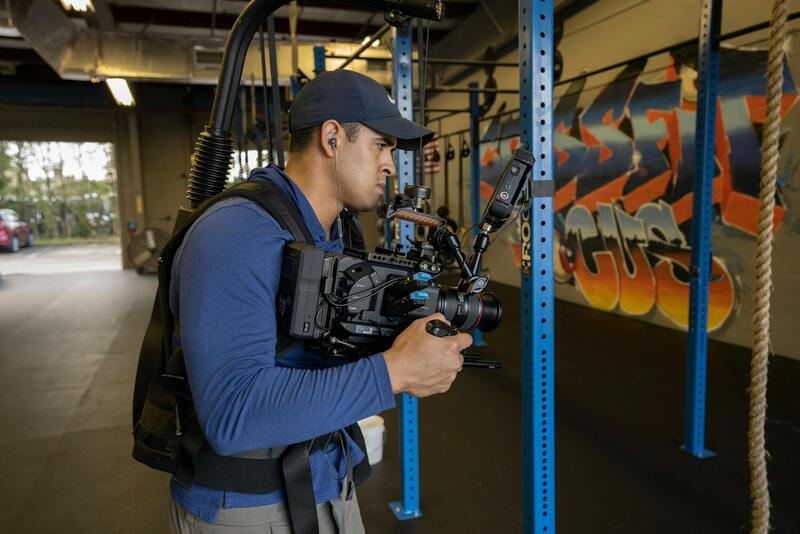
Multi-camera operation necessitates a well-coordinated production team. Camera operators must work in synchronization, often guided by a director who indicates the preferred shots. Wireless transmission from cameras is common, utilizing technologies such as Wi-Fi or dedicated RF links, ensuring minimal downtime or signal loss. The deployment of color grading, focus adjustments, and exposure control further optimizes image quality, making sure every angle meets broadcast standards.
Transitioning between cameras is managed by sophisticated video switchers. These devices allow real-time editing of feeds, ensuring smooth transitions that maintain the flow of the event. Analog or digital converters may be used to integrate older equipment with newer IP-based systems, maintaining a cohesive production pipeline. When operating in high-stakes environments like competitive sports, the agility of camera switching combined with high-quality outputs significantly enhances the live broadcast.
Audio Management and Graphics Integration
Clear, high-fidelity audio is essential in delivering an engaging sports broadcast. Multiple audio sources, including sideline microphones, referee whistles, and commentary feeds, are mixed through an audio console to provide a balanced sound profile. Wireless microphones often accompany commentators and key personnel, contributing to the atmosphere and providing vital contextual audio cues.
Graphics integration adds a layer of professionalism and informativeness to live streams. Real-time overlays such as score updates, player statistics, and clock timers require sophisticated graphic engines capable of rapid data processing. These graphics are synchronized with live feeds, demanding precise timing and rendering to avoid distractions or delays. Advanced graphics systems are compatible with broadcast control software, enabling easy updates and dynamic content insertion during live play.
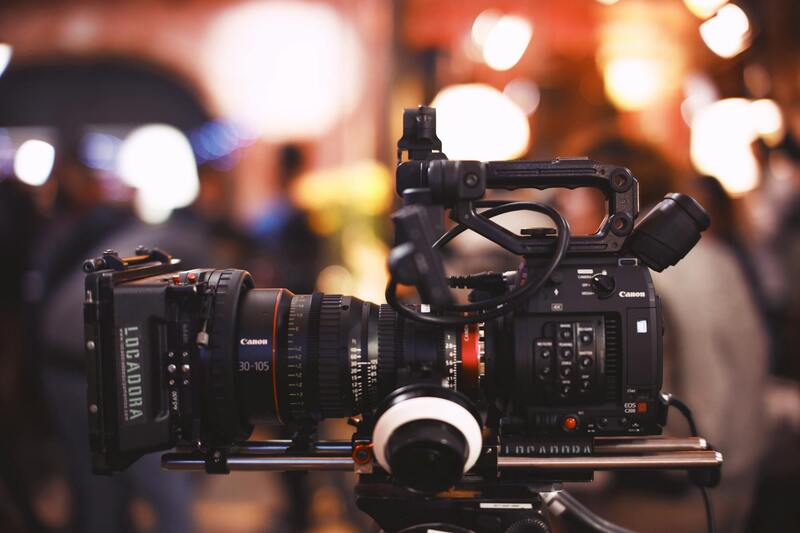
Integration of audio and graphics is often facilitated through dedicated broadcasting software or hardware. These systems support multiple layers of visuals and audio sources, allowing producers to create a cohesive and engaging presentation. High-precision synchronization among all multimedia elements ensures a seamless viewing experience, free from lag or mismatched cues, which is particularly vital during fast-paced gameplay.
Planning and Pre-production for Live Sports Streams
Effective planning and pre-production are crucial to ensure a smooth and engaging live sports streaming experience. This phase involves meticulous coordination of all technical and logistical elements, including scheduling, resource allocation, and technical rehearsals. Coordinators work closely with event organizers, teams, and broadcast personnel to develop a comprehensive production plan that outlines every detail from camera placement to audio setup.
Pre-production also encompasses defining the broadcast format and layout, selecting graphics overlays, and establishing communication protocols among crew members. Detailed storyboarding and shot lists are created to visualize the flow of coverage, ensuring that key moments are captured with the right angles and focus. Advanced planning helps anticipate potential technical issues and allows teams to run comprehensive rehearsals, which are indispensable for ironing out any glitches in equipment or coordination.
Logistical considerations include site surveys to verify equipment needs and venue-specific constraints, such as electrical access, internet connectivity, and space for camera operators and support staff. In Miami, where venues vary widely, tailored setups are often necessary to adapt to indoor gyms, outdoor stadiums, or multi-purpose arenas. Thorough scheduling ensures all gear, from cameras to streaming hardware, is installed, tested, and ready well before the event starts.
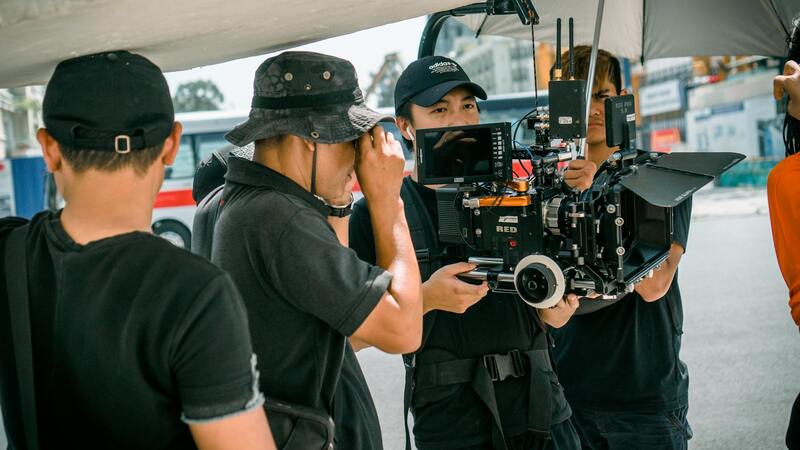
Using detailed checklists for equipment calibration, software configuration, and crew assignments minimizes risks during the live broadcast. The objective is to create a robust production workflow that facilitates real-time decision-making and swift response to unforeseen issues. Proper pre-production groundwork forms the backbone of professional-grade sports streaming, guaranteeing a fluid viewer experience and high-quality content delivery.
Key Technologies and Equipment for Streaming Sports Events
Live sports streaming relies on reliable and advanced technologies to deliver high-quality video content in real-time. The core equipment includes high-definition cameras, multi-view switchers, encoders, and robust internet connectivity solutions. Each component plays a distinct role in capturing, processing, and transmitting live footage to online audiences.
Recent innovations in camera technology—such as 4K resolution cameras, remote-controlled PTZ (pan-tilt-zoom) units, and ultra-lightweight drones—expand creative possibilities and improve coverage flexibility. These cameras can be operated wirelessly, providing diverse angles without the constraints of traditional cable runs, which is particularly advantageous in dynamic Miami venues.
Video switchers enable seamless transition between camera feeds, allowing producers to dynamically select the best angles during a game. Encoders compress the video signals into formats suitable for streaming, ensuring minimal latency and high fidelity. Reliable internet infrastructure, often supported by bonded internet connections or dedicated dedicated fiber lines, is critical to maintain uninterrupted broadcast quality.

Additional hardware such as audio mixers, graphic overlay engines, and telemetry systems integrate into the workflow to provide real-time statistics, scores, and dynamic visual elements. The choice of technologies depends on the scope of the event, audience expectations, and available resources. Investing in scalable and versatile equipment ensures the ability to adapt to various sporting events and field conditions, thereby maximizing production value.
Camera Setup and Multi-Camera Operations
Implementing an effective camera setup is fundamental in delivering captivating and high-quality sports broadcasts. The use of multi-camera configurations allows producers to capture the action from various angles, providing viewers with a comprehensive and immersive experience. In Miami’s vibrant sports venues, the strategic placement of cameras—ranging from stationary fixtures to mobile units—plays a crucial role in emphasizing key moments, such as goal attempts, fast breaks, or pivotal plays.
Modern sports productions leverage advanced camera technologies, including 4K resolution cameras that offer exceptional clarity and detail, enabling viewers to observe every nuance of fast-paced gameplay. Remote-controlled PTZ (pan-tilt-zoom) cameras enhance coverage flexibility, allowing operators to adjust angles seamlessly without physical interference. This is especially beneficial in crowded or hard-to-reach areas, ensuring consistent coverage without interrupting the flow of the event.
In addition to static and PTZ cameras, the integration of ultra-lightweight drones introduces aerial perspectives that elevate the visual storytelling. These drones, equipped with high-definition cameras, can navigate around the venue to capture high-angle shots and unique viewpoints that were previously unattainable. Their deployment adds a fresh dimension to live streaming, especially in outdoor stadiums, coastal venues, or sprawling sports complexes.
The synchronization of multiple camera feeds requires sophisticated video switchers, which facilitate real-time transitions and keep the broadcast engaging. These switchers allow seamless cuts between camera sources, ensuring viewers do not miss critical moments. Coupled with high-quality video encoders, the live streams maintain optimal fidelity, even as footage is compressed for internet transmission.
Robust internet connectivity is indispensable in Miami, where diverse venues demand reliable upload speeds and minimal latency. Bonded internet connections, which aggregate multiple broadband sources, or dedicated fiber lines are often employed to ensure stable streaming. The stability of this infrastructure directly influences the quality of the feed, minimizing interruptions and buffering issues during live broadcasts.
A comprehensive sports production setup also incorporates ancillary hardware such as audio mixers to capture and enhance sound quality, graphic overlay engines to display live scores and statistics, and telemetry systems for real-time data integration. Each element contributes to a professional presentation tailored to the expectations of modern sports audiences.
Ensuring Quality and Reliability in Live Sports Streaming
Upholding high standards in streaming sports videos involves rigorous quality control procedures, comprehensive troubleshooting protocols, and adherence to best practices that guarantee a smooth viewing experience. These measures are fundamental for sports producers in Miami to deliver engaging and professional broadcasts that meet the expectations of dedicated fans and viewers across diverse platforms.
Quality assurance begins with pre-broadcast testing, including equipment checks and network assessments. This proactive approach helps identify potential technical issues such as insufficient bandwidth, inadequate equipment performance, or software incompatibilities that could disrupt the stream. Employing redundant systems, such as backup encoders and secondary internet connections, further mitigates risks and ensures continuity if primary systems encounter failures.
During live production, dedicated monitoring stations are set up to track stream health in real time. These stations observe key metrics such as latency, data loss, and video/audio synchronization. Staff are trained in rapid troubleshooting techniques to address common issues like signal interference, audio dropouts, or visual artifacts promptly. The use of remote diagnostic tools allows experts to identify latency spikes or bitrate fluctuations and apply corrective measures swiftly, preventing minor issues from escalating into broadcast failures.
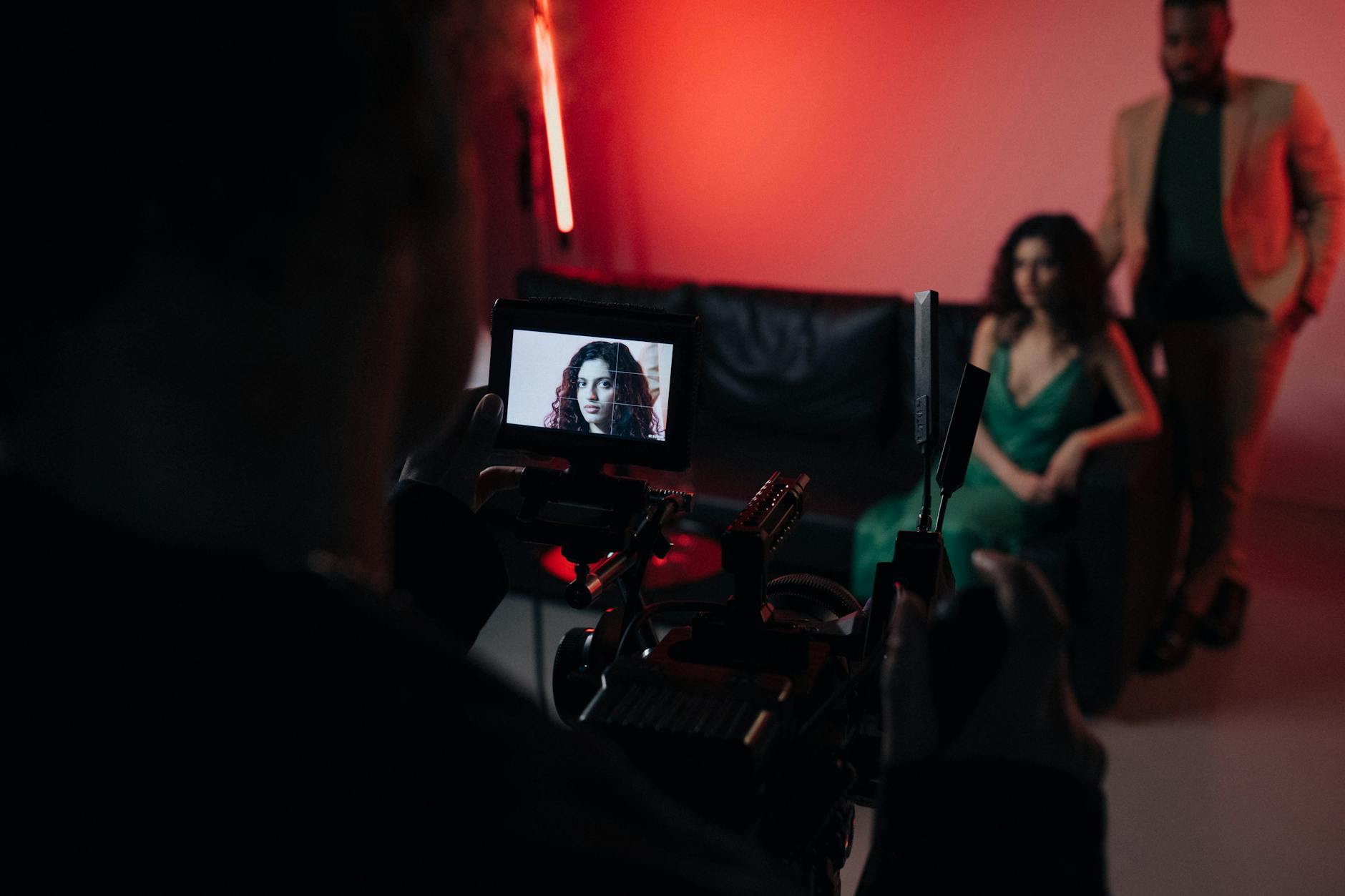
Operational efficiency extends beyond technical checks; it involves well-orchestrated communication between camera operators, directors, technical specialists, and network engineers. Clear protocols and a well-defined workflow facilitate immediate responses to any on-air issues, minimizing viewer impact.
Post-event analysis is equally essential. Reviewing broadcast footage, network logs, and viewer feedback helps identify areas for improvement. This iterative process allows Miami-based sports producers to refine their technical setups and workflow, boosting the quality and reliability of future streaming endeavors.
To adapt to the dynamic landscape of sports streaming, continuous professional development is crucial. Training programs that focus on emerging technologies, new software tools, and troubleshooting methods empower production teams to maintain high standards and quickly resolve unforeseen challenges promptly.
Ultimately, robust quality control and troubleshooting protocols play a pivotal role in elevating live sports streaming. They ensure consistent delivery, uphold viewer satisfaction, and strengthen the reputation of Miami-based sports production companies committed to excellence in every broadcast.
Planning and Pre-production for Live Sports Streams
Effective planning and pre-production are fundamental to delivering seamless live sports streams in Miami. This initial phase involves meticulous coordination among various departments to ensure all technical and logistical elements are aligned. Identifying the specific requirements of each sports event, including broadcast angles, graphics, and commentary needs, lays the groundwork for a successful production.
Pre-production activities include comprehensive site surveys to understand the venue’s infrastructure, availability of power sources, and internet connectivity. Establishing a reliable network connection is crucial, especially given Miami's complex urban environments where interference and bandwidth limitations can impact streaming quality. Deployment of backup connections, such as dedicated Ethernet lines or cellular bonding, guarantees operational stability.
Talent coordination also plays a vital role during pre-production. This involves scheduling camera operators, technical staff, commentators, and directors to ensure synchronized efforts during the live event. Clear communication channels are established through walkie-talkies, intercom systems, and project management tools to facilitate real-time collaboration.
Content planning extends to digital overlays, score updates, and real-time statistics integration. These elements not only enhance viewer engagement but also require precise timing and coordination to sync accurately with live action.
Additionally, ensuring compliance with local broadcasting standards and regulations is integral to pre-production workflows. This includes verifying licensing agreements, rights management, and adherence to content guidelines. Such diligent preparation helps prevent interruptions or legal disputes during the live transmission.
Pre-visualization tools, such as storyboards and digital mock-ups, further assist production teams in visualizing the final broadcast layout. These tools enable precise planning of camera angles, graphics, and communication points, reducing surprises during the live event.
In this phase, safety protocols are also established, particularly for large venues where crew and equipment must meet specific safety standards. These measures safeguard personnel and ensure that equipment setup aligns with local regulations.
Compliance, Quality Control, and Troubleshooting
Executing a flawless live sports stream requires rigorous attention to compliance, quality assurance, and the ability to troubleshoot technical issues promptly. Implementing systematically structured quality control processes helps ensure a high standard of broadcast that aligns with established industry practices and expectations. A dedicated quality control (QC) team meticulously reviews all technical elements prior to the event, including video feeds, audio levels, graphics, and real-time score updates, to identify potential issues that could disrupt the viewing experience.
Effective troubleshooting relies on having clear protocols in place for rapid response to unforeseen problems. This includes maintaining backup equipment such as additional cameras, audio mixers, and redundant streaming servers to minimize downtime. Technicians must be trained to quickly diagnose and resolve issues related to connectivity, encoding errors, or hardware malfunctions without impacting the live broadcast.
Advanced monitoring tools facilitate real-time analysis of stream stability, bitrate variations, and latency issues. These tools generate alerts that notify technical staff immediately if parameters drift outside the set thresholds. Such proactive monitoring allows teams to intervene before viewers are affected, preserving the integrity of the stream.
In addition to equipment and software management, adherence to content standards and compliance regulations is enforced to prevent copyright violations or inappropriate content dissemination. This often involves meticulous review of overlays, replays, and broadcast graphics to ensure they meet necessary guidelines.
Troubleshooting extends beyond hardware; it also encompasses network management. Ensuring a reliable internet connection is critical. Implementing multiple redundant connections via fiber optics, satellite, or wireless links provides the necessary fallback options to maintain uninterrupted service.
During a broadcast, constant communication among technical team members is vital. Through clear, direct channels such as intercoms and instant messaging, team members can quickly coordinate responses to any emerging issues, keeping the live stream smooth and professional.
Documenting every technical encounter, including how issues were resolved, helps refine procedures and improve response times in future events. A detailed post-event review often reveals insights that lead to process optimizations, ensuring continuous improvement in streaming services.
By implementing these comprehensive quality control and troubleshooting practices, sports video production teams in Miami can deliver dependable, high-quality live streams that meet viewer expectations consistently.