
Overview of Live Webcasting Services
Live webcasting services are digital platforms that enable users to broadcast real-time video content over the internet. These services facilitate the seamless transmission of events, presentations, performances, and conferences to a global audience, making them indispensable for production agencies seeking to reach viewers beyond physical boundaries. In the bustling multimedia landscape of Miami, production agencies rely heavily on webcasting to deliver high-impact live content for corporate events, entertainment shows, educational seminars, and community gatherings.
The core functionality of live webcasting involves capturing video footage, encoding it into streaming-compatible formats, and distributing it via content delivery networks (CDNs). This process ensures minimal latency, high-quality visuals, and reliable delivery to audiences across various devices such as smartphones, tablets, and desktop computers. As the demand for streaming grows exponentially, the importance of efficient, scalable, and accessible webcasting platforms has become more evident for agencies aiming to maximize audience engagement without significant technical overhead.
Offering a range of features from basic streaming capabilities to interactive tools, webcasting services empower producers to deliver compelling live experiences. Miami-based production agencies benefit from these services by enhancing their event coverage, expanding their viewership, and creating engaging interactive elements such as live chats, polls, and Q&A sessions. The increasing availability of free live webcasting options allows organizations, from startups to established companies, to leverage this technology without extensive initial investments, democratizing access to high-quality digital broadcasting solutions.
Benefits of Free Webcasting Platforms
Free webcasting platforms provide numerous advantages for organizations and production agencies with limited budgets or those testing new formats. Foremost, these services eliminate the initial financial barrier, making high-quality live streaming accessible to small businesses, community groups, and educational institutions.
- Cost Efficiency: No upfront costs for software or infrastructure significantly reduce operational expenses, enabling agencies to allocate resources elsewhere.
- Accessibility and Ease of Use: Most free platforms are designed with user-friendly interfaces, allowing even those with minimal technical experience to set up and manage live streams.
- Quick Deployment: Webcasting can be launched rapidly, facilitating spontaneous or time-sensitive events such as press briefings or community updates.
- Broader Reach: Free services often integrate with popular social media platforms, broadening the visibility of live content to diverse audiences.
- Learning Opportunities: Small-scale broadcasters can experiment with different streaming formats and features, gaining valuable experience for future projects.
Choosing the right free platform can serve as a strategic stepping stone for agencies looking to build their online presence without immediate substantial financial commitments.
Features and Limitations of Free Services
While free live webcasting services offer numerous benefits, understanding their features and inherent limitations is essential for maximizing their potential.
Core Features of Free Webcasting Platforms
- Basic Streaming Capabilities: Most free services support standard live video streaming, enabling real-time communication with audiences across multiple devices.
- Social Media Integration: Seamless embedding or sharing options with popular platforms such as Facebook, YouTube, and Twitter help broadcasters expand their reach without additional costs.
- Audience Engagement Tools: Features like live chat, polls, and Q&A sessions are often included to foster interaction during broadcasts.
- Analytics and Viewership Metrics: Basic insights into viewer numbers, engagement levels, and geographic distribution assist broadcasters in evaluating their outreach.
- Cloud Storage and Playback Options: Some platforms offer limited cloud storage to archive streams, allowing viewers to access recorded content afterward.
Limited Functionality and Constraints
- Bandwidth and Stream Quality Restrictions: Free platforms may restrict streaming quality, often capping HD resolution, depending on network capacity and platform policies.
- Limited Customization Options: Custom branding, universal player options, and advanced overlay features are frequently unavailable or limited on free tiers.
- Capacity Limitations: Many free services restrict the number of concurrent viewers or simultaneous streams, making them less suitable for large-scale events.
- Limited Support and Reliability: Technical assistance can be minimal, and service stability may vary during high traffic periods.
- Watermarks and Branding: Some free services insert platform watermarks or branding into the live stream, which may impact professionalism.
Potential Challenges of Relying Solely on Free Platforms
Dependence on free services might lead to unforeseen disruptions, especially during high traffic events or when necessary features are unavailable. Additionally, restrictions on customization and capacity can hinder branding efforts and audience engagement for growing organizations.
Mitigating Limitations with Strategic Planning
To optimize the use of free webcasting services, organizations should clearly define their streaming objectives, audience size, and required features before selecting a platform. Combining free services with additional tools—such as third-party overlay software or supplementary analytics—can also enhance the overall streaming experience without significant investments.

Overview of Live Webcasting Services
In today's digital landscape, live webcasting has become an essential tool for organizations seeking to reach a broader audience in real-time. Free live webcasting services offer an accessible entry point for businesses, nonprofits, educational institutions, and community organizations aiming to broadcast events without incurring upfront costs. These platforms typically provide basic streaming functionalities that enable users to transmit live video content over the internet, connecting viewers from various locations seamlessly. The core features of free services often include support for high-definition streaming, real-time chat interactions, and fundamental analytics, making them suitable for smaller-scale or preliminary broadcasts.
Choosing a free webcasting platform requires consideration of multiple factors, such as compatibility with existing hardware, ease of use, and the specific needs of the event. Ensuring the platform supports the desired resolution, offers reliable connectivity, and allows for straightforward setup can significantly influence the overall success of a live stream. Recent advancements have enhanced streaming quality and introduced features like mobile compatibility, enabling audiences to access content on smartphones and tablets. However, it's vital to recognize that these services often come with certain limitations, which, if unaccounted for, could impact the professionalism and reach of your broadcast.
Benefits of Free Webcasting Platforms
Utilizing free live webcasting platforms offers numerous advantages, particularly for organizations with limited budgets or those testing new streaming methods. One of the primary benefits is cost savings, allowing users to produce and distribute live content without investing in expensive infrastructure or software licenses. This affordability enables smaller entities to experiment with streaming as a communication strategy or outreach tool.
Another advantage is ease of access; many free platforms are designed with user-friendly interfaces that require minimal technical expertise, facilitating quick setup and deployment. This simplicity expedites the process of going live, especially for organizations that do not have dedicated technical teams. Furthermore, free webcasting services often support a variety of devices and browsers, ensuring broad accessibility for viewers regardless of their chosen platform.
In addition to cost-effectiveness and accessibility, free platforms enable real-time interaction. Features like live chat, Q&A modules, and viewer engagement tools foster community participation and enhance audience retention. Some services also provide basic analytics, helping organizers gauge viewer engagement and gather insights for future broadcasts. These tools solidify the practicality of free webcasting solutions for organizations aiming to maximize outreach while minimizing expenses.
Features and Limitations of Free Services
While free live webcasting services offer accessible and budget-friendly solutions, they come with a set of features that can enhance or limit the broadcasting experience. Many platforms provide core functionalities such as multi-source streaming, basic customization options, live chat and audience interaction tools, and real-time analytics. These features enable organizers to deliver engaging content and gather viewer data to inform future broadcasts. The simplicity of setup and use is a notable advantage, often allowing users to start streaming within minutes without extensive technical knowledge.

However, free services often come with several limitations that users should consider carefully. Bandwidth restrictions may impact the quality of the stream, especially during high-demand periods, resulting in lower resolution or buffering issues. Many platforms impose daily or monthly bandwidth caps, which can hinder long or high-traffic broadcasts. Additionally, there are typically limits on the maximum duration of a single broadcast, forcing organizers to split lengthy events into multiple segments.
Branding and customization capabilities are frequently restricted in free tiers. Logos, watermarks, or platform-specific branding often appear on the broadcast, which might detract from a professional appearance. Moreover, advanced features such as HD streaming, multi-camera switching, and integration with third-party tools are generally reserved for paid plans, thereby limiting the production quality achievable through free options.

Another aspect to consider is data retention and access to analytics. Free services usually offer basic engagement metrics but may limit detailed data or provide delayed insights. This can be a hurdle for organizations seeking precise audience analysis and targeted outreach. Furthermore, the storage and archiving of streamed content may be restricted or unavailable, making post-event review and repurposing more challenging.
Additionally, as with any online service, there are potential risks related to platform stability and security. Free services may not have the same robust infrastructure as premium solutions, increasing susceptibility to outages or security vulnerabilities. Therefore, it’s essential to evaluate the reliability of a chosen platform based on requirements for consistent quality delivery and data protection.
While free live webcasting services are well-suited for small-scale events, educational sessions, or initial testing, understanding these features and constraints ensures proper planning and expectation management. Selecting the right platform involves balancing cost benefits against necessary functionality and potential limitations to maximize the effectiveness of your broadcasts.
Integrating Free Webcasting with Production Workflows
Seamless integration of free live webcasting services into existing production workflows enhances broadcast efficiency and audience engagement. For Miami production agencies, this process involves aligning the capabilities of free platforms with the technical requirements and creative objectives of each event. Typically, the seamless incorporation begins with understanding the platform's compatibility with current hardware and software setups. Many free services support standard streaming protocols like RTMP, making integration with popular encoders feasible. Utilizing platforms with open APIs or straightforward onboarding processes simplifies this task further.
Furthermore, planning the coordination between live stream content and on-site production elements is essential. This includes scheduling pre-produced content, managing multiple camera feeds, and coordinating with graphic overlays or real-time interactions. Free services often come with limitations in multi-camera switching or custom overlays, so production teams must adapt workflows accordingly. For instance, employing third-party streaming software that consolidates multiple inputs before broadcast can mitigate some restrictions inherent to free platforms.
Another crucial element is ensuring reliable internet connectivity. Since free services generally have less scalable infrastructure, establishing backup plans, such as secondary internet connections or local recording strategies, can prevent disruptions. Recording streams locally allows for post-event editing and distribution, especially vital if the platform does not archive content or provide access to original files after the broadcast.

Final integration involves rigorous pre-broadcast testing—checking audio, video feeds, latency, and stream stability. Free platforms may lack extensive customer support, making it vital for production teams to prepare comprehensive testing protocols and troubleshoot potential issues beforehand. Maintaining documentation of streaming settings and procedures ensures smooth execution even under tight deadlines or technical challenges.
Considerations for Multi-Stream and Audience Engagement
- Utilize social media platforms alongside the main stream to expand reach and foster interaction.
- Implement live chat functionalities when available, or incorporate third-party tools for real-time viewer feedback.
- Coordinate with marketing teams to promote upcoming broadcasts, ensuring maximum visibility and participation.
Incorporating free live webcasting services into comprehensive production workflows requires strategic planning and technical adaptability. By understanding platform limitations, establishing robust connectivity, and implementing effective testing routines, Miami agencies can deliver impactful live streams that meet audience expectations and expand brand presence.
Overview of Live Webcasting Services
Live webcasting services have revolutionized the way organizations, educators, and content creators broadcast their events, offering dynamic platforms that stream live audio-visual content across the internet. These services are indispensable for hosting webinars, conferences, corporate announcements, concerts, religious services, and community events, allowing real-time interaction with distant audiences. Recognized for their accessibility and cost-effectiveness, free live webcasting solutions have lowered barriers, making high-quality streaming attainable without significant investment.

Modern webcasting platforms provide users with versatile tools such as customizable layouts, multi-camera streaming, adaptive bitrate streaming, and chat functionalities. These features enable broadcasters to produce engaging and interactive broadcasts designed to captivate viewers, regardless of technical complexity. Key stakeholders, including small businesses, educational institutions, NGOs, and individual content creators, benefit from the simplicity and immediacy that free streaming services offer, transforming the scope of broadcast possibilities.
Benefits of Free Webcasting Platforms
- Cost Efficiency: Eliminates the need for expensive production equipment and subscription fees, allowing organizations to allocate resources elsewhere.
- Ease of Access: User-friendly interfaces simplify the setup process, enabling even those with limited technical expertise to host live streams.
- Wide Reach: Leveraging established platforms with extensive user bases maximizes audience exposure without additional promotion costs.
- Real-Time Engagement: Features such as live chat and Q&A sessions facilitate direct interaction with viewers, boosting engagement and feedback.
- Content Storage and Replay: Many free services archive streams, providing on-demand viewing opportunities post-broadcast.
Placeholder for Image 2
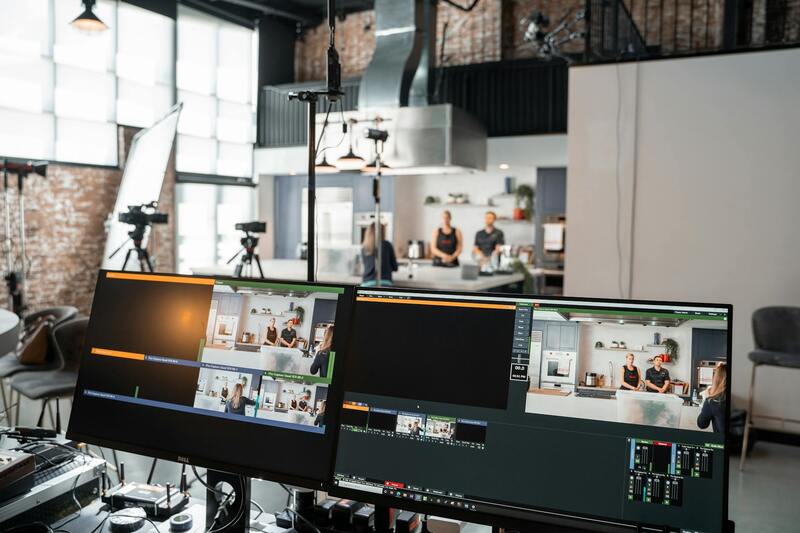
By integrating such capabilities, organizations can enhance their communication strategies, increase visibility, and foster community growth with minimal overhead. These benefits make free webcasting services an attractive option for diverse use cases.
Popular Free Webcasting Platforms
Several platforms stand out for their functionality, user adoption, and reliability, providing viable options for broadcasters aiming to leverage free streaming solutions. These include:
- YouTube Live: The most widely used streaming service, offering seamless integration with Google accounts, high-resolution streaming, and extensive reach. It supports live chat, monetization, and robust analytics.
- Facebook Live: Ideal for engaging existing audiences on social media, enabling instant sharing and interactions. Its visibility is amplified via Facebook's algorithm-driven feed.
- Vimeo Livestream (Free Tier): Known for high-quality streams and professional features, the free tier suits smaller events and offers easy embed options.
- Twitch: Popular among gamers and creative content creators, supporting interactive broadcasts with real-time chat and extensions.
- Instagram Live: Suitable for quick, informal broadcasts, leveraging Instagram's mobile-centric platform for immediate audience interaction.
Placeholder for Image 3
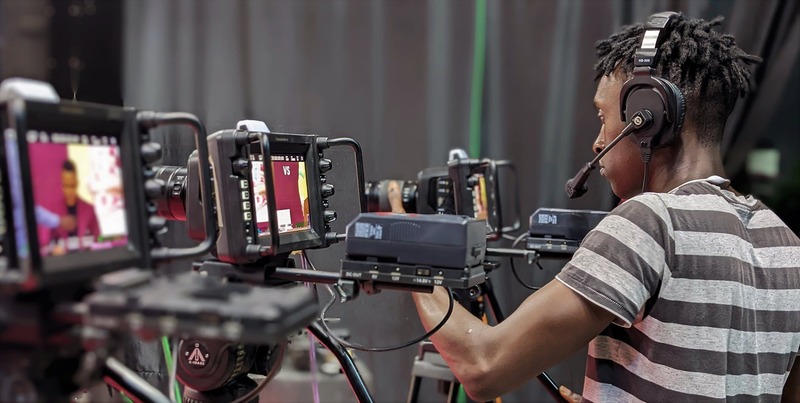
Choosing an appropriate platform depends on target audience, content type, and desired level of interactivity. Transitioning from casual streaming to more structured broadcasts often involves combining these free services with supplementary tools for enhanced production and performance.
Features and Limitations of Free Services
Free live webcasting platforms offer a variety of features designed to streamline content delivery:
- Basic Customization: Custom overlays, branding, and layout adjustments are generally supported within certain limits.
- Multi-Platform Streaming: The ability to simultaneously broadcast across multiple platforms, increasing audience reach.
- Audience Interaction Tools: Live chat, polls, and viewer engagement analytics foster active participation.
- Stream Recording: Archiving of broadcasts for later access or republishing.
However, these services also carry some limitations:
- Bandwidth Restrictions: The quality and stability of streams may be compromised due to bandwidth caps imposed by free tiers.
- Limited Customization: Fewer options for branding, custom overlays, or seamless integration compared to paid solutions.
- Support Constraints: Reduced or community-based support channels can lead to longer resolution times for technical issues.
- Restricted Access to Advanced Features: Features like multiple camera angles, in-stream purchasing, or analytics dashboards are often reserved for paid plans.

Understanding these aspects is crucial for planning successful broadcasts, ensuring that the chosen platform aligns with both event requirements and technical capabilities. Proper preparation and awareness of limitations help in mitigating potential disruptions and optimizing the viewing experience for audiences.
Integrating Free Webcasting with Production Workflows
Efficient integration of free streaming services into existing production workflows involves several strategic steps. Broadcasters should start with comprehensive pre-broadcast testing, checking audio and video synchronization, stream stability, and connection quality. Many free services require dedicated hardware or software encoding tools, necessitating familiarity with encoding settings and encoding software configurations. Additionally, leveraging local recording options can facilitate post-event editing and content repurposing. Integrating chat management, social media promotion, and backup streaming channels further enhances the broadcast's robustness. During the event, continuous monitoring of stream health and viewer engagement allows for timely adjustments, maintaining broadcast quality and viewer satisfaction. Finally, thorough documentation of the streaming setup—including device configurations, platform settings, and troubleshooting procedures—is vital for consistent execution. Regular review of broadcast performance and feedback collection supports ongoing improvements, ensuring that live webcasts meet audience expectations and organizational standards.
Overview of Live Webcasting Services
Live webcasting services facilitate real-time broadcasting of events, presentations, and entertainment content over the internet. They enable organizations, content creators, and individuals to reach global audiences instantly, transcending geographical barriers. These services range from comprehensive enterprise solutions to free platforms accessible to anyone with internet connectivity. The core function involves encoding live video and audio feeds, transmitting them through a streaming server, and delivering the content seamlessly to viewers on various devices, including desktops, smartphones, and tablets.
Many live webcasting services are designed with scalability and flexibility in mind, accommodating small webinars or large-scale conferences. They often incorporate features such as multi-camera support, interactive chat, viewer analytics, and integration with social media channels. While paid services usually offer advanced features, free webcasting tools focus on providing essential streaming capabilities with minimal or no cost, making them attractive options for budget-conscious users or small organizations.

Benefits of Free Webcasting Platforms
Opting for free live webcasting services offers numerous advantages, especially for smaller organizations or individuals with limited budgets. These platforms eliminate the need for significant upfront investments in infrastructure or software licenses, allowing users to initiate broadcasts rapidly and with minimal financial risk.
- Cost Efficiency: No charges associated with hosting or bandwidth usage, making it ideal for informal events, community gatherings, or preliminary testing of streaming capabilities.
- Ease of Access: User-friendly interfaces and straightforward setup procedures enable quick deployment without technical expertise.
- Flexibility: Many free services support a variety of devices and operating systems, broadening audience reach.
- Integration Potential: Compatibility with social media platforms allows simultaneous streaming and increased engagement.
- Community and Support: Active online communities and documentation aid new users in troubleshooting and optimizing their broadcasts.
In addition to these benefits, free platforms can serve as effective tools for testing content delivery methods, gauging audience response, and building an initial online presence before transitioning to paid solutions with advanced features.
Popular Free Webcasting Platforms
Several platforms have established themselves as reliable sources for free live streaming. These services cater to different user needs, ranging from simple sharing to interactive broadcasting. Notable options include:
- YouTube Live: Widely used for its extensive reach, built-in audience, and robust streaming infrastructure. Ideal for content creators, educators, and event organizers seeking broad exposure.
- Facebook Live: Seamlessly integrates with social networks, allowing direct engagement with followers through comments and reactions. Suitable for community events, small businesses, and influencers.
- Vimeo Livestream (Free Tier): Provides high-quality streaming options with options for upgrading to more advanced features. Suitable for professional presentations with minimal budget constraints.
- Instagram Live: Best for quick, informal broadcasts targeting mobile users and social media audiences. Offers interactive features like live questions and polls.
- StreamYard: Browser-based platform supporting multi-camera setups and branding overlays. Its free tier allows for scheduled broadcasts and audience interaction without complex installations.

Features and Limitations of Free Services
While free live webcasting services provide accessible solutions, they come with inherent limitations that users must consider. Key features include:
- Basic Streaming Capabilities: Support for HD video, multi-platform delivery, and interactive chat features.
- Limited Customization: Custom branding, overlay options, and advanced analytics may be restricted or unavailable.
- Bandwidth Restrictions: Free accounts often have caps on streaming quality, duration, or viewer count, which can impact event scale and viewer experience.
- Ads and Watermarks: Some platforms may insert advertisements or logos into streams, potentially distracting viewers or undermining branding efforts.
- Limited Customer Support: Reliance on community forums and online documentation instead of dedicated support channels.
Understanding these limitations is critical when planning to use free services for professional or large-scale broadcasts. They often serve best as testing grounds or supplementary channels rather than primary streaming solutions.
Integrating Free Webcasting with Production Workflows
Seamless integration of free streaming options into existing production workflows enhances broadcast quality and operational efficiency. Key steps include:
- Pre-Broadcast Testing: Conduct thorough checks of audio, video, and connection stability. Verification of encoding settings and stream quality helps prevent disruptions during the live event.
- Choosing Appropriate Hardware and Software: Compatibility with encoding software or hardware encoders ensures optimal transmission. Local recording options enable content backup and post-production editing.
- Workflow Synchronization: Coordinate scripting, cueing, and transitions to maintain professional broadcast standards. Assign roles such as moderator, technical support, and content manager to streamline operations.
- Engagement and Interaction: Utilize chat moderation, social media integration, and viewer polls to foster interaction, increasing audience retention.
- Monitoring and Troubleshooting: During the broadcast, continuously observe stream health metrics and viewer comments. Responsive adjustments maintain quality and address technical issues promptly.
Documenting setup procedures and establishing contingency plans for common issues helps ensure repeatable success across multiple broadcasts. Post-event review and feedback collection support ongoing improvement, aligning future broadcasts more closely with organizational standards.
Officiating Free Live Webcasting Services
Implementing free live webcasting services requires adherence to standardized, reputable methods to ensure a stable, high-quality broadcast experience. Utilizing official platforms and trusted distribution channels guarantees seamless streaming, consumer satisfaction, and efficient event management. It is crucial to use proven software solutions that support secure transmission protocols, including RTMP, HLS, or DASH, to deliver content reliably to viewers across different devices and networks.

Utilizing Official Streaming Protocols
Official webcasting services leverage well-established streaming protocols designed for consistent delivery and broad device compatibility. RTMP (Real-Time Messaging Protocol) remains a standard for live video transmission, offering low latency and high reliability when configured correctly. HLS (HTTP Live Streaming) and DASH (Dynamic Adaptive Streaming over HTTP) are adaptive streaming protocols that dynamically adjust video quality according to viewers' bandwidth, optimizing viewer experience even under varying network conditions.
Employing Certified Encoding and Transmission Hardware
To guarantee quality, it’s pivotal to use certified encoders and hardware that meet industry standards. Using reputable hardware encoders certified by major platform providers reduces the risk of stream interruptions and ensures compatibility. Software encoders, provided they are downloaded from official sources, are also suitable options, especially when paired with reliable internet connections and backup configurations.
Engaging with Authorized Content Delivery Networks (CDNs)
Delivering streams through certified CDNs ensures wide-scale, efficient distribution of content. Partnering with recognized CDN providers enhances stream stability, reduces latency, and mitigates potential disruptions caused by network congestion. Official CDN partnerships facilitate compliance with streaming standards while offering advanced analytics and viewer engagement tools.
Implementing Secure Access Measures
Secure streaming involves employing encryption methods such as HTTPS and Secure Real-time Transport Protocol (SRTP) to protect content streams from unauthorized access. Access control can be further enforced through authentication mechanisms tied to official event registration or viewer login systems, aligning with established operational practices.
Monitoring and Troubleshooting via Approved Platforms
Real-time monitoring tools provided by official services enable operators to track stream health, viewer metrics, and network performance. Prompt troubleshooting actions—such as rerouting streams, adjusting bitrates, or substituting backup feeds—are essential for maintaining stream integrity and viewer engagement throughout the broadcast.

Adhering to Ethical and Professional Standards
Official streaming procedures emphasize adhering to copyright laws, ethical content sharing, and privacy standards. Proper licensing and content permissions should be secured prior to broadcasting, and appropriate attributions must be provided for protected content. This responsible approach safeguards reputation and promotes trust among viewers and content rights holders.
Developing Contingency and Backup Protocols
Implementing backup streams and redundant configurations, such as secondary encoders and alternative internet connections, ensures preparedness for technical issues. Official procedures include establishing clear contingency plans, conducting routine tests, and training personnel to respond swiftly to unforeseen disruptions, thus safeguarding broadcast continuity.
Documentation and Compliance
Documenting all technical setups, procedures, and compliance checks aligns with best practices for professional-grade webcasting. Maintaining detailed records facilitates audits, troubleshooting, and future event planning, fostering a culture of operational excellence grounded in official standards.