
Overview of Livestream Services
Livestream services have revolutionized the way events, businesses, and content creators engage with their audiences. By transmitting live video content over the internet in real-time, these services enable seamless interaction and immediate access to viewers regardless of geographic location. As digital consumption continues to surge, the significance of professional livestreaming in Miami has become increasingly evident, providing organizations with dynamic tools to enhance visibility, boost engagement, and foster community connections.
In contemporary marketing and event management strategies, livestream services serve as a pivotal channel for reaching broader audiences without the constraints of physical presence. They are utilized in various contexts—from corporate presentations, product launches, and conferences to musical concerts, sports events, and community gatherings. The rapid growth of digital platforms supporting high-quality live streaming underscores the critical role these services play in achieving communication objectives with immediacy and authenticity.

Developments in internet infrastructure, such as the expansion of high-speed broadband and 5G networks, have further propelled the adoption of professional livestream services. High-quality streaming depends heavily on reliable connectivity, which is essential to prevent disruptions and ensure clear, uninterrupted video delivery. For Miami-based organizations, leveraging these robust technological networks translates into polished, professional broadcasts that enhance brand reputation and audience satisfaction.
Furthermore, the importance of livestreaming extends into the realm of online engagement—allowing real-time interactions through chat features, Q&A sessions, and social media integrations. These interactive elements foster a two-way communication channel that nurtures community involvement and boosts overall event impact. As Miami continues to thrive as a hub for business, entertainment, and cultural events, the reliance on professional livestream services is expected to grow, supporting strategic goals with innovative and engaging digital content delivery.
Types of Livestream Services Offered
Professional livestream service providers in Miami offer a diverse range of solutions tailored to meet various event-specific needs. Each type of service incorporates specialized features designed to maximize engagement and ensure seamless delivery, regardless of the event scale or genre.
- Corporate Events: These services facilitate live broadcasts of conferences, product launches, and corporate meetings. They often include multi-camera setups, branded overlays, and interactive features such as live polls and Q&A sessions to enhance viewer participation. High-definition video quality combined with secure streaming protocols ensures confidentiality and professionalism throughout the event.
- Concerts and Music Festivals: Livestreaming for musical events demands robust audio-visual equipment to capture the ambiance and energy of live performances. Techniques such as multi-camera angles, dynamic switching, and on-screen graphics are employed to produce dynamic broadcasts that replicate the live experience. These services support real-time audience interaction through chat and social media integration, extending reach beyond physical attendees.
- Sports Events: Delivering real-time gameplay footage to fans across Miami and globally requires specialized camera systems, instant replays, and slow-motion capabilities. Reliable, low-latency streaming is critical to provide a smooth experience, especially during competitive moments. Many providers also include features for instant highlights and post-game analytics to keep viewers engaged beyond the live broadcast.
- Webinars and Online Workshops: For educational and training purposes, livestream services in Miami incorporate screen sharing, live chat, and session recordings. These tools facilitate interactive learning environments and allow organizers to reach attendees across geographic locations effectively.
- Social Media Broadcasts: Leveraging platforms like Facebook Live, Instagram Live, and YouTube Live, these services enable quick and easy live content sharing. They often incorporate real-time engagement tools, such as comment moderation and viewer analytics, to optimize outreach and community building.
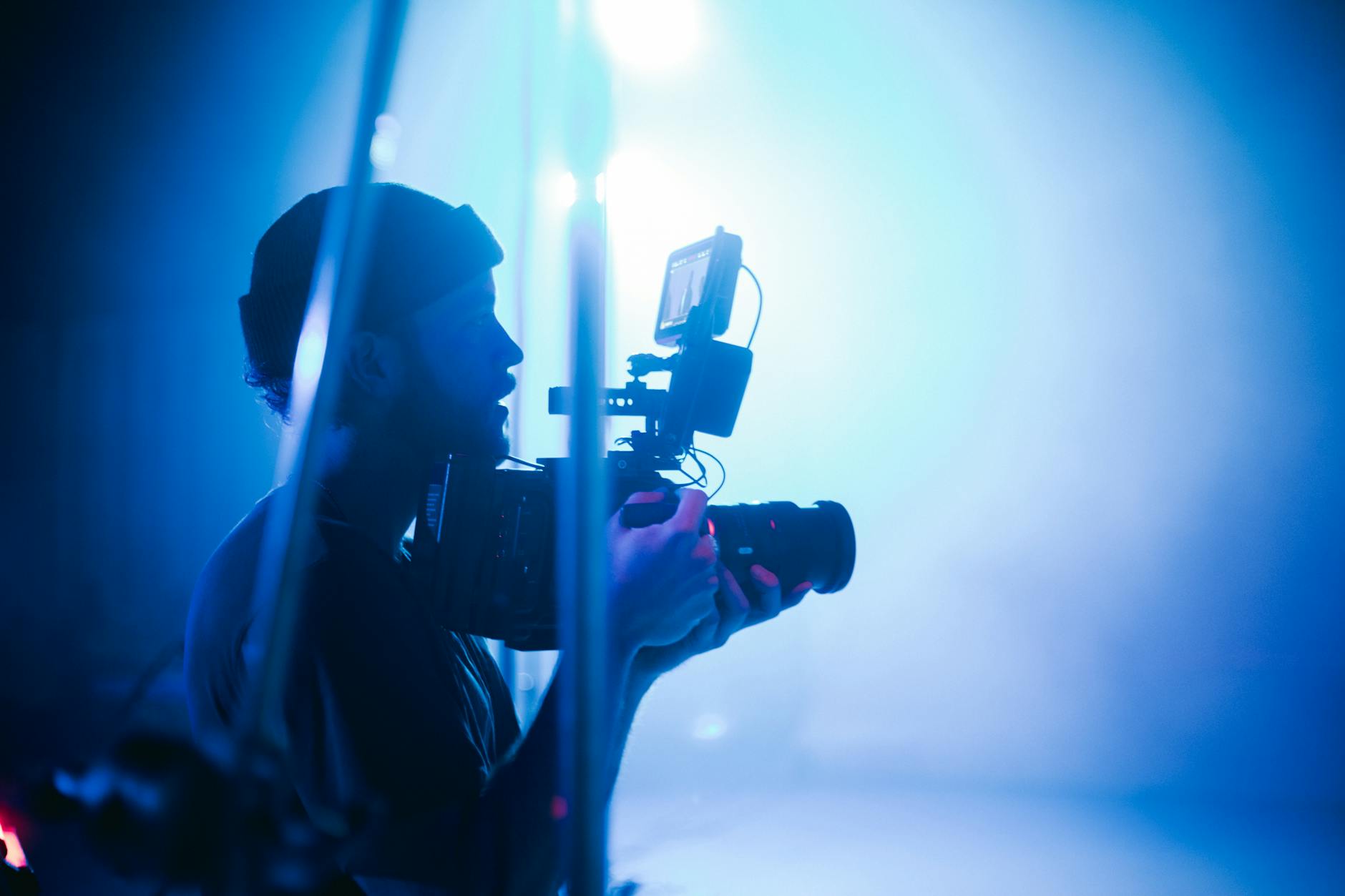
Each event type demands specific technological configurations and planning strategies to achieve optimal results. By partnering with experienced livestream providers in Miami, organizations can ensure their events are broadcast with clarity, professionalism, and impactful engagement, reaching the desired audiences effectively and efficiently.
Key Equipment and Technology
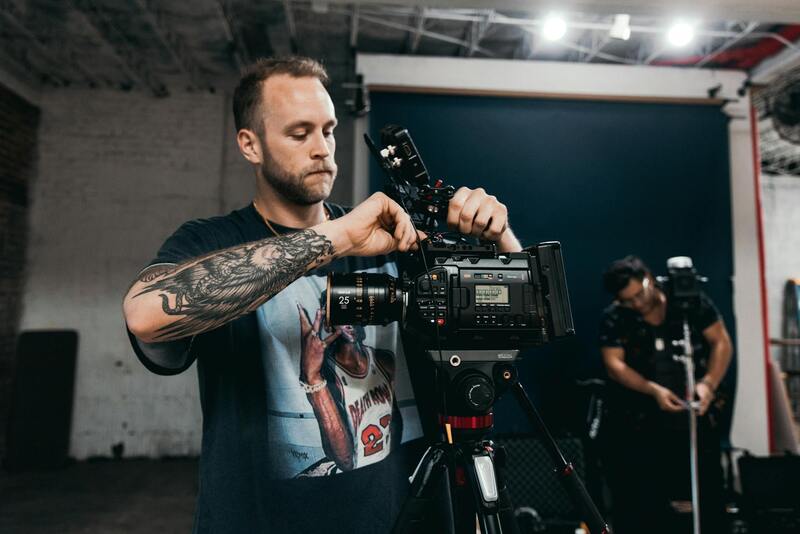
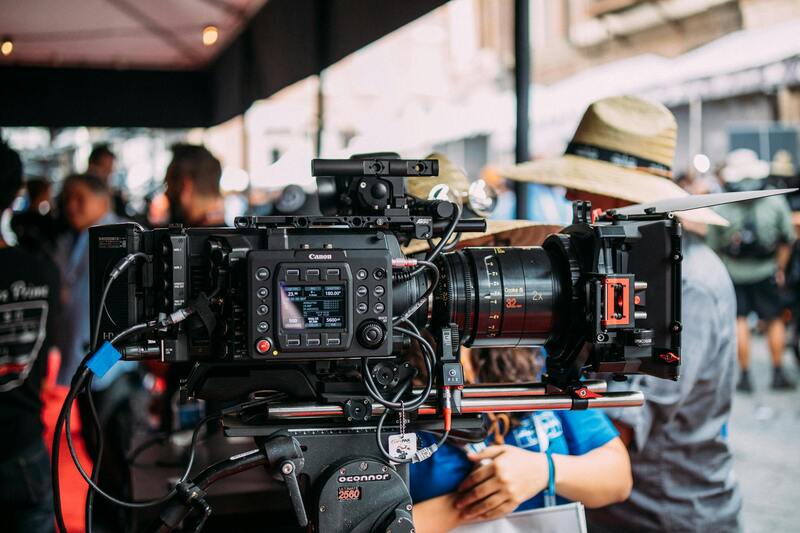
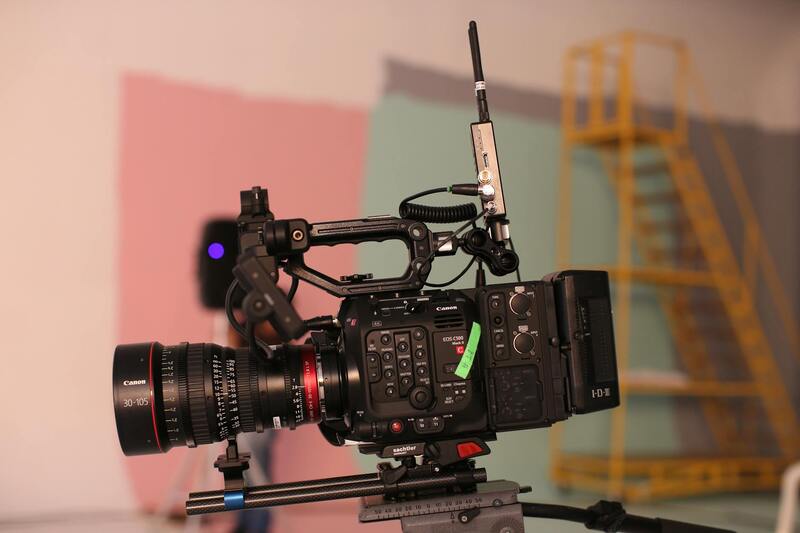
Successful livestreaming hinges on the deployment of advanced, reliable equipment coupled with robust internet infrastructure. High-definition cameras serve as the backbone of any professional live broadcast, capturing crisp visuals and vibrant details that engage viewers. These cameras vary in type—from shoulder-mounted models suited for dynamic event coverage to compact, wireless units ideal for mobility and versatility. Complementing camera hardware are professional-grade video switchers and mixers which facilitate real-time transitions, overlays, and multi-camera synchronization, enabling a polished broadcast quality.
Equally vital is streaming hardware, such as encoders and media servers. Encoding devices compress raw video feeds into broadcastable formats, ensuring minimal latency and high resolution. Hardware encoders often come equipped with redundant systems to mitigate any potential failures during a live event, maintaining a seamless viewing experience.
Reliable internet connectivity is crucial; therefore, multiple internet sources—fiber optic, broadband, or dedicated wireless connections—are often aggregated through bonding solutions. This setup guarantees stable data transmission, even in challenging network environments, preventing interruptions that could compromise the event’s quality.
Planning and Pre-Production
Effective livestreams are rooted in meticulous planning. This process begins with understanding the event's objectives, target audience, and technical requirements. Pre-production involves site surveys, equipment checks, and rehearsals to anticipate and resolve potential issues. Collaborating with experienced technicians ensures appropriate camera placements, lighting setups, and audio configurations, all tailored to enhance visual clarity and sound quality.
Furthermore, creating comprehensive run-of-show plans and cue sheets helps synchronize transitions and graphic overlays, providing a cohesive viewing experience. Pre-event coordination with hosts, speakers, or performers ensures everyone understands their roles and technical cues to minimize disruptions during the live broadcast.
Execution and Live Management
During the event, the focus shifts to real-time management. Skilled directors oversee camera angles, audio levels, and graphics, making quick adjustments to maintain broadcast integrity. Continuous communication among technical staff ensures smooth operation, with backup systems ready to step in if needed.
Monitoring internet stability, stream health, and viewer engagement metrics provides immediate insights, allowing on-the-fly optimizations. Moderation tools facilitate interaction through live chat, maintaining a positive environment and addressing viewer inquiries or feedback promptly.
Post-Event Coverage and Analytics
Following the livestream, comprehensive analysis helps assess performance and audience engagement. Using analytics platforms, organizers can evaluate viewership numbers, geographic distribution, and interaction levels. This data informs strategies for future broadcasts, enhancing content relevance and outreach.
Additionally, recording the live stream enables post-event editing, highlight reels, and content repurposing to extend the event’s lifespan across other channels. Feedback collection from participants and viewers further refines workflow and technical setups for subsequent broadcasts.
Overview of Livestream Services
Livestream services have revolutionized how organizations, brands, and content creators connect with their audiences, providing real-time visual and audio communication across digital platforms. These services combine advanced broadcasting technologies with robust methodologies to ensure seamless delivery of live content to viewers worldwide. A comprehensive livestream setup encompasses various components including audio-visual equipment, reliable internet connections, streaming platforms, and technical expertise, all aimed at delivering high-quality, engaging experiences.
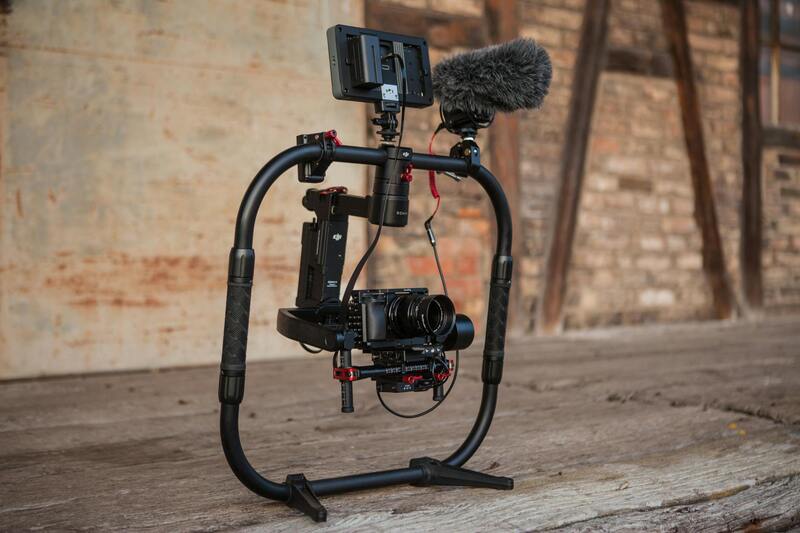
From corporate webinars and virtual conferences to live concerts and community events, the scope of livestream services is extensive. They enable real-time interaction, broad reach, and immediate feedback, making them invaluable for engaging audiences in today’s digital age. Ensuring a professional broadcast requires meticulous planning, high-grade equipment, and experienced technical teams to manage various stages of the live event effectively.
Particularly in Miami, a hub for diverse events and production values, local providers of livestream services leverage cutting-edge technology and creative solutions to meet the unique demands of each client. Adherence to having a well-structured plan and utilizing the latest tools not only elevates the quality of content but also reinforces the event's credibility and impact.
Types of Livestream Services Offered
Livestream service providers in Miami typically offer a broad spectrum of solutions tailored to different event needs. These include:
- Webinar and Corporate Livestreams: Focused on corporate communication, training sessions, and product launches, these streams prioritize clarity in visuals and sound, with options for participant interaction through Q&A or polls.
- Event Broadcasts for Conferences and Seminars: Covering large-scale events, such as conferences or trade shows, these services incorporate multi-camera setups, live graphics, and real-time translation if necessary.
- Live Concerts and Performances: These require specialized audio and video setups to capture event ambiance, lighting, and stage effects, providing an immersive viewing experience for remote audiences.
- Community and Religious Events: Offering accessible, inclusive streams to connect broader audiences to local settings or spiritual gatherings.
- Sports and Fitness Events: High-speed, low-latency streams with multiple viewpoints, score updates, and instant replays enhance viewer engagement and participation.
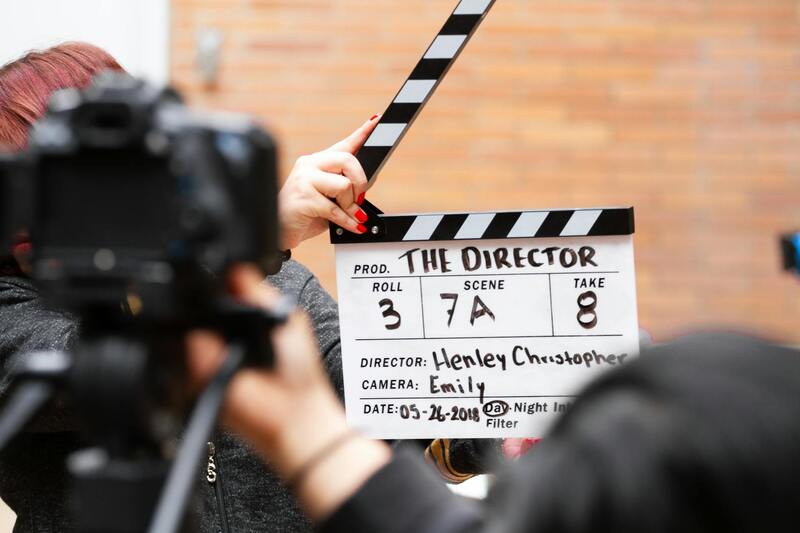
Each service category often integrates customized solutions such as interactive chat, multi-platform streaming, and cloud-based recording to cater to specific audience engagement strategies. When selecting a livestream service in Miami, understanding the nature and objectives of your event helps in choosing a provider capable of delivering a tailored broadcasting experience.
Key Equipment and Technology
Off-premise live broadcasts pivot on a combination of sophisticated hardware and software tools designed for reliability and flexibility. The primary equipment includes:
- Video Cameras and Switchers: High-definition cameras paired with production switchers allow seamless scene changes and multi-angle coverage.
- Microphones and Audio Mixers: Professional-grade microphones and mixers ensure clear sound quality, vital for maintaining viewer engagement.
- Encoding and Streaming Software: These tools compress and transmit the live feed to streaming platforms, maintaining optimal quality while minimizing latency.
- Reliable Internet Connections: Multiple internet sources with backup options, including dedicated fiber lines, safeguard against disruptions and frame drops.
- Graphics and Overlays: Custom graphics, lower thirds, logos, and interactive elements enhance visual appeal and branding consistency.
- Monitoring and Control Systems: Real-time monitoring tools track stream health, viewer statistics, and technical performance, enabling swift responses to issues.
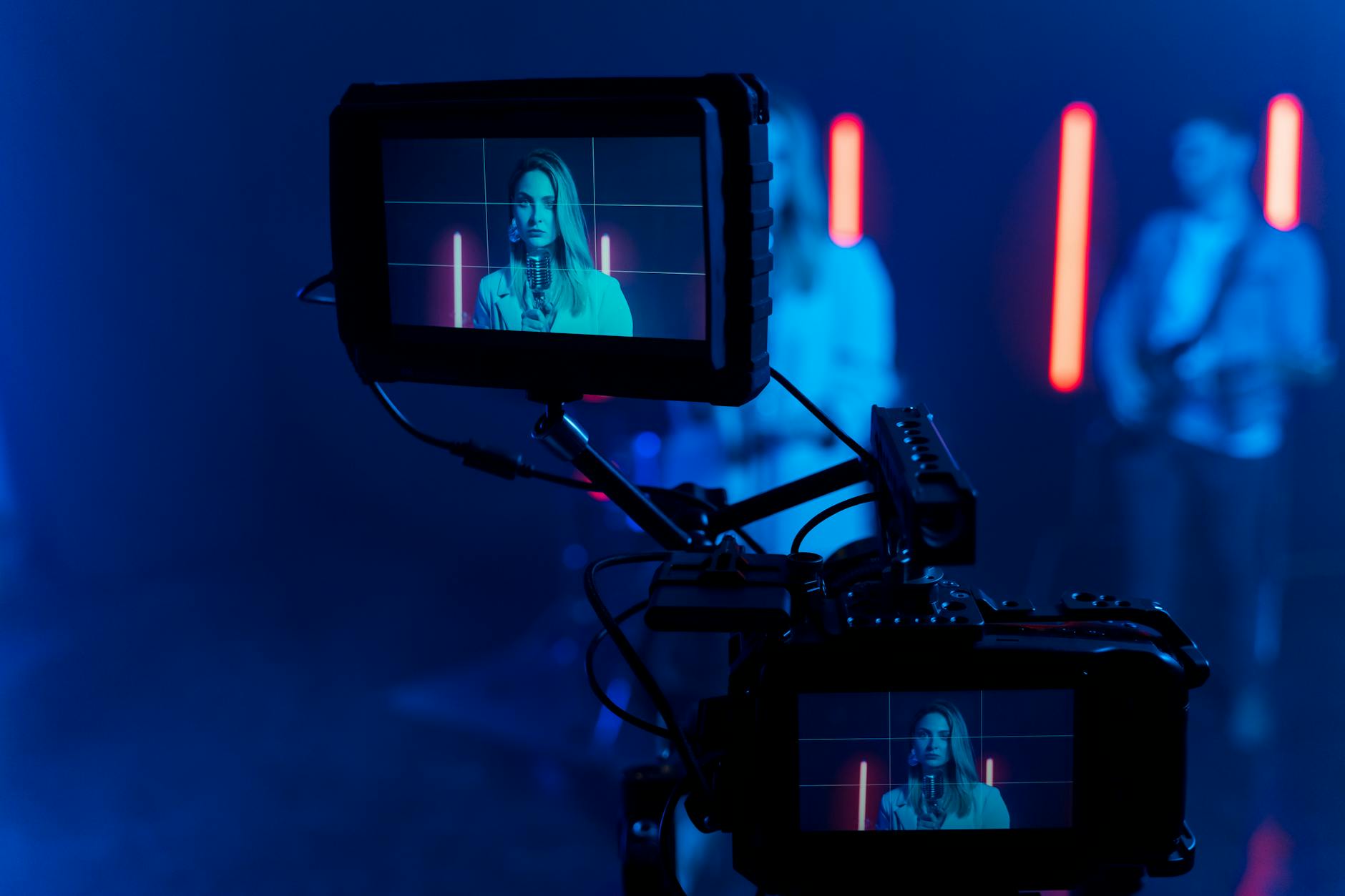
Investing in high-quality, durable equipment paired with technical expertise in setup and operation ensures a smooth broadcast. It is crucial to work with providers who possess a comprehensive understanding of the latest production trends, allowing for adaptive solutions that cater to specific environment requirements, whether indoor or outdoor. Proper pre-event testing and rehearsal phases further mitigate potential technical problems, guaranteeing a polished live event.
Execution and Live Management
During a live broadcast, the focus shifts to real-time oversight to ensure a seamless viewing experience for the audience. This involves continuous monitoring of audio and video feeds, ensuring that all technical elements operate smoothly without interruptions. Livestream professionals employ comprehensive control dashboards that display stream health, latency, and viewer engagement metrics, allowing for swift adjustments when necessary. Troubleshooting common issues like audio imbalances, dropped feeds, or connectivity hiccups requires trained personnel who can quickly diagnose problems and implement corrective actions to minimize viewer impact.
Coordination among the production team is vital. This includes directing camera operators, managing graphic overlays, and adjusting audio levels. Effective communication protocols enable the team to respond promptly to changing on-site conditions or unexpected technical glitches. Predefined contingency plans are essential—such as backup internet sources and alternative equipment setups—to swiftly address potential disruptions. Ensuring audience engagement also involves managing interactive elements like live polls, Q&A sessions, or chat moderation, which enriches the overall experience and fosters a sense of community among viewers.
Post-Event Coverage and Analytics
After the streaming concludes, deep analysis provides insights that can shape future productions. Video recordings of the broadcast are often archived for on-demand viewing or promotional use. Technical data such as viewer counts, geographic distribution, engagement durations, and dropout points help evaluate the success of the event. These metrics enable organizers to identify which segments resonated most and pinpoint any technical issues that may have affected viewer retention.
Additionally, engaging in post-event reviews with the production team helps refine workflows and update equipment or processes. Utilizing analytics tools allows for the assessment of stream quality, latency, and viewer interaction patterns. This feedback loop ensures continuous improvement, helping future broadcasts become more efficient and engaging. Many providers also offer tailored reports highlighting key performance indicators, which are invaluable for planning larger or more complex live events.
High-quality post-event coverage, combined with detailed data analysis, aligns with best practices by providing tangible insights. Leveraging this information enhances the credibility and professionalism of future livestreams, ensuring that each event maintains high standards in content delivery and technical execution.
Overview of Livestream Services
Livestream services have become essential tools for a variety of content creators, organizations, and enterprises seeking to broadcast live events over the internet. These services enable real-time interaction with audiences regardless of geographical barriers, providing opportunities for engagement, outreach, and brand visibility. High-quality livestreaming combines advanced technology, professional production, and reliable delivery systems to ensure viewers experience seamless visual and audio content. The dynamic nature of livestreams allows for immediate feedback, fostering interactive communication that enhances viewer satisfaction and participation.
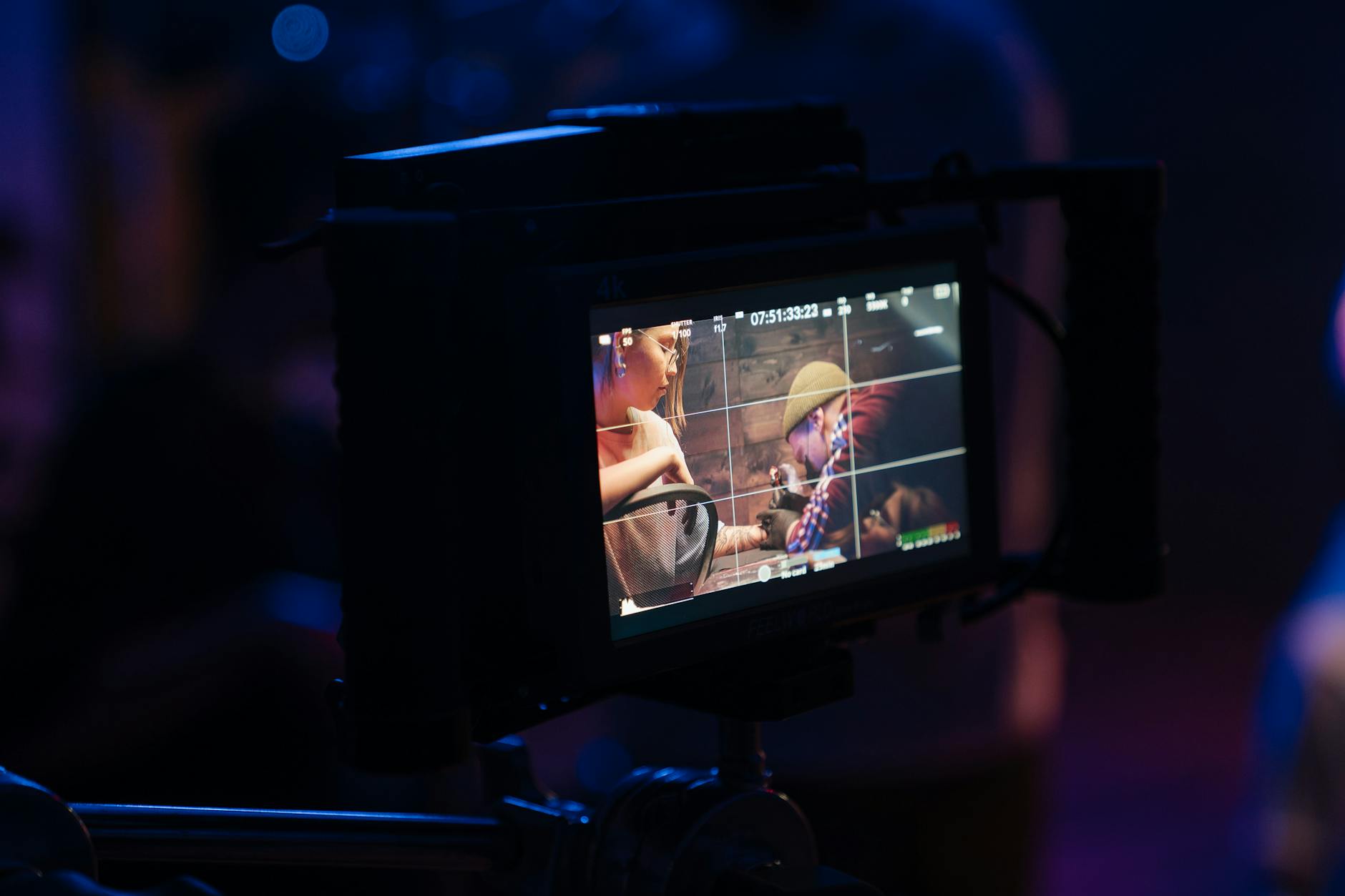
Successful livestream events depend on well-coordinated planning, robust equipment, expert technical oversight, and strategic content management. As demand continues to grow across sectors including corporate communications, entertainment, education, and community outreach, providers have expanded their offerings to include customizable solutions tailored to specific needs. The integration of innovative features such as multi-camera setups, real-time graphics, and interactive modules creates engaging experiences that resonate with diverse audiences. Whether broadcasting a product launch, a webinar, or a live concert, effective livestream services facilitate high-quality delivery and enable organizers to reach broad audiences without compromising on production standards.
Types of Livestream Services Offered
Providers deliver a comprehensive range of livestream solutions designed to suit different event types and scale requirements. Standard offerings include:
- Single-camera live streams suitable for small meetings, seminars, or announcements.
- Multi-camera productions that provide dynamic views, which are ideal for large presentations, concerts, or sports events.
- Simulcasting services that enable simultaneous streaming across multiple platforms for greater visibility.
- On-demand video archiving to allow viewers to access content after the initial broadcast.
- Interactive streaming options incorporating live chat, polls, and Q&A sessions to boost audience engagement.
Additionally, specialized services such as 360-degree live streaming and VR-enabled broadcasts are increasingly available, offering immersive experiences that captivate viewers and improve overall reach.
Key Equipment and Technology
Delivering professional-quality livestreams requires a combination of high-grade equipment and reliable technology systems. Essential hardware includes:
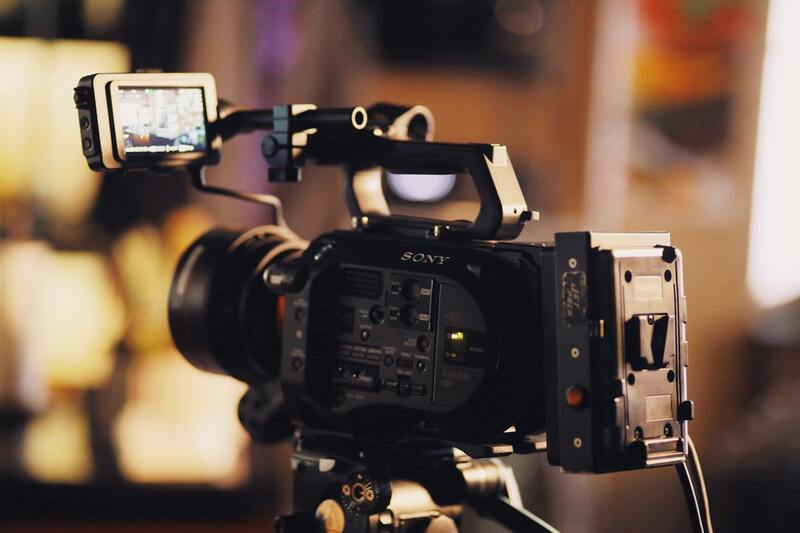
- Multiple high-definition cameras capable of capturing clear visuals from various angles.
- Audio equipment such as lavalier microphones, mixers, and soundboards to ensure crisp sound quality.
- Stream encoders that compress and transmit video data efficiently.
- Robust internet connectivity with sufficient bandwidth to prevent lag or buffering during transmissions.
- Backup systems like generators and redundant hardware to mitigate technical disruptions.
Software tools play a crucial role in managing content layout, overlay graphics, live switching, and real-time monitoring. Whether utilizing cloud-based platforms or onsite equipment, integration of these components ensures a smooth and professional broadcast experience. Advanced features such as synchronized multiple feeds, virtual sets, and real-time analytics are incorporated to enhance production value and audience interaction, demonstrating a commitment to quality and technological innovation.
Planning and Pre-Production
Thorough planning is fundamental to the success of any livestream event. This phase involves detailed coordination to establish clear objectives, define target audiences, and develop a comprehensive content strategy. Creating a checklist that covers venue logistics, technical requirements, and staff roles ensures every aspect is prepared. Pre-production includes:
- Venue assessment for suitable lighting, acoustics, and camera placement.
- Technical rehearsals to test equipment, connectivity, and software workflows.
- Content scripting and timing to synchronize segments, presentations, and speaker cues.
- Coordination with presenters, talent, and production team members to confirm schedules and responsibilities.
- Preparation of visual assets, lower thirds, overlays, and branding elements to be integrated into the broadcast.
Effective pre-event planning minimizes technical issues, enhances production quality, and ensures a cohesive viewer experience. It also allows for contingency strategies, such as alternative power sources and backup feeds, to address unforeseen challenges during live transmission.
Execution and Live Management
During the event, real-time management ensures that the broadcast adheres to the planned schedule while maintaining high standards of quality. Key responsibilities include monitoring video and audio streams, switching between camera angles, adjusting graphics, and responding to technical cues. Skilled operators oversee the entire live process, enabling quick resolution of issues such as lag, audio dropout, or visual glitches. Additionally, engaging with viewers through chat moderation and interactive features sustains audience involvement. The use of monitoring tools for real-time analytics offers insights into viewer engagement, geographic distribution, and technical performance, allowing organizers to make immediate adjustments if necessary.
Overview of Livestream Services
Livestream services have become an essential component for organizations seeking to reach their audiences on a broader scale with real-time engagement. These services provide a seamless platform for broadcasting live events, corporate functions, educational seminars, and entertainment shows. By leveraging advanced streaming technology, clients can deliver high-quality video content that maintains clarity and smooth playback across diverse devices and network conditions. The core advantage of utilizing such services lies in their ability to connect with global audiences instantly, facilitating interaction and engagement that traditional media cannot match. When selecting a livestream service, it is crucial to consider options that offer reliability, scalable infrastructure, and flexible integration capabilities, ensuring your event’s message is delivered effectively without interruption.
Types of Livestream Services Offered
Businesses and event organizers can choose from a variety of livestream service models tailored to their specific needs. These include:
- On-Demand Live Streaming: Content is broadcast in real-time but also recorded for later viewing, catering to audiences across different time zones or those who prefer flexible access.
- Simulcasting Platforms: Distributing content simultaneously across multiple channels such as social media, dedicated websites, and third-party platforms enhances reach and accessibility.
- Event-Specific Services: Custom solutions designed for conferences, concerts, sports, or large-scale public events, often involving multi-camera setups, live switching, and audience interaction tools.
- Corporate Livestreaming: Focused on internal communications, shareholder meetings, or product launches, emphasizing high production quality and security features.
- Interactive Broadcasts: Incorporating real-time polls, Q&A sessions, and chat features to foster engagement and gather immediate feedback during the event.
Key Equipment and Technology
Implementing professional livestream services requires sophisticated equipment and technology to ensure a polished presentation. Essential components include:
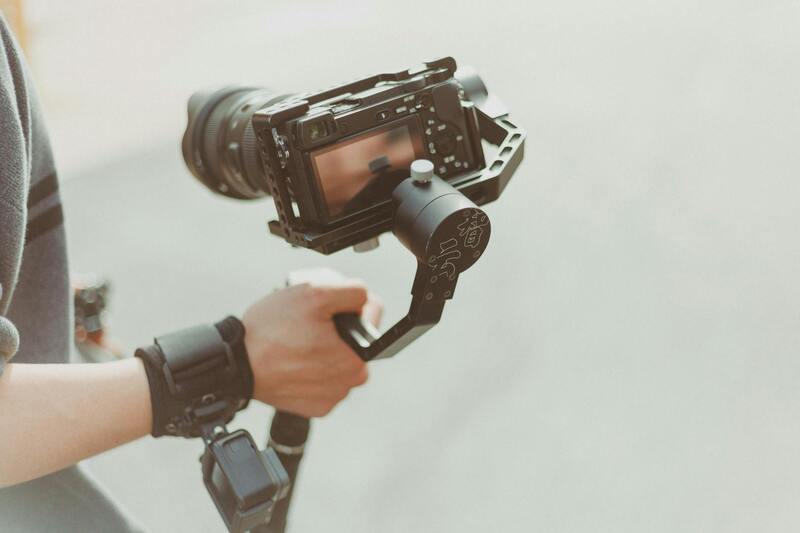
- High-Definition Cameras: Multiple cameras with high resolution to capture different angles and enhance visual interest.
- Reliable Audio Systems: Microphones and sound mixers to deliver clear audio, crucial for audience retention and comprehension.
- Streaming Encoders: Hardware or software tools that convert raw footage into a digital stream suitable for internet transmission.
- Switching and Mixing Consoles: For managing multiple video feeds and seamless transitions during live broadcasts.
- Monitoring Tools: Real-time analytics and monitoring software to oversee stream health, viewer engagement, and technical performance.
Planning and Pre-Production
Executing a successful livestream event begins with meticulous planning and preparation. Defining clear objectives, understanding the target audience, and establishing technical requirements are foundational steps. Pre-production tasks include script scripting, creating visual assets such as overlays and lower thirds, and coordinating with speakers or presenters. Rehearsals are critical for testing equipment, verifying internet stability, and refining the overall flow of the broadcast. Conducting dry runs helps identify potential issues, allowing teams to develop contingency plans like backup internet connections or alternative equipment. Proper pre-production not only minimizes disruptions but also elevates the overall production quality, ensuring the message resonates effectively with viewers.
Execution and Live Management
During the live event, a dedicated team manages all technical and operational aspects to ensure a smooth experience. This involves real-time monitoring of audio-visual streams, fine-tuning camera angles, and managing graphic overlays to align with the event agenda. Skilled technicians promptly address any glitches, such as audio interference or visual artifacts, maintaining broadcast integrity. Interaction with viewers through chat moderation or audience polling keeps engagement high, transforming passive viewing into a participatory experience. The deployment of analytics tools during the event provides immediate insights into viewer behavior, geographic distribution, and technical issues, enabling quick adjustments to optimize the broadcast. The goal remains delivering a seamless, professional presentation that upholds the event's integrity and meets audience expectations.
Post-Event Coverage and Analytics
After completing a successful livestream event, the focus shifts to comprehensive post-event coverage to maximize audience engagement and gather valuable insights. Recording the broadcast allows for on-demand access, enabling viewers who missed the live session to engage with the content at their convenience. Edited highlight reels, professional recaps, and targeted promotional clips can be distributed through various channels to extend the lifespan of the event and attract a broader audience.
In addition to visual content, detailed analytics are indispensable tools for evaluating the success of a livestream. Modern platforms offer metrics such as viewer count, dwell time, geographic location, device types, and viewer engagement patterns. These insights help event organizers understand audience preferences, optimize future streaming strategies, and improve content relevance. Identifying technical issues that occurred during the broadcast—such as buffering delays, audio dropouts, or visual artifacts—provides actionable data to refine the production process for subsequent events.

Implementing survey forms or direct feedback mechanisms post-event can also provide qualitative insights into audience satisfaction and areas for improvement. Combining objective analytics with subjective user feedback fosters a holistic understanding of event performance, guiding continuous enhancements in livestream quality, content delivery, and interactive features.
Expanding Reach and Engagement Strategies
- Content Repurposing: Transforming live segments into short clips, testimonials, and behind-the-scenes footage for social media can amplify exposure and sustain audience interest.
- Follow-up Campaigns: Email newsletters, targeted ads, and notifications about upcoming events help maintain audience engagement and convert casual viewers into loyal followers.
- Community Building: Encouraging ongoing interaction through discussion forums, social media groups, or dedicated apps consolidates viewer relationships and fosters a sense of community around the event’s theme or brand.
Leveraging Data for Future Success
The insights gained from post-event analysis contribute to refining content themes, choosing optimal broadcast times, and tailoring interactive elements to viewer preferences. Accurate demographic data assists in customizing marketing efforts, while performance metrics guide hardware and software investments, ensuring the technical infrastructure remains aligned with audience expectations.
Consistency in evaluating outcomes after each event creates a feedback loop that elevates the overall quality and professionalism of livestream productions. Event hosts and producers can leverage these insights to enhance storytelling, improve technical reliability, and deliver more engaging, seamless experiences that resonate strongly with their target audiences in Miami and beyond.