
Overview of Live Stream Event Services
Live stream event services have emerged as an essential component for modern event management, especially in vibrant hubs like Miami. These professional solutions facilitate the broadcasting of live events to a global online audience, enabling organizations and individuals to reach viewers beyond geographical constraints. Whether hosting corporate conferences, community festivals, or product launches, utilizing a comprehensive live streaming service ensures high-quality delivery and seamless visibility.
Miami's dynamic environment, characterized by its diverse population and thriving business scene, underscores the importance of reliable live stream event services. These services provide advanced technology to transmit live video and audio content in real time, offering an immersive experience comparable to attending in person. They are instrumental in expanding an event's reach, boosting engagement, and offering flexibility for remote participation.
Choosing a reputable live streaming provider involves considering various factors, such as technical expertise, equipment quality, and experience in handling live event productions. A professional service guarantees optimal performance, minimized technical disruptions, and ensures viewers receive a high-definition experience. Additionally, these services often include features such as multi-camera setups, professional audio mixing, customizable branding, and interactive elements, adding value and polish to any live event.

In summary, live stream event services are integral to expanding the reach and impact of events in Miami. They transform traditional gatherings into accessible, professional broadcasts that resonate with audiences worldwide. As demand increases, selecting a reliable and experienced provider becomes crucial to delivering a seamless and impactful live streaming experience that elevates any event’s profile.
Key Components of Live Stream Events
Successful live stream events rely on several critical components that work together to deliver a seamless viewing experience. Each element must be meticulously planned and executed to ensure high-quality production and audience engagement.
At the core of any professional live stream are the audiovisual equipment and infrastructure. This includes high-definition cameras, professional-grade microphones, and reliable internet connections capable of transmitting data at high speeds with minimal latency. Support equipment such as video switchers, streaming encoders, and backup systems are essential for maintaining quality even under unforeseen circumstances.

The production team also plays a crucial role. Experienced directors, camera operators, and audio technicians collaborate to manage camera angles, lighting, sound levels, and broadcast flow. Their expertise ensures polished transitions, clear audio, and visually appealing presentation. This professional handling minimizes disruptions and guarantees the event appears seamless to digital viewers.
Additionally, a robust streaming platform is indispensable. It should be capable of supporting high concurrent viewers, providing adaptive streaming technologies that optimize video quality based on viewers’ internet speeds. Customizable branding options and interactive features such as chat functions are often integrated to enhance audience participation and reinforce brand identity.
Effective live event management also involves careful planning of the event logistics. This includes staging, scheduling, and coordinating multiple media sources, as well as establishing contingency plans such as backup internet connections or redundant equipment to prevent technical failures.
Moreover, integrating analytics tools is an increasingly important component. These tools track viewer engagement, duration, geographic distribution, and other metrics, providing valuable insights that inform future event strategies and improve overall service quality.
In essence, the synergy of high-grade technology, experienced personnel, reliable infrastructure, and strategic planning creates the foundational elements necessary for professional live streaming. Properly managing these components results in high-definition broadcasts, minimal technical issues, and an engaging viewer experience that extends an event's reach and impact.
Overview of Live Stream Event Services
Live stream event services have transformed the way organizations, corporations, and content creators deliver their messages to audiences around the globe. These services encompass a comprehensive range of solutions that include planning, technical setup, production, and post-event analysis, all aimed at delivering seamless, high-quality broadcasts. As the digital landscape evolves, the demand for professional live streaming continues to grow, driven by the need for engaging content delivery, real-time interaction, and immediate reach. High-caliber live stream services utilize cutting-edge technology and experienced personnel to ensure events are broadcast smoothly, with minimal latency and maximum viewer engagement.
The backbone of effective live stream event services lies in the integration of advanced streaming platforms, top-tier equipment, and strategic operational practices. Reliable internet infrastructure, multi-camera configurations, and sophisticated audio systems are standard necessities. These elements work in tandem with innovative encoding hardware and software to transmit crisp video and clear audio, even during complex multi-source productions or high viewer counts. Moreover, the importance of scalable bandwidth solutions cannot be overstated, as they adapt dynamically to fluctuating internet conditions, providing consistent quality regardless of external factors.
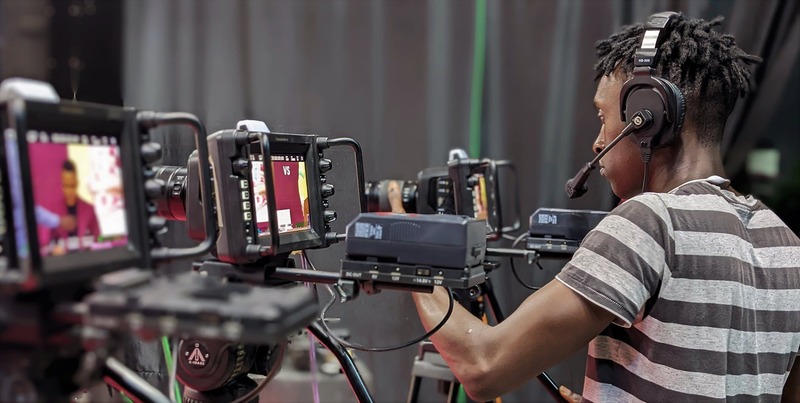
In addition to the technical backbone, the user experience is significantly enhanced through customizable viewer interfaces and interactive features. Chat integrations, polls, and Q&A sessions foster audience participation, transforming passive viewers into active participants. Strategic branding elements are also incorporated into the stream layout, ensuring consistent visual identity throughout the broadcast. These features are particularly valuable for corporate webinars, product launches, and large-scale conferences, where audience engagement can impact overall success.
Effective live streaming services also emphasize meticulous pre-production planning. This includes detailed event scheduling, coordination of media sources, and scenario planning for potential technical issues. Backup internet connections, redundant hardware, and emergency protocols are standard components of a well-organized live streaming plan. This proactive approach minimizes risks and ensures that the event proceeds without interruption, even in unpredictable technical conditions.
Furthermore, the integration of analytics tools during and after the event provides critical insights into viewer behavior and engagement metrics. Data points such as viewer count, duration, geographic distribution, and interactive responses guide future content strategies, helping organizers refine their approach to maximize reach and impact. Post-event reports allow stakeholders to assess performance and make data-driven decisions for subsequent live streams, creating a cycle of continuous improvement.
When considering live stream event services, it is essential to partner with providers that have a proven track record of technical excellence, seamless execution, and comprehensive support. Such providers deploy experienced technicians, utilize high-grade equipment, and maintain up-to-date streaming technology to ensure flawless delivery. Their expertise in managing the intricacies of live events guarantees a professional presentation that aligns with client objectives, enhances brand reputation, and facilitates meaningful audience interaction.
Overall, the success of any live stream event hinges on a balanced integration of technology, planning, and execution. By leveraging dependable live stream services, organizations can extend their reach, enhance engagement, and produce memorable, impactful broadcasts that resonate long after the event concludes.
Planning and Pre-Production for Live Streams
Effective planning and pre-production are fundamental to the success of any live stream event. This phase involves meticulous coordination of technical, creative, and logistical aspects to ensure a seamless broadcasting experience. A comprehensive pre-production strategy begins with defining clear objectives for the event, understanding the target audience, and establishing key performance indicators (KPIs) for success. Detailed planning helps identify specific required equipment, personnel, and support services, aligning resources with the event’s scope and scale.
Content scripting and rehearsals play a vital role in setting the tone and flow of the event. This includes preparing scripts for hosts or presenters, arranging for visual aids, and scheduling technical rehearsals to troubleshoot potential issues. Conducting dry runs with the entire production team ensures familiarity with the equipment, test the internet connection’s stability, and refine camera angles, lighting, and audio setups. It’s crucial to simulate the live environment as closely as possible to identify and resolve problems beforehand.
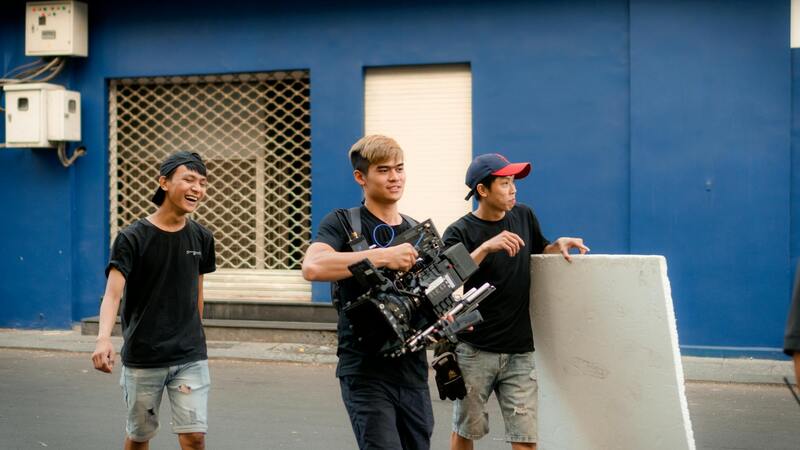
Technical preparation extends to selecting and configuring streaming hardware and software, setting up backup systems, and ensuring sufficient bandwidth. High-quality encoding devices, switches, and professional-grade audio and visual equipment help produce sharp and clear streams. Hosting platforms should be tested well in advance; this includes verifying access credentials, stream keys, and integration with other tools like chat functions or polls for real-time audience engagement.
Stakeholder collaboration is another essential component. Coordinating with sponsors, speakers, and on-air talent ensures everyone is aligned with the event’s goals. Stakeholders should be briefed on their roles, timing, and technical requirements. A detailed run sheet or schedule consolidates all activities and provides a reference for the team on the event day.
Security measures should also be incorporated during pre-production. Securing the streaming feed prevents unauthorized access, and safeguardingparticipant data aligns with best practices for data protection. Additionally, establishing clear channels of communication among the technical crew, hosts, and coordinators helps facilitate prompt responses to any issues that may arise during the event.
In summary, the success of a live stream event largely depends on the thoroughness of the pre-production phase. From content development to technical rehearsals, each step ensures readiness for a professional, engaging, and interruption-free broadcast. Partnering with experienced live stream service providers in Miami can significantly enhance this process, offering access to top-tier equipment, skilled personnel, and reliable support systems that bring the event’s vision to life with confidence and precision.
Ensuring Content Security and Viewer Authentication
One of the critical aspects of managing live stream event services is maintaining the security of the content and accurate viewer authentication. Implementing secure access controls helps prevent unauthorized viewing of the broadcast, safeguarding both intellectual property and sensitive event information. Live streaming providers utilize encryption protocols, such as Secure Real-Time Transport Protocol (SRTP) or Hypertext Transfer Protocol Secure (HTTPS), to protect data transmission during the event. These measures not only uphold the integrity of the stream but also build trust with organizers and viewers alike.
Authentication methods are essential to verify legitimate viewers. This can include secure login credentials, unique access codes, or token-based authentication systems that ensure only approved participants and attendees can access the live feed. For events with restricted audiences, such as corporate webinars or private conferences, these security layers prevent unauthorized sharing or piracy, securing the event's exclusivity.
Technical Infrastructure and Equipment
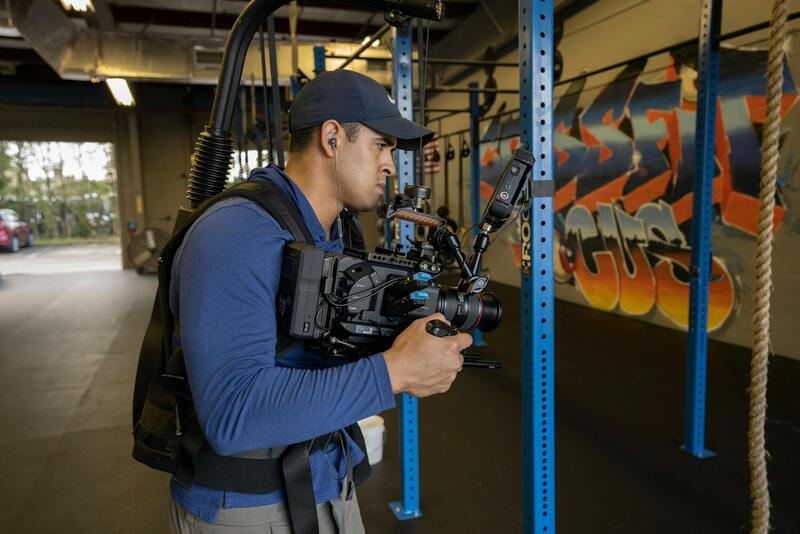
Optimal performance of live stream events depends heavily on the quality of the technical infrastructure used. High-definition streaming requires reliable internet connections with sufficient upload bandwidth to handle the data flow without buffering or interruptions. Typically, professional-grade encoders are employed to convert raw video signals into streaming-compatible formats, ensuring high clarity and low latency.
Equally important are the backup systems in place. Redundant internet connections, such as primary fiber optic lines coupled with secondary LTE or satellite links, provide fail-safe options if the primary connection experiences issues. This redundant setup is vital for maintaining continuous broadcast flow during the event.
State-of-the-art audiovisual equipment, including professional cameras, audio mixers, and lighting, contribute significantly to the overall production quality. Proper placement and calibration of these devices ensure that viewers receive a polished and engaging visual experience. Additionally, real-time monitoring tools help technical teams identify and rectify issues promptly, ensuring the highest possible stream stability throughout the event.
Stream Optimization and Audience Engagement Strategies
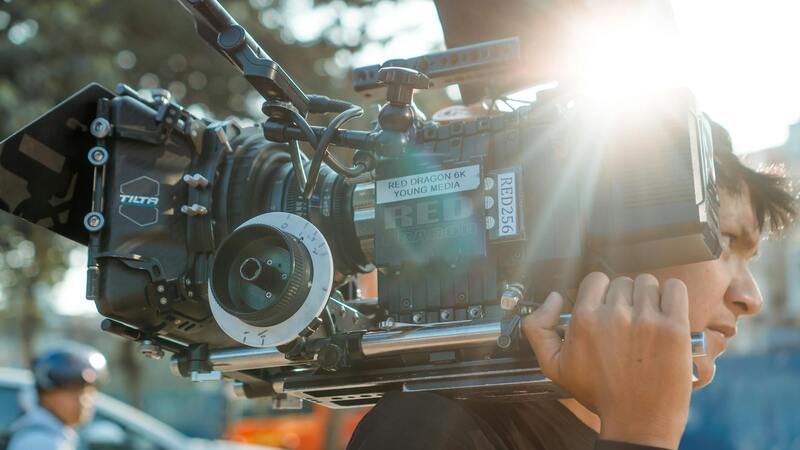
Maximizing viewer engagement during a live event requires careful planning of stream delivery and interaction features. Adaptive bitrate streaming dynamically adjusts video quality based on viewers' internet speeds, reducing buffering and providing a smoother viewing experience. This technology ensures accessibility for audiences with varying bandwidth capabilities.
Incorporating interactive elements such as live chat, Q&A sessions, polls, and social media integrations fosters active participation. These features not only enhance the viewer experience but also provide valuable feedback for organizers. For example, real-time poll results can guide live discussions or decision-making processes during the event.
To further boost engagement, organizers should promote the event across multiple channels beforehand and include clear call-to-action prompts during the stream. Offering supplementary content like downloadable resources or behind-the-scenes footage can also increase audience retention and satisfaction.
Types of Live Streaming Events
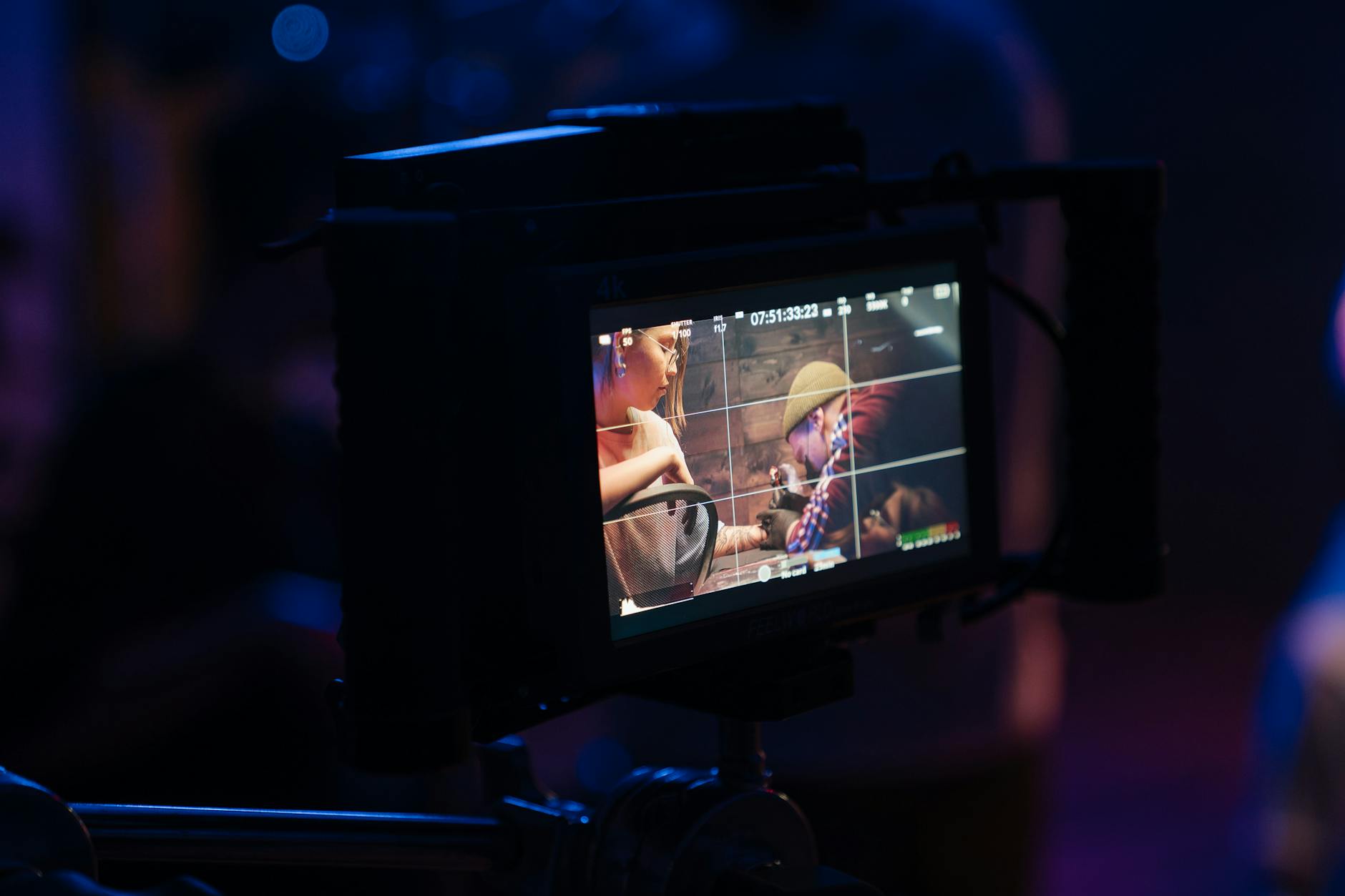
Live stream event services cater to a diverse array of event types, each requiring specific considerations for successful execution. Corporate events, such as product launches, press conferences, and annual meetings, demand high production values, branding consistency, and seamless integration of visuals and audio to reinforce professionalism. Sporting events, including tournaments, matches, and competitions, rely heavily on multiple camera angles, instant replays, and real-time commentary to deliver an immersive experience to viewers worldwide.
Entertainment-focused streams like concerts, theater performances, and festivals benefit from high-definition video quality and dynamic visuals to capture ambiance and energy. Educational webinars and workshops focus on clarity and engagement, often utilizing multiple presentation overlays, live Q&A sessions, and interactive polls to maintain participant interest. Religious gatherings, community celebrations, and charity events can leverage live streaming to extend their reach beyond physical attendees, emphasizing accessibility and interactivity.
Key Components of Live Stream Events
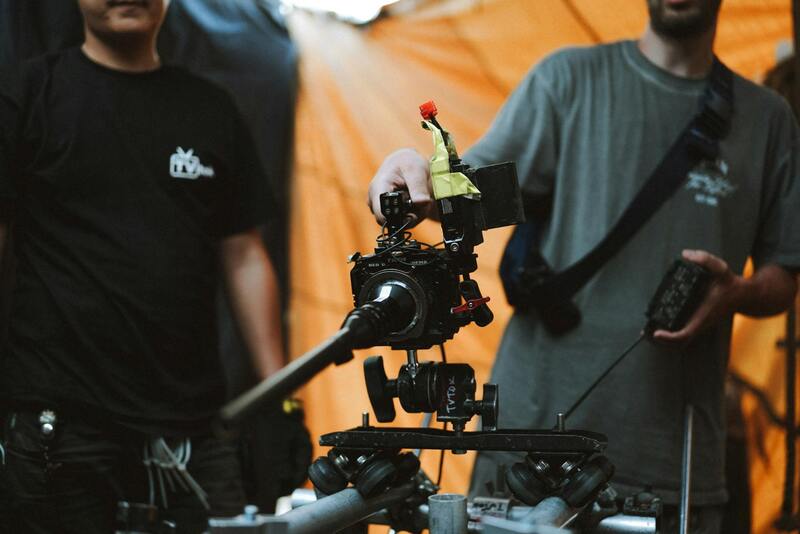
A successful live streaming event integrates several technical and logistical elements to ensure quality and reliability:
- High-Quality Video and Audio Equipment: Using professional cameras, microphones, and switching hardware guarantees crystal-clear visuals and sound, crucial for audience engagement.
- Robust Internet Connection: High bandwidth and redundant connections prevent interruptions. Network stability is fundamental to maintaining uninterrupted streams.
- Streaming Platform and Software: The selected platform should support the required features, such as multi-camera switching, overlays, and chat integration, while offering scalability for audience size.
- Technical Crew: Skilled operators manage camera work, sound, and streaming hardware, responding swiftly to technical issues as they arise.
- Interactive Features: Incorporating live chat, polls, and Q&A sessions engages viewers actively and fosters community interaction.
Incorporating these elements cohesively ensures a polished broadcast that meets audience expectations and maintains technical integrity throughout the event.
Choosing a Live Streaming Service Provider in Miami
Selecting the right live stream event services provider in Miami involves evaluating several key factors. First, the provider’s experience in handling events similar to yours is indicative of their capability to meet your specific requirements. A portfolio demonstrating previous work, including corporate, entertainment, or educational streams, provides insight into their expertise and quality standards.
Next, assess their infrastructure's reliability, including backup systems and redundant connectivity, to prevent last-minute disruptions. The provider should offer a comprehensive package that includes pre-production planning, technical setup, live streaming, and post-event analytics. Compatibility with your event's scale and audience size is crucial; scalable solutions ensure a smooth experience regardless of viewer numbers.
Customer support and communication are additional considerations. An experienced provider offers clear consultation, updates during the event, and swift troubleshooting support. Familiarity with various streaming platforms and the ability to customize solutions accommodate unique event needs, ensuring your live stream aligns with your goals and brand image.

Post-Event Services and Analytics
After the live stream concludes, the work for professional service providers continues to ensure that your event delivers lasting value. One of the primary post-event activities includes comprehensive recording management. High-quality archives of the live stream can be stored securely, providing opportunities for on-demand viewing, content repurposing, or future promotional materials. Ensuring accessible and well-organized recordings allows clients to maximize their event’s reach and engagement beyond the live experience.
Audience analytics form a crucial part of assessing the success of your live streaming event. The use of advanced analytics tools enables providers to gather detailed insights into viewer demographics, engagement levels, drop-off points, and real-time interactions. These metrics help organizers understand what resonated most with their viewers and identify areas for improvement in future events. Analyzing viewer behavior can guide content adjustments, promotional strategies, and technical optimizations for subsequent streams.
Feedback collection is another vital component of post-event activities. Soliciting direct input from attendees through surveys or integrated feedback forms provides qualitative insights into the audience’s experience. This information informs the quality of production, content relevance, and overall event management. Customer and participant feedback is key to refining live stream event services and enhancing the overall quality of future broadcasts.
Furthermore, content repurposing allows brands and organizers to extend the lifespan of their event media. Clips, highlights, and full recordings can be utilized across social media platforms, websites, and marketing campaigns. Effective content repurposing maximizes audience engagement and amplifies the event's impact well beyond the initial broadcast, providing long-term value for your investment.
Advanced Techniques for Live Stream Event Success
Optimizing the technical aspects of a live streaming event is fundamental to delivering a seamless viewer experience. This includes ensuring high-quality audio and video, stable internet connections, and the right streaming protocols. Employing adaptive bitrate streaming can significantly enhance viewer satisfaction by automatically adjusting the stream quality based on network conditions, resulting in minimal buffering and interruptions.
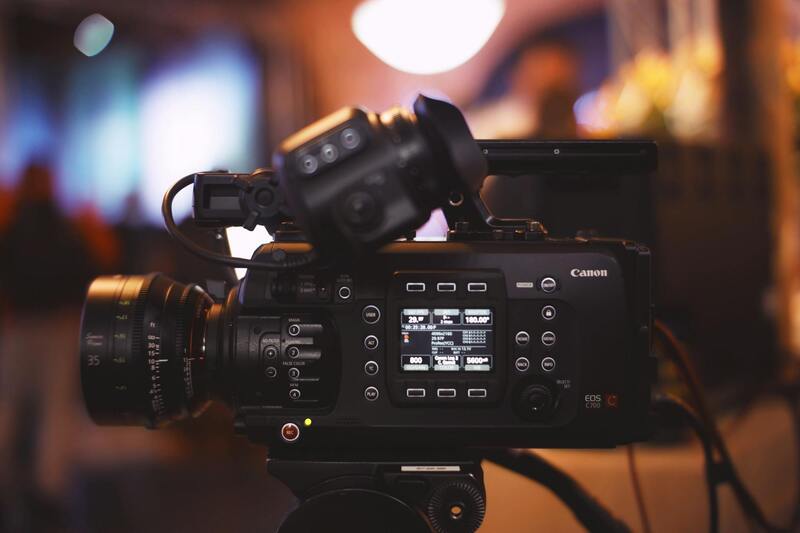
Furthermore, integrating multiple camera angles and professional graphics can elevate the production value, making broadcasts more engaging. Utilizing switchers and mixers allows for smooth transitions and real-time editing, creating a polished appearance akin to traditional television broadcasts. It's crucial to have backup systems in place, such as secondary internet connections and redundant hardware, to mitigate potential disruptions during the live event.
Leveraging Interactivity to Boost Engagement
Interactive features are essential tools that enhance viewer participation, fostering a dynamic and memorable experience. Features such as live chat, polls, Q&A sessions, and real-time feedback mechanisms can significantly increase audience engagement. Incorporating these elements requires strategic planning to ensure they are seamlessly integrated into the broadcast without causing distractions or technical difficulties.
- Live polls: Engage viewers by soliciting their opinions on relevant topics during the event.
- Q&A sessions: Allow participants to submit questions, which can be addressed in real time by speakers or moderators.
- Chat interactions: Encourage viewers to comment and react, building a sense of community around the event.
- Gamification: Adding interactive games or quizzes can drive higher participation levels and make the event more entertaining.

Security and Privacy Considerations in Live Streaming
Implementing robust security measures is vital to safeguard content integrity and protect viewer data during live streaming events. Encrypted data transmission ensures that stream content cannot be intercepted or tampered with by unauthorized parties. Access controls and user authentication mechanisms prevent unauthorized viewing, especially for private or ticketed events.
Additionally, compliance with data protection regulations requires careful handling of user information captured through registration forms, feedback surveys, or interactive features. Utilizing secure servers and regularly updating streaming software help mitigate vulnerabilities. Creating clear privacy policies and informing viewers about data usage foster trust and transparency, essential qualities for maintaining a reputable streaming event.
Integrating On-Demand Content for Extended Reach
Post-broadcast content integration allows organizers to maximize the impact of their live events beyond real-time viewership. Making recorded streams available on-demand enables audiences who missed the live session to engage with the content at their convenience. This approach also facilitates content repurposing for marketing, training, or educational purposes.
High-quality post-event recordings can be embedded into websites, shared across social media, or included in email campaigns, thereby extending the lifespan of your content. To ensure accessibility, it is advisable to include multiple formats like captions, transcripts, and different resolution options. These efforts not only broaden your reach but also provide additional engagement touchpoints, resulting in higher overall event value.
Measuring Success through Metrics and Feedback
Evaluating the success of a live stream event involves analyzing quantitative data such as viewer counts, engagement rates, and geographic viewer distribution. Tools that track viewer interactions, on-time viewership, and drop-off points reveal how well the content resonated with your audience and identify areas for technical or content improvements.
Qualitative feedback, gathered through surveys and direct responses, complements numerical metrics by providing insights into viewer satisfaction and preferences. Combining these data sources enables organizers to refine their strategies for future events, optimizing both content and technical delivery. Establishing benchmarks and setting clear KPIs from the outset ensures measurement is aligned with your overarching goals, guiding continuous improvement in your live streaming initiatives.