
Overview of Live Streaming Services for Events
Live streaming services have become an integral component of modern event planning, offering a dynamic method to broadcast live events over the internet. These services enable organizers to reach geographically dispersed audiences in real-time, transforming traditional events into interactive digital experiences. In Miami, a city renowned for its vibrant cultural scene, business conferences, music festivals, and community gatherings increasingly rely on live streaming to maximize their reach and impact.
The primary role of live streaming services is to deliver high-quality video and audio feeds to viewers across various devices, including smartphones, tablets, and desktop computers. By leveraging robust streaming platforms, event organizers can extend their visibility beyond physical attendance, opening opportunities for increased engagement, media coverage, and social media buzz.
The importance of live streaming extends to various strategic benefits. It enables event organizers to provide accessible content to those unable to attend physically, inclusive of individuals with mobility challenges or international audiences. Additionally, it facilitates real-time interaction through live chat, polls, and Q&A sessions, enhancing audience participation and satisfaction. For Miami-based events, which often aim to showcase local talent or global brands, live streaming offers an effective channel to project a professional image and maximize exposure.

Adopting a reliable live streaming service is crucial to ensure broadcast stability, audiovisual clarity, and minimal latency. Secure and scalable platforms facilitate seamless streaming regardless of audience size or network conditions, which is vital for maintaining professionalism and viewer satisfaction. As digital consumption habits evolve, event organizers who harness the power of live streaming position themselves at the forefront of innovative engagement strategies, capturing broader audiences and creating memorable digital experiences that resonate long after the event concludes.
Types of Live Streaming Services for Events
Choosing the appropriate live streaming service hinges on the specific requirements of the event, including its scale, format, and desired viewer experience. There are several established methods to deliver high-quality streaming content that can be tailored to meet diverse needs. Organized events ranging from intimate gatherings to large-scale festivals benefit from specialized streaming solutions that ensure clarity, stability, and audience engagement.

Professional Event Streaming
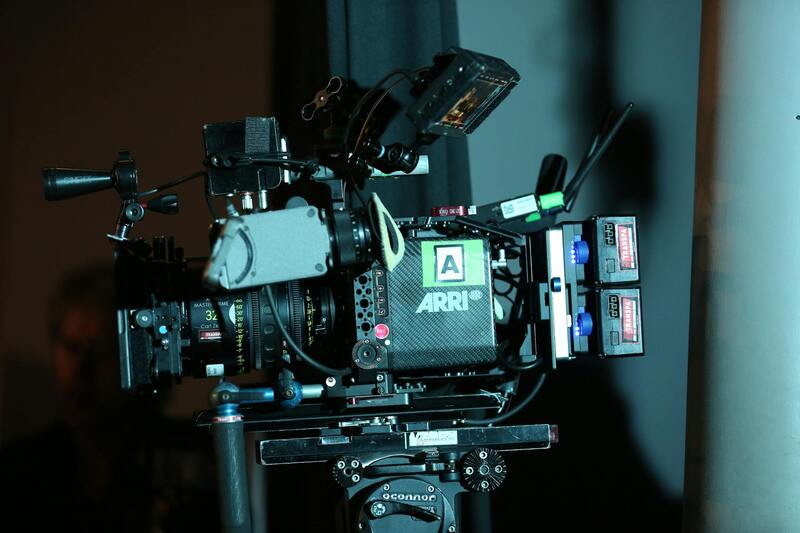
Professional event streaming involves using high-end equipment such as broadcast-quality cameras, audio gear, and dedicated encoders. This approach typically requires a team of technical staff, including videographers and stream operators, to coordinate and execute the broadcast seamlessly. Suitable for corporate conferences, product launches, and awards ceremonies, this method guarantees superior audiovisual output and a polished presentation that mirrors traditional broadcasting standards.
Multi-Camera Setups
Deploying multiple cameras allows event organizers to present varied angles and comprehensive coverage. Multi-camera streaming creates a dynamic visual experience, essential for live concerts, sports events, and theatrical performances. The footage from various sources is synchronized and managed via professional switching equipment, resulting in an engaging viewer experience that closely resembles the atmosphere of being physically present.
Hybrid Streaming Models
Hybrid streaming combines in-person and virtual elements, accommodating both live attendees and remote viewers. This approach is especially effective in conferences and seminars, where it is crucial to offer multiple perspectives—such as keynote speeches, breakout sessions, and panel discussions—simultaneously accessible online. Hybrid models often leverage existing venue installations coupled with online platforms to deliver an integrated experience that broadens the event's reach.
Webcasting and On-Demand Services
Webcasting focuses on streaming content in real-time while enabling on-demand viewing afterward. This flexibility serves educational events, workshops, and cultural festivals that aim for extended engagement beyond the live moment. On-demand access allows viewers to revisit content at their convenience, increasing the overall impact and memorability of the event.
In many cases, choosing between these options involves trade-offs related to cost, complexity, and desired outcome. Professional solutions often provide the best quality and reliability but require a larger investment and planning. Multi-camera setups and hybrid models offer versatility and creativity, accommodating diverse event formats and audience preferences. Ultimately, selecting the right type of streaming service depends on aligning technical capabilities with the event’s objectives, ensuring a smooth and memorable experience for all participants.
Technical Requirements for Live Streaming Events
Implementing a successful live streaming event necessitates meticulous attention to technical requirements to ensure a seamless experience for viewers. High-definition video transmission is paramount, with most professional streaming services supporting at least 1080p resolution to provide clear visuals, especially for detailed presentations or performances. Reliable internet connectivity, with upload speeds of at least 5 Mbps per stream, minimizes buffering and lag issues, delivering real-time content without interruption.
Equipment setup plays a crucial role. This includes high-quality cameras capable of capturing various angles, professional microphones for clear audio, and stable streaming encoders that encode live video efficiently. Use of multi-camera configurations can enhance viewer engagement by offering dynamic perspectives, especially during conferences, concerts, or sports events.
Streaming platforms typically support multiple devices and operating systems, notifying the importance of platform compatibility for maximum accessibility. Commonly supported devices include smartphones, tablets, smart TVs, and desktop computers. To accommodate a large audience, content delivery networks (CDNs) are often used to distribute streams efficiently across multiple servers, preventing latency issues and ensuring consistent quality regardless of viewer location.
Effective integration of control interfaces, such as dashboards for real-time monitoring, chat functions, and viewer analytics, is also essential. Technical support during the event, whether from the streaming provider or an in-house team, is critical to swiftly troubleshoot any issues that arise, maintaining the integrity of the broadcast.

In addition to hardware, bandwidth management and redundancy plans, such as backup internet connections and power supplies, are vital to prevent disruptions. Continuous testing of all systems prior to the event is recommended to identify and resolve potential issues, ensuring the live stream runs smoothly from start to finish.
Compatibility with streaming software, be it proprietary solutions like Wirecast or open-source alternatives, allows customization and integration with additional features like overlays, branding, and multi-stream outputs. Employing these standards and practices guarantees not only the quality and reliability of the broadcast but also provides a professional viewing experience for audiences tuning in remotely.
Technical Requirements for Live Streaming Events
Organizing a high-quality live stream requires meticulous planning and execution, with specific technical components vital to delivering a seamless broadcast. Ensuring optimal equipment, reliable internet connectivity, and skilled technical personnel creates a solid foundation for successful event streaming.
Essential Equipment for Live Streaming
High-definition cameras are fundamental for capturing clear visuals, with professional-grade models preferred over consumer-grade devices to achieve detail and clarity. Audio quality is equally important; professional microphones such as lavalier, shotgun, or condenser microphones ensure crisp sound, which can significantly elevate the viewer experience.
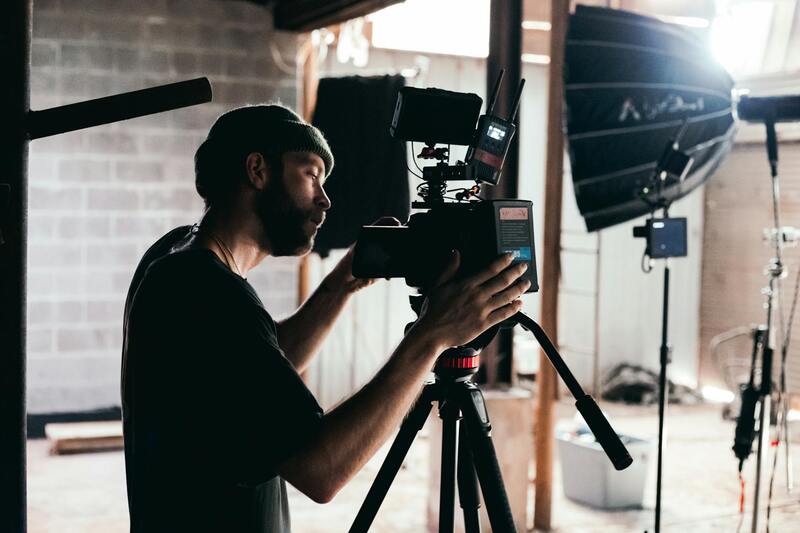
Streaming hardware, including video encoders or streaming appliances, encodes the audiovisual content into digital signals suitable for online transmission. These devices often support multiple input sources and transfer data via Ethernet or Wi-Fi, depending on the setup. Additionally, video switchers allow producers to seamlessly transition between multiple camera feeds, adding production value and professionalism.
Reliable Internet Connectivity
Consistency in internet speed and stability is crucial for uninterrupted streaming. A dedicated high-bandwidth internet connection, preferably wired Ethernet, minimizes latency and packet loss during transmission. As a contingency, having a backup internet source, such as a secondary wired connection or a potent 4G/5G hotspot, is invaluable in case of primary connection failure.
Technical Expertise and On-Site Support
Operating live streaming equipment requires training and experience. Skilled technicians oversee the setup, monitor stream quality throughout the event, and troubleshoot issues promptly. They manage bandwidth adjustments, handle multiple camera feeds, and coordinate with production teams to ensure a polished broadcast. Having trained personnel on-site reduces the likelihood of technical hiccups and improves overall broadcast reliability.
Additional Technical Considerations
- Power backup systems to prevent outages during critical moments
- Proper cabling and cable management to prevent disconnections and interference
- Testing all equipment and internet connections thoroughly prior to the event—ideally days in advance—to identify and rectify potential issues
- Employing software solutions that support real-time overlays, branding, multi-camera switching, and other enhancements
Integrating these technical elements ensures that live streaming for events runs smoothly and delivers a professional-grade experience for remote viewers. Attention to detail in each aspect of the setup minimizes disruptions and maximizes content quality, creating a seamless connection between the event and its digital audience.
Legal and Accessibility Considerations
When deploying live streaming services for events, it is crucial to adhere to established protocols that ensure content is responsibly managed and accessible to diverse audiences. Implementing content management practices, such as securing copyright permissions for music, videos, and images used during broadcasts, helps maintain compliance with intellectual property standards. Additionally, obtaining necessary clearances for third-party materials prevents potential interruptions or takedown notices that could disrupt the event's digital presentation.
Accessibility features significantly enhance the viewing experience for all audience members. Incorporating closed captioning, sign language interpretation, and audio descriptions not only broadens reach but also aligns with inclusive communication standards. Many live streaming platforms offer integrated tools to facilitate these features, which help make events more inclusive and ensure they serve a wider demographic, including individuals with disabilities.
Data privacy and viewer security also play a prominent role in responsible streaming. Collecting user consent for data collection, safeguarding personal information through encryption, and ensuring secure login procedures protect viewer identities and foster trust. Employing content delivery networks (CDNs) with robust security protocols prevents unauthorized access and content theft, maintaining the integrity of the streamed event.

Furthermore, legal considerations extend to terms of service agreements, which clarify permissible content use and viewers' rights. Clear policies regarding user-generated content, chat moderation, and copyright notices contribute to a transparent broadcasting environment. These measures ensure that live streams remain professional, respectful, and compliant with relevant standards, providing a reliable digital platform for event promotion and engagement.
Legal and Accessibility Considerations
Understanding the frameworks around live streaming events ensures seamless delivery and a positive experience for both organizers and viewers. A primary aspect involves adhering to copyright laws, which safeguard the intellectual property of content creators. Proper licensing or permissions are essential when broadcasting music, videos, or other copyrighted material, preventing potential disputes or content takedowns that could disrupt the event.
Accessibility features play a vital role in broadening the reach of live streaming events. Incorporating real-time captioning ensures that attendees with hearing impairments can follow along effortlessly. Sign language interpretation can be embedded within the stream or displayed in dedicated sections, enhancing inclusivity. Audio descriptions provide additional context for visually impaired viewers, describing visual elements in detail.
A comprehensive approach to privacy also needs to be implemented. Collecting viewer data requires transparent communication about how information is used, stored, and protected. Secure login procedures, such as two-factor authentication, help prevent unauthorized access. Encryption of data transmission further ensures that sensitive information remains confidential. Content delivery networks equipped with advanced security protocols mitigate risks related to unauthorized content access or piracy.
Implementing these measures demands careful planning but ultimately fosters trust with the audience. Clear terms of service define permissible content, describe user responsibilities, and establish guidelines for chat moderation and user interactions. Such transparency contributes to a respectful and professional broadcast environment, essential for maintaining the integrity of high-profile or corporate events.
Legal and Accessibility Considerations
Ensuring compliance with established standards, regulations, and best practices is essential for delivering high-quality live streaming experiences for events. Incorporating features that enhance accessibility not only broadens audience engagement but also demonstrates a commitment to inclusive communication. For instance, integrating real-time captioning allows viewers with hearing impairments to follow the event seamlessly. Sign language interpretation can be embedded directly into the stream or provided through dedicated visual windows, making content accessible to a wider demographic.
Audio descriptions further improve inclusivity by narrating visual elements for visually impaired viewers, offering detailed insights into on-screen activities. These features, combined with adjustable playback controls and user-friendly interfaces, ensure an inclusive environment that accommodates diverse needs. Furthermore, implementing secure streaming protocols preserves the integrity of broadcast content by preventing unauthorized access or disruptions.
Privacy and data security are vital considerations when hosting live events. Collecting viewer information should be accompanied by transparent communication about data handling policies, including how personal data is stored and utilized. Secure login systems, such as two-factor authentication, help prevent unauthorized viewers from accessing private streams. Data encryption during transmission further safeguards sensitive information against interception or misuse.
Content delivery networks (CDNs) equipped with advanced security measures—such as firewalls and anti-piracy technology—are instrumental in protecting streams from piracy and content theft. Establishing clear terms of service delineates acceptable user interactions, moderates chat functions effectively, and maintains a professional broadcast environment. These policies help foster trust and respect among viewers, contribute to a positive community atmosphere, and uphold the integrity of the event’s online presence.
Exploring Advanced Delivery Methods in Live Streaming for Events
Beyond choosing a reliable service provider and understanding fundamental technological requirements, the method of content delivery plays a crucial role in the success of live streaming events. With the rapid evolution of internet infrastructure and streaming technology, event organizers now have access to a range of sophisticated delivery methods that enhance viewer experience, improve stability, and expand reach.
Content Delivery Networks (CDNs)
One of the most prominent delivery methods utilized in professional live streaming is the use of Content Delivery Networks (CDNs). CDNs are a distributed network of servers strategically located across different geographic regions. These servers cache and deliver streaming content to viewers from the nearest location, significantly reducing latency, buffering, and buffering times. This setup ensures high-quality, uninterrupted streams, especially vital for large-scale events with thousands of simultaneous viewers.
Leveraging CDN technology not only improves streaming performance but also enhances scalability. During peak viewing times, CDN architecture dynamically adapts to increased demand, maintaining stream quality without degradation. Additionally, CDNs implement advanced security measures, such as geo-restrictions and traffic filtering, to safeguard the content and maintain a controlled distribution environment.
Multi-CDN Strategies
To further optimize reliability and coverage, many professional providers incorporate multi-CDN strategies. This approach involves utilizing multiple CDN providers simultaneously, allowing for load balancing and redundancy. If one CDN experiences technical issues or congestion, traffic seamlessly switches to an alternative provider, minimizing downtime and ensuring continuous streaming. Multi-CDN strategies are particularly beneficial for events with international audiences, where network conditions vary significantly across regions.
Adaptive Bitrate Streaming
Adaptive bitrate streaming technology dynamically adjusts the quality of the video stream in real-time based on the viewer’s internet bandwidth and device capabilities. This ensures that each viewer receives the highest possible quality without interruption, regardless of their connection speed. This method is essential for delivering a consistent user experience, especially in diverse viewing environments and for mobile audience members.
Hybrid Streaming Solutions
Hybrid streaming methods combine traditional on-premise broadcasting with cloud-based streaming infrastructures. This approach allows event organizers to control the initial feed through professional cameras and hardware while utilizing cloud servers for distribution. Hybrid solutions offer enhanced flexibility, enabling seamless integration of multiple sources, including live feeds from different venues or remote presenters, into a single, cohesive broadcast.
Emerging Technologies in Delivery Infrastructure
As technological innovation continues, newer delivery frameworks are emerging, such as edge computing and 5G deployment. Edge computing reduces latency by processing data closer to the viewers, improving real-time engagement and reducing server load. 5G technology offers ultra-fast data speeds and low latency connections, facilitating high-resolution live streams with minimal delays, even in crowded venues or remote locations.
Choosing the right delivery method depends on factors such as event size, audience location, technical complexity, and budget constraints. An experienced streaming service provider can evaluate these elements and implement the most effective infrastructure, ensuring a smooth, secure, and engaging viewing experience for all participants.