
Understanding Free Live Stream Events in Miami
Live streaming events have transformed the way communities engage with cultural, entertainment, educational, and social activities across Miami. These events are broadcasted in real-time over the internet, allowing viewers from different locations to participate without geographic constraints. The appeal of free live stream events lies in their accessibility, convenience, and ability to reach a broad audience without imposing entrance fees, making them a popular choice among event organizers, local businesses, and community groups in Miami.
For hosts, offering a free live stream provides an excellent platform to showcase their events, increase visibility, and foster community connections. Whether it’s a local concert, nonprofit fundraiser, educational seminar, or city celebration, streaming these activities without charge helps generate wider engagement and brand recognition. Viewers benefit from the ease of access, as they can tune in from anywhere using their smartphones, tablets, or computers, often without the need for prior registration or subscriptions.
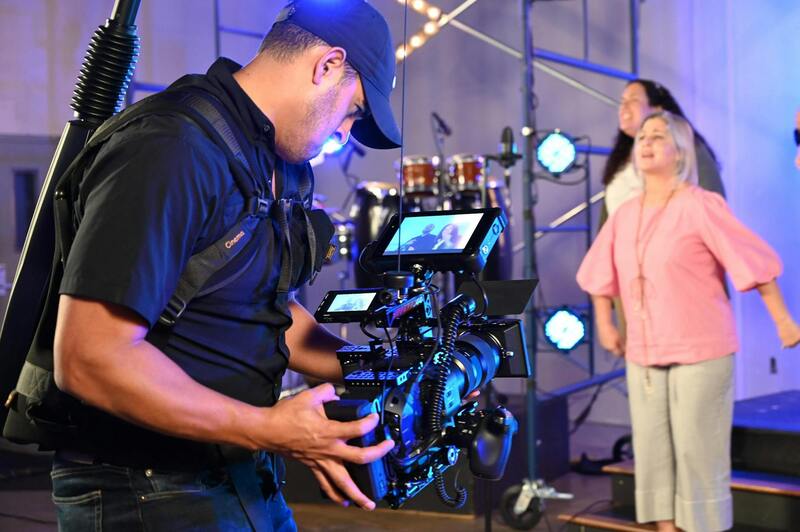
In Miami, the popularity of free live streaming events continues to grow, driven by increasing internet penetration, social media integration, and the city's diverse cultural landscape. These streams serve as vital tools for promoting community participation, especially during times when physical gatherings may be limited or restricted. As a streaming method that enhances both exposure and interaction, free live event broadcasts contribute significantly to Miami’s hospitality, arts, and civic engagement sectors.
Event organizers frequently leverage live streaming to amplify their messages, extend their reach beyond traditional audiences, and build a digital footprint that boosts future attendance and participation. The economic and social advantages of free streaming underscore its importance in Miami’s dynamic event ecosystem, fostering inclusivity and connectivity across the city’s multifaceted population.
Platforms and Tools for Free Live Streaming
For organizers looking to host live events in Miami without incurring significant costs, numerous platforms and tools are available that facilitate high-quality streaming experiences at no charge. These solutions often come with user-friendly interfaces and robust features suitable for a variety of event types, from cultural festivals to community seminars.
Among the most popular free options are social media platforms that support live streaming functionality, such as Facebook Live, Instagram Live, and YouTube Live. These platforms provide a built-in audience, making it easier to reach viewers who are already engaged with your content. They require minimal technical setup, often just a stable internet connection and a compatible device, making them accessible for a wide range of users.
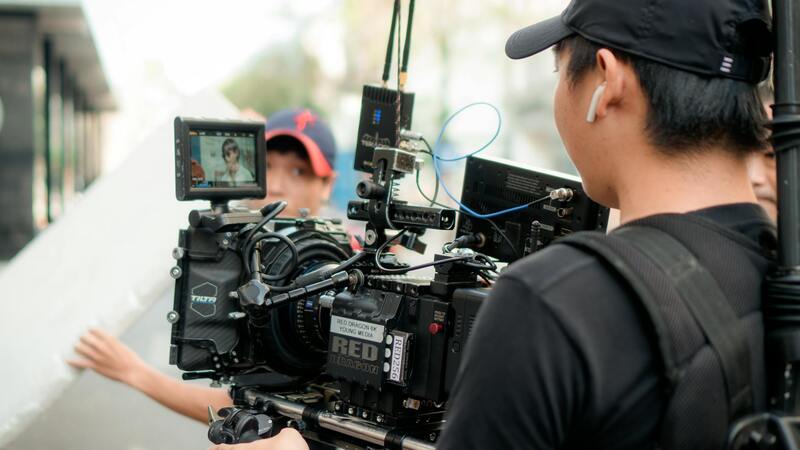
In addition to social media, specialized free streaming services like Twitch, LinkedIn Live, and TikTok Live have gained popularity. While originally tailored for gaming, professional interviews, and short-form content respectively, they offer valuable channels to broadcast community initiatives or city-sponsored activities at no cost. These platforms typically provide basic analytics and moderation tools, enabling organizers to monitor engagement and ensure a seamless broadcast.
For those seeking more control with fewer restrictions, open-source solutions such as OBS Studio (Open Broadcaster Software) combined with free streaming services can be highly effective. OBS is a powerful, customizable software that allows users to integrate multiple video sources, overlay graphics, and enhance production quality. When used with services like YouTube or Facebook, it enables professional-grade broadcasts without subscription fees.
Widgets and plugins for browsers and mobile devices also offer straightforward ways to connect devices directly to streaming platforms. For instance, many event organizers utilize mobile apps or simple software encoders to broadcast live from smartphones or tablets, which is especially useful for on-the-go coverage during city festivals or outdoor concerts.
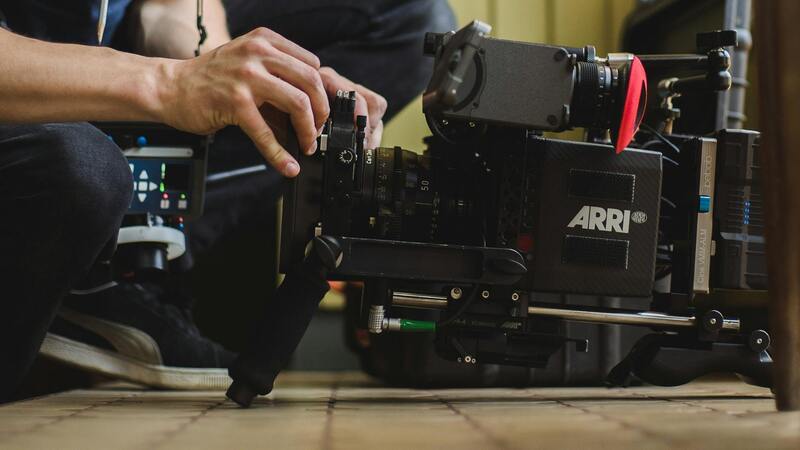
Overall, the combination of social media, dedicated streaming services, and open-source software provides a versatile toolkit that can adapt to various event sizes and formats. The key to success lies in selecting the right platform that aligns with your event goals, target audience, and available resources. Leveraging these tools effectively ensures a broad reach and maximum engagement with viewers across Miami and beyond.
Legal and Technical Requirements for Free Live Streaming
To ensure a smooth and successful free live stream event in Miami, organizers must consider specific technical requirements that facilitate high-quality broadcasts while adhering to regional standards. A robust internet connection is the cornerstone of any live streaming setup. Wired Ethernet connections are preferred over Wi-Fi for their stability and speed, especially when streaming high-definition content. In urban areas like Miami, participants should verify their upload speeds meet the requirements of their chosen streaming platform — typically at least 3-5 Mbps for HD quality and higher for 4K streams.
Access to the right hardware is equally important. A reliable camera, whether a professional camcorder or a high-quality smartphone, serves as the primary video source. External microphones can significantly enhance audio clarity, making the content more engaging and accessible. For simple setups, many event organizers use basic tripods, portable mics, and capture devices compatible with laptops or smartphones.
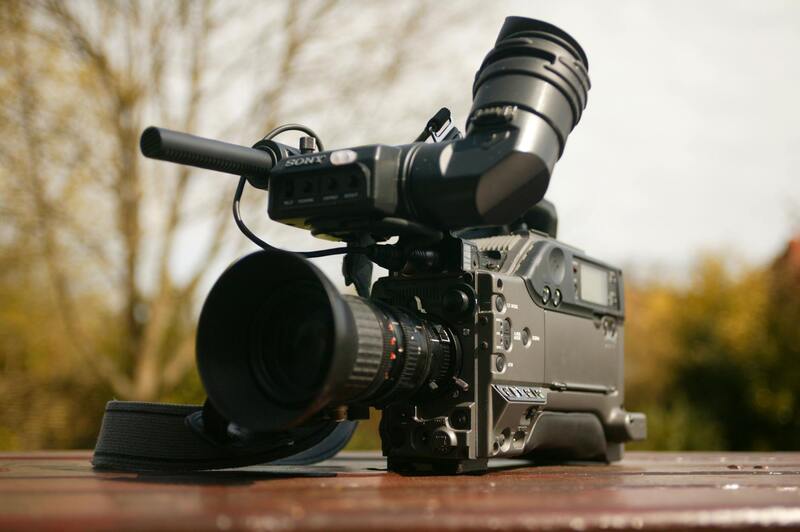
On the software side, free platforms like OBS Studio enable real-time video mixing, overlay, and streaming directly to multiple channels. It's vital to familiarize oneself with the software’s settings, particularly encoding parameters, to optimize stream performance and quality. Additionally, ensuring that the event complies with content rights—such as music licensing and image rights—is crucial. Content that infringes on copyrights risks takedown notices or broadcasting restrictions.
Connecting with Streaming Platforms
Popular free streaming platforms include YouTube Live, Facebook Live, and Instagram Live. These services offer user-friendly interfaces and substantial reach. When setting up a stream, organizers should create a dedicated event page or channel, schedule the event in advance, and test the connection thoroughly before going live. Many platforms recommend conducting a private test stream to troubleshoot potential issues like latency, audio-visual sync, or streaming latency.

For those seeking more control over their broadcast, open-source solutions integrated with free streaming services provide extensive customization options. When used correctly, these tools can deliver professional-level production values without incurring extra costs. Nevertheless, understanding platform policies and technical specifications reduces the likelihood of interruptions or compliance issues during the live event.
Ensuring Broadcast Security and Compliance
Maintaining broadcast security involves managing access permissions and ensuring that only authorized personnel can control the stream. Many platforms allow stream encryption or password protection, which adds an extra layer of security. Organizers should also prepare for potential technical disruptions by having backup internet sources, such as mobile hotspots or secondary connections, on standby.
Moreover, adherence to local regulations and content guidelines in Miami not only prevents legal complications but also contributes to a positive viewer experience. Clear moderation policies, especially on social media integrations, help maintain respectful interaction during live broadcasts. Lastly, detailed event planning—including backup equipment, contingency plans for technical failures, and clear communication channels—serves as a foundation for delivering a seamless live streaming experience.
Legal and Technical Requirements for Free Live Streaming
Hosting a live stream event in Miami involves adhering to specific technical standards and ensuring compliance with relevant policies to deliver a smooth and professional broadcast. Effective planning begins with choosing the right tools and platforms that meet the event’s scope and audience size, all while maintaining high-quality video and audio output.
Securing a stable internet connection is paramount for uninterrupted streaming, especially during large city events where network congestion can pose challenges. Organizers often turn to wired connections or dedicated fiber optic lines to ensure bandwidth consistency. In addition, utilizing multiple internet sources, such as mobile hotspots, provides redundancy, minimizing the risk of stream disruptions caused by connectivity issues.

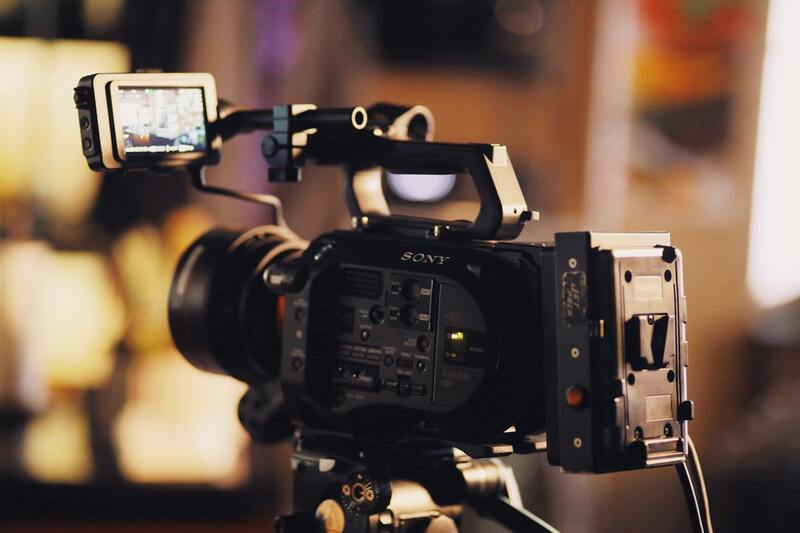
Technical setup should also include professional audio and video equipment. High-definition cameras, external microphones, and mixing consoles help achieve broadcast clarity and professionalism. On the software side, broadcasters typically use encoders compatible with open-source or free platforms, which allow customization and flexible streaming options.
Choosing the Right Platform for Your Miami Event
Several reputable live streaming services offer free tiers suited for Miami events. These platforms provide features such as simultaneous multi-platform broadcasting, real-time viewer interaction, and analytics to monitor engagement. Many popular choices include:
- Customizable streaming interfaces capable of embedding on websites or social media pages
- Options for password-protected streams to control access
- Compatibility with open-source solutions for those with technical expertise seeking greater control
It’s essential to understand each platform’s streaming capacity, content policies, and user interface to select the most appropriate solution for your event. Utilizing platforms that support live chat and viewer interaction can significantly boost engagement, especially during community-focused or promotional events in Miami.
Technical Considerations for Maintaining Broadcast Quality
Before going live, testing all equipment and streaming configurations ensures smooth operation. Conduct dry runs to check bandwidth, audio levels, and camera angles. Adjust encoding settings such as bitrate and resolution in compliance with your available bandwidth to optimize stream quality without buffering issues.
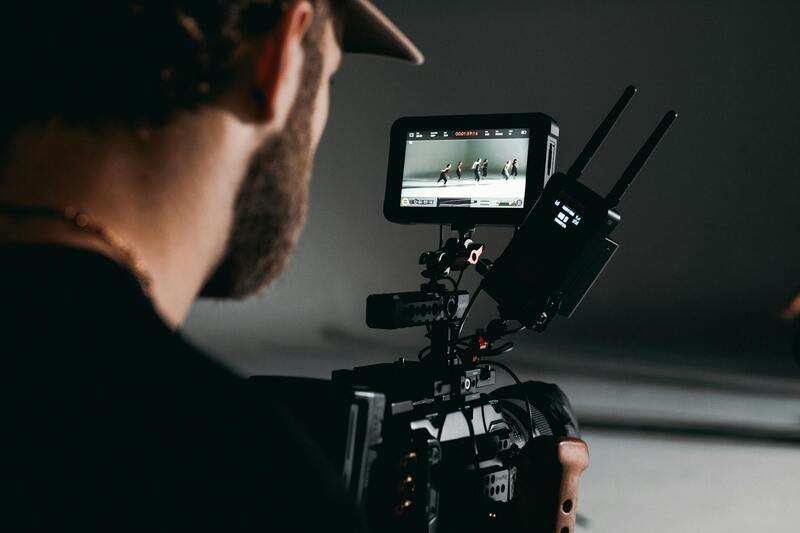
Monitoring tools are also vital during the broadcast to identify and troubleshoot issues promptly. Real-time feedback from viewers can inform immediate adjustments, maintaining a seamless viewer experience. Additionally, having technical staff ready to handle unexpected issues minimizes downtime and ensures the event’s success.
Ultimately, understanding these technical requirements and implementing robust security measures empowers organizers to deliver engaging and reliable live streams from Miami, capturing the city’s vibrant events effectively for virtual audiences.
Legal and Technical Requirements for Free Live Streaming
Successfully broadcasting live events in Miami necessitates adherence to specific technical and procedural standards to ensure a seamless experience for viewers. This includes understanding and implementing appropriate setup protocols, securing necessary permissions, and following best practices for content management. Establishing a reliable internet connection with sufficient bandwidth is fundamental; generally, a dedicated fiber-optic line or high-speed broadband connection is recommended to support high-quality streams without interruptions.
Properly configuring encoding hardware or software helps maintain optimal video and audio quality. This involves choosing the appropriate bitrates, resolution settings, and compression techniques that balance clarity with stream stability. For example, streaming in 720p or 1080p at stable bitrates ensures viewers enjoy crisp visuals without excessive buffering. Testing these configurations before the event is crucial to identify and resolve potential issues proactively.

Ensuring compliance with local regulations and securing any necessary permits for event broadcasting is important, especially for larger public gatherings or events that include music, performances, or branded content. Implementing content management protocols—and obtaining permissions for copyrighted material—helps prevent potential legal complications during the stream.
For a smooth streaming experience, the setup should include robust hardware such as high-quality cameras, microphones, and stable power sources. Additionally, employing backup equipment and redundant internet connections can mitigate the risk of technical failures. Technical staff should conduct dry runs, testing all equipment, internet stability, and streaming configurations to confirm readiness. During the live event, monitoring tools enable immediate detection of issues, allowing swift corrective actions.
Encryption and security measures must also be in place to protect the integrity of the stream and the privacy of participants. Use of secure streaming servers and authentication protocols helps prevent unauthorized access and piracy. Maintaining detailed documentation of all technical setups, permits, and content rights ensures compliance and readiness for any potential audit or review.
Integrating these operational and legal considerations creates a solid foundation for professionals and organizers to deliver compelling, high-quality live streams in Miami. This strategic approach enhances credibility, promotes viewer trust, and provides a scalable model for future live event broadcasts.
Ensuring Technical Reliability and Proper Setup
When planning a live stream event in Miami, the technical setup forms the backbone of a successful broadcast. Achieving seamless streaming starts with choosing the right equipment and adhering to best practices that guarantee high-quality transmission. Essential hardware includes sturdy cameras capable of capturing clear visuals, professional-grade microphones to ensure excellent audio clarity, and reliable internet connections that can handle high bandwidth demands. Employing wired Ethernet connections whenever possible minimizes latency and reduces the risk of signal interruptions, which are common issues with Wi-Fi connections.
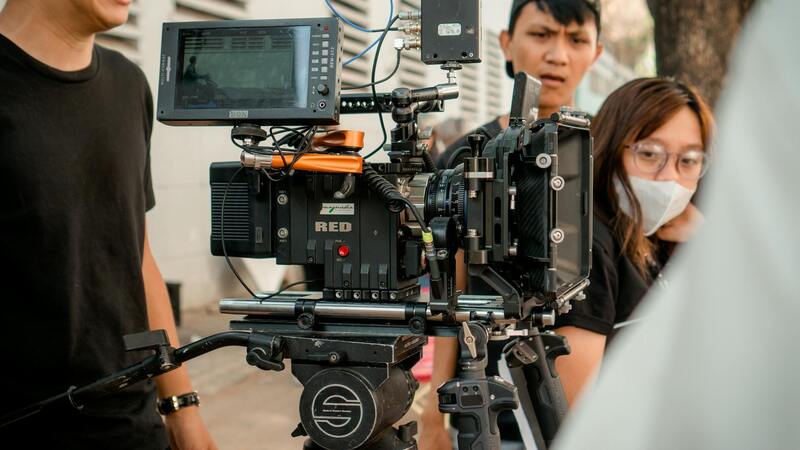
It is vital to perform thorough pre-event testing—also known as dry runs—to identify potential technical glitches before the actual live broadcast. These tests should cover internet stability, streaming software configurations, audio-visual device synchronization, and backup power sources. Redundant internet connections, such as secondary broadband links or mobile hotspots, serve as contingency plans, ensuring the stream remains uninterrupted despite network fluctuations.
Implementing Security Protocols and Content Management
Since live streams are accessible over the internet, implementing appropriate security measures is essential to protect broadcast content and participant privacy. Utilizing secure streaming servers with encryption protocols minimizes the risk of unauthorized access or piracy. Authentication processes, such as password protection or login credentials, can restrict access exclusively to authorized viewers, especially for exclusive or private events.
Content management plays a vital role in maintaining stream integrity, particularly when broadcasting copyrighted material or branded content. Organizers should verify licensing rights and obtain necessary permissions before streaming music, videos, or images to avoid content-related disruptions. Proper overlay management, including clearly displayed branding, subtitles, and information panels, enhances viewer experience and ensures the broadcast remains professional.
Optimizing Viewer Engagement and Reach
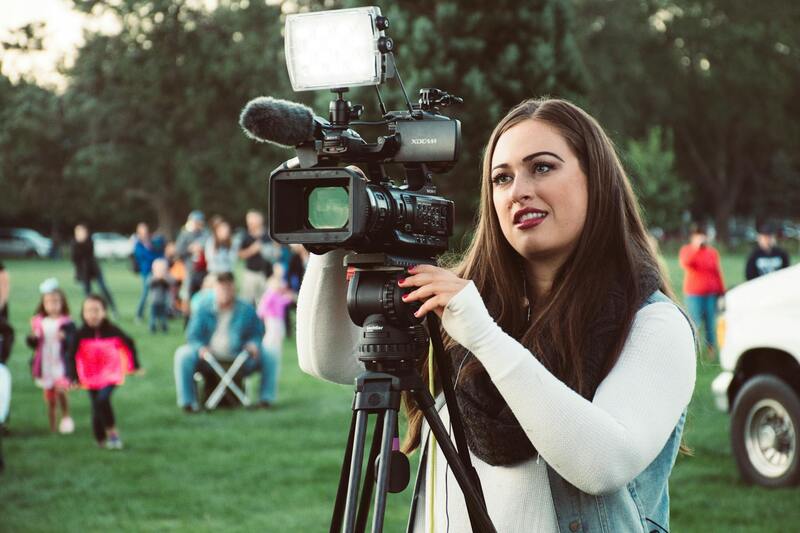
To fully leverage free live stream events, organizers should focus on strategies that boost viewer engagement and extend reach within Miami and beyond. Utilizing social media platforms such as Facebook Live, YouTube, and Instagram allows content to be accessible to broad audiences at no cost. Creating event-specific hashtags encourages community participation, invitations, and real-time feedback.
Encouraging interaction through live chat features, Q&A sessions, and audience polls can significantly enhance viewer involvement, making the broadcast more dynamic and participatory. Promoting the event well in advance through email newsletters, community groups, and local online forums ensures higher attendance and awareness.
Tracking Performance and Gaining Insights
Monitoring tools integrated into streaming platforms provide valuable real-time analytics regarding viewer count, geographic locations, engagement rates, and device types. These data points help organizers understand audience preferences, optimize content delivery, and plan future events more effectively.
Feedback collection through post-event surveys, comments, and social media interactions offers qualitative insights into audience satisfaction. Analyzing this information allows for iterative improvements, ensuring that subsequent live streaming efforts are more refined and aligned with viewer expectations.
Understanding Free Live Stream Events in Miami
Hosting free live stream events in Miami requires a strategic approach that balances technical proficiency with audience engagement tactics. By focusing on reputable platforms and utilizing available tools, organizers can deliver high-quality broadcasts that resonate with local and global audiences. Ensuring the smooth running of these live streams involves understanding the unique needs of Miami's vibrant community and aligning content to meet their interests.
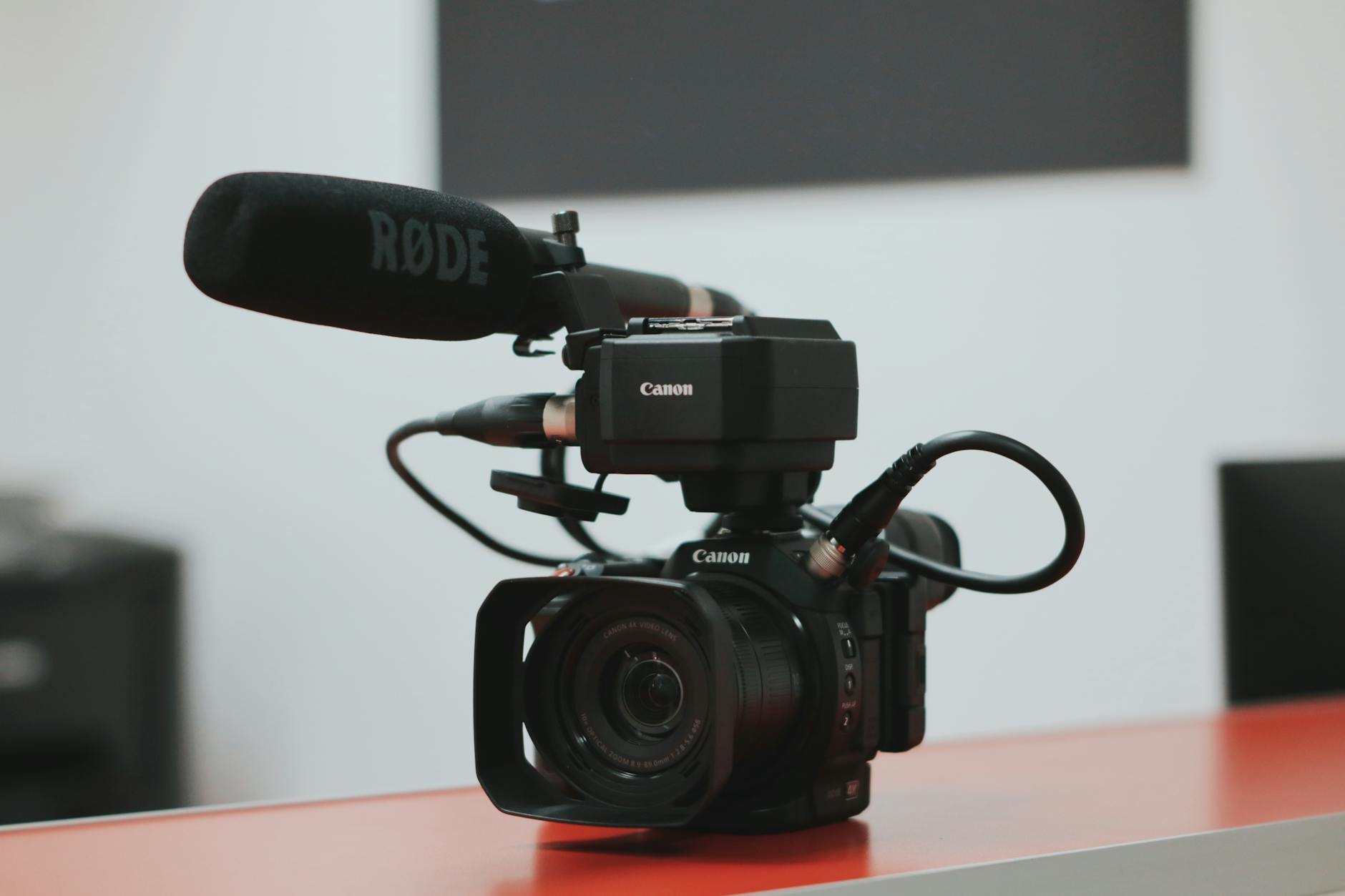
In Miami, the diversity of viewers—from local residents to international spectators—calls for tailored content that appeals to various demographics. Live streams covering local festivals, cultural events, sports tournaments, and community initiatives often attract significant attention without incurring heavy costs. The key lies in selecting platforms with extensive reach, such as social media channels and dedicated streaming services, that permit free broadcasting while maintaining high standards of video and audio quality.
Platforms and Tools for Free Live Streaming
Utilizing reliable platforms is crucial for delivering seamless live events. Facebook Live remains one of the most accessible options, offering native integration with social networks and real-time viewer interaction features. YouTube Live is favored for its robust infrastructure, scalability, and broad audience reach. Instagram Live, although more limited in duration, provides direct connection with followers in real-time, especially suitable for smaller or more interactive events.
Beyond social media platforms, specialized tools such as OBS Studio or StreamYard enable organizers to enhance production quality through multi-camera setups, overlays, and efficient streaming management without additional costs. These tools often incorporate built-in analytics, allowing hosts to monitor viewer engagement and optimize content delivery mid-broadcast.
How to Organize a Live Stream Event in Miami
Successful live stream organization begins with meticulous planning. Content should be tailored to resonate with Miami's diverse audiences, emphasizing local culture, events, or community interests. Establishing a clear schedule, drafting a timeline, and preparing all necessary equipment beforehand ensure a smooth broadcast. Partnering with local organizations or influencers can amplify impact and boost initial viewership.
Next, selecting the right streaming platform based on event type and target audience is essential. Preparing visuals such as banners, lower-thirds, or interactive overlays can enhance professionalism. Conduct a test run to identify technical issues, verify internet stability, and ensure all streaming equipment functions correctly. Promoting the event through social media, email newsletters, and community boards in Miami maximizes visibility and encourages participation.
Maximizing Reach and Engagement for Free Live Streams
To extend the audience base, integrating social media sharing options during the broadcast facilitates easy sharing among viewers' networks. Creating dedicated hashtags related to the event catalyzes online conversations and community involvement. Interactive features like live chat, Q&A sessions, and audience polls foster real-time engagement, making viewers feel part of the event. Offering incentives such as giveaways or recognition for active participants can further boost interaction.
Utilizing cross-promotion across multiple channels, including local online forums and community groups in Miami, attracts diverse viewers. Post-event content snippets or highlights shared afterward serve as additional touchpoints, encouraging viewers to share content and revisit the event page for future broadcasts.
Legal and Technical Requirements for Free Live Streaming
Organizers should ensure compliance with all applicable technical standards, including adequate bandwidth, backup internet solutions, and proper encoding equipment to prevent stream interruptions. Additionally, verifying content rights, obtaining necessary permissions for copyrighted material, and respecting privacy considerations helps maintain professionalism during broadcasts.
Implementing secure login methods and moderation tools for interactive sessions safeguards the integrity of the event. Planning for technical contingencies, such as power outages or equipment failure, improves resilience and ensures continuous live streaming without disruptions.
Cost-Effective Equipment and Resources in Miami
In Miami, organizers can leverage local hardware stores, rental equipment providers, and online vendors to acquire budget-friendly streaming equipment. A good quality smartphone paired with affordable external microphones, tripods, and lighting can produce professional results. For more extensive setups, affordable webcams, portable encoders, and mixer equipment are readily available within the city.
Access to free or low-cost internet options, including Wi-Fi hotspots and community internet initiatives, is vital for maintaining stream stability. Collaborating with local media centers or community spaces equipped with broadcasting facilities can further reduce costs while expanding reach.
Maximizing Reach and Engagement for Free Live Streams
To ensure your free live stream events in Miami attract a broad audience and foster meaningful engagement, it’s essential to employ strategic promotion and interactive features. Leveraging the power of social media platforms, local community groups, and online forums can expand your event’s visibility significantly. Creating a dedicated event page with comprehensive details and engaging visuals encourages viewers to tune in and share with others. Utilizing hashtags tailored to Miami’s vibrant community helps amplify your reach across platforms like Twitter, Instagram, and TikTok.
Encouraging Viewer Interaction
- Real-time Chat and Q&A: Incorporate live chat features and interactive Q&A sessions to foster dialogue between viewers and hosts, creating a dynamic viewing experience.
- Polls and Surveys: Use audience polls during the stream to gather feedback, make content more interactive, and adapt to viewer preferences.
- Social Media Integration: Promote live comments and reactions from social media feeds to enhance interactivity and reach beyond the streaming platform.
- Incentivizing Participation: Offer downloadable resources, shout-outs, or prizes to viewers who actively participate in the event.
Repurposing Content for Extended Engagement
Post-event, consider repurposing the recorded streams into highlight reels, tutorials, or behind-the-scenes footage to maintain engagement. Sharing snippets across social media and community boards keeps the conversation ongoing and attracts new viewers for future events.
Utilizing Local Networks and Partnerships
Collaborating with Miami-based organizations, influencers, and community centers can extend your event’s outreach. Cross-promotions and joint activities can tap into existing audiences, increasing attendance and participation. Partnering with local radio stations or newspapers to announce upcoming streams further broadens exposure within the Miami area.
Ensuring Technical Excellence
Investing in reliable streaming hardware and software enhances the viewer experience and encourages repeat attendance. Using high-quality cameras, clear audio equipment, and stable internet connections minimizes technical issues. Regularly conducting test runs and training team members on platform functionalities improves overall professionalism and audience satisfaction.
By focusing on strategic promotion, interactive engagement, and leveraging local networks, organizers of free live stream events in Miami can significantly expand their reach and impact, creating memorable experiences for viewers while fostering community growth.