
Understanding Streaming Live Video Services
Streaming live video services have become a cornerstone of modern media distribution, offering real-time broadcasting capabilities that are essential for a wide range of applications across various industries. These services leverage advanced internet protocols and sophisticated encoding technologies to deliver high-quality, live footage directly to viewers, regardless of their geographic location. This approach enables content creators, event organizers, and media companies in Miami to reach audiences instantly without the need for physical distribution channels.
At the core, live streaming relies on a robust infrastructure that encompasses video capture devices such as high-definition cameras, professional microphones, and encoding hardware or software. Once the content is captured, it is compressed and transmitted through a network of servers—often via Content Delivery Networks (CDNs)—to ensure smooth, uninterrupted playback for viewers. This method minimizes latency and guarantees consistent broadcast quality, which is crucial for engaging live events, corporate webinars, and entertainment shows.

Platforms specializing in streaming live video services are diverse, ranging from dedicated enterprise solutions to customizable platforms tailored for specific event needs. Commonly used platforms include proprietary online services, cloud-based streaming providers, and regional servers optimized for Miami's connectivity environments. These services are often chosen for their ability to handle high concurrent viewer counts, adaptive bitrate streaming, and integrated analytics, which help organizers better understand audience engagement.
Within Miami’s vibrant event and media industry, live streaming services are frequently employed in various contexts. These include live coverage of sports tournaments, cultural and entertainment festivals, corporate product launches, religious gatherings, and educational seminars. The technology's flexibility allows for dynamic multi-camera setups, real-time graphics, and audience interaction features that enhance viewer experience and engagement.
To successfully implement live streaming, content providers need reliable internet connections, powerful broadcasting hardware, and skilled personnel capable of managing the technical aspects of transmission. The integration of new advancements such as 4K resolution, augmented reality overlays, and real-time chat further elevates the quality and interaction of live broadcasts. Miami’s diverse media landscape continues to evolve, driven by innovative live streaming solutions that cater to both local and global audiences.
Technical Infrastructure and Equipment for Live Streaming
Establishing a robust technical infrastructure is essential for delivering seamless live streaming experiences in Miami. Professionals leverage high-performance hardware, including dedicated broadcasting servers, encoders, and switching equipment, to ensure high-quality signal transmission. Reliable internet connectivity with sufficient bandwidth is paramount; fiber-optic lines are often preferred for their stability and speed, minimizing lag and buffering during broadcasts.
On the hardware front, hardware encoders such as appliance-based or PCIe cards are employed to convert video feeds into digital streams compatible with various streaming platforms. These encoders support multiple input sources, enabling complex multi-camera setups that can switch between different angles or sources in real time. Video switchers, audio mixers, and professional-grade microphones further enhance the production quality.
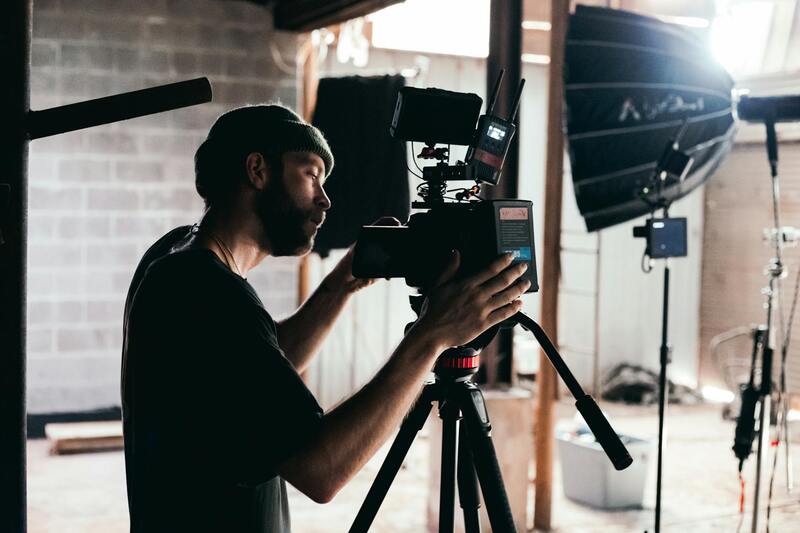
Moreover, employing redundant systems—such as backup internet connections and secondary power supplies—can prevent disruptions caused by technical failures. For remote and large-scale events, deploying content delivery networks (CDNs) ensures distributed servers handle viewer traffic efficiently, reducing latency and buffering for audiences across Miami and beyond.
On the software side, content management systems and streaming platforms equipped with reliable encoding and distribution capabilities streamline the production workflow. These systems facilitate real-time editing, graphics overlays, and audience interaction integrations, offering a comprehensive environment for live event broadcasting.
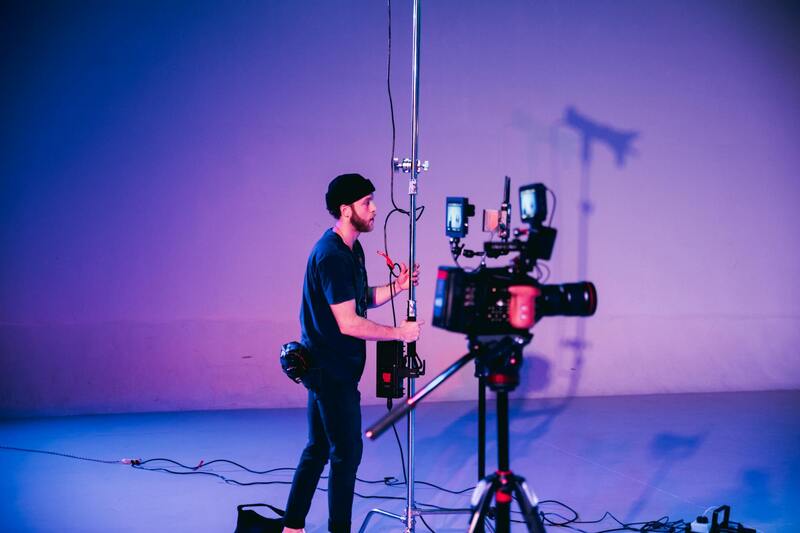
Integrating new technologies, such as 4K video encoders and low-latency streaming protocols, ensures that Miami-based broadcasters can meet increasing viewer expectations for visual fidelity and immediacy. As live streaming continues to evolve, investing in scalable and adaptable hardware solutions remains critical for capturing the full potential of live video content delivery.
Technical Infrastructure and Equipment for Live Streaming
Establishing a robust technical infrastructure is fundamental for delivering smooth and professional live streaming experiences. This begins with selecting high-performance hardware capable of handling real-time data encoding and transmission. Video encoders, whether hardware-based or software-centric, should support high-resolution outputs such as 4K to meet viewer expectations for clarity and detail. Simultaneously, high-quality audio equipment—including condenser microphones, audio mixers, and sound processors—ensures the auditory component is clear and immersive.
Reliable internet connectivity is critical to maintain continuous broadcast flow. For Miami-based productions, having a dedicated fiber optic connection with ample upload bandwidth reduces latency and buffering issues. Employing multiple internet sources allows for load balancing and failover capabilities, ensuring uninterrupted streaming even during outages or network disruptions.

Technical Infrastructure and Equipment for Live Streaming
Establishing a robust technical infrastructure is fundamental to the success of any live streaming initiative. High-quality video production begins with selecting the appropriate hardware components, ensuring reliable internet connectivity, and implementing a comprehensive setup that supports seamless transmission. Essential hardware includes professional-grade cameras capable of capturing crisp, clear footage, high-performance encoders to convert video signals into digital data suitable for streaming, and dependable audio systems to deliver clear and immersive sound.
In addition to cameras and encoders, a multi-view switcher allows operators to seamlessly manage multiple camera angles during live productions. Video switchers facilitate real-time switching between different feeds, enhancing visual engagement and production quality. For audio, mixing consoles provide control over sound levels, ensuring clarity and balance across all sources.
Reliable internet connectivity stands as the backbone of successful live streams. A dedicated, high-bandwidth internet connection minimizes buffering and latency issues. In high-demand scenarios, options like bonded internet connections or multiple ISPs can be employed to ensure continuous transmission without interruptions. Network equipment such as routers and switches should support the latest standards, with priority configurations (QoS) to prioritize streaming data packets.
Software tools play a pivotal role in managing the live broadcast. Production software with multi-camera switching, real-time graphics overlays, and integrated chat moderation enable producers to deliver polished content. Content management systems (CMS) streamline workflows by scheduling, archiving, and analyzing broadcasts, providing insights for future improvements. These systems should also integrate with streaming platforms to simplify content distribution and monitoring.
For outdoor or mobile events, portable broadcasting units equipped with 4G/5G connectivity, satellite uplinks, or microwave links are invaluable. These portable systems are designed to maintain high-quality streams in varied environments, providing flexibility without compromising production standards.
Implementing redundant systems is an essential best practice. Backup encoders, dual internet connections, and uninterruptible power supplies (UPS) ensure continuous operation despite technical hiccups or power outages. This foresight guarantees that live streams remain uninterrupted, preserving viewer trust and engagement.
As technology advances, staying updated with innovations such as 4K broadcasting, low-latency streaming protocols (e.g., SRT), and modern codecs like HEVC (H.265) enhances visual fidelity and reduces delays. Regular maintenance, equipment upgrades, and staff training are crucial components in maintaining a dependable streaming infrastructure that can adapt to the increasing demands of the Miami broadcasting scene.
Implementation of Robust Security Measures
Ensuring the safety and integrity of live streaming content involves deploying comprehensive security protocols. This can include encrypted data transmission to prevent unauthorized access, secure login procedures for authorized personnel, and digital watermarking to protect intellectual property. Regularly updating security software and monitoring network activity help identify vulnerabilities and thwart potential disruptions, safeguarding the service's reputation and maintaining viewer trust.

Utilizing Content Delivery Networks (CDNs)
Content Delivery Networks play a vital role in distributing high-quality live video streams across diverse geographic locations. They work by caching copies of streams at various nodes worldwide, reducing latency, buffering, and load times for viewers in Miami and beyond. Partnering with reliable CDN providers ensures consistent streaming experiences, especially during high demand or special live events, thus broadening audience reach and engagement.
Monitoring and Analytics for Performance Optimization
Real-time analytics tools provide critical insights into viewer behavior, stream quality, and technical performance. Metrics such as buffer rates, viewer retention, and server health help producers and technical teams identify issues promptly and optimize streaming parameters. Data-driven adjustments contribute to a seamless viewing experience, reinforcing the professionalism of the streaming service and fostering long-term audience loyalty.
High-Quality Audio and Visual Standards
Maintaining top-tier audiovisual quality is fundamental for captivating audiences. This includes utilizing high-definition cameras, professional-grade microphones, and sound mixing equipment to achieve clear picture and sound. Implementing advanced encoding formats and adaptive bitrate streaming ensures viewers receive the best possible quality within their bandwidth limitations. Consistent calibration and testing of equipment are essential to uphold these standards during live broadcasts.
Content Management and Scheduling Tools
Effective content management involves integrating scheduling software to plan live streams meticulously, coordinate with content creators, and automate broadcast timelines. Such systems enable pre-produced segments, scheduled overlays, and timely transitions, enhancing production fluidity. Moreover, archiving streams centrally facilitates easy access for review, promotional reuse, or on-demand streaming, expanding content longevity and viewer accessibility.
Responsive Support and Customer Service
Dedicated technical support teams should be available to address live stream issues swiftly. Clear communication channels, such as dedicated helplines or chat support, help troubleshoot real-time challenges and minimize disruptions. Providing comprehensive training for staff and collaborators ensures smoother operations, ultimately leading to more polished and reliable broadcasts that meet the expectations of diverse audiences in Miami and beyond.
Understanding Streaming Live Video Services
Streaming live video services have revolutionized the way content is delivered, enabling real-time interaction between broadcasters and audiences across Miami and beyond. These platforms facilitate instant dissemination of events, news, entertainment, and corporate communications without the delays associated with traditional broadcasting methods. By leveraging internet connectivity and advanced encoding technology, live streaming services ensure viewers experience minimal latency, high-quality visuals, and seamless audio, creating an engaging digital environment.
Choosing the appropriate provider involves evaluating factors such as bandwidth capacity, platform scalability, user interface, and integration capabilities. Ideal services support multiple streaming protocols, adaptive bitrate technology, and robust content delivery networks (CDNs) to optimize viewing experiences across devices and networks. Additionally, claiming a reliable live streaming partner requires scrutinizing features such as security protocols, viewer analytics, and the availability of technical support to maintain uninterrupted broadcasting during critical events in Miami.
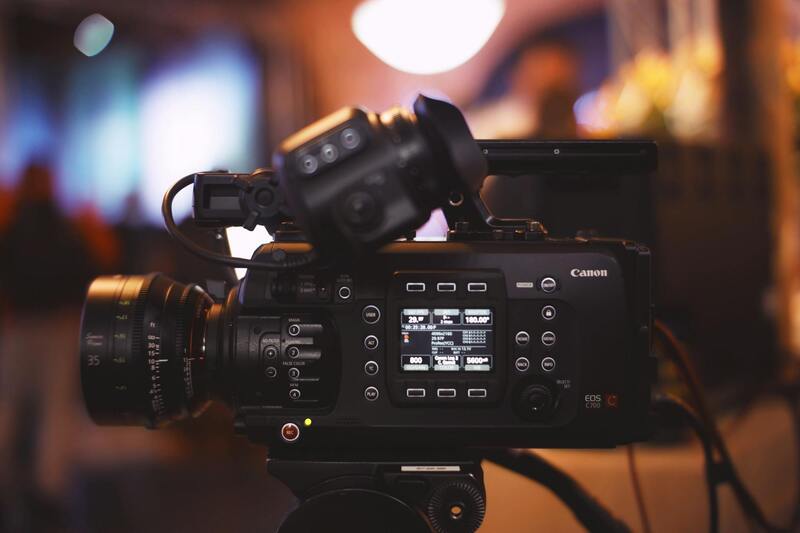
Authentic streaming solutions are grounded in the use of professional-grade equipment and resilient infrastructure, ensuring high-resolution outputs and minimal buffering. These services facilitate multi-camera setups, live graphics overlays, and audience interaction tools like chat and Q&A modules, enabling dynamic broadcasts tailored to diverse Miami audiences. Moreover, integrating live streaming with social media channels extends reach and enhances viewer engagement, vital for brands, media outlets, and event organizers seeking maximum visibility and impact.
Key Features of Successful Live Streaming Platforms
- High-Quality Video Transmission: Support for 4K and HD video formats with adaptive streaming to match viewer bandwidths.
- Robust Content Delivery Networks (CDNs): Distributed servers that reduce latency, decrease buffering, and ensure reliable delivery regardless of geographic location.
- Interactive Features: Live chat, polling, and viewer feedback tools to foster active engagement during broadcasts.
- Scalability and Platform Integration: Capabilities to handle large audiences and seamless integration with social media, websites, and mobile apps.
- Analytics and Reporting: Real-time data tracking for viewer metrics, engagement levels, and content performance evaluation.
Security and Compliance Measures
Essential for safeguarding content and maintaining viewer trust, successful platforms employ encryption protocols, access controls, and DRM (Digital Rights Management) systems. These measures prevent unauthorized access or distribution, providing peace of mind to content creators and rights holders in Miami.
Choosing the Right Streaming Service for Miami Productions
When selecting a streaming provider, consider local factors such as network connectivity options, support for live multi-camera setups, and tailored solutions for large-scale events or niche content. It’s crucial to evaluate the provider’s capacity to handle high traffic volumes and to provide dedicated technical support during live events. Compatibility with existing production equipment and flexible API integrations also play significant roles in ensuring a seamless workflow from content creation to broadcast.
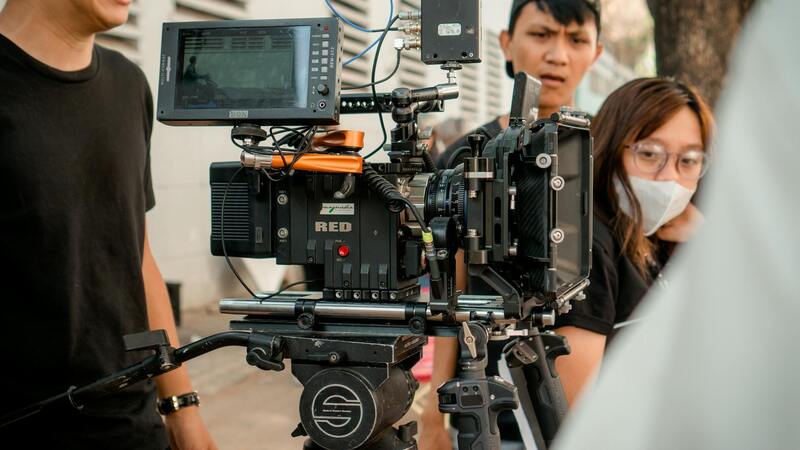
For Miami-based organizations, selecting a service that offers localized support and understands regional connectivity challenges enhances reliability. Prioritize providers offering comprehensive onboarding, detailed documentation, and proactive monitoring tools. These elements contribute to trouble-free broadcasts and enable content creators to focus on delivering compelling live experiences to their audiences.
Technical Infrastructure and Equipment for Live Streaming
Producing high-quality live streams in Miami necessitates a well-planned technical infrastructure. This includes high-definition cameras with professional lenses for crisp imagery, professional microphones and sound mixers to capture clear audio, and encoders capable of compressing video streams without compromising quality. broadcast hardware such as switchers and video mixers allows seamless transitions and overlays, enhancing the production value.
Network connectivity plays a pivotal role; high-bandwidth fiber-optic internet connections are preferred to handle the data load and ensure stability. Redundancy through backup internet sources can prevent interruptions. Employing a dedicated streaming server or cloud-based streaming platform ensures control over the broadcast and simplifies content distribution. Additionally, using portable streaming equipment enables live coverage from various Miami locations, expanding the scope and flexibility of productions.
Best Practices for Producing Live Video Content
Effective live content production hinges on meticulous planning and technical preparedness:
- Pre-Production Planning: Define the broadcast objectives, prepare scripts, cue points, and coordinate with all technical personnel and hosts.
- Equipment Testing: Conduct comprehensive tests of all hardware and software components prior to the live event to identify potential issues.
- Stable Internet Connection: Ensure a fast, reliable, and dedicated internet connection to prevent streaming interruptions.
- Multiple Camera Angles and Shots: Use diverse camera perspectives to add visual interest and cover different aspects of the event.
- Sound Quality Management: Utilize high-quality microphones, monitor audio levels continuously, and adjust sound settings in real-time.
- Engagement and Interaction: Incorporate live polls, Q&A sessions, and viewer comments to foster interaction.
- Post-Stream Review: Analyze viewer metrics, gather feedback, and archive content for future use and promotion.
Maintaining professionalism and attention to detail throughout the production process ensures that live streams meet audience expectations and reflect well on the brand or organization involved in Miami.
Understanding Streaming Live Video Services
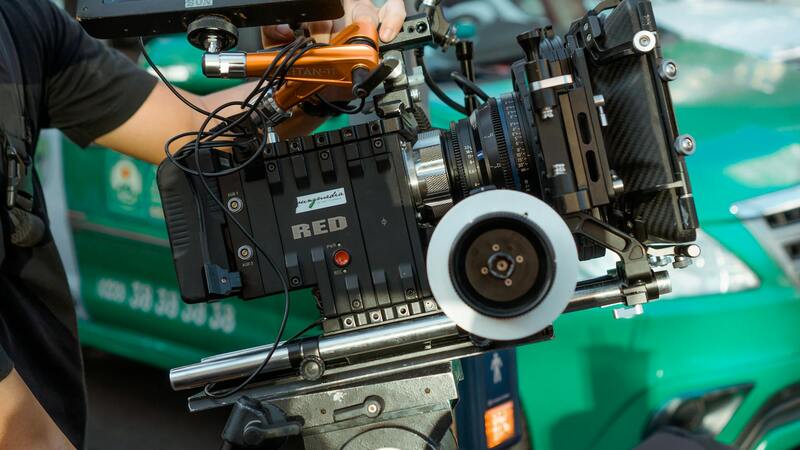
Implementing effective live streaming services requires a comprehensive understanding of the available platforms, their capabilities, and how they align with your specific content delivery goals. These services facilitate real-time broadcasting over the internet, allowing organizations and content creators to reach audiences instantly and interactively. They are indispensable in scenarios such as live events, corporate communications, sports coverage, and cultural broadcasts rooted in Miami’s vibrant community. Choosing a service that supports high-definition streaming, low latency, and multi-platform compatibility is crucial for maintaining broadcast quality and expanding reach. Additionally, features like audience analytics, integrated chat functions, and seamless scalability help producers optimize engagement and adapt to fluctuating viewer demands. When selecting a live streaming platform, it’s important to consider factors such as bandwidth requirements, ease of use, latency performance, and support for various devices, including desktops, mobile phones, and smart TVs. As the demand for high-quality live content increases, platforms that offer robust content management, monetization options, and real-time analytics become particularly valuable for Miami-based production companies aiming to elevate their online presence.
Key Features of Successful Live Streaming Platforms
- Reliable Video Transmission: Ensures consistent and high-quality broadcasts with minimal buffering or interruptions, vital for maintaining viewer trust and engagement.
- Multi-Platform Compatibility: Supports streaming across diverse devices, including desktops, tablets, smartphones, and connected TVs, to maximize audience accessibility.
- User-Friendly Interface: Offers intuitive controls for broadcasters to manage live feeds, overlays, and interactive elements without requiring extensive technical expertise.
- Integrated Analytics: Provides detailed insights into viewer demographics, engagement metrics, and stream performance, helping refine content strategies.
- Interactive Features: Includes chat, real-time polls, and Q&A modules to foster audience participation, especially important for community-driven Miami events.
- Scalability: Easily accommodates varying audience sizes, from small corporate meetings to large public festivals and sports events.
- Content Security: Implements encryption and access controls to safeguard exclusive content and prevent unauthorized viewing.
- Seamless Integration: Compatible with existing production workflows, social media platforms, and content management systems for simplified publishing.
Choosing the Right Streaming Service for Miami Productions
Selecting the ideal streaming platform involves aligning service capabilities with your production goals, audience expectations, and local infrastructure conditions. For Miami-based organizations, investing in platforms that support 4K resolution and low latency is particularly advantageous for cultural broadcasts or high-profile events. It’s also beneficial to choose a service that offers flexible streaming options, such as live-to-on-demand conversion, and supports multiple simultaneous streams to different channels. Consider platforms with robust customer support and the ability to integrate branding elements, overlays, and advertisements seamlessly into the broadcast. Additionally, evaluating the service’s support for adaptive bitrate streaming ensures viewers experience smooth playback regardless of their internet conditions. Infrastructure considerations, including support for high-bandwidth internet connections and reliable content delivery networks (CDNs), play a pivotal role in achieving optimal performance within Miami’s urban and outdoor environments. Ultimately, selecting a platform that combines technical excellence with ease of use will empower content creators and organizations to deliver compelling live experiences that resonate with Miami’s diverse audience.
Maximizing Engagement and Reach Through Marketing
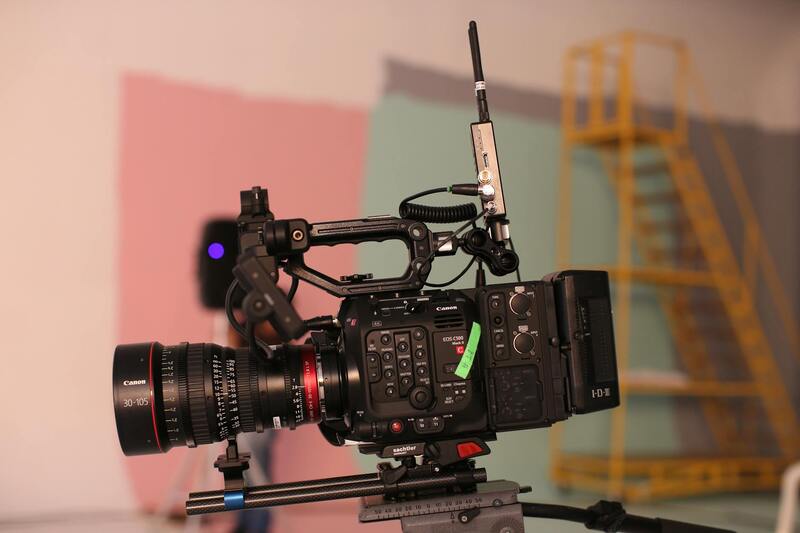
Effective promotion of live streaming events is essential for expanding audience reach and enhancing viewer interaction. Leveraging multi-channel marketing strategies ensures the message about upcoming streams resonates across various digital platforms, driving anticipation and maximizing participation. Social media campaigns should be tailored to the demographic profile of Miami's diverse communities, utilizing targeted advertisements, engaging teaser videos, and interactive countdowns to generate buzz around your live events.
Content creation for promotional purposes can include behind-the-scenes footage, interviews with key participants, and sneak peeks of the production setup. These elements build anticipation and foster a sense of community involvement. Collaborating with local influencers and community leaders can amplify the reach and authenticity of your promotional efforts, aligning your broadcast with the cultural and social fabric of Miami.
Implementing search engine optimization (SEO) tactics related to your streaming content is crucial for increasing visibility. Incorporate relevant keywords, such as "Miami live video streaming" or "best live streaming services in Miami," into your website content, event descriptions, and promotional materials. This strategic approach improves discoverability in search engine results, attracting local viewers and wider audiences alike.
Another critical aspect is post-event engagement. After your live session concludes, share recorded versions across multiple platforms, encouraging viewers to revisit content and share it within their networks. Soliciting feedback through surveys or interactive polls provides insights into audience preferences, informing future streaming strategies. This continuous engagement not only builds loyalty but also positions your organization as a trusted authority in live video production within Miami.
Employing email marketing campaigns that include exclusive content, behind-the-scenes insights, and reminders about upcoming streams helps maintain a steady connection with your audience. Coupled with real-time interaction during broadcasts—such as live chats, Q&A sessions, and polling—these practices foster a dynamic and inclusive viewing environment.
Integrating analytics tools to monitor viewer behavior and engagement metrics allows you to refine marketing efforts continually. By analyzing data on viewer drop-off points, peak engagement times, and content preferences, your team can adapt strategies to better meet audience needs and sustain high levels of interest for future live streams.