Understanding Conference Live Streaming Services
In today’s digital era, live streaming has revolutionized how conferences and large-scale events are experienced and shared. Conference live streaming services provide a reliable, high-quality platform for broadcasting events in real-time, allowing remote audiences to participate virtually. These services are tailored to cater to the specific needs of event organizers seeking seamless integration of audio, video, and interactive components, ensuring an engaging experience for viewers regardless of their geographic location. One of the primary advantages of these services is the ability to reach a broader audience without the limitations of physical space. Attendees can access live streams from any device—be it a computer, tablet, or mobile phone—providing flexibility and accessibility. Moreover, comprehensive live streaming solutions support on-demand content, enabling organizers to upload recorded sessions after the event for later viewing, thus extending the event’s lifespan and engagement. Conference live streaming services typically include features such as multi-camera setups for dynamic viewing angles, real-time chat to facilitate audience interaction, and integrated analytics to monitor viewer engagement. These tools assist organizers in delivering a polished, professional broadcast tailored to meet the strategic goals of the event. Enhanced security protocols, end-to-end encryption, and reliable bandwidth management are also essential to ensure a smooth, uninterrupted streaming experience. For event organizers, selecting the right live streaming service involves evaluating factors like customization options, technical support, scalability, and compatibility with existing platforms. Whether hosting a small corporate seminar or a massive industry conference, the ultimate goal remains the same: delivering content in a manner that captivates viewers and maximizes outreach. As the demand for virtual and hybrid events grows, leveraging advanced conference live streaming solutions becomes pivotal in creating impactful, memorable experiences for audiences worldwide.

Understanding Conference Live Streaming Services
Effective conference live streaming services are engineered to provide reliable, high-quality broadcasts that deliver an immersive experience to remote audiences. These services leverage a combination of sophisticated hardware and software solutions to ensure a seamless transmission of live content, integrating multiple input sources such as cameras, microphones, and presentation systems. By harnessing advanced encoding technologies, live streams maintain clarity and stability, even during high traffic volumes.
Precision multi-camera setups are fundamental for dynamic content presentation, capturing various angles and focal points to replicate the in-person experience. Real-time chat integration fosters audience engagement, allowing viewers to pose questions, participate in polls, and interact with speakers directly through the streaming platform. This interactivity enhances viewer involvement and makes virtual attendees feel more connected to the live event.
Analytics tools integrated within these services enable organizers to monitor viewer engagement, measure audience retention, and gather insights into content performance. This data assists in tailoring future events to better meet audience preferences and improve overall effectiveness. Ensuring security during live streams is paramount; hence, encrypted transmission channels and secure login credentials prevent unauthorized access and protect sensitive information.
Scalability is a key attribute of modern conference streaming solutions, accommodating a wide range of event sizes—from intimate workshops to expansive industry expos. Compatibility with various platforms and devices guarantees accessibility, allowing audiences to join sessions from desktops, tablets, or smartphones with equal ease. Event organizers benefit from end-to-end technical support, ensuring that any unforeseen issues are swiftly resolved, and the broadcast proceeds smoothly without interruptions.
The choice of a suitable live streaming service hinges on multiple factors, including customization features to match branding requirements, reliable bandwidth allocation to handle large audiences, and robust technical staff to oversee the execution. When properly configured, these services help deliver engaging, professional broadcasts that amplify the event’s reach beyond physical boundaries, fostering a global community around shared interests and objectives.
Preparedness plays a crucial role in successful streaming. Organizers should consider conducting dry runs, testing equipment, and coordinating with service providers well before the event date to identify potential challenges. Incorporating backup plans—such as secondary internet connections—guards against connectivity issues, ensuring consistent delivery throughout the event. Additionally, creating detailed schedules and content checklists guides the technical team during setup and broadcast, minimizing risks and maximizing performance.
Post-event, the value of conference live streaming services extends into content distribution. Recorded sessions can be made available on-demand, extending the lifespan of the content and allowing participants who missed the live event to access key presentations. Engagement metrics gleaned from post-event analysis provide feedback for continuous improvement, helping organizers refine future programming and delivery strategies for optimal reach and impact.
Guidance on Selecting Suitable Streaming Platforms and Technologies to Ensure Stable and Scalable Broadcasts for Conferences
Choosing the optimal streaming platform and technology is critical for delivering seamless conference broadcasts that meet the expectations of a professional event. Effective selection begins with understanding the technical specifications required for high-quality content delivery. Platform infrastructure must support high-definition video and audio streams with minimal latency, particularly when live interactions or Q&A sessions are integrated into the event.
Reliability and scalability are paramount. Conference organizers should evaluate platforms that offer adaptive bitrate streaming, allowing the video quality to adjust dynamically according to each viewer's internet speed. This ensures uninterrupted viewing experiences regardless of varying network conditions. Cloud-based streaming solutions are increasingly popular as they provide elastic bandwidth capacity, catering to fluctuating audience sizes without compromising performance.
Integration capabilities also influence platform choice. The ideal service should seamlessly connect with existing registration systems, audience engagement tools, and social media channels. This integration facilitates smooth audience management and broader dissemination of the event content. Furthermore, comprehensive security measures, including encrypted streams and access controls, protect sensitive conference information and maintain broadcast integrity.
Compatibility across multiple devices and browsers is another essential factor, ensuring attendees can access the conference via desktops, tablets, smartphones, or any preferred device without issues. Platforms that support multi-language streams and provide analytics dashboards empower organizers with actionable insights, helping refine future events based on viewer engagement and behavior.

When selecting a platform, it is advisable to conduct thorough testing before the event. This includes verifying stream quality under different network conditions, testing integration with other event technology systems, and ensuring backup solutions are in place. Employing a platform with excellent customer support and dedicated technical assistance can resolve unforeseen issues swiftly, minimizing disruptions during the live event.

Implementing Secure Streaming Protocols and Ensuring Reliable Transmission
When delivering conference live streams through official channels, the choice of secure transmission protocols plays a vital role in maintaining high-quality and uninterrupted broadcasts. Protocols such as Real-Time Messaging Protocol (RTMP), Hypertext Transfer Protocol Secure (HTTPS), and Secure Reliable Transport (SRT) are widely recognized for their ability to deliver data swiftly and securely, minimizing latency and reducing the risk of interruptions. Employing these protocols ensures that the stream remains stable and protected against unauthorized access while providing a smooth viewing experience for audiences across various locations.
In addition to selecting appropriate streaming protocols, establishing redundant transmission pathways is critical. Redundancy involves setting up backup servers, multiple content delivery network (CDN) providers, or alternative internet connections, guaranteeing continuous streaming even if primary sources encounter issues. This layered approach to transmission resilience ensures that network failures do not compromise the broadcast, maintaining professionalism and minimal disruption during live events.
Comprehensive Audience Engagement and Interactive Features
Modern conference live streaming solutions extend beyond simple video relay to include a suite of interactive features designed to enhance attendee participation. Features such as live chat, Q&A sessions, polls, and virtual networking spaces foster a more engaging environment, encouraging viewers to interact directly with speakers and fellow attendees. These tools help replicate the in-person experience and can significantly improve attendee satisfaction and retention.
Utilizing engagement analytics derived from these interactions offers valuable insights into viewer interests and behaviors. Event organizers can leverage this data to tailor content in real-time or plan more targeted sessions for future conferences. Additionally, integrations with social media platforms enable simultaneous sharing and broader event promotion, amplifying the reach and impact of the conference.
Seamless Content Management and On-Demand Accessibility
Effective conference streaming services offer robust content management systems that allow organizers to organize and schedule live feeds, pre-recorded material, and on-demand content effortlessly. Post-event, these solutions facilitate immediate access to the recordings, enabling attendees to revisit key sessions or catch up on missed presentations. Providing on-demand access extends the life of the conference content, allowing organizations to maximize the value of their investment.
Customizable content delivery options, including multiple language audio tracks and subtitles, can also be integrated into the streaming platform to cater to diverse audiences. This inclusivity ensures broader accessibility and enhances the overall attendee experience.
Investigation and Verification of Streaming Sources
To guarantee a reliable and high-quality conference live streaming experience, event organizers must conduct thorough research to identify authentic streaming service providers. This process involves reviewing portfolios, requesting case studies, and examining client testimonials of potential vendors. Verifying the technical credentials and operational history of these providers helps ensure they have the capacity to deliver consistent, seamless streams under varying conditions.
Part of this verification process includes assessing the platforms’ compatibility with multiple devices and browsers, which is essential to reach diverse audiences. It is also important to evaluate their bandwidth capacity and server stability to prevent interruptions during the event. Confirming their experience in handling large-scale events and managing real-time technical issues can significantly reduce potential disruptions.
Standard Protocols for Ensuring Streaming Quality
Effective conference streaming relies on established practices and protocols designed to maximize broadcast quality and minimize latency. These include the use of dedicated high-speed internet connections, redundant streaming servers, and content delivery networks (CDNs) that distribute live streams across multiple regions.
- Pre-Event Testing: schedule comprehensive test runs to verify audio-visual synchronization, feed stability, and platform functionality.
- Bandwidth Management: allocate sufficient bandwidth to accommodate peak viewership, reducing buffering and lag issues.
- Redundancy Systems: employ backup streaming sources and failover measures to ensure continuous broadcast in case of technical failures.
- Quality Monitoring: implement real-time monitoring tools to detect and resolve issues promptly during the live event.
Implementing Secure Streaming Methods
Security is paramount for protecting conference content and attendee data. Live streaming services integrate various security measures, including encrypted streams, secure login portals, and access controls, to prevent unauthorized viewing. Employing a multi-factor authentication process and digital rights management (DRM) tools can further enhance the security of sensitive or proprietary information.

Additionally, encryption protocols like SSL/TLS encryption protect data during transmission, ensuring that streams remain private and unaltered. Event organizers should also consider implementing watermarks or digital signatures that can help verify the authenticity of the stream and prevent piracy or unauthorized redistribution.
Understanding Conference Live Streaming Services
Conference live streaming services are specialized solutions designed to broadcast events in real-time over the internet, reaching global audiences with high-quality audio and visual content. These services encompass more than just transmitting video; they include meticulous planning, integration of advanced technology, and a team of skilled professionals to ensure seamless delivery. Effective live streaming transforms physical events into accessible digital experiences, expanding reach and engagement without geographical limitations.
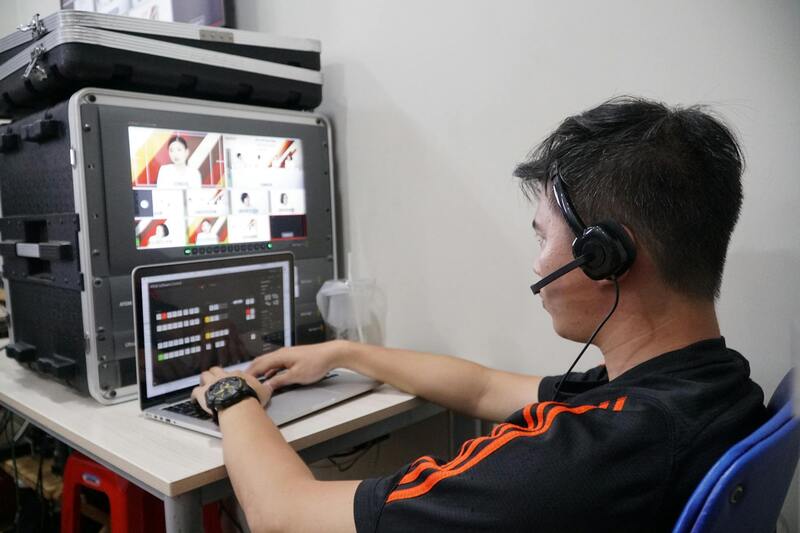
Reliability and professionalism are key metrics in evaluating live streaming providers. A reputable conference live streaming service offers comprehensive solutions that support HD broadcasting, multi-camera setups, and interactive features such as Q&A sessions or live polls. These functionalities facilitate active audience engagement and create an immersive conference environment for remote viewers. Moreover, professional-grade streaming minimizes latency issues, buffering, and feed interruptions, ensuring an uninterrupted flow of information during critical moments.
Another aspect involves the technical infrastructure that supports large-scale event broadcasting. Content delivery networks (CDNs), redundant servers, and adaptive bitrate streaming are crucial components in maintaining quality regardless of viewer locations or network conditions. These systems distribute streams efficiently, preventing overloads and ensuring consistent delivery across different devices and internet speeds.
Security measures are integral in handling sensitive conference content. Encryption protocols protect data during transmission, while secure login portals restrict access to authorized attendees. Additional features such as Digital Rights Management (DRM), watermarking, and digital signatures help prevent unauthorized redistribution and piracy, maintaining the integrity of proprietary information. Effective service providers are equipped to implement these security features seamlessly, building trust between organizers and attendees.
Key Features of Conference Live Streaming Solutions
- High-definition video quality with minimal latency
- Multi-camera and multi-view broadcasting options
- Interactive tools such as live chat, Q&A, and polls
- Scalable infrastructure to support large audiences
- Advanced security protocols to protect content
- Compatibility with multiple devices and platforms
- On-demand content availability post-event
Choosing a broadcast platform requires assessing integration capabilities, user interface simplicity, audience engagement features, and technical support. Opting for platforms that offer customizable branding options also helps maintain event professionalism and create a branded viewing experience for attendees.
Understanding Conference Live Streaming Services
Conference live streaming services have revolutionized the way organizations host and share their events, enabling real-time engagement with audiences both onsite and remote. These services facilitate the broadcasting of presentations, panel discussions, keynote addresses, and interactive sessions to viewers worldwide, ensuring that content reaches a broad and diverse audience seamlessly. Leveraging reliable streaming solutions involves careful consideration of technology infrastructure, platform capabilities, and security protocols to deliver a high-quality, uninterrupted viewing experience. Effective conference livestreaming not only extends the reach of events but also enhances attendee engagement through interactive features and accessible content delivery methods.
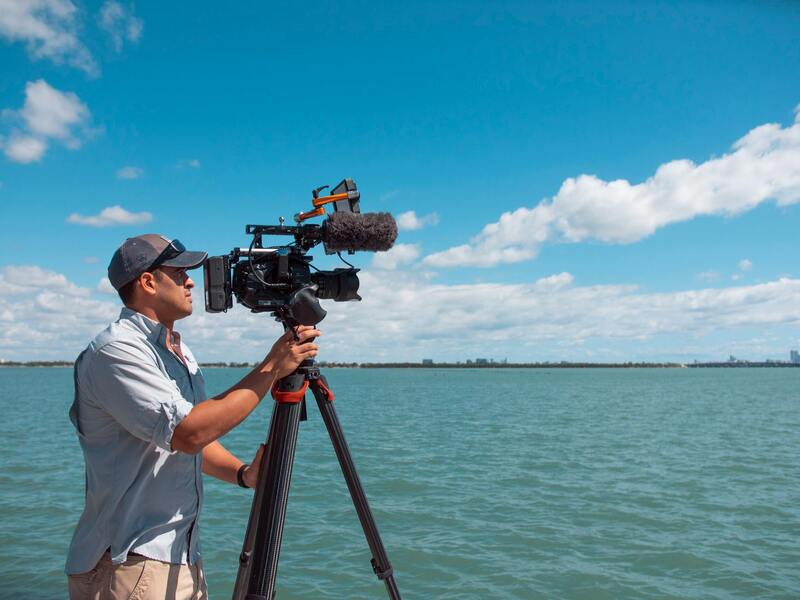
Key Features of Conference Live Streaming Solutions
Modern conference live streaming platforms come equipped with a suite of features tailored to meet the demanding needs of professional events. These include:
- High-definition video quality with minimal latency: Ensures clear visuals and smooth interactions, critical for maintaining audience engagement.
- Multi-camera and multi-view broadcasting options: Provides dynamic perspectives and customizable views tailored to different segments of the event.
- Interactive tools: Live chat, Q&A sessions, and audience polling foster real-time engagement and feedback.
- Scalable infrastructure: Supports large audiences without degradation in quality, accommodating unexpected spikes in viewership.
- Advanced security protocols: Protects confidential content through encryption, secure access controls, and digital rights management.
- Compatibility across devices: Ensures seamless viewing on desktops, tablets, and smartphones, increasing accessibility.
- On-demand content: Offers recorded versions of the event for later viewing, extending the event’s lifespan and outreach.
The choice of platform should also include options for branding customization, facilitating consistent visual presentation and professional appearance tailored to the organization’s branding standards. Technical support and robust integration capabilities further guarantee smooth operations during the live event.

Choosing the Right Streaming Technology and Platforms
The decision-making process involves evaluating several critical factors. Firstly, compatibility with existing AV equipment and broadcasting infrastructure ensures easier integration and reduces setup time. The platform's user interface should be intuitive, enabling organizers and presenters to operate it with minimal technical training. Audience engagement tools, such as chat, polls, and Q&A modules, are essential for maintaining viewer participation. Technical support and service-level agreements (SLAs) are also vital to ensure reliability and prompt resolution of issues during the event.
Another aspect is the scalability of the platform—whether it can handle the anticipated number of viewers without compromising quality. Content management capabilities, including live editing, segmentation, and post-event archiving, add value by streamlining the production process and extending content availability. Lastly, security features—such as end-to-end encryption and access controls—are indispensable for safeguarding sensitive information shared during conferences.
Role of Local Production Agencies in Miami
Partnering with Miami-based live streaming service providers offers significant advantages, particularly for organizers seeking a seamless event experience. Local agencies possess in-depth knowledge of regional infrastructure, permitting quick troubleshooting and on-site support. They also have a keener understanding of the local connectivity landscape, ensuring robust internet access, which is vital for uninterrupted streaming. These agencies provide comprehensive services—from technical setup and equipment rental to live directing, content management, and post-event editing—streamlining the entire production process.
Engaging local experts can help tailor solutions to the specific needs of your conference, including customized branding, multi-angle coverage, and simultaneous digital and onsite broadcasting. Moreover, local agencies often maintain strong relationships with regional networks and venues, facilitating smooth coordination during high-profile events. Their experience ensures adherence to best practices in audiovisual setup, security measures, and audience engagement techniques, making them invaluable partners in delivering impactful conference experiences.
Post-Event Content Distribution and Analytics
Once the conference has concluded, leveraging the recorded content is essential to maximize engagement and reach. High-quality recordings of the live stream can be repurposed for various platforms, including on-demand viewing on your website, social media channels, or specialized content hubs. This approach not only extends the lifespan of your event content but also facilitates deeper audience engagement beyond the original event timeframe.
Distributing recorded sessions allows attendees who couldn’t participate live to access the material at their convenience, improving overall event accessibility. Incorporating session summaries, highlights, and key takeaways into supplementary content can enhance viewer understanding and retention. Additionally, segmented clips from different sessions can be used in targeted marketing campaigns, nurturing leads and reinforcing your brand’s presence within your industry.
Analytics play a pivotal role in evaluating the success of your conference livestreams. Metrics such as viewer count, watch time, engagement levels (comments, questions, interactions), and geographic distribution offer valuable insights into audience behavior. This data enables organizers to refine future events by understanding what content resonated most, identifying peak engagement times, and recognizing areas for technical improvement.

Furthermore, post-event analytics assist in assessing the technical performance of the streaming infrastructure. Monitoring aspects such as buffering incidents, stream stability, and resolution quality helps identify potential issues that can be addressed for subsequent productions. This continuous feedback loop ensures that future broadcasts deliver optimal viewing experiences, maintaining audience trust and reinforcing your organization’s reputation for quality event delivery.
Security and Data Privacy Considerations
Securing your conference content is critical, especially when dealing with sensitive or proprietary information. Implementing advanced security protocols such as encrypted streams, secure login systems, and access controls prevents unauthorized viewing. Compliance with data privacy standards also safeguards the personal information of attendees, speakers, and organizers, ensuring a trustworthy environment during and after the event.
Regular security audits and vulnerability assessments help identify potential risks in your streaming infrastructure. Working with experienced providers—particularly those familiar with local regulations and best practices—ensures your content remains protected against cyber threats and unauthorized distribution. These measures contribute significantly to fostering confidence among your audience and stakeholders.
Future Trends in Conference Live Streaming
Emerging technologies are shaping the future landscape of conference streaming. Innovations such as 360-degree video, virtual reality, and augmented reality enhance immersive experiences, allowing remote attendees to feel as if they are physically present. The integration of artificial intelligence facilitates personalized content delivery, real-time translation, and advanced audience interaction.
Furthermore, the adoption of 5G networks promises to revolutionize live streaming by providing ultra-fast, low-latency connectivity, which is essential for high-definition, multi-angle broadcasts. As these advancements become more accessible, organizers can expect increasingly interactive and engaging virtual conference formats that transcend traditional limitations.