
Introduction to Live Event Broadcast Services
Live event broadcast companies play a pivotal role in delivering real-time coverage of various events, ranging from corporate conferences and sports tournaments to concerts and community gatherings. Their primary function is to ensure that audiences, whether onsite or remote, receive seamless, high-quality viewing experiences. In Miami, a vibrant city known for its dynamic events scene, professional live broadcast services have become an essential component for organizers seeking widespread audience engagement and brand amplification.
These companies harness advanced technology and skilled personnel to produce broadcasts that are both visually compelling and technically reliable. Their expertise extends beyond mere camera operation; they manage complex workflows involving multi-camera setups, live switching, audio mixing, graphics integration, and streaming delivery. This comprehensive approach guarantees that every crucial moment is captured and transmitted with clarity and professionalism, reinforcing the event’s impact and reach.

In Miami, where cultural diversity and a thriving business environment intersect, the demand for reliable live broadcast services continues to grow. Whether a corporate client aims to broadcast a product launch globally or a local festival seeks to engage community members onsite and online, these companies serve as vital partners in achieving successful event execution. Their role encompasses planning, technical execution, and post-event analysis, ensuring that the broadcast meets or exceeds client expectations.
Benefits of Professional Live Broadcast Services
- Expanded Reach: Engage audiences beyond physical venues, allowing remote viewers to participate live.
- Enhanced Engagement: Incorporate multimedia elements such as graphics and social media integration to boost viewer interaction.
- High-Quality Presentation: Maintain professional standards in video and audio fidelity, elevating the event’s perceived value.
- Technical Reliability: Minimize risks associated with connectivity, equipment failure, or technical glitches through expert management.
- Brand Visibility: Increase visibility and brand recognition through consistent, professional coverage of events.
Technology and Equipment Used in Live Event Broadcasts
Delivering a flawless live event broadcast hinges on the selection and deployment of advanced technology and state-of-the-art equipment. Leading live event broadcast companies employ a comprehensive array of tools designed to capture, process, and transmit high-quality audio and video streams in real-time. The core technological components include high-definition cameras, professional-grade audio systems, and robust streaming hardware that ensure clarity and stability during live transmissions.
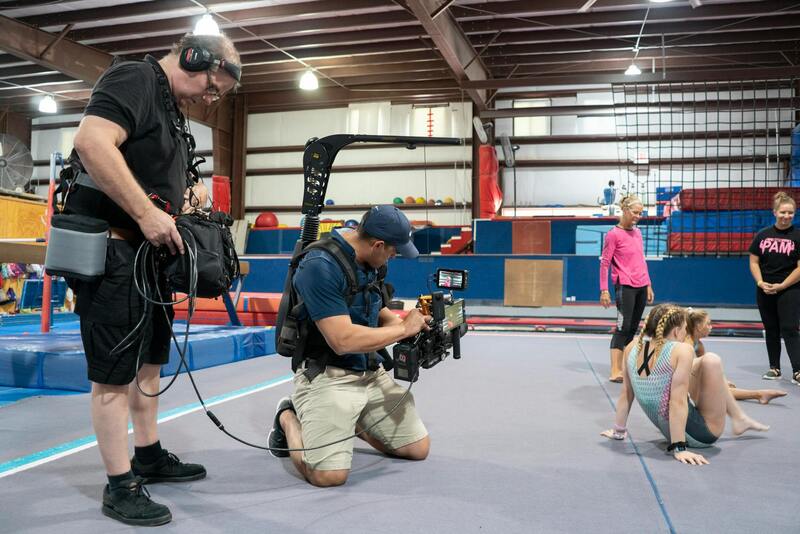
One key element is the use of multiple camera setups, such as robotic and handheld cameras, which provide diverse angles and dynamic shots, creating an engaging viewing experience for remote audiences. These are often integrated with live switching equipment that allows operators to seamlessly transition between different feeds, adding professional production value to the broadcast.
Another critical aspect involves reliable encoding and streaming servers. These servers convert captured footage into suitable formats and distribute the stream across multiple platforms simultaneously. Utilizing load-balanced Content Delivery Networks (CDNs) guarantees minimal latency and buffering issues, especially for large-scale events with global audiences.
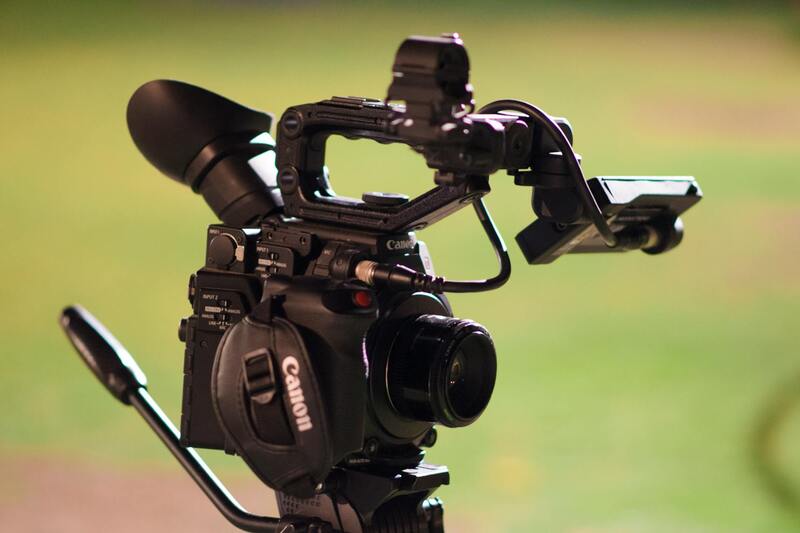
Supplementing the core hardware, software solutions for real-time graphics, captioning, and social media integration allow broadcasters to enhance viewer engagement and provide contextual information throughout the event. These tools help maintain a polished, professional appearance and facilitate audience interaction, fostering a more immersive experience.
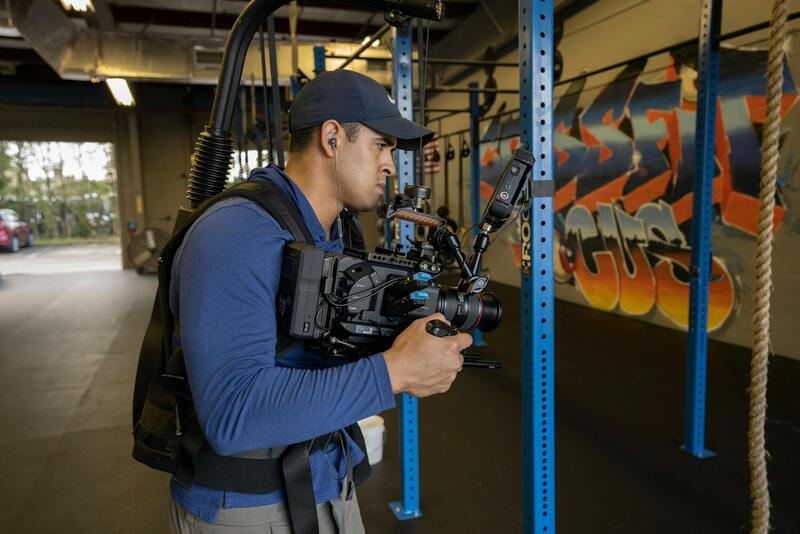
Many companies incorporate portable equipment for on-site setups, enabling flexibility in diverse environments. This includes compact switchers, wireless audio systems, and drone cameras for aerial shots, all of which contribute to capturing every significant moment with precision. The use of backup systems and redundant pathways further secures the broadcast from potential technical failures, ensuring continuous delivery regardless of unforeseen disruptions.
In summary, the technological infrastructure employed by specialized live event broadcast companies combines high-end hardware and sophisticated software to produce reliable, professional-quality live streams tailored to meet the specific requirements of each event. Their expertise in deploying these tools effectively is vital in achieving a high standard of broadcast excellence that satisfies both clients and audiences alike.
Technology and Equipment Used
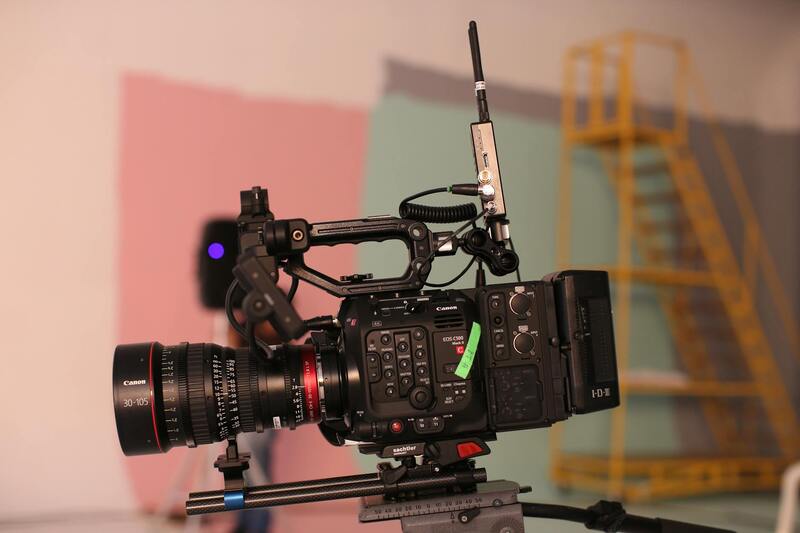
Leading live event broadcast companies utilize advanced technology and state-of-the-art equipment to deliver high-quality streams that meet demanding client needs. The core hardware includes professional-grade cameras capable of capturing detailed footage in various lighting conditions, ensuring clarity and vividness regardless of the event environment. These cameras often feature high-definition (HD), 4K, or even 8K capabilities to provide crisp visuals that can be scaled for large screens or close-up viewing.
Switchers and video mixers are pivotal in transitioning seamlessly between different video sources in real-time, allowing broadcasters to introduce graphics, overlays, and live feeds with fluidity. Modern switchers often incorporate multiple input channels, enabling the integration of multiple camera angles, pre-recorded content, and on-screen graphics that enhance the viewer’s experience.
For audio, professional wireless microphones and high-fidelity mixing consoles ensure clear sound quality, even in noisy or outdoor environments. Combining synchronized video and audio feeds results in a cohesive broadcast that maintains audience engagement and ensures event details are conveyed accurately.

Streaming platforms and encoders form the backbone of live broadcasts, translating the raw video feed into internet-friendly formats. Advanced streaming encoders support adaptive bitrate streaming, which adjusts quality dynamically based on viewers’ internet speeds, preventing buffering and ensuring a smooth experience across devices and locations.
Additional tools such as real-time graphic insertion software allow for dynamic visual updates, including sponsor logos, event information, and social media feeds. Social media integration tools enable broadcasting simultaneously across multiple platforms, extending reach and increasing audience interaction.
Remote production technology has also become integral, with broadcasters leveraging cloud-based solutions to control streams from anywhere, enabling flexible, on-the-go management without sacrificing professional standards.
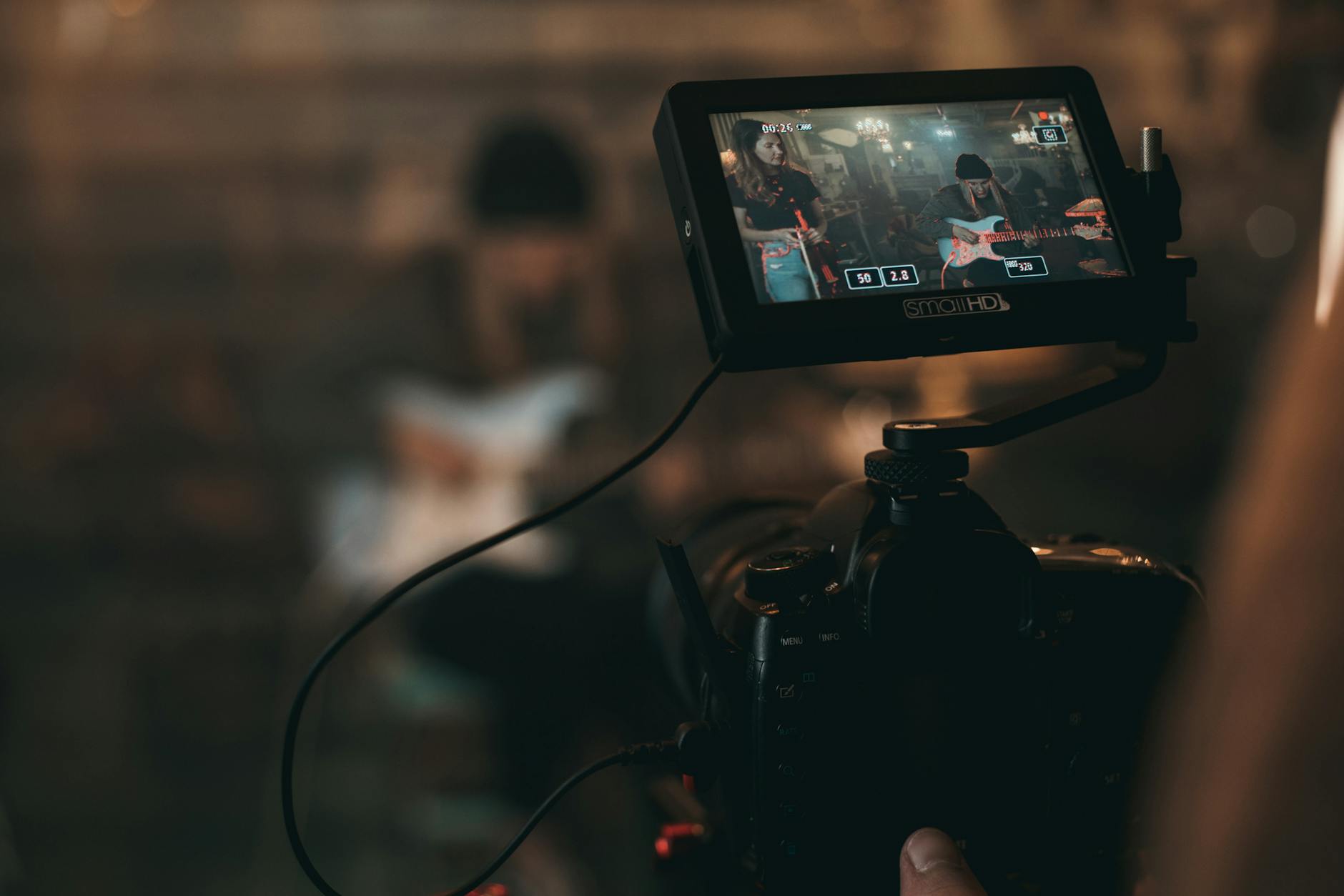
These technological components, combined with robust backup systems, ensure continuity and resilience. Redundant hardware paths, UPS power supplies, and failover mechanisms are strategically implemented to prevent disruptions. This comprehensive approach guarantees that every critical moment is captured and streamed without interruption, providing clients and audiences with dependable, high-quality live content.
Specialized Solutions for Diverse Event Venues
Some live event broadcast companies tailor their equipment configurations for specific venues such as outdoor stadiums, conference centers, or outdoor festivals. This includes ruggedized cameras for outdoor conditions, long-range wireless audio systems, and portable broadcast units designed for quick deployment in temporary setups. These solutions enhance flexibility and ensure high performance regardless of environmental challenges.
How Live Event Broadcast Companies Ensure Secure and Reliable Streaming
Ensuring a seamless viewing experience requires robust security and reliable delivery methods. Leading live event broadcast companies implement advanced encryption protocols to protect streams from unauthorized access, safeguarding the intellectual property and sensitive content of the event. This includes usage of secure RTMP (Real-Time Messaging Protocol) streams, encrypted data channels, and access control credentials, which limit viewing to authorized audiences.
Reliability is further enhanced through redundant encoding and streaming pathways. Dual-stream setups enable one stream to serve as a backup in case of primary stream failure, ensuring minimal disruption. Content delivery networks (CDNs) play a critical role in dispersing streams across multiple servers worldwide, reducing latency and buffering while enhancing overall stability. These distributed networks dynamically reroute streams in case of issues with any particular node, maintaining continuous coverage.
Furthermore, comprehensive network monitoring and real-time diagnostics allow broadcast companies to identify and resolve technical issues swiftly, preventing potential interruptions during the live event. Implementation of disaster recovery plans, including backup servers and power supplies, further guarantees the integrity of the broadcast. These measures collectively reinforce the delivery system, making sure that the live event reaches audiences without interruptions and with high quality.
Scalability and Customization of Live Broadcast Solutions
One of the significant advantages offered by live event broadcast companies is their ability to tailor solutions to meet specific event requirements and audience sizes. Scalability is key for handling everything from small corporate gatherings to large-scale festivals with thousands of viewers. Modern broadcast providers leverage cloud-based infrastructure, which allows for rapid expansion or contraction based on real-time demands.
Customization options extend beyond just technical setup. Clients can choose the level of production complexity, from simple live streaming to multi-camera productions with professional-grade graphics, overlays, and animations. Special features such as interactive polls, live chat integration, and real-time social media feeds can be incorporated to boost audience engagement.
Additionally, companies often provide tailored services for different types of venues, whether indoors or outdoors, ensuring that the technical setup aligns with environmental needs. This includes deploying ruggedized cameras and weatherproof equipment for outdoor events or highly portable solutions for temporary venues.
By offering flexible packages, live event broadcast companies enable organizers to effectively manage their budget while achieving their desired broadcast quality and reach.
Ensuring Signal Reliability and Redundancy
In the realm of live event broadcasting, maintaining an unwavering signal is vital for delivering a smooth viewing experience. Reputable live event broadcast companies employ sophisticated solutions to ensure signal stability, including dual data pipelines and backup transmission routes. These measures mitigate the risks associated with signal loss or interference, particularly during high-profile events where uninterrupted coverage is imperative.
Advanced satellite uplinks, fiber optic connections, and cellular bonding technologies are standard components in professional broadcast setups. Cellular bonding aggregates multiple mobile data networks to provide a resilient connection in areas where traditional wired infrastructure may be unreliable. Such redundancy minimizes latency and buffering issues, ensuring that viewers experience consistent quality regardless of environmental challenges.
Streaming Platforms and Multi-Platform Distribution
Today’s live event broadcast companies prioritize multi-platform distribution, allowing content to be accessible across various digital channels simultaneously. This approach extends reach and enhances viewer engagement by leveraging popular streaming platforms, social media, and proprietary portals. By integrating multiple distribution channels, organizers can target niche audiences, increase overall viewership, and cater to diverse viewer preferences.
Official broadcast companies utilize content delivery networks (CDNs) to optimize streaming performance across different regions. CDNs distribute the live feed to servers closer to viewers, reducing latency and buffering times, and ensuring high-quality streams regardless of geographic location.
Moreover, advanced solutions facilitate real-time analytics, enabling organizers to monitor viewership metrics, audience engagement, and platform performance. This data supports strategic decision-making and quick adjustments during the event, thereby maximizing the broadcast’s impact.
Professional Audio and Visual Integration
Effective live event broadcasts hinge on high-quality audio and visual components. Leading broadcast firms employ professional-grade cameras, microphones, and mixing consoles designed to capture every nuance of the event. This precision ensures that audio is crisp and synchronized, while visuals are sharp with accurate color representation.
Visual enhancements like graphics overlays, real-time subtitle generation, and camera switching are managed by skilled production crews. These elements contribute to a dynamic viewing experience that closely resembles attending the event in person.
Audio details such as ambient sounds, detailed microphone placements, and background music are carefully balanced to produce immersive soundscapes. This attention to detail fosters a compelling sense of presence, engaging viewers beyond passive watching.
Interaction and Engagement Features
Modern live event broadcasters incorporate interactive features to foster real-time engagement with audiences. Polls, Q&A sessions, and live chat functionalities are integrated seamlessly into the broadcast interface. These features allow viewers to participate actively, increasing engagement and overall satisfaction.
Social media integration enables viewers to share content, comment, and participate in trending conversations related to the event. This creates a viral effect, broadening the event’s exposure beyond the primary viewing platform.
For events that include virtual meet-and-greets or audience participation segments, specialized broadcast tools facilitate secure and efficient interactions. These capabilities are especially important for corporate announcements, product launches, or cultural festivals where audience involvement adds significant value.
Executing these features requires a robust technical framework and experienced personnel to manage interactions in real-time, ensuring a smooth and engaging broadcast experience.
Factors to Consider When Choosing a Broadcast Partner
Selecting the right live event broadcast company is critical to ensuring the success of your event. Several key factors should be evaluated to make an informed decision that aligns with your specific needs and objectives.
Experience and Industry Reputation
Look for companies with extensive experience in live broadcasting and a track record of successful event executions. A company's reputation within the industry often reflects its ability to handle a variety of event types and complexity levels. Review case studies, client testimonials, and portfolio examples to gauge their expertise and reliability.
Technology Capabilities and Infrastructure
A reputable broadcast partner should utilize state-of-the-art technology, including high-definition video equipment, reliable streaming servers, and advanced encoding solutions. Their infrastructure should support both large-scale events and intricate production requirements, ensuring seamless transmission without interruptions.
Customization and Flexibility
Each event has unique requirements, making flexibility a valuable trait in a broadcasting partner. They should offer tailored solutions that accommodate different formats, platforms, and interactive features. The ability to adapt to specific branding, languages, or niche audience engagement strategies adds significant value.
Technical Support and Workforce
Assess the technical support system provided by potential partners. A dedicated team of technicians and producers is essential for real-time troubleshooting and smooth operation. Confirm their availability during the event to address any unforeseen technical issues promptly.
Cost and Service Packages
Transparent pricing models and comprehensive service packages can help avoid unforeseen expenses. Ensure that the quotations include all necessary elements, such as pre-event planning, equipment setup, on-site technical support, and post-event analysis.
Compliance and Industry Standards
A professional broadcast company adheres to industry standards for quality, safety, and copyright compliance. They should follow best practices in data security and content protection, especially for premium or sensitive events.
Comprehensive Approach to Official Live Event Broadcast Methods
When planning a live event broadcast, selecting the optimal method to ensure a secure and high-quality transmission is crucial. Professional live event broadcast companies prioritize employing official, proven techniques that deliver reliability and clarity. These methods encompass a variety of workflows, each tailored to meet specific event needs, audience engagement levels, and technical requirements.
Secure Streaming Protocols
Many reputable companies utilize encrypted streaming protocols that safeguard content integrity and control access. Protocols such as Secure Real-Time Transport Protocol (SRTP) and Secure HTTP Live Streaming (HLS) with HTTPS encryption are standard. These ensure that live feeds are transmitted securely, minimizing the risk of interruption or unauthorized access. Employing multi-layer encryption during the uplink and downlink phases guarantees an additional layer of protection, fostering viewer confidence and safeguarding proprietary content.
Dedicated Content Delivery Networks (CDNs)
Official live event broadcast companies leverage professional-grade Content Delivery Networks to optimize streaming latency and reliability. CDNs distribute content across geographically dispersed servers, significantly reducing buffering and lag. This infrastructure not only enhances online viewing experiences but also allows streaming to large audiences securely, without compromise to data integrity. Utilizing trusted CDN providers aligns with industry standards for content security and uninterrupted service delivery.
Multi-Platform Streaming
Employing official solutions often involves multi-platform broadcasting, which encompasses streaming to various online platforms such as social media channels, dedicated websites, and streaming aggregators. These methods are orchestrated through authorized streaming engines that comply with platform-specific requirements, ensuring consistent quality and compliance. Any deviations or unofficial streaming sources can jeopardize content rights and lead to quality issues; thus, official methods maintain operational integrity and legal adherence.

Stream Authentication and Rights Management
Official broadcast providers implement robust authentication protocols for viewers and service access. This includes token-based authentication, geo-restrictions, and DRM (Digital Rights Management) systems to prevent unauthorized sharing or recording. Such controls ensure that content distribution remains within authorized parameters, which is critical for paying audiences or sensitive event footage. Using these proven methods preserves the integrity of the live broadcast and aligns with industry best practices.
Cloud-Based Workflows with Certified Platforms
Modern live broadcasts often employ cloud-based infrastructures that are certified for high performance and security. Professional providers use platforms compliant with international standards (such as ISO/IEC certifications), ensuring that workflows are streamlined, redundant, and resistant to disruptions. Managed via official channels, these cloud solutions facilitate real-time monitoring, rapid troubleshooting, and secure content exchange between production teams and distribution endpoints.

Ensuring Compliance with Industry Standards
Adherence to established industry standards remains a hallmark of legitimate live event broadcast companies. These standards encompass quality benchmarks, safety protocols, and copyright compliance. Official methods involve rigorous quality assurance processes, including real-time quality control checks and post-broadcast analyses. Following recognized protocols not only delivers a superior experience but also sustains trust and continuity for future events.
Content Monitoring and Real-Time Quality Assurance
Through official workflows, live streams are continuously monitored by dedicated personnel who oversee signal integrity, audio clarity, and visual quality. Automated systems may flag potential issues, prompting immediate adjustments to maintain seamless transmission. This proactive approach minimizes errors and enhances the overall broadcast outcome, ensuring that viewers receive an optimal experience regardless of platform or device.
Comprehensive Methods for Securing Live Event Broadcasts
Securing live event broadcasts involves a combination of rigorous technical procedures, adherence to recognized standards, and utilization of dependable channels to ensure the integrity and quality of the transmission. Event organizers and broadcast companies must rely solely on official, well-established platforms and procedures that guarantee a secure environment for content delivery. This involves leveraging industry-approved CDN (Content Delivery Network) providers that offer secure streaming protocols, such as AES encryption and DRM (Digital Rights Management). These protocols help prevent unauthorized access and content piracy, maintaining control over the broadcast distribution.
Implementing multi-layered authentication processes is crucial. This includes encryption keys, viewer verification systems, and access control mechanisms to ensure that only authorized audiences can view the live stream. Stewardship of this process is entrusted to qualified professionals operating within official operational protocols, known for their strict compliance with international standards. This is vital in safeguarding sensitive content and ensuring uninterrupted service during the event.

Official Content Delivery Networks and Streaming Protocols
All official live broadcast endeavors utilize certified Content Delivery Networks that support encrypted delivery channels. These CDN providers adhere to rigorous security practices, including TLS/SSL encryption, which encrypts data transmission between the server and viewers, reducing risks of interception or interference. Moreover, streaming protocols such as HLS (HTTP Live Streaming) and DASH (Dynamic Adaptive Streaming over HTTP) are employed, offering adaptive bitrate streaming that adjusts quality in real-time based on viewer bandwidth, thus maintaining a stable and secure connection.
Content Management and Rights Protection
One of the most critical aspects of official live event broadcasts involves robust content management systems that monitor and protect intellectual property rights. These systems often integrate watermarking techniques, digital fingerprinting, and automated content recognition, ensuring that streams are not illegally copied or redistributed. Combined with official licensing frameworks, these methods promote proper content handling and distribution within authorized channels.
Compliance with Industry Standards and Regulations
Committed live broadcast companies operate within an environment of established industry norms, which encompass quality assurance, safety, and copyright laws. These standards are maintained through meticulous workflows, including pre-broadcast testing, real-time monitoring, and post-event audits. Employing standardized equipment and certified platforms minimizes risks and promotes transparency, fostering a trusted broadcast experience for viewers and organizers alike.
Workflow Documentation and Transparency
Official broadcasters maintain detailed records of their operational workflows, security measures, and compliance checks. Such transparency ensures that every phase—from content creation and encoding to transmission and viewer delivery—is traceable and verifiable by authorized stakeholders. This level of documentation demonstrates a commitment to proven methods and helps in addressing any discrepancies or issues swiftly and effectively.