Understanding Live Webcasting Services
Live webcasting services have become an essential tool for individuals and organizations seeking to broadcast real-time events over the internet. These services utilize sophisticated technology to simulate traditional broadcasting methods, but with the added advantage of accessibility from virtually anywhere with an internet connection. By leveraging high-quality streaming platforms, live webcasting ensures that audiences receive seamless and engaging viewing experiences, regardless of geographical barriers.
At its core, live webcasting encompasses the transmission of live video and audio content via the internet, enabling viewers to watch events as they happen. This process involves capturing content through professional-grade cameras and microphones, encoding the signal for online transmission, and distributing it through reliable streaming servers.

Key features of live webcasting services include:
- Real-time broadcasting: Streaming events live as they unfold, providing immediate access to viewers across the globe.
- High-quality video and audio: Ensuring clear visuals and sound, crucial for professional presentations and large-scale events.
- Multi-platform compatibility: Streaming across various devices such as desktops, smartphones, and tablets for maximum reach.
- Interactive features: Including chat functions, Q&A sessions, and audience polls to increase engagement.
- Security options: Implementing password protection and encryption measures to safeguard sensitive content.
Efficient live webcasting relies on an integration of robust hardware, dependable internet connections, and advanced streaming software. Professional services also provide comprehensive support, ensuring smooth operation from setup to broadcast. As digital consumption continues to grow, live webcasting remains a vital channel for delivering compelling content in real-time, bridging the gap between event organizers and their audiences across Miami and beyond.
Understanding Live Webcasting Services
Live webcasting services have become integral to the way organizations and individuals broadcast their events to a global audience. At the core, these services involve the seamless transmission of live audio and video content over the internet, requiring a sophisticated blend of hardware, software, and network infrastructure. High-quality content capture begins with professional-grade cameras and microphones, designed to deliver crystal-clear visuals and sound that meet the expectations of diverse viewers. Once captured, the signal is encoded using advanced streaming software, which optimizes the video for online delivery and ensures compatibility across various devices and platforms.
Reliable streaming servers then distribute the encoded content efficiently, minimizing buffering times and ensuring stable playback for viewers regardless of their location. The setup process includes selecting the appropriate bitrate and resolution to match the viewer's bandwidth, providing a smooth viewing experience. Notably, live webcasting encompasses several key features that enhance the overall broadcast quality:
- Real-time broadcasting: Enabling viewers to watch events unfold as they happen, fostering a sense of immediacy and engagement.
- High-definition video and audio: Delivering crisp visuals paired with clear sound, critical for professional presentations, conferences, and large-scale events.
- Multi-platform compatibility: Ensuring broadcasts are accessible across desktops, smartphones, tablets, and smart TVs, which broadens audience reach and convenience.
- Interactive features: Integrating live chat, Q&A modules, and audience polling to maintain viewer interaction and involvement.
- Security options: Implementing measures such as password protection, encryption, and secure streams to safeguard content, especially when sensitive information is involved.
The success of a live webcasting event depends on a well-coordinated infrastructure that combines high-performance hardware, robust internet connectivity, and sophisticated streaming software. Professionals providing live webcasting services in Miami also offer dedicated support to assist with setup, troubleshoot potential issues, and ensure the broadcast proceeds smoothly from start to finish. As digital consumption continues to grow exponentially, live webcasting remains an essential means for content creators, event organizers, and businesses to connect with their audiences in real time, expanding their reach well beyond traditional boundaries.
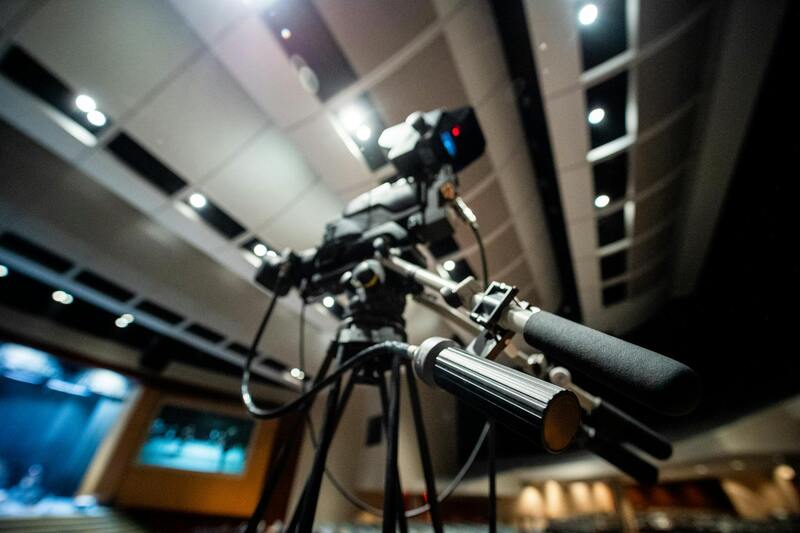
Benefits of Live Webcasting for Miami Events
Live streaming events in Miami offers a multitude of advantages that enhance visibility and engagement. Firstly, it significantly increases audience reach by transcending geographical limitations, allowing viewers from around the world to participate in real time. This expanded access can translate into higher attendance figures without the logistical complexities of physical venue capacity constraints. Furthermore, live webcasting fosters higher levels of engagement through interactive features, enabling viewers to ask questions, participate in polls, and provide feedback instantaneously, thus creating a dynamic event environment.
Cost-efficiency also stands out as a key benefit. Traditional in-person events often incur substantial expenses related to venue rental, travel, accommodation, and printed materials. In contrast, live streaming reduces or eliminates many of these costs, making it an attractive option for organizations seeking maximum impact with minimal expenditure. Additionally, archived recordings of webcasts can serve future marketing and educational purposes, providing lasting value and content reuse.
From a branding perspective, professionally streamed events boost corporate image, demonstrating technological sophistication and a commitment to reaching audiences innovatively. For community-based initiatives, live webcasting can foster inclusivity by providing access for individuals with geographical, physical, or scheduling constraints, thereby broadening the event’s social impact. Overall, the integration of live webcasting into event planning in Miami leads to deeper audience engagement, increased visibility, and more efficient resource allocation.
Essential Equipment and Technology for Webcasting
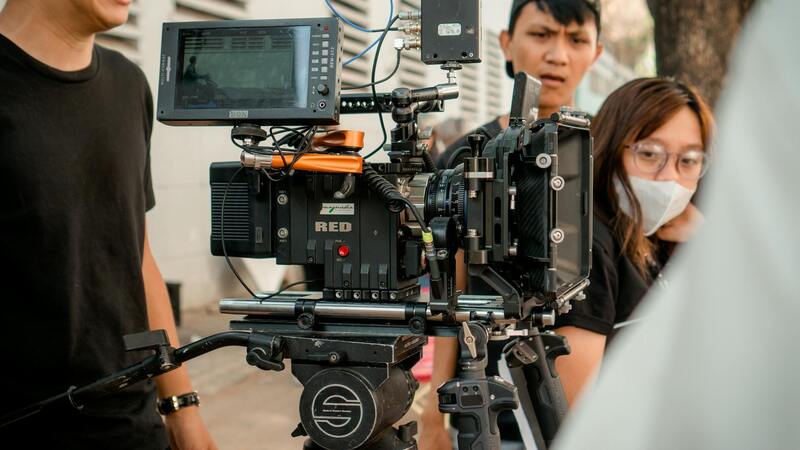
Implementing high-quality live webcasting requires a carefully selected range of equipment and technology to ensure seamless delivery and optimal viewer experience. Central to this setup is a professional-grade camera system. While smartphones may suffice for small-scale events, larger festivals, conferences, and corporate presentations demand multiple HD or 4K cameras capable of capturing different angles and providing clear, crisp visuals. These cameras should be complemented by high-quality audio equipment, including wireless microphones, audio mixers, and soundboards, which ensure that commentary, speeches, or performances are conveyed with clarity.
Reliable internet connectivity is a cornerstone of successful live streaming. Opt for dedicated, high-bandwidth internet connections—preferably wired Ethernet—over Wi-Fi, to prevent interruptions and buffering. In settings where wired options are impractical, multiple redundant connections, such as cellular 4G/5G networks with bonding technology, can safeguard against connectivity drops.
Encoding hardware or software transcoders convert video feeds into streaming formats compatible with online platforms. Using professional encoding solutions ensures optimal video quality and efficient data compression. Streaming servers or platforms handle the distribution of content, supporting multiple simultaneous viewers and adaptive streaming that adjusts quality based on viewer bandwidth.
Complementary accessories such as lighting kits, tripod stands, and teleprompters can greatly enhance production quality, especially in controlled environments like studios or conference halls. For on-location events, portable and lightweight tech solutions facilitate quick setup and adaptability to varying venues.
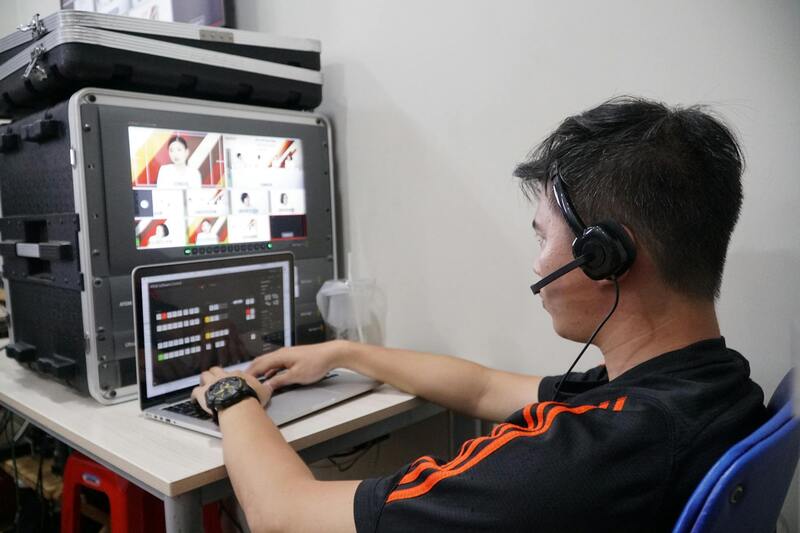
Integrating automation tools, such as switchers for live switching between camera feeds and graphic overlays, adds a professional touch to the broadcast. These systems streamline the production process and enable real-time customization, contributing to a polished viewing experience. The combination of robust hardware and sophisticated software components forms the backbone of an effective live webcasting operation in Miami.
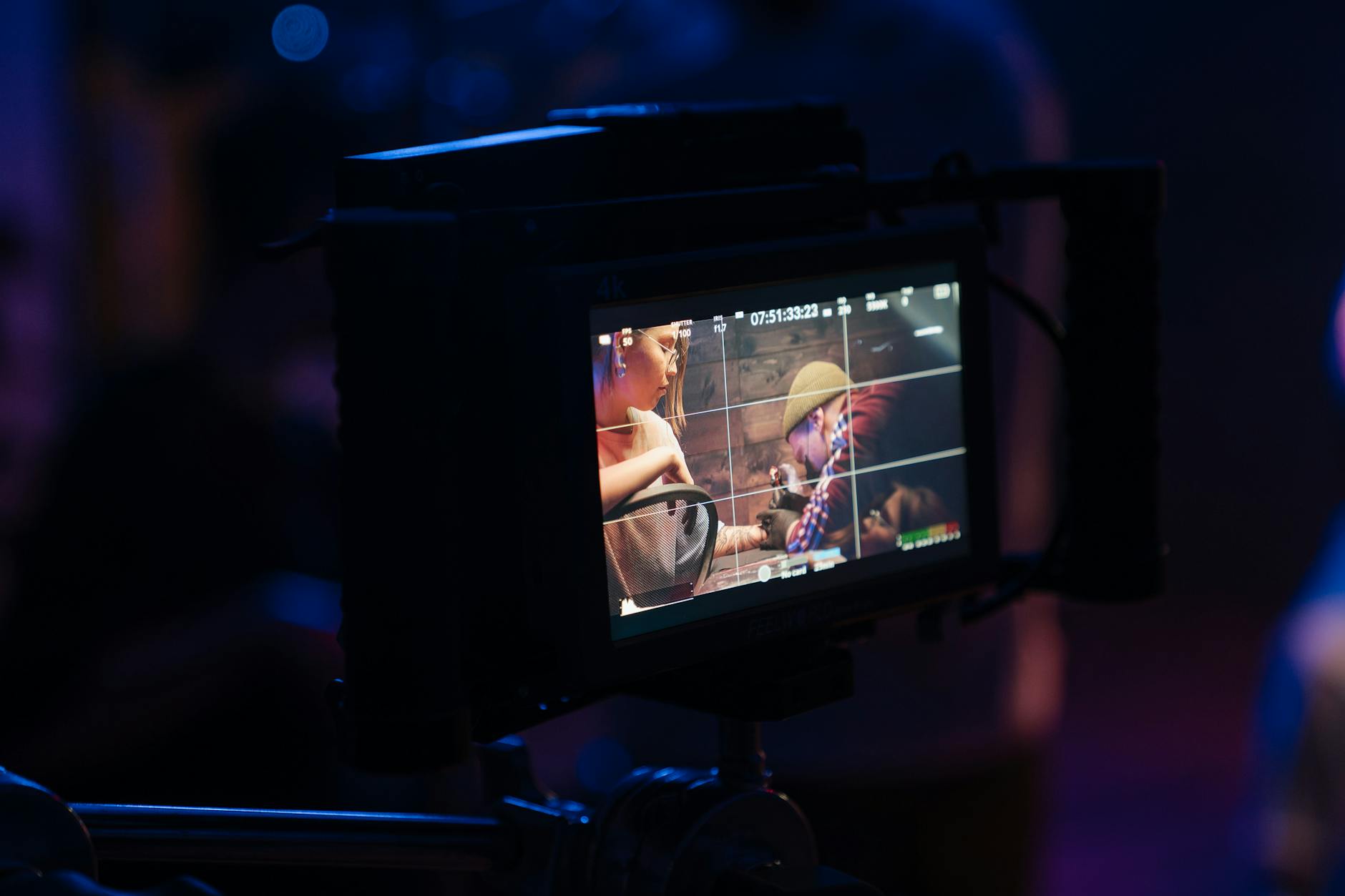
Choosing appropriate equipment not only improves broadcast quality but also enhances the reliability and stability of the stream. This is crucial in maintaining viewer trust and preventing costly interruptions that could compromise the event’s success. Regular maintenance, technical rehearsals, and contingency planning are essential to address potential technical issues proactively and ensure a smooth streaming experience from start to finish.
Key Components of a Reliable Live Webcasting Infrastructure
Establishing a robust live webcasting setup involves selecting and integrating various essential components that work seamlessly to deliver a high-quality viewing experience. Central to this infrastructure are high-definition cameras capable of capturing crisp visuals across different event environments. These cameras should support features such as autofocus, low-light performance, and optical zoom to adapt to various lighting conditions and vantage points, ensuring viewers receive clear and engaging footage.
Complementing the cameras are advanced encoders, which convert raw video signals into compressed digital streams suited for online broadcasting. Hardware and software encoders must support adaptive bitrate streaming to adjust video quality dynamically based on viewers’ internet speeds, reducing buffering and maintaining consistent playback.

Reliable internet connectivity constitutes the backbone of any live webcast. Multiple high-speed internet connections, such as bonded cellular networks or dedicated fiber optic lines, are often employed to prevent interruptions. Network stability ensures uninterrupted transmission, particularly during high-profile events or in areas prone to connectivity fluctuations.
Beyond hardware, streaming platforms or servers facilitate the distribution of content to a global audience. These platforms should support features such as encrypted data transmission, load balancing, and scalability to accommodate varying viewer numbers. Proper integration with content delivery networks (CDNs) further enhances streaming efficiency by minimizing latency and buffering.
Audio quality is equally vital. Employing professional-grade microphones and audio mixers guarantees clear sound, essential for conferences, interviews, or multi-speaker events. Sound synchronization with video feeds must be meticulously maintained to prevent delays or lip-sync issues.
Accessories and Supporting Equipment to Enhance Webcasting Quality
- Lighting kits for illuminating presenters and event spaces, especially in indoor or low-light settings.
- Tripod stands and stabilizers to ensure smooth camera movement and reduce shaky footage.
- Teleprompters and confidence monitors to facilitate seamless presentations and speeches.
- Backup power supplies and uninterruptible power sources (UPS) to mitigate power outages and maintain continuous operation.
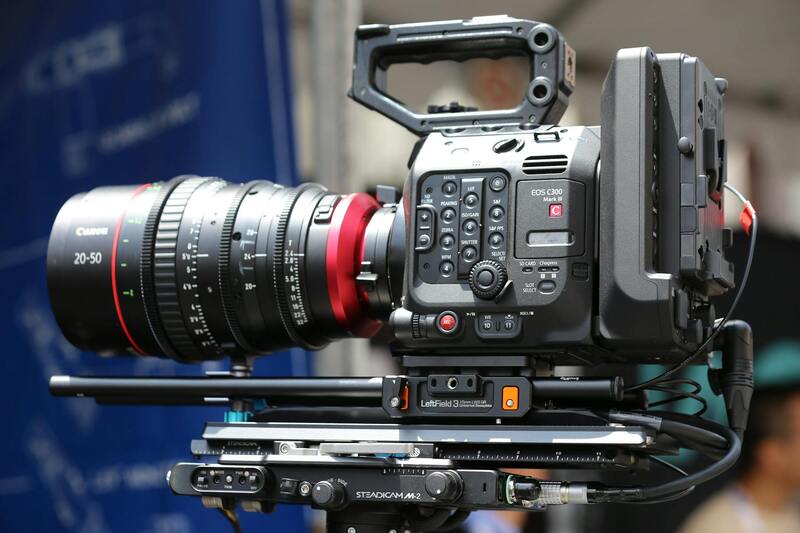
Integrating automation software, including live switchers, allows producers to switch between multiple video feeds, overlay graphics, and add effects in real-time. Such tools are invaluable for creating dynamic and visually appealing streams, elevating the overall viewer experience.
Thorough planning and regular testing of all equipment components are crucial in identifying potential issues before the event. This includes conducting technical rehearsals, verifying internet speeds, and ensuring all hardware functions correctly. Establishing contingency plans, such as backup feeds and additional technical support, safeguards against unforeseen disruptions.
By meticulously assembling this infrastructure and employing professional-grade equipment, organizations in Miami can deliver flawless live webcasts that effectively engage their audience, enhance their brand image, and provide measurable return on investment.
Understanding Live Webcasting Services
Live webcasting services involve broadcasting live video content over the internet to a remote audience in real time, utilizing advanced streaming technologies and platforms. These services encompass everything from video capture and encoding to distribution across multiple channels, ensuring viewers can access high-quality content seamlessly. In Miami, businesses, educational institutions, and event organizers rely on professional live webcasting providers to extend their reach beyond physical boundaries, engaging audiences globally with interactive and dynamic content delivery.
The Core Components of Live Webcasting
- Video Capture Equipment: High-definition cameras capable of capturing clear visuals, including professional-grade cams or encoders for live streaming.
- Encoding Software/Hardware: Devices that convert raw video signals into compressed formats suitable for internet transmission, ensuring compatibility and quality.
- Streaming Platforms: Reliable servers and content delivery networks (CDNs) that distribute the live feed to viewers, minimizing latency and buffering issues.
- Audio Equipment: Microphones, mixers, and sound processing tools that deliver crisp, clear audio essential for audience engagement.
- Networking Infrastructure: High-speed internet connections with sufficient bandwidth to handle the data flow, supported by backup options to prevent disruptions.
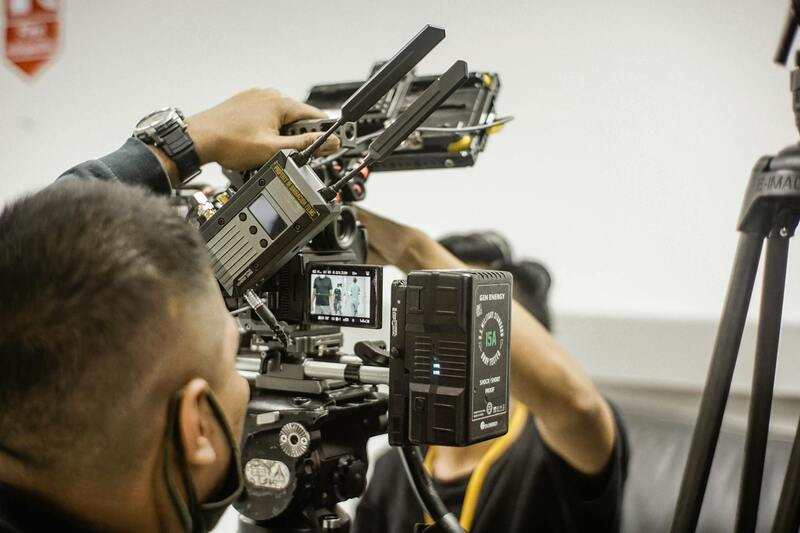
When orchestrated by skilled professionals, these components work together to produce seamless live broadcasts capable of handling complex event logistics and variable conditions. Ensuring compatibility and synchronization among these elements is critical, which is why many organizations in Miami opt for turnkey solutions offered by established live webcasting service providers who possess the technical expertise and state-of-the-art equipment necessary to execute flawless streams.
Key Features of Professional Live Webcasting Services
- Customizable Streaming Solutions: Tailored configurations to meet the specific needs of various events, from corporate conferences to live concerts.
- Multi-Platform Distribution: Simultaneous streaming across multiple channels such as social media, websites, and proprietary apps to maximize reach.
- Technical Support and Monitoring: Real-time oversight during broadcasts to address any technical issues promptly, ensuring minimal downtime.
- Interactive Capabilities: Features like live chat, Q&A sessions, and polls that increase audience participation and engagement.
- Post-Event Analytics: Detailed reports on viewer metrics, engagement levels, and stream quality, providing valuable insights for future events.
Considerations When Planning Webcasting for Miami Events
Successful live webcasting hinges on meticulous planning and the right technology. It begins with a clear understanding of the event's objectives, target audience, and required broadcast quality. Ensuring robust internet connectivity, testing all equipment beforehand, and having backup plans for potential issues are integral to delivering a smooth webcast. Additionally, selecting a service provider with local expertise and a solid reputation can significantly impact the overall experience, as they are more familiar with regional internet infrastructures and logistical considerations unique to Miami's diverse venue landscape.
Legal and Privacy Considerations
Organizing a live webcasting event in Miami requires a thorough understanding of the legal and privacy frameworks that govern digital broadcasts. In particular, it is essential to obtain all necessary permissions and rights to broadcast copyrighted content, including music, videos, and images used within the webcast. Integrating clear consent processes for all participants, especially in interactive segments involving audience input, ensures transparency and compliance with privacy regulations.
Data protection is another critical aspect. Event organizers must adhere to applicable regulations surrounding viewer data collection and storage. This involves implementing secure systems for handling personal information, informing viewers about how their data will be used, and providing options for opting out where appropriate. Transparency about data usage not only fosters trust among participants but also prevents potential issues down the line.
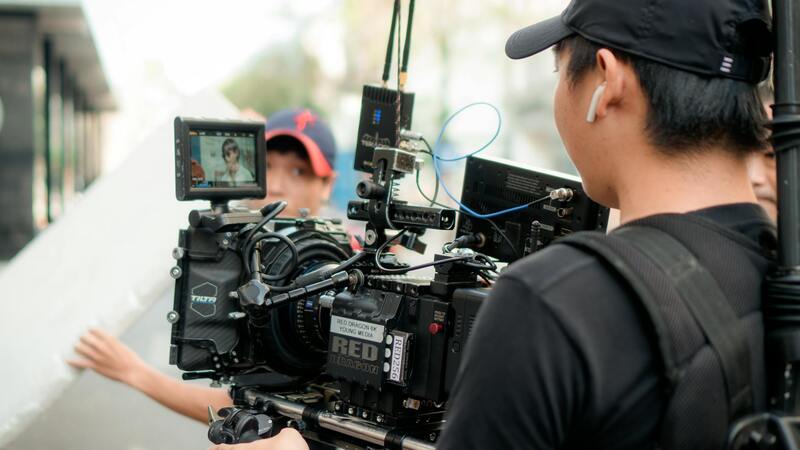
Moreover, establishing clear policies for intellectual property rights, especially when broadcasting third-party content, is vital. Event organizers should collaborate with content owners to secure licensing agreements or permissions, which can prevent disputes and copyright claims during or after the event. It's advisable to include legal disclaimers or terms of service that outline viewer rights and responsibilities.
To further ensure compliance, partnering with a professional live webcasting service provider that strictly follows industry standards and local regulations can be highly advantageous. These providers typically have policies and practices in place for managing legal and privacy issues, which helps organizers focus on delivering engaging content without concerns over compliance.
Ensuring Officiated and Accurate Content Delivery
One of the key considerations for reliable live webcasting involves the precise management of content rights. This encompasses obtaining the necessary authorizations for anything that might be copyrighted or proprietary, such as music, videos, or images integrated into the broadcast. Working closely with rights holders or licensing bodies ensures that all broadcasted content aligns with applicable use policies, preventing interference or interruptions during the event. Furthermore, a reputable webcasting provider will implement measures to flag or exclude unlicensed material, maintaining a professional and compliant streaming environment.
Implementing Viewer Engagement and Interaction Safeguards
To enhance the effectiveness of live webcasts, organizers might incorporate real-time interaction features such as Q&A sessions, polls, or chat functions. These elements encourage participation but also require diligent oversight to prevent misuse or inappropriate behavior. Employing moderation tools and setting clear guidelines for audience interactions bolster a respectful and constructive environment. Additionally, establishing clear boundaries regarding data collection during interactions—such as comments or feedback—helps to align with privacy practices and ensures viewers are aware of how their information is utilized.
Monitoring and Managing Streaming Quality and Reliability
Consistent streaming quality is fundamental for viewer satisfaction. This involves utilizing high-bandwidth internet connections, backup systems, and server redundancy to prevent interruptions. Live webcasting providers often employ advanced content delivery networks (CDNs) to load balance and distribute streams efficiently across geographical areas. Regular pre-event testing is crucial for identifying potential issues in encoding, network stability, or hardware compatibility. During the webcast, real-time monitoring tools can detect drops in resolution, buffer times, and stream errors, enabling prompt troubleshooting to uphold a seamless broadcasting experience.
Maintaining Compliance with Accessibility Standards
To reach a broader audience and adhere to inclusive access principles, webcasts should incorporate accessibility features such as closed captions, sign language interpretation, and audio descriptions. These accommodations cater to viewers with disabilities, ensuring equitable access to event content. Professional live webcasting services often have expertise in implementing such features effectively, using specialized software and experienced personnel to handle captioning and sign language interpretation. Proper integration of these elements not only fulfills accessibility standards but also enhances overall viewer engagement and satisfaction.
Advanced Strategies for Enhancing Live Webcasting in Miami
Maximizing the impact of live webcasting extends beyond just delivering a high-quality stream. It involves strategic planning, audience engagement, and leveraging emerging technologies to provide a compelling virtual experience. To achieve this, event organizers must consider multifaceted approaches that elevate the overall viewer journey, ensure seamless delivery, and foster meaningful interaction.
Integrating Multi-Platform Streaming and Social Media Engagement
Distributing live content across various platforms like social media channels, dedicated apps, and websites helps broaden reach and diversify the audience base. This multi-platform approach ensures viewers can access the event through their preferred devices and social networks, increasing participation and engagement. Incorporating social media tools such as live comments, reactions, and sharing features transforms passive viewers into active participants. Strategic use of hashtags and live chat functions promotes community building and facilitates real-time feedback, making the webcast more interactive and relatable.
Utilizing Data Analytics for Real-Time Insights
Advanced data analytics enable organizers to monitor viewer behavior, engagement levels, and content preferences during the webcast. This real-time data helps identify peak interest segments, detect technical issues promptly, and tailor subsequent content to audience interests. Analytics can also inform decisions on camera angles, audio inputs, and content pacing, ensuring the webcast remains dynamic and aligned with viewer expectations. Post-event, detailed reports assist in evaluating success metrics, improving future broadcasts, and demonstrating value to stakeholders.
Enhancing User Experience Through Interactive Features
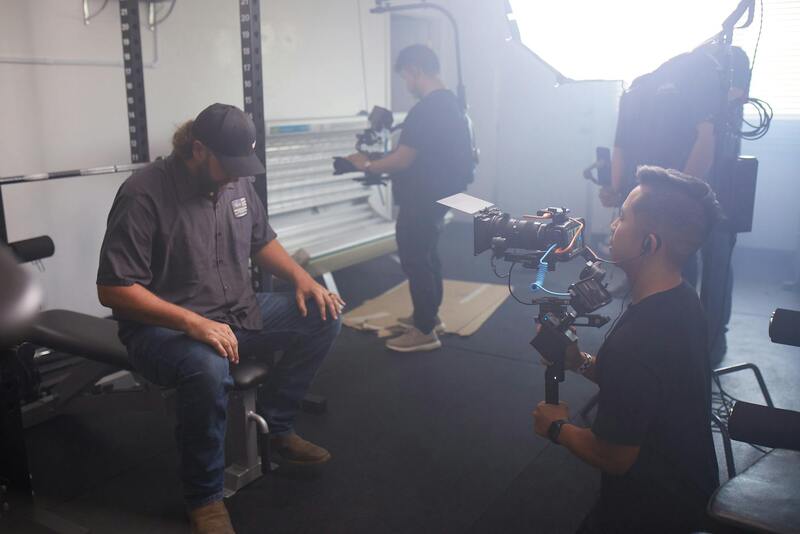
Integrating interactive functionalities such as live polling, audience Q&A, chat rooms, and virtual networking lounges transforms standard webcasts into immersive experiences. These features encourage active participation, provide immediate feedback, and foster networking among participants. Innovative tools like augmented reality (AR) overlays or virtual backgrounds can also boost the production value. When executed professionally, these enhancements serve to retain viewers’ attention, increase their satisfaction, and convey a sense of community connectedness.
Adopting Cutting-Edge Technologies and Future Innovations
In the realm of live webcasting, staying ahead means adopting emerging technologies such as 4K streaming, 5G connectivity, and cloud-based production workflows. These innovations facilitate higher resolutions, faster data transfer, and scalable infrastructure that can easily adapt to fluctuating audience sizes. Additionally, artificial intelligence (AI) can be used to automate captioning, content moderation, and personalized viewing recommendations. As Miami’s event landscape evolves, local production companies are increasingly investing in these technologies to deliver state-of-the-art streaming experiences that are interactive, reliable, and visually stunning.
Ensuring Accessibility and Inclusivity
To extend accessibility and inclusivity, live webcasting services are employing features such as real-time closed captioning, sign language interpretation, and audio descriptions. These accommodations ensure content is accessible to viewers with diverse needs, promoting broader engagement. Implementing such features requires specialized expertise and tools, and the most professional webcasting providers in Miami integrate these seamlessly into their workflows. Moreover, a comprehensive approach to accessibility enhances the reputation of the event and demonstrates a commitment to diversity and inclusion.