
Understanding Livestreaming Production
Livestreaming production has become an essential component of modern event broadcasting, especially in vibrant hubs like Miami. It involves the comprehensive process of capturing, managing, and transmitting live video content to audiences across digital platforms. Unlike traditional video recording, livestreaming enables real-time interaction, instant viewer engagement, and immediate content sharing, making it a dynamic tool for businesses, entertainment, education, and corporate communications.
At its core, livestreaming production combines a variety of technical elements to ensure a seamless viewing experience. These include high-quality video capture equipment, robust audio systems, reliable internet connections, and sophisticated streaming platforms. The goal is to deliver high-definition content with minimal latency, allowing viewers to feel as though they are physically present at the event.
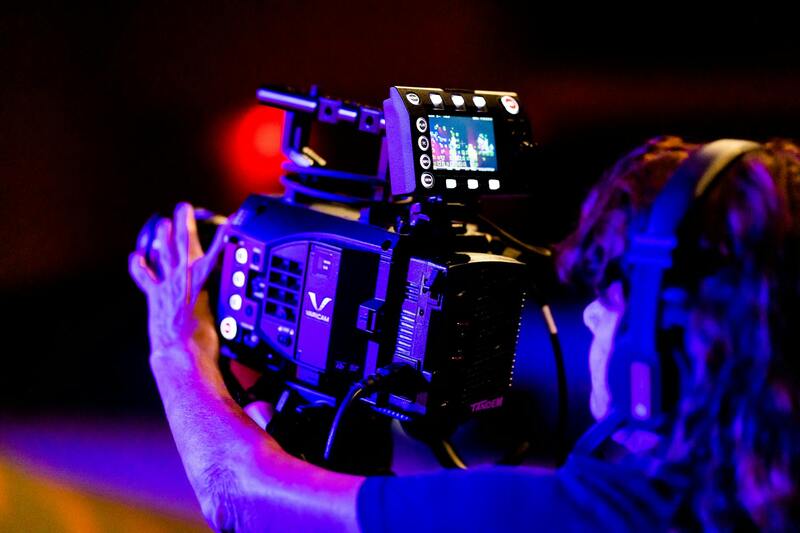
Livestreaming plays a pivotal role in defining how events are shared in the digital age. It encompasses a wide range of events from corporate conferences, product launches, or live performances to educational seminars and religious gatherings. In Miami, a city renowned for its diverse cultural landscape and vibrant business environment, livestreaming allows local organizations to reach global audiences effectively. This capability supports broader outreach, enhances brand visibility, and fosters real-time interaction with viewers.
The purpose of livestreaming production extends beyond mere video transmission; it encapsulates content management, visual storytelling, and strategic communication. Effective livestreaming teams are skilled at handling all phases—from initial planning and content development to live execution and post-event analysis. This ensures that each stream aligns with the intended message, engages viewers, and meets the specific needs of each client or event.
Furthermore, the technical expertise involved in livestreaming production guarantees high production values—sharp visuals, clear audio, and stable streaming—even in challenging environments or outdoor settings. Professional livestreaming advocates in Miami employ advanced tools and a thorough understanding of digital platforms to optimize delivery. The result is a polished broadcast that elevates the perceived quality of any event, helping brands build trust and credibility among their audiences.
Thus, understanding the multifaceted nature of livestreaming production is essential for anyone looking to harness this powerful communication channel. It offers opportunities for engagement, brand expansion, and innovative storytelling, making it a vital aspect of contemporary content dissemination in Miami and beyond.
Key Equipment and Technology
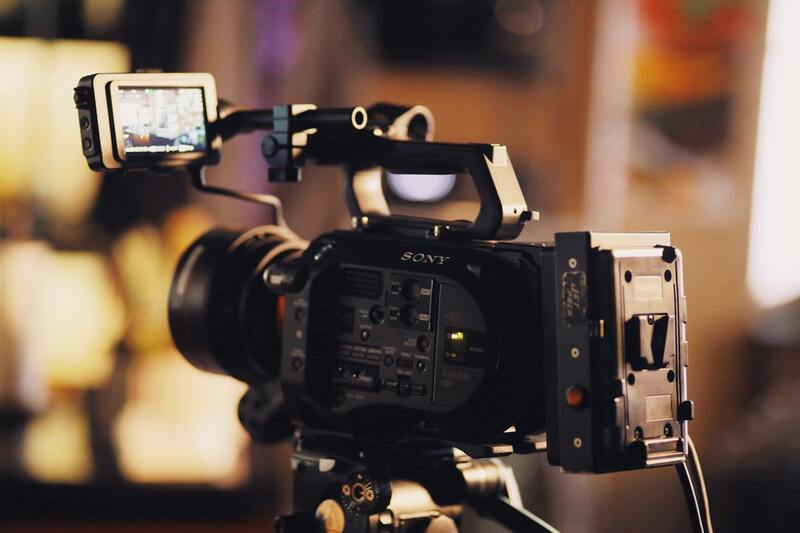
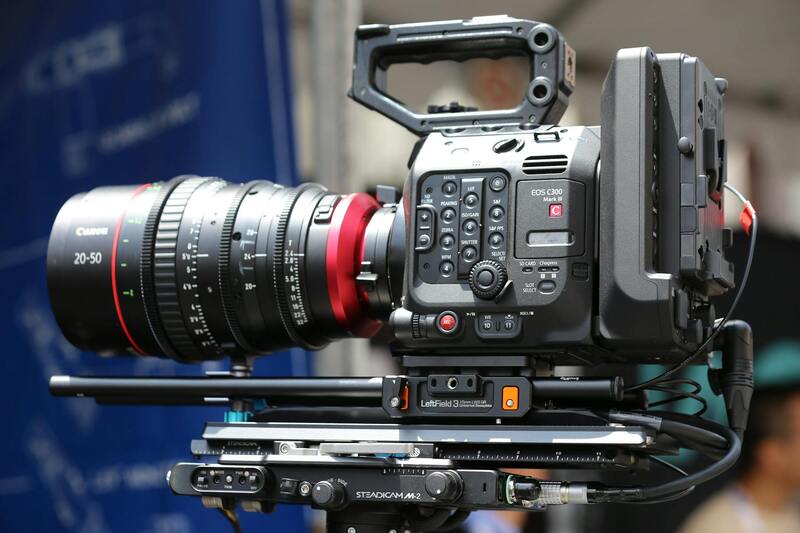
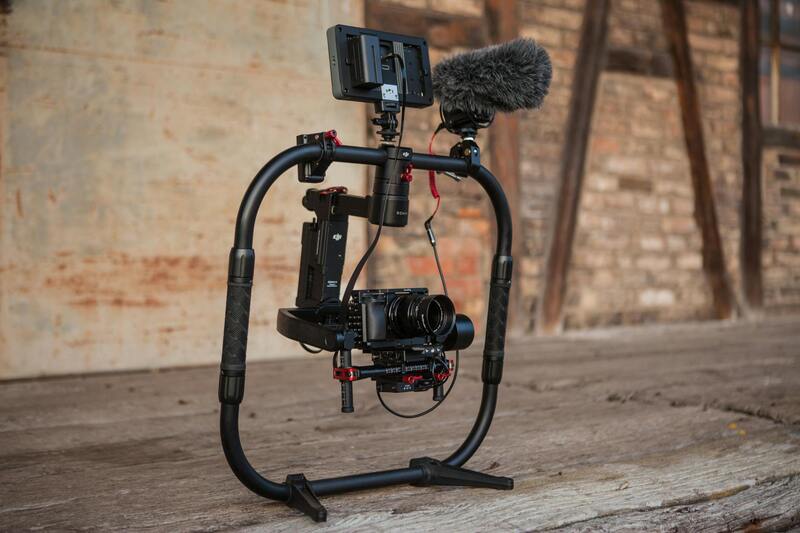
Effective livestreaming production relies heavily on a comprehensive array of hardware and software tools that work in unison to deliver seamless broadcasts. High-quality cameras form the backbone of any professional stream, capturing crisp visuals that keep viewers engaged. Frequently, multiple cameras are used to provide varied angles and dynamic visuals, especially during live events such as conferences, concerts, or sporting competitions. These cameras are often paired with professional lenses and stabilizers to ensure clarity and stability even in fast-paced environments.
Encoders are vital for converting raw video and audio signals into digital data suitable for streaming on the internet. Hardware encoders, which are dedicated devices, provide reliable, high-quality encoding with minimal latency, ideal for high-stakes productions. Software encoders, on the other hand, offer flexibility and are suitable for smaller or more budget-conscious setups. Both options must be compatible with a range of streaming platforms to ensure smooth data transmission during the broadcast.
Audio quality is equally important, and professional-grade microphones, mixers, and audio interfaces ensure clear, balanced sound. This equipment must adapt to different environments—indoor, outdoor, noisy settings—maintaining audio fidelity at all times. In many cases, redundant audio paths and backup microphones are employed to prevent disruptions.

Streaming platforms and management software are integral to controlling the broadcast's flow. Content management systems enable producers to switch between camera views, add graphics, and incorporate multimedia elements seamlessly. Platforms like YouTube Live, Facebook Live, and specialized enterprise streaming solutions provide scalable options tailored to different event sizes and audiences.
Additional tools such as graphics generators, teleprompters, and remote control panels enhance the overall production, allowing for a professional and engaging viewer experience. Cutting-edge innovations now integrate virtual sets and augmented reality overlays, transforming standard streams into immersive visual presentations. These technological advancements provide producers with creative flexibility and elevate the overall quality of the broadcast.
In a competitive landscape like Miami, leveraging the latest equipment not only ensures broadcast excellence but also fortifies a producer’s reputation for delivering polished, professional content. Maintaining an up-to-date inventory of hardware and software solutions is a cornerstone of successful livestreaming production.
Ensuring Reliable Streaming through Proper Network Infrastructure
For a seamless livestreaming experience, establishing a robust network infrastructure is fundamental. Reliable internet connectivity is the backbone of successful live broadcasts, especially in dynamic environments like Miami where fluctuating network conditions can impact stream quality. Leveraging dedicated fiber-optic connections or high-bandwidth business internet services minimizes latency and buffering, ensuring a stable connection throughout the event. To further enhance stability, professionals often utilize network bonding techniques. This involves aggregating multiple internet connections—such as Ethernet, 4G/5G cellular data, and Wi-Fi—into a single, more reliable feed. This redundancy reduces the risk of disruptions due to network failures or congestion. Quality of Service (QoS) configurations are also employed on local networks to prioritize streaming data over other internet traffic. This prioritization guarantees that live video streams receive the necessary bandwidth and minimal latency, even during peak usage times. Security measures, including firewalls and encrypted data streams, are essential to safeguard the production from cybersecurity threats. A secure network not only protects sensitive content but also contributes to uninterrupted streaming. When working with a professional livestreaming provider, thorough network assessments and tests are conducted in advance. These evaluations identify potential weak points and allow for targeted enhancements, ensuring that the video output remains pristine regardless of external conditions. Proper network infrastructure extends beyond just internet connectivity. It encompasses the entire local network environment, including switches, routers, and dedicated hardware designed for multimedia transmission. Optimized hardware setup and proper cabling practices are critical to achieve the highest quality. Integrating network management tools allows real-time monitoring of data flow and bandwidth usage. These tools enable quick detection of issues and adjustments during live events, keeping the stream stable and professional. In the competitive landscape of Miami's live event scene, prioritizing network reliability is a strategic move. It affirms a production team's capacity to deliver high-quality, uninterrupted content that meets the expectations of sophisticated audiences and clients alike.
Production Setup and Execution
Effective livestreaming production hinges on meticulous on-site setup and the seamless execution of technical tasks. Prior to the live event, comprehensive planning ensures that all equipment is correctly configured, checked, and tested to prevent disruptions during the broadcast. This pre-event arrangement includes verifying camera placements, establishing reliable connections, and calibrating audio systems to guarantee sound clarity across all channels.
On the day of the event, a dedicated crew manages camera operation, ensuring optimal angles and framing to capture the event's essence. Skilled operators handle multi-camera switching, providing dynamic visuals that engage viewers. Simultaneously, audio engineers finely tune sound levels, balancing speech, music, and ambient sounds to deliver clear, professional-quality audio throughout the stream.
Directors play an integral role in overseeing the broadcast, coordinating visual flow with the overall event narrative. They utilize real-time monitoring dashboards to control camera feeds and audio inputs, ensuring synchronized delivery. In parallel, technicians monitor equipment performance and respond swiftly to any technical hiccups, such as signal interference or hardware malfunctions, minimizing viewer disruptions.
Audio mixing is particularly critical, requiring expertise to manage multiple sources—microphones, musical performances, and ambient sounds—ensuring a balanced and immersive auditory experience. This process involves adjusting levels in real-time to account for varying sound dynamics within the event space.
Efficient management of live feeds involves switching between multiple camera angles, incorporating graphics or overlays, and controlling transition effects to enhance visual engagement. For live interviews or Q&A sessions, seamless integration of remote calls or panellist feeds is facilitated through advanced streaming hardware and software.
All these elements demand a coordinated effort from a dedicated onsite team that can adapt swiftly to the live environment's unpredictable nature. Proper planning, experienced personnel, and reliable technology together ensure a smooth, professional livestream that resonates with viewers and meets event objectives.
Understanding Livestreaming Production
Comprehensive Workflow for High-Quality Broadcasts
Effective livestreaming production relies on a meticulously coordinated workflow that encompasses every stage of the event, from initial planning to post-broadcast analysis. Ensuring a seamless flow begins with detailed pre-production activities, where content organizers define objectives, develop a schedule, and assign roles to technical personnel. During the actual broadcast, diligent control over visual and audio elements is paramount to delivering a polished experience.
One of the core components of a successful livestream is the integration of diverse technical elements, including multiple video sources, live graphics, and synchronized audio. This demands a team adept at managing complex systems that facilitate transitions and overlays, maintaining visual coherence while responding dynamically to the event's unfolding aspects. Maintaining a high level of communication among technical staff ensures rapid adjustments and problem resolution, which are essential in a live environment.
Technical Synchronization and Quality Assurance
Synchronization plays a crucial role in maintaining production quality. Multiple camera angles need to be seamlessly transitioned without disrupting the viewer's immersion. Audio needs to be balanced accurately, especially when managing varied sources, such as live speeches, musical performances, or ambient sounds. These tasks require real-time monitoring and precise adjustments by skilled technicians.
Technical redundancy is also critical for uninterrupted service. Redundant internet connections, backup power supplies, and fail-safe hardware configurations help mitigate potential disruptions. Continuous system health monitoring enables early detection of issues, which can then be addressed swiftly, preserving the quality of the broadcast.

Stream Management and Delivery
Effective management of a live stream is critical to ensure seamless delivery and viewer engagement. This involves a combination of robust infrastructure, reliable platform selection, and strategic operation, all geared toward delivering high-quality content without interruptions. One of the main considerations is selecting a streaming platform that offers high uptime, flexible configuration options, and support for multiple streaming protocols, such as RTMP, HLS, and DASH, to reach a broad audience across devices and networks.
During the live broadcast, continuous monitoring of stream health is essential. This includes checking latency, stream stability, and viewer analytics in real time. Employing specialized software can help identify issues instantly, allowing technicians to troubleshoot and rectify problems swiftly, minimizing viewer disruptions. In addition, adaptive bitrate streaming technology dynamically adjusts video quality based on viewers’ internet bandwidth, providing a smoother experience for all users.

Another vital aspect is the use of Content Delivery Networks (CDNs). CDNs distribute your content across multiple servers worldwide, reducing latency and buffering issues for viewers regardless of their geographic location. This enhances the viewing experience and reduces the risk of stream interruption due to network congestion.
Pre-planned fail-safes, such as backup internet connections and redundant hardware, are integral to uninterrupted streaming. In case primary systems encounter issues, backup solutions can automatically take over, ensuring continuous broadcast flow. Having a clear protocol for troubleshooting technical problems, including quick system resets and hardware swaps, can significantly reduce downtime and preserve broadcast quality.
On the operational front, managing viewer engagement metrics in real-time allows producers to gauge audience response and adjust content delivery accordingly. Live chat moderation and interactive features add a layer of engagement, making viewers feel involved and enhancing their overall experience.
Ultimately, the success of a livestream depends not just on the quality of the production but on the efficiency of its management and delivery systems. A well-coordinated approach to monitoring, redundancy, and adaptive streaming leads to a resilient broadcast capable of attracting and retaining viewers throughout the event.
Understanding Livestreaming Production
Livestreaming production encompasses a comprehensive suite of activities essential for delivering professional-grade live broadcasts. It involves careful coordination of equipment, technology, and personnel to ensure a seamless viewing experience. From content creation and technical setup to real-time management and post-event analysis, every phase demands meticulous planning and execution.
At its core, effective livestreaming production requires a blend of creative and technical skills. Content producers focus on the narrative and overall flow, while technical teams handle the operation of cameras, audio devices, encoding equipment, and streaming platforms. This collaboration enables smooth transitions, clear visuals, and crisp audio, which are fundamental to engaging viewers and conveying messages effectively.

Ensuring a high-quality broadcast also involves strategic planning for various contingencies—such as technical failures or unexpected disruptions—that could compromise the stream. Establishing robust protocols for troubleshooting, backup systems, and real-time problem resolution minimizes downtime and maintains audience engagement. Furthermore, a thorough understanding of the target audience and platform preferences informs content and technical choices, aligning production quality with viewer expectations.
Key Equipment and Technology
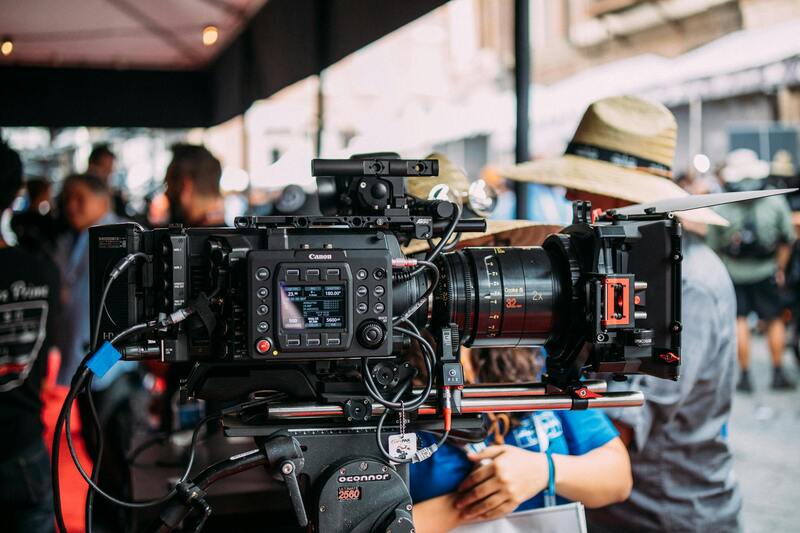
Successful livestreaming relies heavily on advanced equipment and reliable technology. The foundation includes high-definition cameras capable of capturing crisp visuals, professional-grade audio equipment including microphones and mixers, and encoding hardware or software that compress and transmit the stream efficiently.
Supplementary devices such as switchers facilitate seamless camera transitions, while monitors display real-time feedback for producers. Additionally, the choice of a high-speed internet connection and redundancy options like backup internet ensure continuous stream delivery, even during network challenges.
Modern streaming workflows incorporate software solutions for multi-camera editing, live graphics, and real-time chat management, enhancing viewer engagement. Content delivery networks (CDNs) are employed to distribute the stream across global servers, significantly reducing latency and buffering issues. Combined, these technologies and equipment form the backbone of a professional livestream.
Pre-Production Planning
Preparation is a crucial phase that sets the stage for a successful livestream. Pre-production involves defining the event’s objectives, scripting key segments, and coordinating the technical aspects such as camera angles, graphics, and audio cues. Detailed planning ensures a coherent flow and minimizes surprises during the live event.
Coordination with presenters and technical staff allows for synchronized timing and troubleshooting strategies. Testing all equipment and connectivity beforehand reduces the risk of on-air issues. Additionally, securing necessary permits, preparing backups for critical hardware, and establishing communication channels among team members contribute to a smooth operation.
Production Setup and Execution
During the event, real-time management is critical. This includes operating cameras, switching between different angles, controlling audio levels, and managing visual effects. Skilled directors and operators oversee these tasks to produce a polished and engaging broadcast.
Monitoring the stream continuously allows the production team to identify and resolve issues promptly. Using multiple encoders and synchronized monitoring tools ensures consistent quality and coverage. Adaptive streaming practices and content delivery strategies address variable viewer bandwidths, maintaining the integrity of the broadcast regardless of network conditions.
Engagement features such as live chat moderation and interactive polls are integrated to foster viewer participation, which can significantly enhance the overall experience. A dedicated team should be prepared with troubleshooting protocols to handle technical emergencies swiftly and maintain broadcast continuity.
Stream Management and Delivery
The management phase involves overseeing the continuous flow of data, overseeing encoding quality, and maintaining a stable connection to streaming platforms via CDN services. Proper stream management ensures minimal latency and buffering, optimizing viewer satisfaction.
Redundancies like backup internet connections and hardware are essential, offering fail-safe options should primary systems fail. Real-time analytics provide insights into viewer engagement and stream health, enabling producers to make informed adjustments on the fly. This proactive approach maintains stream reliability and viewer retention over extended broadcasting periods.
Effective communication tools within the production team facilitate rapid responses to emerging issues. Moreover, post-stream debriefs and data analysis provide valuable feedback for future improvements, helping to refine production workflows, technological configurations, and content strategies.
Ensuring Stream Stability and Quality
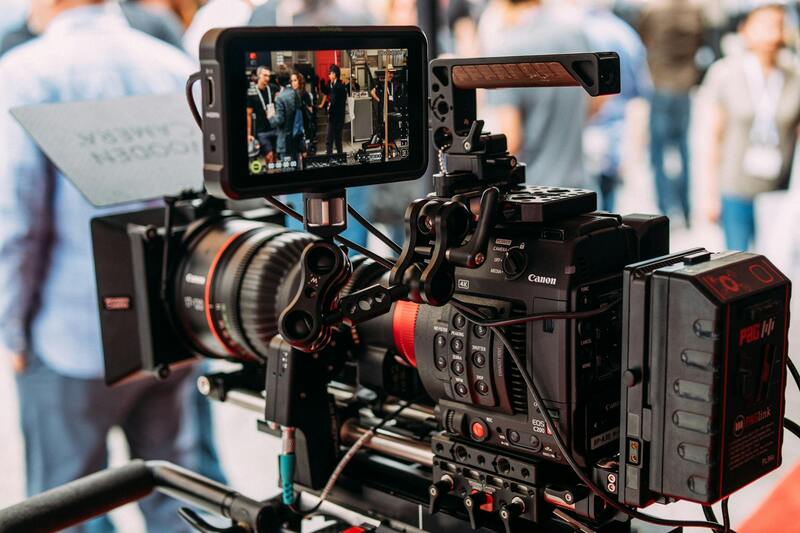
Maintaining a high-quality livestream requires meticulous attention to the technical infrastructure supporting your broadcast. Key to this is the implementation of advanced stream management systems that monitor encoding processes, bandwidth utilization, and connection stability. Employing professional-grade encoders ensures optimal video and audio quality while minimizing latency. These devices continuously analyze data streams to detect and rectify issues proactively, preventing interruptions and buffering that can detract from viewer experience.
Furthermore, the use of Content Delivery Networks (CDNs) plays a significant role in expanding reach and ensuring consistent delivery across diverse geographic locations. CDNs distribute the stream efficiently by routing viewer requests to the nearest server, reducing load times and buffering. To enhance reliability, deploying redundant internet connections and backup hardware creates fail-safe options that activate instantly if primary systems experience failure, thus safeguarding the broadcast from unexpected disruptions.
Real-time analytics are indispensable tools that provide comprehensive data on viewer engagement, stream health, and network performance. By continuously monitoring these metrics, production teams can adjust bitrates, resolve issues swiftly, and optimize overall stream delivery. This proactive approach minimizes latency and ensures seamless viewing experiences.
Implementing Redundancies and Monitoring
- Dual internet connections to prevent broadcast interruptions.
- Backup power supplies for critical equipment to maintain operation during outages.
- Regular hardware testing to identify and address potential vulnerabilities.
- Use of dedicated monitoring dashboards that display real-time data on stream status and network health.
- Integration of troubleshooting protocols and rapid response procedures to address emergent issues efficiently.
Technical teams should prioritize comprehensive pre-broadcast testing, including connection stability, audio-visual synchronization, and stream quality checks. This preparation ensures any potential problems are identified and resolved before going live, reducing the risk of unforeseen disruptions during the event.
Leveraging Professional Support and Technological Solutions
Partnering with experienced livestream production providers offers access to state-of-the-art equipment and expert support. These specialists employ advanced solutions such as multi-stream encoding, adaptive bitrate streaming, and automated failover systems to safeguard broadcast integrity. Additionally, ongoing staff training in the latest livestreaming technologies and protocols ensures that production teams remain equipped to handle technical challenges swiftly and effectively.

Investing in these official methodologies fosters a resilient streaming environment capable of adapting to network fluctuations and technical anomalies, ultimately delivering a polished and engaging live event for viewers across all platforms.