
Understanding Live Video Services
Live video services refer to the technology and platforms that enable real-time video broadcasting over the internet. These services allow organizations, event organizers, marketers, and individuals to transmit live footage directly to their audience with minimal latency and high quality. Unlike traditional broadcast methods that require significant infrastructure and waiting for post-production, live video services facilitate immediate engagement, interaction, and content dissemination.
In industries such as event production, live video services are essential for streaming conferences, concerts, webinars, and sports events to viewers across various locations. Digital marketing heavily relies on live streaming to enhance brand visibility, foster customer engagement, and deliver interactive content. Social media platforms and dedicated streaming solutions have expanded the reach and accessibility of live videos, making them a crucial tool for communication and content delivery in modern business strategies.
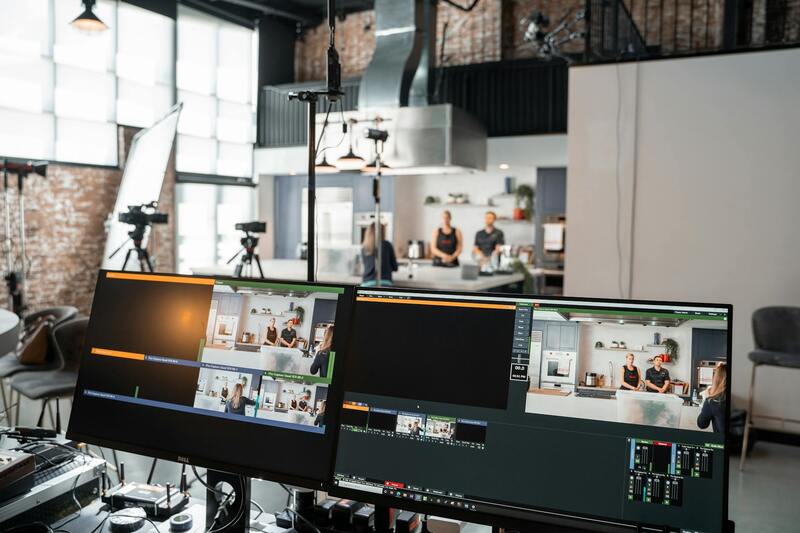
Key Features of Live Video Services
- Real-Time Streaming: The core feature that allows viewers to watch content as it happens, eliminating delays.
- High-Quality Video Output: Support for HD and 4K resolutions ensures clear visuals for viewers.
- Multiple Platform Compatibility: Integration with various social media platforms and websites for broader reach.
- Interactivity Tools: Features such as live chat, polls, and Q&A sessions promote viewer participation.
- Scalability: Services can support audiences ranging from small groups to thousands of viewers without compromising quality.
- Security Measures: Encrypted streams and access controls protect content from unauthorized viewing.
Benefits of Using Live Video for Businesses
Adopting live video services offers numerous advantages for businesses looking to enhance their digital presence. Live streaming builds authentic engagement by providing real-time access to products, services, or events. It fosters a sense of immediacy and exclusivity, encouraging viewers to participate actively. Additionally, live videos can significantly increase reach and visibility, attracting new audiences organically through social sharing and platform algorithms.
Businesses utilizing live videos can also gather instant feedback, enabling immediate response and interaction that traditional marketing methods cannot provide. It supports broader marketing campaigns, product launches, and customer service initiatives, creating a dynamic environment for brand storytelling. The data generated from viewer interactions during live streams can also inform future marketing strategies, ensuring content remains relevant and targeted.

Types of Live Video Services
There are various forms of live video services tailored to different needs and platforms. These include:
- Web-Based Streaming Platforms: Services that operate directly through internet browsers, allowing quick setup and distribution without extensive hardware requirements.
- Dedicated Live Streaming Software: Applications designed for professionals that offer advanced editing, multi-camera support, and integration capabilities.
- Social Media Live Features: Built-in live streaming options on platforms like Facebook, Instagram, YouTube, and LinkedIn, optimized for maximum reach and engagement.
- Custom Streaming Solutions: Tailored services that incorporate specific production needs, branding, and interactive elements, often involving dedicated servers and professional equipment.
These varied types allow organizations to select solutions that align with their technical requirements, audience size, and content goals, ensuring effective delivery and viewer engagement.
Technical Aspects of Live Video Streaming
Delivering a seamless live video experience hinges on the robustness of both infrastructure and technology. A key component is the streaming protocol, which governs how video data is transmitted over the internet. Common protocols like RTMP (Real-Time Messaging Protocol) are prevalent for their low latency and reliable data delivery, making them suitable for live broadcasts where real-time interaction is vital.
Adaptive bitrate streaming plays an essential role by dynamically adjusting video quality based on the viewer's internet speed. This approach ensures continuous, uninterrupted viewing, minimizing buffering and enhancing user experience across diverse network conditions.
Content Delivery Networks (CDNs) are instrumental in the efficient distribution of live streams. They cache content across multiple global servers, reducing latency and preventing server overloads during high traffic periods. This infrastructure guarantees that viewers access streams smoothly, regardless of their geographical location or the volume of concurrent viewers.

Implementing encryption protocols such as TLS (Transport Layer Security) and secure tokens ensures that live streams remain protected against unauthorized access. This security aspect is critical for maintaining broadcast integrity and safeguarding proprietary content.
Another important element is latency management. Lower latency is crucial for live interactions to feel immediate and authentic, especially during events like product launches or Q&A sessions. Technologies such as WebRTC (Web Real-Time Communication) are designed to facilitate ultra-low latency streaming, making real-time engagement possible.
Choosing the Right Technology Stack
Selection of appropriate hardware and software tools significantly influences stream quality. High-definition cameras, encoders, and reliable internet connections form the foundation for professional live broadcasts. Encoding hardware or software converts raw video feeds into formats suitable for streaming, with options tailored for different scales and budgets.
Integrating stream management platforms that offer features such as chat moderation, viewer analytics, and multi-camera switching can elevate the production value. These components enable broadcasters to maintain high standards of quality and engagement during live sessions.

Choosing a service provider with scalable solutions ensures that growth in viewership does not compromise broadcast quality. Whether a small business hosting a local event or a large corporation streaming nationwide, the ability to expand infrastructure quickly and efficiently is paramount for a successful live video campaign.
Monitoring and Troubleshooting Live Streams
Continuous monitoring of stream health during broadcasts allows operators to identify and address issues promptly. Tools and dashboards provide real-time insights into bandwidth usage, stream stability, and viewer engagement metrics. Quick reaction to disruptions minimizes downtime and preserves the professional appearance of the broadcast.
Implementing fallback strategies, such as redundant encoders or backup streams, adds an extra layer of reliability. This preparedness ensures that even in the event of technical difficulties, the broadcast can continue seamlessly, maintaining audience confidence and participation.
Understanding Live Video Services
Live video services have become an essential component for organizations seeking to foster real-time engagement with their audiences. These platforms enable seamless transmission of live content across multiple devices and networks, ensuring viewers experience minimal latency and high-quality streams. The core function of a live video service involves capturing video footage via professional cameras or mobile devices, encoding this raw footage into streaming-compatible formats, and delivering it through robust content delivery networks (CDNs). This process supports both small-scale local events and large-scale international broadcasts. Reliable live video services incorporate adaptive bitrate streaming, which dynamically adjusts video quality based on viewers' internet speeds, providing a smooth viewing experience regardless of bandwidth fluctuations.

Beyond the technical infrastructure, a comprehensive live video service includes multi-platform streaming capabilities—allowing content to be broadcast simultaneously on websites, social media platforms, and custom apps. This multi-channel approach broadens reach and increases viewer engagement. Furthermore, integrated management features such as chat moderation, real-time analytics, and viewer interaction tools provide broadcasters with insights to optimize content delivery and foster community engagement. Security protocols, like encryption and access controls, safeguard the stream from unauthorized viewing. As technology advances, additional features such as 360-degree video, augmented reality overlays, and integration with other multimedia systems are becoming standard offerings in modern live video services.
Integral to the success of live broadcasts is a resilient infrastructure capable of handling peak traffic. Providers often offer scalable solutions that allow organizations to expand their streaming capacity as viewer numbers grow. This flexibility is crucial for maintaining high standards of quality and ensuring audience satisfaction. Monitoring tools operated by the service provider continuously track stream health, bandwidth consumption, and viewer interactions, enabling real-time troubleshooting and swift problem resolution. In scenarios where technical difficulties arise, backup streams or redundant encoders serve as fail-safes, ensuring uninterrupted delivery and preserving the professionalism of the broadcast.
Image Placeholder:

Choosing a live video service involves evaluating technical features, support options, and scalability to match organizational goals. Providers with extensive experience and proven track records in delivering high-quality streams help build confidence and ensure reliable performance. Compatibility with existing hardware and software, ease of integration, and customer support responsiveness are vital considerations. Additionally, comprehensive testing before live deployment ensures all components function optimally, minimizing the risk of disruptions during critical broadcasts. As innovation continues, live video services leverage advancements in cloud computing, artificial intelligence, and high-efficiency codecs to enhance capabilities and deliver even more sophisticated streaming experiences.
Understanding Live Video Services
Live video services have become essential tools for organizations aiming to connect with their audiences in real time. These platforms facilitate the transmission of high-quality video content broadcasted directly over the internet, enabling seamless engagement during live events, announcements, and interactive sessions. The core value of a live video service lies in its ability to deliver dynamic content to viewers regardless of their geographical location, making it an invaluable resource for businesses, educational institutions, entertainment venues, and governmental organizations.
Implementing a reliable live video service involves various technical components designed to ensure smooth streaming experiences. From dedicated encoders that capture and compress video signals to content delivery networks (CDNs) that distribute the stream efficiently, every element is optimized for maximum uptime and consistency. These services utilize advanced protocols like RTMP, HLS, and DASH to adapt to different devices and network conditions, allowing audiences to enjoy uninterrupted viewing on desktops, tablets, and smartphones.
Furthermore, live video services are supported by comprehensive infrastructure that monitors stream health, manages bandwidth allocation, and enables real-time troubleshooting. Backup streams and redundant encoding setups safeguard against technical failures, maintaining broadcast continuity even in unforeseen circumstances. Such systems are managed by professionals who oversee signal quality and viewer engagement metrics, ensuring a polished presentation from start to finish.

Key Features of Live Video Services
- High-Quality Streaming: Support for HD and 4K resolutions with adaptive bitrate streaming to accommodate varying internet speeds.
- Real-Time Interaction: Live chat, polls, and Q&A features foster audience engagement and immediate feedback.
- Scalability: Infrastructure capable of expanding capacity to accommodate growing viewer numbers without compromising quality.
- Security Measures: Encryption, secure login, and DRM ensure content protection and prevent unauthorized access.
- Compatibility: Seamless integration with various hardware and software tools, including microphones, cameras, and streaming platforms.
- Analytics and Reporting: In-depth data on viewer demographics, engagement levels, and stream performance to inform future content strategies.
Benefits of Using Live Video for Businesses
Leveraging live video services can significantly enhance a company's outreach and engagement strategies. Real-time broadcasts foster a sense of immediacy and authenticity, crucial for product launches, corporate communications, and customer support initiatives. Businesses can use live streams to showcase new offerings, host virtual events, or deliver training sessions directly to their target audiences.
Additionally, live video provides ample opportunities for immediate interaction, which can increase viewer loyalty and brand trust. The ability to respond to viewer questions, gather instant feedback, or conduct live polls helps tailor content dynamically based on audience interests. This interactivity not only boosts engagement metrics but also provides valuable insights into customer preferences and behaviors.
Operationally, live streaming can reduce costs associated with physical events, such as venue rental, travel, and accommodations, while expanding reach to remote or international audiences. As the integration of live video continues to evolve, organizations can also incorporate analytics to refine their messaging and improve audience targeting. The combination of accessibility, interactivity, and data-driven insights makes live video an indispensable component of modern digital communication strategies.
Choosing a Live Video Service Provider in Miami
Selecting the appropriate live video service provider in Miami involves a careful assessment of several critical factors to ensure a seamless and professional broadcast. Businesses should prioritize providers with extensive experience in live streaming, particularly those familiar with the unique demands of the local market and the specific needs of their industry. An accomplished provider will demonstrate a robust portfolio of past projects, showcasing their ability to deliver high-quality streams across various event types, whether corporate webinars, product launches, or public events.
Technical capabilities are a key consideration. The provider should utilize cutting-edge technology that guarantees reliable streaming without interruptions. This includes high-definition video quality, adaptive streaming to accommodate different devices and bandwidths, and redundancy systems to prevent downtime. Moreover, providers offering scalable solutions can adapt to the size and complexity of your event, from small internal meetings to large public broadcasts.
Customization options are equally important. A provider should be able to tailor the streaming experience with features such as branded overlays, interactive chat, real-time analytics, and multi-camera setups. These enhancements can significantly elevate viewer engagement and reinforce brand visibility. Additionally, flexible integration with your existing digital infrastructure—such as websites, social media platforms, and analytics tools—is essential for comprehensive content management and audience reach.

Customer support remains a vital aspect. A top-tier provider offers responsive technical assistance before, during, and after the event, ensuring any issues are swiftly resolved. Transparent pricing models and detailed service proposals allow you to evaluate the value offered and make informed decisions.
Evaluating Potential Providers
- Experience and Portfolio: Review their past projects and client testimonials.
- Technical Capabilities: Confirm their equipment, streaming platform reliability, and support for interactive features.
- Customization: Assess their ability to personalize the live stream to match your branding and functional requirements.
- Support and Communication: Ensure they provide comprehensive support and clear communication channels.
- Cost and Contract Terms: Understand their pricing structure, cancellation policies, and service level agreements.
By thoroughly evaluating these aspects, businesses can identify a Miami-based live video service provider that aligns with their objectives and technical standards, facilitating smooth and impactful live broadcast experiences.
Integration and Equipment Requirements
Successful live video broadcasting hinges on a meticulous integration of hardware and software components tailored to your specific needs. Fundamental to this process is understanding the technical setup necessary to ensure a seamless streaming experience. This involves selecting high-quality cameras capable of capturing crisp visuals in various lighting conditions, coupled with professional-grade microphones that deliver clear audio essential for audience engagement.
In addition to capture devices, reliable encoding hardware or software is indispensable for converting raw footage into streamable formats. Modern streaming platforms often support integration with software encoders that offer versatility and control over broadcast quality and settings. These tools should be compatible with your existing digital infrastructure, allowing for efficient workflow management based on your operational scale.

Furthermore, robust internet connectivity with sufficient bandwidth is critical to prevent buffering and ensure broadcast stability. Typically, a wired Ethernet connection guarantees the most reliable performance compared to Wi-Fi networks, which can be susceptible to interference and fluctuations.
Complementary hardware such as monitors, audio mixers, and backup power supplies (UPS) provides additional layers of reliability, minimizing downtime during live events. Integration with existing systems—like content management platforms, analytics tools, and social media channels—facilitates smooth content dissemination and comprehensive audience analytics.
Software solutions should support multi-platform streaming, allowing broadcasts to simultaneously reach viewers on various social media outlets and websites. Compatibility with mobile devices and adaptive streaming technologies further enhances viewer experience, ensuring high-quality video delivery regardless of device or network conditions.
Implementing an efficient, compatible set of tools and systems requires careful planning and expert consultation. A dedicated Miami-based live video service provider can assess your existing infrastructure, recommend suitable equipment, and facilitate the integration process—ensuring your live broadcasts are both technically sound and visually compelling.
Understanding Live Video Services
Live video services have revolutionized the way organizations, brands, and individuals communicate with their audiences. They enable real-time broadcasting, allowing content to be delivered instantaneously through various digital channels. Such services encompass a broad spectrum of functionalities, from simple one-camera streams to complex multi-camera productions integrated with high-quality audio, graphics, and interactive features. The core appeal of live video lies in its immediacy and authenticity, fostering a genuine connection with viewers. This makes it an invaluable tool for marketing campaigns, corporate communications, educational seminars, and entertainment programs, among others.
Leveraging live video services offers a dynamic platform for engaging target audiences and expanding reach beyond traditional media channels.
These platforms typically utilize dedicated servers, content delivery networks (CDNs), and adaptive streaming technologies to ensure seamless viewing experiences across different devices and network conditions. As technology advances, live video services increasingly incorporate features such as multi-angle switching, real-time chat, polling, and virtual event integrations to enhance viewer engagement and interactivity.
The Importance of Reliable Infrastructure
Ensuring consistent quality in live broadcasts demands a robust technical foundation. This includes high-bandwidth internet connections, capable encoding hardware, and backup systems that prevent interruptions during critical moments. The choice of a hosting platform with distributed infrastructures minimizes latency and buffering, delivering a smooth viewing experience. Additionally, proper hardware setup—which may comprise professional cameras, microphones, and mixing consoles—plays a pivotal role in capturing crisp visuals and clear audio, elevating the overall production quality.

The Role of Content Delivery Networks (CDNs)
CDNs are integral to the success of live streaming services, as they distribute the video content across multiple servers globally. This distributed approach reduces load times, mitigates bandwidth bottlenecks, and enhances viewer experience regardless of geographic location. Content must be encoded for compatibility with various devices, and adaptive bitrate streaming ensures viewers receive the highest possible quality based on their available network speed.

Optimizing Quality and Security
When deploying live video services, quality assurance and security are critical components. Professional-grade encoding and transmission hardware reduce latency and optimize resolution, providing crystal-clear visuals. Compatibility testing across devices ensures a consistent experience for all viewers. Concurrently, data encryption, secure login protocols, and access controls protect sensitive content from unauthorized access. Regular testing and monitoring allows for quick troubleshooting and technical adjustments to maintain broadcast fidelity throughout the event.
Implementing Redundancy Systems
Redundancy strategies involve deploying backup internet connections, alternative power supplies, and secondary streaming servers to mitigate potential points of failure. During live events, any disruption can significantly impact audience perception; hence, redundancy plays a crucial role in maintaining uninterrupted service. Advanced live video solutions also offer real-time analytics, enabling operators to monitor stream health, viewer engagement, and technical performance, allowing for immediate corrective measures if issues are detected.
In the Miami area, organizations benefit from local expertise that can tailor these technical setups to specific event requirements. Whether broadcasting a high-stakes conference or a multi-camera concert, proper planning and professional implementation are essential for success.
Advanced Technical Considerations for Live Video Services
Effective deployment of live video services extends beyond basic hardware setup and into sophisticated technical strategies that ensure a seamless, high-quality broadcast experience. For organizations seeking to elevate their live video initiatives, understanding these advanced considerations is essential for maximizing engagement and maintaining professionalism.
Optimizing Network Infrastructure
At the core of a reliable live video broadcast is a robust network infrastructure. This includes not only high-bandwidth internet connections capable of handling the high data rates associated with HD or 4K streaming but also those with low latency to prevent delays that can diminish viewer experience. Implementing multiple internet connections from different providers and establishing load balancing configurations can significantly reduce the risk of interruptions. Moreover, network hardware such as enterprise-grade routers and switches are vital to prioritize streaming traffic and avoid congestion during live events.
High-Quality Encoding and Compression
Encoding plays a pivotal role in translating raw audio-visual signals into streams suitable for online distribution. Advanced encoders facilitate real-time compression and provide adjustable bitrates, enabling broadcasters to balance quality and bandwidth consumption optimally. Modern encoding solutions often support adaptive bitrate streaming, which dynamically adjusts the video quality based on the viewer's bandwidth, ensuring consistent playback regardless of network fluctuations. Investing in professional-grade encoding equipment guarantees minimal latency and high-fidelity visuals.

Secure Transmission Protocols
Protecting live content from unauthorized access is critical, particularly for sensitive corporate, government, or premium entertainment broadcasts. Employing secure streaming protocols such as Secure Reliable Transport (SRT) or Real-Time Protocol (RTP) with encryption enhances security. Additionally, integrating robust authentication mechanisms ensures that only authorized viewers can access the stream. Regular audits and updates of security protocols further safeguard the integrity of the live content.
Monitoring and Quality Assurance
Constant stream monitoring is indispensable during live broadcasts. Real-time analytics tools provide insights into stream health, viewer engagement, and system performance metrics. Immediate detection of issues like jitter, packet loss, or synchronization errors enables on-the-fly adjustments. Implementing automated alert systems ensures that technical teams are promptly informed of any anomalies, allowing rapid intervention to maintain broadcast quality.
Strategic Redundancy Measures
To mitigate potential technical failures, deploying redundancy strategies is fundamental. This involves backup internet connections, secondary streaming servers, and uninterruptible power supplies (UPS). Such measures help sustain uninterrupted delivery, even during primary system failures or power outages. For large-scale live events, redundancy planning extends to multiple data centers and geographically dispersed server arrays, ensuring resilience and continuous service regardless of unforeseen disruptions.
Local Expertise and Custom Solutions in Miami
In the Miami area, partnering with local live video service providers offers distinct advantages. These providers possess a thorough understanding of regional infrastructure, regulations, and audience preferences. They can tailor technical setups—covering camera configurations, sound equipment, and streaming platforms—to meet specific event needs. Leveraging local expertise ensures high reliability and optimal engagement, especially for complex multi-camera productions or high-profile corporate events.

Best Practice Tips for Professional Live Video Production
- Implement comprehensive pre-event testing including camera angles, audio levels, internet stability, and encoding configurations.
- Utilize multiple camera angles to provide dynamic viewing experiences and maintain audience interest.
- Employ dedicated audio technicians to ensure clarity and minimize background noise or technical interference.
- Apply consistent branding and on-screen graphics to reinforce brand identity during the broadcast.
- Design an efficient technical team workflow for quick response to potential issues during the live event.
- Adopt scalable streaming solutions that can adjust to audience size fluctuations without compromising quality.
- Regularly update hardware and software components to leverage emerging advancements and functionalities.
Adhering to these best practices can significantly improve the quality and reliability of live broadcasts, fostering viewer trust and engagement in a highly competitive digital landscape.