
Understanding Live Stream Event Services
In recent years, live stream event services have become an essential component for hosting and broadcasting events with a wide online audience. These services facilitate real-time transmission of events ranging from corporate meetings and conferences to entertainment shows and community gatherings. Particularly in Miami, a vibrant hub for cultural, business, and entertainment activities, live streaming offers an effective way to extend an event’s reach, engaging audiences locally and globally. The core purpose of live stream event services is to deliver high-quality, uninterrupted broadcasts that allow viewers to experience the event as if they were physically present, regardless of their geographic location.
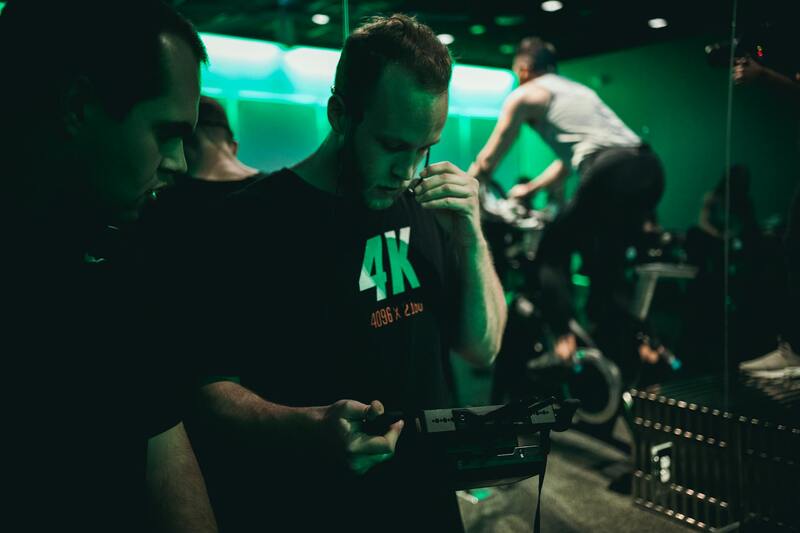
Key features of these services include low latency transmission, reliable connectivity, multiple platform integration, and high-definition video output. Through specialized platforms, event organizers can customize the viewing experience with interactive features such as real-time chat, polls, and on-demand content. Furthermore, live stream event services often include tools for event management, audience analytics, and post-event footage distribution, making them versatile solutions for various event sizes and types. In Miami, where diversity and innovation drive the local event scene, choosing the right live stream service can significantly elevate the event’s visibility and engagement.
Implementing a professional live streaming strategy involves more than just technology; it requires understanding audience expectations, ensuring technical reliability, and delivering content that maintains high visual and audio standards. When selecting a live stream event service, organizers should evaluate factors such as equipment quality, platform compatibility, and experience within the Miami event ecosystem. A well-established live stream provider in Miami can offer tailored solutions that meet the specific needs of different event scales and formats, ensuring a smooth broadcast from start to finish.
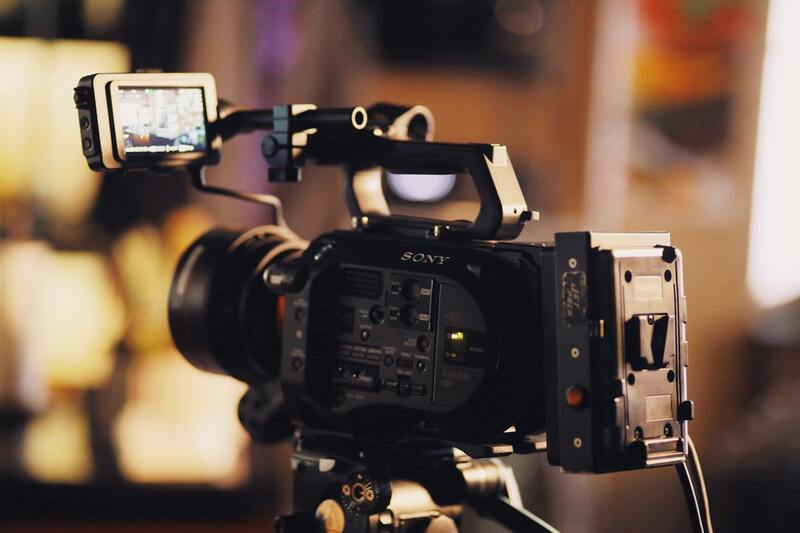
Overall, live stream event services empower organizers to reach broader audiences, improve event accessibility, and create engaging experiences that transcend physical boundaries. As technology continues to evolve, the capacity for more immersive, interactive, and high-fidelity live broadcasts will expand, aligning with Miami’s dynamic event environment. Choosing a reliable provider that understands the latest trends and technical requirements is essential for producing successful live streams that resonate with viewers and uphold the event’s professional standards.
Understanding Live Stream Event Services
Live streaming event services have become an integral component of modern event planning, especially in vibrant metropolitan areas like Miami. These services serve as the bridge between physical gatherings and digital audiences, allowing organizers to extend their reach globally while maintaining high-quality presentation standards. When engaging a live stream event provider, it is crucial to consider a variety of factors that influence the overall success of the broadcast. This involves evaluating the technological infrastructure, platform compatibility, and the provider’s experience with diverse event types within Miami’s unique cultural and business landscape.
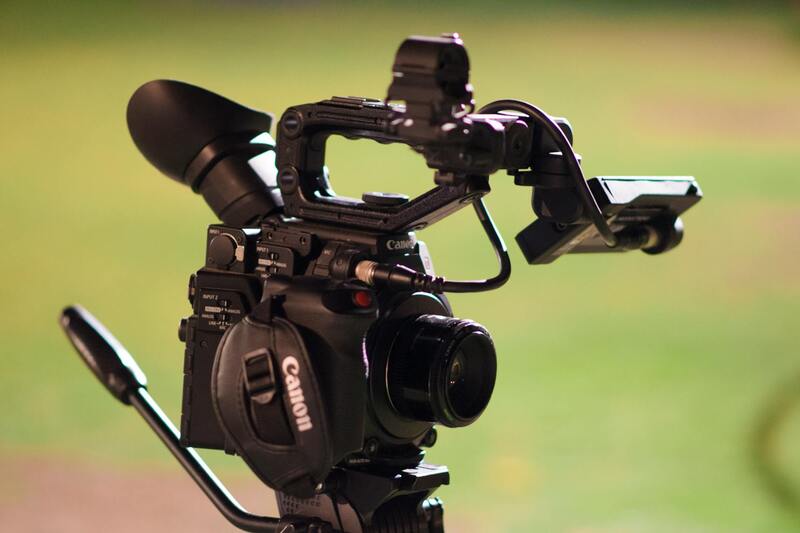
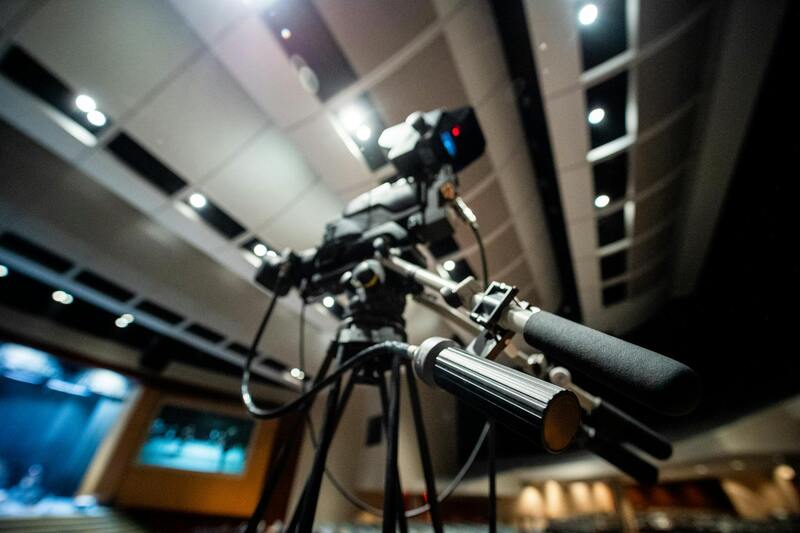
Professional live stream event services typically encompass an array of advanced equipment, including high-definition cameras, professional audio systems, and robust streaming hardware. These elements ensure pristine video clarity and clear audio quality, which are paramount for audience engagement. The specialization of technicians in live event coverage further enhances the reliability and smooth execution of the broadcast, minimizing technical disruptions even in complex or large-scale settings.
Key Elements of a Successful Live Stream Event
- High-Quality Equipment: Utilization of professional-grade cameras, microphones, and switching equipment guarantees high visual and audio fidelity.
- Platform Compatibility: Compatibility with multiple streaming platforms such as social media channels, dedicated websites, or specialized streaming services maximizes audience accessibility.
- Technical Support and Personnel: Skilled technicians manage cameras, audio, encoding, and internet connectivity, ensuring an uninterrupted broadcast from start to finish.
- Content Management and Interaction: Incorporating features like live chat, Q&A, and real-time polls fosters audience interaction, making the experience more engaging.
- Reliable Internet Connectivity: A dedicated, high-speed internet connection is the backbone of any live stream, preventing buffering and delays.
Assessing the Capabilities of Miami-Based Providers
Miami hosts several live stream service providers known for their professional expertise and technical resources. When selecting a partner, organizers must prioritize providers with a proven track record of handling events similar in scale and scope to their own. Local providers often possess nuanced understanding of Miami’s dynamic event ecosystem, including municipal regulations, popular venues, and audience preferences. This localized expertise enables the delivery of customized solutions that cater to the specific demands of each event.

Providers should also demonstrate versatility in accommodating different event formats, from intimate corporate meetings to large outdoor festivals. Their ability to adapt to varying technical requirements while maintaining high standards is a key indicator of their professionalism and reliability.
Additional Factors to Consider
Choosing the right live stream event service involves more than technical prowess; it also requires evaluating several logistical aspects:
- Scale and Reach: Can the provider support the expected viewer count and geographic distribution?
- Content Security: What measures are in place to protect sensitive or proprietary content during broadcasting?
- Post-Event Accessibility: Does the provider offer recorded content for later viewing or on-demand access?
- Customer Support: Is dedicated support available before, during, and after the event?
Factoring these considerations into the selection process ensures a seamless, high-impact live streaming experience tailored to the unique requirements of each event. By partnering with a capable and experienced live stream event service provider in Miami, organizers can confidently foster an engaging digital environment that complements their physical gatherings and broadens audience engagement.
Understanding Live Stream Event Services
Implementing a successful live stream event requires a comprehensive understanding of the key technical components that ensure a seamless viewing experience. High-quality video production stands at the core of engaging live broadcasts, necessitating professional-grade equipment such as HD cameras, professional lighting, and stabilization tools to capture events clearly and consistently. Reliable internet connectivity is equally crucial; it must support high bandwidth, low latency, and robust redundancy systems to prevent interruptions or buffering issues during the event.
Audio quality greatly impacts viewer engagement, with clear, crisp sound being non-negotiable. This involves using professional microphones, sound mixers, and soundproofing measures to eliminate background noise and ensure natural sound reproduction. Streaming platforms selected for the broadcast must be scalable, support various devices, and incorporate adaptive streaming technologies that adjust video quality based on viewer bandwidth, helping to deliver a smooth experience across different network conditions.
Beyond the technical hardware and software, a dedicated control room or production hub enhances broadcast reliability, enabling operators to manage multiple camera feeds, switch between different video sources, and incorporate graphics or overlays live, thus elevating the professionalism of the production. Setting up a reliable infrastructure and coordinated team ensures the event remains uninterrupted, maintains high standards, and meets audience expectations.
Furthermore, integration with streaming platforms such as dedicated CDN (Content Delivery Network) providers or specialized streaming services allows broad geographical reach, ensuring viewers from multiple regions can access the content without lag or buffering. Security protocols like encrypted streams and access controls help protect content integrity and prevent unauthorized viewing, especially important for private or proprietary events.
Post-event accessibility features, including on-demand viewing, downloadable content, or archived recordings, expand the value of live streams by increasing viewer engagement and content longevity. Effective facilitation of these elements by service providers enhances overall client satisfaction and extends the reach of the event beyond the live moment.
Understanding Live Stream Event Services
Live stream event services are comprehensive solutions designed to deliver real-time video content to a broad online audience. These services encompass the entire process, from initial content capture and encoding to the distribution across various digital platforms. They enable organizations, businesses, and event organizers to reach their audiences instantly, regardless of geographic location, by leveraging advanced broadcasting technology and reliable internet infrastructure.
Choosing an effective live stream event service involves evaluating multiple factors, including the quality of the streaming platform, the scalability of the service, and the ability to customize features such as integrated chat, multiple camera angles, and overlay graphics. Many providers also offer options for private streaming, allowing controlled access for exclusive events or internal corporate communications.
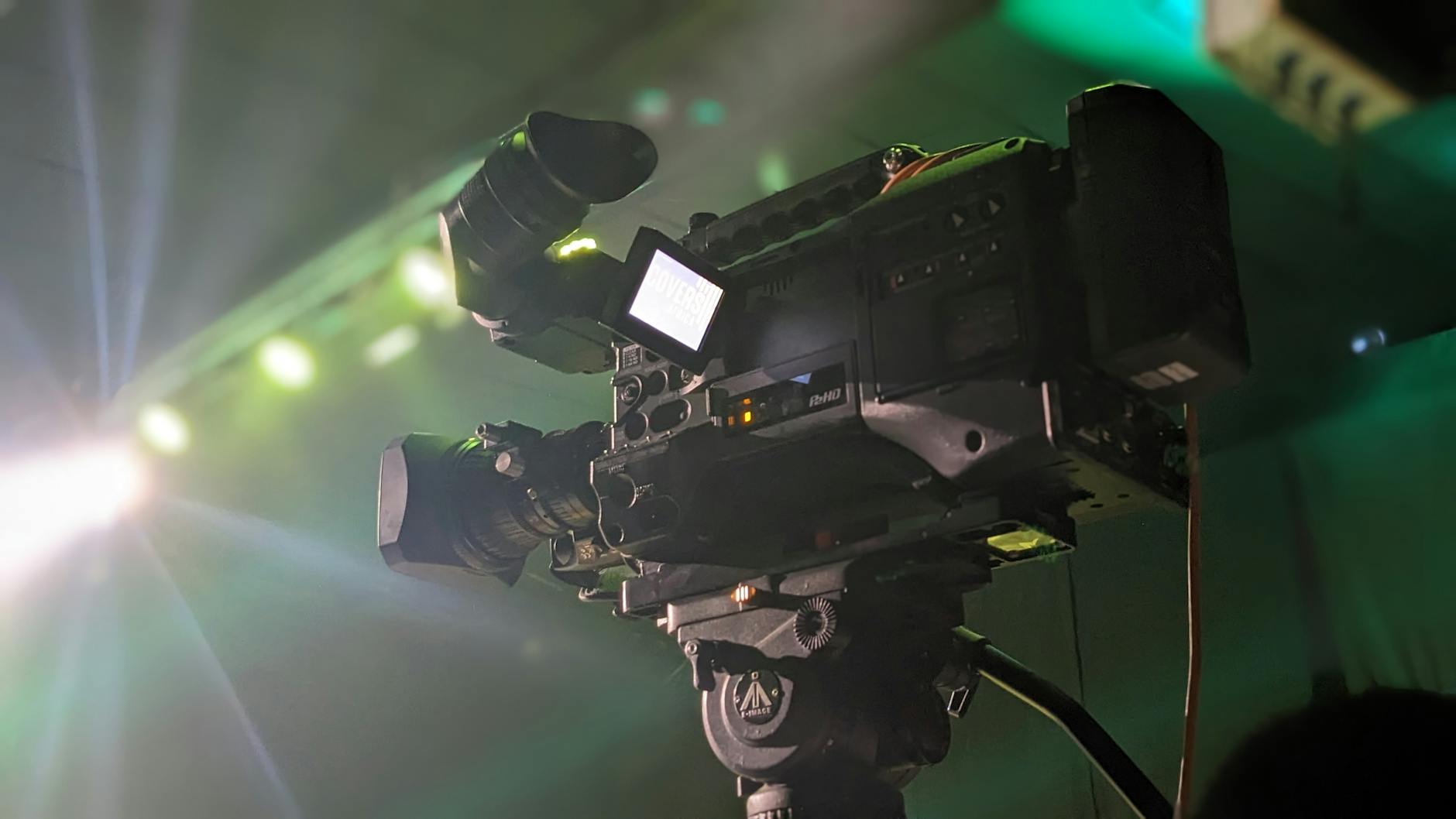
Types of Live Streaming Events
Live streaming technology supports a wide array of event types, each with specific requirements and broadcast considerations:
- Corporate Events: Including product launches, corporate conferences, and internal meetings. These often require high-definition video, branding overlays, and secure access controls.
- Entertainment Events: Concerts, theater performances, or festivals streamed to large audiences. These demand robust streaming infrastructure to handle high viewer volume and dynamic content elements.
- Educational Events: Webinars, seminars, and virtual classrooms. These benefit from interactive features such as Q&A sessions, polls, and downloadable content for enhanced engagement.
- Religious or Community Gatherings: Live sermons, community celebrations, or charity events. These often emphasize accessibility, multilingual support, and ease of viewing across devices.
Each event type has its unique technical and logistical necessities, requiring tailored solutions to ensure the best viewer experience and operational success.
Key Components of a Live Stream Event
Effective live streaming hinges on several critical elements, which work together to produce a seamless broadcast:
- Capture Devices: High-quality cameras and audio equipment to record content with clarity and professionalism.
- Encoding Software/Hardware: Converts raw video signals into digital formats suitable for streaming, often offering real-time adjustments for optimal quality.
- Streaming Platform or CDN: Distributes the live feed efficiently across networks to reach viewers globally, with minimal latency and buffering.
- Monitoring and Control: Operator stations equipped with software interfaces for managing live feeds, switching between sources, and adding overlays or graphics.
- Audience Engagement Tools: Chat interfaces, polls, and viewer analytics to foster interaction and gauge engagement levels.
- Security Measures: Encryption, access controls, and digital rights management to protect content and control viewership.
Technical Considerations and Best Practices
When planning a live stream event, meticulous technical planning is vital to ensure smooth delivery. This includes selecting appropriate bandwidth to accommodate viewer load, testing all hardware and software components beforehand, and establishing backup solutions for critical systems. Implementing multi-platform streaming ensures compatibility across smartphones, tablets, and desktops, thus maximizing audience reach.
Additionally, optimizing stream quality based on viewers’ internet bandwidth is essential. Adaptive bitrate streaming technology dynamically adjusts video quality, providing continuous playback without buffering, even in fluctuating network conditions. Regular rehearsals and dry runs can identify potential issues, and having dedicated technical support during the event ensures immediate troubleshooting of any unforeseen challenges.
Technical Considerations and Best Practices
Executing a successful live stream event requires meticulous planning and attention to technical details. Ensuring a seamless broadcast involves several key considerations that must be addressed well in advance of the scheduled event.
Equipment Setup
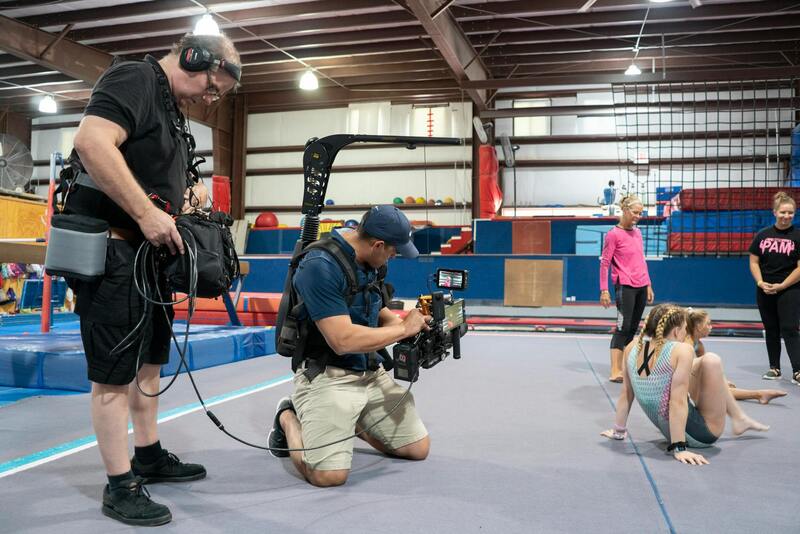
High-quality video and audio equipment form the backbone of professional live streaming. Use HD or 4K cameras to deliver crisp visuals, complemented by professional microphones that capture clear sound. Proper lighting enhances video quality, minimizing shadows and ensuring subjects are well-lit. It's essential to test all equipment thoroughly during rehearsals, verifying compatibility and performance consistency. Using dedicated streaming hardware or encode devices often provides higher stability compared to relying solely on software solutions, especially in larger productions.
Redundancy Measures
Implementing redundancy is crucial to mitigate potential failures during the event. Utilize backup internet connections through cellular networks or secondary fiber lines to ensure continuous data flow. Employ backup power supplies such as uninterruptible power supplies (UPS) and generators to keep equipment operational in case of power outages. Additionally, having spare hardware components ready for quick replacement minimizes downtime. Redundancy in streaming servers and content delivery networks (CDNs) ensures that the live feed remains uninterrupted, providing viewers with a consistent experience.
Optimizing Viewer Engagement
Active audience engagement enhances the overall impact of a live event. Integrate interactive features such as live chat, Q&A sessions, and real-time polls to foster participation. Overlay graphics and branding elements can reinforce event themes and provide useful information without distracting viewers. Monitoring engagement metrics in real-time helps organizers gauge audience interest and adjust their approach accordingly. Ensuring compatibility across multiple devices and platforms maximizes accessibility, allowing viewers to join the event from desktops, tablets, or smartphones seamlessly.
Optimizing Network and Stream Quality
Choosing an appropriate internet connection aligned with the expected viewer load is fundamental. Fiber optic internet with high bandwidth capacity is preferred for its reliability and speed. Employ adaptive bitrate streaming technology, which adjusts video quality based on viewer internet speeds, to minimize buffering and ensure a smooth viewing experience. Conduct multiple test runs anticipating different network scenarios to fine-tune encoding settings. During the event, real-time monitoring should be conducted to identify and resolve any quality issues promptly.

Effective Support and Troubleshooting
Having a dedicated technical support team on hand during the event is vital. They can quickly identify and resolve issues like dropped feeds, audio discrepancies, or hardware malfunctions. Establishing clear communication protocols allows support staff to coordinate effectively and liaise with producers or presenters. Regularly updating software and firmware ensures all systems are current and less prone to errors. Additionally, conducting dry runs with all key personnel helps uncover potential problems before the actual event, enabling smoother execution on the day of the live stream.
Legal and Licensing Aspects for Live Streaming
When organizing a live stream event, understanding the necessary permissions and rights is crucial to ensure smooth operation and avoid disruptions. Securing appropriate licenses and permissions involves several key steps. First, obtain the rights to broadcast any copyrighted content, such as music, videos, or images used during the event. This typically involves licensing agreements with content owners or rights organizations, which codify the terms under which the content can be displayed electronically. Failing to secure these rights might lead to content takedowns or legal claims that disrupt the event flow.
Additionally, be aware of state and local regulations that pertain to live broadcasting. In Miami, specific permits or notifications may be required especially if the event involves public gatherings, special locations, or significant audiovisual equipment deployment. For instance, permits related to road closures, sound amplification, or special use of public spaces often necessitate prior approval from city authorities. Ensuring compliance with these requirements from the outset helps avoid penalties or last-minute cancellations.
Another aspect to consider is privacy and consent. If an event features attendees or participants, especially minors, it’s necessary to obtain written permissions to broadcast their images or voices. Clear signage informing the audience about the live streaming, along with consent forms, reinforce transparency and legal compliance. Confirming that your live streaming setup adheres to data protection regulations also safeguards against issues related to personal information collection or transmission.
Furthermore, if your live event involves multiple locations or collaborative content sharing, it's advisable to establish clear licensing agreements with all involved parties. This minimizes misunderstandings about content rights and distribution terms. Consulting with legal or compliance experts familiar with Miami and Florida-specific media regulations offers an added safeguard, ensuring all facets of the live stream operation are covered well in advance of the event date.
In essence, thorough planning around legal and licensing considerations not only mitigates potential risks but also helps in delivering a professional, compliant streaming experience that respects content creators, participants, and regulatory bodies alike.
Legal and Licensing Aspects for Live Streaming in Miami
When planning a live stream event in Miami, understanding the intricacies of legal and licensing considerations is crucial to ensure a smooth and compliant broadcast. These aspects encompass obtaining necessary permissions, securing appropriate licenses, and adhering to local regulations that govern media content distribution within the region.
One primary consideration involves securing permissions from all individuals featured in the live stream. If the event includes attendees, performers, or speakers, obtaining written consent is vital. This can be facilitated through consent forms that explicitly authorize the live broadcast of their images, voices, or performances. Clear signage at the event informing participants about the live stream and their rights enhances transparency and fosters trust.
Additionally, compliance with data protection laws must be considered. Ensuring that personal data collected through registration or participation processes are handled securely and in accordance with applicable regulations mitigates potential privacy concerns. For instance, if the live stream captures personal information or relies on audience interactions that involve data collection, implementing secure data management protocols is essential.
Content Rights and Licensing Agreements
Another critical aspect is managing intellectual property rights pertaining to the content being broadcasted. For example, if your event features copyrighted music, videos, or visual art, obtaining appropriate licenses from rights holders is necessary. This helps prevent infringement claims that could disrupt the live stream or lead to content removal. Establishing clear licensing agreements with content creators ensures all parties understand their rights and obligations, promoting a professional and risk-managed streaming environment.
Broadcasting with Multiple Parties
For collaborative events involving multiple content providers or partners, formal licensing arrangements should outline the scope of content sharing, distribution rights, and use of broadcast material. Such agreements prevent misunderstandings and establish boundaries for content usage, particularly when dealing with third-party intellectual property or proprietary information.
Consultation with Legal and Compliance Experts
Given Miami’s vibrant media landscape and diverse event types, consulting with legal professionals experienced in media and entertainment law can be advantageous. These experts can assess your live stream setup, review licensing contracts, and ensure compliance with both federal and state-specific regulations. Their guidance helps you navigate complex licensing landscapes, especially when broadcasting across multiple platforms or jurisdictions.
The Impact of Regional Regulations
Regional rules and procedures particularly relevant to Miami and Florida should also be observed. Local authorities may impose requirements for permits or notifications for live events, especially those involving large audiences or public spaces. Staying informed about thresholds for permits, noise ordinances, and other event-related regulations ensures your stream proceeds unimpeded.
By proactively addressing legal and licensing considerations, live streaming of events in Miami becomes a seamless and secure process, supporting your goal of delivering high-quality content while respecting the rights of all involved stakeholders.
Comprehensive Strategies to Maximize the Impact of Your Live Stream Event
As live streaming continues to revolutionize how audiences engage with events, choosing the right approach to distribute your content is crucial. One effective method is leveraging official, reputable platforms that specialize in live stream event services. These platforms ensure high-quality transmission, reliable connectivity, and compliance with industry standards, fostering trust with your viewers and stakeholders. By selecting a proven provider such as Miami Video Services, organizers can benefit from robust infrastructure, dedicated technical support, and a suite of features tailored for various event scales and types.
Implementing Secure and Accessible Broadcasts
Security is paramount when broadcasting live events, particularly those involving sensitive or proprietary content. Utilizing official live stream event services that provide encrypted transmission ensures that your content remains protected from unauthorized access. Additionally, accessibility features such as customizable captions, multiple language support, and adaptive streaming for different devices enhance viewer experience and broaden your reach. Employing these mechanisms not only safeguards your content but also demonstrates your commitment to inclusivity.
Post-Event Content Archiving and Analysis
Maximizing the value of your live event extends beyond the broadcast itself. Many professional live stream services include options for recording sessions, enabling post-event viewing and content repurposing. Analyzing viewer engagement metrics, such as peak viewing times, drop-off points, and interaction levels, provides actionable insights. This data informs future event planning, helping refine content delivery, improve audience retention strategies, and optimize promotional efforts for subsequent streams.
Maintaining Consistent Branding and Professionalism
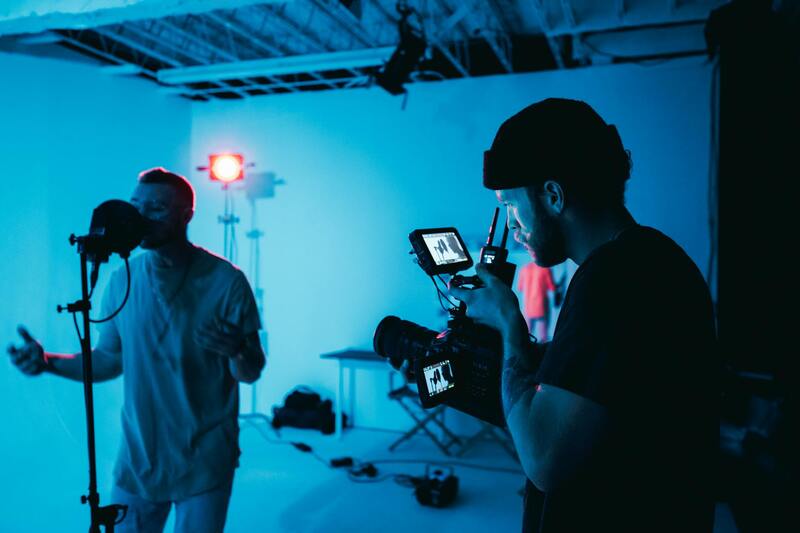
Consistency in branding during live streams enhances recognition and fosters audience loyalty. Integrating customized overlays, logos, and branded transitions creates a professional appearance and reinforces your organization’s identity. High-quality visuals, sound clarity, and minimal latency are essential components that reflect operational excellence. Partnering with experienced live stream service providers ensures access to high-caliber production tools and technical expertise necessary to deliver a polished final product.
Use of Multi-Platform Broadcasting for Broader Reach
Distributing your event simultaneously across multiple channels maximizes exposure and audience engagement. Official live stream services often support multi-platform streaming, allowing your content to appear on social networks, dedicated websites, and third-party platforms concurrently. This approach expands your outreach, caters to diverse viewer preferences, and increases opportunities for interaction through integrated chat or Q&A features. Effective multi-platform strategies require careful coordination to manage bandwidth, content quality, and viewer engagement metrics across channels.
Building a Cohesive Viewer Engagement Strategy
Engaging viewers during a live event enhances participation and satisfaction. Incorporate interactive elements such as live polls, real-time chat, and Q&A sessions to foster a sense of community. Promoting your event through targeted pre-stream communications and encouraging viewers to share content can amplify visibility. Utilizing official service providers that offer integrated engagement tools ensures a seamless experience, allowing moderators and presenters to manage interactions smoothly while maintaining focus on the event’s objectives.
Final Considerations for Optimal Live Streaming
- Ensure your internet connection meets the bandwidth requirements for high-definition streaming to prevent interruptions.
- Conduct thorough test runs of all equipment, including cameras, microphones, and streaming software, prior to the event.
- Design a comprehensive backup plan, including secondary internet connections and alternative content delivery methods.
- Coordinate closely with your chosen live stream service provider to align on technical requirements, timelines, and contingency plans.
By focusing on these strategic elements and partnering with established live stream event services, Miami-based organizers can deliver compelling, professional broadcasts that resonate with audiences, uphold brand integrity, and achieve your event’s objectives seamlessly.