
Overview of Live Event Video Production
Live event video production encompasses the comprehensive process of capturing, editing, and broadcasting live events to an online or physical audience. This service is essential for events that aim to reach a broader audience beyond the premises, whether through live streaming, on-site recording, or multi-camera broadcasting. In Miami, a vibrant hub for conferences, concerts, corporate meetings, and cultural festivities, the demand for professional live event video production has surged significantly.
A high-quality live event video production involves meticulous planning, state-of-the-art technology, and skilled personnel to ensure that the event’s essence is preserved and delivered seamlessly to viewers. From capturing dynamic performances and keynote speeches to showcasing interactive panels and social media engagement, the importance of professional video services cannot be overstated. For organizers and businesses alike, employing a reputable live event video production company ensures that every visual detail is meticulously managed, resulting in a polished presentation that enhances the event’s reputation and reach.
Choosing the right service provider in Miami entails evaluating their experience in handling a diverse array of events, proficiency with advanced broadcasting equipment, and capacity to deliver a customized production that meets specific client needs. Focused on delivering clarity, stability, and high-definition quality, a dedicated live event video production partner also offers auxiliary services such as multi-camera setups, live switching, graphics, and post-event editing. This comprehensive approach guarantees an engaging viewing experience that captures the vibrancy and energy of live happenings.
Furthermore, live event video production in Miami is not just about broadcasting; it plays a strategic role in marketing, audience engagement, and creating lasting memories. An effective production enhances visibility, helps in building brand awareness, and increases audience participation, particularly for remote viewers. Whether it's a product launch or a music festival, the key is leveraging technology to translate live moments into compelling visual content that resonates long after the event concludes.
Types of Live Events Covered
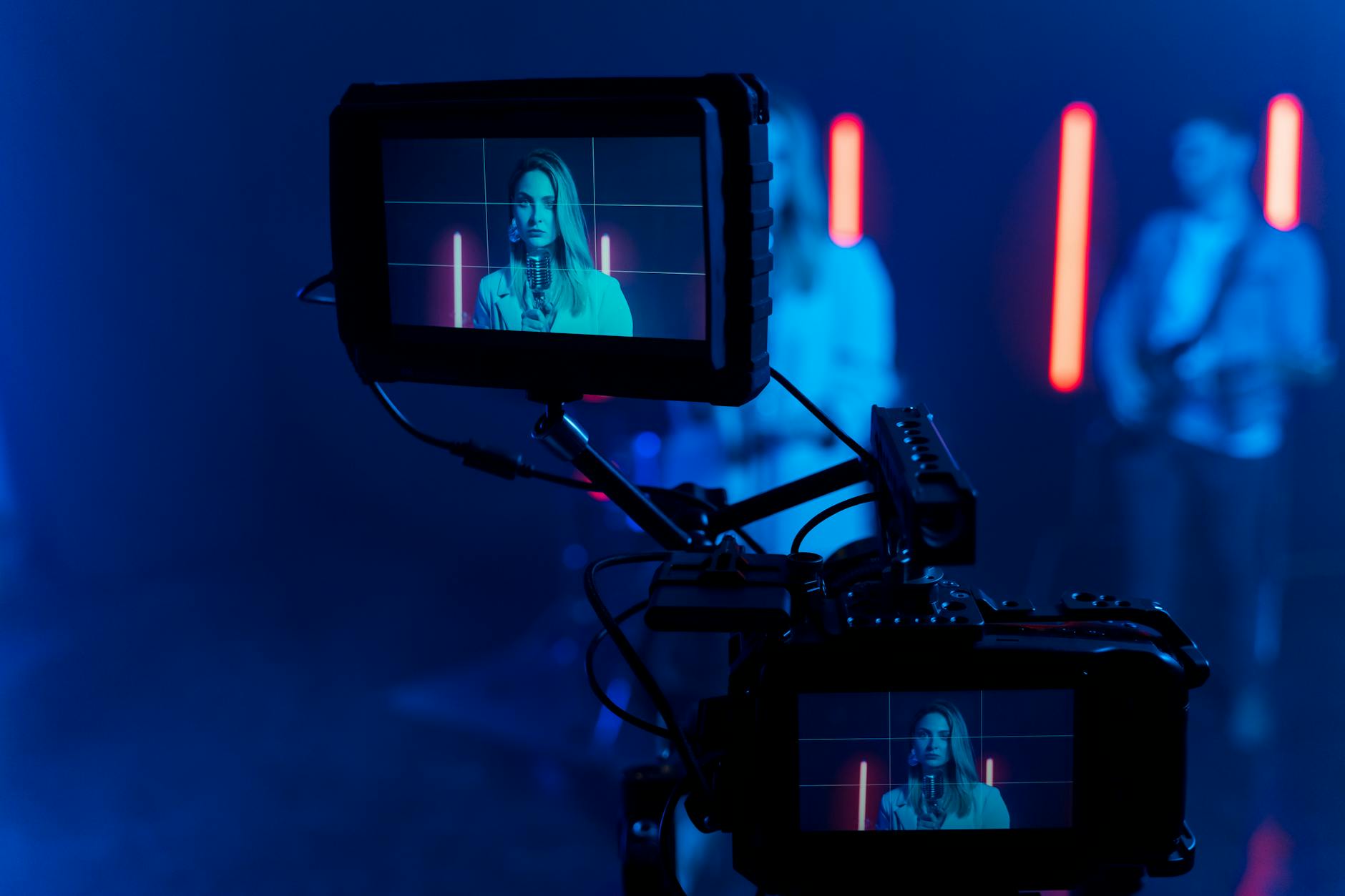
Professional live event video production companies in Miami have extensive experience across a diverse array of events, ensuring each one is captured and broadcasted with precision and creativity. These services are tailored to meet the unique demands of each occasion, whether it involves large-scale corporate gatherings or intimate community events. The range of events includes corporate launches, product demonstrations, seminars, trade shows, and award ceremonies. Each of these benefits from high-quality live streaming and multi-camera production, which enhance audience engagement both onsite and remotely.
In addition to corporate events, music festivals, concerts, and entertainment shows command intricate production setups to capture the energy and atmosphere. These performances often require specialized audio-visual equipment, including high-definition cameras, boom microphones, and lighting rigs, to ensure every detail is vividly transmitted to viewers. Similarly, sporting events, awards nights, and galas demand dynamic camera angles and real-time editing to relay the excitement and vibrancy of the occasion in real-time.
Live streams of community celebrations, religious functions, and charity events also play a vital role in broadening reach and fostering community involvement. Streaming these events live allows wider audiences to participate and underlines their significance beyond physical attendance, making professional video production an integral element of modern event execution. The goal remains to produce a seamless visual story that accurately reflects the event’s tone, energy, and message, regardless of its scale or complexity.
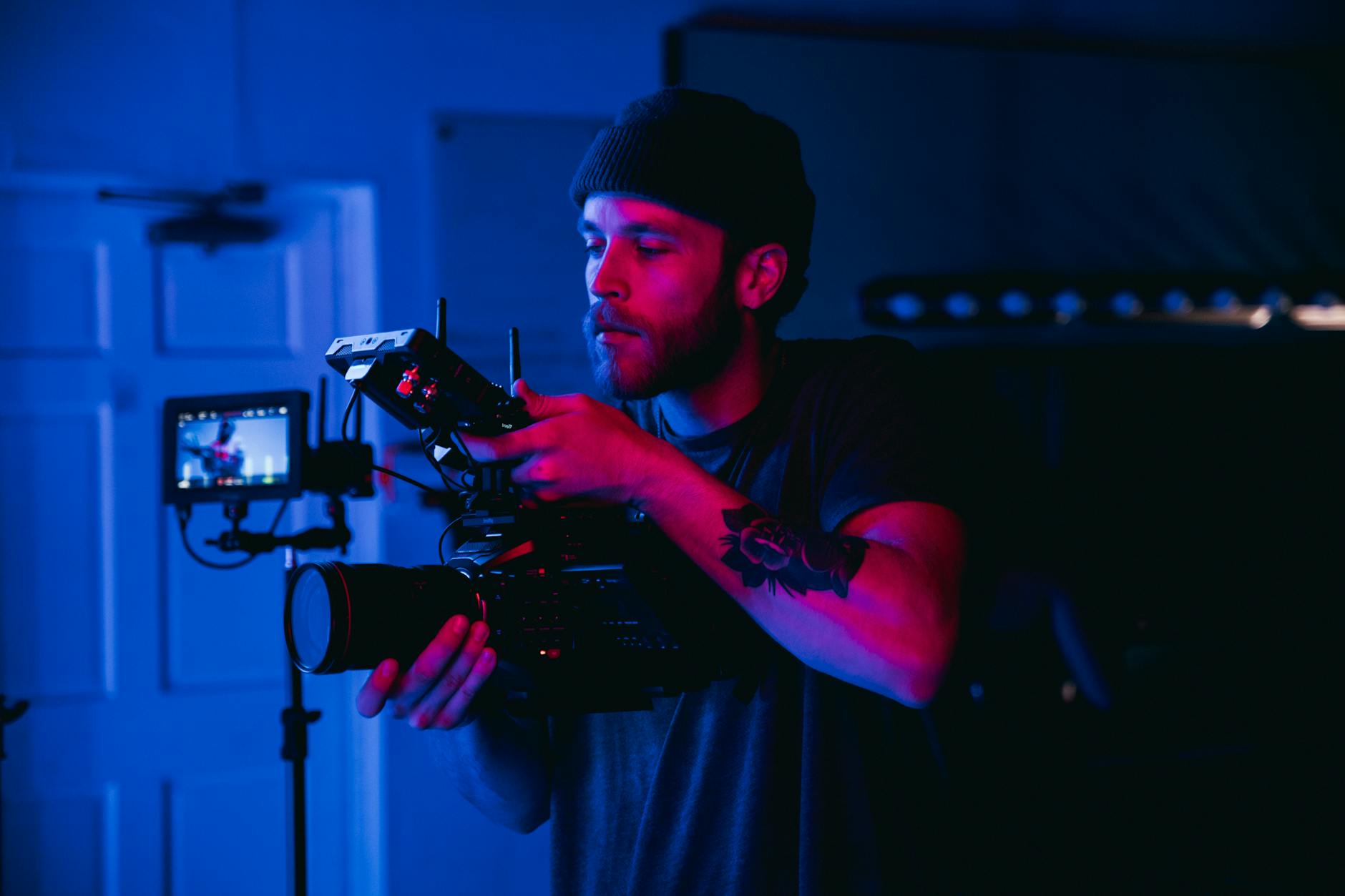
By leveraging the latest broadcasting technology and experienced videographers, Miami-based production companies deliver consistent excellence across these varied event types. This flexibility is essential in addressing the specific challenges posed by each event, from rapid-paced sports matches to meticulously planned corporate conferences. The versatility in handling different formats highlights the importance of choosing a production partner with a deep understanding of both technical requirements and creative storytelling techniques.
Ultimately, professional live event video production ensures that whether your event draws thousands on-site or reaches a global online audience, the broadcast quality and viewer engagement remain top priority. With comprehensive planning, cutting-edge equipment, and talented technical staff, these companies turn your event into an immersive experience that leaves a lasting impression.
Key Equipment and Technology
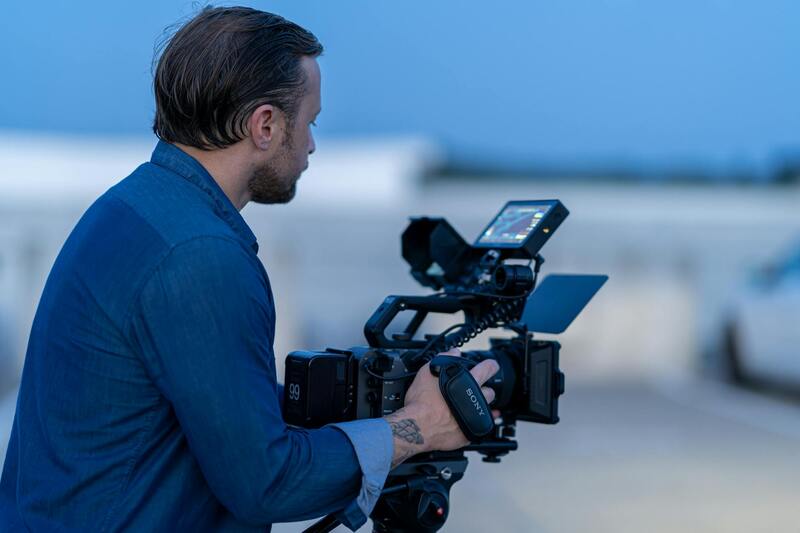
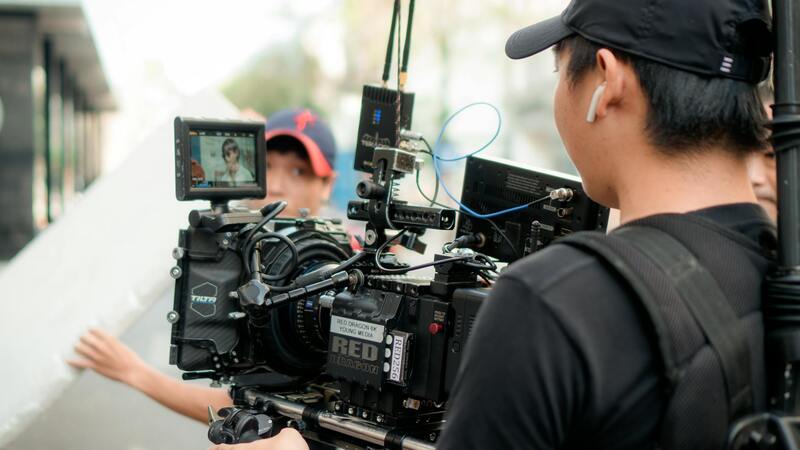
Effective live event video production hinges on the integration of advanced equipment and state-of-the-art technology. Miami-based production companies employ a comprehensive array of tools to ensure high-quality broadcast outputs that captivate viewers and accurately convey the event’s atmosphere. At the core are high-definition cameras capable of capturing minute details with exceptional clarity, effectively translating the event’s energy for both on-site and remote audiences.
Supplementing cameras are sophisticated lighting systems crucial for illuminating the event space optimally. Proper lighting not only enhances visual quality but also contributes significantly to the mood and aesthetic of the broadcast. Innovative lighting setups often incorporate LED panels, moving lights, and customizable controls to adapt seamlessly to varying event environments.
Audio technology forms the backbone of any successful live broadcast. High-quality microphones, mixers, and sound reinforcement systems capture and transmit audio with clarity, ensuring that every voice, instrument, and ambient sound resonates authentically. Wireless microphones and in-ear monitors are favored for their flexibility, especially during dynamic or multi-angle performances.
In addition, streaming platforms and encoding hardware enable the real-time transmission of video feeds to online viewers. Live streaming tools incorporate features such as multi-camera switching, graphics overlays, and instant replays, elevating the production value and viewer engagement. Cutting-edge streaming encoders optimize bandwidth usage, providing a smooth, interruption-free experience regardless of network fluctuations.
Another critical component is the integration of video switchers and control rooms, where skilled operators manage multiple feeds and visual effects in real time. These control centers are equipped with monitors, graphics systems, and automation software to facilitate seamless transitions, branding overlays, and live editing. Drone cameras and robotic camera systems are increasingly utilized to showcase expansive event venues or capture unique perspectives that enhance storytelling.
Overall, these technological advancements empower Miami live event video production companies to deliver professional, engaging broadcasts. Harnessing this equipment with experienced technical teams ensures every event, whether large or small, is documented with precision, vibrance, and cinematic quality that resonates with audiences worldwide.
Key Equipment and Technology
Effective live event video production relies heavily on sophisticated equipment and cutting-edge technology. At the core, high-definition cameras are essential for capturing crisp, clear visuals that bring the event to life. These include professional-grade camcorders, color correction tools, and high-resolution switchers to seamlessly transition between different video feeds. Additionally, multi-camera setups provide diverse angles, which enhance viewer engagement by offering dynamic perspectives of speakers, performers, and audience reactions.
Audio quality is equally important. Professional sound mixing consoles, wireless microphones, and in-ear monitors ensure that every spoken word and musical note is transmitted with clarity. Wireless microphones provide mobility for speakers and performers, while in-ear monitors allow on-stage talent to hear mix feeds, reducing latency and background noise.
Streaming hardware and encoding solutions enable real-time broadcasting to online platforms. Live encoding hardware compresses video feeds efficiently, maintaining high quality while minimizing bandwidth consumption. Multi-platform streaming software facilitates broadcast distribution across websites, social media, and dedicated streaming services, ensuring broad reach and accessibility.
Integration of Visual Effects and Graphics
To elevate the visual impact of a live broadcast, production companies integrate graphics overlays, branding elements, and informational tickers. These enhancements require powerful graphics systems and real-time editing software that interface seamlessly with live feeds. Additionally, video switchers manage multiple input sources, allowing smooth transitions and visual effects during the event.
Emerging Technologies Transforming Live Production
Advancements such as drone cameras and robotic systems are increasingly incorporated into live event production. Drones offer aerial shots, providing a broad view of large venues or outdoor settings, adding a cinematic dimension to the broadcast. Robotic cameras and remote-controlled systems enable operators to capture shots from challenging angles or hard-to-reach places, expanding creative possibilities and ensuring comprehensive coverage of the event space.
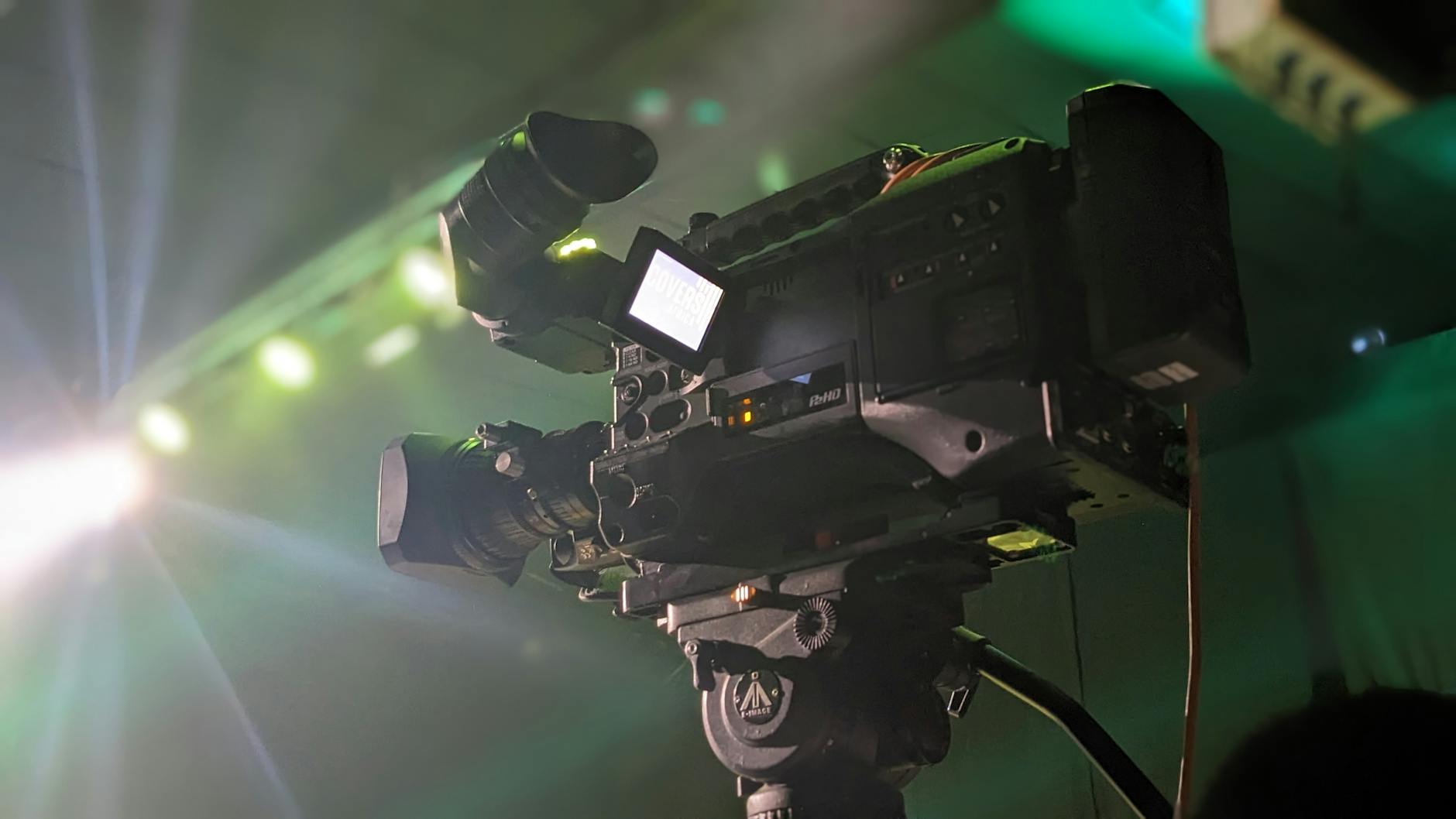
The seamless integration of these technologies is driven by skilled technical teams, who ensure all equipment functions optimally during live broadcasts. Skilled operators are vital for managing complex setups, troubleshooting on the fly, and coordinating between different technical elements to guarantee a polished broadcast experience. As technology continues to evolve, live event video production companies are leveraging innovations to deliver more immersive, engaging, and high-quality live streams that resonate with viewers worldwide.
Stages of Live Event Video Production
Effective live event video production involves a meticulous series of stages that ensure the final broadcast meets the highest standards of quality and reliability. Each phase is critical in delivering seamless coverage, engaging visuals, and professional presentation, especially for large-scale or high-profile events.
Pre-Production Planning
This initial stage lays the groundwork for a successful live stream. It involves comprehensive planning sessions with clients to understand the event’s objectives, audience, and key messages. During this phase, the production team conducts site surveys to assess venue layouts, lighting conditions, power requirements, and available infrastructure. A detailed broadcast plan is developed, including camera placement, preferred angles, graphic overlays, and content timeline. Technical requirements such as streaming bandwidth, camera types, audio setup, and backup systems are specified to prevent disruptions during the event.
Content and Technical Setup
As the event day approaches, the focus shifts to setting up all necessary equipment and conducting test runs. Multiple cameras are strategically positioned at key locations—stages, audience interactions, and wide shots—to capture diverse perspectives. Audio systems, including microphones and mixers, are calibrated to ensure crystal-clear sound. Graphics systems are configured to overlay branding, titles, or real-time data feeds seamlessly. Additionally, encoding devices and internet connections are tested to guarantee stable, high-quality streaming capabilities. This phase often involves dry runs to identify potential technical issues and refine the execution plan, making sure all components operate harmoniously.
Execution and Live Broadcast
During the event itself, the production team oversees the entire process, coordinating between camera operators, sound engineers, graphics designers, and stream managers. Real-time monitoring of video feeds ensures consistent quality and quick adaptation to on-the-spot changes. Video switchers allow for smooth transitions, while graphics overlays add informative or promotional elements without interrupting the flow. The team remains vigilant to troubleshoot potential issues immediately, utilizing redundant systems and backup internet connections if needed. In larger productions, multiple feeds are integrated, capturing everything from keynote addresses to audience reactions, providing a dynamic viewing experience for remote viewers.
Post-Event Review and Content Delivery
Once the live broadcast concludes, the focus shifts toward post-production activities. Raw footage is archived for future use, editing highlights, and creating on-demand content. A thorough review of the broadcast helps identify areas for improvement and ensures that every aspect of the coverage aligns with client expectations. Deliverables are prepared, including recordings in various formats optimized for different platforms. Feedback sessions with clients facilitate continuous improvement, and comprehensive reports detailing technical performance and viewer engagement are provided to guide future events.
Trends and Innovations in Live Event Video Production
Staying ahead in the fast-evolving landscape of live event video production demands continual adaptation to emerging trends and technological advancements. As the industry progresses, new tools and methodologies are fundamentally transforming how high-quality live broadcasts are executed, providing greater flexibility, interactivity, and immersive viewer experiences.
One significant trend is the integration of 4K and 8K resolution broadcasting, which ensures exceptional clarity and detail, even in large-scale events. High-definition visuals enhance the audience's viewing experience and allow for more dynamic and engaging content. This resolution enhancement is supported by progressive hardware upgrades, including professional-grade cameras, dedicated streaming servers, and advanced video switchers.
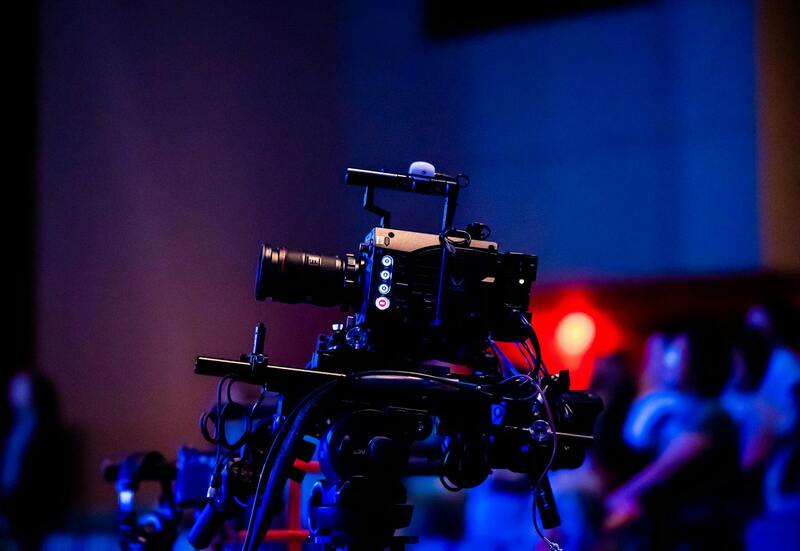
Another prominent innovation involves the adoption of cloud-based production solutions. Transitioning to cloud platforms enables seamless collaboration among remote teams, streamlined media management, and scalable streaming capabilities. Cloud infrastructure facilitates real-time editing, multi-platform distribution, and redundant backup systems, which enhance reliability and minimize downtime during critical moments of a live event.
Augmented reality (AR) and virtual reality (VR) are increasingly incorporated to produce immersive viewing experiences. By overlaying digital graphics and interactive elements onto live feeds, production teams can engage remote viewers more effectively, especially during product launches, concerts, or sporting events. These technologies also support remote participation, allowing audiences to experience the event from multiple perspectives.
Furthermore, advancements in artificial intelligence (AI) are revolutionizing live event production. AI-driven tools assist with automatic camera tracking, real-time content analysis, and audience engagement metrics. AI-powered transcription and captioning tools ensure accessibility for a diverse viewer base, while predictive analytics help optimize streaming quality based on network conditions.
In the realm of social media integration, live streams are now optimized for direct broadcasting to platforms such as Facebook Live, YouTube Live, and Instagram. This multi-platform approach expands the event’s reach and allows for immediate interaction through live comments and polls, fostering a two-way communication channel that enhances audience engagement.
Developments in audio technology—such as spatial audio and advanced noise-canceling microphones—are equally vital, providing a clearer and more immersive sound experience. High-fidelity audio complements the visual element, ensuring that every spoken word, musical note, or audience reaction is captured accurately and transmitters seamlessly for remote audiences.
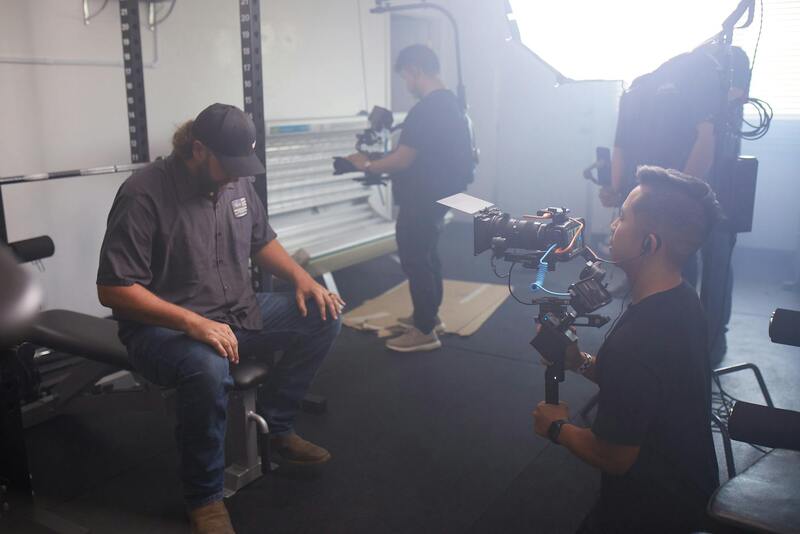
Finally, data security measures have become crucial, especially with the increased reliance on online streaming platforms. Encryption, secure streaming protocols, and robust firewalls protect both the content and the viewers’ information, maintaining trust and compliance with privacy standards.
By embracing these emerging trends and technological innovations, live event video production companies can deliver more engaging, reliable, and visually stunning broadcasts. The dynamic nature of live events benefits from continuous technological evolution, helping creators meet the rising expectations of audiences and clients alike, while also opening new creative possibilities that redefine what is achievable in live broadcasting.
Advanced Techniques and Post-Production Integration
While capturing the live event in real-time is the primary focus, integrating advanced techniques and post-production processes is essential to elevate the overall quality and impact of the broadcast. Most professional live event video production companies utilize multicamera switching, picture-in-picture overlays, and real-time graphics to enrich viewer engagement. These visual enhancements require meticulous planning to ensure seamless transitions and synchronization, especially when multiple camera feeds are involved.
Post-production plays a complementary role, allowing for the refinement of the recorded footage to create highlight reels, promotional materials, or edited versions of the event for on-demand viewing. High-resolution editing suites are employed to color-correct, stabilize footage, and add visual effects, all while maintaining the live event’s original spirit. Advanced editing tools also enable integration of lower-thirds, subtitles, and branding elements, which reinforce the event’s messaging and aesthetic.
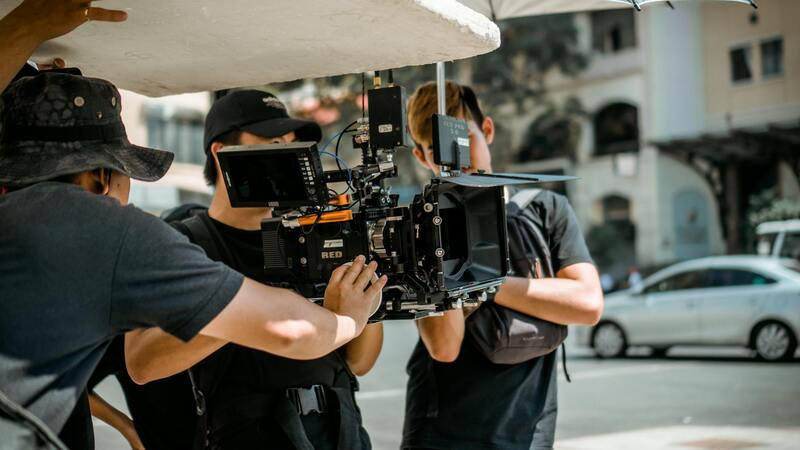
Furthermore, integration of 360-degree or VR content can provide immersive experiences for remote audiences, making virtual attendance comparable to physical presence. This cutting-edge approach involves specialized cameras and software to stitch footage, offering viewers a panoramic perspective of the event environment. For companies seeking to stand out, offering innovative visual experiences can significantly increase engagement and reach.
Ensuring Content Security and Compliance
As high-quality live streams are shared across digital platforms, maintaining content security is paramount. Companies utilize encryption protocols and secure streaming channels to prevent unauthorized access and digital piracy. Additionally, adherence to audience privacy standards and licensing agreements is pivotal, especially when broadcasting branded content or copyrighted material.
Employing password-protected streams or access codes helps manage viewership while safeguarding sensitive content. Regular security audits and the use of firewalls add layers of protection, ensuring that the broadcast remains uninterrupted and protected from malicious threats. These measures foster trust with clients and viewers alike, demonstrating a commitment to secure and reliable streaming solutions.
Ongoing Support and Technical Assistance
Live event video production companies provide comprehensive support throughout the event lifecycle, from pre-production planning to post-event analysis. Technical rehearsals are vital to identify potential issues, such as connectivity concerns or equipment malfunctions. On the event day, dedicated technical teams monitor the broadcast, ready to troubleshoot any deviations instantly.
Post-event, analytical reports help assess audience engagement, viewership metrics, and technical performance, informing future improvements. Reliable communication channels among production staff ensure swift responses to unforeseen issues, maintaining a smooth streaming experience for both live and remote viewers.
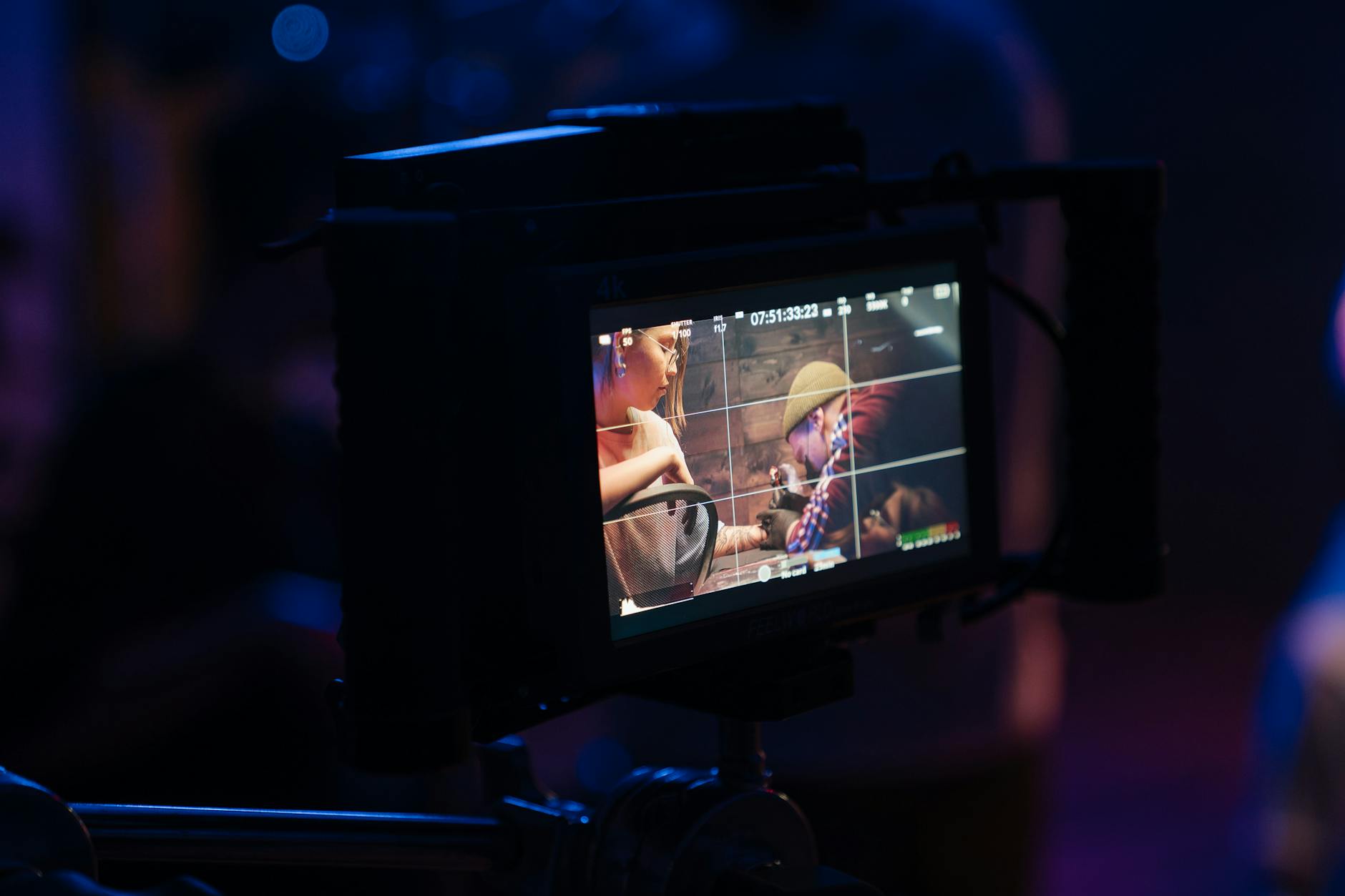
Ensuring Ephemeral Content is Properly Managed and Secured
Effectively managing and protecting live event video content is paramount in delivering a seamless viewing experience and maintaining the integrity of the broadcast. Implementing robust digital rights management (DRM) systems ensures that content is accessible only to authorized viewers, preventing unauthorized distribution and reproduction. This includes utilizing encrypted streams that require secure keys for decryption, safeguarding the material from digital piracy.
Content licensing agreements also play a crucial role in content management. These agreements specify the scope of distribution rights, geographic restrictions, and permitted usage, ensuring compliance with copyright laws and contractual obligations. Clear licensing terms help avoid legal complications and uphold the rights of content creators and rights holders.
Access control measures are essential to restrict viewing to legitimate audiences. Implementing authentication protocols, such as login credentials or single sign-on (SSO) systems, limits access to verified users. Password protection and multi-factor authentication add additional layers of security, making it difficult for unauthorized individuals to intercept or view the streamed content.
Regular audits and monitoring of live streams help detect and respond to potential security breaches or content misuse. These include real-time analytics that track viewer activity, unusual access patterns, or disruptions in the stream, enabling quick corrective actions.
Technical Quality Assurance and Compliance
Maintaining high technical standards throughout the broadcast process is critical for viewer satisfaction. This entails continuous quality checks of video and audio feeds to prevent issues such as buffering, lagging, or poor resolution. Utilizing adaptive bitrate streaming technology dynamically adjusts the quality based on viewers’ connection speeds, ensuring a consistent experience regardless of their device or network conditions.
Compliance with broadcasting standards and industry regulations is vital to ensure legal and operational soundness. This involves adhering to standards for data protection, viewer privacy, and content rights. For instance, complying with the Digital Millennium Copyright Act (DMCA) or other regional guidelines helps avoid fines and operational disruptions.
Data security practices, such as regular backups and secure storage of recorded footage, facilitate efficient post-event processing and distribution. They also help in responding swiftly to any unforeseen technical issues or content disputes.
Conclusion
Proactive content management, security implementation, and compliance foster trust among clients and viewers, ensuring that live event video productions are executed smoothly, securely, and professionally. These practices uphold the integrity of the production process and contribute to a memorable, impactful viewing experience that aligns with industry best practices and standards.