
Understanding Live Webcasting Services
Live webcasting services have become an essential component of modern digital communication, enabling organizations, event organizers, and content creators to broadcast high-quality video content to audiences across the globe in real-time. Unlike traditional broadcasting methods, live webcasting leverages internet technology to deliver seamless streaming experiences directly to viewers' devices such as computers, smartphones, and tablets. This capability makes live webcasting particularly valuable for a wide range of events, including corporate meetings, product launches, conferences, concerts, and educational seminars.
The core function of a live webcasting service is to capture video footage from a source—such as a professional camera or multiple cameras—and transmit it over a secure and reliable internet connection. This stream is then encoded and distributed through an online platform or streaming server, ensuring that viewers can access the content live, without significant delay. High-quality live webcasting ensures minimal buffering and latency, preserving viewer engagement and interaction, which is crucial for successful events.
In the modern business landscape, live webcasting services facilitate remote participation, expand audience reach, and enhance brand visibility. They are especially important in situations where physical attendance is limited or impossible, such as during pandemic restrictions or for geographically dispersed audiences. By providing real-time video streaming, organizations can deliver their message directly to interested parties, fostering engagement, transparency, and immediacy that traditional methods often cannot match.
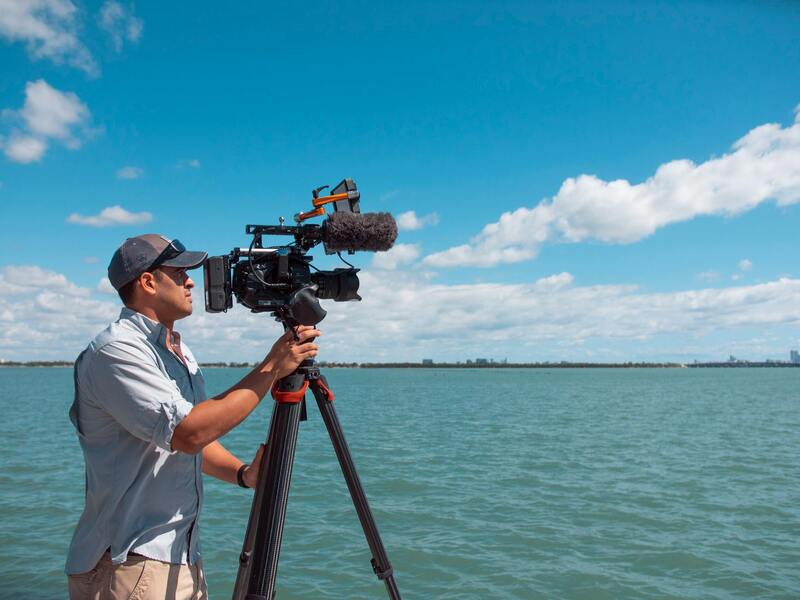
Technical advancements have significantly improved the capabilities and accessibility of live webcasting services. Modern platforms offer features such as multi-camera streaming, live chat integration, real-time analytics, and adaptive bitrate streaming. These elements contribute to a dynamic and interactive viewing experience, making professional webcasting an indispensable tool for organizations aiming to maximize their outreach and engagement.
Choosing an appropriate live webcasting service requires understanding the specific needs of your event, the technical infrastructure available, and the level of professionalism required. Professional webcasting services employ advanced encoding equipment, content delivery networks (CDNs), and secure streaming protocols to ensure that your content reaches your audience reliably. As the demand for high-quality live broadcasts continues to grow, the importance of well-structured, secure, and scalable webcasting solutions becomes increasingly apparent.
Key Features of Professional Webcasting
When selecting a live webcasting service, several core features guarantee a smooth and impactful broadcast. High-definition streaming is fundamental, ensuring that viewers experience crisp visuals and clear audio regardless of their device or internet speed. This minimizes buffering and lag, maintaining viewer engagement throughout the event. Scalability is another critical aspect, allowing the webcast to accommodate fluctuating audience sizes without compromising quality or performance.
Security measures are paramount to protect sensitive content and prevent unauthorized access. Implementations such as encrypted streams, secure login protocols, and digital rights management help establish a trustworthy broadcast environment. Additionally, user-friendly interfaces for both broadcasters and viewers streamline the streaming process and enhance interaction.
Advanced set of features, including multi-camera streaming, which provides multiple angles and shot options, enhances the production quality and viewer experience. Integrated live chat or Q&A modules foster real-time audience interaction, increasing engagement levels. Real-time analytics tools offer insights into viewer behavior, geographic distribution, and technical performance, enabling broadcasters to make immediate adjustments for optimal delivery.
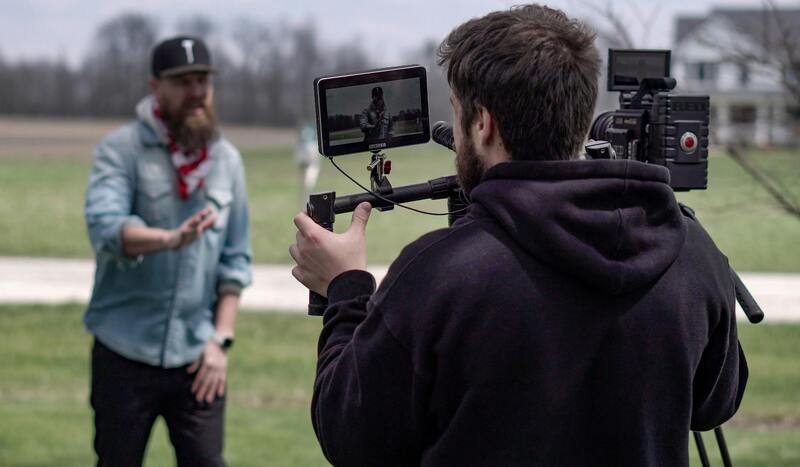
Moreover, adaptive bitrate streaming dynamically adjusts the quality of the stream based on each viewer’s internet connection, reducing buffering and improving overall viewer satisfaction. The ability to seamlessly integrate with social media platforms or embed streams directly into websites further broadens reach and simplifies content distribution. Robust customer support from the service provider ensures that any technical issues are promptly resolved, maintaining broadcast continuity.
Types of Live Webcasting Solutions
Live webcasting solutions vary widely depending on the scope and nature of the event. For instance, enterprise-grade solutions cater to large-scale conferences, corporate meetings, or across multiple locations, often involving dedicated hardware and custom configurations. These solutions prioritize comprehensive security, high reliability, and advanced interactivity.
Small to medium-sized events, such as webinars or local seminars, can leverage cloud-based platforms that offer ease of use and quick setup with minimal technical overhead. These services typically include many automated features, such as scheduled broadcasts, simple player embeds, and integrated chat options.
Hybrid solutions merge both approaches, allowing organizations to scale up or down based on their specific needs. This flexibility is particularly useful for organizations that host regular broadcasts but require adaptability for different event sizes.

The decision between these types should be based on factors such as audience size, geographic distribution, technical capability, and desired interactivity. A tailored approach ensures that a live webcasting service effectively aligns with organizational goals and event specifications.
Technical Requirements for Live Webcasting
Implementing a successful live webcasting service requires careful attention to a range of technical specifications to ensure a flawless broadcast experience. These requirements encompass both hardware and software components that work in concert to deliver high-quality streams seamlessly across various devices and networks.
At the core of any webcasting setup are reliable internet connections with sufficient bandwidth. For high-definition streams, a dedicated internet connection with upload speeds of at least 10 Mbps per stream is recommended to prevent buffering or quality degradation. Often, organizations utilize dual internet connections or load-balancing configurations to mitigate service interruptions caused by network issues.
Hardware equipment includes professional-grade cameras, encoders, audio mixers, and streaming servers. High-definition cameras capable of capturing clear visuals under different lighting conditions play a pivotal role in engaging viewers. Encoders convert the video and audio signals into digital formats compatible with streaming protocols. Hardware encoders provide robustness and low latency advantages, especially for events with complex production needs.

Software components are equally critical. Reliable streaming platforms and management tools enable organizations to schedule, customize, and monitor broadcasts effectively. These tools should support adaptive streaming protocols such as HLS or DASH, which adjust video quality based on the viewer’s internet speed, ensuring smooth playback for everyone.
Additional infrastructure, such as backup power supplies, redundant servers, and content delivery networks (CDNs), enhances broadcast reliability and scalability. CDNs distribute the live stream across multiple servers worldwide, reducing latency and buffering, especially vital for international audiences.
For organizations that need interaction during the webcast, integrating chat modules, real-time polling, and Q&A features requires seamless software solutions that synchronize with the broadcast platform. Compatibility with various operating systems and devices ensures a broader reach and positive viewer experience.

Meticulous planning of these technical elements before a live event minimizes disruptions and guarantees broadcast integrity. Working with professional live webcasting services can streamline this process, providing access to advanced equipment and expert management to handle complex technical requisites effectively.
Ensuring High-Quality Audio and Visual Experience
Achieving an engaging and professional live webcast relies heavily on the quality of audio and visual components. Top-tier cameras capable of capturing crisp, high-resolution images are essential, especially for large-scale events or broadcasts requiring detailed visuals. High-quality microphones and sound systems ensure clear audio, minimizing background noise and echo, which are crucial for maintaining viewer interest and comprehension.
Synchronization between video and audio feeds is vital to prevent delays or mismatches that could disrupt the viewing experience. Professional webcasting services often employ multi-camera setups with switchers, allowing seamless transitions and varied angles that add a dynamic element to the stream. Additionally, implementing proper lighting arrangements enhances image clarity and color accuracy, further elevating the production value.

Implementing Robust Network Infrastructure
A resilient network infrastructure forms the backbone of successful live streaming. A high-bandwidth internet connection with sufficient upload speeds is necessary to handle the data transmission of HD or 4K streams. Redundant network connections, such as secondary internet lines or dedicated fiber optic links, provide backup routes to prevent interruptions in case of primary connection failures.
Content Delivery Networks (CDNs) play a vital role by distributing the broadcast across multiple servers worldwide, which minimizes latency and buffering for viewers regardless of their location. Also, deploying firewalls and secure encryption methods helps protect the streaming data from unauthorized access, safeguarding the integrity of the webcast and maintaining viewer trust.
Stream Management and Monitoring Tools
Operational efficiency during a live webcast depends on advanced management tools. These include broadcast software that enables real-time control over video feeds, overlays, and transitions. Monitoring dashboards provide insights into stream health metrics such as viewer engagement, bandwidth usage, and buffering incidents. By proactively tracking these parameters, technical teams can swiftly address issues, ensuring uninterrupted delivery.

Importance of Technical Support and Planning
For large-scale or critical events, meticulous planning and technical support are indispensable. Pre-event rehearsals, testing equipment, and bandwidth assessments help identify potential weak points before the live broadcast. Working with experienced live webcasting providers ensures access to expert technicians who can troubleshoot unforeseen issues quickly, minimizing disruptions.
Further, establishing clear communication channels and contingency plans with your webcasting team guarantees faster responses to technical challenges. Whether adjusting stream parameters, resolving hardware issues, or managing audience interactions, professional support maintains the broadcast's overall quality and reliability.
Advanced Strategies for Effective Live Webcasting in Miami
Implementing High-Quality Audio and Visual Equipment
To deliver a seamless live webcasting experience, investing in state-of-the-art audio and visual equipment is essential. High-definition cameras with optical zoom capabilities allow broadcasters to capture detailed visuals, ensuring viewers receive clear and engaging content. Simultaneously, professional-grade microphones and sound mixers help produce pristine audio, eliminating background noise and echo that can detract from the viewing experience. When selecting equipment, consider factors such as lighting conditions, the size of the venue, and the type of content being streamed. A well-designed setup minimizes technical issues and enhances overall webcast quality.
Optimizing Internet Connectivity and Network Infrastructure
Reliable and high-speed internet connectivity forms the backbone of any successful live webcast. Fiber-optic internet connections are preferred because they offer superior bandwidth and stability, reducing latency and buffering during streams. Businesses should conduct thorough network assessments prior to events, ensuring that upload speeds can handle the data load without interruption. Additionally, establishing dedicated internet lines separate from other network traffic prevents bandwidth clashes that could impair stream quality. Network redundancy, such as backup connections or failover solutions, provides an extra layer of security against connectivity disruptions, maintaining continuous broadcast flow even during unforeseen outages.
Leveraging Streaming Software for Enhanced Control
Professional streaming software enables advanced customization and real-time control over webcast presentation. Features like multi-camera switching, graphic overlays, live captions, and audience interaction tools allow broadcasters to create dynamic and engaging content. Software solutions also facilitate smooth transitions, overlays, and synchronization of multiple media sources, ensuring a polished output. Integrating these tools with hardware setups and live feeds provides a cohesive workflow, enabling technicians to manage complex productions efficiently. Furthermore, cloud-based streaming platforms offer scalability and flexibility, making it easier to adapt to different event sizes and audience demands.
Implementing Security Measures to Protect Streaming Content
Securing webcast streams is critical for maintaining content integrity and protecting against unauthorized access. Encryption protocols ensure that data transmitted over the network remains confidential, with technologies such as SSL/TLS preventing eavesdropping. Access control mechanisms, including secure login credentials and password protections, restrict viewing to authorized audiences. Additionally, content delivery networks (CDNs) help distribute streams efficiently while adding layers of security through firewalls and anti-DDoS measures. Regular security audits, coupled with real-time monitoring of streaming activities, help identify and mitigate potential threats, safeguarding both the content and the reputation of your organization.
Training and Preparation for Live Webcasting Teams
Effective live webcasting execution relies heavily on the skill and preparation of the technical team. Regular training sessions ensure team members are familiar with equipment operation, troubleshooting procedures, and emergency protocols. Conducting test runs prior to the actual event allows teams to identify and rectify potential issues, such as audio-visual sync problems or connectivity glitches. Clear communication channels and detailed checklists contribute to a coordinated effort during live streams, minimizing errors and enhancing viewer experience. Experienced professionals are adept at managing unexpected situations swiftly, ensuring the webcast proceeds smoothly from start to finish.

Implementing Secure and Reliable Transmission Protocols
To ensure seamless delivery of live webcasts, providers employ a variety of proven transmission protocols designed for stability and security. Hypertext Transfer Protocol Secure (HTTPS) offers encrypted communication channels, thus protecting the content from potential interception during data transmission. Real-Time Messaging Protocol (RTMP) remains a popular choice for low-latency streaming, especially when used alongside secure adaptations. Additionally, HLS (HTTP Live Streaming) and DASH (Dynamic Adaptive Streaming over HTTP) enable adaptive bitrate streaming, allowing the stream to adjust quality based on viewer bandwidth, which prevents buffering and ensures a consistent viewing experience.
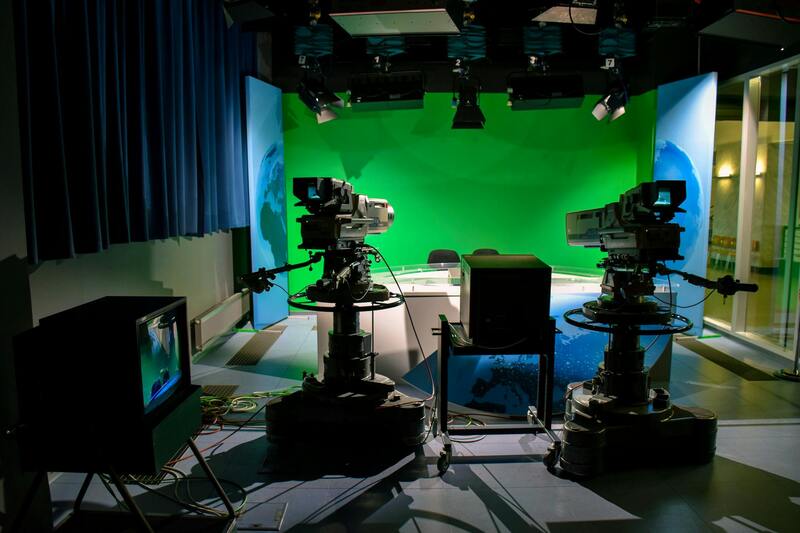
Cloud-based streaming platforms often utilize Content Delivery Networks (CDNs) to distribute streams efficiently across geographical locations. This approach not only improves latency but also introduces redundancy, reducing downtime during high traffic periods. These CDNs implement their own security measures, such as firewalls and anti-DDoS protections, which guard the streaming infrastructure against malicious attacks. A robust streaming setup also incorporates modern network infrastructure, including dedicated bandwidth and fiber-optic connections, to handle large data loads without interruption.
Monitoring and Maintaining Stream Quality
Proactively overseeing the webcasting environment is fundamental for delivering a high-quality experience. Monitoring tools analyze metrics like latency, jitter, packet loss, and overall stream health in real time, alerting technical teams to issues as they arise. These tools facilitate quick diagnostics, allowing for immediate corrective actions—such as switching to backup streams or adjusting encoding settings—to mitigate disruptions. Regular maintenance and updates of hardware components, along with consistent testing of streaming setups, further contribute to the stability and clarity of the live broadcast.
Implementing Redundancy and Backup Solutions
While technical excellence is crucial, establishing backup systems ensures continuous operation amidst unforeseen problems. This could include redundant internet connections, backup servers, and alternative encoding equipment. For critical broadcasts, a secondary stream can be pre-encoded and stored, ready to go live if the primary stream encounters issues. Implementing failover strategies minimizes the risk of service interruption, preserving the credibility of your event and maintaining dedicated viewer engagement. Backup power supplies, such as uninterruptible power supplies (UPS), also protect against outages, ensuring the webcast remains uninterrupted during power fluctuations.
Content Security and Access Control
Protecting the stream from unauthorized access is achieved through comprehensive security protocols, including encryption and authentication measures. Secure login processes, often utilizing single sign-on (SSO) or multi-factor authentication (MFA), restrict who can access the webcast. Digital Rights Management (DRM) solutions can be employed to prevent content copying or redistribution. Additionally, geofencing restricts access based on geographic location, and password protection ensures only intended audiences can view the broadcast. Regular security audits and controlled distribution further reinforce the safeguarding of sensitive content and uphold the integrity of your live event.
Technical Requirements for Live Webcasting
Executing a seamless live webcast necessitates careful attention to technical infrastructure. A reliable high-speed internet connection is fundamental, with upload speeds ideally exceeding the total bitrate of the stream to prevent buffer interruptions and ensure smooth playback. Fiber optic connections are highly recommended due to their stability and high bandwidth capabilities, especially for larger audiences or high-definition broadcasts.
Beyond internet stability, encoding hardware or software plays a vital role in maintaining broadcast quality. Encoders compress and transmit video feeds efficiently, with hardware encoders offering enhanced reliability and lower latency, suited for professional settings. Software-based encoders provide flexibility and cost-effectiveness but require a robust computing environment.
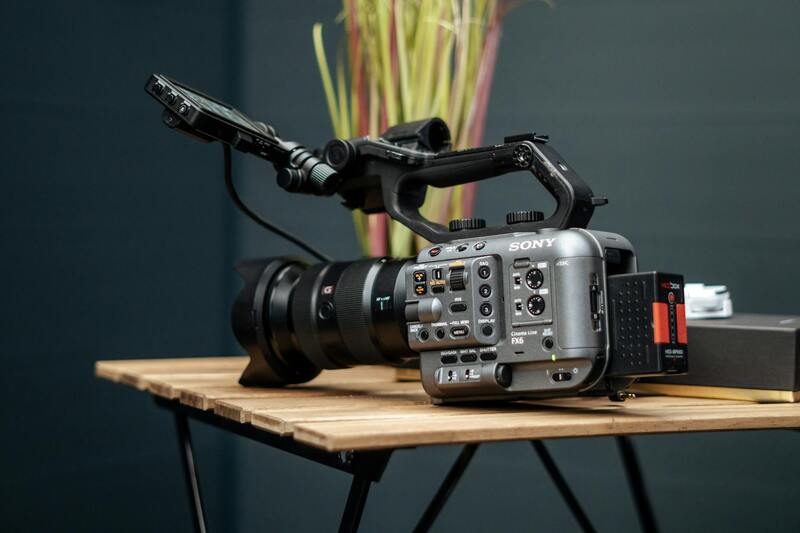
Content delivery networks (CDNs) are integral to distributing the webcast to large audiences efficiently. They reduce latency and prevent bottlenecks by caching content across multiple servers worldwide, ensuring viewers experience minimal delay and buffering. Selecting a CDN with a robust network infrastructure tailored to your broadcast size and audience geography is essential.
Audio quality is equally critical, with professional microphones, audio mixers, and sound processing tools ensuring clarity. Poor audio can significantly detract from viewer experience, even if video quality is optimal. Implementing audio monitoring and testing before the live event helps address any issues proactively.
In addition to hardware and network components, proper synchronization between video and audio streams—known as lip-sync—is essential for a cohesive viewing experience. Utilizing professional streaming platforms that support adaptive bitrate streaming allows the webcast to automatically adjust according to viewers' internet speeds, reducing interruptions.
Security and Access Management
Besides technical setup, securing the webcast against unauthorized access involves multiple layers. Encrypting the content during transmission prevents interception and tampering. Authentication protocols, such as token-based access or secure login portals, restrict entry to intended viewers. Employing multi-factor authentication (MFA) adds an extra layer of security, ensuring only verified participants can attend.
Content protection tools, including Digital Rights Management (DRM), prevent unauthorized copying or redistribution of the live stream. Geographic restrictions via geofencing can limit access to specific regions, aligning with targeted audience segments. Password protection further controls access, allowing hosts to share personalized links with select viewers.
Monitoring tools provide real-time analytics, enabling organizers to observe viewer engagement, detect potential issues early, and optimize the streaming experience throughout the event. Regular security audits and updates to encoding software and hardware help maintain a high level of safety and performance.

Comprehensive Security Measures for Live Webcasting
Implementing robust security protocols is fundamental for hosting seamless and protected live webcasts. Professional live webcasting services utilize a multilayered security approach to safeguard content and restrict access to authorized viewers only. Encryption remains a cornerstone in this security framework, safeguarding data during transmission to prevent interception or unauthorized viewing. High-grade encryption standards, such as AES (Advanced Encryption Standard), are employed to ensure that live content remains confidential throughout the streaming process.
Authentication mechanisms are equally critical. Secure login portals, often integrated with token-based authentication or Single Sign-On (SSO) systems, enable organizers to verify participant identities effectively. Multi-factor authentication (MFA) adds an additional safeguard, requiring viewers to provide multiple forms of verification before gaining access. This layered approach minimizes unauthorized viewing and helps maintain the integrity of your webcast.

Content protection extends beyond encryption and access control. Digital Rights Management (DRM) technology can prevent viewers from copying or redistributing the stream unlawfully. Geofencing, which restricts access based on geographic location, further refines control over who can view the webcast, aligning access with regional preferences or restrictions. Password-protected links and invitation-only access help organizers manage attendee lists and prevent unauthorized participants from joining.
To optimize security and performance throughout the event, continuous monitoring and analytics are essential. Real-time data on viewer engagement, bandwidth usage, and streaming quality enable organizers to identify and address issues proactively. Regular security audits, updates to software and hardware, and adherence to industry best practices are vital to maintaining a secure environment for live broadcasts.
Technical and Logistical Considerations for Secure Live Streaming
- Encryption Standards: Use of AES-256 or higher to secure transmitted data.
- Authentication Protocols: Deployment of MFA and token-based access controls.
- Content Protection: Integration of DRM and watermarking tools to deter unauthorized copying.
- Access Restrictions: Geofencing, password protection, and invitation-only links.
- Monitoring and Analytics: Real-time tracking of viewer engagement and streaming health.
- Software and Hardware Security: Regular updates, patches, and hardware audits for robust defenses.
Emerging Security Trends in Live Webcasting
Technologies like biometric authentication, blockchain-based security solutions, and advanced AI-driven threat detection are gradually shaping the future landscape of live streaming security. These innovations aim to improve user verification processes, enhance content integrity, and offer adaptive responses to emerging security threats. For organizations seeking to maintain the highest standards of security, partnering with a professional live webcasting provider that invests in the latest protective technologies is essential. Ensuring that all security measures are aligned with current industry standards provides peace of mind and enables focus on delivering impactful, engaging live events without concerns over content security or attendee management.