
Understanding Event Streaming Services
Event streaming companies play a pivotal role in delivering live content dynamically over the internet. They specialize in capturing, processing, and transmitting real-time video and audio signals to viewers across diverse locations. These services are essential for organizations and event organizers aiming to reach wider audiences without geographical limitations. Whether it’s a corporate conference, a music festival, a sports event, or a community celebration, reliable event streaming ensures seamless broadcasting that preserves the event’s quality and immediacy.
At the core of their operations, event streaming companies utilize sophisticated infrastructure and technologies designed to handle high volumes of data with minimal latency. This involves the deployment of high-definition cameras, encoding hardware, content delivery networks (CDNs), and adaptive streaming protocols. These components work together to deliver a consistent viewing experience, regardless of the viewers’ devices or internet speeds.
The process begins with the extraction of live footage from the event venue. This footage is then encoded into digital signals suitable for transmission over the internet. The encoded streams are distributed via CDNs, which optimize delivery by reducing lag, buffering, and interference. Viewers accessing the streams can do so from desktops, smartphones, smart TVs, or other connected devices, often with options for multiple camera angles, live chat, and interactive features.
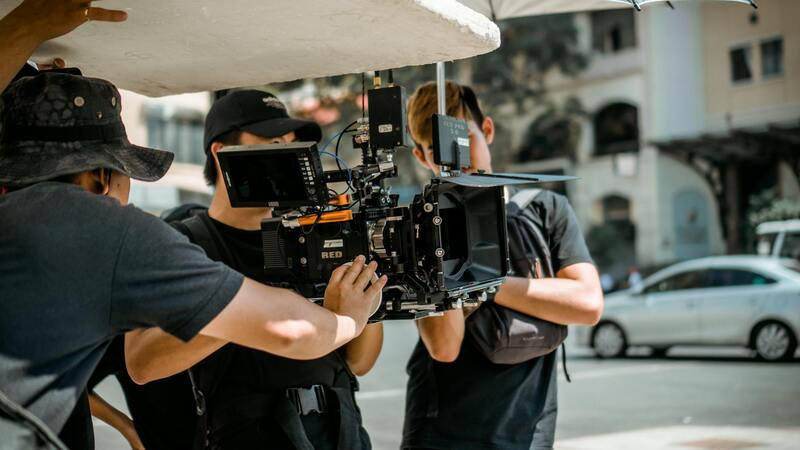
Choosing an event streaming company requires understanding the specific needs of each event. Larger events with high attendee numbers demand robust capacity and redundant systems to prevent disruptions. Smaller events may focus more on cost-effective solutions while still maintaining high standards of broadcast quality. The right service provider ensures that technical issues are minimized, and the event’s presentation remains professional and engaging.
In essence, an event streaming company acts as the digital bridge connecting event organizers with their remote audiences, making it possible to broadcast live content with clarity, reliability, and efficiency. Their expertise and technology enable events to transcend physical boundaries, expanding reach and enhancing engagement across diverse demographics.
Key Features of a Reliable Event Streaming Company
Choosing an effective event streaming partner hinges on recognizing several critical capabilities that ensure a seamless experience for both organizers and viewers. The foundational element is the delivery of high-quality video. This involves advanced encoding technologies that maintain clarity, color accuracy, and stability even during high-motion segments, ensuring viewers experience the event as if they were physically present.
Multi-platform support is equally pivotal. The streaming service must be compatible across various devices and operating systems, including desktops, smartphones, tablets, and smart TVs. Adaptive bitrate streaming plays a vital role here, dynamically adjusting video quality based on the viewer’s internet speed, minimizing buffering and interruptions.
Low latency streaming is essential for real-time engagement, especially for events requiring live interaction, Q&A sessions, or auctions. The ability to transmit synchronized audio and video feeds with minimal delay enhances audience participation and creates a more immersive experience.
Additional features that define reliability include redundant servers to safeguard against outages, comprehensive security protocols to protect content and user data, and customizable viewing interfaces to meet the specific branding and functional requirements of each event.

Technical Support and Scalability
Reliability also encompasses ongoing technical support throughout the event, providing rapid troubleshooting and proactive monitoring that identify potential issues before they impact viewers. Scalability is fundamental for handling fluctuating attendee numbers, particularly for events that anticipate rapid growth in viewership or sudden spikes.
Content Management and Customization Options
Customized content management tools enable organizers to modify streams in real-time, incorporate branding elements, and add interactive features such as live chat and polls. These features foster audience engagement and mirror the quality of in-person experiences.
Understanding Event Streaming Services
Event streaming services serve as the backbone of modern digital event broadcasting, facilitating real-time transmission of live content to audiences across various locations. These services leverage sophisticated technologies to ensure high-quality video and audio delivery, minimizing delays and disruptions. They are vital for a diverse range of occasions, including corporate conferences, music festivals, product launches, and community gatherings. The core of effective event streaming lies in the ability to provide a seamless experience that closely mimics in-person participation, which is achieved through advanced encoding, robust CDN (Content Delivery Network) infrastructure, and adaptive streaming protocols.
By employing cutting-edge tools and infrastructure, event streaming companies ensure that content reaches viewers with minimal latency, even during periods of high traffic. They also offer features such as real-time analytics, which help organizers monitor viewer engagement and streaming quality, allowing for immediate adjustments to optimize the broadcast. As audiences increasingly expect immersive and interactive online experiences, the role of these services extends beyond simple video delivery to include interactive elements like live chat, polls, and Q&A sessions, enhancing audience participation significantly.

Key Features of a Reliable Event Streaming Company
Choosing a dependable event streaming partner involves understanding the key features that contribute to a successful broadcast. These include:
- Redundant Server Networks: Ensuring continuous streaming even if one server encounters issues, reducing the risk of outages.
- Low Latency Capabilities: Critical for real-time interactions, allowing viewers to participate actively without delays.
- Scalable Solutions: Supporting varying audience sizes, from small webinars to large-scale international events.
- Advanced Security Protocols: Protecting content and user data through encryption and secure access controls.
- Customizable Interface: Tailoring the viewing experience to match brand identity and functional needs.
- Technical Support and Monitoring: Providing 24/7 assistance with proactive monitoring to preempt potential issues.
In addition to core technical capabilities, a reliable provider adopts a client-centric approach by offering flexible integration options, detailed reporting, and post-event analytics. This enables organizers to refine future broadcasts and enhances overall event management.
Understanding Event Streaming Services
Event streaming services have revolutionized the manner in which organizations, corporations, and event organizers disseminate live content to audiences across various geographic locations. These platforms facilitate real-time broadcasting of keynotes, conferences, product launches, concerts, and corporate meetings, ensuring that content reaches viewers instantaneously, regardless of their physical location. The core of effective event streaming hinges on a robust technological framework that guarantees seamless delivery, minimal latency, and high-quality visuals and audio. As digital engagement continues to grow, the demand for sophisticated streaming solutions that cater to diverse event needs has surged. This shift necessitates providers that not only possess cutting-edge infrastructure but also prioritize security, scalability, and user experience to sustain viewer engagement and participation.

Key Features of a Reliable Event Streaming Company
Reliability in event streaming is vital for maximizing audience retention and ensuring a professional presentation. Leading providers incorporate several critical features to meet these expectations:
- Redundant Server Networks: Multiple server locations and failover systems to maintain uninterrupted streaming even during technical disruptions.
- Low Latency Capabilities: Reducing delay between broadcast and viewer experience, which is essential for interactive segments such as Q&As and polls.
- Scalable Solutions: Flexibility to accommodate audience sizes ranging from intimate webinars to large-scale international conferences.
- Advanced Security Protocols: Encryption and secure login processes to safeguard content against unauthorized access and data breaches.
- Customizable Interface: Tailoring viewer interfaces to align with branding requirements and functional preferences for an engaging experience.
- Technical Support and Monitoring: 24/7 support complemented by proactive monitoring systems that identify and resolve issues before they impact viewers.
Additional value is added when providers offer detailed analytics post-event, enabling organizers to assess viewer engagement and technical performance for future improvements.

Factors to Consider When Selecting an Event Streaming Company
Choosing the right partner for Miami-based event streaming involves evaluating several key aspects:
- Experience and Expertise: Proven track record with a portfolio of successful large-scale and complex events.
- Technology Infrastructure: State-of-the-art hardware, data centers, and bandwidth capacity suited to the event's scope.
- Customer Support: Responsive technical assistance, including pre-event testing, on-site support, and troubleshooting during the event.
- Pricing and Packages: Transparent pricing models aligned with the event's duration, audience size, and specific service requirements.
- Compatibility with Local Needs: Understanding of Miami’s technological environment and audience preferences to optimize delivery.
Evaluating these factors ensures that organizers select a provider capable of delivering a seamless, impactful live streaming experience tailored to Miami’s vibrant event landscape.
Legal and Technical Considerations
When selecting an event streaming company in Miami, understanding the legal and technical frameworks that govern live broadcasts is essential. These considerations ensure that the streaming process adheres to established standards and best practices, safeguarding the interests of organizers, performers, and audiences alike.
One of the primary technical aspects involves the configuration of streaming platforms and networks to guarantee high-quality video delivery. This includes implementing robust encoding solutions, secure data transmission channels, and redundancy systems to prevent disruptions. Technical experts also focus on safeguarding content through encryption methods during transmission and storage, minimizing risks associated with unauthorized access or data breaches.
From a legal standpoint, compliance with broadcasting rights, intellectual property laws, and licensing agreements is crucial. Event organizers and streaming providers must verify that all content shared during the broadcast has the necessary permissions, especially if copyrighted materials, trademarks, or proprietary footage are involved. It's equally important to establish clear terms of service that outline the responsibilities and liabilities of each party, ensuring transparency and smooth operational processes.

Additionally, understanding data privacy regulations within Miami and broader jurisdictions plays a significant role. Streamers must implement privacy policies that inform viewers about data collection practices and obtain appropriate consents. This compliance not only adheres to legal standards but also builds trust with the audience, promoting continued engagement and loyalty.
Further technical considerations encompass the integration of multi-platform streaming capabilities, enabling content to reach various channels such as social media platforms, company websites, and dedicated apps. This multi-channel approach extends audience reach and enriches the user experience. Properly managing these streams involves synchronization of content delivery, adaptive bitrate streaming to accommodate diverse internet speeds, and real-time analytics to monitor engagement levels.
An experienced event streaming company employs specialized tools and protocols to address these facets seamlessly. The deployment of Content Delivery Networks (CDNs) ensures widespread distribution with minimal latency, while firewalls and intrusion detection systems protect against cyber threats. Regular testing of all technical components before the event guarantees that potential issues are identified and resolved proactively, minimizing on-the-day surprises.

In summary, meticulous attention to legal and technical considerations enables Miami event streaming companies to deliver smooth, secure, and compliant broadcasts that meet the highest standards of professionalism and viewer satisfaction. Maintaining an up-to-date understanding of applicable regulations and adopting advanced technological solutions are fundamental to successful live streaming operations.
Legal and Technical Considerations
When engaging with an event streaming company, understanding the legal and technical frameworks that underpin successful broadcasts is critical. This encompasses ensuring compliance with appropriate standards, using authorized content sources, and implementing robust security measures. Maintaining strict adherence to content rights prevents potential conflicts and guarantees the proper use of media assets.
From a technical standpoint, the focus is on deploying high-quality equipment and reliable infrastructure. This involves advanced encoding software, professional-grade cameras, and stable internet connections capable of handling high-bandwidth data flow. Redundant systems and backup solutions are essential to minimize the risk of disruptions during live streams. Additionally, adaptive streaming technologies adjust the quality of video delivery based on viewers' internet speeds, ensuring an uninterrupted experience across diverse devices and connection qualities.
Security measures are paramount to safeguard stream integrity and viewer data. This includes encryption protocols, secure login portals, and monitoring systems that detect potential cyber threats in real-time. Regular testing of all streaming components prior to the event allows technical teams to identify and rectify issues proactively, thereby avoiding costly delays or loss of broadcast quality. Proper integration of all these elements results in a seamless, high-standard event broadcast that upholds both operational excellence and content protection.

Tracks of compliance are equally important. Event streaming companies often work closely with legal advisors to ensure that licenses are properly secured for all content used during the broadcast. This covers music rights, video clips, images, and any proprietary data. Such diligence prevents legal complications that could undermine the event's success and reputation.

To optimize the consumer experience, the deployment of Content Delivery Networks (CDNs) is a standard practice. CDNs distribute the stream across multiple servers worldwide, reducing latency and buffering times. This global distribution helps reach viewers with minimal delay, regardless of geographic location. Additionally, continuous monitoring of stream performance enables quick response to any technical hiccups, ensuring a consistently high-quality broadcast.
Ultimately, a comprehensive approach combining state-of-the-art technology and stringent legal protocols is essential. It guarantees that event streams are not only visually appealing and engaging but also secure and compliant, reinforcing the professionalism of Miami’s event streaming industry.
Understanding Event Streaming Services
Event streaming services have transformed the way live events are experienced, enabling real-time broadcasting across diverse platforms. At its core, such a service involves capturing an event through high-definition cameras, processing the content with advanced encoding technology, and transmitting it via robust networks to viewers worldwide. This process requires a combination of hardware, software, and infrastructure, carefully curated to ensure the highest quality of delivery. Given the dynamic nature of live events, reliable event streaming companies prioritize minimal latency and seamless playback, aiming for viewers to have an experience as close to attending in person as possible.
Moreover, event streaming services facilitate interactive components such as live chat, polls, and real-time feedback, enriching the viewer engagement. The technology also allows for multi-platform distribution, whether through dedicated apps, social media, or dedicated streaming portals, broadening the reach of any event. Trustworthy providers use adaptive bitrate streaming to adjust video quality dynamically based on viewer bandwidth, thus providing a buffer-free experience regardless of internet speed.
Key Features of a Reliable Event Streaming Company
- Advanced Technology Stack: Utilizing cutting-edge encoding, CDN integration, and redundancy systems to maintain high-quality streams.
- Security Protocols: Implementing encryption, access controls, and cybersecurity measures to protect content and user data.
- Technical Support: Offering dedicated support teams for real-time troubleshooting and immediate response during live events.
- Customization Options: Tailoring streaming solutions to fit the specific requirements of each event, including branding, multiple camera feeds, and audience interaction tools.
- Scalability: Ensuring infrastructure can handle varying audience sizes without degradation in quality.
Benefits of Hiring a Local Miami Event Streaming Provider
Partnering with a local Miami company brings several advantages, particularly in terms of logistical support and contextual understanding. Local providers are familiar with the region’s technical infrastructure, permitting smoother installation and setup processes. This proximity allows for on-site assistance during setup and execution, minimizing the potential for technical issues that can arise with remote coordination.
Additionally, Miami’s dynamic event scene, from conferences to sports and cultural festivals, requires swift adaptability—something local companies excel at due to their intimate knowledge of the local environment. Accessibility also facilitates quicker response times to any unforeseen technical challenges, ensuring that live broadcasts proceed without interruptions. Being based in Miami also simplifies coordination with venue staff and event organizers, streamlining the overall production process and aligning streaming setups with event schedules in real-time.

Factors to Consider When Selecting an Event Streaming Company
- Technical Expertise: Assess their experience with similar event types and the latest streaming technologies.
- Platform Compatibility: Ensure the service supports your preferred distribution channels and devices.
- Content Security: Confirm the provider uses secure streaming protocols to prevent unauthorized access or content theft.
- Reputation and References: Review case studies, client testimonials, and previous event recordings to evaluate reliability.
- Customization Capabilities: Check if the company offers tailored solutions that meet your event’s unique requirements.
- Pricing Structure: Understand the breakdown of costs and any additional fees for support, bandwidth, or content rights management.
Types of Events Suitable for Streaming
- Conferences and business summits with remote attendees
- Music festivals and concerts
- Sporting events and tournaments
- Cultural and community festivals
- Religious gatherings and ceremonies
- Educational lectures and workshops
- Product launches and corporate presentations
Each of these event types can greatly benefit from live streaming by expanding audience reach, increasing engagement, and providing additional avenues for monetization. Properly executed streaming solutions can elevate the event’s profile and make it accessible to a global audience, ensuring broader visibility and participation.

Integrating Streaming with Production Services
Combining streaming with professional production services ensures a polished and cohesive event presentation. This integration typically involves synchronized camera switching, audio mixing, graphics overlay, and real-time editing, creating a dynamic viewing experience. Advanced production teams utilize multi-camera setups and live editing software that interfaces seamlessly with streaming platforms, enabling visually engaging content that can be customized for each event.
Furthermore, the integration of streaming with local production allows for immediate branding opportunities, content insertion, and interactive features, elevating the event’s professionalism. It also supports multi-language subtitles, real-time analytics, and viewer engagement tools, which add depth to the streaming experience. The combined approach of high-caliber production and reliable streaming infrastructure ensures viewers receive an experience that rivals traditional broadcast quality, maintaining the prestige of the event and satisfying both organizers and audiences alike.
Understanding Event Streaming Services
Event streaming services have become an essential component of the modern event landscape, especially in vibrant cities like Miami, where diverse audiences seek dynamic and accessible experiences. At its core, event streaming involves the live broadcasting of events over the internet, allowing remote viewers to participate in real time. These services encompass a wide range of technological solutions, including high-definition video transmission, multi-camera setups, real-time audio, and interactive features that foster audience engagement.
In practice, a trusted event streaming company handles the entire technical process—from camera operation to encoding, and transmission—ensuring a seamless viewing experience across various devices and platforms. Such providers utilize advanced infrastructure with redundant servers and scalable bandwidth to accommodate varying audience sizes without interruption. This flexibility is crucial in large-scale events where viewer numbers can fluctuate significantly.
Additionally, an effective event streaming service incorporates multi-platform compatibility, enabling content to be accessible via social media, dedicated websites, or specialized streaming apps. The goal is to maximize reach while maintaining high production standards. A comprehensive understanding of network protocols, content delivery networks (CDNs), and encryption methods further ensures secure, high-quality broadcasts that uphold the event’s professional image.

Key Features of a Reliable Event Streaming Company
- Technical Expertise: Skilled technicians adept at managing audio-visual equipment, streaming hardware, and software solutions to deliver smooth broadcasts.
- High-Quality Equipment: Use of professional-grade cameras, microphones, encoders, and streaming servers ensures optimal picture and sound quality.
- Scalability: Infrastructure capable of supporting both small gatherings and large-scale events with numerous viewers worldwide.
- Real-Time Monitoring: Continuous oversight during live streaming to promptly address any technical issues that may arise.
- Customized Solutions: Tailoring streaming solutions to fit specific event requirements, whether a corporate conference, concert, or community festival.
- Security Measures: Implementation of encryption and access controls to protect content and attendee information.
- Post-Event Analytics: Providing detailed reports on viewer engagement, geographic distribution, and technical performance.
Benefits of Hiring a Local Miami Event Streaming Provider
Partnering with a local Miami-based event streaming company offers distinct advantages, as such providers possess in-depth knowledge of the regional event scene, logistical considerations, and audience preferences. Local expertise enables more efficient coordination with venues, familiarity with regional regulations, and swift troubleshooting in the event of unforeseen technical challenges.
Furthermore, Miami hosts a wide array of cultural, corporate, and entertainment events, making proximity a critical factor in achieving reliable and timely streaming services. Local providers can often offer more personalized support, flexible scheduling, and on-site technical assistance, ensuring that the event runs smoothly from setup to broadcast.
Additionally, working locally reduces logistical complexities and delivery times for equipment and personnel, streamlining the overall production process. This proximity also supports the integration of live streaming into the broader event ecosystem, such as blending in-person experiences with virtual participation seamlessly.

Factors to Consider When Selecting an Event Streaming Company
- Experience and Portfolio: Review previous successful projects, especially those similar in scope or industry to your event.
- Technology and Equipment: Confirm the use of modern, reliable streaming hardware and software tailored for your event size.
- Customer Support: Ensure there is dedicated, responsive support before, during, and after the event.
- Content Customization: Ability to incorporate branding, graphics, multi-language options, and interactive features.
- Bandwidth and Infrastructure: Adequate infrastructure to handle expected viewer loads without buffering or delays.
- Pricing Structure: Transparent pricing with clear breakdowns and no hidden fees, aligned with your budget.
- Reputation and References: Positive testimonials and references from previous clients indicating high-quality service delivery.
Types of Events Suitable for Streaming
- Corporate Conferences and Seminars: Extending outreach to remote participants while maintaining professional quality.
- Music Concerts and Festivals: Reaching wider audiences while showcasing regional talent and performances.
- Community Events and Celebrations: Making local festivals, parades, and cultural events accessible to virtual attendees.
- Educational Workshops and Classes: Facilitating remote learning or hybrid educational experiences.
- Religious Services: Enabling congregations to participate online safely and conveniently.
Integrating Streaming with Production Services
Combining event streaming with professional production elevates the overall event quality, creating an engaging experience for viewers. This integration involves synchronized multi-camera setups, real-time graphics overlay, high-quality audio mixing, and live editing tailored to the event's flow. By leveraging advanced software and hardware, producers can seamlessly switch between camera angles, insert branding elements, and incorporate audience interaction features such as live polls or Q&A sessions.
This fusion of production and streaming not only enhances visual appeal but also allows for branding and content customization. Immediate post-production options, such as highlight reels or on-demand recordings, add value for attendees and extend the event’s lifespan.
Ongoing communication between the production team and the streaming technicians ensures that transitions, graphics, and sound levels are consistently synchronized. This holistic approach results in a polished, broadcast-quality presentation that rivals traditional media outlets and meets the expectations of discerning audiences.
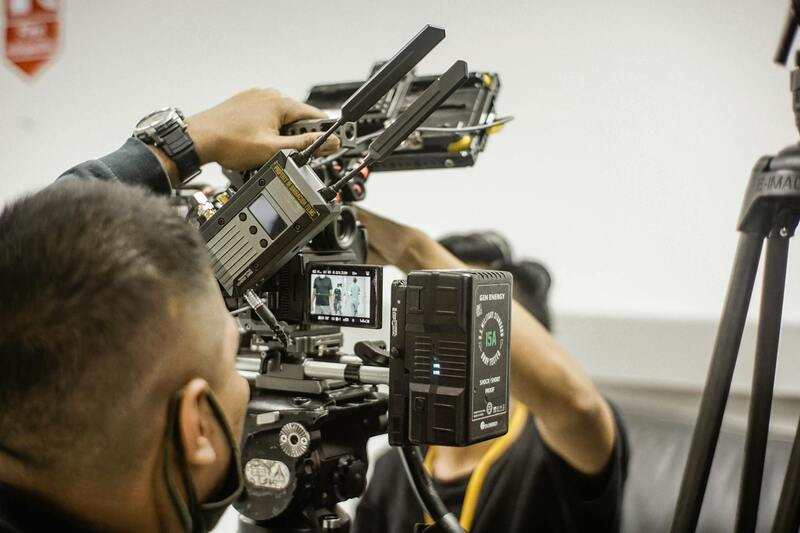
Future Trends in Event Streaming for Miami Productions
Emerging technologies such as 4K Ultra HD streaming, interactive 3D environments, and augmented reality are shaping the future of event streaming capabilities in Miami. Enhanced viewer interaction through virtual reality environments and integrated social media platforms is likely to increase engagement and participation. Adaptive streaming technologies, which adjust quality based on viewer bandwidth, ensure a consistent experience across diverse networks. AI-driven analytics and personalized content recommendations will also enable event organizers to tailor content delivery, analyze viewer behavior, and improve future productions. As consumer preferences shift towards hybrid and fully virtual events, service providers in Miami are investing in innovative solutions that combine physical presence with immersive digital experiences. The integration of multi-sensory elements, such as haptic feedback and spatial audio, promises to deepen audience immersion and satisfaction. Continued growth in 5G deployment across the region will facilitate faster, more reliable streaming, opening new opportunities for large-scale live broadcasts and interactive virtual events. Local event streaming companies poised to adopt these trends will be critical in delivering next-generation experiences that align with evolving audience expectations.