Overview of Live Video Streaming in Miami
Live video streaming has become an integral part of modern communication, offering real-time broadcasting capabilities that cater to a diverse range of applications. In Miami, a city renowned for its vibrant cultural scene, bustling business environment, and major events, the demand for high-quality live streaming services continues to grow significantly. Whether for corporate conferences, concerts, sporting events, or community gatherings, live streaming enables organizers to reach broader audiences beyond physical locations, providing greater accessibility and engagement.
The increasing penetration of high-speed internet and mobile devices within Miami has further fueled the expansion of live streaming usage. Local businesses leverage live video to showcase new products, conduct virtual tours, or engage with clients and partners remotely. Event organizers utilize live streaming platforms to amplify reach, especially for events with limited onsite capacity or international attendees.
Moreover, Miami's diverse population and its position as a major hub for tourism and entertainment make live video streaming an essential tool for marketing and promotion. Hosting a high-profile event or a cultural festival, for example, benefits from real-time broadcasting that can attract global viewers, boosting city visibility and economic activity. Various local content creators, media outlets, and educational institutions rely heavily on live streaming to disseminate news, educational content, and cultural programs, solidifying its role in the digital landscape.

The trend towards professional-quality live broadcasts emphasizes the importance of selecting robust streaming solutions that ensure seamless video delivery, minimal latency, and excellent user experience. As Miami continues to expand its digital infrastructure, the reliance on dependable live video stream services will become even more integral to how local businesses and organizations communicate, promote, and connect with their audiences globally.
Key Features of a Reliable Live Video Stream Service
When selecting a live video stream service to accommodate Miami’s dynamic and diverse content demands, several core features must be prioritized to ensure optimal performance, viewer engagement, and content security. A service that excels in these areas will facilitate smooth, professional broadcasts that meet both the technical and strategic goals of local businesses, event organizers, and content creators.
High-Quality Streaming and Resolution
At the forefront of essential service features is the ability to deliver high-definition video with minimal compression artifacts. Providing options for HD, Full HD, or 4K streams depending on audience bandwidth ensures that viewers experience crisp visuals, which is vital for professional presentations, product showcases, or cultural events. Reliable encoding and adaptive bitrate streaming dynamically adjust video quality based on viewer connection speeds, preventing buffering and dropout issues.

Low Latency and Seamless Delivery
Low latency transmission is critical for real-time interaction, such as live Q&A sessions or interactive cultural performances. Advanced streaming protocols and network infrastructure facilitate near-instantaneous transmission, minimizing lag and synchronization issues between audio and video. Low latency not only improves audience engagement but also enhances broadcast reliability, reducing disruptions during critical moments.
Robust Device Compatibility and Multi-Platform Support
Effective live streaming solutions must seamlessly support a wide range of devices, including smartphones, tablets, desktops, and smart TVs. Compatibility with popular browsers and streaming platforms ensures that content reaches the broadest possible audience without technical barriers. Features like multi-platform embedding and mobile responsiveness are essential for maximizing outreach across Miami’s varied user base.
Scalability and Infrastructure Resilience
As Miami’s audiences grow or fluctuate, the streaming service should offer scalable bandwidth options that accommodate larger viewership without degradation in quality. Cloud-based streaming architectures enable dynamic resource allocation, handling peak traffic during major events or promotional campaigns. Redundancy and failover mechanisms further safeguard the stream against interruptions caused by network outages or server failures.
Security and Content Protection
To protect intellectual property and ensure audience trust, streaming services must incorporate security features such as encrypted transmission, secure token authentication, and domain restrictions. These measures help prevent unauthorized access, piracy, or content theft, especially important for paid or exclusive broadcasts.
Analytics and Monitoring Capabilities
Real-time analytics provide valuable insights into viewer behavior, geographic distribution, and engagement metrics. These data points assist content creators and organizers in optimizing future broadcasts, tailoring content to audience preferences, and demonstrating value to sponsors or stakeholders. Continuous monitoring of stream health and performance ensures prompt troubleshooting and minimal downtime.
Content Management and Customization Options
An effective platform offers user-friendly tools for content scheduling, live editing, and overlay customization. The ability to incorporate branding elements, real-time comments, or interactive features enhances viewer experience and strengthens engagement. Integration with content management systems streamlines workflow for production teams managing multiple live streams.

Choosing a live video stream service with these features ensures a reliable, engaging, and secure broadcasting experience. For Miami-based organizations seeking to elevate their digital presence, investing in a platform that combines technical excellence with user-centric tools is crucial for success in today’s competitive digital landscape.
Technical Considerations for Live Streaming
Implementing an effective live video stream service in Miami requires understanding the technical infrastructure that underpins high-quality broadcasts. A robust platform must support adaptive bitrate streaming, which dynamically adjusts video quality based on viewer bandwidth, providing seamless experiences across diverse devices and internet speeds. This capability minimizes buffering and ensures that viewers maintain consistent engagement, regardless of their connection quality.
Latency is another critical factor. Low-latency streaming techniques reduce the delay between the live event and viewer reception, which is especially important for interactive broadcasts such as Q&A sessions, auction events, or live polls. Technologies like WebRTC or HLS with low-latency configurations enable real-time interactions that can elevate viewer participation.
Content delivery networks (CDNs) play an essential role in expanding reach and maintaining stream stability across Miami and beyond. A CDN distributes the data load, reducing server strain and leading to faster, more reliable stream delivery even during peak traffic times. Selecting a service provider with a global CDN infrastructure ensures high availability and minimal latency for viewers both within Miami and in surrounding regions.
Security measures, including digital rights management (DRM), encryption, and secure token authentication, safeguard content from unauthorized access. These features are crucial when streaming paid or exclusive content, where content protection is a top priority. Likewise, domain restrictions help prevent improper linking or embedding, maintaining control over the broadcast environment.
Monitoring tools are vital for maintaining stream quality. Continuous analytics and performance metrics allow broadcasters to identify issues proactively, troubleshoot in real-time, and optimize streaming parameters. Automated alerts for stream interruptions and detailed logs provide insights that facilitate swift resolution, minimizing viewers’ disruption.
- Encoding and transcoding capabilities for multiple formats and resolutions
- Support for various streaming protocols including RTMP, HLS, and DASH
- Integration with content management systems (CMS) and broadcasting hardware
- Scalable infrastructure to support event growth
Choosing a live video stream service that excels in these technical aspects helps Miami organizations deliver professional, consistent, and engaging live broadcasts that meet the demands of diverse audiences and events.
Technical Considerations for Live Streaming
Successful live video streaming in Miami hinges on a clear understanding of the technical components that influence broadcast quality and reliability. Bandwidth capacity forms the foundation, demanding sufficient upload speeds to handle the chosen resolution and streaming protocol. For high-definition streams, a minimum upload bandwidth of 5 Mbps is recommended, though higher speeds ensure smoother delivery and less buffering, especially during peak viewership times.
Encoding settings must be optimized for your target audience and production environment. Using hardware encoders offers stability and higher quality, but software-based encoders provide flexibility and ease of use. Proper encoding ensures the video signal is compressed without significant quality loss, facilitating seamless transmission across various network conditions.
Multi-platform broadcasting capabilities enable streams to reach viewers on a variety of devices, including desktops, smartphones, tablets, and smart TVs. Support for adaptive bitrate streaming adjusts the quality based on the viewer’s internet speed, maintaining a consistent viewing experience. This technology splits the stream into multiple quality levels, with the player dynamically selecting the best version, reducing buffering and enhancing engagement.
Integration with existing production equipment, such as professional cameras, audio mixers, and switching consoles, is essential for delivering polished live events. Compatibility with popular broadcasting hardware and software ensures a smooth workflow, reducing technical disruptions during the broadcast. Additionally, content delivery networks (CDNs) distribute the stream across multiple servers, minimizing latency and preventing server overload, even during high traffic volumes.
Content Management and Interactivity Features
Effective content management tools allow broadcasters to organize and schedule live streams with ease. Features like live chat, polls, and Q&A sessions foster viewer engagement, transforming passive viewing into interactive experiences. Real-time chat functions can be integrated with moderation tools to manage viewer interactions, maintaining a respectful and controlled environment.
On-screen graphics, overlays, and branding elements contribute to a professional presentation, while time-stamps, captions, and subtitles enhance accessibility. Additionally, integration with content management systems (CMS) improves workflow, enabling seamless content scheduling, metadata management, and analytics tracking, which inform future streaming strategies.
Legal and Compliance Aspects of Live Streaming
Adhering to established legal standards is fundamental to delivering live streams without disruptions. Content rights management and clear licensing agreements are essential when broadcasting copyrighted material or user-generated content. Ensuring proper clearance avoids potential disputes and upholds content integrity.
Data privacy regulations, including the protection of viewer information, require implementing secure transmission protocols and transparent privacy policies. Utilizing encryption and secure token authentication safeguards streams from unauthorized access, particularly for pay-per-view events or exclusive content. Additionally, complying with local broadcasting regulations and industry standards ensures that live streams meet community and institutional guidelines.
Monitoring tools assist in tracking content distribution and audience engagement metrics, helping organizations stay aligned with compliance requirements and audience expectations, thereby maintaining a reputable streaming operation in Miami.
Technical Considerations for Live Streaming
Implementing a high-quality live video stream in Miami requires careful attention to technical infrastructure and configuration. Ensuring minimal latency, stable connectivity, and high-resolution output are fundamental components of a successful streaming operation. To achieve this, production agencies should utilize robust encoding hardware or software that supports adaptive bitrate streaming, which adjusts video quality dynamically based on viewers’ internet speeds. This prevents buffering and provides a seamless viewing experience regardless of device or network variability.
Content delivery networks (CDNs) play a crucial role in distributing streams efficiently across diverse geographic locations. Partnering with a CDN that has edge servers in Miami can significantly reduce latency, improve stream stability, and handle high viewer volumes without degradation of quality. Adequate bandwidth capacity is essential, particularly for large events or multiple simultaneous streams, to accommodate peak viewership without interruption.

In addition to hardware considerations, network security measures are vital. Implementing encrypted transmission protocols, such as Secure Reliable Transport (SRT) or Real-Time Messaging Protocol (RTMP) with SSL/TLS encryption, helps safeguard content from interception and unauthorized access. Authentication mechanisms like secure token-based access controls further restrict streams to authorized viewers, which is especially important for premium or exclusive content.
Stream redundancy strategies enhance reliability by deploying backup servers and multi-encoding paths. These measures ensure continuous broadcasting even if one element fails or encounters issues. Monitoring tools and diagnostics should be set up to track stream health in real time, alerting operators to performance dips or technical obstacles so they can respond promptly and minimize viewer impact.
Equipment calibration and proper configuration of broadcasting settings—such as frame rate, resolution, and audio levels—are essential for professional output. It is recommended that live producers conduct thorough pre-show tests, including network stress tests and audio-video synchronization checks, to identify potential issues before the event goes live. This proactive approach helps maintain a polished presentation and positive audience perception.
Overall, the technical backbone of Miami's live video streams relies on a combination of high-quality hardware, reliable content delivery mechanisms, and rigorous security protocols. These elements collectively support a consistent, engaging, and secure viewing experience that meets the standards expected by diverse audiences and ensures the success of high-profile and local events alike.
Technical Considerations for Live Streaming
Ensuring high-quality live video streams in Miami involves a comprehensive understanding of the underlying technical infrastructure. First and foremost, a robust encoding system is essential. This system converts raw video footage into compressed digital formats suitable for online transmission, enabling a smooth viewing experience for audiences regardless of their device or internet connection quality.
Bandwidth capacity plays a critical role in maintaining seamless transmission. Insufficient bandwidth can lead to buffering, lag, or even stream dropout. It is vital to collaborate with streaming providers who can deliver scalable solutions, adjusting to fluctuations in viewer count and content complexity. Additionally, utilizing adaptive bitrate streaming technology allows the stream to dynamically adjust quality based on the viewer's internet speed, ensuring continuous playback without sudden interruptions.
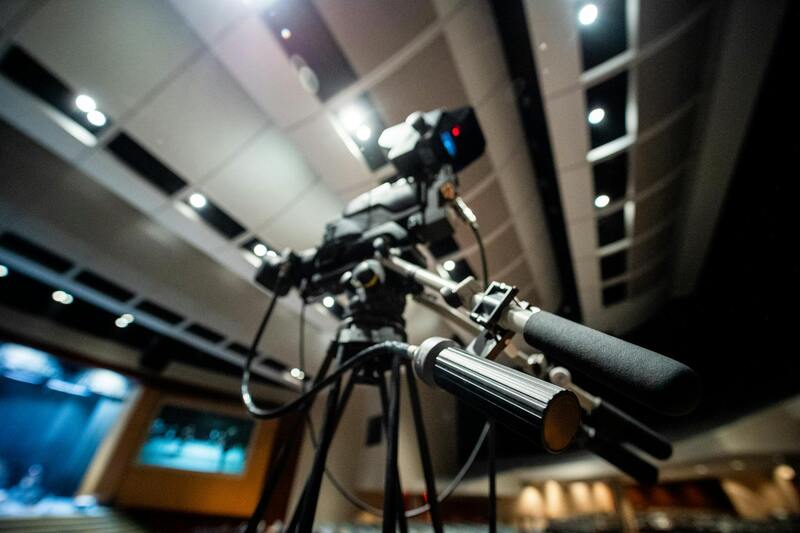
Server redundancy and load balancing are key to preventing service interruptions during peak viewing times. Distributing streams across multiple data centers minimizes the risk of failure and enhances overall resilience. Deployment of Content Delivery Networks (CDNs) further optimizes distribution by caching content at geographically strategic points, reducing latency and improving the viewer experience across Miami and beyond.
Synchronization of audio and video streams is also a fundamental consideration. Minor delays between audio and visual cues can detract from the professionalism of a broadcast. Precision timing tools and audio-video sync calibration are employed to ensure a cohesive viewing experience. Regular pre-broadcast tests and real-time monitoring during the event help identify and correct synchronization issues promptly.

Security measures must be integrated into the technical framework to protect broadcast quality and content integrity. Encrypted streams prevent unauthorized access and content interception, safeguarding high-value event material. Authentication protocols like secure token-based access controls restrict streams to approved viewers, ensuring privacy for premium broadcasts or sensitive content.
Monitoring tools form the backbone of technical oversight. Real-time diagnostics enable operators to track stream health indicators such as latency, jitter, and packet loss. Alerts for performance dips allow rapid troubleshooting, minimizing interruption periods. Such proactive management significantly enhances the reliability and professionalism of Miami’s live video streams.
Equipment calibration forms a critical component of technical readiness. Proper configuration of cameras, microphones, and broadcasting hardware ensures the output is visually crisp and audibly clear. Prior to the event, comprehensive tests for network stress, audio-video synchronization, and visual calibration are recommended. These measures help identify potential flaws and fine-tune settings, reducing the likelihood of technical issues during the live event.
Implementing HTTP Live Streaming (HLS) for Optimal Delivery
One of the most effective methods for delivering high-quality live video streams in Miami is through HTTP Live Streaming (HLS). This adaptive streaming protocol dynamically adjusts video quality based on the viewer's internet connection, ensuring an uninterrupted viewing experience regardless of network fluctuations. When integrated correctly, HLS segments the live feed into small chunks that are delivered via standard HTTP servers, simplifying firewall traversal and enabling scalable live broadcasts across multiple devices. This flexibility makes HLS particularly suitable for large-scale events, conferences, and sports broadcasts common in the Miami area.
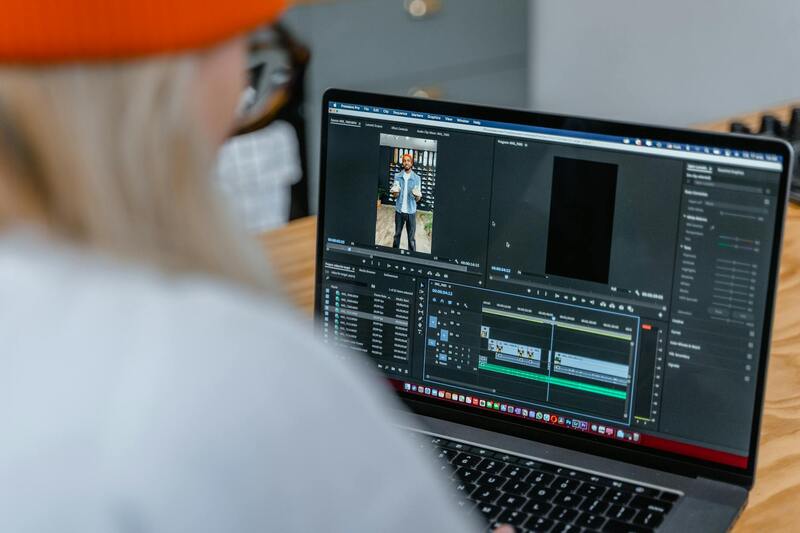
Utilizing Cloud-Based Streaming Solutions
Cloud technology has revolutionized live video streaming by offering scalable infrastructure that adapts to varying viewer demands. Cloud platforms enable content providers in Miami to distribute live streams without significant upfront hardware investment, ensuring reliability and redundancy. Features such as automatic failover, load balancing, and real-time analytics provide comprehensive control over the streaming process, allowing for quick adjustments during live events. This approach is particularly advantageous for event organizers who need dependable delivery of live content with minimal latency and maximum quality.
Network Bandwidth and Redundancy Strategies
Maintaining a stable network connection is fundamental to high-quality live streaming. In Miami, where multiple events can strain local internet infrastructure, deploying multiple internet connections—such as fiber, LTE, or satellite links—can ensure redundancy. Bonding these connections helps aggregate their bandwidth, providing a more stable and robust stream. Also, implementing Content Delivery Networks (CDNs) distributes the live feed across multiple geographic nodes, reducing latency and preventing bottlenecks. Effective bandwidth management involves continuous assessment of network performance and proactive adjustments to prevent interruptions during live broadcasts.
Choosing Encoding Hardware and Software
High-performance encoding hardware or software forms the backbone of a successful live stream. Hardware encoders like dedicated appliances or professional-grade cameras with built-in encoders produce superior visual quality and less latency. Conversely, software encoders offer flexibility and easier integration with existing systems. When selecting encoding solutions, factors such as processing power, compatibility, support for multiple streams, and ease of use should be considered. Proper configuration of encoding parameters ensures optimal compression without compromising video clarity, which is critical in visually sensitive Miami events like fashion shows or real estate virtual tours.
Ensuring Compatibility Across Devices and Platforms
Today’s viewers access live streams via desktops, mobile devices, smart TVs, and more. Therefore, a key aspect of an effective live video stream service is ensuring compatibility across various operating systems and devices. Adaptive bitrate streaming, as supported by HLS and MPEG-DASH technologies, automatically adjusts resolution and quality, providing a smooth experience regardless of device specifications. This cross-platform compatibility guarantees that Miami audiences can enjoy live content on their preferred devices, improving engagement and viewer satisfaction.
Future Trends in Live Video Streaming for Miami
As Miami continues to grow as a vibrant hub for events, entertainment, real estate, and corporate communications, the landscape of live video streaming is poised for significant evolution. Staying ahead in this dynamic environment requires awareness of technological advancements and emerging viewer preferences. The integration of cutting-edge innovations will further enhance the reach, quality, and interactivity of live streams, enabling content creators and production agencies to deliver unparalleled experiences to Miami audiences.
Emerging Technologies Shaping the Future
- 5G Connectivity: The rollout of 5G networks across Miami promises to drastically reduce latency and increase bandwidth availability. This upgrade facilitates seamless high-definition streaming, even in densely populated or event-heavy areas. Content producers can leverage 5G to stream in 4K or higher resolutions without buffering, allowing viewers to experience live Miami events with exceptional clarity and minimal delay.
- Artificial Intelligence (AI) and Machine Learning: AI-driven tools are becoming integral in live streaming for real-time analytics, personalized content delivery, and enhanced production workflows. For instance, AI can automatically adjust camera angles, optimize audio input, and detect scene changes, reducing the need for multiple camera operators and streamlining production processes.
- Virtual and Augmented Reality Integration: Immersive experiences through VR and AR are transforming how audiences engage with live content. Miami-based events, such as art exhibits or sports matches, can now incorporate AR overlays or VR environments, giving viewers the sensation of being physically present, regardless of their physical location.
- Cloud-Based Streaming and Management: Cloud platforms enable scalable, flexible, and cost-effective management of live streams. Content management, distribution, and analytics are centralized, allowing Miami production agencies to adapt rapidly to changing event demands and audience insights.
Evolving Viewer Preferences and Engagement Strategies
Modern viewers demand more than passive observation; they seek interactive and personalized experiences. Future live streaming services will focus heavily on these preferences to foster higher engagement levels:
- Real-Time Interactivity: Features such as live polls, Q&A sessions, and on-screen chat integrations will become standard tools, enabling audiences to participate actively during broadcasts. Miami event organizers can leverage these tools to create more immersive experiences, increasing viewer retention and satisfaction.
- Multi-Platform Accessibility: Seamless streaming across desktops, smartphones, tablets, and connected TVs remains crucial. The adoption of adaptive bitrate technologies ensures content remains accessible and high quality across all devices, regardless of network conditions.
- Localized Content Customization: As Miami hosts diverse cultural and business events, future streaming initiatives will prioritize localized content, language options, and region-specific advertising, making streams more relevant and appealing to local audiences.
- Data-Driven Personalization: Enhanced analytics will allow content providers to tailor streams based on viewer preferences and engagement patterns. Personalization boosts the relevance of the content delivered and can increase viewer loyalty over time.
Conclusion
The future of live video streaming for Miami production agencies will be characterized by advanced connectivity, immersive technologies, and a focus on audience interaction. Keeping abreast of these innovations positions providers to deliver high-quality, engaging, and accessible live content that meets the evolving expectations of Miami’s diverse viewership. As this field continues to develop, strategic investments in emerging technologies and viewer-centric features will be key to maintaining a competitive edge and maximizing audience engagement.