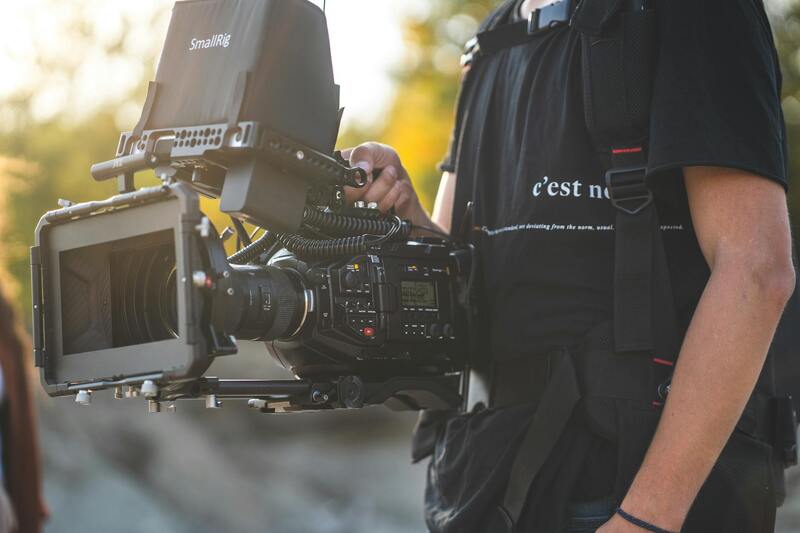
Introduction to Streaming Services for Events
In an era marked by digital connectivity, streaming services for events have transformed the way organizations, businesses, and communities in the Miami area approach event planning and engagement. These platforms facilitate real-time broadcasting of various events—ranging from corporate conferences and concerts to religious ceremonies and community festivals—allowing audiences to participate remotely regardless of geographical boundaries.
With the rise of high-speed internet access and the proliferation of smart devices, streaming services have become an invaluable tool for expanding event outreach and interaction. They enable hosts to cater to a broader demographic, increase visibility, and provide accessible content to audiences who might be unable to attend in person. For event organizers in Miami, choosing the right streaming platform is crucial to ensuring seamless delivery, engaging viewer experiences, and effective content management.

Additionally, streaming technology offers flexibility in content delivery—whether through live broadcasts, on-demand videos, or hybrid models—that adapts to diverse event formats and objectives. As Miami continues to flourish as a cultural and commercial hub, leveraging such services becomes increasingly essential for organizations aiming to stay competitive and connected in a digital landscape.
Types of Streaming Services for Events
Event streaming platforms vary widely in terms of features, scalability, and technical requirements. Broadly, these services can be categorized into several types based on their core functionalities:
- Basic Live Streaming Platforms: Ideal for small to medium-sized events, these services offer essential features such as live broadcasting and simple interface options. They often come with integrated chat or viewer interaction tools and are suitable for webinars, small conferences, or community gatherings.
- Advanced Event Streaming Solutions: Designed for larger-scale events, these platforms provide multi-camera support, high-definition streams, and professional production capabilities. They often include integrations with social media, custom branding options, and robust security features to protect content and viewer data.
- End-to-End Event Streaming Packages: Comprehensive packages that encompass everything from pre-production planning to post-event analytics. These services are typically used by major corporations, entertainment entities, or large organizations that require a full-service approach with dedicated technical support.
- Hybrid Streaming Platforms: Combining live and on-demand content delivery, these options are suitable for events that require flexible viewing hours or follow-up engagement. They often include features such as multi-event management and monetization tools.
Each type of service brings specific advantages tailored to different event needs. When selecting a streaming platform, understanding the scope and scale of your event, as well as your audience engagement goals, is essential for choosing the most appropriate solution.
Key Features to Consider in a Streaming Service
To ensure a successful event broadcast, several features should be prioritized in the selection process:
- Video Quality: Support for high-definition streams ensures clear visuals, which enhance viewer experience and professionalism.
- Accessibility and Compatibility: The platform should be compatible across multiple devices and operating systems, providing easy access for all attendees.
- Interactive Capabilities: Live chat, Q&A, polls, and social media integration foster audience participation and engagement.
- Scalability: The ability to handle varying audience sizes without performance degradation is critical for larger events.
- Security and Privacy Features: Protecting content and viewer data via encryption, password protection, and access controls is vital, especially for exclusive or paid events.
- Analytics and Reporting: Post-event insights into viewer demographics, engagement metrics, and stream quality help refine future events and marketing strategies.
- Technical Support: Reliable customer service and technical assistance are essential to address issues promptly during the event.
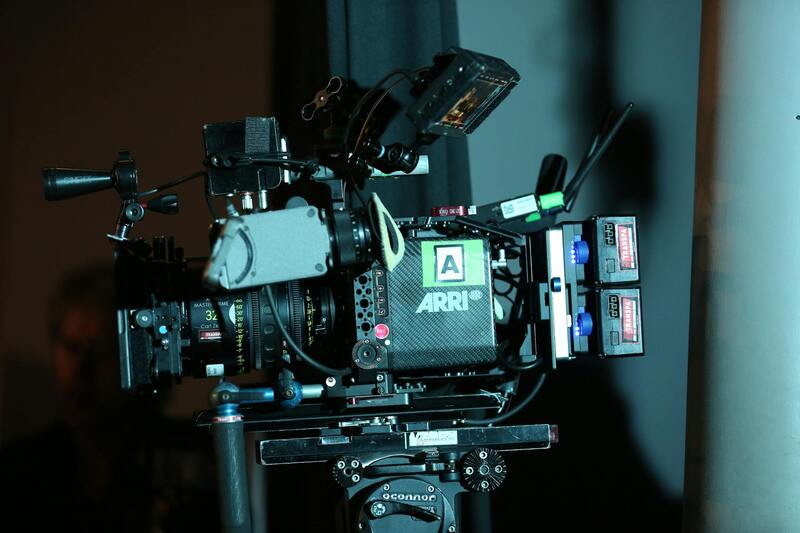
Choosing the Right Streaming Service for Your Event
Selecting the ideal streaming service involves a detailed assessment of your event’s specific needs, audience expectations, and technical capabilities. Start by defining the objectives, such as audience reach, interactivity levels, and content complexity. Evaluate platforms based on their feature set, ease of use, and support services, ensuring they align with your event's scope and budget.
It’s equally important to consider the technical infrastructure in place, including internet bandwidth, audiovisual equipment, and personnel expertise. Pilot testing the chosen platform prior to the main event helps identify potential issues and fine-tune the setup. Incorporating feedback from stakeholders and prospective viewers can also provide insights into usability and content accessibility.
Ultimately, the right streaming service enhances the overall event experience, broadens participation, and supports your organization’s outreach goals effectively. When choosing a provider, prioritize solutions that combine reliable performance, comprehensive features, and dedicated support tailored to your event’s size and nature.
Varieties of Streaming Solutions for Diverse Event Formats
There are multiple streaming service options available, each tailored to specific event needs and formats, ensuring seamless delivery and engagement. Live broadcasting platforms serve large-scale conferences, concerts, and festivals by providing real-time streams with minimal latency, high-quality video, and audience interaction capabilities. These platforms often support multiple camera angles, instant chat features, and integration with social media channels, enabling broadcasters to reach viewers across various channels effectively.
Hybrid event tools combine physical and virtual experiences, allowing in-person attendees to participate alongside remote viewers. They offer functionalities such as live streaming combined with on-site interactivity, voting features, and real-time Q&A sessions, facilitating dynamic engagement. This approach is especially useful for corporate seminars, trade shows, and product launches where direct interaction between on-site and virtual audiences enhances the overall experience.
On-demand content services are suited for events that benefit from asynchronous viewing. Recorded sessions, workshops, or keynote speeches can be made available for later viewing, broadening access and accommodating audiences in different time zones. Such platforms often include features for content organization, access control, and analytics to monitor engagement levels post-event.

Factors to Focus on When Selecting a Streaming Service
Choosing the appropriate streaming service demands careful consideration of its features and compatibility with your event's goals. Critical factors include:
- Video Quality and Reliability: Ensure that the platform offers high-definition streaming with stable performance to prevent buffering or interruptions, especially for large audiences.
- Interactive Capabilities: Look for features such as live chat, polling, and Q&A to foster active participation and audience engagement.
- Audience Capacity: Verify that the platform can support your expected viewership size without compromising stream quality.
- Analytics and Reporting: Access to detailed data helps evaluate your event’s reach and engagement, informing future planning.
- Compatibility and Accessibility: The service should be accessible across various devices, operating systems, and browsers to maximize reach.
- Technical Support and Resources: Responsive customer service and comprehensive training materials are vital for smooth operations during your event.
Assessing these aspects ensures your event runs seamlessly and provides a compelling experience for viewers regardless of their location or device.
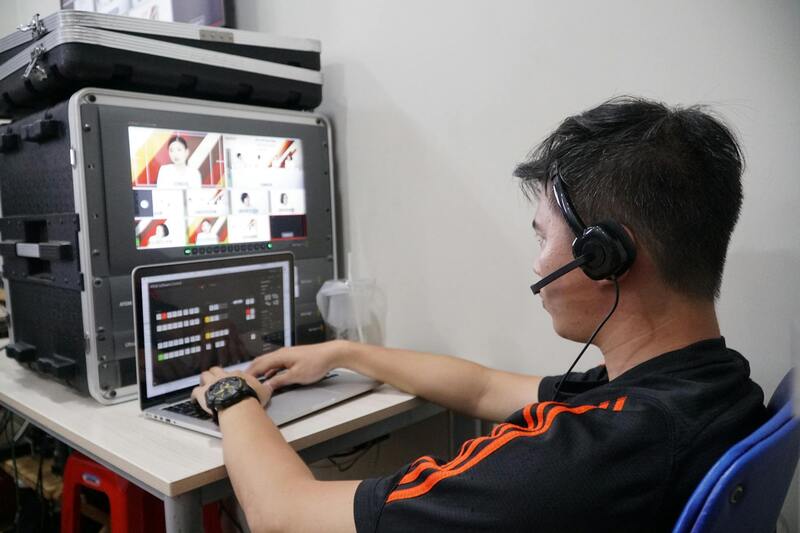
Key Features to Consider in a Streaming Service
When selecting a streaming platform for your event, several critical features ensure a smooth and engaging experience for your audience. Firstly, high-quality video delivery is non-negotiable; platforms should support live streams in HD or Ultra HD to maintain clarity and professionalism. Reliability of the stream, with minimal buffering and downtime, is equally essential, especially for large audiences that expect continuous viewing without interruptions.
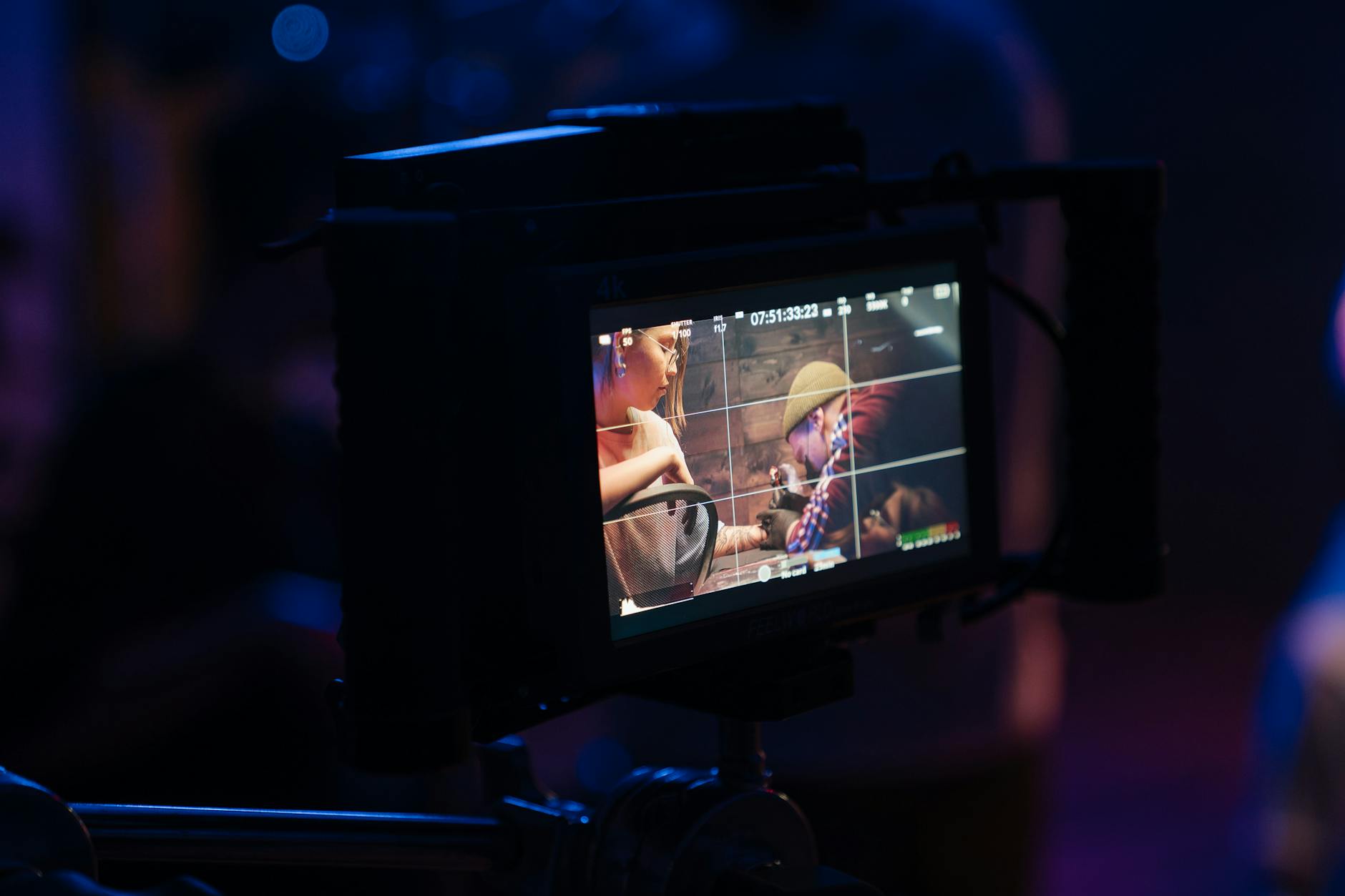
Scalability is another vital feature; the service must accommodate audience growth without compromising performance. As your event's reach expands, the streaming solution should seamlessly handle increased traffic without interruptions or degraded quality. This often involves dynamic bandwidth allocation and efficient server infrastructure.
Interactive capabilities significantly enhance attendee engagement. Features such as live chat, polls, Q&A sessions, and real-time feedback options foster a participative environment that mirrors in-person experiences. These tools can also help collect valuable insights during the event, informing future planning and content adjustments.
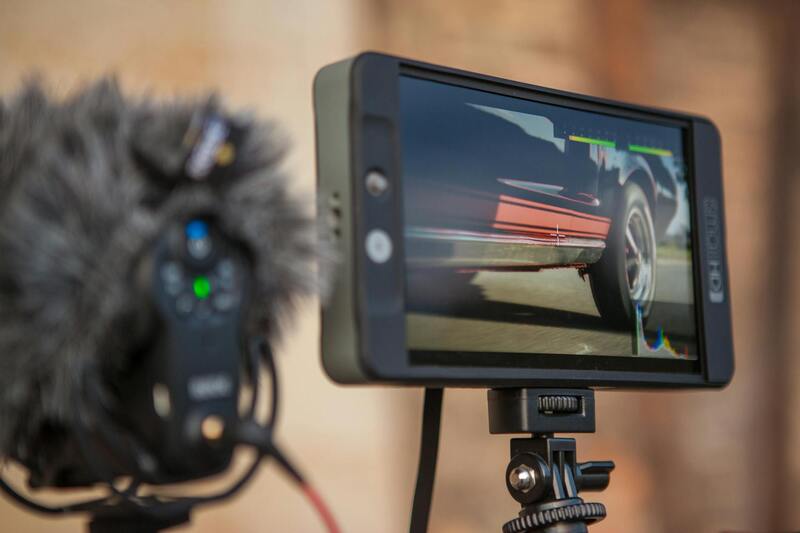
Security and privacy controls are indispensable to protect your content and manage access. The platform should offer secure streaming protocols, password protections, and options for controlling viewer access to prevent unauthorized viewing or content sharing. Ensuring a secure streaming environment safeguards your content and maintains your event's integrity.
Platform integrations facilitate a seamless experience by connecting your streaming service with other tools such as registration portals, social media, and marketing platforms. Integration capabilities streamline operations, from attendee registration to post-event analytics, enhancing overall efficiency.
Moreover, operational support features like comprehensive analytics, real-time monitoring, and technical assistance are fundamental. These tools enable you to track viewer engagement, troubleshoot issues promptly, and optimize your event in real-time for maximum impact.
In summary, carefully evaluating the streaming platform's features ensures your event runs smoothly, reaches the intended audience effectively, and delivers an engaging and professional experience. Prioritizing factors such as high-quality video, scalability, interactivity, security, and integration lays the foundation for a successful virtual event.
Legal and Technical Considerations
When planning to stream an event through an online platform, it is vital to address various legal and technical factors to ensure a seamless and compliant broadcast. One of the primary considerations involves securing the necessary rights for all content included in the stream, such as music, videos, images, or any proprietary material. Proper licensing agreements or permissions must be in place to avoid potential disruptions or claims that could impact the event's reputation and smooth operation.
Another crucial aspect pertains to the technical specifications of the streaming service. The selected platform should support high-resolution video outputs, with adaptive bitrate technology to accommodate viewers with different internet speeds. This ensures that all attendees experience consistent quality without frequent buffering or interruptions, regardless of their device or network conditions.
Furthermore, it is essential to implement robust content protection measures. This includes features like encrypted streams, digital rights management (DRM), and secure login protocols to restrict access only to authorized viewers. Protecting sensitive content and maintaining control over who can access the stream safeguards the event’s exclusivity and value.
In addition, an effective streaming service must offer reliable server architecture to handle peak viewer loads, especially for large-scale events. Load balancing and failover capabilities are critical to prevent service outages and ensure continuous delivery of content throughout the event duration. Technical support should be readily available to troubleshoot any issues swiftly, minimizing potential disruptions and maintaining a professional presentation.

The integration of the streaming platform with other event management tools like registration systems, real-time analytics, and audience feedback channels enhances operational efficiency and attendee engagement. Data collected during the broadcast can inform post-event strategies, helping organizers refine future events and improve audience satisfaction.
Ultimately, thorough planning around legal clearances and technical capabilities ensures a smooth streaming experience that reflects positively on the event organizer’s brand. It maximizes outreach, preserves content integrity, and fosters a professional atmosphere that attendees will appreciate and remember.
Ensuring Optimal Performance During Your Event Stream
For a seamless streaming experience, meticulous preparation and technical oversight are essential. Prior to the event, conduct thorough testing of your chosen platform to identify potential issues related to bandwidth, video quality, and latency. Verify that hardware such as cameras, microphones, and encoders are compatible and functioning correctly to deliver high-definition content without interruptions.
During the event, monitoring tools should be employed to track real-time performance metrics. This includes overseeing stream stability, viewer engagement, and network bandwidth consumption. Having a dedicated technical support team on standby enables swift resolution of unexpected issues, minimizing disruptions that could detract from attendee satisfaction.
Furthermore, implementing a content delivery network (CDN) can vastly improve stream reliability, especially for large audiences spread across different geographic regions. CDNs distribute streaming loads across multiple servers, reducing lag and buffering, and ensuring consistent quality regardless of viewer location.
It is also beneficial to prepare contingency plans, such as backup streams or alternative viewing options, to accommodate unforeseen technical failures. Transparency with your audience regarding these plans fosters trust and patience should any issues arise.
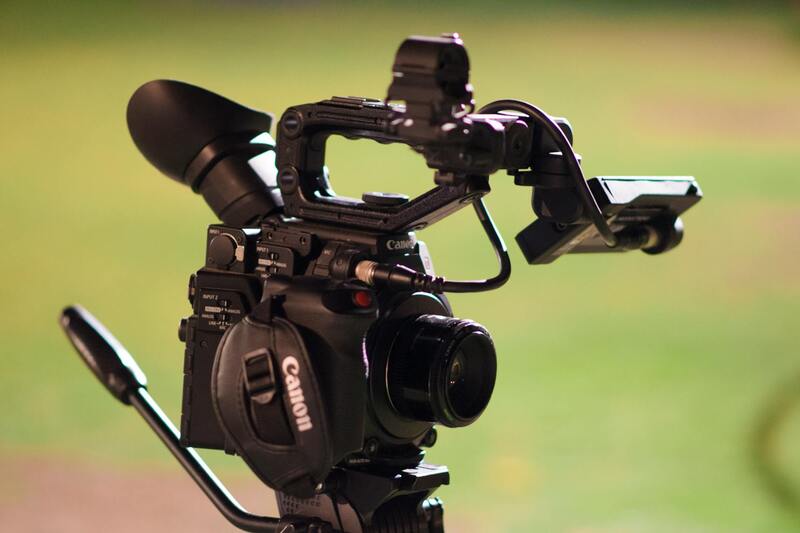

Legal and Technical Considerations
When selecting a streaming service for events, it is crucial to adhere to established procedures for content management and distribution. This includes ensuring proper licensing agreements are in place for any copyrighted material used during the broadcast. Many streaming platforms offer built-in tools for managing rights and controlling access, which help organizers maintain compliance and protect their content.
Quality assurance also plays a vital role in executing a seamless streaming experience. It involves thorough testing of the streaming infrastructure before the event, including verifying upload speeds, encoding settings, and viewer capacity limits. This testing helps identify potential bottlenecks or technical issues that could compromise the broadcast quality.
Security measures are another important aspect. Implementing secure streaming protocols, such as HTTPS, and utilizing encryption can prevent unauthorized access and protect your broadcast from intrusion or piracy. Setting robust access controls—like unique login credentials or token-based authentication—further enhances content security and ensures only authorized viewers gain access.
Additionally, consistent monitoring of the stream's health during the live broadcast is essential. Utilizing analytics tools to track viewer engagement, buffering issues, and stream stability in real-time allows for prompt responses to any anomalies. This proactive approach minimizes disruptions and maintains a professional presentation throughout.
Technical support teams should be readily available during the event to troubleshoot unforeseen issues swiftly. Having contingency plans—such as backup servers, alternate streaming paths, or pre-recorded content ready to be broadcast—ensures that the event continues seamlessly even if unexpected problems arise.
Compliance with accessibility guidelines is increasingly important. Many streaming services provide features like closed captioning, audio descriptions, and adjustable playback speeds to accommodate all viewers' needs. Incorporating these features demonstrates a commitment to inclusivity and expands your audience reach.

Legal and Technical Considerations
When planning to stream an event, ensuring compliance with relevant copyright and licensing regulations is fundamental. Streaming content without appropriate permissions can lead to unintentionally infringing intellectual property rights, which could result in operational delays or legal complications. To mitigate these risks, organizers should verify that all media, including music, video clips, and images used in the event, have clear rights for online broadcasting. Obtaining proper licenses or permissions from rights holders is critical to keep streams running smoothly without interruption.
Bandwidth capacity is another essential aspect, directly impacting the streaming quality and viewer experience. It is vital to conduct thorough assessments to determine the maximum number of viewers the current internet infrastructure can support. If the expected viewer count exceeds available bandwidth, options like upgrading internet plans, utilizing content delivery networks (CDNs), or employing adaptive bitrate streaming can help manage load and deliver consistent quality. Maintaining sufficient upload speeds ensures a stable connection and minimizes lag, buffering, and disconnections during the event.

Security protocols are critical in safeguarding your live broadcast against unauthorized access, data breaches, or disruptions. Implementing secure streaming protocols such as HTTPS ensures data encryption during transmission, protecting content from interception. Additionally, establishing strong user authentication measures—such as unique logins, access tokens, or encrypted passwords—limits access exclusively to approved viewers.
Monitoring tools are invaluable during live streams, allowing real-time tracking of stream health, viewer engagement, and potential technical issues. Continuous oversight enables quick reaction to buffering, latency, or connection problems, maintaining a professional presentation throughout the event.
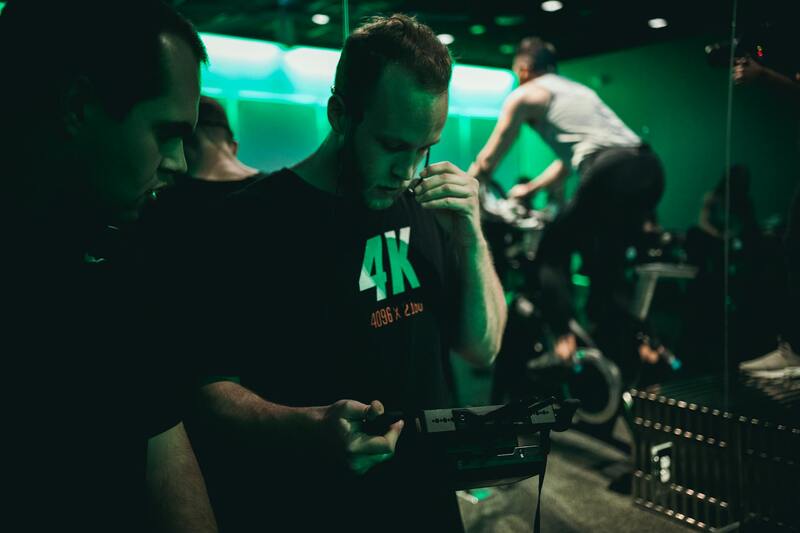
Equipping your team with a comprehensive technical support plan ensures any unforeseen complications are addressed swiftly. This includes having backup internet options, redundant streaming servers, and pre-recorded content ready to activate if necessary. Furthermore, aligning your event with accessibility standards—such as providing closed captioning or audio descriptions—expands your reach and demonstrates inclusivity.
Advanced Techniques for Optimizing Streaming Quality and Engagement
For organizations aiming to maximize the impact of their live event streams, embracing advanced streaming techniques is essential. These include adaptive bitrate streaming, which dynamically adjusts video quality based on the viewer’s internet connection, ensuring minimal buffering and a smooth viewing experience across diverse audiences. Implementing multi-server streaming architectures, such as content delivery networks (CDNs), reduces latency and distributes the load effectively, resulting in consistent performance even during high traffic periods.
Capturing viewer engagement and feedback during a live event can significantly enhance future streaming strategies. Utilizing integrated analytics tools allows hosts to monitor real-time engagement metrics like watch time, dropout rates, and geographic distribution. This data not only helps identify technical issues swiftly but also informs content adaptations that resonate better with viewers in subsequent broadcasts.
Integrating Interactive Features to Boost Viewer Involvement
Modern streaming platforms facilitate a range of interactive tools designed to foster viewer participation. Live chat functions enable viewers to communicate directly with hosts or presenters, creating a more immersive experience. Polls, Q&A sessions, and real-time quizzes further engage audiences, making the event more memorable and participatory.
Some streaming services support augmented reality (AR) and virtual reality (VR) components, providing innovative ways to experience events as if attendees were physically present. These technologies are particularly effective for product launches, exhibitions, or conferences where visual interaction depth enhances understanding and interest.
Security Measures to Protect Your Streaming Content
Securing live streams against unauthorized access is crucial in safeguarding your content and maintaining trust with your audience. Employing encrypted streaming protocols like Secure Real-time Transport Protocol (SRTP) and HyperText Transfer Protocol Secure (HTTPS) ensures data remains confidential during transmission. Additionally, implementing user authentication systems such as single sign-on (SSO), access tokens, or encrypted login credentials restrict viewership to authorized participants.
Digital rights management (DRM) solutions provide an extra layer of protection by controlling how content is accessed, copied, or shared. Regular security audits and dynamic watermarking further help identify sources of leaks or breaches, maintaining the integrity of your streaming content.
Technical Infrastructure and Support for Seamless Streaming
Ensuring a resilient technical setup is vital for uninterrupted broadcasting. Redundant internet connections with automatic failover capabilities prevent service interruptions, while backup streaming servers facilitate quick switchovers if primary servers encounter issues. This redundancy guarantees continuous delivery, even when facing unforeseen technical problems.
Pre-event testing, including dry runs and network assessments, helps identify potential bottlenecks or technical challenges. Having a dedicated technical support team on standby during the event can address any last-minute issues promptly. Additionally, providing accessible technical support channels for viewers—such as help chat or support contacts—ensures quick resolutions to any participant questions or technical difficulties.
Accessibility and Inclusivity in Streaming Events
Offering accessible features broadens your reach and demonstrates inclusivity. Incorporating closed captioning, audio descriptions, and sign language interpretation allows viewers with disabilities to participate actively. Ensuring that your streaming platform complies with accessibility standards enhances overall user experience and expansion across diverse audiences.