
Understanding Live Broadcasts of Corporate Events
Live streaming of corporate events has become an integral part of modern business communication strategies, offering a dynamic way to reach wider audiences in real-time. For Miami-based companies aiming to boost visibility and engagement, broadcasting events live provides an opportunity to connect with clients, partners, and employees regardless of geographical boundaries. This method of dissemination ensures that important milestones, product launches, conferences, and seminars garner maximum exposure, often translating to increased brand recognition and industry authority.
Implementing a live broadcast involves advanced technology and meticulous planning to ensure seamless transmission. High-quality live streaming allows audiences to experience the event as if they are physically present, fostering a sense of immediacy and participation. Moreover, real-time broadcasting enables participants to interact through questions, polls, and chat features, enhancing engagement and providing immediate feedback. As the demand for online accessibility grows, companies that leverage professional streaming services position themselves at the forefront of innovative communication.

Choosing to broadcast corporate events live not only broadens outreach but also provides lasting digital assets that can be repurposed for marketing and internal training. The ability to record and archive these streams means that content can be revisited, shared across multiple platforms, or used as promotional material long after the event concludes. This ongoing continuity supports marketing initiatives and ensures that the investment in live broadcasting continues to generate value.
For Miami-based organizations, leveraging professional live streaming services ensures that all technical aspects—from equipment setup to audience engagement—are handled expertly. As the digital landscape evolves, companies that adopt reliable live broadcasting practices position themselves as innovative and accessible to their target markets.
Ensuring Clear and High-Quality Audio for Live Corporate Broadcasts
One of the cornerstones of a successful live corporate event broadcast is impeccable audio quality. Audio issues can significantly detract from viewer engagement, diminish professionalism, and obscure vital messaging. To achieve optimal sound clarity, it is essential to employ high-performance microphones suited for the venue size and acoustics. Directional microphones are often utilized to minimize background noise and focus on the speakers, while lavalier and handheld microphones provide flexibility during dynamic presentations. Proper placement and testing of audio equipment prior to the event ensure that sound levels are balanced and free of distortions or lag.

Supplementing microphone setups with professional audio mixers allows technicians to fine-tune sound inputs in real-time, addressing any fluctuations instantaneously. Additionally, using high-quality audio interfaces and digital signal processing equipment can help eliminate ambient noise and echo, making sure that every word reaches the remote audience crisply and clearly. For environments where multiple speakers are involved, establishing a consistent audio feed prevents jarring volume fluctuations and maintains a unified sound experience throughout the stream.
Integrating Reliable Internet Connectivity for Seamless Streaming
A robust internet connection is vital for maintaining a stable live broadcast. Inconsistent bandwidth or network interruptions can lead to buffering, lowered video quality, or even complete disconnection, disrupting viewer experience and risking the effectiveness of the event. To mitigate such risks, it is recommended to utilize dedicated high-speed Ethernet connections rather than relying solely on Wi-Fi, which can be susceptible to interference or signal loss.
Implementing backup internet options, such as cellular data hotspots or secondary connections, offers additional security against unforeseen disruptions. Regularly conducting bandwidth tests before the event ensures that the network can handle the data load generated by high-definition video streams. In high-profile corporate events, collaborating with internet service providers familiar with live broadcasting requirements can significantly enhance connection reliability.

Selecting the Optimal Streaming Platforms and Solutions
Choosing the right platform is fundamental to reaching the intended audience effectively. Factors to consider include audience size, desired interaction features, compatibility, and security. For large-scale events with international viewers, enterprise-grade streaming solutions that support high concurrent viewers without lag are ideal. These platforms often offer customizable branding options, real-time analytics, and multi-platform compatibility, ensuring a smooth and engaging experience for viewers on desktops, tablets, or smartphones.
For internal corporate functions, secure streaming channels with restricted access and password protection can safeguard sensitive information while enabling real-time engagement. Additionally, platforms that support integration with other communications tools, such as webinars or conferencing systems, can enrich the broadcast experience. The decision on platform should also account for technical support availability and the capacity to record and archive the live session for future use.
Legal and Security Considerations
When broadcast corporate events live, implementing robust security measures is essential to protect sensitive content and ensure a seamless viewing experience. Secure streaming involves using encrypted transmission protocols to safeguard data streams from interception or unauthorized access. Employing digital rights management (DRM) tools and access controls such as password protection or token-based authentication further restricts viewing to authorized audiences only, maintaining the confidentiality of proprietary information.
Furthermore, conducting thorough risk assessments and establishing clear protocols for data privacy can help mitigate vulnerabilities. It's advisable to implement secure storage solutions for recorded content, ensuring archived videos are protected from unauthorized access. Regular security audits and employing trusted, reputable platforms with built-in security features can enhance the integrity of the live broadcast.

Compliance and Content Management
Adhering to industry standards and organizational policies is critical when broadcasting corporate events. This includes ensuring all content complies with copyright laws, intellectual property rights, and internal data handling policies. Pre-broadcast reviews and approval processes can prevent the inadvertent dissemination of confidential or inappropriate material.
Establishing clear content management procedures helps streamline the workflow and maintain brand consistency. During the live event, real-time moderation can be employed to manage viewer comments, questions, and interactions, fostering a professional and engaging environment.
Post-broadcast, organizing and preserving the content in an accessible manner allows for effective reuse in future marketing, training, or internal communications. Proper tagging and cataloging of recorded materials amplify their value, ensuring they can be easily retrieved and repurposed.

Ensuring Reliable Connectivity and Network Infrastructure
For professional live broadcasting of corporate events, a robust and stable internet connection is fundamental. Organizations typically opt for dedicated fiber optic lines or high-bandwidth broadband services to minimize latency and prevent interruptions. Implementing redundant network pathways — such as secondary internet connections — ensures seamless streaming even if primary connections face disruptions. Advanced network hardware, including enterprise-grade routers and switches, helps manage data flow efficiently and prioritize streaming traffic to maintain optimal quality.

Furthermore, employing Content Delivery Networks (CDNs) can distribute the live stream content across various nodes worldwide. This technique not only reduces buffering and lag issues but also enhances the viewing experience for an international audience. Proper network management tools allow real-time monitoring of bandwidth usage, packet loss, and latency, helping technical teams swiftly address any issues that could compromise stream quality.
Integrating Audio-Visual Equipment for Optimal Output
High-definition cameras and professional audio equipment are vital components for capturing the event with clarity and precision. Multiple camera angles, including wide shots and close-ups, contribute to a dynamic visual presentation that keeps viewers engaged. Wireless microphones, lapel mics, and quality mixers ensure audio consistency and eliminate background noise disturbances.
Encoding hardware or software solutions convert the captured audio and visual signals into digital formats compatible with streaming platforms. Using hardware encoders, such as live streaming appliances, minimizes latency and ensures high-quality output. Software encoders, on the other hand, offer flexibility and ease of configuration, suitable for events with smaller technical teams.

Implementing Backup Systems and Redundancies
To mitigate risks of technical failures during crucial moments, backup systems are indispensable. Dual cameras, redundant power supplies, and backup internet connections ensure that even if primary systems experience issues, the broadcast continues without interruption. Having on-site technical support to swiftly troubleshoot and switch to backup solutions is equally important.
Testing all equipment and network components well before the event allows technical teams to identify and resolve potential issues proactively. This pre-emptive approach reduces the likelihood of last-minute failures, preserving the event's integrity and audience engagement.
Understanding Live Broadcasts of Corporate Events
Broadcasting corporate events live involves a meticulously coordinated process that prioritizes clear visuals, stable audio, and seamless transmission. The core objective is to deliver a virtual experience that mirrors, as closely as possible, the physical event's impact while catering to remote viewers. This requires a comprehensive understanding of the technical elements involved, including equipment setup, network stability, and production management.
A well-executed live broadcast not only ensures message clarity but also enhances the company's professional image by demonstrating a high standard of audiovisual presentation. It's essential to align the production approach with the event’s scale and objectives, integrating various elements such as multi-camera setups, high-quality audio inputs, and real-time encoding technologies. These components work in tandem to produce a polished, engaging broadcast, capable of reaching audiences across diverse geographical locations.
For organizations considering streaming their corporate gatherings, understanding the integral aspects of live broadcasts can serve as a foundation for successful execution. By focusing on official, proven methodologies and leveraging advanced technology, businesses can create compelling virtual experiences that reinforce branding and stakeholder engagement.
Key Equipment and Technology for Live Streaming
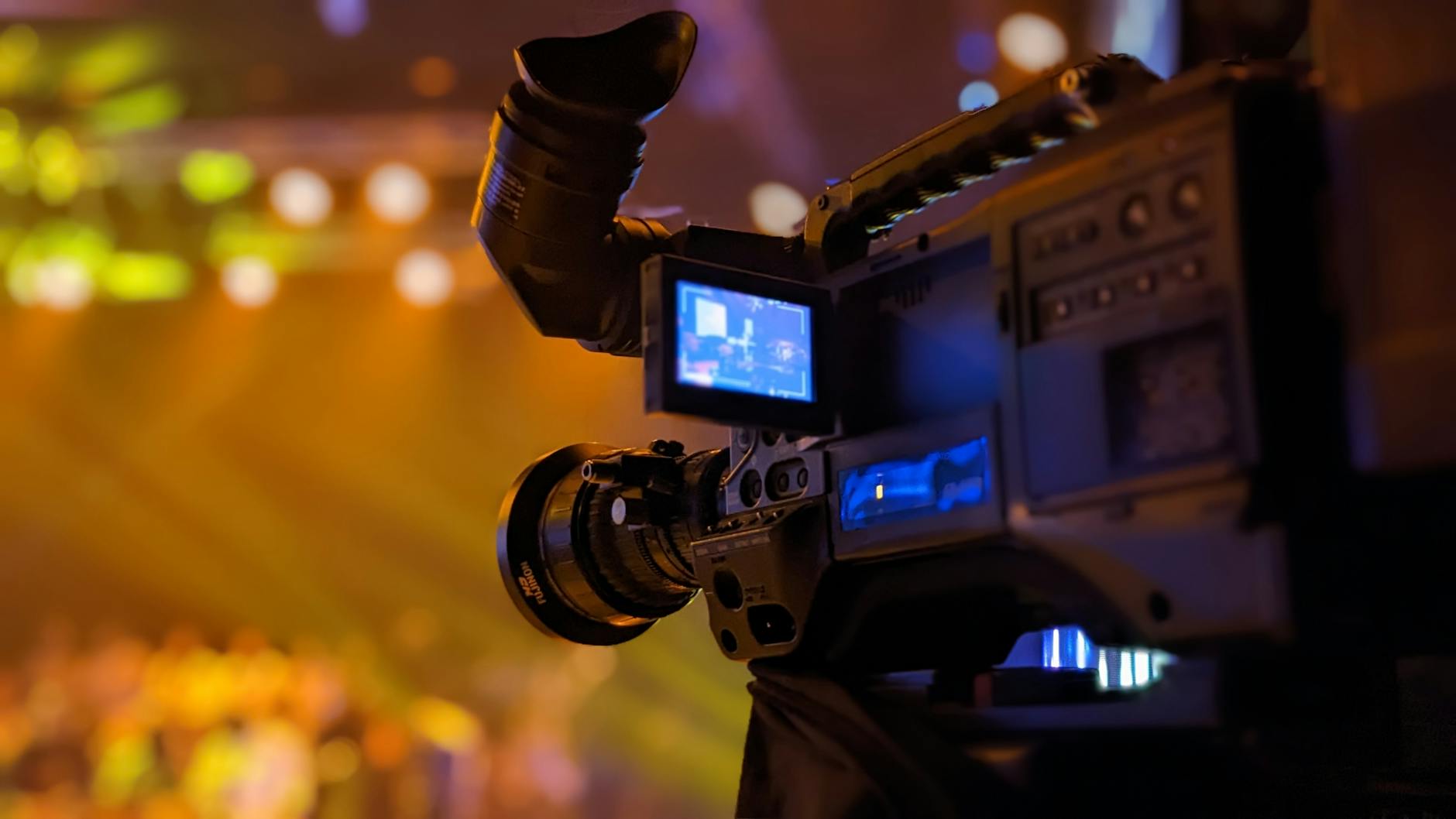
The foundation of a successful live broadcast rests upon the use of reliable, high-quality equipment. Standard setups often feature multiple video sources, such as camcorders or professional cameras, combined with switchers for dynamic shot changes. Audio equipment—wireless microphones, mixers, and sound processors—ensures clear and consistent sound quality essential for professional streams.
Encoding hardware or software transforms the raw audiovisual signals into digital streams compatible with various online platforms. Hardware encoders are popular for their minimal latency and durability, suitable for large-scale or high-stakes events. Software encoders offer greater flexibility and can be managed remotely, making them ideal for smaller or more agile productions.
Network infrastructure plays a critical role; dedicated, high-bandwidth internet connections with redundancy are necessary to maintain uninterrupted streaming. Additionally, backup systems such as secondary internet connections, duplicate hardware, and power supplies are vital to address unexpected failures.

Implementing Secure and Reliable Streaming Methods
To ensure a smooth and professional live broadcast of corporate events, it is essential to utilize well-established and robust streaming methods. These methods focus on maintaining quality, minimizing disruptions, and safeguarding content integrity. One of the primary approaches is the use of dedicated streaming servers and established content delivery networks (CDNs). Deploying a dedicated streaming server allows for better control over the content flow, providing lower latency and enhanced stability. CDNs distribute the stream efficiently across multiple geographic locations, reducing buffering and lag for viewers regardless of their location.
In conjunction with server infrastructure, employing multiplexed streaming technologies can enhance reliability. Multiplexing combines multiple data streams into one, ensuring continuous delivery even during network fluctuations. This setup is particularly beneficial for large-scale broadcasts where multiple camera angles and audio sources are utilized.

Another critical component is the implementation of secure streaming protocols. Protocols such as Secure Reliable Transport (SRT) and Real-Time Messaging Protocol (RTMP) offer encrypted data transfer, preventing unauthorized access or piracy during transmissions. These protocols also feature mechanisms for error correction and data recovery, which are vital in maintaining stream quality amid network inconsistencies.
For sensitive corporate events, multi-layered security measures should be integrated. These can include encrypted login credentials for authorized viewers, VPN access, and firewall protections that restrict unauthorized network access. Such safeguards ensure that live content remains confidential and accessible only to intended audiences.
Optimizing Network Infrastructure for Broadcast Success
Reliance on high-speed, dedicated internet connections cannot be overstated. Businesses should invest in enterprise-grade fiber optic lines with symmetrical upload and download speeds to support high-bitrate streams. Redundant internet pathways, such as a secondary broadband connection, should be established to provide failover options in case of primary connection failure.
To further enhance stability, traffic shaping and bandwidth management techniques help prioritize streaming data over other network traffic. Ensuring minimal network congestion during the event preserves stream quality and prevents lag or disconnections.

Pre-event testing plays a critical role in identifying potential points of failure. Conducting comprehensive dry runs allows production teams to evaluate the entire streaming setup under conditions similar to the actual event. Testing with multiple devices, network loads, and streaming configurations helps verify that all systems operate harmoniously, thus reducing the risk of issues during the live broadcast.
Adopting proven, professional-grade streaming methods and establishing resilient network infrastructure are key factors in delivering seamless corporate event broadcasts. These approaches not only ensure high-quality content delivery but also reinforce the credibility and professionalism of the corporate image projected through live streams.
Understanding Live Broadcasts of Corporate Events
Executing a successful live broadcast of a corporate event requires an in-depth understanding of the technical and logistical components involved. It involves not just the act of transmitting content but ensuring that the broadcast resonates with professionalism, clarity, and engagement. This entails meticulous planning, technical preparation, and strategic execution to maintain a seamless viewing experience for remote audiences. A comprehensive grasp of the process ensures that organizations can showcase their corporate milestones, product launches, or executive speeches effectively, reaching wider audiences while preserving brand integrity.
Importance of Reliable Transmission Methods
The core of effective live broadcasting hinges on the use of dependable transmission mediums through established, official methods. This involves leveraging dedicated, high-capacity internet connections that are specifically designed for high-bitrate streaming. Such networks often include symmetrical fiber optic lines that allow substantial upstream and downstream data flow, minimizing disruptions or latency issues. Ensuring a dedicated network path isolates streaming traffic from other business activities, safeguarding consistent quality throughout the event.
In addition to reliable internet connectivity, organizations should employ robust streaming hardware and software verified for enterprise-grade use. Using licensed streaming solutions licensed from reputable providers guarantees compliance with industry standards, stream encryption, and user authentication mechanisms. These measures safeguard the integrity and security of the broadcast, preventing unauthorized access or potential disruptions.
Significance of Official Streaming Channels and Methods
Global platforms such as professionally managed enterprise streaming services, corporate websites with embedded video players, or dedicated dedicated streaming portals serve as official channels for broadcasting live events. These channels offer several advantages, including scalability, security, and customization. It ensures that the broadcast remains accessible to intended audiences while maintaining control over the streaming environment.
Utilizing off-the-shelf social media platforms can supplement official streams by extending reach but should not replace primary official channels. Official methods often incorporate multiple redundancies like dual streaming feeds or fallback servers, guaranteeing uninterrupted broadcasts regardless of unforeseen technical issues.
Security and Authentication in Live Streaming
Securing live corporate broadcasts involves implementing authentication protocols that restrict access to authorized viewers only. This can include password-protected streams, single sign-on integrations, or domain restrictions. Employing secure transmission protocols such as RTMPS or SRT (Secure Reliable Transport) ensures that the content remains encrypted and protected from interception or tampering during transmission. These measures reinforce the confidentiality and integrity of the broadcast, which is crucial for sensitive corporate information.
Ensuring Compliance and Maintaining Professionalism
Maintaining formal and compliant broadcasting procedures aligns with the standards of corporate communication. This includes adhering to industry guidelines for content presentation, branding, and messaging. Confirming all content is vetted for accuracy and appropriateness prior to going live prevents inadvertent errors or misrepresentations. Furthermore, transparent communication about broadcast access and viewer instructions exemplifies professionalism and enhances audience trust.
Best Practices for Conducting Official Live Broadcasts
- Employ certified and proven streaming services authorized for corporate use.
- Use dedicated, enterprise-grade internet connections to support high-quality streams.
- Implement robust security measures including encryption, authentication, and access controls.
- Test all equipment and network pathways thoroughly before the event.
- Maintain clear communication channels among technical teams to quickly address any issues.
- Ensure an on-site technical support team able to troubleshoot and resolve connectivity or equipment problems immediately.
- Document broadcast procedures and establish contingency plans for potential disruptions.
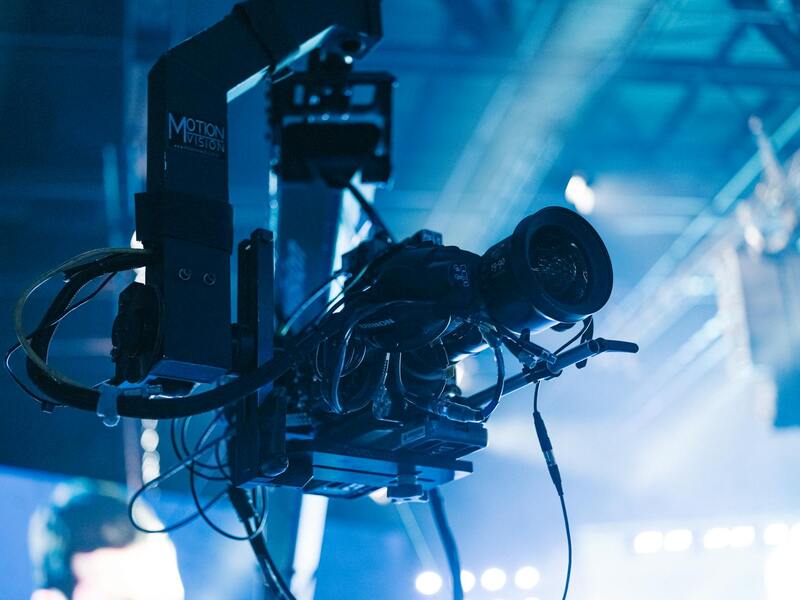
Incorporating these official methods guarantees that live corporate event broadcasts are executed with the highest standards of quality, security, and professionalism. Adherence to industry-best practices offers peace of mind that the event will be shared effectively, reaching stakeholders with impactful messaging and visual clarity, thereby enhancing the company's reputation and stakeholder engagement.
Ensuring a Professional and Secure Live Broadcast Environment
When broadcasting corporate events live, it is crucial to implement a comprehensive framework that prioritizes quality, security, and compliance. This involves integrating various official methods and best practices that guarantee a smooth, reputable presentation to your audience. The infrastructure supporting live streaming should be resilient, well-tested, and aligned with industry standards to prevent disruptions and uphold brand integrity.
Investing in Reliable Streaming Infrastructure
High-quality live streaming depends heavily on a dedicated, stable network environment. Using enterprise-grade internet connections with sufficient bandwidth capacity ensures that the stream remains uninterrupted and visually clear under varying audience sizes. Implementing Content Delivery Networks (CDNs) optimizes delivery across geographic locations, reducing latency and buffering issues.

Implementing Robust Security Protocols
Mitigating potential risks involves deploying advanced security measures. End-to-end encryption protects the integrity and confidentiality of the transmitted data, while secure access controls restrict streaming to authorized viewers. Authentication mechanisms, such as token-based access, prevent unauthorized interruptions or unauthorized viewing, ensuring that only designated audiences access sensitive corporate content.
Dedicated Technical Support and Troubleshooting
An experienced on-site technical team plays a pivotal role in managing the live broadcast. They are responsible for monitoring stream stability, resolving technical issues promptly, and coordinating with content providers to ensure seamless transitions between segments. Prior to the event, extensive testing—covering audio, video, and network performance—helps identify and address potential failures.
Documentation and Contingency Planning
Preparation extends beyond equipment setup. Documenting broadcast procedures, backup plans, and quick-response protocols ensures readiness for unexpected disruptions. Plans include backup internet sources, alternative streaming feeds, and predefined troubleshooting steps, enabling quick recovery and continuous broadcast flow.
Utilizing Certified Platforms and Technologies
Employing established and officially sanctioned streaming services adds an additional layer of reliability. These platforms typically adhere to stringent quality assurance standards and incorporate built-in security features. Partnering with reputable providers ensures compatibility with corporate branding, content management requirements, and audience analytics, all while maintaining compliance with industry norms.
Maintaining Audience Trust Through Transparency and Compliance
Clear communication about access instructions, viewing guidelines, and content rights enhances the professional image of the broadcast. Ensuring all content is properly vetted and authorized minimizes risks related to intellectual property rights or misrepresentation. Regular audits and adherence to organizational policies reinforce the company’s commitment to integrity and professionalism.