Live Event Streaming Service: Solutions For Miami Production Agencies
Understanding Live Event Streaming Services
Live event streaming services have revolutionized how organizations, businesses, and individuals present their events to audiences across the globe. These platforms facilitate the real-time transmission of audio and visual content, effectively turning physical events into accessible digital experiences. Whether it’s a corporate conference, a music concert, a sports tournament, or a community festival, live streaming enables broadcasters to reach viewers instantly, regardless of geographic boundaries.
At its core, a live event streaming service comprises several key components, including high-quality video and audio capture equipment, reliable internet connectivity, and a robust streaming platform that manages content delivery. These services utilize Content Delivery Networks (CDNs) to distribute content efficiently, ensuring minimal latency and high-resolution viewing. The integration of cutting-edge encoding technologies, such as adaptive bitrate streaming, allows broadcasters to optimize quality based on viewers’ devices and internet speeds, thus maintaining a seamless experience for the audience.
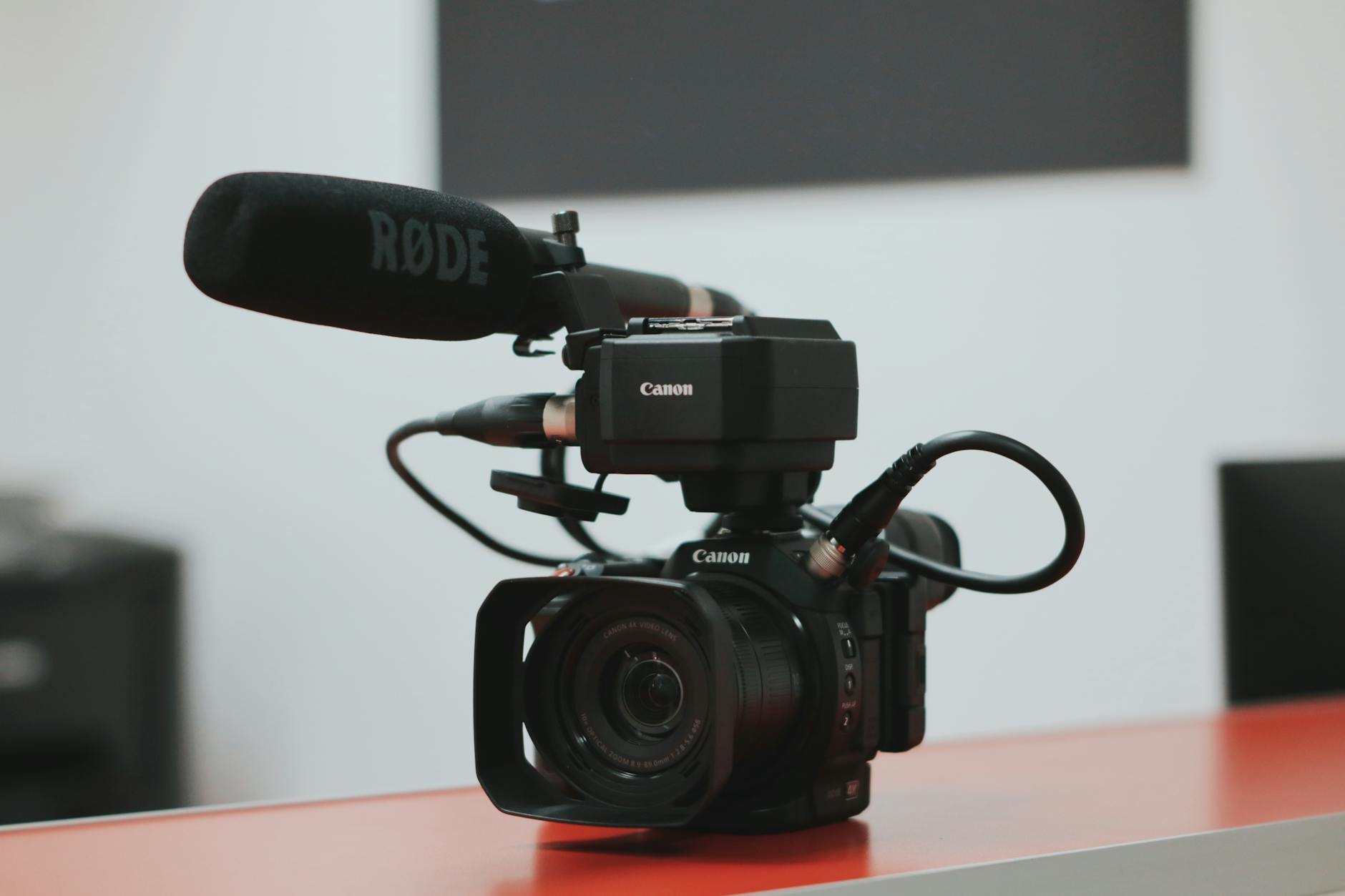
High-quality live streaming setup for professional events
Implementing a live event streaming service involves capturing the event through multiple camera angles, mixing and broadcasting in real-time, and transmitting the feed through a secure, scalable platform. This process requires specialized software and hardware, including professional cameras, video switchers, encoders, and streaming servers. The entire workflow is designed to ensure that viewers receive a consistently clear and uninterrupted feed, even during moments of high action or complex visuals.
Ultimately, the purpose of live event streaming services is to democratize access to important and entertaining events. By broadcasting in real time, organizers can extend their reach to global audiences, enhance engagement, and generate additional revenue streams through online ticketing, advertising, and custom integrations. As technology advances, these services are becoming more user-friendly, flexible, and capable of supporting immersive experiences, such as 360-degree views and interactive content, further broadening the horizons of live broadcasting.
Key Features of a Reliable Live Streaming Platform
A robust live event streaming service must encompass a suite of features that guarantee a seamless and engaging viewing experience. These capabilities not only enhance the quality of broadcast but also streamline the operational aspects for organizers and broadcasters alike.
High-Definition Video Quality
At the core of any successful live streaming platform is the ability to deliver crisp, high-definition video content. This ensures viewers experience the event as vividly as those present physically. Modern platforms support multi-resolution streams, allowing viewers to select their preferred quality based on their device and internet bandwidth, utilizing adaptive bitrate streaming technologies.
High-definition live event broadcast: delivering crisp visuals regardless of viewer location
Low Latency Transmission
Minimizing delay between the actual event and the broadcast is critical for maintaining real-time engagement. Advanced streaming solutions employ sophisticated protocols to reduce latency, often to less than a few seconds, making interactions more immediate and natural, especially during Q&A sessions or live polls.
Scalable Infrastructure
A dependable live event streaming service must accommodate fluctuating audience sizes without sacrificing quality. Cloud-based or hybrid infrastructures dynamically adjust resources to handle peak loads, ensuring consistent performance during high traffic periods. This scalability enables event organizers to expand reach effortlessly, whether streaming to hundreds or thousands of viewers.
Live chat and messaging functionalities to foster real-time interaction
Polls, quizzes, and feedback tools to increase participation
Custom branded overlays and interactive graphics to enhance branding
Multiple language support for international audiences
Reliable Content Delivery Network (CDN)
The backbone of a dependable streaming service is a global Content Delivery Network that caches content across numerous servers worldwide. This setup reduces buffering and lag, delivering consistent streams regardless of viewer location. A strategically designed CDN minimizes the risk of disruptions during mass viewership or peak traffic times.
Security Measures
To protect content and ensure only authorized viewers access the stream, platforms incorporate security protocols such as encrypted streams, Digital Rights Management (DRM), and secure embedding options. These features help prevent unauthorized distribution and piracy, maintaining the integrity of the event broadcast.
Furthermore, comprehensive analytics tools are integrated to monitor viewer metrics, engagement rates, and streaming health. These metrics provide valuable insights for post-event analysis and future broadcast improvements, supporting continuous quality enhancement.
Ensuring Proper Content Security and Quality in Live Event Streaming
For organizers utilizing a live event streaming service, maintaining high-quality video output and safeguarding content are essential. This encompasses implementating advanced encryption techniques to protect streams from unauthorized access and ensuring that streaming infrastructure is robust enough to handle the targeted audience size.
Secure streaming solutions often include the deployment of encrypted data transmissions, such as HTTPS or RTMPS protocols. These encryption methods help prevent interception and unauthorized redistribution of valuable content. Additionally, Digital Rights Management (DRM) mechanisms provide an extra layer of security by controlling how content can be accessed, copied, and shared, thereby protecting valuable digital assets during live broadcast.
Implementing robust encryption methods and DRM ensures content security during live streams.
Moreover, the use of personalized authentication methods, such as secure login portals or access codes, restricts streaming access solely to authorized viewers. These measures are particularly critical when broadcasting proprietary content or high-profile events that require strict access controls.
For a seamless viewer experience, stream quality must be optimized through adaptive bitrate streaming technology. This technology dynamically adjusts the quality of the stream based on the viewer's internet speed, reducing buffering and lag. Also, regular monitoring of streaming health through analytics tools allows organizers to swiftly identify and troubleshoot issues that may arise during the live event, ensuring minimal disruptions.
Adaptive bitrate streaming and real-time analytics help maintain high-quality live broadcasts during events.
Infrastructure resilience is vital to handle unexpected surges in viewer numbers. Utilizing a scalable Content Delivery Network (CDN) guarantees consistent stream delivery, even during peak traffic times. These networks cache content across globally distributed servers, minimizing latency and buffering issues and providing a smooth and uninterrupted viewing experience for your audience.
The integration of closed captioning, multi-language support, and accessibility features enhances inclusivity, broadening the reach of live events. Combining security, reliability, and viewer engagement features ensures that the live streaming experience aligns with the professional standards expected of high-profile events hosted through MiamiVideoServices.net or similar providers.
Legal and Security Considerations
Implementing a live event streaming service requires meticulous attention to legal frameworks and security measures to protect both content and viewer data. While selecting a platform, organizers should prioritize solutions that incorporate robust security protocols, including end-to-end encryption and secure token authentication, to ensure that streams are delivered only to authorized viewers. These security measures prevent unauthorized access and protect proprietary content from illicit distribution.
Content protection is further enhanced through digital rights management (DRM) technologies, which restrict how viewers can access or record streams, thus maintaining control over the digital content. Moreover, watermarking techniques can be employed to embed identifiable markers into streams, deterring unauthorized redistribution and aiding in the identification of content leaks.
Security features such as encryption and watermarking safeguard live streams from unauthorized access and distribution
Data privacy laws, including compliance with regulations like the General Data Protection Regulation (GDPR) or local data protection standards, are essential considerations. Service providers should have clear policies regarding the collection, storage, and use of viewer data, ensuring transparency and adherence to legal requirements. Secure payment options and user authentication processes are critical in monetized streaming scenarios, adding layers of security to prevent fraudulent activities.
Monitoring and Incident Response
Continuous monitoring of streaming health and security logs to detect anomalies or breaches in real-time.
Automated alerts for potential security threats, enabling prompt response to mitigate risks.
Establishment of incident response protocols to effectively address security incidents, including content breach or data leaks.
By employing a comprehensive approach that combines technical security features with strict adherence to legal standards, event organizers can deliver seamless, protected streaming experiences. Careful planning in these areas reassures viewers, preserves brand reputation, and ensures the integrity of the live event broadcast.
Holistic security and legal compliance are vital to successful live event streaming
Legal and Security Considerations
Implementing a professional live event streaming service involves meticulous attention to legal and security protocols that safeguard content integrity and viewer data. Secure streaming methods rely on encryption techniques to protect data during transmission, ensuring that unauthorized interception is virtually impossible. Content protection measures, such as digital rights management (DRM), control access to streams and prevent unauthorized recording or redistribution. Watermarking technologies embed unique identifiers into streams, making it easier to trace leaks back to specific sources and discourage unauthorized sharing.
In the realm of viewer privacy, compliance with applicable data protection regulations is paramount. Streaming providers must establish clear policies on data collection, storage, and usage, maintaining transparency to build trust with audiences. Ensuring secure user authentication processes, including multi-factor authentication, prevents unauthorized access to streamed content and associated platforms.
Secure streaming infrastructure with encryption and authentication protocols
Maintaining operational security also involves continuous monitoring of streaming performance and security logs to detect potential breaches or anomalies in real time. Automated alert systems can notify technical teams instantly of issues, enabling swift mitigation measures. Developing comprehensive incident response plans ensures that, in the event of a security breach, actions are taken rapidly to contain and resolve the problem, minimizing impact on viewers and event organizers.
Furthermore, a robust legal framework includes adherence to data privacy laws, such as GDPR or local data protection standards, with clear guidelines for handling viewer information. Payment security is equally critical when monetization is involved; secure payment gateways and transaction validation procedures help prevent fraudulent activities and protect sensitive financial data.
In practice, integrating these security measures with transparent legal policies fosters a safe environment for viewers and maintains the reputation of the streaming service. Properly addressing these aspects reduces risk exposure, ensures compliance, and ultimately contributes to a smooth, professional live event experience.
Encryption and watermarking protect live streams from unauthorized access and distribution
Understanding Live Event Streaming Services
Live event streaming services have revolutionized how audiences experience events, allowing real-time broadcasting across various platforms and devices. These services utilize advanced technology to ensure seamless transmission of live footage, providing viewers with high-quality, uninterrupted streams. When evaluating a live event streaming service, it is crucial to consider factors such as content delivery networks (CDNs), encoding technologies, and scalability options that support varying audience sizes. A dependable service leverages CDN infrastructure to distribute streaming loads efficiently, minimizing latency and buffering issues. Additionally, compatibility with multiple streaming protocols like HLS (HTTP Live Streaming) and DASH (Dynamic Adaptive Streaming over HTTP) ensures broad device support, from desktops and tablets to smartphones and smart TVs. Robust streaming infrastructure also incorporates failover mechanisms that automatically switch to backup servers in case of technical failures, maintaining continuous broadcast flow. High availability is further supported by comprehensive bandwidth management tools that adapt to fluctuating internet capacities, ensuring consistent stream quality regardless of network conditions.
State-of-the-art live event streaming infrastructure supporting large-scale broadcasts
To deliver an optimal viewing experience, a live streaming platform must incorporate adaptive bitrate streaming technology. This dynamically adjusts the video quality based on the viewer’s internet speed, preventing disruptions and ensuring smooth playback. Moreover, latency management is critical, especially for interactive events such as auctions or Q&A sessions, where real-time engagement enhances viewer participation. Effective live event streaming services also offer comprehensive analytics tools that track viewer engagement, stream health, and geographic distribution. These insights help organizers refine content delivery strategies and optimize future broadcasts. Security features such as encrypted streams, Digital Rights Management (DRM), and secure token authentication play an important role in protecting content from unauthorized access and piracy. Overall, choosing a platform with a versatile and resilient infrastructure ensures that live events run flawlessly, reaching wider audiences without compromising quality or security.
Understanding Live Event Streaming Services
Live event streaming services have revolutionized the way organizers broadcast their events, providing real-time access to audiences regardless of geographical boundaries. These services handle the complex processes of encoding, transmission, and delivery of high-quality video content, ensuring viewers experience minimal latency and optimal clarity. Utilizing a professional live event streaming platform, such as those offered by miamivideoservices.net, allows event organizers to customize broadcasting parameters suited to their unique needs, including multiple camera setups, real-time graphics, and interactive features.
Implementing a live streaming service involves several technical components. Content is captured through high-definition cameras, then transmitted to the platform’s encoding servers, where it is compressed and formatted for internet delivery. The platform’s content delivery network (CDN) distributes the stream across multiple server nodes worldwide, reducing latency and buffering issues by bringing the content closer to viewers. This system is designed to accommodate both small local events and massive international broadcasts, making it a versatile choice for various event scales.
Key Features of a Reliable Live Streaming Platform
Adaptive Bitrate Streaming: Adjusts the quality of the stream dynamically based on viewers' internet speeds, ensuring smooth playback without buffering.
High-Quality Video Support: Supports HD and 4K video resolutions, providing crisp visuals for large audiences and large screens.
Latency Optimization: Minimizes delay to facilitate real-time interactions during live events such as Q&As, auctions, and panel discussions.
Redundancy and Failover: Features automatic failover mechanisms that switch to backup servers in case of technical issues, maintaining uninterrupted broadcast flow.
Comprehensive Analytics: Provides insights into viewer engagement, geographic distribution, and stream health to help organizers refine future events.
Content Security: Implements encryption, DRM, and secure token authentication measures to protect intellectual property and prevent unauthorized access.
Image Placeholder: State-of-the-art CDN infrastructure supports seamless live streaming experiences
Benefits of Using a Live Streaming Service for Events
Adopting a professional live streaming service offers numerous advantages for event organizers. Primarily, it significantly broadens the potential audience reach, enabling participants from around the globe to join virtually and engage in the event proceedings. This expands visibility and can lead to increased sponsorship opportunities and media coverage. Additionally, live streaming enhances audience interactivity, especially when integrated with chat functions, polls, and real-time Q&A sessions, fostering a more engaging experience.
Furthermore, utilizing a dedicated streaming service streamlines logistical planning. It reduces the need for extensive on-site equipment and technical staff, allowing organizers to focus on content quality. The platform’s built-in analytics assist in evaluating viewer behavior and preferences, providing valuable data to shape future event strategies. Cost-efficiency is another key benefit, as virtual broadcasts can reduce expenses related to venue rentals, travel, and physical materials, while still delivering a professional presentation.
Choosing the Right Live Streaming Service for Your Event
Selection begins with evaluating the platform’s technical capabilities, scalability, and reliability. Features such as adaptive bitrate streaming, security protocols, and multi-camera support are essential for high-stakes broadcasts. It is also important to assess the platform’s capacity to handle peak viewer loads, especially for large events expecting substantial online attendance.
Organizers should consider integration capabilities with existing event management tools, social media channels, and donor or registration systems. Ease of use and customer support are equally crucial, ensuring smooth setup and troubleshooting during the event. Cost structures vary, so transparency regarding licensing, bandwidth usage, and additional features is necessary to align expectations and budgets. Lastly, reviewing case studies and client testimonials can provide insights into the platform’s performance and user satisfaction.
Image Placeholder: Proper integration ensures a seamless live streaming experience for events in Miami
Integrating Live Streaming into Event Production
Incorporating live streaming into event production requires strategic planning and technical coordination. It begins with pre-event testing of all equipment, including cameras, audio systems, and internet connectivity to prevent unforeseen issues during the live broadcast. A dedicated technical team should oversee the setup, monitor the stream quality, and coordinate with on-site staff to ensure smooth transitions and visual consistency.
The production team must decide on camera angles, graphics, and interactive elements to enhance viewer engagement. Livestreaming platforms often offer tools such as multi-camera switching, overlays, and lower-third graphics, which can be utilized for a polished presentation. Communication between the production crew and streaming platform operators is vital for real-time adjustments and troubleshooting. Moreover, integrating social media feeds and chat functionalities can foster direct interaction with online viewers, enriching the event experience.
Post-event, the recorded stream can be archived for on-demand viewing, extending the lifespan of the event content and increasing outreach.
Advanced Techniques for Optimizing Live Event Streaming
Maximizing the effectiveness of live event streaming involves employing advanced techniques that elevate viewer engagement and ensure a high-quality broadcast. Particular attention should be paid to adaptive bitrate streaming, which dynamically adjusts video quality based on viewer bandwidth. This approach minimizes buffering issues, maintaining a smooth viewing experience regardless of internet fluctuations.
Implementing multi-camera setups allows for versatile angles and a more dynamic presentation. Skilled production crews can switch between different camera feeds in real time to highlight key moments or provide different perspectives, enriching the viewer's experience. Complementing this with professional-grade graphics, transitions, and overlays enables tailored visual storytelling that aligns with event branding or thematic elements.
Multi-camera streaming setup for dynamic live broadcasts
Furthermore, integrating high-quality audio with the visual stream is essential. Using multiple microphones and audio feeds, including directional and ambient microphones, ensures that sound quality matches the video clarity. Advanced audio processing, such as noise suppression and equalization, enhances clarity and immersiveness for the audience.
Real-time analytics are crucial for monitoring stream health and viewer engagement. These tools provide immediate feedback on viewer count, geographic distribution, device types, and viewing duration. By analyzing this data, organizers can make on-the-fly adjustments, such as switching camera angles or promoting interactive features to boost viewer participation.
Interactive elements further improve engagement. Incorporating live chat, polls, Q&A sessions, and social media integration allows viewers to participate actively in the event. These features can be managed seamlessly via the streaming platform, creating a more inclusive and participatory environment.
Real-time data analytics and interactive tools enhancing live streams
Ensuring security measures are in place is vital to protect the stream from unauthorized access and potential disruptions. Encryption, secure login protocols, and access controls help safeguard the broadcast. Additionally, establishing contingency plans and backup systems, such as redundant internet connections and backup servers, can prevent service interruptions.
Finally, post-event analysis using detailed reports generated by the streaming platform offers insights into viewer behavior and technical performance. This feedback is invaluable for refining future broadcasts, allowing continuous improvement in delivery, content engagement, and technical support.