
Introduction to Timelapse Videos in Miami
Timelapse videos have become an increasingly popular method for capturing the dynamic essence of a city’s landscape over a period of time. In Miami, a city renowned for its vibrant culture, breathtaking skyline, and stunning natural scenery, the application of timelapse techniques offers a unique perspective that highlights the city's energetic pulse and picturesque environment. The appeal of timelapse footage lies in its ability to condense hours or even days of activity into a few compelling minutes, creating a mesmerizing visual narrative that appeals to both residents and visitors alike.
These videos serve multiple purposes, from showcasing the city’s architectural innovation to documenting natural phenomena such as sunsets, storms, and the intricate movements of marine life along Miami’s coastlines. As technology advances, filmmakers and content creators have access to increasingly sophisticated equipment and software, enabling high-quality production that emphasizes clarity, detail, and cinematic impact. Beyond entertainment, timelapse videos in Miami are valuable assets in real estate marketing, tourism promotion, urban planning, and event documentation, making them a vital component of visual storytelling in the city.
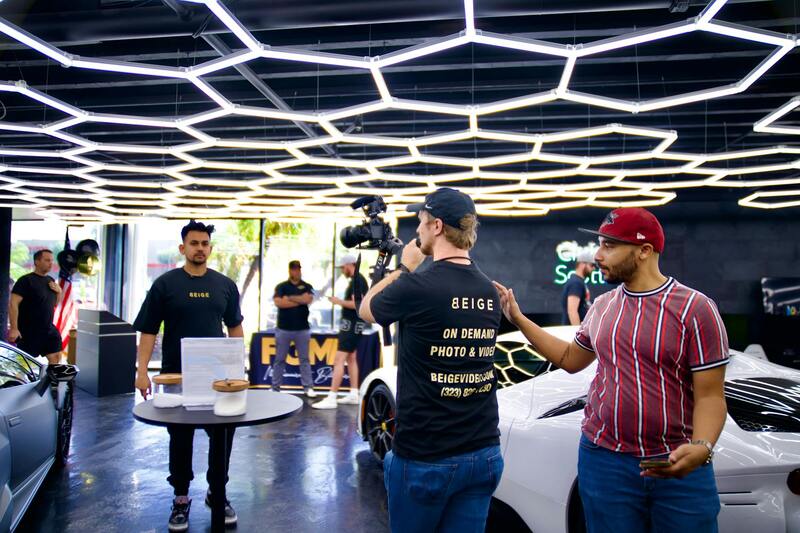
The vibrant urban life juxtaposed with natural beauty makes Miami an ideal location for creating impactful timelapse videos. Whether it’s the bustling streets of Downtown Miami, the serene beaches of South Beach, or the bustling port activity, each scene provides a unique canvas for visual storytelling. Leveraging the full potential of timelapse technology allows creators to enhance their projects, offering viewers an immersive glimpse into Miami’s continuous rhythm.
Equipment and Techniques for Creating Miami Timelapse Videos
Producing captivating timelapse videos of Miami requires the right mix of equipment, precise techniques, and meticulous planning. The quality of the final product hinges on selecting the appropriate gear and employing best practices to capture the dynamic essence of the city.
High-quality cameras equipped with manual settings are fundamental for capturing the diverse lighting and atmospheric conditions typical of Miami’s vibrant environments. DSLR and mirrorless cameras are particularly favored due to their ability to shoot in high resolution, offer extensive control over exposure, focus, and frame rate, and allow for the attachment of versatile lenses suited for different scenes.
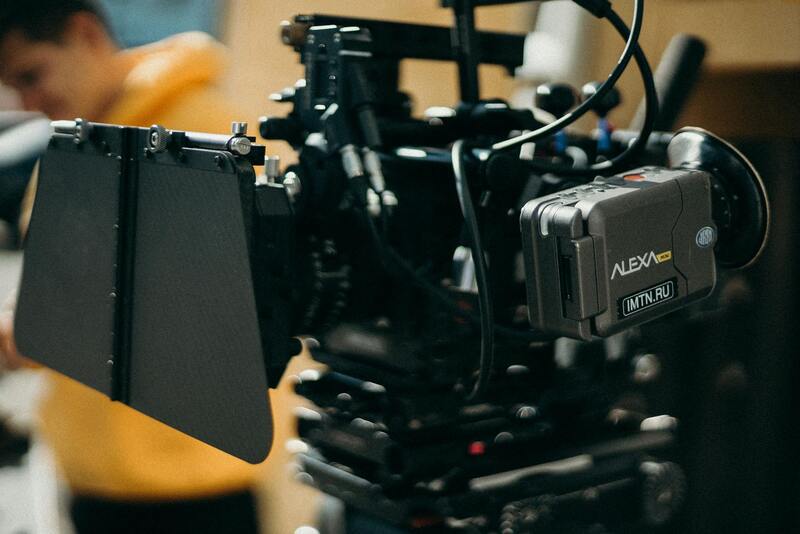
Tripods and motorized sliders stabilize the camera, ensuring sharp images across long shooting periods, which is vital for seamless time-lapse sequences. For capturing expansive city skylines or environmental phenomena like sunsets or storms, equipment such as remote intervalometers automate the shooting process, allowing cameras to capture images at predefined intervals without manual intervention.
Magnification tools like telephoto lenses enable filmmakers to isolate specific components of Miami’s skyline or intricate street activity, while wide-angle lenses are excellent for capturing broad vistas, especially along Miami’s beaches and waterfronts. Proper lens selection depends on the desired perspective and the scene’s scale.
In addition, advanced techniques involve the use of ND filters to manage exposure during daylight shooting, preventing overexposure and maintaining consistent image quality. Focus stacking and exposure bracketing are techniques to enhance detail and dynamic range, especially in scenes with contrasting lighting conditions.
Post-shooting, software such as Adobe Lightroom and Adobe Camera Raw facilitates initial image adjustments, including exposure correction, color grading, and noise reduction. For compiling the image sequence into smooth, cinematic videos, dedicated software like Adobe Premiere Pro, LRTimelapse, or Final Cut Pro is employed. These programs provide tools for stabilizing footage, adjusting speed, and adding transitions or other effects that heighten visual impact.
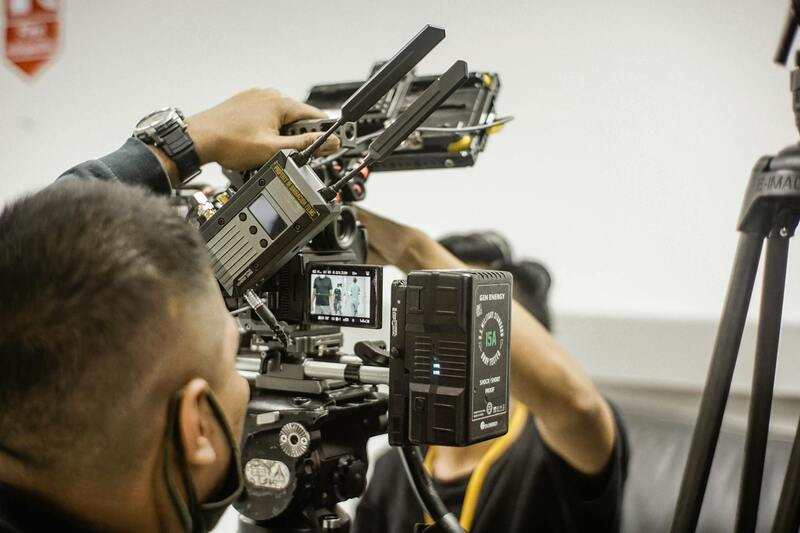
Successful timelapse creation in Miami involves comprehensive planning regarding timing, location, and weather conditions. Shooting during golden hours—dawn or dusk—accentuates the city’s natural lighting, producing visually striking results. Additionally, understanding Miami’s urban flow and identifying high-traffic areas or scenic spots helps in planning comprehensive shots that tell compelling stories within the city’s diverse environments.
Finally, protecting the equipment from Miami’s coastal climate—such as humidity, salt spray, and sudden weather changes—is critical. Waterproof housings and weather-resistant gear safeguard your investments and ensure consistent results across different shooting sessions.
Official Methods for Capturing Miami Timelapse Videos
When producing high-quality timelapse videos of Miami, adhering to official and recommended methods ensures the best results and preserves the integrity of your footage. The foundation begins with comprehensive planning, including selecting iconic locations like Biscayne Bay, Miami Beach, or Downtown Miami. Securing the necessary permissions and understanding the guidelines for drone use, if applicable, help maintain a smooth workflow. Engagement with authorized drone operators and licensed professionals can facilitate aerial shots that are both stunning and compliant.
Choosing the right equipment is paramount. Professional-grade cameras with intervalometer capabilities enable precise interval shooting. Setting the camera to manual mode prevents automatic adjustments that could create inconsistent exposure or color shifts throughout the sequence. It’s important to employ high-resolution sensors and quality lenses suited for landscape and cityscape environments, ensuring sharp, detailed imagery.
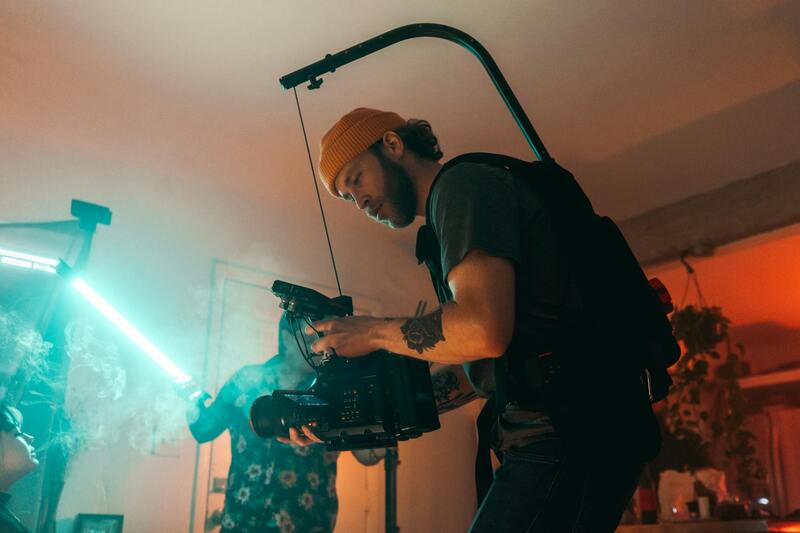
Stability is critical; using sturdy tripods or motorized sliders averts camera shake and produces smooth footage. When capturing scenes requiring extensive exposure, employing neutral density (ND) filters allows longer shutter speeds without overexposing the image, especially during bright Miami days. Incorporating camera calibration settings and color profiles helps reduce post-shoot corrections. Regularly monitoring the battery life of your equipment and storing images in redundant storage solutions minimizes risks of data loss.
Technical Best Practices for Timelapse Execution
- Plan your shooting schedule around specific timeframes such as sunrise, sunset, or busy nightlife hours to capture Miami’s dynamic character.
- Utilize interval settings that match the scene’s movement; for city traffic, intervals between 1-3 seconds are ideal, whereas slower scenes may need longer intervals.
- Ensure consistent focus by using manual focus settings, especially in changing lighting conditions.
- Implement automated horizon leveling or keep the camera on a fixed plane for uniformity across shots.
- Use remote triggers or intervalometers to reduce camera shake and ensure precise timing.
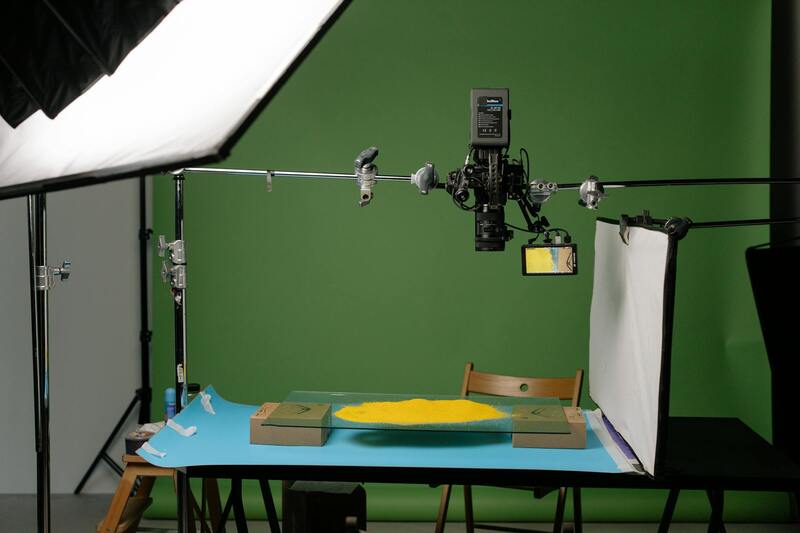
Legal and Ethical Guidelines in Miami Timelapse Videography
Respect for privacy and property rights plays a vital role in the ethical creation of timelapse content. When shooting in public spaces, especially in densely populated areas such as Ocean Drive or Miami Beach, operators should avoid intrusive or obstructive equipment placement. If drone footage is involved, operators must adhere to established flight zones and altitude restrictions, securing any needed permits beforehand.
Capturing footage that features private property or individuals should be done with consent, where applicable. Maintaining transparency about your intentions and respecting local regulations fosters positive relationships within the community. Documenting your adherence to these standards not only upholds your professional reputation but also ensures seamless project progression.
Implementing Official Methods for Consistency and Quality
Following industry-recognized procedures for shooting, such as using calibrated equipment, scheduled shoots during optimal lighting conditions, and employing consistent camera settings, guarantees high standards in your Miami timelapse portfolio. Employing official techniques also involves meticulous post-production workflows, including color grading, stabilization, and frame rate adjustments, to produce a cohesive final product.
Equipment and Techniques for Creating Miami Timelapse Videos
Creating compelling timelapse videos of Miami requires an investment in appropriate equipment and a mastery of specialized techniques to ensure high-quality results. The choice of equipment influences not only the visual clarity and stability of the footage but also the ability to capture Miami's vibrant energy effectively.
Firstly, high-resolution cameras with manual controls are essential. DSLR or mirrorless cameras equipped with intervalometers allow for customized shooting intervals, which are crucial for maintaining the pace and flow of the timelapse sequence. For capturing expansive cityscapes or iconic landmarks, wide-angle lenses are preferred, as they encompass more of Miami’s dynamic skyline and waterfront views, providing a sense of scale and immersiveness.
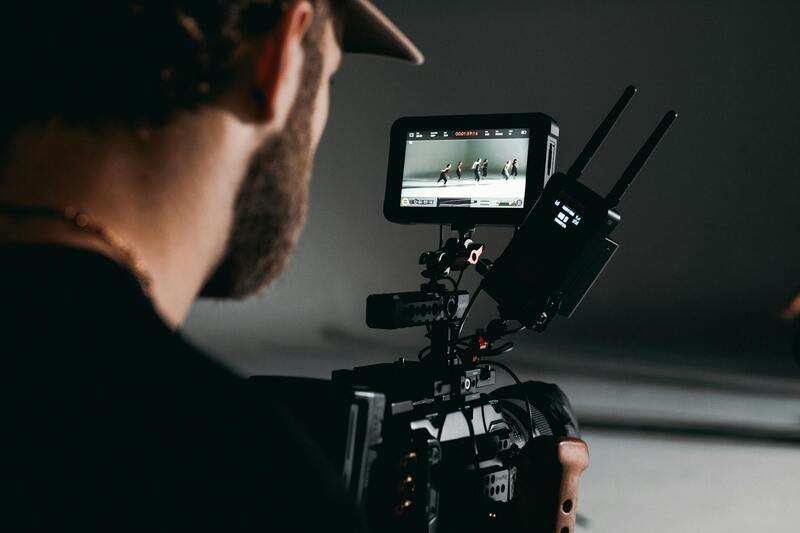
Stability is a core requirement for producing smooth footage. Tripods are standard, but for extended shoots, motorized gimbal stabilizers or motion control systems can add movement capabilities, creating more dynamic sequences. Additionally, camera rigs equipped with remote controls help minimize vibrations and allow for precise adjustments without disturbing the shot.
Ensuring optimal lighting conditions is vital. Shooting during golden hours—shortly after sunrise or before sunset—not only enhances the visual appeal with warm lighting but also reduces harsh shadows and overexposed areas. For night timelapses, using cameras with good high-ISO performance and wide aperture lenses helps capture the city’s luminous nightlife without excessive grain.
Another key component is proper exposure management. Filming in RAW format best preserves image information, facilitating extensive post-production adjustments. This approach offers flexibility in adjusting color balance, contrast, and dynamic range, which can be especially beneficial when capturing the diverse lighting scenarios of Miami’s day-to-night transitions.
Post-shooting, the use of specialized software for assembly and editing plays a critical role. Programs like Adobe After Effects, Lightroom, or dedicated timelapse tools streamline the process of sequence assembly, stabilization, and color grading. Maintaining consistent camera settings across shoots ensures a uniform aesthetic, vital when compiling multiple sequences into a cohesive final product.
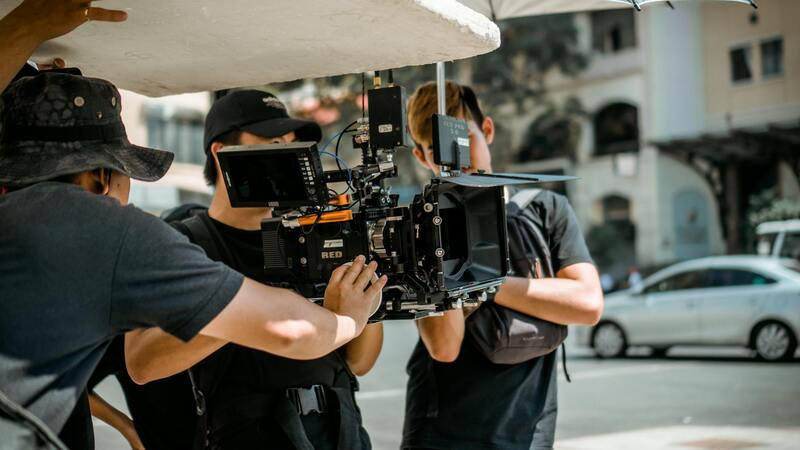
Finally, patience and planning are fundamental. Timing the shooting schedule to coincide with Miami's bustling activity or serene vistas allows creators to capture the city’s evolving character. Whether aiming to document the bustling streets or the tranquil beaches, employing official methods and meticulous planning elevates the quality and storytelling power of the timelapse videos.
Legal and Ethical Considerations in Miami Timelapse Video Production
Producing high-quality timelapse videos of Miami requires adherence to established standards that promote safety, respect for privacy, and responsible use of public and private spaces. While creating captivating content, it is important to respect public regulations related to drone operations, camera stabilization, and the use of protected areas. For instance, shooting in certain locations such as government facilities, private properties, or areas with restricted access can involve specific permissions, ensuring that content creation does not interfere with security protocols or infringe upon individual privacy rights.
When operating drones for aerial timelapse recordings, operators must comply with specific flight guidelines that typically include altitude restrictions, line-of-sight rules, and no-fly zones. These measures help prevent disruptions to air traffic and ensure safety. Proper planning and obtaining necessary clearances, when applicable, contribute to a smooth production process without legal complications.
Respect for the community and environment forms a core principle in professional timelapse projects. Using unobtrusive equipment mitigates potential disturbances to residents, tourists, and wildlife. For instance, setting up equipment in unobtrusive locations and avoiding noise pollution or obstruction of pedestrian pathways maintains good relations with the community and upholds ethical standards.
Permissions and Formalities
- Securing permits for public spaces: Many popular locations for Miami timelapse videos, such as beaches, parks, or iconic landmarks, may require official approval to record, especially if the setup involves extensive equipment or obstruction of normal activities.
- Private property considerations: Filming on private property necessitates obtaining explicit permission from property owners to avoid conflicts and ensure lawful use of the area.
- Drone operation licenses: Certified drone pilots should hold valid licenses and adhere strictly to local aviation regulations, helping maintain safety standards and operational legality.
Respecting Privacy and Personal Rights
When capturing in public areas, it is critical to respect individual privacy. Avoid capturing identifiable individuals without their consent, particularly in sensitive contexts. An ethical approach involves focusing on scenic vistas, architectural elements, and urban landscapes, which offer compelling visuals without infringing on personal rights.
Proper signage and transparency about the purpose of filming can also promote trust and cooperation from the community. When necessary, providing signage or notices indicating that recordings are in progress reassures the public and sets expectations.
Use of Official Equipment and Protocols
Employing certified equipment, such as approved drones and cameras, ensures compliance with technical standards and safety protocols. Regular maintenance, calibration, and adherence to manufacturer guidelines enhance the quality and safety of productions. Additionally, following professional protocols, including pre-flight checklists and safety briefings, minimizes accidents or mishaps during filming.
Adopting these official and responsible methods underscores a commitment to producing quality Miami timelapse videos that are both visually stunning and ethically sound. Meticulous planning, community respect, and compliance with established procedures form the backbone of successful content creation in this vibrant city.
Utilizing Official Platforms and Tools for Timelapse Video Creation in Miami
In the realm of professional timelapse video production, leveraging official platforms and authorized tools guarantees the integrity, quality, and safety of the footage. Content creators and production teams committed to producing compelling visual narratives of Miami's vibrant urban landscape often depend on certified hardware and software solutions that adhere to industry standards.
One of the primary methods involves using authorized drone operators equipped with industry-certified drones. These devices are designed to meet strict safety and operational standards, minimizing risks during aerial filming. Certified drone pilots possess pertinent licensure and training, ensuring compliance with local aviation guidelines while capturing breathtaking views of Miami's skyline and beaches.
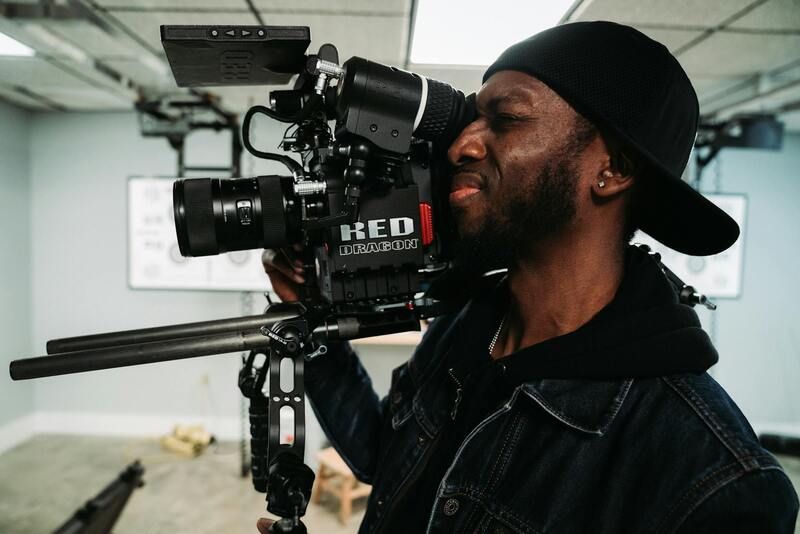
For ground-based filming, high-end professional cameras equipped with time-lapse capabilities and stabilized mounts are essential. These tools, when used with proper permits and adherence to safety protocols, enable capturing detailed and smooth sequences over extended periods. Use of specified camera rigs and tripods approved by regulatory bodies ensures the protection of equipment and personnel while maintaining high production standards.
Software platforms also play a vital role in the editing and assembly of timelapse sequences. Industry-leading editing suites, such as Adobe Premiere Pro, Final Cut Pro, and DaVinci Resolve, are commonly used to arrange, color-correct, and enhance the footage. These tools are licensed and maintained by authorized distributors, offering creators the reliability needed to produce professional-grade content.
In crafting Miami timelapse videos, following official procedural guidelines extends beyond hardware and software. It encompasses comprehensive planning and protocol adherence, including obtaining necessary permits, respecting local regulations, and implementing safety measures associated with aerial and ground filming. When working with licensed entities or certified professionals, the process assures transparency and accountability, fostering trust with stakeholders and the community.
Implementing official methods not only elevates the quality of the content but also ensures the consistency and sustainability of production workflows. This disciplined approach underpins the creation of mesmerizing timelapse videos that showcase Miami’s dynamic environment while maintaining adherence to established best practices.
Utilizing Advanced Post-Production Techniques for Miami Timelapse Videos
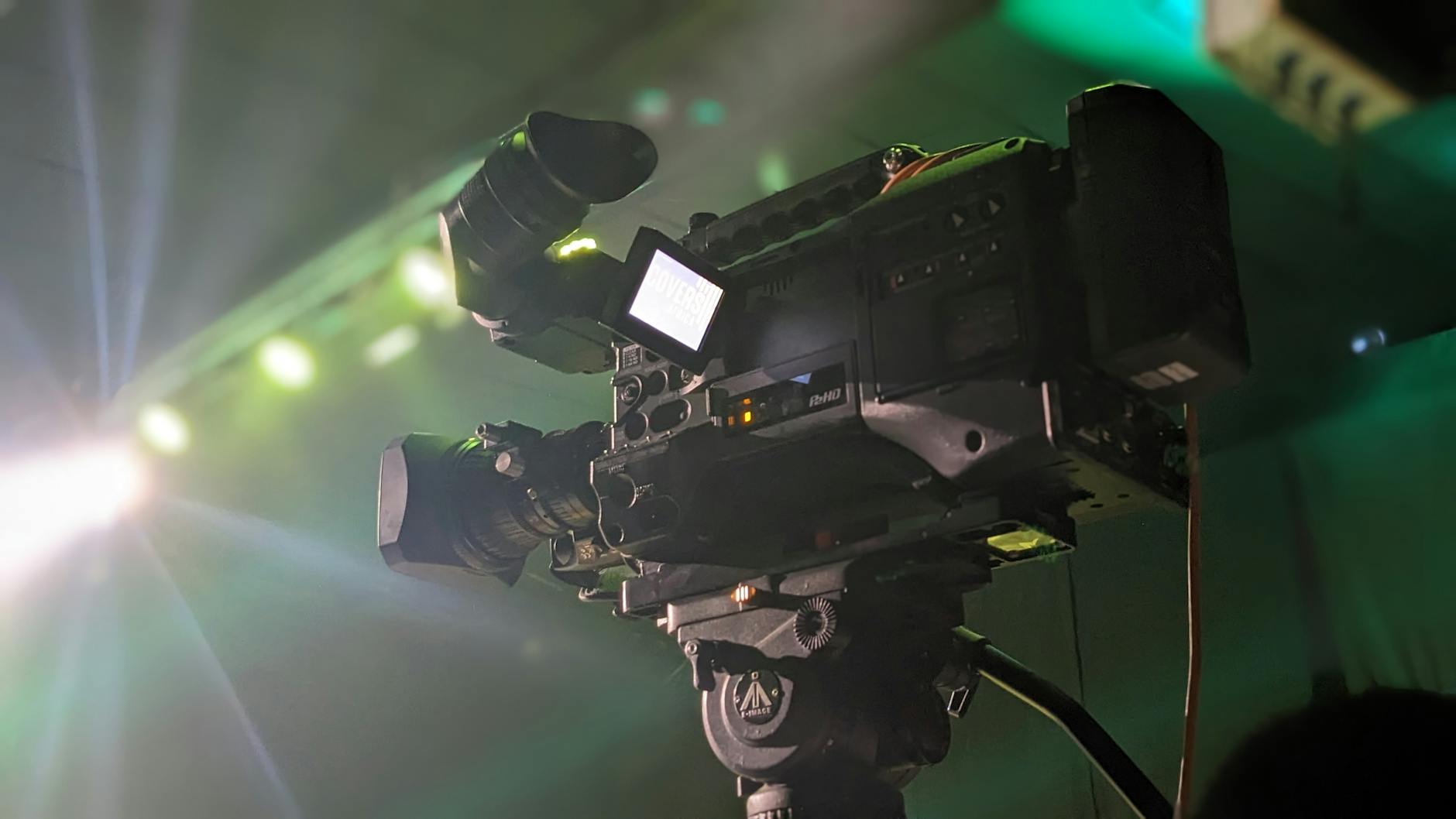
Post-production is a critical phase in the creation of compelling Miami timelapse videos, requiring a blend of technical skill and artistic sensibility. Once the raw footage has been captured, professional editing workflows are employed to refine the visual narrative, enhance clarity, and ensure color consistency across sequences. High-quality editing not only accentuates the vibrancy of Miami’s iconic landmarks but also immerses viewers in the city’s energetic atmosphere.
Color grading is a fundamental component of post-production, allowing editors to evoke specific moods and atmospheres associated with Miami’s diverse environments. For instance, warm tones may be used to highlight the tropical warmth of Miami Beach, while cooler shades can emphasize the modernity of downtown skyscrapers. Additionally, stabilization techniques are often applied to smooth out camera movements, especially in drone timelapses or footage captured on handheld rigs, ensuring a seamless viewing experience.
Technology has advanced significantly in recent years, providing editors with sophisticated tools for refining timelapse footage. Software suites such as Adobe Premiere Pro and DaVinci Resolve offer powerful features like multi-layer editing, detailed masking, and advanced noise reduction, which improve the overall quality of the final product. These platforms support high-resolution outputs, facilitating large-format displays or cinematic presentations of Miami’s landscapes.
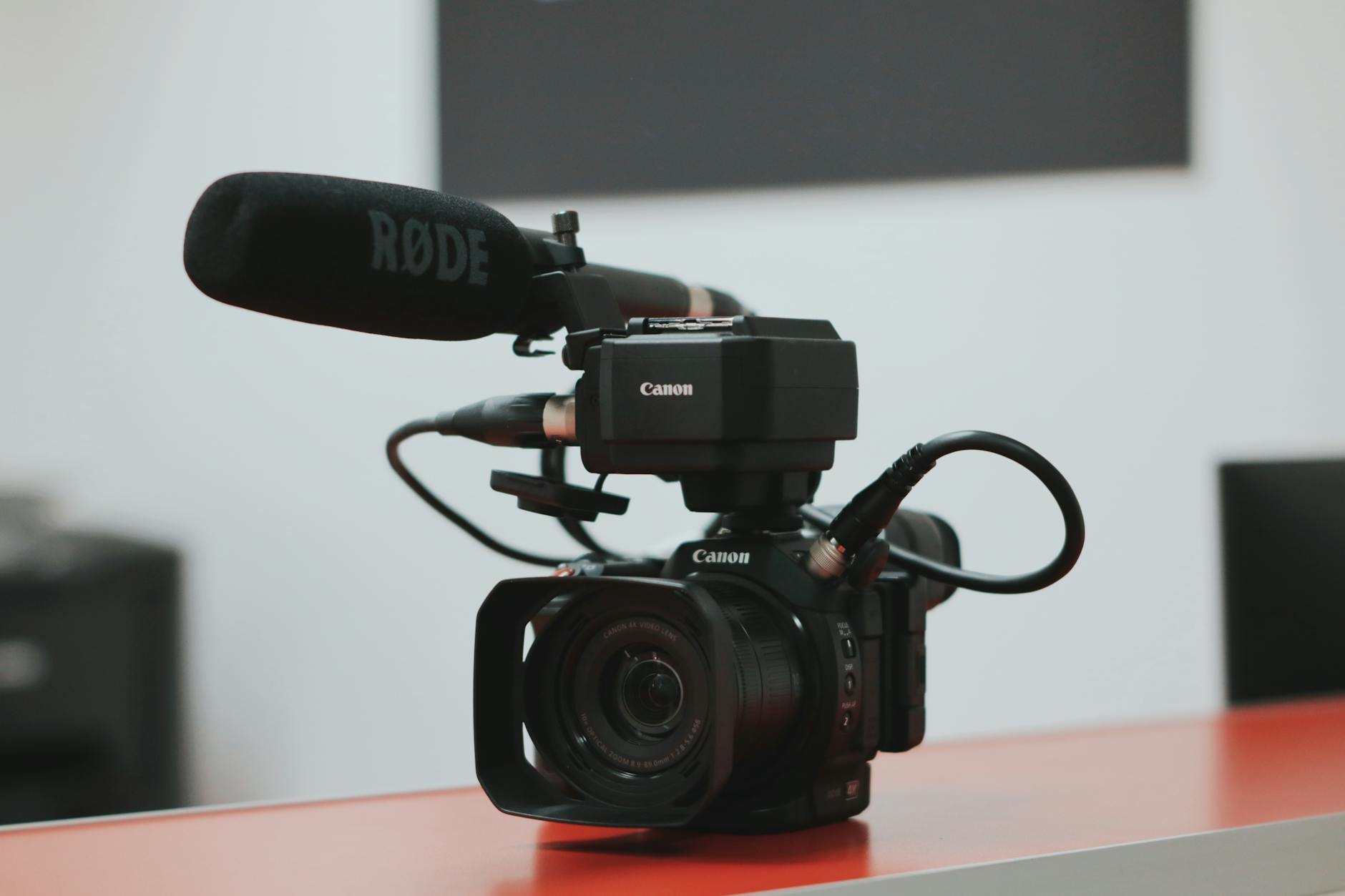
Incorporating visual effects and transitions can further elevate the visual story, from subtle zoom-ins that focus on architectural details to dramatic time-compression transitions that highlight the pace of city life. Sound design and background music are also integrated during the editing process to enhance emotional engagement and provide a cohesive sensory experience.
Furthermore, the integration of motion graphics and titles can contextualize specific scenes, such as identifying landmarks or providing temporal context. These elements contribute to a polished, professional appearance and make the timelapse more informative and engaging for audiences.
Achieving an effective post-production process demands a thorough understanding of both the technical parameters and aesthetic principles governing motion picture editing. Skilled professionals who specialize in timelapse and time-lapse video editing bring a wealth of experience to each project, ensuring that every sequence is meticulously crafted to showcase Miami’s vibrant scenery. Their adherence to industry standards and best practices guarantees that the final product meets the highest quality expectations while accurately reflecting the dynamic spirit of Miami.
Ensuring Proper Consent and Respecting Privacy During Miami Timelapse Production
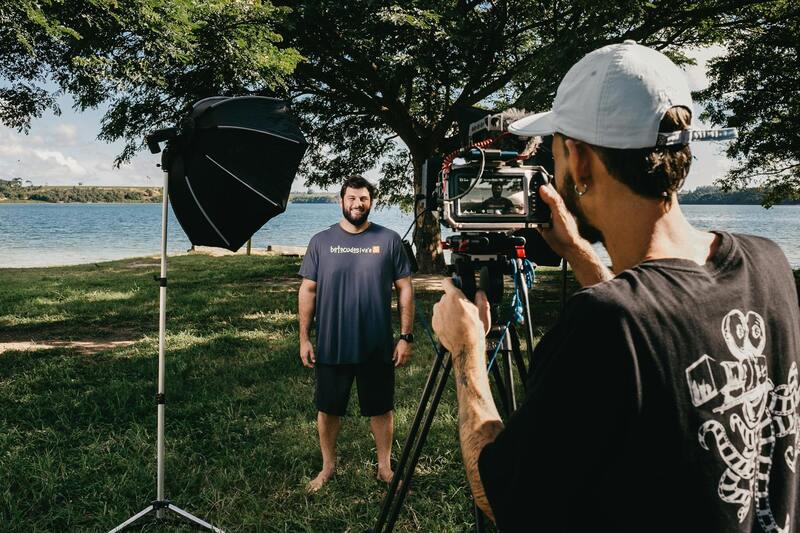
When executing timelapse projects within Miami, capturing the city’s iconic landmarks and bustling streets often involves documenting public spaces frequented by residents and visitors alike. As such, maintaining a respectful approach to privacy and obtaining the necessary permissions is fundamental to upholding professional standards.
Proactively securing permissions from property owners or city authorities when filming in private or restricted areas ensures that the project proceeds smoothly and aligns with established protocols. For instance, filming near private developments or government buildings may require specific authorizations to avoid potential disruptions or misunderstandings.
In public spaces, it is important to follow guidelines that prevent unintended intrusion into individuals’ privacy. While capturing crowds or pedestrians, videographers should avoid zooming in excessively on individuals or revealing identifiable personal details without appropriate consent. Employing wider shots that encompass the environment rather than specific persons helps to respect personal privacy while still delivering compelling visual narratives.
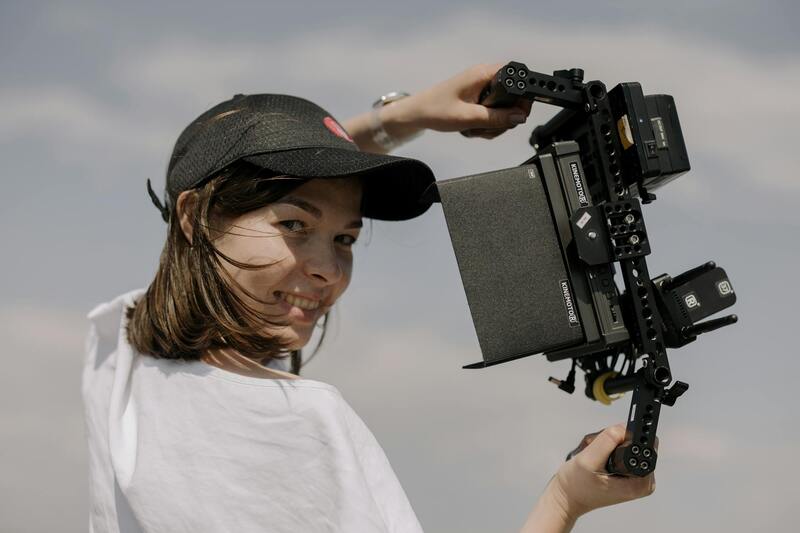
Furthermore, understanding local regulations related to drone usage is critical when incorporating aerial shots into Miami timelapse projects. Miami has specific rules governing drone flights, especially around densely populated areas or sensitive sites. Ensuring compliance with these regulations not only guarantees lawful operation but also enhances safety for all involved.
Implementing transparent communication when engaging with community members or property stakeholders helps foster goodwill and collaboration. Explaining the purpose of the project and how footage will be used can alleviate concerns and build trust.
In professional practices, maintaining thorough documentation of permissions and adherence to legal frameworks provides clear evidence of responsible conduct. This vigilance not only upholds ethical standards but also ensures that the final timelapse content can be confidently shared across various platforms.
Overall, a comprehensive approach that prioritizes consent, privacy, and regulatory compliance is essential to producing high-quality Miami timelapse videos that respect the community and deliver impactful visual storytelling.