
Understanding Timelapse Production
Timelapse production is a specialized filming technique that involves capturing a series of individual frames at set intervals over an extended period. When these frames are played back at normal speed, time appears to be moving rapidly, providing viewers with a dramatic and visually compelling portrayal of change over time. This method is widely utilized across various industries, including film, advertising, real estate, and event documentation, to showcase transformations, highlight progress, or depict environments in motion.
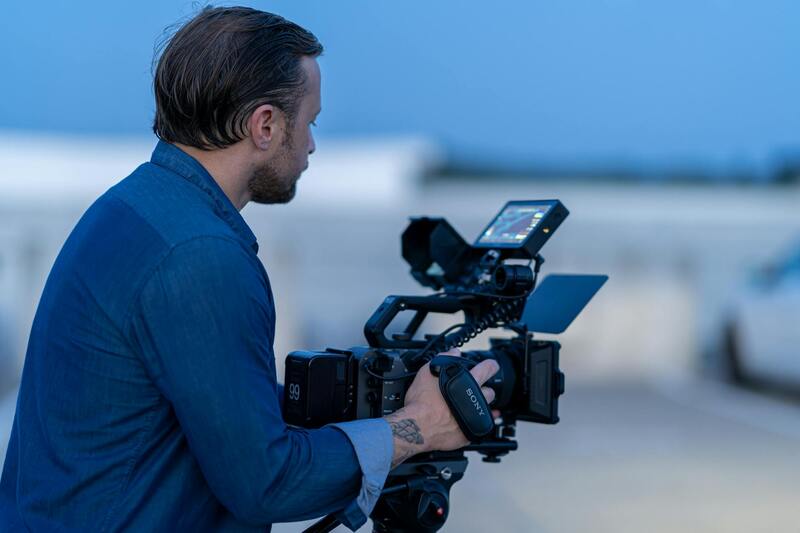
Key elements of timelapse production encompass meticulous planning, selecting the right equipment, and executing technical considerations carefully. The process begins with determining the subject and the desired outcome—whether capturing a cityscape, natural phenomena, or construction progress. Essential equipment includes high-quality cameras capable of interval shooting, sturdy tripods to ensure stability, and appropriate power sources for extended shoots. Additionally, choosing the right interval between shots is crucial, as it influences the final speed and smoothness of the footage.
Preparation also involves scouting locations, assessing lighting conditions, and scheduling shoots during optimal times of the day to achieve the best visual results. For instance, shooting during sunrise or sunset can produce vibrant, dramatic sequences, while capturing busy urban scenes during the day highlights activity and movement. By understanding these fundamental elements, producers can create timelapse sequences that accurately convey the intended narrative or visual effect.
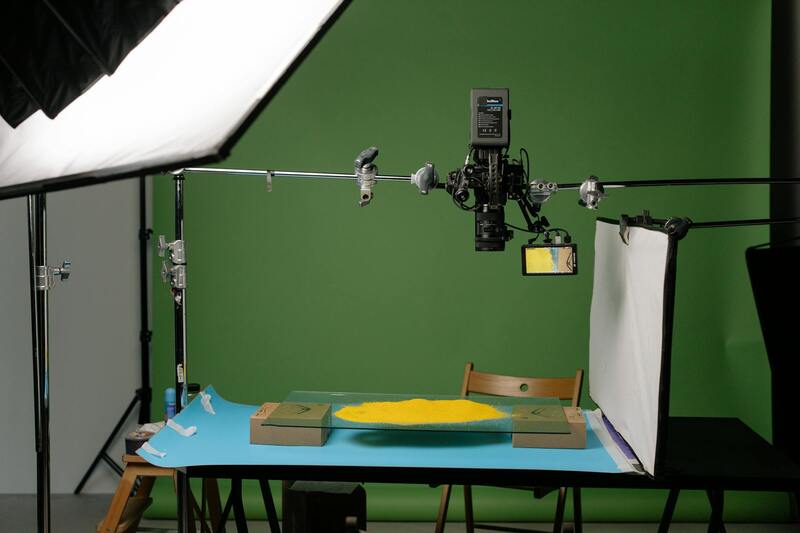
Proper planning and technical execution are vital for producing high-quality timelapse videos. This includes ensuring the camera settings are optimized for exposures, focus, and color balance, and that the interval setting aligns with the scene's dynamics. When executed with precision, timelapse production becomes a powerful tool to reveal otherwise unseen processes, making it a popular choice for capturing dynamic environments such as the sprawling city of Miami or natural landscapes.
Equipment and Technical Requirements
Achieving exceptional timelapse footage necessitates specific equipment designed to withstand extended shooting sessions while maintaining image stability and quality. Cameras suited for professional timelapse production typically feature high-resolution sensors, limited rolling shutter distortion, and the capability to operate in various lighting conditions. DSLR and mirrorless cameras are often preferred due to their versatility and manual control options, enabling precise adjustments to exposure, focus, and white balance.
Stability is paramount in timelapse shoots. A sturdy tripod with a fluid head or geared head allows for meticulous framing adjustments and smooth panning if required. For scenes involving significant camera movement, motorized sliders or motion control systems can be integrated to generate seamless animations over extended periods. Additionally, motion stabilization accessories, such as gimbals, can be employed for handheld shots or dynamic environments.
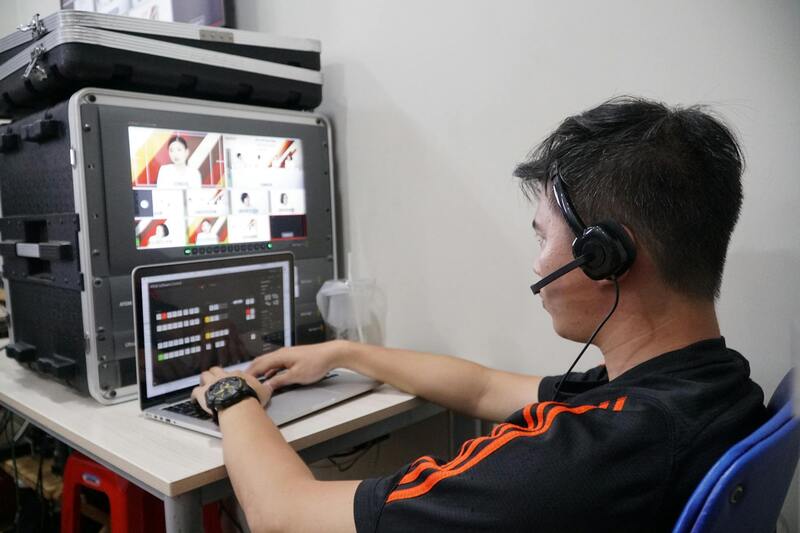
Power supply management also plays a crucial role. For prolonged shooting durations, utilizing multiple batteries or external power sources like portable power banks ensures uninterrupted operation. Memory card capacity must be ample to store high-volume image sequences; high-speed, large-capacity SD cards or SSD drives are recommended for efficiency.
Optimizing camera settings is central to capturing the desired aesthetic. Adjusting shutter speed, ISO, and aperture in accordance with lighting conditions minimizes noise and overexposure. For scenes with changing light, incorporating ND filters or graduated ND filters can help balance exposures. The interval timer must be carefully calibrated based on the movement speed within the scene—shorter intervals for fast-moving scenes and longer intervals for gradual changes.
Post-capture, the use of professional software for assembling images into a cohesive sequence is critical. Programs such as Adobe Premiere Pro, Final Cut Pro, or specialized timelapse editors allow for precise control over frame rate, transitions, and color grading. Seamless editing enhances storytelling and accentuates the visual impact of the timelapse.
Equipment and Technical Requirements
Achieving high-quality timelapse sequences in Miami demands a meticulous selection of equipment and precise technical settings. The city’s diverse landscapes—from vibrant urban skylines to tranquil beaches—require adaptable gear to capture their essence effectively.
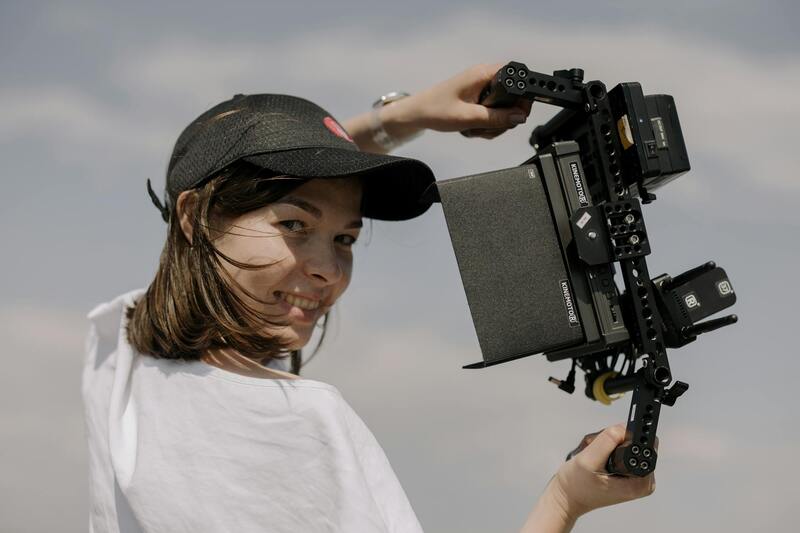
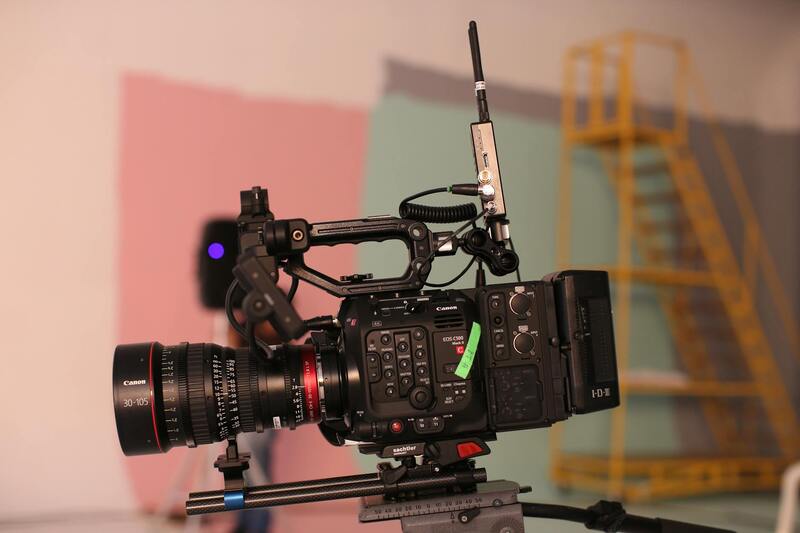
Primarily, a camera capable of high-resolution imaging and manual control is essential. DSLRs and mirrorless cameras with interchangeable lenses offer flexibility for capturing detailed scenes across different environments. Remote shutter releases or intervalometers enable interval shooting without camera shake, crucial for consistent image intervals. Additionally, rugged tripods or stabilizers ensure steady shots, even in windy coastal areas or dynamic cityscapes.
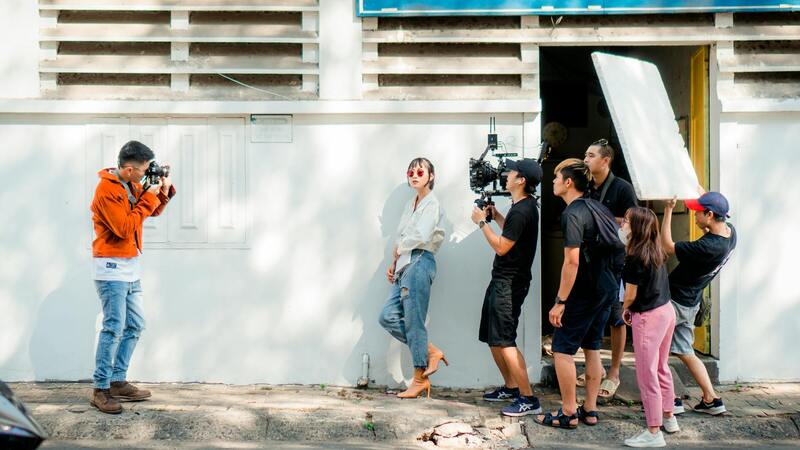
Regarding camera settings, adjusting parameters according to environmental conditions is vital. Use a narrow aperture (f/8 to f/16) to maximize depth of field, especially when capturing city architecture or intricate landscapes. Balance ISO settings to minimize noise in low-light conditions such as dawn or twilight while maintaining image clarity. Shutter speed should be tailored to scene movement; for instance, longer exposures enhance smoothness in water scenes or nighttime city lights.
Filters are invaluable tools for refined control over exposure and dynamic range. Graduated neutral density (ND) filters help balance the bright sky with darker foregrounds during sunrise or sunset, while standard ND filters enable extended exposure times for smooth motion effects in water or clouds. In complex lighting scenarios, using a histogram to monitor exposure ensures optimal captures.
Power management is essential for extended shooting sessions. Carrying multiple batteries or employing external power sources mitigates interruptions. High-capacity SD cards or SSD drives with fast read/write speeds facilitate seamless image storage and retrieval, preventing data bottlenecks during shoots.
Beyond capturing images, having reliable post-processing tools streamlines the production process. Software like Adobe Lightroom allows for initial adjustments on individual frames, correcting color balance, contrast, and sharpness. For assembling the sequence, programs such as Adobe Premiere Pro or Final Cut Pro are preferred, offering granular control over frame rate, transition effects, and color grading. These steps are critical for transforming raw captures into a compelling timelapse narrative that showcases the dynamic spirit of Miami.
Post-Production Techniques
Once the timelapse footage has been captured, the post-production process becomes crucial in transforming raw images into a polished visual story. Metadata management and proper file organization facilitate efficient editing workflows, especially when handling large volumes of images from extensive shoots. Utilizing professional editing software allows for precise adjustments that enhance the overall quality of the final product.
Color correction is fundamental in maintaining consistency across frames, which is especially important in timelapse sequences where color shifts can disrupt the visual flow. Adjusting contrast and saturation can enhance the vibrancy of Miami’s iconic landscapes, cityscapes, and nightlife scenes, bringing out the city’s dynamic character.
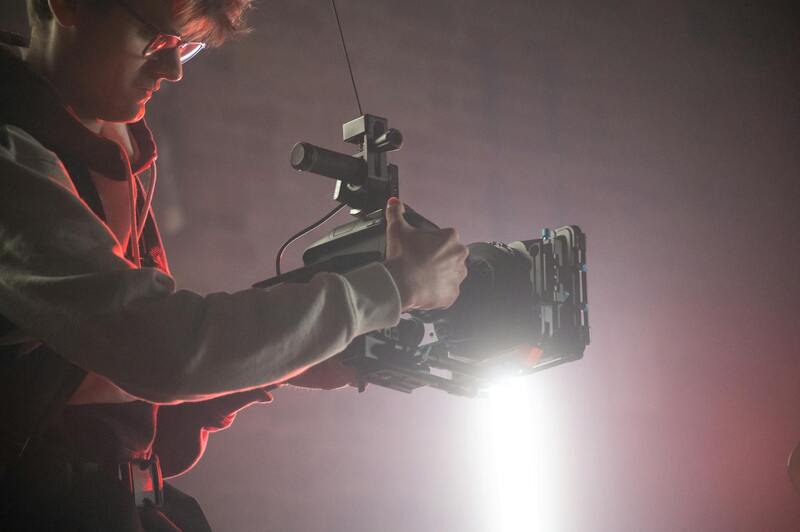
Smoothing out camera movements using stabilization tools addresses jitters that may occur during handheld or unsteady setups. Frame-by-frame retouching can correct artifacts or inconsistencies, while adding effects such as speed ramps or transitions further elevates the visual storytelling.
When assembling the sequence, key considerations include selecting the ideal frame rate for smooth playback and syncing the footage with musical or ambient soundtracks to enhance emotional engagement. Export settings should be optimized for the intended display medium, whether it’s for web, broadcast, or cinematic viewing, ensuring high resolution and proper color space.
Meta-data tagging and proper file naming conventions support efficient cataloging and future revisions, especially when managing multiple projects. Backing up project files and originals to secure storage prevents data loss and maintains a seamless workflow.
Legal and Permit Considerations in Miami
Successfully capturing Miami’s vibrant cityscape through timelapse production requires adherence to established protocols for filming in public and private spaces. Securing appropriate permissions before initiating a shoot ensures a seamless process and helps avoid disruptions or misunderstandings. This involves communicating with property owners when filming on private property and obtaining necessary authorizations for location use. For public areas, understanding local regulations surrounding commercial filming is essential. Miami's diverse zones, from bustling downtown districts to scenic beaches, may have specific guidelines dictating filming hours, drone usage, and equipment restrictions.
Applying for permits through municipal or district authorities provides official authorization that safeguards the production team’s activities. These permits often specify the scope of work, equipment limits, and any environmental or safety considerations. When using drones or aerial equipment, additional permissions may be necessary; this involves coordinate with the Federal Aviation Administration (FAA) and local aviation authorities in Miami to comply with drone operation standards.
Proper documentation and recognition of permit approvals facilitate a smooth workflow, particularly in complex projects involving multiple locations or extensive setups. Working with local film offices and consulting with production coordinators experienced in Miami’s regulatory landscape ensures that all legal frameworks are accurately met. Developing a comprehensive plan that includes marked permit dates, location contacts, and specific activity details helps streamline filming activities and prevents potential violations that could impede production.
In addition to permits, considerations around insurance coverage, especially when deploying specialized equipment or crew, are vital. Coverage can include liability, equipment protection, and worker safety. Maintaining liability insurance coverage mitigates risks and demonstrates professionalism, which is critical when engaging with local authorities and clients alike.
Keeping abreast of evolving regulations and local policies enhances compliance and contributes to the overall success of the project. Regular dialogue with local officials, community stakeholders, and permitting agencies ensures that all aspects of the production align with Miami’s standards and expectations. Properly managing legal considerations not only fosters goodwill with the community but also upholds professional practices essential for a reputable timelapse production operation in the city.
Legal and Permit Considerations in Miami
Successfully executing a timelapse production in Miami requires thorough understanding and adherence to specific permits and permissions. When working in public areas, obtaining approval from local authorities is essential to prevent disruptions or complications during filming. This often involves submitting detailed application forms that specify the scope of the project, the locations involved, and the expected duration of the shoot.
Private property permissions are equally important. Securing written consent from property owners ensures the production team has authorized access and mitigates potential disputes. It is advisable to maintain clear communication with property managers or residents, especially when filming in residential or commercial neighborhoods, to foster cooperation and avoid misunderstandings.
In addition to location-specific permissions, filming with certain equipment—particularly drones or heavy tracking rigs—may require special authorizations from regulatory bodies overseeing aerial or equipment-specific operations. These permissions often involve safety assessments and adherence to airspace or operational safety protocols.
Comprehensively managing legal procedures involves more than just acquiring permits; it also encompasses understanding the nuances of local ordinances that govern noise levels, filming times, and usage of public infrastructure. Ensuring compliance with these regulations helps maintain a positive relationship with the community and avoids potential penalties or filming interruptions.
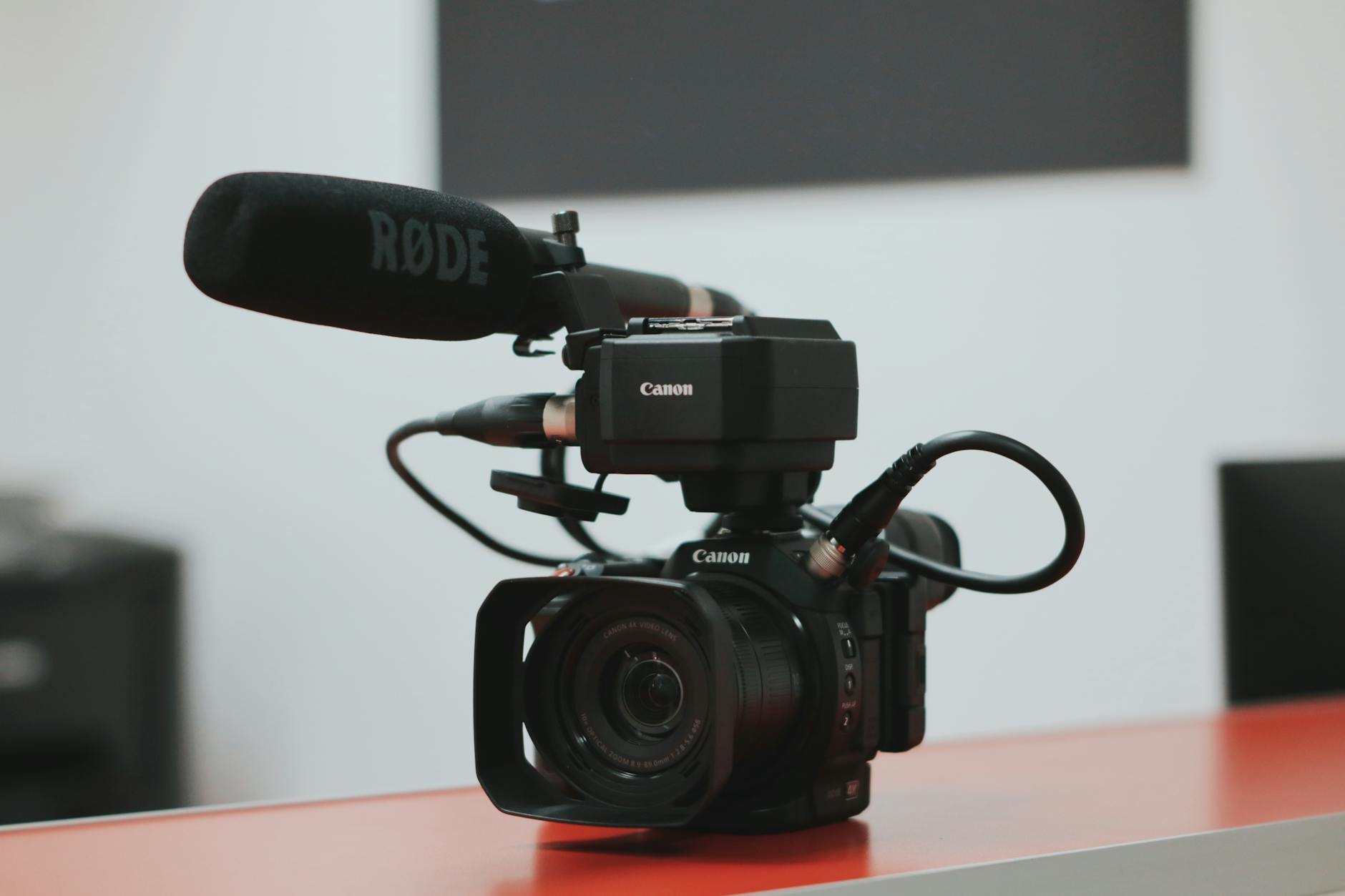
Another critical aspect involves insurance coverage. Working with specialized equipment and crews often necessitates comprehensive insurance policies that cover liability, equipment protection, and worker safety. Demonstrating such coverage can streamline permit approvals and showcase professionalism when coordinating with local authorities and clients.
Ultimately, a well-planned legal and permit strategy facilitates the smooth execution of timelapse projects, allowing the creative process to unfold without disruptions. Regular communication with local authorities, timely permit applications, and diligent compliance with all regulations contribute not only to the success of a project but also to the maintenance of a positive reputation within the community and industry.
Advanced Techniques in Timelapse Production
Implementing advanced techniques can significantly enhance the visual storytelling and technical quality of a timelapse project in Miami. Techniques such as interval control, exposure blending, and dynamic focusing allow creators to push the boundaries of traditional timelapse shooting, capturing seamless transitions and intricate details that elevate the final product. Consistent interval pacing ensures smooth motion, especially when depicting fast-moving elements like traffic or crowds, while varying interval durations can emphasize particular scenes or moments.
Exposure blending, also known as high dynamic range (HDR) timelapse, involves capturing multiple exposures at each interval and combining them in post-production. This method is particularly effective in Miami, where lighting conditions can vary dramatically throughout the day, from the bright midday sun to the softer hues of sunset. HDR timelapses produce images with rich detail in both shadows and highlights, offering a more accurate representation of Miami’s vibrant environment.
Dynamic focusing techniques, such as focus stacking and rack focusing, can add depth and visual interest to timelapses. By adjusting focus points during the shot, filmmakers can guide viewers’ attention to specific objects or areas, highlighting architectural details or natural scenery. These methods require precise control over camera settings and rapid adjustments, often performed during high-frame-rate shooting to ensure smooth focus transitions.
Utilizing Motion Control Systems
Motion control systems are invaluable for achieving precise, repeatable camera movements in timelapse production. These automated rigs enable complex movements—such as slider motions, pan, tilt, or combined paths—to be executed with high accuracy and consistency. In Miami, where capturing the city’s dynamic skyline and bustling streets is key, motion control enhances the storytelling by allowing filmmakers to create smooth, cinematic sequences.
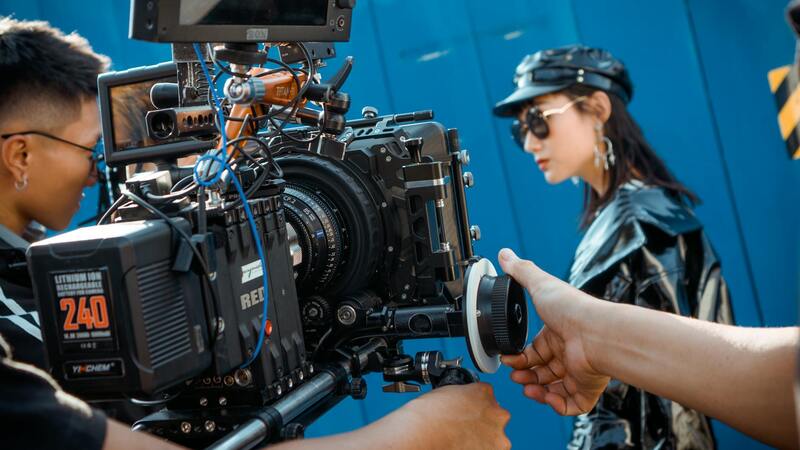
When planning shots with motion control, it is crucial to calibrate the system meticulously and plan movement paths in advance. The ability to program complex maneuvers minimizes inconsistencies between shots and ensures seamless blending during post-production. This technique is particularly advantageous for capturing expansive cityscapes and detailed infrastructure, providing a cinematic quality that enhances the viewer’s experience.
Color Grading and Visual Effects
Post-production color grading plays a critical role in adding mood, consistency, and artistic flair to timelapse footage. Adjusting hue, saturation, contrast, and exposure can emphasize Miami’s vibrant color palette, from the azure waters to the neon-lit nightlife. Specialized color grading workflows help unify sequences shot at different times or under varying weather conditions, resulting in a cohesive visual narrative.
Incorporating visual effects such as light trails, atmospheric elements, or composited overlays can further enhance timelapse projects. For instance, adding animated city lights or simulated weather effects can evoke specific moods or highlight particular areas of interest. These effects require proficiency in editing software and an understanding of how to blend them seamlessly into original footage to maintain realism.
Optimizing Workflow for Timelapse Production
Efficiency in post-production is essential for managing large datasets typical of high-resolution timelapse projects. Employing non-destructive editing workflows, proxy editing, and batch processing can streamline the editing process. Organizing footage with a clear cataloging system enables quick access and adjustment of sequences.
Advanced software tools which support automatic image stabilization, noise reduction, and stitching contribute to polished outputs with minimal manual intervention. Maintaining consistent color profiles and working in high-bit color spaces during editing ensures that the final product preserves maximum quality and visual integrity.
Advanced Techniques for Timelapse Production in Miami
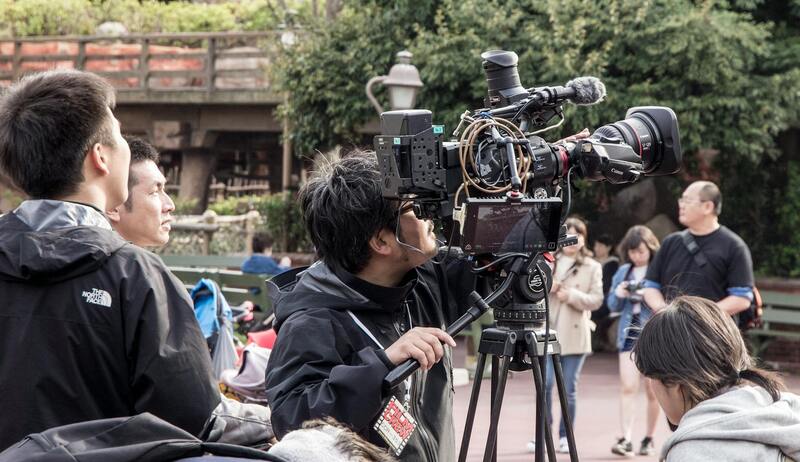
Beyond the initial capturing phases, refining your timelapse footage involves employing sophisticated post-production techniques that elevate the visual storytelling. High-quality stabilization algorithms correct for camera shake, especially relevant when shooting handheld or in dynamic settings like Miami's bustling streets. Noise reduction tools minimize grain in low-light conditions, while advanced stitching software ensures seamless frame transitions in sequences shot over extended periods or multiple locations. When color grading, precise adjustments can emphasize Miami's vibrant atmosphere—whether highlighting the shimmering ocean, neon-lit cityscape, or sunset horizons.
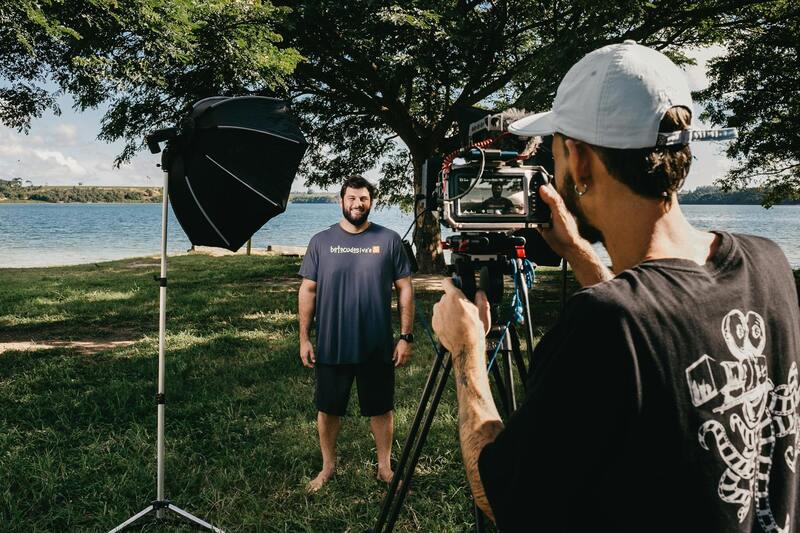
In post-production, employing masking and layering techniques allows for localized adjustments, enabling editors to enhance specific elements such as the reflections on Miami Beach or the animation of moving lights. Time remapping can add creative effects, such as emphasizing the transition from day to night or accentuating the flow of traffic. Compositing elements like animated overlays or weather effects can deepen the storytelling, making scenes more immersive and engaging.
For projects that are intended for high-resolution displays or cinematic presentations, working in a color-managed environment and exporting in formats supporting high bit-depths ensures that visual fidelity is preserved. Utilizing workflow automation—such as batch processing for repetitive tasks—dramatically reduces post-production time, allowing editors to focus on creative fine-tuning. The integration of AI-based tools for tasks like image upscaling or scene prediction further enhances efficiency and output quality.
Proper archiving of raw footage and intermediate files facilitates iterative edits and future adjustments, ensuring your timelapse projects remain adaptable over time. Detailed project documentation, including metadata tagging, assists in easy retrieval and management of large datasets typically associated with high-resolution timelapse productions. This meticulous approach guarantees a professional outcome that stands out across commercial and artistic contexts, showcasing Miami’s dynamic cityscape with clarity and impact.
Integrating Timelapse in Commercial and Creative Endeavors
Professionally produced timelapse footage offers unique opportunities across various sectors. Businesses leverage it for branding campaigns, highlighting their growth, locations, or products in a fast-paced, visually captivating manner. Creative agencies incorporate timelapse sequences into multimedia campaigns to evoke emotion, demonstrate innovation, or communicate progress effectively. Artists utilize timelapse as a standalone medium or as a component within larger visual art projects, capturing the passage of time and transformation in urban environments like Miami.
For commercial use, timelapse footage can serve in advertising spots that emphasize a company’s modernity and connection to Miami’s vibrant culture. It can also be central to experiential marketing, where viewers are transported into an evolving cityscape, creating an immersive brand experience. Content creators harness the technique for social media to produce compelling stories, attract followers, and maintain relevant visual content streams. The versatility of timelapse production ensures it remains a powerful tool in the arsenal of visual storytelling, particularly when showcasing a city of Miami’s energy and diversity.