
Overview of Time Lapse Video Recording
Time lapse video recording is a powerful visual technique that compresses extensive periods into a concise, engaging video format. By capturing a series of images at predetermined intervals over an extended duration, then playing these images back at a standard frame rate, viewers observe change and movement that would otherwise take hours, days, or even months to perceive in real time. This method highlights the progression of processes such as sunrise to sunset, traffic flow, construction projects, and natural phenomena, offering a unique perspective on time itself.
Core characteristics of time lapse videos include high image capture frequency, often ranging from several seconds to minutes between shots, and a significant duration over which these images are collected. When compiled, the videos reveal dynamic transformations within a shorter viewing period, making complex developments accessible and visually compelling. This technique requires meticulous planning and consistent equipment setup, ensuring that each frame aligns seamlessly to produce a smooth visual narrative.
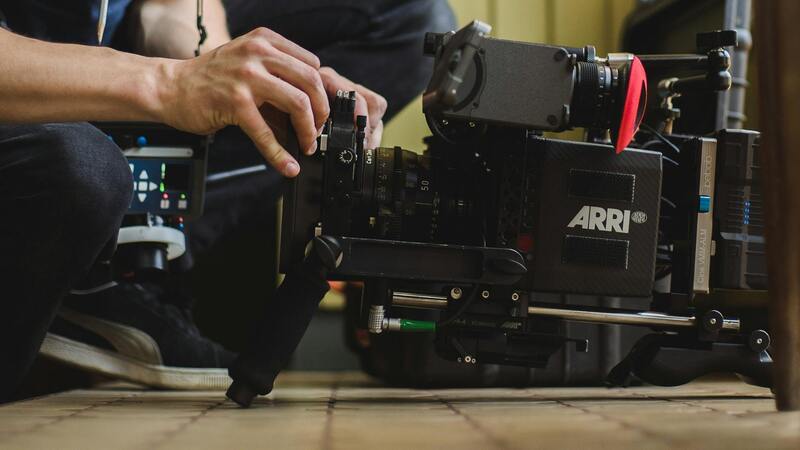
In diverse industries, time lapse video recording serves multiple purposes. Filmmakers employ this method to create visually stunning sequences that showcase natural beauty or urban environments. In real estate, agents use time lapse videos to illustrate the development or transformation of properties over time, capturing construction phases or renovation progress. Urban planners and developers utilize time lapse footage to monitor city growth, traffic patterns, and infrastructure projects, offering valuable insights into project timelines and impact assessments.
Furthermore, scientific research benefits from time lapse techniques in tracking ecological changes, archaeological excavations, and weather phenomena. The ability to condense lengthy observations into a manageable visual format enhances understanding, facilitates presentations, and supports data analysis. As technology continues to evolve, sophisticated time lapse recording systems allow for higher resolution imagery, remote automation, and integration with other digital tools, broadening the scope of applications across industries.
Essential Equipment for Time Lapse Recording
Executing high-quality time lapse video recording requires more than just a camera; the right gear ensures precision, stability, and consistency across the entire duration of the project. Professionals typically rely on specialized equipment that facilitates seamless operation over extended periods, allowing for detailed and clear footage.
Central to any setup is a sturdy tripod. Stability is crucial to eliminate vibrations or shifts that could compromise frame alignment. A robust tripod with adjustable height and fluid movement capabilities helps maintain the camera’s position, especially during long recording sessions.
Complementing the tripod is an intervalometer, an indispensable tool that automates frame capture at predetermined intervals. This device allows precise control over the timing, whether capturing images every second or every few minutes, depending on the project's scope and subject movement. Modern digital cameras may have integrated interval timers, but external intervalometers often provide enhanced flexibility and reliability.
In addition to these, a reliable power source is vital. For prolonged shoots, external batteries, power banks, or AC adapters ensure consistent power supply, preventing interruptions that can lead to missed frames. Storage capacity also plays a critical role; high-capacity memory cards or external drives are recommended to accommodate the large file sizes generated over extended recording periods.
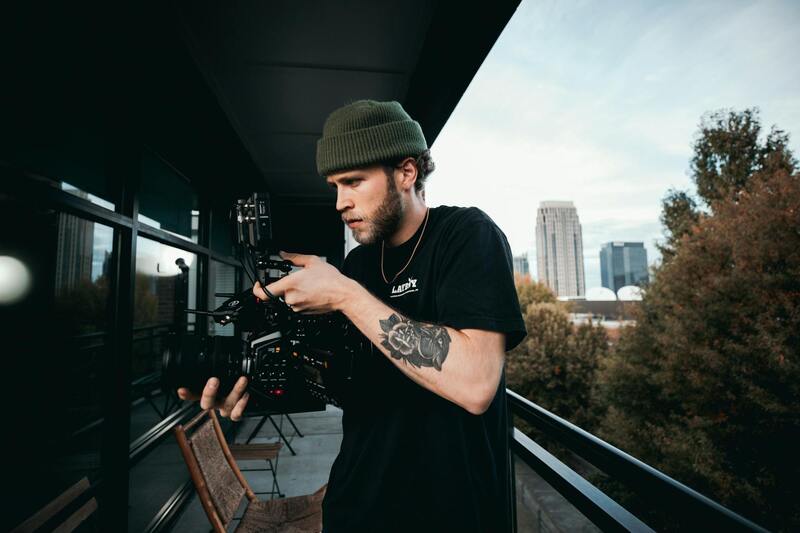
Other accessories that enhance the process include weather protection gear for outdoor shoots, remote controls to adjust camera settings without disturbing the setup, and lens filters to manage lighting conditions and prevent glare. Depending on project requirements, specialized accessories like camera sliders or motorized mounts can facilitate dynamic movements, adding cinematic depth to the footage.
Choosing the right equipment is a strategic decision that directly impacts the quality and success of the time lapse video. Professionals assess factors such as subject movement, lighting conditions, desired resolution, and environmental challenges before assembling their gear. Investing in proven gear optimized for time lapse recording ensures that each frame is captured under consistent conditions, resulting in a smooth, professional-grade final product.
Setting Up for Successful Time Lapse Shots
Preparation and meticulous attention to setup details are fundamental to capturing compelling time lapse videos. The initial phase involves selecting an appropriate location with a clear, unobstructed view of the subject or scene. Factors such as light conditions, weather patterns, and environmental stability influence setup choices and timing.
Once the site is chosen, the camera must be mounted securely on a tripod, with all settings optimized for the specific conditions. Manual focus is often preferred to maintain consistency, especially in varying lighting or shifting scenes. Adjusting aperture, shutter speed, and ISO settings beforehand ensures proper exposure throughout the recording duration.
It is equally important to calibrate the interval timer in accordance with the subject’s pace of change. For example, capturing a sunrise may require intervals of several minutes, whereas recording fast-moving traffic or construction requires shorter intervals. Continuous monitoring during initial tests helps identify optimal settings, which can then be locked in for the full recording session.
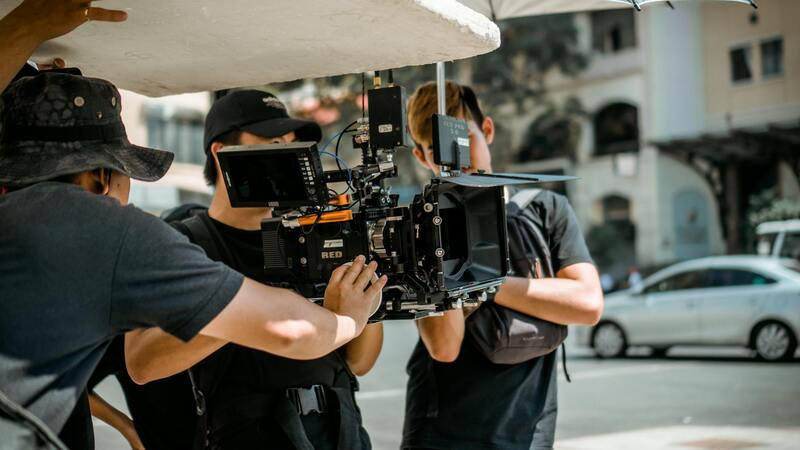
Environmental factors often dictate additional preparations. If outdoor recording is involved, protective gear such as rain covers or UV filters helps shield equipment from adverse weather. Secure mounting and cable management prevent accidental shifts or disconnections, especially during long, unattended shoots. Conducting test shots beforehand enables adjustments to camera angles, focus, and exposure settings, reducing the need for corrections during the actual session.
Techniques and Best Practices
Ensuring optimal results in time lapse recording involves employing specific techniques aligned with best practices. Setting consistent camera parameters and interval timing forms the foundation of a reliable sequence. Regularly reviewing test footage helps identify any anomalies or exposure issues that might occur during extended shots.
Maintaining focus and exposure consistency throughout the shoot is critical. Techniques such as manual focus, manual exposure, and locking camera settings prevent variations that could distract viewers or degrade the footage quality. Additionally, controlling ambient lighting, whether through supplemental lighting during nighttime shoots or using neutral density filters during bright daylight, contributes to uniformity.
Advanced methods include scripting automated adjustments or employing remote monitoring systems that provide real-time oversight. For instance, remote camera control allows operators to make incremental changes without disturbing the scene, especially useful for weather-sensitive environments or scenes requiring precise timing.
Editing and Assembling Time Lapse Footage
Post-production plays a significant role in transforming raw image sequences into a captivating video. The compilation process involves importing the captured frames into editing software that enables frame-by-frame sequencing. This step requires careful selection and sometimes color correction to ensure visual consistency across the footage.
Frame rate choices significantly impact the final video's perception. Standard rates like 24 fps or 30 fps create smooth motion, while lower frame rates may produce a more dramatic or stylized effect. Interpolating frames using specialized software can enhance motion fluidity, especially if intervals between images are irregular or lengthy.
Additionally, incorporating transitions, music, or annotations can enhance storytelling elements within the time lapse. Export settings should be optimized for the intended platform, whether for online sharing, presentations, or broadcast. High-resolution exports retain detail, especially for large-format displays or professional presentations.
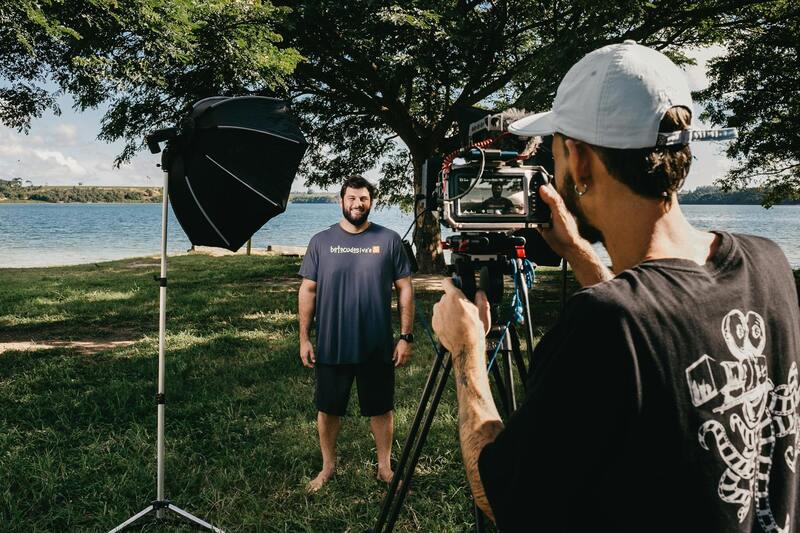
In summary, the process of producing high-quality time lapse videos hinges on proper equipment, careful setup, adherence to best practices, and skilled editing. When executed with precision, these videos serve as compelling visual tools that document, illustrate, and showcase the progression of dynamic scenes over time, delivering both aesthetic appeal and informational value.
Methods for Capturing Time Lapse Videos in Miami
Executing a successful time lapse video recording scheme involves selecting appropriate techniques that align with the scene's nature and desired visual effect. One standard method is the interval shooting technique, which requires configuring your camera to capture images at predetermined intervals. This approach is well-suited for capturing scenes such as city skylines, traffic flow, or natural phenomena in Miami, where consistent conditions are vital for a seamless final product.
To implement interval shooting effectively, consider utilizing cameras with built-in intervalometers or compatible remote shutter releases. Many modern digital cameras incorporate interval shooting modes that allow for customizable settings, including interval duration, total number of frames, and exposure adjustments. Proper configuration ensures a steady capture process, minimizing motion artifacts or exposure inconsistencies.
Another viable method involves utilizing single-shot mode combined with remote triggering systems. This approach offers flexibility for capturing scenes with variable lighting, such as sunrise or sunset over Miami's beaches, where specific moments are crucial. Remote triggers can be wired or wireless, providing convenience and reducing camera shake, which is essential for maintaining frame alignment during post-processing.
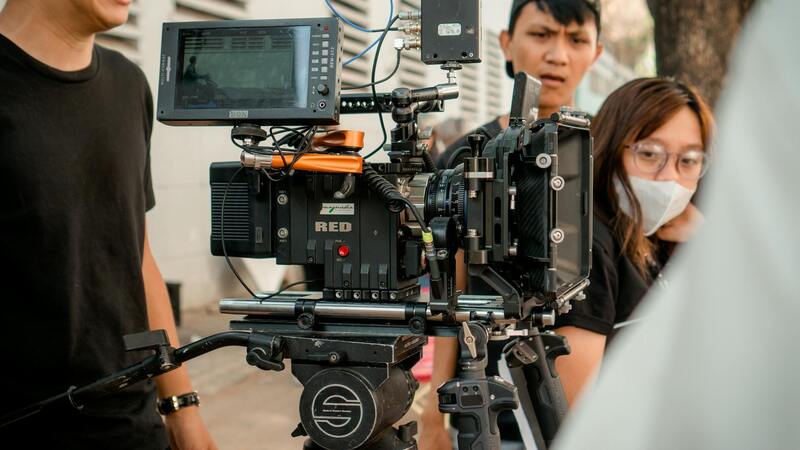
For more dynamic scenes involving motion or unpredictable elements, adjusting shutter speed and ISO settings is essential. Maintaining a balance between exposure and noise levels ensures clarity in every frame, especially for scenes with mixed lighting conditions typical in Miami's urban areas. Using ND filters can help control exposure during daytime shooting, allowing longer shutter speeds for a more cinematic motion blur effect.
Leveraging Advanced Techniques for Superior Results
Incorporating motion control rigs or motorized sliders can elevate time lapse recordings by introducing smooth camera movements, such as panning or tilting, which add depth and interest to the footage. Additionally, techniques like hyperlapse, which involve moving the camera along a predetermined path, are especially effective for showcasing Miami's vibrant streets and iconic locations.
Compatibility with high-resolution raw formats allows for detailed captures, providing flexibility in post-production for color grading and stabilization. Moreover, integrating GPS and time synchronization tools enhances the accuracy of timing and location data, valuable for documenting Miami's diverse environments comprehensively.
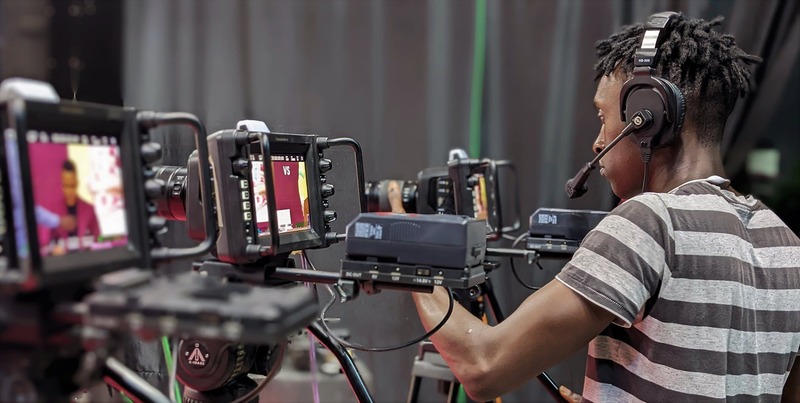
Ultimately, the choice of recording method depends on the scene, desired motion effects, and available equipment. Proper planning and understanding of these techniques are key to capturing compelling and professional-grade time lapse videos that vividly depict the essence of Miami's evolving landscapes and activities.
Essential Equipment for Time Lapse Recording
Creating captivating time lapse videos requires more than just a good eye; it demands the right tools to ensure consistency, stability, and quality. The core equipment for successful time lapse recording includes a camera capable of manual controls, a sturdy tripod, an intervalometer or interval recording feature, and appropriate power sources. These components work together to produce seamless sequences that vividly depict the dynamic environment of Miami.
High-end DSLR or mirrorless cameras are commonly preferred due to their advanced manual control options, high resolution capabilities, and compatibility with various lenses. These cameras can capture detailed images that become more flexible during post-production editing, allowing for superior color correction and stabilization. For those seeking portability without sacrificing quality, premium compact cameras with interval recording features are also viable options.
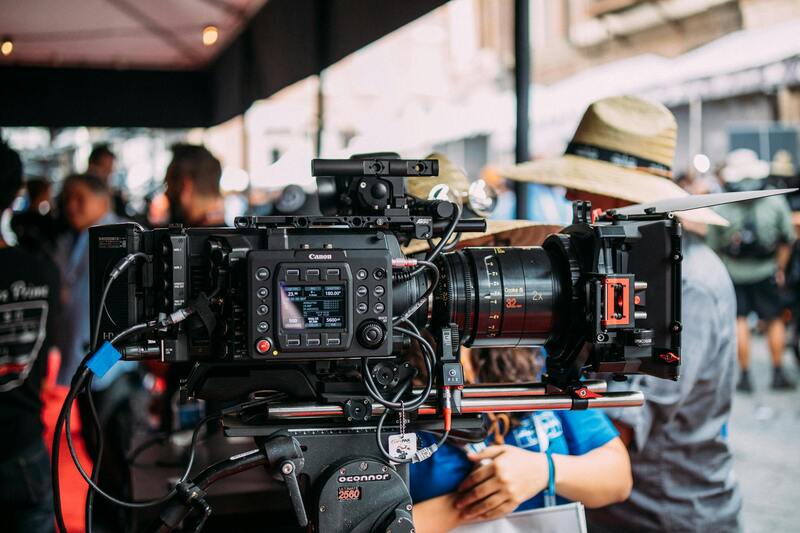
Stability is critical for creating a smooth viewing experience; hence, investing in a sturdy tripod that can handle the weight and provide precise adjustments is essential. For extended shoots, a motorized slider or motion control rig can add dynamic movement such as panning or tilting, yielding more engaging footage. When capturing large scenes or expansive cityscapes like Miami’s skyline, utilizing motorized equipment allows you to achieve complex movements with high precision.
An intervalometer, either as a dedicated device or integrated into the camera, is vital for controlling the time between each shot. Proper interval selection depends on the subject matter — faster intervals work well for speeding up rapid changes, such as traffic flow, while longer intervals are suited for slow-moving phenomena like cloud coverage or sunrise sunsets. Ensuring reliable power supplies, such as extra batteries or portable chargers, prevents interruptions during long recording sessions—especially important for outdoor shoots in Miami’s variable weather conditions.
In addition, using filters like ND filters can refine the exposure control and prevent overexposure during daytime shoots. These filters are invaluable for maintaining consistent image quality, especially when capturing scenes with high dynamic range or bright lighting. For capturingMiami's vibrant urban life at night, low light lenses and high ISO settings may be necessary to ensure clear, detailed images under low-light conditions.
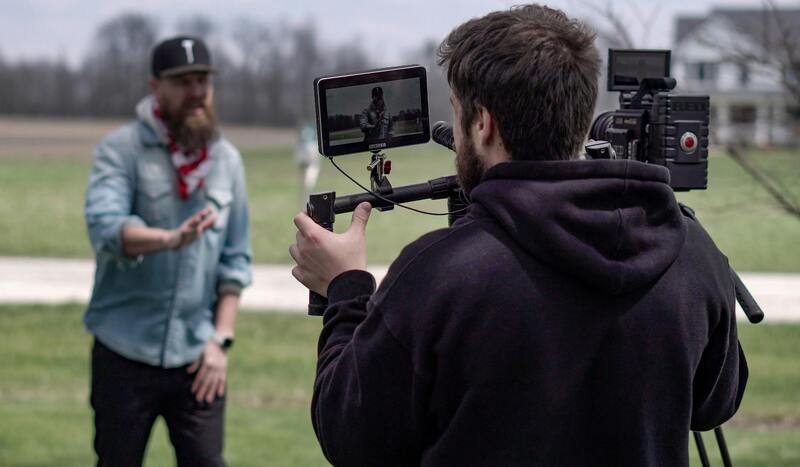
Investing in high-quality equipment tailored to specific project needs enhances the likelihood of capturing visually stunning time lapse videos that accurately tell the story of Miami's changing landscape and daily vibrancy. The right combination of cameras, stabilization tools, control devices, and lighting aids enables creators to produce smooth, detailed, and compelling narratives that resonate with viewers and elevate their content to a professional standard.
Choosing the Right Camera and Settings for Time Lapse Video Recording
Selecting an appropriate camera is crucial for capturing high-quality time lapse videos. Professionals often prefer DSLRs, mirrorless cameras, or specialized time lapse cameras because these devices offer manual controls, high-resolution sensors, and wide ISO ranges, which are essential for adjusting exposure based on environmental lighting conditions.
When setting up the camera, configure it to support manual focus, aperture, shutter speed, and ISO adjustments. Manual focus ensures consistency across all shots, preventing shifts that can distract viewers and disrupt the seamless flow of the final video. A narrow aperture (higher f-stop number) enhances depth of field, keeping more of the scene in focus, which is particularly beneficial when capturing expansive urban landscapes or natural scenes in Miami.
Choosing the right exposure settings is equally important. For daylight scenes, an aperture between f/8 and f/11 with a shutter speed that doubles the frame rate (for example, 1/60th second for a 30 fps output) helps maintain natural motion portrayal. During low-light conditions, such as twilight or night scenes, increasing ISO settings and using fast lenses with wide apertures can improve image clarity and brightness.
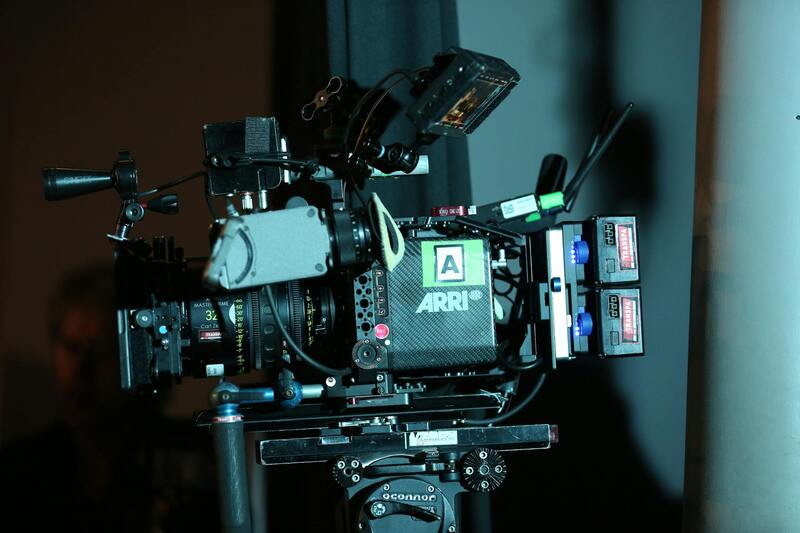
Advanced features like intervalometers or built-in interval timers allow precise control over shooting intervals. For scenes involving rapid changes, intervals between 1 to 5 seconds are effective, whereas slower transitions, such as clouds or cityscapes, benefit from intervals of 10 seconds or more. Additionally, utilizing a remote shutter release or a tethered shooting setup helps prevent camera shake and accidental movement, ensuring sharp images throughout the sequence.
Maintaining Professional-Grade Time Lapse Footage
To achieve seamless and visually compelling time lapse videos, it is vital to maintain consistency in framing and exposure. This involves securing the camera on a sturdy tripod or mounting rig to prevent accidental shifts during long recording sessions, especially in outdoor environments like Miami's lively urban areas or scenic beaches.
Monitoring weather forecasts and lighting conditions beforehand supports optimal shooting schedules. Changing lighting, such as passing clouds or sunset transitions, can dramatically affect the visual quality. Adjusting camera settings accordingly, or employing filters like ND filters to control brightness, helps in maintaining uniformity across all frames.
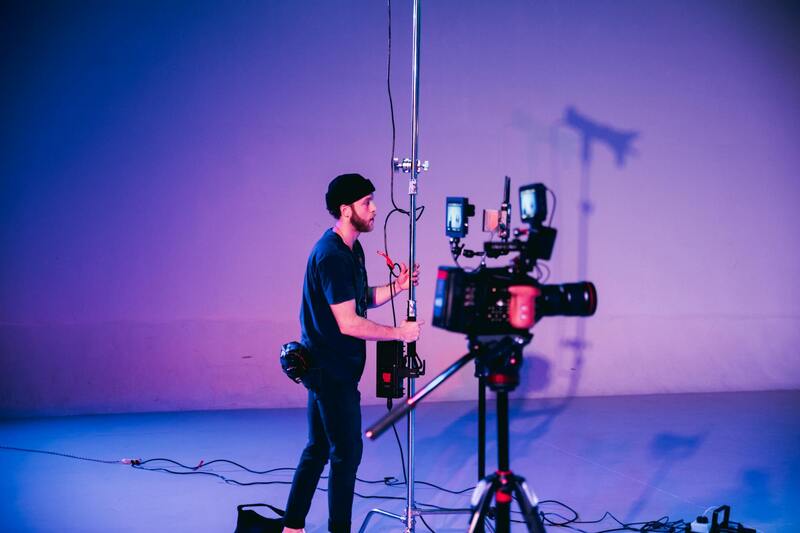
Furthermore, recording in RAW format provides greater flexibility during post-production editing, allowing for adjustments to color balance, contrast, and exposure without degrading image quality. It's also advisable to have ample storage space and backup solutions to accommodate large file sizes generated during extended shooting sessions.
Advanced Techniques for Enhancing Your Time Lapse Recordings
Implementing advanced techniques can significantly elevate the quality and impact of your time lapse videos. One essential method is interval control, which involves adjusting the time between each shot based on the subject’s movement or the scene’s change rate. For slow changes like plant growth or sunset transitions, intervals can range from several seconds to even minutes. Conversely, rapid movements such as traffic flow or crowds may require shorter intervals, often a second or less, to accurately capture the dynamics.
Utilizing camera intervals and automated capturing is vital for seamless recording over extended periods. Many modern cameras and dedicated intervalometers enable setting precise shooting schedules, automatically capturing images at predetermined intervals without manual intervention. This automation reduces the risk of missed shots and ensures consistency across the sequence.
Another technique that helps achieve professional results involves control over exposure settings. Bracketing exposures during shooting can accommodate changing light conditions, especially during sunrise or sunset. Utilizing techniques like exposure smoothing helps in maintaining even brightness levels across frames, resulting in a more polished final video.
Furthermore, camera movement can add dynamism to your time lapse project. Using motorized sliders or pans, you can introduce cinematic movements that emphasize transitions or reveal new scenes gradually. When combining camera motion with interval shooting, ensure all equipment is securely mounted to prevent shifts that could disrupt the sequence.
Post-processing is equally crucial for refining your footage. Advanced editing software allows you to stabilize shaky footage, correct color inconsistencies, and fine-tune brightness. Applying a subtle sharpening filter can also bring out details, making the time lapse appear more vibrant and engaging.
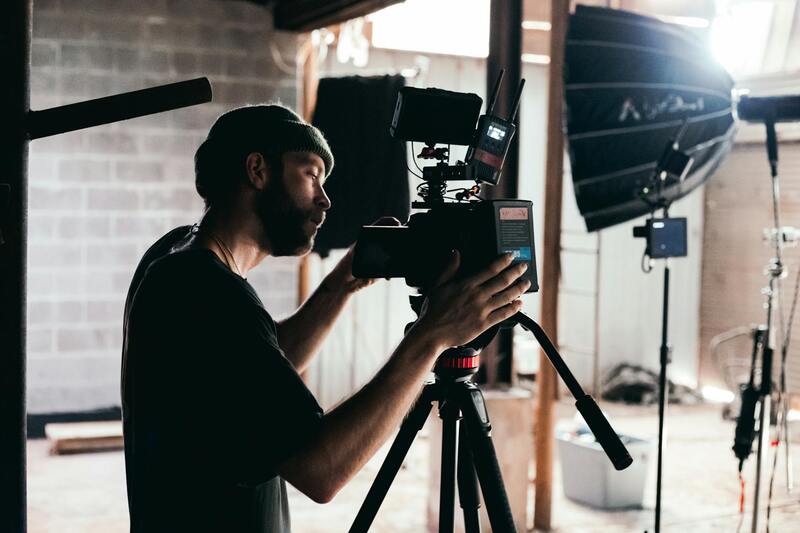
When planning to shoot in diverse environments like Miami’s urban landscapes or scenic beaches, consider environmental factors such as wind, reflections, and moving elements. Protective housings and weather-resistant equipment safeguard your camera, enabling uninterrupted recording regardless of conditions.
Incorporating these sophisticated techniques ensures that your time lapse videos not only capture the intended story but also maintain a high standard of visual quality. Experimenting with different combinations of interval control, camera movements, and post-processing effects will help you develop a unique style and produce compelling narratives through time lapse video recording.
Advanced Tips for Capturing High-Quality Time Lapse Videos
Achieving stunning time lapse footage requires more than just the right equipment and setup; it involves meticulous planning, technical precision, and a keen understanding of environmental factors. When capturing scenes in dynamic urban environments such as Miami, where reflections, moving crowds, and changing light conditions are common, employing specialized techniques can significantly elevate the quality of your final product.
Utilizing ND Filters and Proper Exposure Settings
One of the most effective methods to manage brightness discrepancies across frames is by using Neutral Density (ND) filters. These filters reduce the amount of light entering the camera, allowing for longer exposures even during bright daylight conditions. Longer exposures produce smoother motion effects for moving elements like water, clouds, or crowds, making your time lapse appear more natural and cinematic.
Adjusting exposure settings meticulously is also crucial. This includes fixing the ISO at a low level to minimize noise, choosing the appropriate aperture for depth of field control, and setting a consistent shutter speed that adheres to the 180-degree rule—twice the frame rate—to achieve natural motion blur. Consistency in these settings across all frames prevents flickering and ensures a seamless final video.
Implementing Motion Control for Precision Camera Movement
Adding camera movement through motorized sliders, pan mechanisms, or robotic arms introduces an additional layer of depth and engagement to your time lapse projects. These tools enable precise, repeatable motions that can follow sweeping panoramas, reveal scene changes progressively, or concentrate on moving subjects.
When planning camera motion, consider the timing and speed to ensure movements are smooth and synchronized with the interval shooting. Secure mounting prevents unintended shifts, which could disrupt the continuity of images. Combining camera motion with interval control allows for the creation of cinematic sequences that tell compelling stories or emphasize particular subjects within a scene.
Monitoring Environmental Conditions and Protecting Equipment
In outdoor environments such as Miami’s bustling cityscapes or vibrant beaches, environmental conditions can influence both camera operation and the quality of your footage. Wind, reflections, and unpredictable weather may introduce challenges that require proactive measures.
- Use weather-resistant housings and rain covers to protect your camera from moisture and debris.
- Position equipment to minimize the impact of wind vibrations, possibly by using sandbags or stabilizing mounts.
- Monitor light changes throughout your shoot to adjust camera settings if necessary, especially during sunrise or sunset transitions.
Maintaining equipment integrity and adapting to environmental variations ensures that your time lapse video remains smooth and visually appealing despite external factors. Regular checks during the shoot can help you anticipate issues and make real-time adjustments, preventing data loss or compromised footage.
Fine-Tuning Focus and Composition
Ensuring consistent focus throughout your shoot is vital for a professional appearance. Manual focus is typically preferred over autofocus, which may shift during recording, causing unwanted changes in clarity. Pre-focusing on the desired scene and locking focus settings prevents such issues.
Compositionally, consider framing elements that will enhance visual interest, such as leading lines, contrasting colors, or dynamic focal points. Keep in mind the rule of thirds and depth placement to create balanced, engaging images. Planning your angles and viewpoints beforehand saves time and increases the likelihood of capturing compelling footage during a lengthy recording session.
Combining these advanced techniques—proper exposure, motion control, environmental management, and precise focus—enables the creation of high-quality, captivating time lapse videos that showcase Miami’s vibrancy and dynamic scenery in stunning detail.
Comprehensive Post-Production Techniques for Time Lapse Videos
Once the raw footage has been captured, the next crucial step involves meticulous editing to transform individual frames into a seamless, captivating time lapse video. This phase not only enhances visual appeal but also ensures the final product aligns with the intended storytelling and artistic vision. Employing professional editing software is essential, offering advanced tools for color correction, frame rate adjustment, and stabilization. When working with footage shot in Miami’s vibrant environment, color grading can emphasize the city's warm tones and lively atmosphere, amplifying the viewer's sense of place.
Key Editing Processes
- Frame Selection: Review the captured sequence and select the best frames that represent a consistent progression, eliminating any blur or unwanted interruptions.
- Cutting and Sequencing: Arrange frames in a logical order to depict the intended passage of time, whether emphasizing progress in construction, natural phenomena, or urban activity.
- Color Correction and Grading: Adjust exposure, contrast, and color tones to create visual harmony. For Miami, enhancing sunset or sunrise hues can evoke a warm, dynamic atmosphere.
- Stabilization: Use software stabilization tools to correct camera shake, ensuring your footage remains smooth and professional-looking.
- Speed Adjustments: Fine-tune the playback speed to highlight specific moments or to achieve a desired pacing, making transitions more natural or dramatic as needed.
- Adding Music or Sound Effects: Incorporate background music or ambient sounds to augment the viewing experience, aligning with the mood and pacing of the video.
Exporting and Final Output Optimization
Choosing the right export settings ensures your time lapse video maintains quality across different platforms and viewing devices. High-definition formats like 4K may be ideal for detailed cityscape presentations but consider file size and compatibility requirements. Compressing the final video efficiently while preserving clarity is vital, especially if the video is intended for online sharing or presentation at events.
Utilizing professional-grade color grading tools, stabilization features, and precise editing workflows is fundamental in producing polished and visually compelling time lapse videos that showcase Miami’s iconic scenery and kinetic urban life. Proper post-production techniques transform captured frames into a cohesive story that resonates with viewers and highlights the dynamic essence of Miami.
Distribution and Sharing Strategies
- Social Media Optimization: Adjust aspect ratios and resolution settings for optimal display on platforms such as Instagram, YouTube, and Facebook.
- Archiving the Master Copy: Maintain high-quality backups to facilitate future edits or re-exports without degradation.
- Creating Promotional Content: Shortened clips or teasers derived from the full time lapse can effectively attract audience interest and promote your project or services.