Understanding Time Lapse Video Production
Time lapse video production is a powerful visual technique that condenses extended periods of real-world activity into a brief, engaging clip by capturing a sequence of images at set intervals. When played back rapidly, these images reveal changes over time that might otherwise be imperceptible to the human eye, such as the movement of clouds across the sky, the bustling activity at a construction site, or the unfolding of a sunset. This method transforms ordinary moments into extraordinary visual stories, making it a favored choice across various industries.
The core concept of time lapse photography involves taking a series of photographs at predetermined intervals over a defined period. These images are then compiled and played in quick succession, generating a dynamic video that highlights the passage of time. The technique relies on precise control over the shooting process, ensuring consistent intervals between shots to achieve a smooth and coherent final product. This consistency is essential for depicting the natural progression of events without abrupt jumps or irregularities.
Time lapse videos serve numerous purposes and are widely utilized across different sectors. In the realm of construction and development, they document the progress of large-scale projects, providing valuable insights and promotional content. Urban planners and architects leverage time lapse footage to showcase city growth and infrastructure changes over months or years. Environmental organizations use this technique to highlight natural phenomena like changing seasons or ecosystem evolutions. Additionally, event organizers and content creators harness time lapse videos for marketing, storytelling, and social media engagement.
The visual appeal of time lapse videos lies in their ability to condense long durations into captivating narratives, revealing patterns and movements that are often hidden to the naked eye. This efficiency and aesthetic impact make time lapse a versatile tool for professional storytelling and documentation. Its growing popularity in Miami is driven by the city’s vibrant urban landscape, stunning natural scenery, and ongoing development projects, making it an ideal location for producing compelling time lapse footage.
Understanding Time Lapse Video Production
Creating compelling time lapse videos involves meticulous planning and technical expertise to capture the passage of time in a visually engaging manner. The process begins with selecting suitable locations that can showcase the desired transformation or activity over a designated period. In Miami, the vibrant cityscape, evolving construction sites, and natural landscapes provide an excellent backdrop for such projects. After location scouting, selecting the appropriate equipment is crucial. High-quality cameras with manual controls allow for precise adjustments, ensuring consistent exposure and focus throughout the shoot. Additionally, utilizing intervalometers helps automate shot sequences, maintaining regular time gaps between frames. Tripods and stabilizers are essential for keeping the camera steady, especially in dynamic outdoor environments where wind or movement can introduce shake. Once the technical setup is complete, the real challenge lies in capturing seamless footage that accurately reflects natural progressions and shifts in the scene.
Effective time lapse production also demands a well-thought-out shooting schedule. This involves determining the start and end times, the frequency of shots, and the total duration of the recording. Factors like lighting conditions, weather patterns, and activity levels can significantly influence the outcome. For example, capturing sunset sequences requires planning around natural lighting changes, while documenting construction progress might need daytime shots at regular intervals over weeks or months. Preparation extends to securing permissions for locations that are private or sensitive, ensuring legal compliance and smooth filming operations. By establishing a clear plan, producers can maximize efficiency, minimize technical issues, and guarantee the final footage aligns with the project's objectives.
In terms of technical considerations, resolution and frame rate are vital for delivering high-quality results. Shooting in high-definition formats guarantees clarity and allows for flexibility during editing. The choice of lens can also affect the framing and perspective, especially when capturing expansive cityscapes or detailed close-ups. In Miami, the diversity of environments—from beaches to downtown skyscrapers—requires a versatile gear setup tailored to each setting. Considering the environmental conditions such as humidity and salt air is important for protecting equipment and maintaining optimal functionality. Regular check-ins and backups during long shoots prevent data loss and ensure continuity of the project. Through expert planning and equipment management, professionals can produce time lapse videos that not only document the passage of time but also serve as captivating visual storytelling tools that highlight Miami’s dynamic landscape.
Securing Proper Permits and Ensuring Compliance in Miami
Executing a professional time lapse video production in Miami necessitates meticulous attention to obtaining the appropriate permissions and adhering to local guidelines. This process involves engaging with municipal authorities, private property owners, and relevant governmental agencies to secure access and mandate clearances. For urban locations, particularly iconic sites and bustling streets, securing permits ensures that filming activities do not interfere with public safety or daily operations.
In practice, this includes submitting detailed project proposals that outline the scope, duration, and equipment to be used. Incorporating comprehensive safety protocols and respecting private property rights fosters positive relationships with stakeholders, smoothing the pathway for early-stage planning to progress seamlessly. Proper documentation not only facilitates smooth access but also demonstrates a commitment to conducting responsible filming activities that respect community standards and regulations.
Furthermore, understanding local restrictions on drone usage, especially in highly trafficked areas or near sensitive infrastructure, is crucial. Miami's vibrant urban environment and scenic coastal spots often require specialized authorizations to operate aerial equipment safely. Coordinating with drone regulatory bodies ensures that aerial shots can be captured legally and safely, avoiding costly disruptions or penalties.
It is equally important to consider the environmental conditions and potential impact during filming. Compliance with environmental guidelines, especially in protected areas or natural reserves, helps preserve the landscape’s integrity while enabling high-quality footage collection. Familiarity with these aspects enhances credibility and ensures that the production remains aligned with city regulations and community expectations.
Consulting Local Experts and Legal Advisors
Engaging local professionals or legal experts with extensive knowledge of Miami’s permitting landscape can significantly streamline the process. They can assist in navigating complex regulatory frameworks, preparing necessary paperwork, and securing early approvals. This proactive approach minimizes delays and ensures that the production adheres to all necessary legal and procedural requirements.
Proactive planning around permits and permissions not only guarantees a smooth filming experience but also enhances the overall quality and professionalism of the time lapse project. Respecting and following local regulations affirms the production's credibility, fosters good community relationships, and enables uninterrupted creative work in one of the most dynamic cities in the world.
Understanding Time Lapse Video Production
Effective time lapse video production requires meticulous planning and a strategic approach to capture scenes that unfold over extended periods within a condensed timeframe. The process begins with selecting appropriate camera settings, such as interval time, exposure, and focus, which directly influence the final visual quality. A clear understanding of scene dynamics helps determine the optimal speed of the time lapse, ensuring that the footage accurately depicts the intended narrative or effect. For instance, capturing bustling cityscapes like Miami’s vibrant streets benefits from a different approach compared to documenting natural phenomena or construction progress. Ensuring consistency in framing throughout the shoot is critical, especially when multiple shooting sessions are involved, to maintain visual coherence. Employing high-resolution cameras capable of capturing precise details guarantees sharp, professional-grade footage suitable for various uses, whether commercial, documentary, or promotional. Additionally, selecting a stable mounting system—tripod, gimbal, or drone—reduces unwanted motion distortions and produces smooth, engaging sequences. It is often advantageous to plan time lapses during optimal lighting conditions, such as golden hour or late evening, to leverage natural light and enhance the visual appeal. Detailed pre-visualization, including storyboarding and shot listing, aids in organizing the sequence of captures, aligning each shot with the overall project goal. As scene complexity increases, especially in urban environments like Miami, coordinating camera placements to avoid interference and capturing multiple angles can add depth and variety to the final product. Applying these core production principles ensures the resulting video is not only aesthetically stunning but also aligns with the project’s objectives and client expectations. Properly capturing a sequence facilitates smoother post-production editing, leading to polished, captivating time lapse videos that effectively showcase the intricate process or evolving landscape.
Key Equipment and Gear
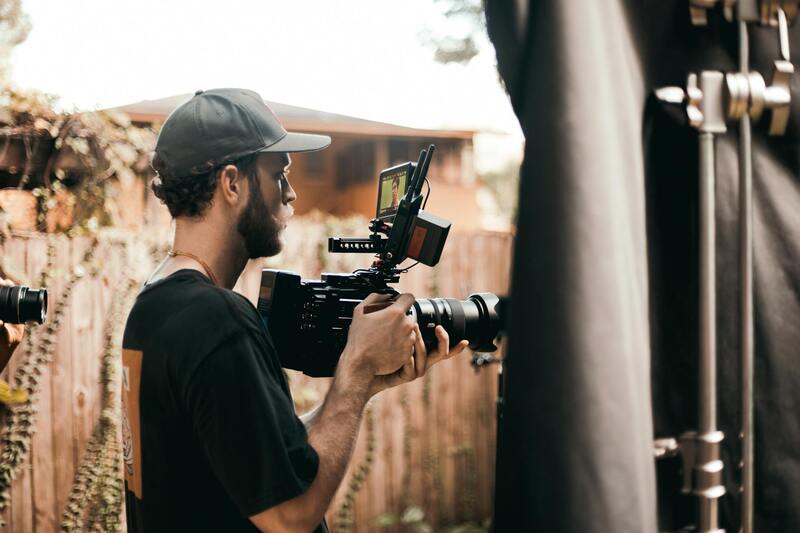
Executing a high-quality time lapse project demands specialized equipment designed to withstand prolonged operation while maintaining precision. The cornerstone of any setup is a reliable camera capable of capturing high-resolution still images or video sequences with customizable intervalometer features. Many modern DSLR and mirrorless cameras include built-in intervalometers, streamlining the shooting process and reducing the need for external devices. For extended shoots, particularly those spanning several hours or days, an external intervalometer or remote trigger system ensures consistent intervals without manual intervention, minimizing vibration and movement-induced artifacts. Tripods are essential for stabilizing the camera across various terrains and conditions, preventing unwanted shake that could degrade image clarity. In dynamic environments such as Miami’s urban centers or coastal areas, a gimbal or motorized slider can introduce subtle motion effects to enhance visual interest. Drones equipped with time lapse capabilities are invaluable for capturing sweeping aerial views of Miami’s skyline, beaches, or natural parks—adding a dramatic perspective to the sequence. Lighting conditions greatly influence equipment choices; in low-light or night scenes, gear with enhanced ISO capabilities and fast lenses becomes crucial. For scenarios involving high dynamic range, cameras with HDR features ensure properly exposed footage in complex lighting situations. Additionally, weather-resistant housings protect equipment during outdoor shoots, especially in humid or storm-prone weather typical of Miami. Ensuring power sources—such as extended battery life or portable power packs—is fundamental to maintaining uninterrupted operation during lengthy shoots. Overall, investing in high-quality, appropriately matched gear enhances the reliability and visual impact of the final product, especially when capturing continuous scenes over long periods in diverse Miami environments.
Planning and Pre-production Strategies
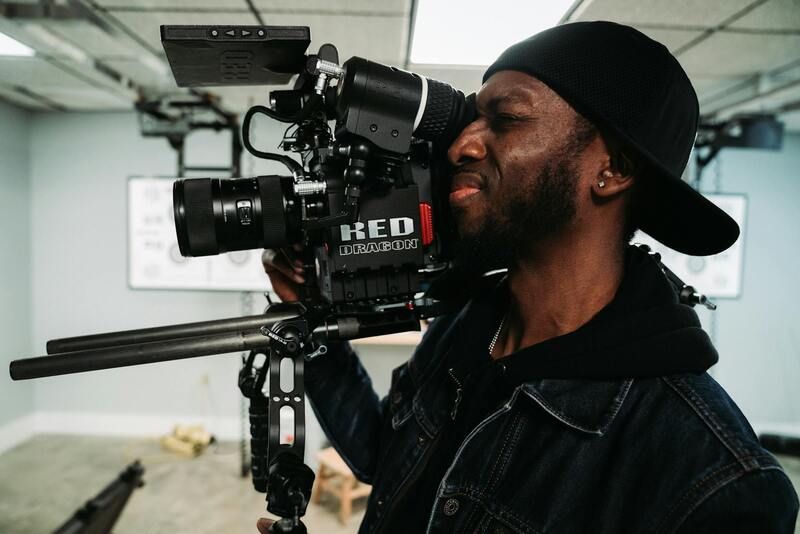
Successful time lapse video projects are rooted in comprehensive planning that addresses every phase of production before the camera starts rolling. At the outset, clearly defining the concept and desired outcome guides all subsequent decisions. For project planning, creating detailed shot lists that specify camera positions, angles, and intervals ensures continuity and coherence across multiple days of shooting. Considering the environmental conditions—such as weather patterns, lighting changes, and local activity—allows for strategic scheduling that optimizes image quality. In Miami’s climate, for instance, planning shoots during early mornings or late afternoons minimizes harsh shadows and glare, while avoiding high wind or rain that could jeopardize equipment safety. Securing permits and permissions is a vital part of pre-production, especially for locations with restricted access or high foot traffic, such as busy commercial districts or natural reserves. Employing logistical tools like shot scheduling software or production diaries helps coordinate team activities, equipment transport, and time allocation efficiently. When working in complex urban environments, mapping potential hazards and establishing safe operating zones for equipment and personnel reduces risks. For aerial shots, collaborating with drone operators familiar with Miami’s airspace regulations ensures safe, compliant flights. Additionally, pre-visualization through storyboards or animatics facilitates communication among team members and clients, aligning expectations from the outset. Adequate preparation including testing equipment, rehearsing key shots, and contingency planning addresses potential challenges proactively. This level of detailed planning minimizes unforeseen issues during production, enabling smooth execution and a final product that meets or exceeds project goals.
Techniques for Effective Time Lapse Shooting
Executing a compelling time lapse video requires precise techniques that maximize visual impact while ensuring technical stability. One of the foundational methods involves consistent camera placement and stable support systems. Using high-quality tripods, monopods, or motorized sliders helps maintain camera stability throughout extended shooting periods, which is crucial for avoiding jittery or unstable footage that can distract from the final product.
To capture smooth motion over prolonged durations, set the camera to manual focus and manual exposure. This prevents automatic adjustments that could cause flickering or shifts in the imagery. Locking in settings like aperture, ISO, and shutter speed ensures consistent exposure levels, delivering a seamless video sequence. Utilizing intervalometers or camera timers allows for precise control over the interval between shots, enabling flexibility based on the scene's speed of change and desired effect.
Environmental factors can significantly influence the quality of a time lapse. For outdoor shoots in Miami, consider variations in natural light, weather conditions, and movement within the scene. Conducting test shots beforehand helps calibrate camera settings for the ideal look and helps anticipate potential issues such as motion blur, overexposure, or underexposure. In scenes with dynamic lighting changes—like sunrise or sunset—gradually adjusting camera parameters during shoot can help maintain consistent visual quality.
Incorporating movement into time lapse sequences can add cinematic flair. Techniques such as camera panning, tilting, or adding slight zooms during shooting require meticulous planning and smooth operation. Using motorized rigs or motorized sliders with programmable motion paths allows for precise control, resulting in dynamic scenes that enhance storytelling.
For aerial time lapses, collaborating with experienced drone pilots who understand Miami’s airspace regulations and environmental constraints ensures safe operations. Using pre-programmed flight paths and camera settings prevents erratic maneuvers that could compromise footage quality or safety. When filming at night or in low-light conditions, employing camera stabilization systems and adjusting ISO settings can help capture sharp, noise-free images suitable for high-quality time lapse sequences.
Finally, practicing patience and flexibility during shoots is essential. Weather might shift unexpectedly, or scenes may evolve more slowly than anticipated. A proactive approach includes having backup plans, alternative locations, and additional gear ready. Proper preparation reduces the need for reshoots, saving valuable time and resources. This disciplined methodology results in time lapse videos that vividly encapsulate the natural and urban dynamics of Miami, delivering visually stunning and engaging narratives for various commercial or artistic projects.
Ensuring Proper Techniques and Standards in Time Lapse Video Production
Achieving high-quality time lapse videos involves meticulous attention to technical details and adherence to established best practices. From camera settings to shooting intervals, every decision impacts the final visual outcome. Selecting the appropriate frame interval, for example, is crucial; shorter intervals such as one or two seconds are ideal for capturing fast-moving scenes like bustling Miami streets, while longer intervals suit slow-changing environments like sunsets or construction progress over days. Calibration of the camera's shutter speed, aperture, and ISO settings ensures consistency across frames and prevents flickering or exposure fluctuations that can detract from the seamless flow of the sequence.
Another technical consideration involves incorporating motion and perspective changes to enhance viewer engagement. Techniques such as deliberate camera panning, zooming, or tilting during shots introduce dynamism that elevates simple time lapses into compelling visual stories. To achieve this without compromising smoothness, operators often utilize motorized camera rigs or sliders equipped with programmable motion paths. These tools enable precise control over camera movements, ensuring fluid transitions that complement the time-lapse narrative, especially for urban landscapes and architectural projects.
When dealing with aerial perspectives, involving professional drone operators familiar with Miami’s flight regulations is essential. These specialists utilize pre-programmed flight plans to execute complex shots safely, avoiding hazards like restricted airspace or adverse weather conditions. For nighttime or low-light shoots, deploying stabilization systems—such as gimbals—and adjusting digital ISO can significantly improve image clarity. Reducing the risk of noise and blurriness is vital, particularly when the footage will serve commercial or artistic purposes.
Preparation is the backbone of successful time lapse production. Prior to shooting, detailed planning involves scouting locations, assessing environmental factors, and scheduling shoots during optimal lighting conditions. Adaptability during filming is equally important; unforeseen elements such as weather shifts or scene progression slowness demand on-the-fly adjustments. Having backup locations, additional equipment, and flexible shooting schedules ensures the continuity and quality of the footage. This proactive approach minimizes the need for reshoots, conserving resources and maintaining project timelines.
Respect for technical standards and strategic planning culminates in time lapse videos that vividly document Miami’s vibrant urban life, natural beauty, and energetic development. When executed with precision and professionalism, these videos serve as powerful tools for storytelling, marketing, and documentation—bringing dynamic cityscapes and evolving projects into captivating visual focus.
Understanding Time Lapse Video Production
Creating compelling time lapse videos requires a comprehensive understanding of both the technical and artistic aspects of production. It involves capturing a series of images over an extended period, which are then seamlessly compiled into a short video that illustrates the passage of time. This process highlights changes in movement, growth, or transformation—making it an invaluable tool for documenting cityscapes, natural phenomena, or construction projects. Success in this field hinges on meticulous planning, precision in equipment handling, and post-production finesse. From selecting ideal locations and determining optimal shoot times to managing image intervals and camera settings, every detail contributes to the final visual narrative.
Moreover, the narrative quality of a time lapse depends heavily on thoughtful sequencing and editing choices. Color grading, stabilization, and timing adjustments can accentuate specific moments and enhance visual continuity. Employing professional techniques ensures the footage aligns with the intended artistic or commercial objectives. Whether showcasing Miami’s vibrant urban skyline or the ongoing development projects, a well-executed time lapse captures the essence of progression and dynamism inherent in the scene.
Key Equipment and Gear
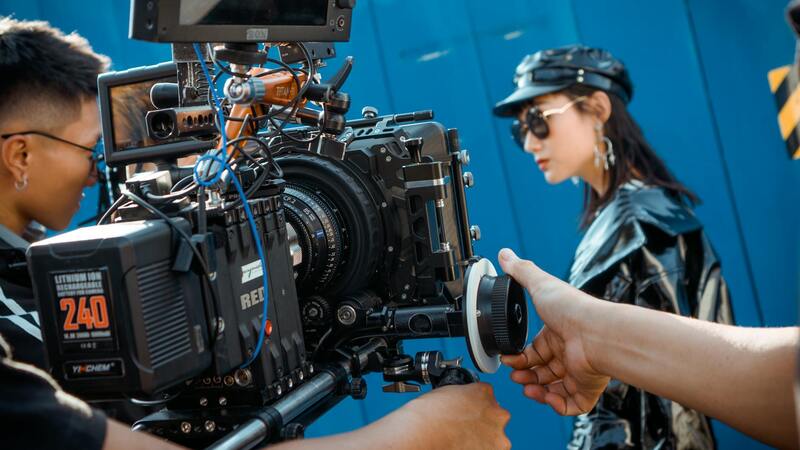
Achieving high-quality time lapse videos necessitates the utilization of specialized equipment tailored to the unique demands of prolonged shooting sessions. Essential gear includes high-resolution cameras with reliable intervalometers or integrated interval recording capabilities, allowing for precise control over shooting intervals. A sturdy tripod or motorized rig provides stability, especially in outdoor environments subject to wind or vibrations, ensuring the footage remains smooth and steady. Additionally, incorporating advanced stabilization systems such as gimbals or motion controllers can further enhance the fluidity of camera movements.
Lighting considerations are crucial, particularly for shoots extending into nighttime or low-light conditions. Utilizing external lighting or adjusting camera settings—like ISO, aperture, and shutter speed—optimizes image clarity and minimizes noise. Power sources such as long-lasting batteries or portable generators are indispensable for extended shoots, preventing interruptions. Data storage solutions, including high-capacity SD cards or solid-state drives, facilitate the handling of large volumes of images without risk of data loss. Lastly, remote monitoring tools enable real-time adjustments and troubleshooting, providing greater control over the shoot regardless of location constraints.
Planning and Pre-production Strategies
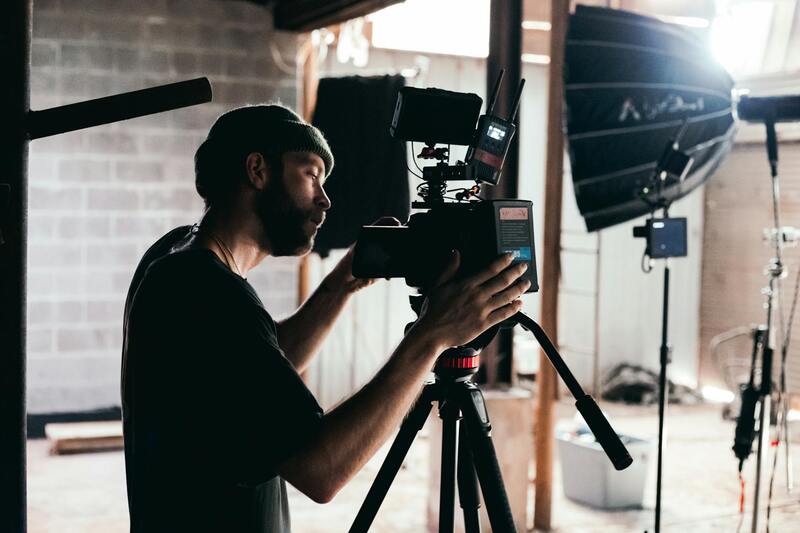
Effective time lapse production begins long before the actual shoot, emphasizing detailed planning and strategic foresight. Location scouting plays a pivotal role; selecting sites with compelling visual potential and minimal interference ensures high-quality results. Environmental assessment, including weather forecasts and lighting conditions, guides scheduling to capture scenes at their most dynamic. Establishing a clear shot list and defining desired intervals—whether seconds or minutes—helps in creating a coherent sequence that narrates transformation over time.
Pre-production also involves securing necessary permits and permissions, especially when filming in public or privately-owned areas within Miami. Arranging backup plans for equipment or alternative locations mitigates unforeseen disruptions. During this phase, it's advantageous to simulate the shooting process, testing camera settings and interval timing to detect potential issues. Collaborating with experienced professionals or crew members can streamline operations, ensuring safety and adherence to project goals. Documentation of all planning elements aids in maintaining organizational consistency, enabling efficient execution during the actual shoot.
Techniques for Effective Time Lapse Shooting
Executing a successful time lapse requires a combination of technical precision and creative vision. Setting the right interval between shots depends on the speed of the scene—faster changes necessitate shorter intervals, while slower transformations allow for longer gaps. Consistency in camera positioning and exposure settings throughout the shoot is essential to avoid jarring visual discrepancies.
Using motorized rigs or motion control systems enables complex camera movements, including pan, tilt, and zoom, which add a dynamic element to the sequence. Proper focus management ensures sharp images across varying distances, especially when scenes involve changing focal points or depth of field shifts. Incorporating filters and lens accessories can enhance image quality further, reducing glare or reflections. During shooting, periodic checks and adjustments safeguard against issues like exposure drift or mechanical malfunctions, maintaining footage quality from start to finish.
Flexibility during filming is vital; environmental changes or unforeseen obstructions may require on-the-spot modifications. Regular review of captured images during breaks helps verify consistent quality and allows for timely troubleshooting. Capturing supplementary footage or inserting manual shots can also augment the final sequence, providing emotional or narrative depth.
Post-production and Editing
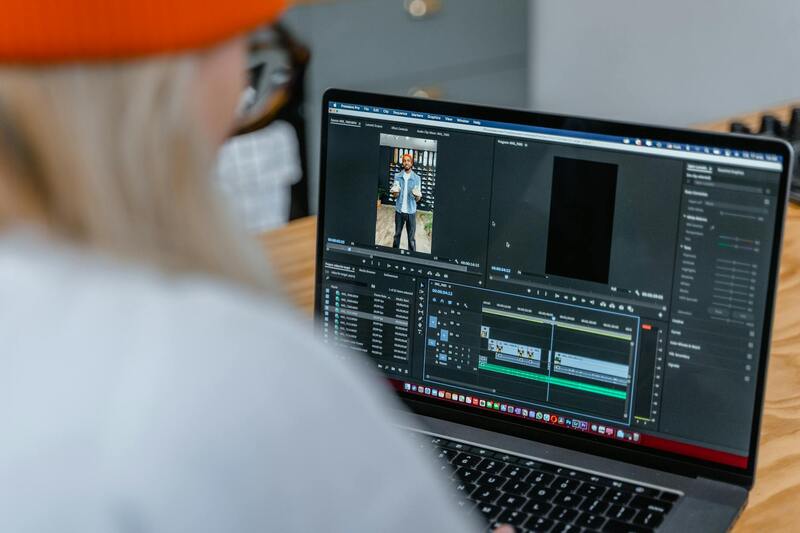
Once the shooting phase concludes, the focus shifts to transforming raw images into a polished time lapse video. Importing all captured frames into professional editing software enables meticulous organization and quality checks. Stabilization tools help correct minor camera movements, ensuring a smooth viewing experience. Color grading enhances visual appeal, adjusting contrast, brightness, and saturation to evoke desired moods or highlight specific scene elements.
Speed adjustments, such as changing playback rates, can emphasize particular moments or transitions, directing viewer attention. Seamless transitions between sequences—for example, fading effects or cross dissolves—improve narrative flow. Incorporating sound or ambient audio further enriches the viewing experience, creating a multi-sensory portrayal of Miami’s evolving landscape. Export settings should be optimized for various platforms, ensuring high resolution and clarity across screens of all sizes. Ultimately, careful editing transforms a series of images into a compelling visual story that effectively captures the passage of time.
Legal Considerations and Permissions
Ensuring proper authorization for the subjects and locations included in a time lapse video is essential to produce a legally compliant and ethically sound project. When filming in public spaces or private properties within Miami, obtaining necessary permissions or clearances from property owners and relevant authorities helps prevent disruptions or disputes during the shooting process.
For public areas, especially those under jurisdictional management such as parks, plazas, or government facilities, consulting local municipal offices can clarify requirements regarding filming permits. These permits often specify the scope of the shoot, duration, and any restrictions on equipment or techniques used. Securing such authorizations in advance allows for smooth operation and demonstrates professional diligence.
Private property owners or businesses should be directly approached to obtain explicit consent, especially if the footage captures identifiable individuals or proprietary assets. Written agreements or release forms protect all parties involved and facilitate later stages such as editing, distribution, or commercial use. Including detailed descriptions of the intended use, distribution channels, and duration of rights ensures clear understanding and avoids ambiguities.
It's also prudent to consider local regulations concerning drone or aerial footage, as Miami has specific rules that govern aerial photography over private and public airspaces. Compliance with these rules guarantees safe operation and avoids legal complications.
Maintaining detailed records of permissions, permits, and correspondence forms a vital part of the project documentation. Such records provide verification of authorized activity and help address any unforeseen questions or concerns that may arise post-production. This proactive approach exemplifies professional integrity and commitment to high standards in time lapse video production.