
Overview of Marine Photo Production
Marine photo production encompasses the specialized process of capturing high-quality images in maritime environments, including oceans, harbors, and coastlines. This form of photography is vital for a wide range of commercial, advertising, and artistic endeavors, especially within vibrant hubs like Miami. Miami's unique coastal landscape and bustling maritime industry provide an ideal backdrop for projects that demand compelling visual storytelling in aquatic settings. From promotional campaigns for luxury yacht brands to editorial spreads showcasing marine tourism, marine photo production elevates visual content by integrating the natural beauty of waterways with innovative photographic techniques.
Successful marine photo production requires a strategic approach, combining technical expertise with an understanding of the marine environment. Professional crews employ specialized equipment, such as marine-grade cameras, stabilized rigs, and waterproof gear, to ensure optimal image quality under challenging conditions. The significance of this craft extends beyond mere image capture; it is about conveying a story that resonates with viewers, whether it’s highlighting the elegance of a seafaring vessel or illustrating the serenity of coastal landscapes. For Miami-based projects, this synergy between environment and expertise opens numerous opportunities to produce captivating visuals that stand out in competitive markets.
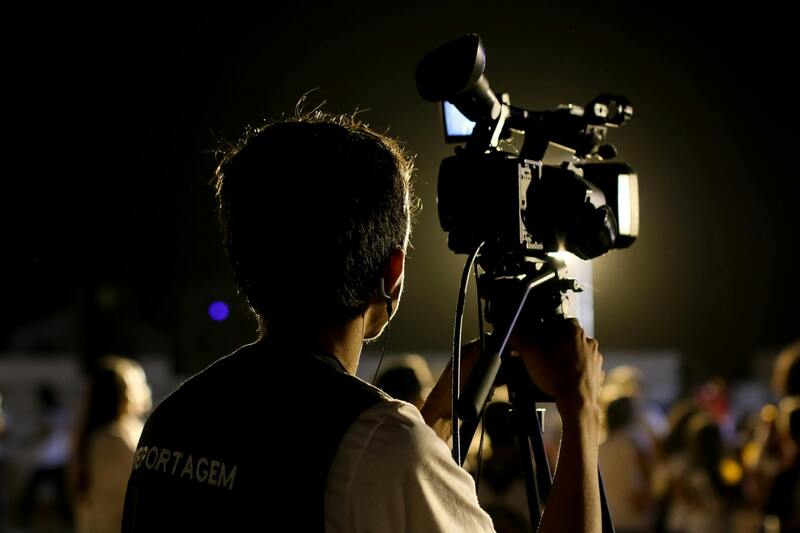
This specialized segment of photography plays a crucial role in branding, marketing, and artistic expression. High-quality marine images not only attract attention but also enhance the credibility and appeal of the products or messages they represent. As a major maritime hub, Miami provides unmatched access to diverse marine environments, making it a premier location for executing marine photo production projects that demand precision, creativity, and technical mastery.
Key Elements of Marine Photo Production
Successful marine photo production hinges on meticulous planning and execution, utilizing specialized equipment and expert personnel proficient in navigating the unique challenges presented by aquatic environments. The core components include advanced camera technology designed to withstand the corrosive effects of saltwater and humidity, along with stabilization devices to counteract the movements of vessels and water currents. Waterproof housings for cameras and lenses are essential to capture crisp, detailed images without risking equipment damage.
Furthermore, aerial drone photography has become increasingly prevalent in marine settings, offering expansive views of scenic coastlines, fleet operations, or large-yacht showcases. These drones, equipped with high-resolution cameras, require operators with specialized training to safely maneuver over water surfaces, ensuring seamless imagery collection while maintaining safety standards.
Aside from technical gear, personnel selection is equally important. Skilled photographers with experience in marine environments understand how to adapt shooting techniques to dynamic lighting conditions, changing weather, and movement of vessels. A dedicated marine crew also includes safety officers who oversee compliance with maritime safety protocols, ensuring the well-being of everyone involved. Utilizing technical experts who understand marine navigation, weather patterns, and water behaviors ensures that the production process remains smooth and efficient.
Another critical element is safety equipment, such as life jackets, safety harnesses, and emergency communication devices, which are mandatory to mitigate risks associated with working on or near water. Effective safety planning ensures uninterrupted workflows and guarantees that the production team can focus on capturing compelling visuals without concerns about safety hazards.
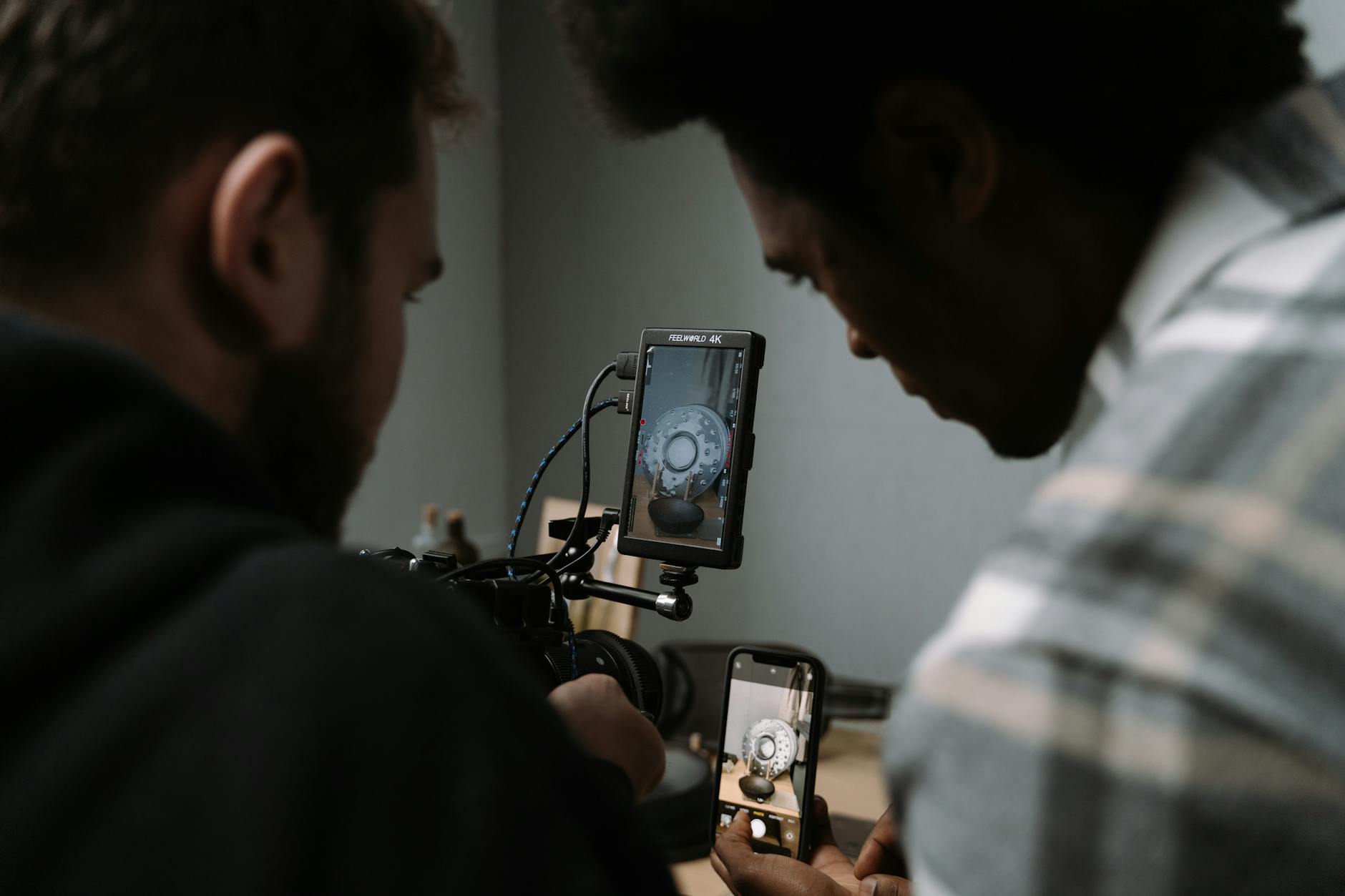
Types of Marine Photography Projects
- Yacht and Vessel Promotions: Showcasing luxury yachts, commercial ships, or vessels for marketing and branding campaigns.
- Coastal Landscape Photography: Highlighting the natural beauty of marine environments for tourism and environmental campaigns.
- Marine Industry Documentation: Capturing shipbuilding, maintenance, and infrastructure to support corporate or industrial communications.
- Adventure and Action Shots: Documenting water sports, sailing competitions, or adventurous marine activities to attract thrill-seekers and enthusiasts.
- Editorial and Artistic Visuals: Creating compelling images for magazines, art projects, or environmental awareness campaigns.
Choosing a Marine Photo Production Agency in Miami
When selecting an agency, it is vital to consider their experience in maritime environments, portfolio of previous projects, and technical capabilities. Miami's vibrant marine scene offers numerous options, but a proven track record of executing complex shoots in challenging waters distinguishes top-tier providers. Agencies with local knowledge possess better access to diverse maritime settings, including busy ports, secluded islands, and coral reefs, providing unparalleled variety in visual storytelling.
Additionally, transparency regarding safety practices, equipment standards, and crew expertise indicates professionalism. An agency that collaborates closely during pre-production to understand project goals, permits, and logistical needs ensures a seamless process from concept to final delivery.
Pre-Production Planning for Marine Photo Shoots
Effective pre-production planning is essential for capturing high-quality marine imagery that meets the project's specific objectives. This phase involves comprehensive coordination between the creative team, clients, and technical crew to ensure every aspect of the shoot is meticulously organized. Initial consultations focus on defining the scope, style, and desired outcomes of the project, covering both aesthetic and functional considerations.
Location scouting plays a pivotal role in marine photo production. It entails researching and selecting optimal sites such as bustling ports, pristine beaches, coral reefs, or open water zones that align with the project’s narrative. Engagement with local authorities for permits, maritime permissions, and safety regulations is crucial to facilitate smooth operations.
Planning the logistics involves detailed scheduling, considering tides, weather conditions, and optimal lighting windows to maximize image quality. Equipment requisition is tailored to the marine environment, often requiring specialized gear such as waterproof cameras, stabilization rigs, drone technology, and safety harnesses. Crew members, including marine specialists, safety personnel, and skilled photographers, are briefed on safety protocols and operational procedures.
To mitigate risks associated with marine environments, contingency plans for weather changes or technical failures are established. This phase also includes arranging transportation to remote locations, securing backup power sources, and ensuring all necessary supplies are on hand. Final pre-production meetings confirm timelines, roles, and deliverables, setting a solid foundation for the execution phase.
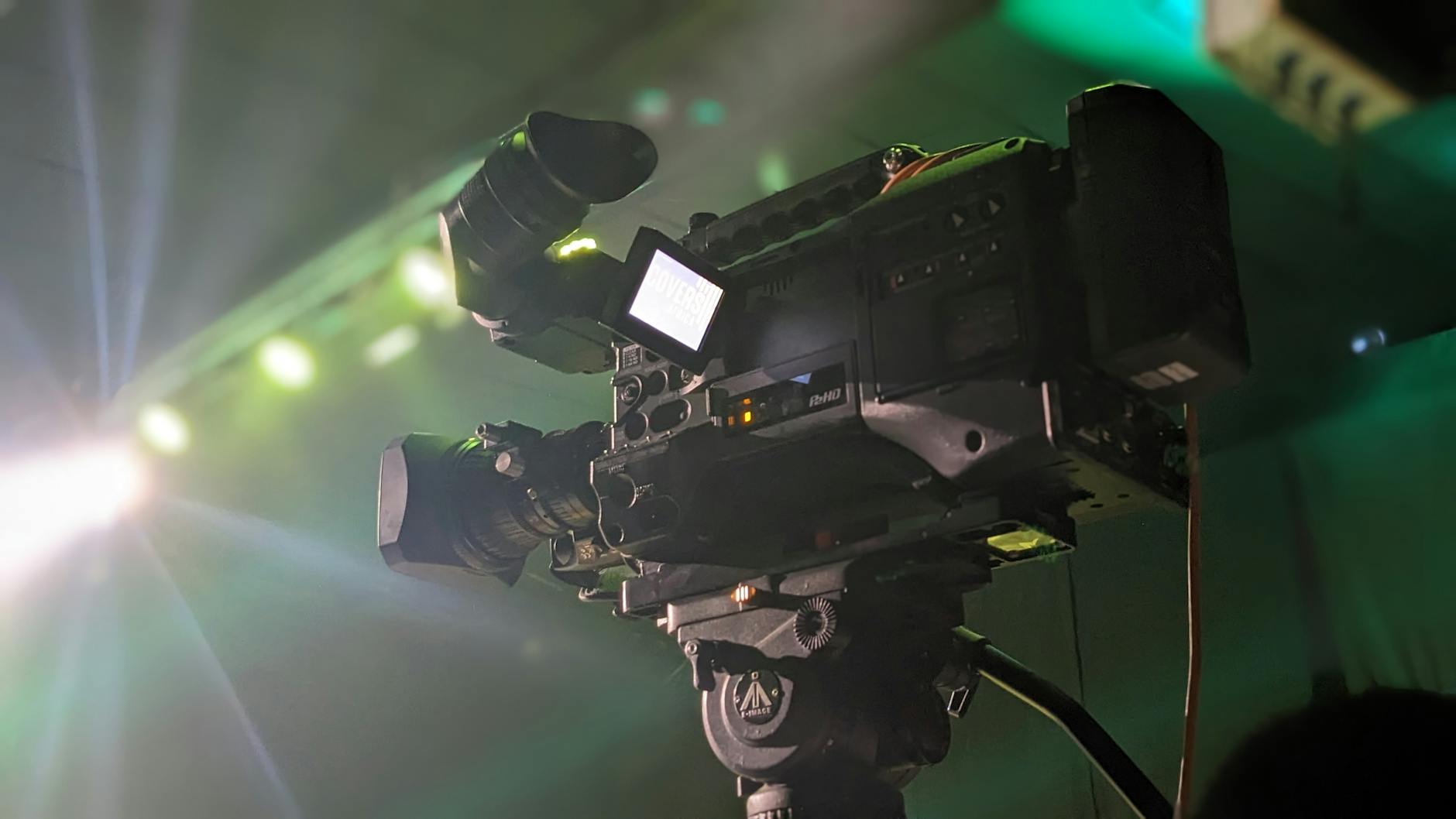
Execution of Marine Photo Shoots
The execution phase translates detailed plans into compelling visual content through a combination of technical skill and adaptability in a dynamic environment. Photographers and crew must operate in often unpredictable marine conditions, requiring expertise in managing watercraft, equipment handling, and safety while capturing the desired imagery.
During the shoot, real-time adjustments are frequently necessary to accommodate changing weather, lighting, and marine traffic. This demands a high level of coordination, with team members communicating effectively to adapt the plan as needed. Precision framing, lighting adjustments, and creative direction are synchronized to produce captivating images whether on a boat, underwater, or at shoreline locations.
Utilizing specialized equipment enhances the quality and variety of images. For instance, underwater housings allow for pristine aquatic shots, while drone technology provides aerial perspectives of boats, coastlines, and expansive marine vistas. Safety remains paramount, with crew members continuously monitoring weather updates and maintaining safety protocols.
Post-shoot procedures include reviewing footage on-site to assess coverage, taking additional shots if necessary, and ensuring all equipment is accounted for and secured. The collaborative effort during execution ensures that the final visual assets meet the high standards expected for professional marine photography projects.
Post-Production and Delivery
The post-production process involves meticulous editing to refine and enhance the raw images captured during the shoot. This phase includes color correction, shot selection, retouching, and compositing as needed to ensure the visuals align with the project's objectives. Specialized software tools are employed to balance exposure, remove distractions, and highlight key elements that convey the intended message. For underwater photography, adjustments to contrast and color balance are particularly important to compensate for water absorption and turbidity. Aerial shots captured via drone require stabilization and cropping to produce sharp, impactful images. Consistency in style and branding elements are maintained throughout en evenhanded editing process. Delivery timelines are established upfront, with digital formats prepared for various uses such as print campaigns, digital marketing, or media broadcasts. High-resolution files are optimized for clarity and detail, while lower-resolution versions facilitate quick sharing and online use. Secure storage and backups safeguard the final assets. Client review sessions are integral, allowing for feedback which is incorporated through revisions to ensure final images meet expectations. Clear communication and professionalism during this phase secure satisfaction and prepare assets for deployment across relevant platforms. Having a dedicated team handle post-production ensures that the visual content is polished, market-ready, and aligns with the intended narrative of the marine project, reinforcing the impact of the imagery created.
Choosing a Marine Photo Production Agency in Miami
When selecting a marine photo production partner, it is crucial to focus on agencies that possess extensive experience working within marine environments and have a proven track record of delivering high-quality visuals. A reputable agency will have an in-depth understanding of the unique challenges associated with marine photography, such as lighting conditions, water visibility, and safety protocols, ensuring that every shot is captured with precision and professionalism.
Expertise with specialized equipment is another key factor. Agencies equipped with state-of-the-art cameras, drones, underwater housings, and stabilization devices are better positioned to produce stunning imagery across diverse marine scenarios. Familiarity with marine permits and regulations also signifies an agency’s capability to operate smoothly within legal parameters, preventing project delays or complications.
Additionally, an agency’s portfolio offers valuable insights into their style, scope, and versatility. Reviewing completed projects, especially those relevant to your needs—be it underwater, aerial, or vessel-focused photography—helps gauge their suitability. Strong client testimonials and case studies further attest to their professionalism, reliability, and ability to meet deadlines.
Key Considerations for Choosing the Right Partner
- Experience with marine and underwater environments
- Reliability and adherence to safety standards
- Advanced equipment tailored for marine conditions
- Knowledge of local permits and regulations
- Demonstrated portfolio of relevant projects
- Positive client feedback and testimonials
Engaging a Miami-based agency that specializes in marine imagery also offers logistical advantages, including proximity to key shooting locations and familiarity with local maritime operations. This proximity facilitates swift responses, site access permissions, and on-call support, making the entire production process smoother and more efficient.
Ultimately, the right agency will combine technical skill, industry experience, and a deep understanding of marine environments to deliver compelling visuals that meet your project's specific needs, strengthening your brand presence or project narrative in the maritime sector.
Marine Photo Production: A Comprehensive Guide
Pre-Production Planning for Marine Photo Shoots
Effective marine photo production begins with meticulous planning that ensures the smooth execution of the shoot. Location scouting plays a crucial role in identifying optimal spots that align with the project's aesthetic and technical requirements. Utilizing detailed maritime charts and consulting local experts facilitates selecting sites that offer the best natural lighting and minimal logistical hurdles. Securing necessary permits involves understanding local maritime regulations and coordinating with authorities to obtain access for equipment and personnel, which is vital for avoiding delays or interruptions during the shoot.
Developing safety protocols is an integral part of the planning process, especially considering the inherent risks associated with marine environments. Implementing safety measures such as life jackets, emergency response plans, and communication devices helps mitigate potential hazards. Additionally, positioning and timing are refined through detailed coordination with boat operators and crew. Establishing clear communication channels ensures seamless movement and cooperation during the shoot, while aligning schedules prevents time conflicts and resource overlaps.
Execution of Marine Photo Shoots
The actual photo shoot takes place once all preparatory steps are complete. High-quality marine photography often requires specialized equipment such as waterproof cameras, drone technology for aerial shots, and stabilization tools to counteract movement. Skilled photographers and crew meticulously manage the shoot to capture dynamic scenes, whether underwater, on deck, or aerial perspectives. Attention to lighting conditions, weather patterns, and marine life activity is critical to achieving compelling visuals.
During this stage, collaboration with boat crews and models is essential to maintain safety and efficiency. Photographers often work in tandem with marine operators to adjust positioning for optimal angles or to adapt to changing conditions at sea. The use of remote or drone cameras allows for innovative perspectives, expanding the creative potential of marine imagery. Additionally, rigorous adherence to safety protocols ensures that the production remains secure for all personnel involved.
Post-Production and Delivery
Post-production is where raw footage is transformed into polished visuals that meet the project's objectives. This process involves color correction, image sharpening, and ensuring consistency across a diverse set of shots. For underwater photography, special attention is paid to enhancing clarity and color balance to counteract the effects of water absorption and distortion. In aerial and vessel-focused imagery, editing emphasizes perspective and compositional balance. High-quality editing software allows for precise adjustments that bring out the best in each shot.
Deliverables are tailored to client specifications, ranging from high-resolution images for print to optimized digital files for online use. Establishing a clear timeline for delivery and providing review iterations is vital to ensure satisfaction. Secure storage and transfer of files also safeguard the integrity of the media, especially for high-value projects that may involve sensitive or proprietary content.
Benefits of Working with Miami-based Marine Photo Production Experts
Collaborating with Miami-based specialists in marine photo production provides distinct advantages rooted in local expertise. Proximity to key maritime locations allows for on-demand access, reducing logistical complexities and facilitating rapid response to unforeseen circumstances. Local agencies possess an in-depth understanding of Miami’s diverse waterways, environmental conditions, and maritime regulations, streamlining permit acquisition and site access.
Furthermore, Miami’s vibrant marine industry offers a network of boat operators, divers, and technical professionals familiar with the demanding requirements of high-quality marine photography. This localized knowledge ensures equipment is properly maintained and suited for marine conditions, reducing risks and enhancing image quality. The convenience of working within the same geographic area also minimizes scheduling conflicts and allows for more flexible shoot planning, ultimately leading to more innovative and impactful visual content.
Execution of Marine Photo Shoots
Carrying out marine photo production involves meticulous on-site procedures to ensure high-quality visuals under the challenging conditions of open water and coastal environments. Proper planning and real-time adaptability are essential for capturing images that meet the precise needs of clients and project objectives.
Prior to commencing the shoot, a comprehensive site survey is conducted to evaluate lighting conditions, environmental factors, and safety considerations. This preparatory step helps establish the optimal positioning of equipment and personnel, minimizing unforeseen disruptions during the shoot.
Managing lighting in marine environments is particularly complex due to reflections, glare from the water surface, and changing weather patterns. Photographers often utilize polarizing filters, specialized lenses, and light diffusers to control reflections and enhance color accuracy. Additionally, timing shoots during golden hours—shortly after sunrise or before sunset—can dramatically improve image quality by taking advantage of softer, more flattering natural light.
Weather unpredictability poses significant challenges in marine photo production. Wind, rain, and cloudy skies can obscure the subject or cause safety concerns. Flexible scheduling, weather-resistant equipment, and contingency plans help mitigate these risks. Real-time weather monitoring allows photographers to adapt rapidly, postponing or adjusting shots as needed to ensure safety and image clarity.
Capturing high-quality images in marine settings also involves careful management of equipment and personnel. Waterproof housings, stabilization gear, and remote-controlled rigs are used to access difficult angles and maintain stability over water. Crew members skilled in marine safety and photography techniques work collaboratively to navigate vessels, set up equipment, and execute complex shot compositions.
Post-shoot, the focus shifts to reviewing images for technical quality, composition, and adherence to project briefs. Image selection involves evaluating sharpness, exposure, and absence of water artifacts or distortions caused by surface conditions. High-resolution images are then processed with color correction, noise reduction, and retouching to meet professional standards.
Efficient workflows ensure timely delivery of the final media assets. This often includes encoding for various digital and print formats, organizing files for easy access, and delivering through secured transfers or cloud storage solutions tailored to client needs. Maintaining rigorous quality control throughout this process guarantees that the images will effectively represent the client’s brand, vessel, or maritime environment.
Execution of Marine Photo Shoots
Carrying out marine photo production in Miami requires meticulous coordination to ensure each shot aligns with client specifications and safety standards. The process begins with meticulous vessel preparation, where equipment is securely fastened, waterproof housings are tested, and stabilization gear is calibrated for optimal performance. Photographers and crew members work diligently to establish communication protocols, often utilizing radio systems, to coordinate movements and shot sequences efficiently across dynamic marine environments.
Strategic location selection is integral, often involving scouting prior to the shoot to identify optimal angles, lighting conditions, and potential obstacles such as floating debris or marine fauna. Timing the shoot during specific times of day—preferably during golden hours—maximizes natural light, producing vibrant and detailed images that highlight the vessel and maritime surroundings. Weather considerations are continuously monitored, with contingency plans ready to deploy should unexpected conditions like sudden storms or fog arise.
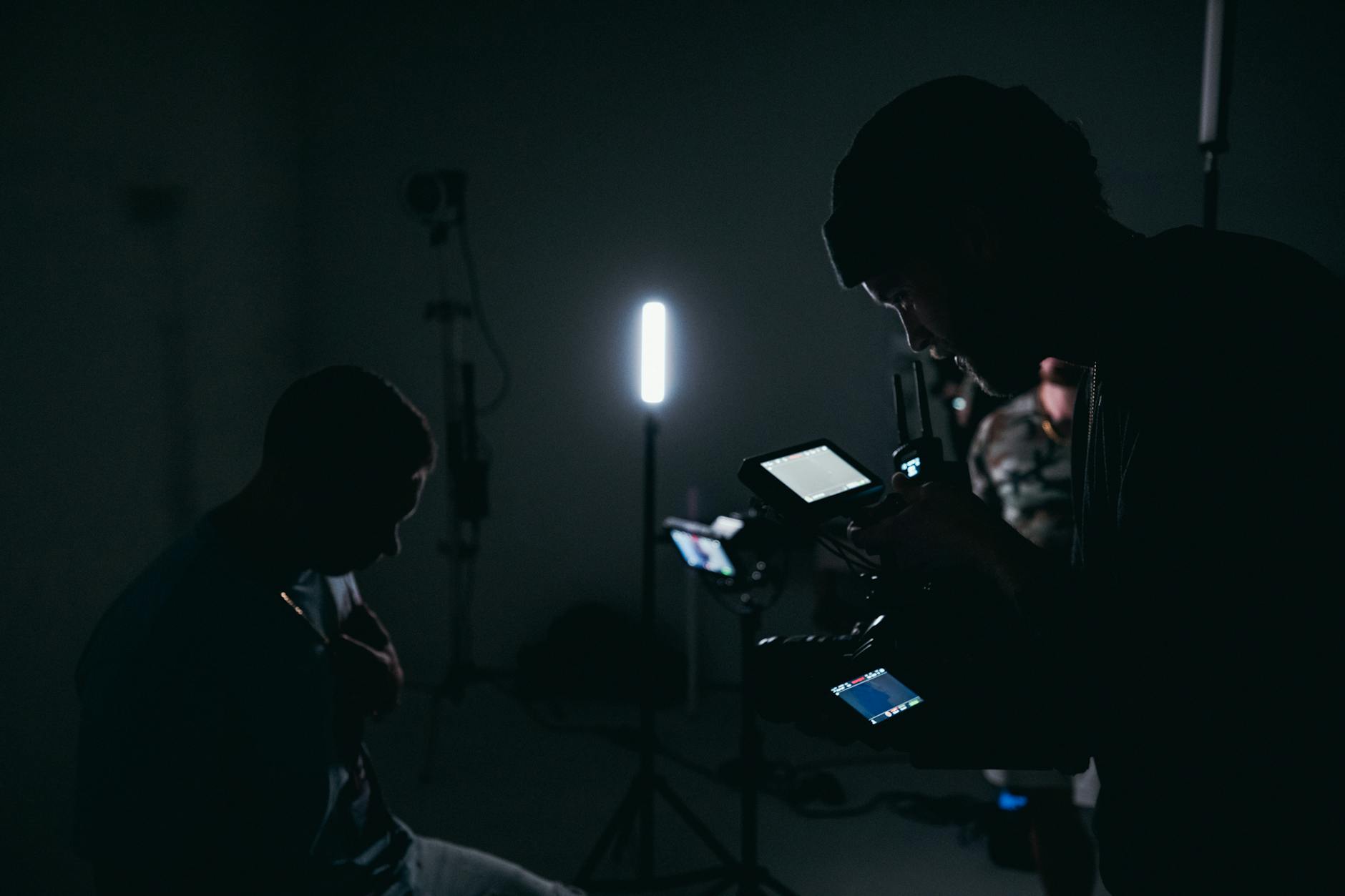
During filming or still photography, remote-controlled rigs and stabilized stabilization platforms are employed to achieve ultra-stable images in turbulent waters. Remote camera systems enable capturing from angles that would be inaccessible or hazardous for personnel, reducing equipment shake and ensuring sharp images. Multi-camera setups may be used to document various perspectives simultaneously, providing rich, versatile media assets.
Subject stability is crucial; thus, anchors or moorings are sometimes utilized when stationary shots are required. For moving vessels, tracking shots are executed with precision navigation, ensuring the vessel maintains consistent positioning relative to the camera setup. The crew’s expertise in marine navigation and photo techniques plays a pivotal role, particularly when executing complex, dynamic scene captures, such as boat races, maritime operations, or aerial drone footage over expansive waters.
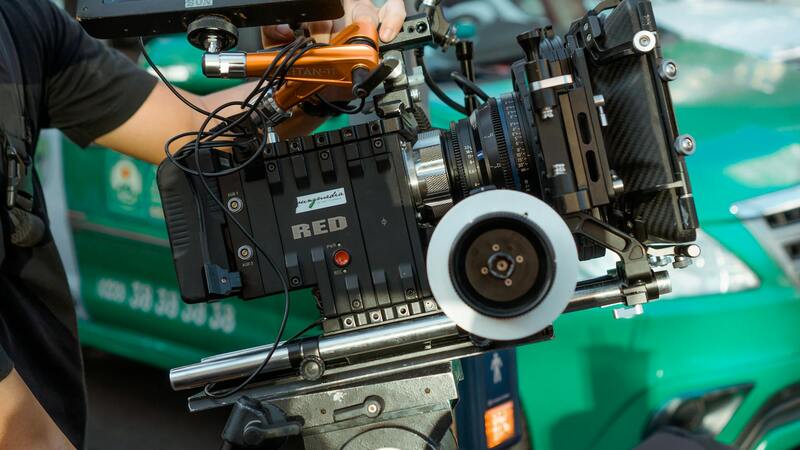
Throughout the shoot, constant communication and real-time feedback between photographers, vessel operators, and safety personnel are maintained to adapt swiftly to changing conditions. Photographers are trained to adjust exposure settings and focus for varying lighting and water surface textures, capturing clear and impactful visuals regardless of surface ripples and reflections. This attention to detail ensures that each image not only meets technical standards but also effectively conveys the intended aesthetic or informational message.
Post-shoot, an organized review process is undertaken, evaluating each image for composition, clarity, and alignment with project goals. High-resolution images undergo further color grading, retouching, and format conversions, tailored to the desired media output. Ensuring a seamless transition from capture to final product involves collaboration with editing teams familiar with maritime imagery nuances, such as light reflections on water and the intricacies of marine equipment details.
Post-Production Optimization and Final Delivery of Marine Photography
Once the initial images have been captured in the marine environment, the post-production phase begins, which is critical for transforming raw footage into compelling visual assets that meet the specific objectives of the project. This stage involves meticulous editing processes, such as color correction, contrast enhancement, and noise reduction, to ensure each image reflects the vibrancy and clarity required for promotional, informational, or documentary purposes.
Specialized software tools are employed to correct distortions caused by water reflections, lens aberrations, or atmospheric conditions. For instance, images may be enhanced to emphasize the hue of the ocean, the detail on vessel surfaces, or the dynamics of maritime activities. When drone or aerial footage is involved, stabilization techniques are applied to eliminate jitters caused by motion, delivering smooth, professional-grade visuals.
Consistent communication with clients during this stage ensures that the editing aligns with their vision. Whether the project demands high-resolution images suitable for large-format prints or optimized visuals for digital platforms, tailored adjustments are made to match the media specifications. Advanced retouching may involve removing unwanted elements or clarifying intricate details like maritime equipment or crew actions without disturbing the authenticity of the scene.
Once editing is complete, the images are formatted in various file types suitable for different uses, including web publishing, television broadcasting, or print advertisements. Color profiles and resolution settings are carefully calibrated to preserve quality across media. A thorough quality assurance process is undertaken to verify consistency, clarity, and visual impact, ensuring the images meet the intended standards before delivery.
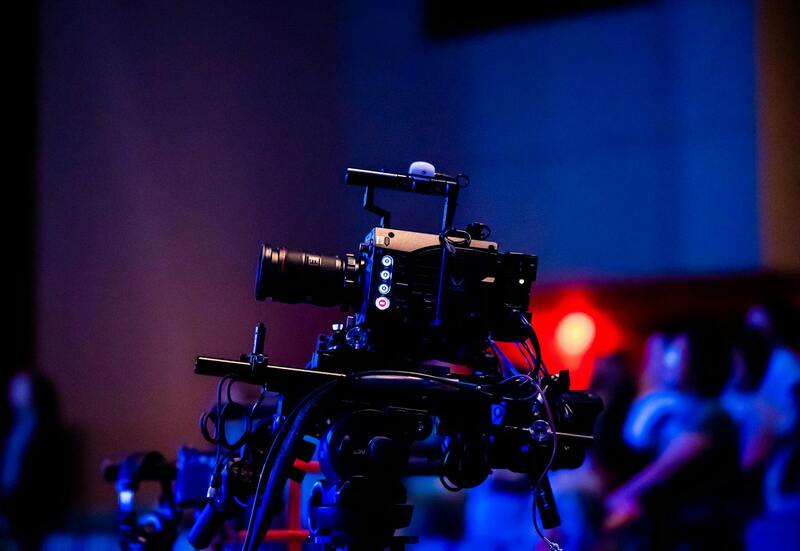
Delivering Excellence: Finalizing Marine Photo Production Projects
The final phase involves delivering the completed images through secure and efficient channels. Digital delivery platforms are utilized to ensure timely access for the client. For large files or high-resolution images, encrypted cloud services or external drives might be used to maintain data integrity and security. Accompanying the visuals, detailed metadata, usage rights, and licensing information are provided to facilitate seamless integration into marketing or informational materials.
Follow-up consultations with clients can help address any additional edits or adjustments that may be necessary, ensuring complete satisfaction with the final product. Archiving finished assets systematically supports future reprints or updates, maintaining a reliable resource for ongoing marine-related campaigns or documentation efforts.
This comprehensive approach to marine photo production—from meticulous pre-planning, precise execution, to refined post-production—ensures clients receive high-caliber visuals that authentically represent their maritime projects. The process exemplifies a commitment to technical excellence, artistic integrity, and operational reliability, vital for capturing the dynamic essence of the marine environment.