
Understanding Yacht Photography
Yacht photography is a specialized niche within the broader realm of luxury and marine photography that focuses on capturing the elegance, design, and functionality of yachts and other marine vessels. This discipline requires a combination of technical skill, artistic vision, and a keen understanding of the unique features that distinguish each vessel. Photographers in this field aim to create images that showcase the grandeur of yachts, whether for promotional materials, private collections, or marketing campaigns.
The primary purpose of yacht photography is to highlight the vessel’s aesthetic appeal and technical specifications to prospective buyers, event organizers, or marine enthusiasts. These images serve to evoke a sense of luxury, adventure, and exclusivity, often becoming visual representations of a lifestyle that appeals to high-net-worth individuals. Due to the high-profile nature of yacht ownership and chartering, the images captured must reflect professionalism, attention to detail, and artistic finesse.
Common styles of yacht photography include interior shots, emphasizing design and comfort; exterior views that capture both the vessel’s silhouette and fine details; aerial photography to provide panoramic perspectives; and action shots that portray yachts in motion or during docking procedures. Each style requires a nuanced approach to framing, lighting, and composition, with the goal of creating compelling visuals that reveal the yacht’s character and allure.
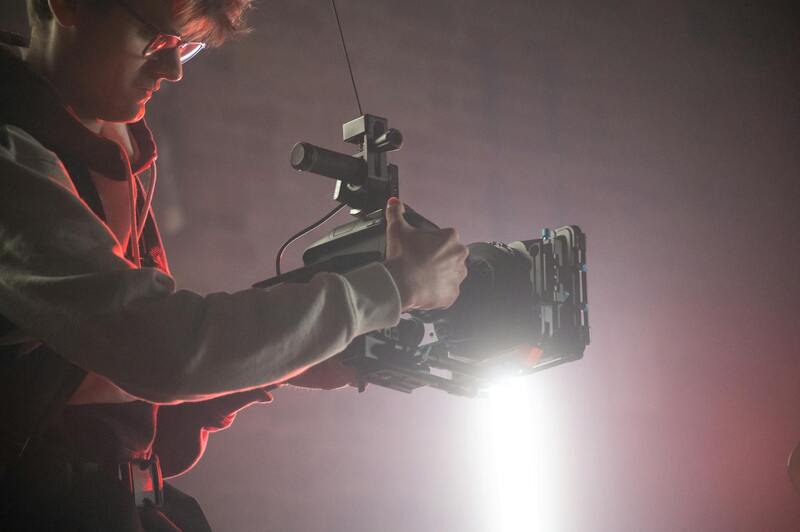
Key elements that make for compelling yacht images include sharp clarity, accurate color reproduction, dynamic composition, and an emphasis on details such as polished surfaces, custom features, and innovative design elements. Lighting plays a crucial role in accentuating the yacht’s features and setting the mood of the image. Whether natural sunlight heightens the vessel’s sparkle or carefully positioned artificial lighting creates a dramatic effect, mastering lighting is fundamental to achieving high-quality yacht photography.
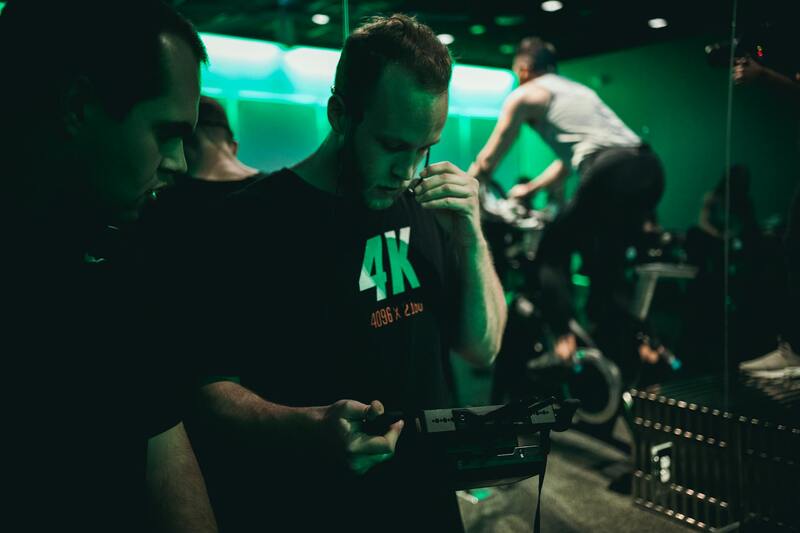
Essential Equipment for Yacht Photography
Achieving exceptional yacht photos requires a combination of specialized equipment designed to capture the intricate details, stunning vistas, and dynamic scenes associated with marine vessels. Professional yacht photographers rely on a diverse array of gear to adapt to fluctuating maritime conditions and to ensure the highest quality images.
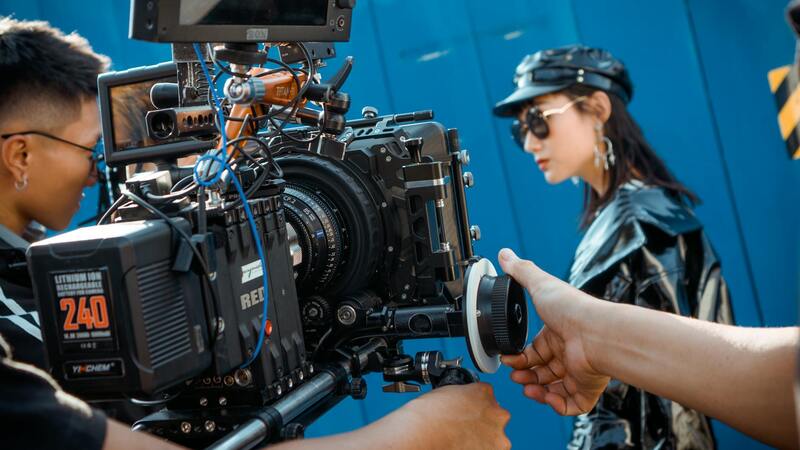
Camera Bodies
Modern digital single-lens reflex (DSLR) and mirrorless cameras are the tools of choice for yacht photographers. These cameras offer superior image quality, reliable autofocus, and high-speed shooting capabilities. Weather sealing features enable photographers to operate efficiently in marine environments where humidity, salt spray, and windy conditions are prevalent.
Lenses
A versatile set of lenses is essential to cover the wide array of shots required in yacht photography:
- Wide-Angle Lenses: Perfect for capturing the full length of the yacht, interior spaces, and expansive exterior views. A lens with a focal length of 14-24mm provides dramatic perspectives.
- Telephoto Lenses: Ideal for detailed shots of yacht features, crew actions, or distant scenery. Focal lengths ranging from 70-200mm help isolate specific elements from afar.
- Macro Lenses: Used for capturing intricate design details, custom finishes, and polished hardware on the yacht.
Drones and Aerial Equipment
Incorporating aerial photography is indispensable for showcasing yachts' size and elegance from the sky. High-end drones equipped with 4K or higher resolution cameras and stabilized gimbals enable capturing smooth, panoramic shots. Models with obstacle avoidance sensors and long battery life are vital for safe, effective flying around large vessels.
Accessories
- Tripods and Stabilizers: Essential for steady shots, especially in low light or when capturing fine details.
- Filters: Circular polarizers and neutral density filters enhance color richness and control exposure in bright marine environments.
- Lighting Equipment: Portable LED panels or external flashes can illuminate interiors and highlight specific yacht features when natural light is insufficient.
- Protective Gear: Weather-resistant covers for equipment protect gear from salt spray and moisture during outdoor shooting sessions.
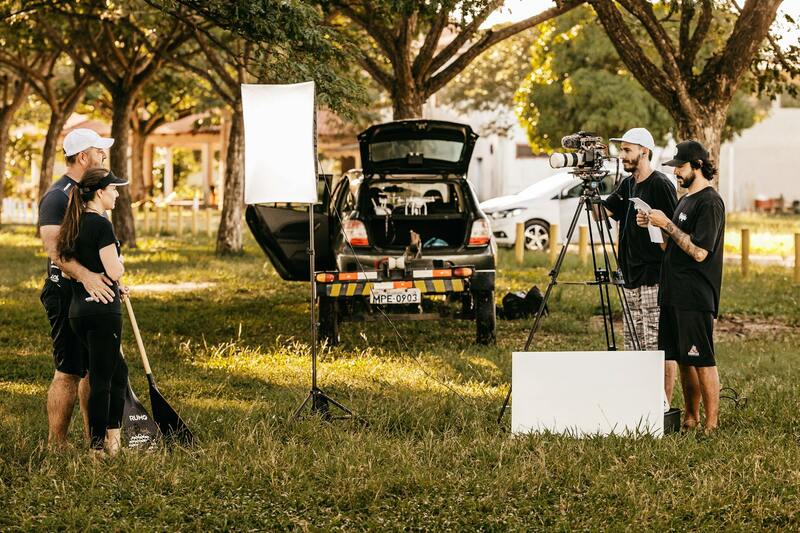
Maintaining Equipment and Logistics
Proper maintenance, including regular cleaning and calibration of lenses and sensors, ensures optimal image quality. Planning logistical aspects—such as securing appropriate permits for drone flights, preparing backup batteries, and selecting suitable accessories for varying weather conditions—is crucial for successful yacht photography projects.
Summary
A comprehensive suite of high-grade cameras, lenses, drones, and accessories empowers yacht photographers to produce captivating visuals. The right combination of equipment ensures image clarity, sharpness, and creative flexibility—elements that are fundamental in capturing the luxury, detail, and grandeur of maritime vessels.
Techniques for Capturing Yacht Details
Highlighting intricate features of a yacht requires a strategic approach to photography that emphasizes clarity, precision, and a keen eye for design. Close-up shots of yacht elements such as polished rails, luxurious interiors, deck fittings, and custom craftsmanship can significantly enhance the overall narrative of the vessel’s elegance and craftsmanship. To achieve this, photographers employ macro lenses and telephoto lenses that allow for high-resolution captures of minute details without compromising image quality.
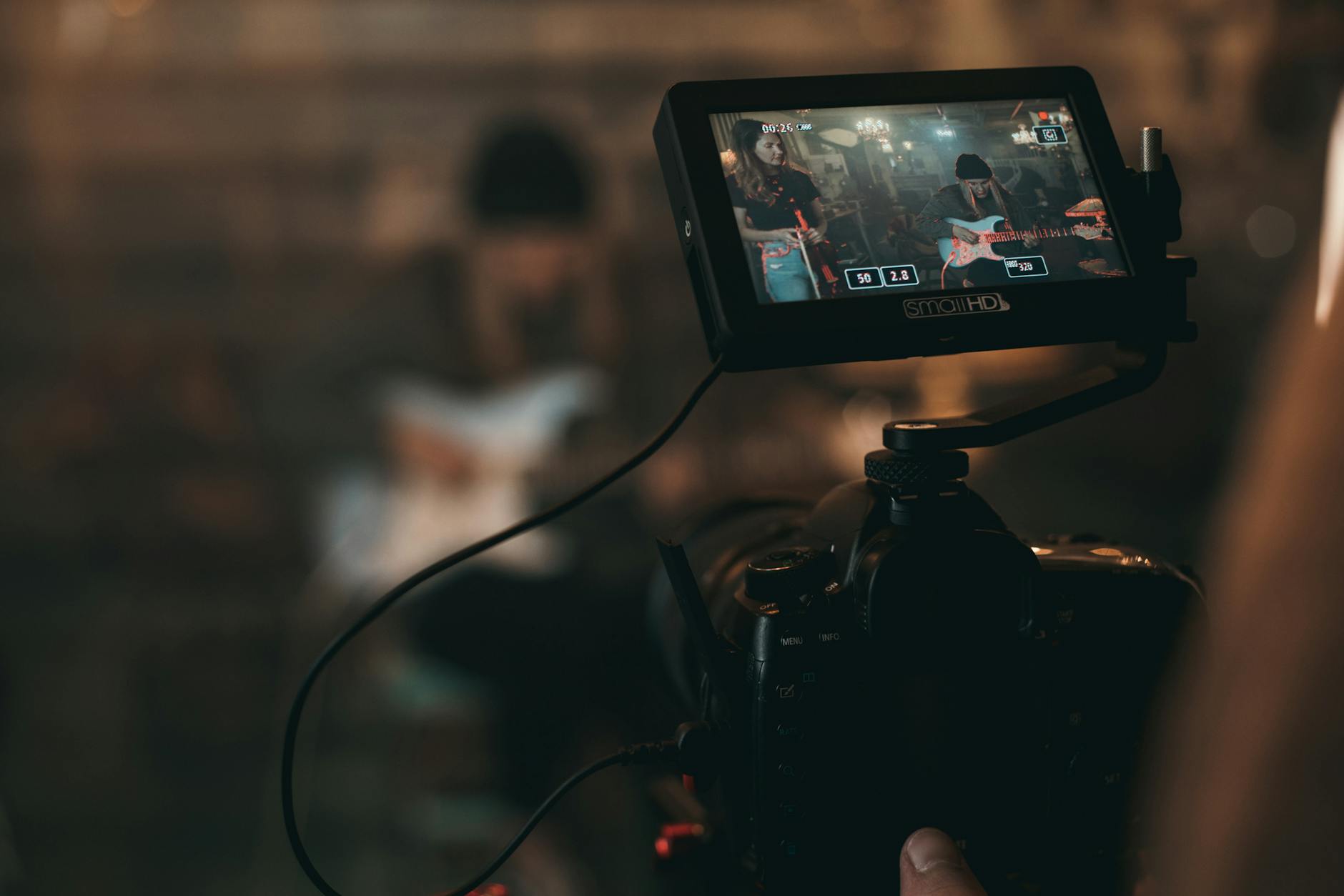
When photographing yacht details, consider the angles and lighting that best showcase textures and surface finishes. Natural light can reveal the richness of wood grains and metallic surfaces if shot during optimal times, such as early morning or late afternoon. For interior features, additional lighting sources like portable LED panels can enhance shadows and highlight design elements effectively. Macro photography also allows capturing the subtle details of navigation equipment, control panels, and luxurious textiles, contributing to an overall impression of quality and sophistication.
Detailed shots should be complemented with contextual images that place these features within the yacht’s overall design. Such a combination not only demonstrates craftsmanship but also provides potential clients or viewers with a comprehensive understanding of the vessel’s luxury and functionality. High dynamic range (HDR) techniques can be employed to balance interior and exterior lighting, ensuring that every detail remains clearly visible and true to life.
Utilizing Composition and Perspective
The right composition plays a crucial role in yacht photography, especially when emphasizing specific details. Techniques such as leading lines, framing, and asymmetrical balance draw the viewer’s eye toward key features. Shooting from various perspectives—above, at eye level, or from underwater—can reveal unique views that accentuate the yacht’s design language. Angles that showcase the sleek profile of the vessel or the craftsmanship in the hull construction deepen the visual storytelling process.
Incorporating reflections and shadows can add depth and intrigue to detail shots. For instance, capturing the light play on polished surfaces during early morning or late evening can communicate the yacht’s premium quality. Post-processing tools allow enhancing these elements further, sharpening focus and increasing color richness to make every detail stand out vividly.
Maintaining Consistency and Quality
Consistency in lighting, focus, and color grading across a series of images ensures a professional presentation suitable for commercial use. Regular calibration of equipment and adherence to standardized shooting protocols contribute to maintaining high-quality output. When photographing yacht details, keen attention to cleanliness—removing fingerprints, dust, or smudges—is essential for achieving crisp, pristine images that reflect the vessel’s elegance and attention to detail.
Techniques for Capturing Yacht Details
When focusing on yacht photography, capturing intricate details that highlight craftsmanship and luxury features requires a strategic approach. Close-up shots of polished chrome fittings, engraved plaques, and textured upholstery convey the quality and opulence of the vessel. Utilizing macro lenses allows for fine detail capture, emphasizing the craftsmanship in each element. Eye-level or slightly elevated angles can showcase unique design features, such as custom woodwork, hardware, or artwork embedded within the yacht’s interior. Lighting plays a pivotal role in accentuating these details. Soft, diffused light minimizes harsh shadows and highlights delicate textures and finishes. Reflective surfaces, like polished metal or glossy wood, benefit from polarizing filters, which reduce glare and enhance color saturation. For interior details, managing ambient lighting—sometimes supplementing natural light with portable LED panels—ensures consistent exposure and clarity. To create compelling detail images, attention to cleanliness is imperative. Dust, fingerprints, and smudges can distract from the textures and diminish the perceived quality. Regularly inspecting the yacht’s surfaces and using soft brushes or cleaning cloths guarantees images that exude sophistication. In addition to the technical aspects, choosing the right focal length can help isolate specific features without distraction. Utilizing depth-of-field control, either through aperture adjustments or focus stacking, can further emphasize particular details, rendering the background softly blurred to direct viewer attention precisely where intended. Integrating lifestyle elements—such as hands interacting with controls or close-ups of luxurious finishes—helps create an aspirational narrative that resonates with clients seeking a high-end marine experience. These detail shots act as visual proof points of a yacht's superior build quality, bespoke features, and meticulous attention to interior design.
Additional Considerations for High-Quality Yacht Photos
- Ensuring all surfaces are spotless and free of fingerprints or dust before shooting.
- Utilizing macro lenses and appropriate aperture settings to achieve sharpness and desired depth of field.
- Managing lighting conditions through diffusers, reflectors, or supplemental lighting to highlight textures.
- Adjusting focal points strategically to draw attention to craftsmanship or luxurious features.
- Employing post-processing techniques to enhance clarity, color richness, and contrast without over-editing.
Techniques for Capturing Yacht Details
Achieving stunning close-up shots of yachts involves a combination of meticulous attention to detail and mastery of specialized photographic techniques. When capturing intricate yacht features such as polished metal fittings, elaborate teakwork, or luxurious upholstery, employing macro lenses can provide the clarity necessary to showcase textures and craftsmanship. Using lenses with a wide aperture helps create a shallow depth of field, allowing the subject to stand out sharply against a softly blurred background. This approach draws viewers' eyes directly to the fine details, emphasizing the quality and elegance of the yacht’s design.
Lighting plays a significant role in highlighting the yacht’s craftsmanship. Controlling natural light with diffusers or reflectors can soften harsh shadows and accentuate textures without introducing glare. Supplemental lighting sources, such as portable LED panels, can be strategically positioned to illuminate shaded areas or highlight specific features. Adjusting focal points in accordance with the yacht's detailed elements ensures that the camera focuses precisely where the photographer intends, whether on ornate hardware or bespoke interior finishes.
Post-processing enhances the final product by refining colors, sharpening details, and balancing contrast. Techniques such as high dynamic range (HDR) imaging can be employed for scenes with challenging lighting contrasts, ensuring all yacht surfaces appear vibrant and well-defined. Nonetheless, retaining a natural look is crucial, so subtle editing is recommended to preserve the authenticity of the yacht’s opulence and craftsmanship. The goal is to produce imagery that communicates the yacht’s refined elegance and bespoke features convincingly and attractively.
In addition to technical skills, understanding the yacht's architectural and interior details enables photographers to anticipate the best angles and focal points. This knowledge guides the composition, ensuring that each shot narrates a compelling story of luxury, sophistication, and precision. By consistently applying these methods, yacht photographers can deliver images that not only showcase the vessel's finest elements but also appeal directly to clients' aspirations for exclusivity and elegance.
Capturing Dynamic Shots of Yachts in Motion
One of the most compelling aspects of yacht photography is capturing the vessel in motion, which conveys a sense of grandeur, speed, and adventure. Achieving dynamic shots requires a combination of appropriate shutter speeds, camera stability, and strategic framing. To freeze the motion of a yacht, photographers often utilize fast shutter speeds, typically ranging from 1/1000 to 1/2000 of a second, depending on the speed of the yacht and the lighting conditions. This ensures that the moving elements, such as waves, sails, or crew activity, are sharply rendered, adding vitality to the shot.
In scenarios where a slight motion blur can add artistic flair, a slower shutter speed might be deliberately chosen, especially when aiming for a sense of movement or energy. Employing panning techniques—moving the camera horizontally along with the moving yacht—allows for a sharp depiction of the vessel against a blurred background, emphasizing speed and motion. Using a tripod or monopod in these instances helps maintain stability during longer exposures.
Further enhancing the sense of motion involves composition choices. Positioning the yacht within the frame to follow the direction of travel, or capturing it against a dynamic backdrop like a vibrant sunset or a city skyline, accentuates its movement within an energetic scene. Timing is critical; early mornings or late afternoons offer favorable lighting and calmer waters, reducing the risk of turbulent contrasts that can obscure detail.
Post-processing can further amplify the sensation of movement. Techniques such as motion blur or selective sharpening emphasize the yacht’s speed while keeping key details crisp. Color grading might be used to enhance the vibrancy of the scene, ensuring the image communicates excitement and luxury effectively.
Ultimately, successful dynamic yacht photography involves meticulous planning, technical mastery, and an eye for compelling composition. Whether photographing a sleek racing yacht slicing through the water or a cruising vessel in a tranquil harbor, capturing motion effectively accentuates the vessel’s power and elegance, attracting discerning viewers and potential clients alike.
Working with Clients and Legal Considerations
When engaging in yacht photography for commercial purposes, establishing clear communication channels with clients is paramount to ensure all expectations are met and assets are protected. It is essential to formalize agreements that detail the scope of work, usage rights, delivery timelines, and other relevant terms. This clarity fosters a professional relationship and minimizes misunderstandings, leading to smoother project execution.
Prior to the shoot, conducting thorough consultations helps align the photographer’s artistic vision with the client’s branding objectives. Understanding the vessel’s unique features, the intended promotional channels, and specific styling preferences allows for tailored photography that effectively showcases the yacht's luxury and appeal.
In terms of legal protections, securing model releases or property releases, where applicable, ensures that all individuals and assets depicted are authorized for use in marketing materials. This step is especially crucial when photographing yachts in private marinas or restricted areas. Photographers should also verify permissions related to drone photography if aerial shots are part of the project, respecting altitude restrictions and local regulations governing aerial imaging.
To further safeguard their work, photographers often copyright their images upon creation. This legal protection helps establish ownership and prevents unauthorized use or reproduction. Offering licensing options with clear parameters can also provide clients flexibility while maintaining control over image distribution.
When working on location, adhering to property rules and respecting the privacy of yacht owners and crew is vital. Maintaining integrity and professionalism reinforces the photographer’s reputation and encourages future collaborations within the maritime industry.
Understanding Yacht Photography
Yacht photography is a specialized genre that demands a keen eye for detail, mastery of technical skills, and a profound understanding of nautical aesthetics. Achieving compelling images that highlight the vessel's grandeur involves a careful balance of composition, perspective, and technical precision. Photographers must familiarize themselves with the yacht’s unique features, including its design lines, luxurious interiors, and exterior details, to craft visuals that truly capture its character. The importance of timing, weather conditions, and natural lighting plays a crucial role in enhancing the yacht’s appeal, making the planning stage essential for successful shoots.

Essential Equipment for Yacht Photography
High-quality equipment forms the backbone of professional yacht photography. A versatile camera body with high resolution and low-light capabilities ensures sharp, vibrant images under varying lighting conditions. Lenses should include wide-angle options for capturing expansive views and interiors, as well as telephoto lenses for detailed shots from a distance. Tripods or stabilizers are critical for maintaining image sharpness, especially during long exposures or drone operation. A polarizing filter helps to reduce reflections and glare from water surfaces and glass windows, while drone cameras extend the reach for aerial perspectives that showcase the yacht’s size and elegance. Lighting accessories, such as portable flashes or reflectors, can be used to manipulate natural light for enhanced results.
Optimal Lighting and Timing
Lighting conditions are pivotal in yacht photography, with golden hour—shortly after sunrise or before sunset—providing soft, warm illumination that accentuates the vessel’s contours. Overcast days are also favorable, offering diffused light that minimizes harsh shadows and reflections. Photographers should plan shoots accordingly to leverage these optimal moments, ensuring the yacht is illuminated in a way that highlights its design while avoiding overexposure or underexposure. Natural light plays a decisive role in rendering colors accurately and creating mood, but additional lighting equipment may be necessary to fill shadows or enhance specific features.
Techniques for Capturing Yacht Details
Focus on macro and close-up shots to emphasize intricate design elements, such as hardware, luxurious finishes, and decorative fixtures. Using a macro lens or a lens with a good close-focusing ability allows photographers to showcase craftsmanship details that speak to the yacht's quality. Composition techniques like leading lines, framing, and symmetry draw the viewer’s eye toward focal points, creating visually compelling images. Adjusting aperture settings to achieve a shallow depth of field can isolate small details, while a smaller aperture maintains sharpness across the entire scene. Incorporating reflections and water textures adds depth and interest, making the images more dynamic.
Capturing Dynamic Shots of Yachts in Motion
Action shots of yachts in movement convey a sense of power and elegance. To accomplish this, photographers should use fast shutter speeds to freeze motion or slower shutter speeds paired with panning techniques to create a sense of motion blur. Shooting from vantage points that emphasize speed—such as from a dock, a boat nearby, or aerial positions—adds dramatic effect. Ensuring stability during these shots, especially with longer exposures, is crucial, making tripods and gimbals invaluable. Timing the shot during optimal lighting conditions enhances the overall impact, and multiple captures allow selection of the most compelling images showcasing dynamic yacht operations.
Post-Processing and Editing
Post-processing enhances the initial photographs by fine-tuning exposure, contrast, and color balance. Software like Adobe Lightroom or Photoshop provides tools to correct lens distortions, remove unwanted reflections, and enhance details. Precise editing ensures that colors remain true to reality, and image sharpening emphasizes intricate features. For yacht photography, maintaining a natural look is often preferred, but subtle adjustments can significantly improve visual impact. Advanced techniques such as HDR processing can help balance scenes with challenging lighting contrasts, especially when capturing both interiors and exteriors in a single shot. Consistency in editing style creates a cohesive portfolio that complements the vessel’s branding and visual storytelling.
Commercial and Marketing Uses of Yacht Photography
Professionally captured yacht images serve as powerful tools in marketing, advertising, and sales. High-quality visuals attract potential buyers, entice charter clients, and elevate brand presence across websites, catalogs, and promotional materials. Lifestyle photography that captures the ambiance and luxury associated with the yacht enhances storytelling, creating emotional appeal for target audiences. In real estate or brokerage contexts, detailed images of interior spaces and exterior features facilitate faster transactions. Virtual tours and 360-degree imagery, often derived from standard photography, expand engagement and provide comprehensive views for remote clients. A portfolio of well-executed yacht images also supports licensing and branding efforts, establishing the vessel’s identity and appeal in competitive markets.