
Understanding Marine Video Production
Marine video production is a specialized branch of audiovisual content creation that focuses on capturing marine environments, vessels, and activities related to the sea. This process involves a combination of technical expertise, specialized equipment, and strategic planning to produce visually compelling and informative videos that serve various purposes, including marketing, training, documentation, and safety communication.
Producing high-quality marine videos requires an in-depth understanding of the unique challenges presented by aquatic settings. These include dealing with variable weather conditions, unpredictable movements of water, and logistical concerns related to filming in sometimes remote or harsh environments. Effective marine video production ensures that footage not only captures the dynamic essence of marine life and activities but also adheres to safety standards and technical best practices.
The Significance for Marine-Related Businesses
For businesses operating within marine sectors — including shipping companies, maritime construction firms, recreational boat services, and offshore energy providers — visually engaging content can significantly enhance their outreach. Marine videos serve as powerful tools for marketing campaigns, investor presentations, safety briefings, and instructional materials, helping to communicate their offerings and expertise effectively. Additionally, such visuals can support training programs by providing realistic simulations and demonstrations, ultimately improving operational safety and efficiency.
Core Aspects of Marine Video Production
- Content Planning: Defining the objectives, target audience, and message before filming.
- Scene Composition: Arranging shots that highlight key features of the marine environment or vessel operations.
- Technical Execution: Utilizing specialized equipment and techniques to overcome outdoor and aquatic filming challenges.
- Post-Processing: Editing footage to enhance clarity, color confidence, and storytelling impact.
The Evolution of Marine Video Content
Advancements in camera technology, drone footage, and underwater filming methods have expanded the possibilities for marine video production. These innovations enable capturing breathtaking aerial shots of ships and coastal landscapes, as well as immersive underwater scenes. As a result, marine videos today are more captivating and versatile, serving multiple industries with precise and visually stunning content.
Understanding Marine Video Production
Marine video production encompasses a specialized segment of the broader videography spectrum, focused on capturing the dynamic and often challenging marine environment. This process requires strategic planning, precise execution, and advanced technology to produce compelling visual content that accurately represents maritime operations, vessels, coastal landscapes, or underwater scenes. Such videos serve diverse purposes, from marketing and training to documentation and entertainment, making tailored approaches essential for each project.
One of the foundational steps in marine video production is content planning. This phase involves defining clear objectives aligned with the client's goals, whether emphasizing safety protocols, showcasing vessel capacities, or illustrating environmental initiatives. Understanding the target audience informs style choices, messaging, and distribution channels, ultimately maximizing the video's impact. For instance, a promotional marine video aimed at investors emphasizes technological innovation and operational scale, while instructional content prioritizes clarity and safety compliance.
Scene composition plays a pivotal role in depicting the marine environment effectively. Skilled videographers arrange shots to highlight vessel features, crew actions, or natural landscapes, often employing techniques such as time-lapse, slow motion, or aerial drone footage. Technical execution in marine settings presents unique challenges, including stabilizing footage over unstable water surfaces, managing lighting conditions, and capturing underwater scenes with specialized equipment.
High-quality post-processing transforms raw footage into visually appealing content. Color grading ensures consistency and clarity, while editing sequences improve storytelling flow. Incorporating graphics, overlays, or subtitles further enhances information delivery, especially for instructional or safety videos. Effective post-production also involves sound editing, balancing natural maritime sounds with narration or music to maintain viewer engagement.
The rapid evolution of filming technologies, such as advancements in drone capabilities, underwater cameras, and stabilization equipment, has dramatically expanded the creative possibilities within marine video production. Modern drones facilitate breathtaking aerial views of ships navigating coastal waters, ports, or offshore facilities. Underwater housings enable capturing marine life and subaquatic operations with remarkable clarity. These innovations have made marine videos more immersive, detailed, and visually stunning, supporting industries from maritime transportation and offshore oil and gas to environmental conservation and leisure tourism.
Key Types of Marine Video Content
The spectrum of marine videos is broad, designed to meet the specific needs of various industries and purposes. These include:
- Promotional Videos: Highlighting vessels, ports, or maritime services to attract clients, investors, or tourists.
- Instructional and Safety Videos: Demonstrating best practices for vessel operation, safety protocols, and emergency procedures.
- Documentaries: Exploring marine ecosystems, historical shipwrecks, or maritime history with engaging storytelling.
- Event Coverage: Capturing maritime exhibitions, regattas, or industry conferences to showcase industry activity and networking.
Each type of content demands a tailored approach to filming, editing, and presentation, ensuring the message resonates with the intended audience while maintaining professional standards of authenticity and accuracy.
Specialized Equipment for Marine Environments
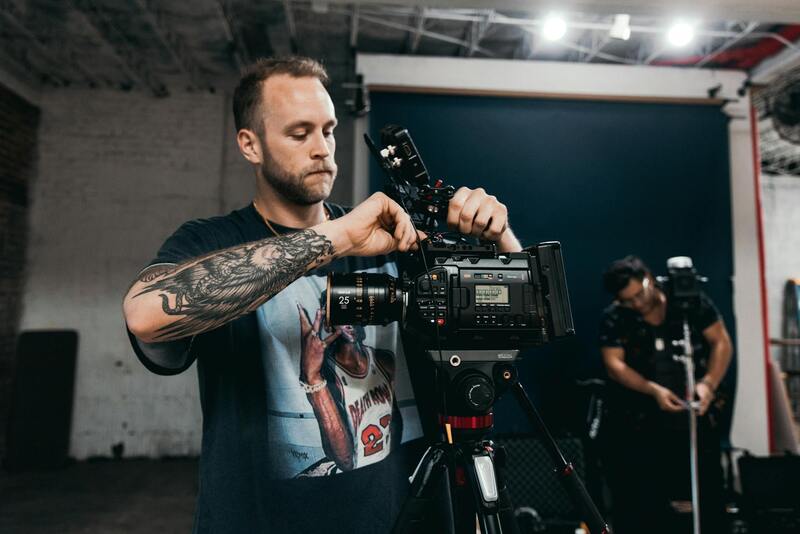
Producing high-quality videos in marine environments necessitates a range of specialized equipment designed to withstand the harsh conditions encountered at sea. These include waterproof housings for cameras and stabilizers, rugged drones capable of long-flight times over water, and underwater camera systems with lighting. Stabilization rigs and gimbals are crucial for capturing steady footage amid the natural motion of boats or unstable waters.
In addition to hardware, advanced monitoring and communication systems enable remote control and monitoring of filming equipment, ensuring optimal positioning and data collection. The use of such specialized gear minimizes the impact of environmental factors like saltwater corrosion, high winds, and variable lighting, ultimately delivering sharp, impactful visual content tailored to the unique demands of marine filming environments.
Planning and Pre-Production for Marine Video Projects
Pre-production phase involves meticulous planning to address logistical, safety, and creative considerations. It begins with detailed site surveys to assess environmental conditions, access points, and potential hazards. This information informs shot lists, equipment needs, and scheduling. Permits and permissions are secured through appropriate authorities, ensuring compliance with guidelines governing filming in marine zones.
Developing a detailed storyboard and shot plan helps streamline the production process, minimizing delays and maximizing efficiency. It is essential to coordinate with vessel crews, port authorities, and safety personnel to ensure smooth operations during shoot days. Weather forecasts and tidal schedules are carefully monitored to optimize lighting conditions and scene accessibility. Additionally, contingency plans are established for adverse weather or technical issues, ensuring the project remains on track.
Production Techniques in Marine Video Shooting
Filming at sea requires techniques adapted to moving platforms and unpredictable conditions. Stabilization rigs and gimbals are employed to maintain steady shots, while high-durability cameras record in demanding environments. Aerial footage captured through drones adds expansive perspectives, but requires careful handling to avoid interference with nearby structures or vessels.
Underwater filming involves deploying remotely operated vehicles (ROVs) or underwater cameras with integrated lighting systems to explore subaqueous scenes. Panoramic shots, close-ups of marine flora and fauna, and operational views of submerged equipment demand precise focus and stable platform control. Lighting is critical underwater, where natural light diminishes rapidly with depth, necessitating artificial illumination to illuminate marine life or underwater infrastructure convincingly.
Post-Production for Marine Videos
Post-production is crucial for polishing raw marine footage into compelling visual narratives. It encompasses color grading to correct underwater color shifts and enhance vibrancy, audio synchronization, and the integration of graphical elements such as titles, captions, and safety annotations. The editing process involves assembling scenes in a logical sequence that aligns with the project’s objectives, whether for marketing, training, or storytelling.
Specialized software enables precise editing of underwater scenes, correcting distortions or artifacts caused by water refraction and movement. Integration of animated overlays can illustrate complex technical data or safety procedures. The final output is optimized for various platforms, whether for digital distribution, broadcast, or onsite presentations, ensuring professional quality and visual consistency.
Legal and Safety Considerations
Adherence to established safety practices is paramount during marine filming projects. This includes comprehensive risk assessments, safety briefings for crew and talent, and the use of personal protective equipment. Operational plans prioritize the safety of personnel, vessels, and equipment, with contingency procedures for emergencies such as equipment failure or adverse weather events.
Regulations governing maritime activities and environmental protection influence many aspects of production planning. Ensuring compatibility with local policies helps streamline permits and access to filming locations. Compliance with navigational rules and respect for maritime zones promotes safe and environmentally responsible filming practices.
Benefits of Hiring a Miami Marine Video Production Agency
Understanding Marine Video Production
Marine video production encompasses a comprehensive array of techniques and methods tailored specifically for capturing dynamic and often challenging maritime environments. Success in this field hinges on a thorough understanding of the unique factors influencing underwater and open-water filming. These include water currents, varying lighting conditions, the movement of vessels, and the need for specialized equipment capable of withstanding harsh marine conditions. Proper planning and execution ensure that all footage meets high standards of visual clarity, safety, and operational efficiency.
Essential Elements of Marine Filming
- On-location assessments to determine optimal shooting conditions and accessibility.
- Use of durable, waterproof equipment designed to operate reliably in submerged or wet environments.
- Deployment of stabilization systems to counteract the movement of the vessel and water currents.
- Implementation of safety protocols for crew, talent, and equipment during dynamic marine shoot operations.
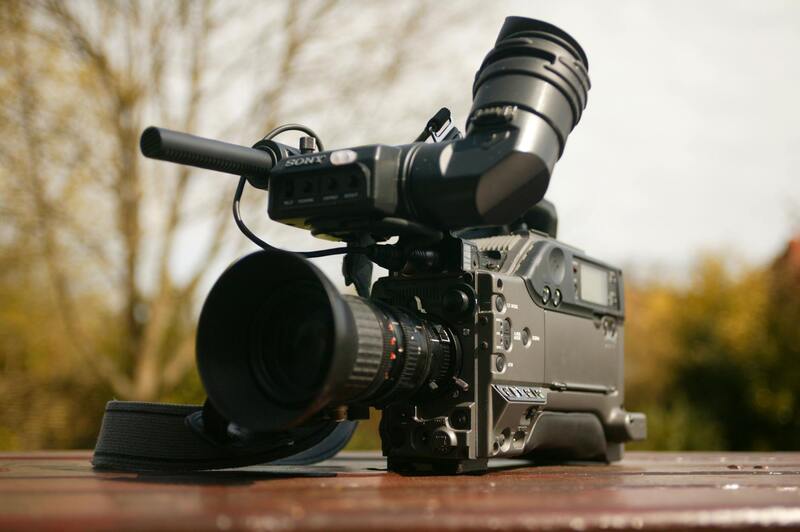
Adapting filming techniques to the marine environment involves meticulous logistical planning, including securing necessary permits, understanding maritime laws, and coordinating with local authorities. Such preparatory steps mitigate disruptions and ensure compliance with maritime protocols. The integration of advanced underwater housing for cameras and the use of remotely operated vehicles (ROVs) further expand the possibilities for capturing compelling marine footage, offering perspectives that would be otherwise inaccessible.
Key Considerations for Effective Marine Content
To produce impactful marine videos, filmmakers must consider several critical factors:
- Weather and Sea Conditions: Monitoring weather forecasts and sea states helps determine the safest and most visually appealing times for filming.
- Lighting: Underwater conditions demand specialized lighting solutions to compensate for water absorption and distortion, ensuring clarity and color accuracy.
- Equipment Protection: Deploying robust waterproof housings and protective gear for cameras and accessories minimizes damage and ensures continuous operation.
- Operational Planning: Detailed timelines and contingency plans account for potential delays caused by weather or equipment issues, maintaining workflow efficiency.
Technological Innovations in Marine Video Production
Emerging technologies continue to push the boundaries of marine video production. High-resolution 4K and even 8K cameras offer stunning visual detail, while advancements in stabilization and motion tracking produce smooth footage even amidst turbulent waters. Drones equipped with waterproof capabilities allow for aerial perspectives, capturing expansive views of the maritime environment without disturbing wildlife or vessel operations. Additionally, real-time monitoring and remote control via sophisticated software enable operators to execute precise shots while maintaining safety and efficiency in dynamic marine settings.
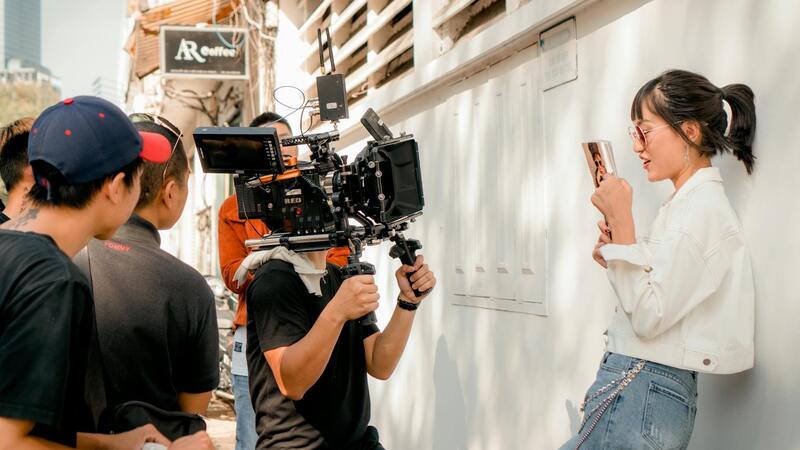
Overall, effective marine video production demands a strategic approach, integrating specialized technologies and methodologies tailored to the complexities of aquatic environments. When properly executed, it results in captivating visual stories that resonate with audiences and serve diverse purposes, from promotional campaigns to scientific documentation and educational initiatives.
Advanced Techniques for Marine Video Shooting
Capturing compelling marine video content requires a mastery of various production techniques tailored to the marine environment's unique challenges. Precision in camera operation, stability, and lighting is essential to produce footage that is both visually stunning and technically sound. Utilizing specialized stabilization rigs helps eliminate camera shake caused by turbulent waters, resulting in smooth and professional-looking visuals. Operators often employ gimbals and drone stabilization systems to achieve steady shots from both on-board and aerial perspectives.
Lighting in marine settings presents distinct difficulties due to issues such as water turbidity, surface glare, and varying natural light conditions. Filmmakers rely on high-quality, waterproof lighting equipment and optical filters to enhance clarity and color accuracy. The strategic use of reflectors and diffusers can improve illumination while reducing reflections and glare that obscure key subjects or scenes.
Moreover, the deployment of remote-controlled underwater cameras enables footage from depths otherwise inaccessible to divers or traditional camera operators. These cameras are typically equipped with high-definition sensors, adjustable focus, and waterproof housings capable of withstanding high pressure levels. When synchronized with surface-controlled systems, they provide seamless integration between underwater and above-water shots, creating a comprehensive visual narrative.
In tandem with traditional filming tools, advanced motion tracking technology can be employed to follow swift-moving marine life or dynamic vessel movements. These systems utilize GPS and sensor data to automatically adjust camera positioning, ensuring continuous focus and framing during complex shots. This precision facilitates the creation of high-impact visuals suited for documentaries, promotional campaigns, or scientific studies.
Post-Production Processes Enhancing Marine Footage
Post-production plays a critical role in transforming raw marine footage into polished, engaging visual content. Color grading techniques are applied to correct color shifts caused by water filtration, achieving natural and vibrant hues. Special effects and compositing are often integrated to enhance underwater scenes, such as adding clarity to murky water or highlighting marine species in their natural habitat.
Sound design is equally vital, with audio mixing bringing ambient sounds, vessel noises, and narration together to enrich the viewer’s experience. Stabilization software helps correct minor jitters, while noise reduction tools eliminate extraneous background sounds. When appropriate, slow-motion sequences can accentuate the beauty and detail of marine life movements, creating dramatic and memorable visuals.

Advanced editing software solutions enable the seamless integration of multiple footage sources, allowing editors to craft cohesive narratives that emphasize the ecological importance of marine environments or showcase maritime innovations. Efficient editing workflows ensure timely project delivery while maintaining high standards of quality.
Safety Protocols During Marine Video Production
Safety remains paramount throughout marine video projects. Crew members must be equipped with appropriate safety gear, including life jackets, harnesses, and communication devices. Regular safety briefings and adherence to established protocols help prevent accidents in turbulent waters or challenging conditions. Additionally, contingency plans and emergency response strategies are prepared to address unforeseen circumstances, such as severe weather, equipment failures, or personnel injuries.
Site assessments and environmental considerations are conducted beforehand to minimize disturbance to marine ecosystems and comply with maritime regulations. Maintaining clear communication among team members ensures rapid response to any safety concern, safeguarding both personnel and equipment while optimizing production efficiency.
Production Techniques in Marine Video Shooting
Capturing high-quality footage in marine environments requires specialized techniques tailored to the unique challenges posed by water, fluctuating light, and movement. Stability is crucial; therefore, utilizing equipment such as stabilization rigs, gimbals, and underwater mounts helps achieve smooth footage even amidst turbulent conditions. During filming, operators must maintain a steady hand and precise control over camera movements to prevent blurriness caused by water currents and boat motion.
Lighting conditions in marine settings can vary dramatically. Natural light filtering through water diminishes rapidly with depth, necessitating the use of underwater lights, strobes, or LED panels to illuminate subjects effectively. Proper lighting not only enhances color vibrancy but also minimizes motion blur and enhances detail, especially for underwater biota and intricate maritime operations.
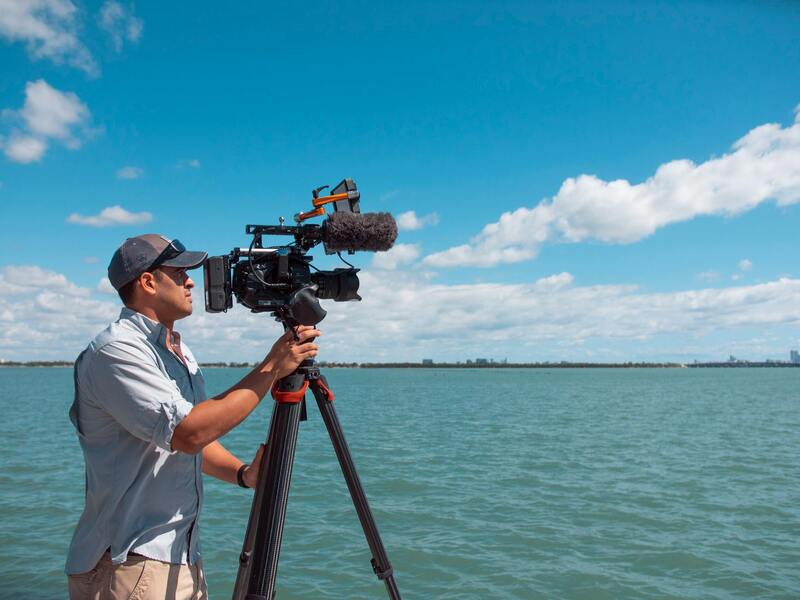
Sound recording in marine environments presents distinct challenges due to the high ambient noise levels from water movement, boat engines, and marine life. High-quality waterproof microphones and acoustic filters are essential for capturing clear audio. Positioning microphones strategically—close to the sound source and away from noise sources—can significantly improve audio clarity. Additionally, employing windshields and shock mounts reduces unwanted noise interference, resulting in more professional soundtracks.
When conducting overhead or surface shots, maintaining appropriate distances and angles ensures subject safety and minimizes disturbances to marine life. Operators should also plan shot sequences considering current, wave height, and weather conditions to optimize safety and footage quality. Properly managing these technical elements enhances the storytelling potential of marine video projects and produces visually compelling, immersive content.
Post-Production for Marine Videos
Post-production stands as a critical phase in marine video production, transforming raw footage into polished, compelling visual narratives. Given the unique challenges posed by marine environments—such as varying light conditions, water distortion, and complex soundscapes—dedicated editing techniques are essential to achieve clarity and visual coherence.
Initial editing involves reviewing all footage to select the most striking and relevant shots. Editors often utilize specialized software that supports high-resolution video formats and offers robust stabilization tools, which are vital for minimizing the effects of boat motion or water turbulence. Advanced color grading techniques are employed to correct color imbalances caused by water absorption, enhancing the vibrancy and authenticity of underwater scenes and surface shots alike.
Color correction and grading not only improve aesthetic appeal but also help in establishing a consistent mood throughout the video. For marine footage, this may involve emphasizing the blue and green hues of underwater environments or enhancing the contrast between the sea surface and marine life. Additionally, sound design plays a significant role. High-quality audio tracks are refined by removing background noise, reducing reverberations, and integrating voiceovers or sound effects that complement the visual story.
Incorporating visual effects can also elevate marine videos. Techniques such as digital stabilization, overlays, and animations are used to clarify complex maritime operations or highlight specific features within the footage. These enhancements facilitate better audience understanding and engagement.
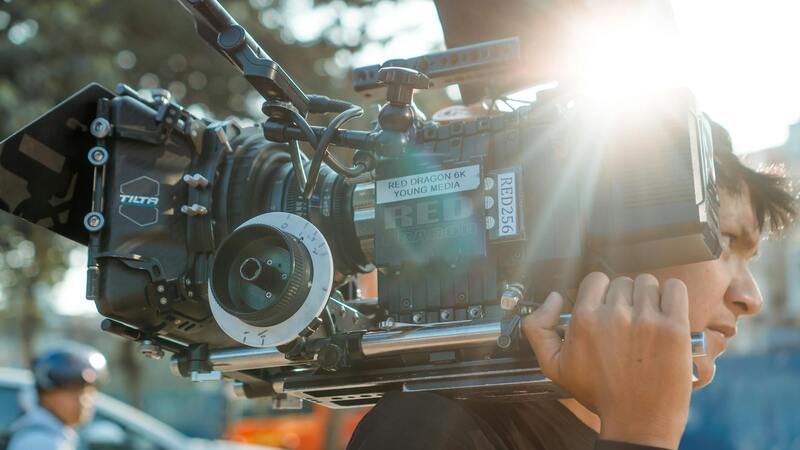
For projects involving underwater filming, post-production might also include removing particulate matter or water distortions that interfere with clarity. The integration of multiple footage sources—such as aerial shots, underwater sequences, and surface footage—requires meticulous synchronization and blending to create seamless transitions and immersive narratives.
Finally, export settings are carefully chosen to ensure that the final product maintains high quality across various platforms, including social media, broadcast, or client presentations. Proper file management and archiving practices are also crucial for future revisions or reuse of marine video assets.
Advanced Stabilization and Motion Techniques
Marine environments present unique challenges for video stability due to the constant movement of water, waves, and wind. To deliver smooth, professional footage, advanced stabilization methods are utilized. These include gimbal stabilizers specifically designed for marine use, which help counteract boat or vessel motion, resulting in steady shots even amidst turbulent waters. Additionally, drone stabilization platforms equipped with water-resistant features expand the possibilities for aerial shots, capturing panoramic views of ports, coastlines, and ships.
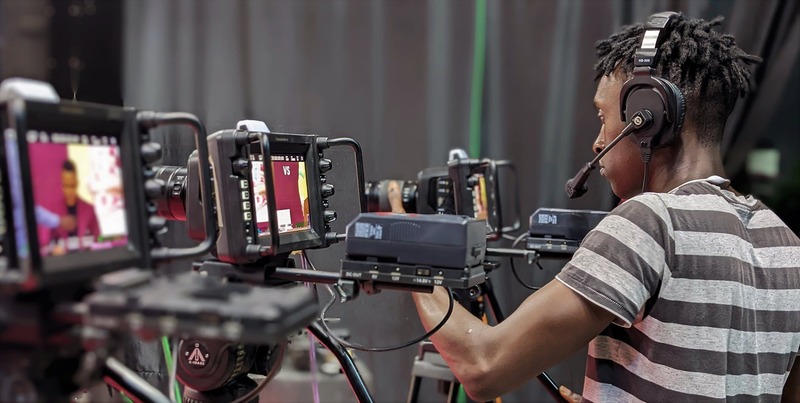
Motion techniques such as slow-motion, time-lapse, and hyper-lapse are also incorporated to add dramatic effects or to illustrate vast maritime landscapes. Slow-motion, in particular, highlights surface details of waves, marine life movements, or dynamic ship activities, enhancing the visual appeal and storytelling depth of the project.
Effective Lighting Strategies in Marine Filming
Lighting plays a pivotal role in marine video production, especially when capturing underwater scenes or shooting in varying natural light conditions. Underwater lighting setups involve waterproof LED lights and torches, which are essential to illuminate subjects, reduce shadows, and bring out vibrant colors lost in deeper water layers. These lights are often synchronized with camera settings to achieve optimal exposure and color balance.
For surface shots or aerial footage, planning the shoot around specific times of day—such as golden hour—is crucial. Natural light during sunrise and sunset creates warm tones, reduces harsh shadows, and produces visually compelling images. Reflectors and diffusers are also used on boats to bounce light onto subjects and minimize glare or reflections from water surfaces.
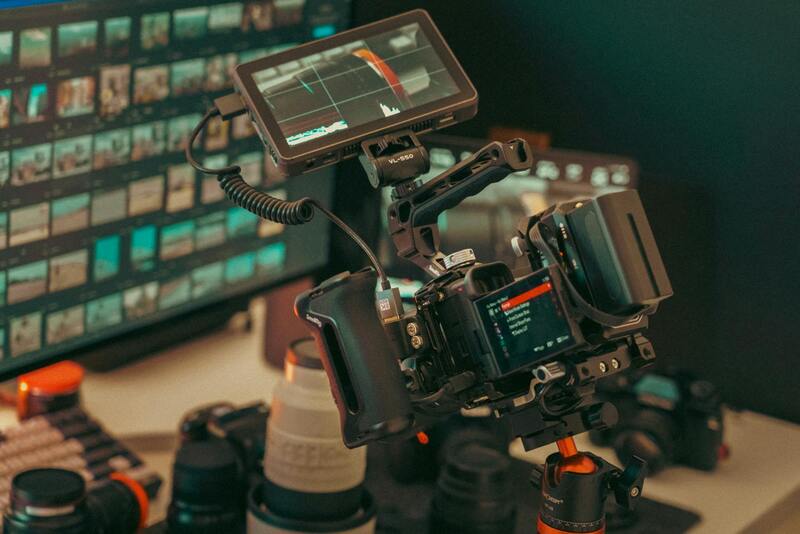
Utilizing Multi-Angle and Multi-Source Filming
Achieving a comprehensive view of marine environments often involves capturing footage from multiple angles and sources. Combining aerial drone footage, on-water camera rigs, and underwater cameras allows for diverse perspectives that enrich the storytelling. Careful planning is required to synchronize these sources, ensuring seamless transitions and a cohesive visual narrative.
This approach not only highlights different aspects of marine activities—such as navigation, wildlife, or infrastructure—but also provides viewers with an immersive experience. For instance, an underwater shot of marine life can be complemented by an overhead view of a boat, giving context to the scene and heightening viewer engagement.
Environmental Preservation and Ethical Filming Practices
While capturing marine video content, adherence to environmentally responsible practices is essential. This involves avoiding disturbance to marine ecosystems, such as seagrass beds, coral reefs, and nesting sites. Using non-intrusive equipment, maintaining safe distances from wildlife, and minimizing noise pollution are crucial steps. Additionally, pre-shoot assessments and permissions from relevant authorities ensure that filming activities align with environmental guidelines and cultural sensitivities.
Commissioning experienced marine videographers who understand these ethical considerations helps in creating visually stunning content while preserving the vitality of aquatic habitats. Respectful filming not only safeguards natural environments but also enhances the credibility and reputation of the production team.
Legal and Safety Considerations in Marine Video Production
Executing marine video projects involves adherence to established safety protocols and proper authorization procedures. Safety measures include comprehensive risk assessments tailored to the specific environment and conditions of the filming location. This encompasses checking weather patterns, water currents, and potential hazards such as marine traffic or submerged obstacles. Ensuring that all crew members are trained in water safety, lifesaving procedures, and emergency response protocols is critical for safeguarding personnel and equipment throughout the shoot.
Moreover, obtaining the necessary permits or permissions for filming in designated maritime zones is an essential step. This process typically involves coordinating with maritime authorities, port authorities, and relevant governmental agencies to secure clearances that ensure legal compliance. Permits may outline restrictions on the use of certain equipment, designated areas for filming, and schedules that minimize disruption to maritime activities or protected wildlife habitats.
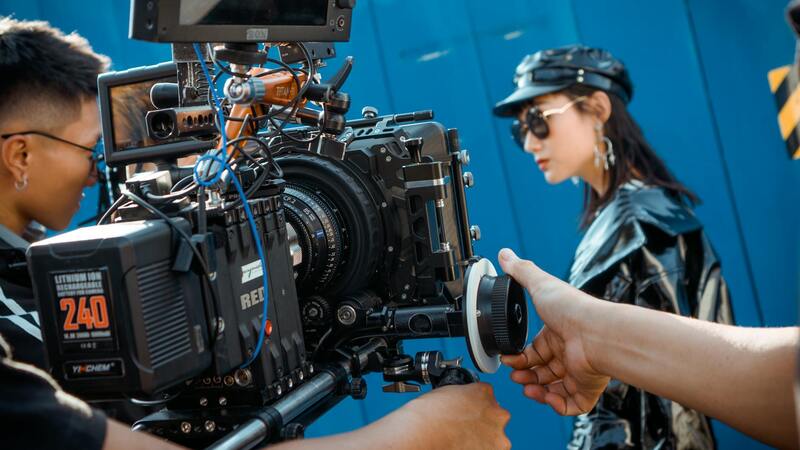
In addition to safety and permits, adherence to environmental guidelines is crucial for sustainable filming. This includes using eco-friendly equipment, avoiding sensitive habitats, and minimizing noise pollution. Crew members should be educated on best practices to prevent disturbance to marine life, such as maintaining safe distances from wildlife and using quiet, environmentally conscious filming devices.
Implementing thorough safety protocols, obtaining required permissions, and respecting environmental boundaries not only protect personnel and ecosystems but also contribute to the overall quality and credibility of the production. These practices demonstrate a commitment to responsible filmmaking and help establish trust with stakeholders, local authorities, and the wider community.