
Role and Importance of a Yacht Photographer
A yacht photographer plays a pivotal role in capturing the essence of luxury maritime vessels and the exclusive lifestyle associated with them. Their responsibilities extend beyond simply taking photographs; they craft visual narratives that highlight the grandeur, intricate details, and unique features of each yacht. This is especially critical in a competitive market like Miami, where the luxury yachting industry thrives and high-quality imagery directly influences sales, marketing efforts, and reputation.
Professionally executed yacht photography serves multiple purposes. It enhances marketing campaigns by providing compelling images for brochures, online listings, and social media platforms. Additionally, these visuals aid yacht owners and brokers in showcasing vessel features, interior design, and exterior elegance to prospective clients worldwide. A proficient yacht photographer also captures the vibrant moments of yachting events, tournaments, and lifestyle shots that appeal to a luxury clientele.
Given Miami’s prominence as a hotspot for yachting activities, the role of a yacht photographer is underscored by high clientele expectations and the necessity for precision. Their work contributes to the yacht’s branding, making it stand out in a saturated market. They must adeptly handle the challenges posed by marine environments, such as reflections, glare, and changing light conditions, to produce images that truly accentuate the vessel’s premium quality.
The significance of a yacht photographer in the marine industry extends to collaborative efforts with yacht builders, brokers, and owners, ensuring the vessel is represented in the most captivating manner. Their expertise bridges the gap between the technical aspects of photography and the artistic vision required to evoke emotion and allure in viewers. Overall, a yacht photographer’s role is integral to maintaining the high standards of visual excellence necessary to succeed in Miami’s luxury yachting scene.
Essential Techniques and Equipment for Exceptional Yacht Photography
Achieving breathtaking images of luxury yachts requires a mastery of specialized techniques coupled with the right equipment. Photographers focusing on marine vessels must navigate a unique set of challenges including unpredictable lighting conditions, reflections from water and glass surfaces, and the often dynamic marine environment. Adopting advanced techniques allows yacht photographers to produce visually stunning images that highlight the vessel’s grandeur and intricate details.
One fundamental approach is the use of polarizing filters, which significantly reduce glare and reflections off water surfaces, glass windows, and shiny hulls. This technique enhances color saturation and contrast, ensuring key features of the yacht are vividly presented. Additionally, neutral density filters can be employed during bright daylight conditions to control exposure, allowing photographers to capture long exposure shots that emphasize motion or create smooth water effects, adding a sense of elegance and tranquility to the images.
Correct aperture settings are vital for depth of field control, ensuring both interior spaces and exterior views are sharply rendered. A narrow aperture (high f-stop number) is often preferred to keep the entire vessel in focus, emphasizing the yacht's design and craftsmanship. Conversely, a wider aperture (low f-stop number) can be used effectively to create a shallow depth of field, drawing attention to specific features or details such as polished wood, luxurious textiles, and intricate fixtures.
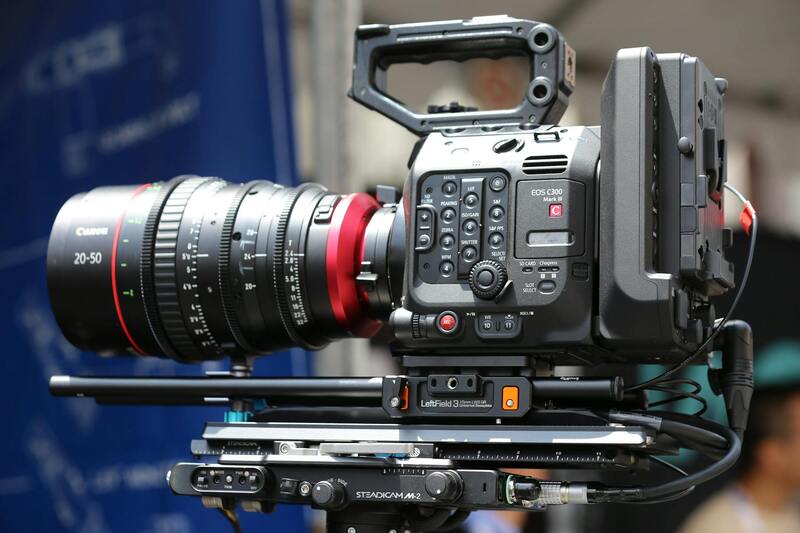
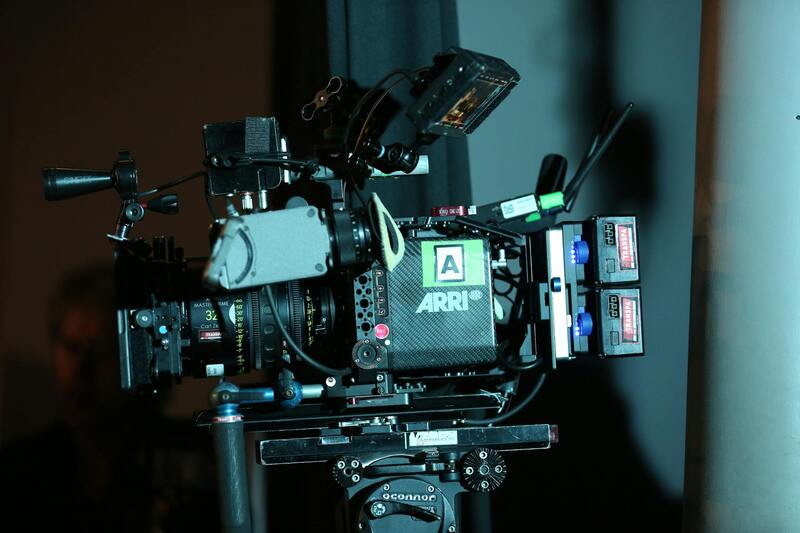
Furthermore, the use of stabilization equipment, such as gimbals and steadicams, enables smooth shots even in the presence of movement caused by water or yacht sway. High-resolution DSLR or mirrorless cameras paired with wide-angle and telephoto lenses are essential for capturing both sweeping vistas and detailed close-ups. Tripods with waterproof or marine-grade coatings can enhance the stability of stationary shots, especially during sunrise or sunset shoots when natural light is most favorable.
Lighting plays a pivotal role in yacht photography. Natural light is often preferred for its soft, flattering qualities, but strategic use of reflectors and diffusers can help control shadows and highlight specific features. During overcast days or low-light conditions, portable LED panels or portable flash units with diffusers provide controlled illumination, ensuring interior shots reveal every detail without harsh shadows.
Post-processing techniques are equally important in refining images to truly represent the yacht’s luxury appeal. Skilled photographers utilize software to adjust color balance, enhance contrast, and correct distortions caused by lens wide-angle effects. High dynamic range (HDR) imaging can consolidate multiple exposures to preserve detail in both shadows and highlights, especially in scenes with complex lighting. Precision editing ensures images are polished yet authentic, portraying the vessel in the most compelling manner.
Ultimately, a successful yacht photographer combines technical expertise, specialized equipment, and artistic vision to produce imagery that captures the essence of luxury and craftsmanship inherent in marine vessels, especially within a vibrant yachting hub like Miami.
Locations and Best Practices in Miami
Miami stands as one of the most dynamic regions for yacht photography, owing to its vibrant marina communities, luxurious yacht charters, and picturesque waterfront scenery. For a yacht photographer aiming to capture the essence of this thriving yachting environment, understanding the unique characteristics of Miami’s locales is essential. Key areas such as Miami Beach Marina, Biscayne Bay, and the Coconut Grove mooring area offer diverse backdrops, each demanding tailored photographic strategies.
When operating within these locations, it is vital to consider the lighting conditions at different times of day. Early mornings and late afternoons provide softer, warmer natural light that accentuates the yacht’s details and the water's reflective qualities. Overcast days can also be advantageous, reducing harsh shadows and creating a more even light environment for both exterior and interior shots.
Access permissions and local regulations often govern drone operations and photography in certain areas, top among them being private marinas and restricted zones. Collaborating with marina management and yacht owners well before the scheduled shoot ensures a smooth process, complies with any local policies, and enhances the professionalism of the service.
Weather patterns in Miami also influence the planning of photo shoots. Humidity, sudden tropical showers, and strong coastal winds can affect image quality and equipment safety. Preparedness involves using weather-resistant gear, scouting locations in advance, and having contingency plans to reschedule if conditions deteriorate.
Beyond technical considerations, grasping the local yachting culture and the specific features that appeal to high-net-worth clients can significantly elevate the quality of the imagery. Highlighting sleek designs, luxurious interiors, and unique vessel features resonates more effectively with prospective buyers, brokers, or marketing campaigns.
Role and Importance of a Yacht Photographer
A yacht photographer plays a critical role in capturing the essence of luxury vessels and translating that into compelling visuals that appeal to discerning clients. Their expertise extends beyond simple framing; they understand the nuances of lighting, angles, and composition that emphasize a yacht's design, features, and ambiance. High-quality imagery not only elevates a yacht's market appeal but also supports branding efforts, whether for sales, marketing, or private events. A skilled photographer ensures that every shot communicates the vessel's unique personality and craftsmanship, making a lasting impression on viewers. Their work involves meticulous planning, including scouting locations, understanding yacht specifications, and coordinating with owners and crew to achieve optimal results. This level of professionalism and attention to detail directly influences the vessel's perceived value and desirability.
Key Skills and Equipment for Yacht Photography
Exceptional yacht photographers bring a diverse set of skills along with specialized equipment to produce stunning imagery. Technical proficiency in camera operation, lighting, and post-editing ensures that images highlight the yacht’s most appealing features. Advanced knowledge of lenses, filters, and stabilization tools allows photographers to capture sharp, vibrant shots, whether on deck, in the interior, or through drone photography from above. Professional-grade cameras with high-resolution sensors enable detailed close-ups and wide-angle shots that encompass the vessel’s full splendor. Additionally, meticulous attention to weather conditions, lighting angles, and time of day is necessary to optimize each shot. Post-processing expertise enhances images further, adjusting colors, correcting distortions, and adding finishing touches that elevate visual impact.
Types of Yacht Photography Services Offered
The services provided by professional yacht photographers are tailored to meet diverse marketing and personal needs. These include:
- Exterior Photography: Showcasing the yacht’s hull, deck layout, and detailing, often utilizing wide-angle lenses and drone shots to capture the vessel in its environment.
- Interior Photography: Highlighting luxurious interiors, furnishings, and amenities, often requiring staged shoots to ensure the yacht appears inviting and refined.
- Aerial and Drone Photography: Offering breathtaking perspectives from above, demonstrating the yacht’s size and how it fits into Miami’s scenic waterway backdrop.
- 360-Degree Virtual Tours: Providing immersive experiences that enable clients to explore the yacht remotely, useful for sales and marketing campaigns.
- Event and Lifestyle Photography: Capturing onboard events or lifestyle moments that convey the vessel's versatility and appeal to prospective buyers or charter clients.
Role and Importance of a Yacht Photographer
A professional yacht photographer plays an essential role in capturing the grandeur, elegance, and unique features of luxury vessels. Their work extends beyond mere documentation; it is about creating visually compelling narratives that highlight the yacht’s design, craftsmanship, and lifestyle appeal. High-quality images serve as powerful marketing tools, helping yacht owners, brokers, and charter companies attract prospective clients through captivating visual presentations.
In the competitive realm of yacht sales and charters, the importance of a seasoned photographer becomes evident. They possess an understanding of how to leverage natural lighting, composition, and perspective to showcase the vessel's best attributes. Their expertise ensures that each shot accentuates the yacht’s luxurious finishes, spacious interiors, and sleek exteriors, which are crucial factors influencing a potential buyer’s decision. Moreover, they are skilled in working with various angles and techniques that highlight the vessel’s fluid lines and functionality, all while contextualizing it within scenic Miami waters or other picturesque locations.
Beyond marketing, an accomplished yacht photographer provides valuable content to owners and industry stakeholders for branding, promotional campaigns, and portfolio development. Their eye for detail and technical proficiency ensures consistency and high standards across all images. As such, their work directly influences perceptions and enhances the vessel's visual appeal, making them indispensable in the yacht sales and charter industry.
Key Skills and Equipment for Yacht Photography
Effective yacht photography demands a combination of technical skill and artistic vision. A proficient yacht photographer must possess a keen understanding of camera settings, lighting, and composition to create images that resonate with sophistication and clarity. Mastery over various shooting techniques, including HDR imaging, focus stacking, and time-lapse, provides flexibility and precision in diverse conditions, whether shooting in bright sunlight or during sunset.
Equipment plays a crucial role in capturing high-resolution, visually striking images. The core gear includes robust DSLR or mirrorless cameras equipped with wide-angle and telephoto lenses to encompass the vastness of the yacht and its details. Drone cameras are increasingly integral, offering aerial perspectives that showcase the vessel's size and the surrounding environment. Gimbals and stabilization equipment are vital for ensuring smooth footage, especially when capturing dynamic shots or video tours.
Post-processing tools such as Adobe Photoshop and Lightroom are essential for refining images—color correction, distortion removal, and sharpening help produce final images that meet professional standards. Photographers also use specialized software to create virtual tours or 3D representations, enhancing the interactive experience for clients.
Locations and Best Practices in Miami
Miami’s vibrant waterfront, iconic skyline, and crystalline waters make it an ideal location for yacht photography. When planning shoots in this bustling maritime hub, four key considerations enhance the quality and impact of images:
- Timing: Golden hours during early mornings and late afternoons provide warm, diffuse light that enhances colors and adds depth to images.
- Weather Conditions: Clear days with minimal wind are optimal for exterior shots, especially when utilizing drones for aerial views. li> Location Selection: Popular spots such as Miami Marina, Coconut Grove, and the Miami River offer picturesque backdrops that complement the vessel’s aesthetics.
- Environmental Control: Coordinating with yacht crews to manage reflections, interior lighting, and staging ensures refined images that highlight the yacht’s elegance.
Adhering to best practices, such as obtaining necessary permits for drone use and respecting maritime regulations, ensures safety and compliance throughout the shoot. Emphasizing natural settings while maximizing lighting angles allows photographers to portray the yacht in its best light, capturing both its grandeur and its connection to the vibrant Miami scene.
Role and Importance of a Yacht Photographer
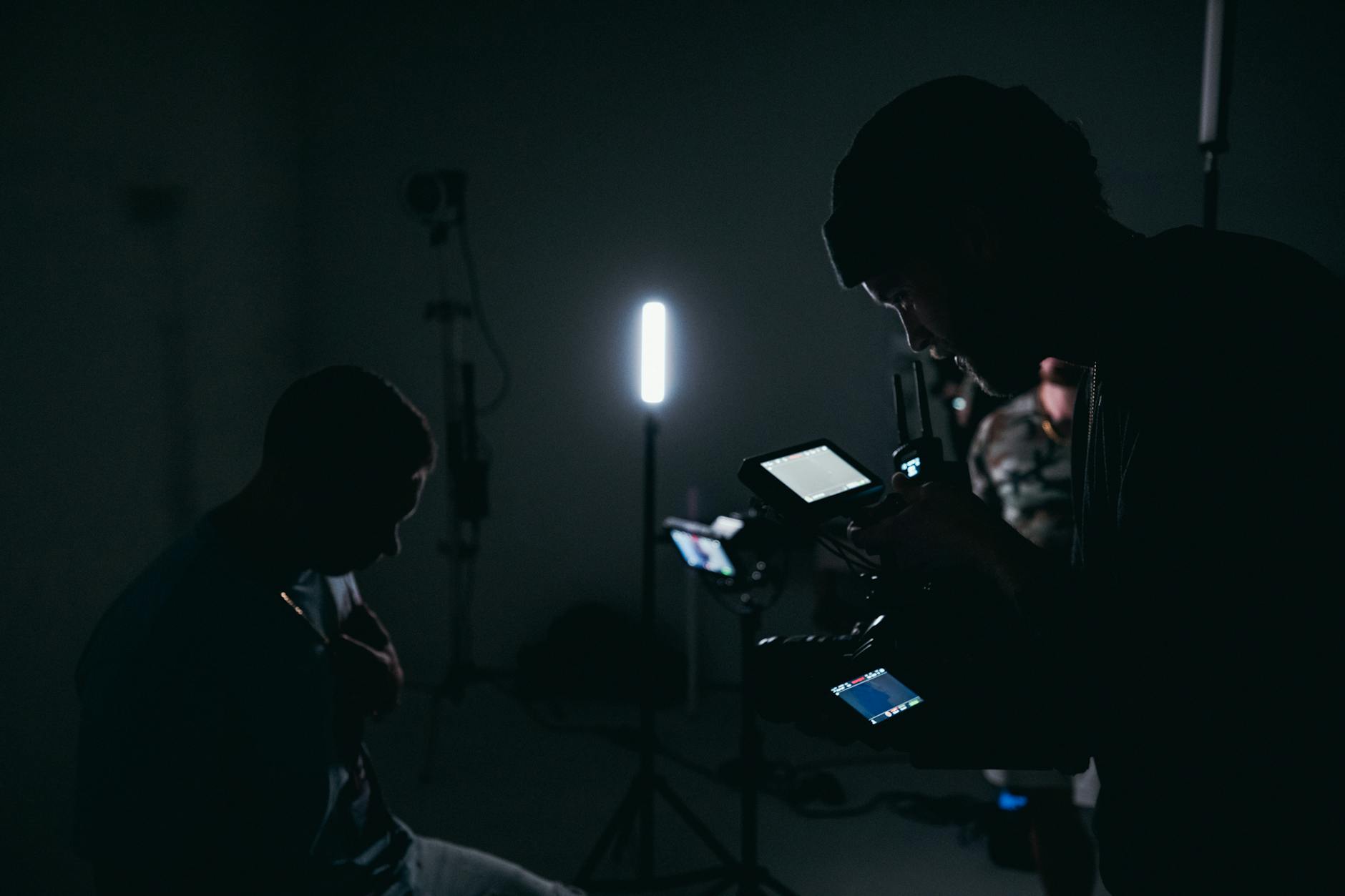
A yacht photographer serves as the visual storyteller for luxury vessels, capturing their elegance, design, and the lifestyle they embody. These images are crucial for yacht owners, brokers, and industry professionals who rely on captivating visuals to attract potential buyers, showcase vessels in marketing campaigns, or enhance their branding materials. The quality of these photos can significantly influence a client's perception, making the skill and experience of the photographer paramount. Through meticulous attention to lighting, composition, and the environment, yacht photographers bring out the vessel’s distinctive features and highlight its grandeur. From the sleek lines of the hull to the luxurious interiors, each shot aims to encapsulate the yacht’s unique appeal. Additionally, their expertise extends to capturing the ambiance of the surroundings—whether it's Miami's vibrant waterfront or a tranquil sunset—creating immersive visual narratives that resonate with prospective clients. In high-stakes markets where aesthetic appeal directly correlates with sales success, a professional yacht photographer’s role is both strategic and essential. Their ability to produce images that evoke emotion and aspiration positions the vessel favorably in a competitive landscape, ultimately driving interest and increasing value.
Key Skills and Equipment for Yacht Photography
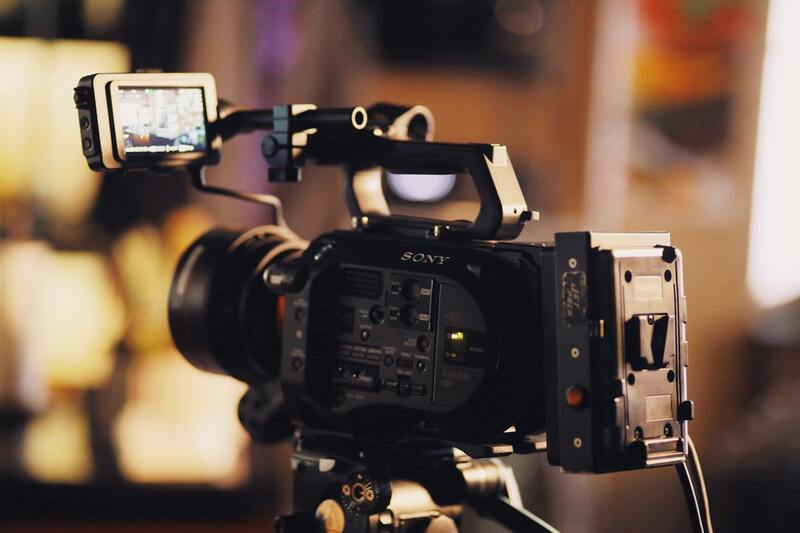
Successful yacht photography hinges on a blend of technical expertise and the right equipment. Professionals must possess a deep understanding of lighting dynamics, composition principles, and post-processing techniques to deliver images that meet high-quality standards. Essential skills include an eye for detail, patience in managing environmental variables, and the ability to adapt quickly to changing conditions—especially in outdoor settings. A keen sense of aesthetics enables the photographer to create balanced, striking images that accentuate the yacht’s design and its surroundings. Regarding equipment, a high-resolution digital camera with full-frame capabilities provides the clarity necessary for large-format prints and detailed online presentations. Wide-angle lenses are indispensable for capturing expansive views of the yacht and scenic backdrops, while telephoto lenses allow for close-up details without physical proximity. Drones have become increasingly vital for aerial shots, offering dramatic perspectives that emphasize the vessel’s size and elegance within the landscape. Stabilization equipment such as gimbals helps maintain sharpness during drone flights or handheld shots in dynamic conditions. Lighting gear, including portable strobes and reflectors, assists in balancing interior and exterior shots, especially when natural light is insufficient. Finally, advanced editing software ensures post-production enhancements that refine color accuracy, correct distortions, and elevate the overall visual impact.
Types of Yacht Photography Services Offered
Yacht photographers provide a diverse range of services to meet the varied needs of clients across the industry. These include:
- Exterior Yacht Photography: Focused on capturing the vessel’s profile, details, and scenic surroundings, often utilizing drone technology for aerial views.
- Interior Yacht Photography: Highlighting luxurious living spaces, amenities, and craftsmanship, often under controlled lighting conditions to minimize reflections and shadows.
- Lifestyle & On-Board Photography: Showcasing the yacht in action, with models or during events, to convey a sense of lifestyle and exclusivity.
- Marketing & Promotional Content: Creating images tailored for brochures, websites, and advertisements, emphasizing appeal and uniqueness.
- Virtual Tours & 3D Visualizations: Developing immersive digital experiences that allow potential buyers or clients to explore the yacht remotely.
Each service is customized to align with the client's objectives, whether for sales, branding, or personal use, ensuring that the photos resonate with the intended audience and marketing goals.
Strategies for Building a Robust Portfolio as a Yacht Photographer
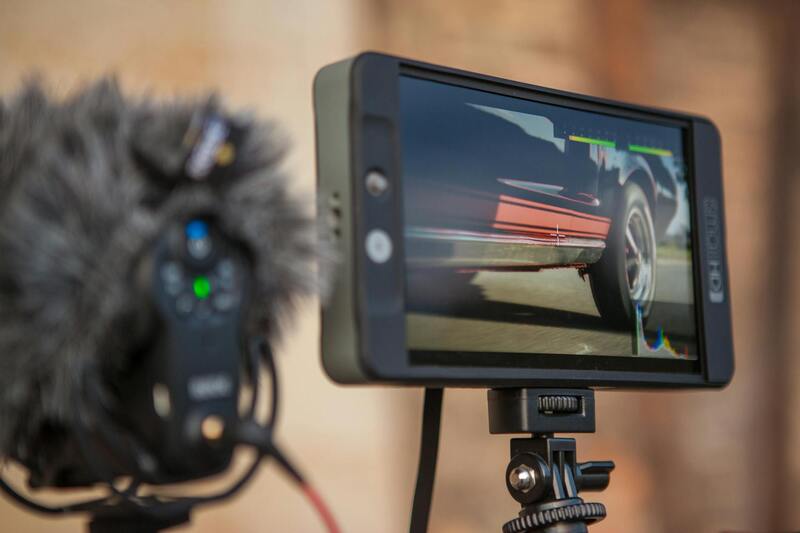
Establishing a compelling portfolio is a foundational step for yacht photographers aiming to attract discerning clients in Miami’s competitive market. A well-curated collection of images demonstrates technical proficiency, artistic vision, and an understanding of the unique aspects of yacht photography. To achieve this, photographers should focus on showcasing a diverse range of work, including exterior shots capturing the vessel's sleek profile against Miami’s scenic backdrops, interior images highlighting luxurious amenities, and dynamic lifestyle photos that convey the exclusivity of yachting experiences. Professional portfolio development involves meticulous attention to lighting, composition, and post-processing to ensure each image meets high standards. Including drone photography to offer aerial perspectives can significantly enhance the portfolio’s appeal, providing clients with a comprehensive view of the yacht’s design and surroundings. Furthermore, aligning the portfolio with the target market—be it luxury yacht owners, brokerage firms, or charter companies—helps position the photographer as an expert in specialized yacht imagery. Consistently updating the portfolio with recent work and seasonal shoots keeps the content fresh and reflective of current trends, reinforcing credibility and attracting new opportunities. Finally, creating a digital portfolio hosted on a professional website or social media platforms simplifies client access and enables direct inquiries. An intuitive interface combined with high-resolution images ensures potential clients can appreciate the quality of work, fostering confidence in your services as a yacht photographer in Miami.
Advanced Techniques and Continuing Education for Yacht Photographers
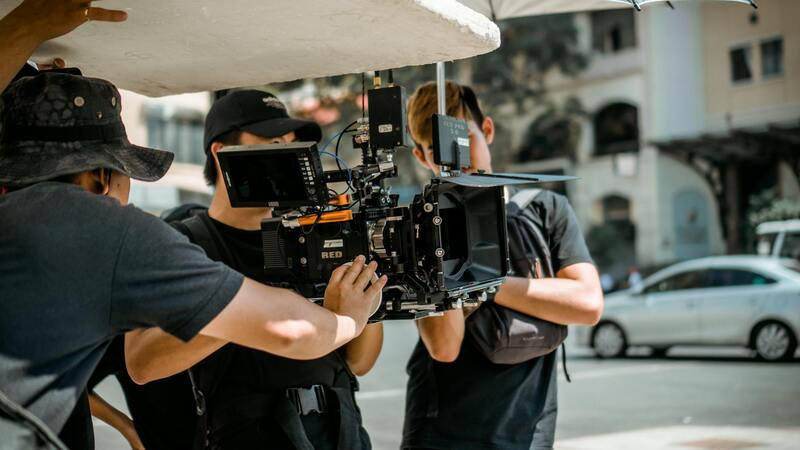
Staying at the forefront of yacht photography requires ongoing skill development and adaptation to emerging technologies. Many professional yacht photographers pursue specialized courses, workshops, and certifications to deepen their understanding of advanced camera techniques, lighting setups, and post-production workflows. Engaging with industry seminars allows photographers to learn about the latest equipment innovations, such as high-resolution drone models and innovative stabilization systems, which can dramatically improve the quality of aerial and dynamic shots.
In addition to technical mastery, understanding the nuances of yacht design, luxury lifestyle aesthetics, and industry trends enhances a photographer’s ability to produce compelling images that resonate with high-end clients. Industry-specific training often covers branding strategies, client communication, and the intricacies involved in capturing the exclusivity and opulence associated with yacht life.
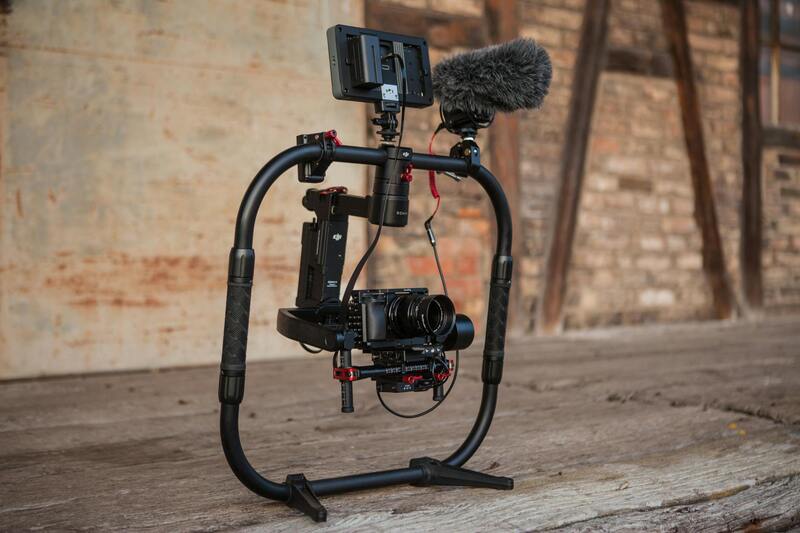
The continuous evolution of photographic equipment and editing software enables yacht photographers to offer increasingly sophisticated visuals. For instance, high dynamic range (HDR) imaging and panoramic stitching techniques help create detailed, immersive panoramas that showcase the yacht’s full grandeur. Moreover, training in drone operation and aerial photography regulations ensures that photographers can safely and effectively incorporate stunning aerial perspectives into their portfolios.
Networking within the luxury yachting community often leads to collaboration opportunities, referrals, and exposure to new market segments. Building affiliations with yacht brokers, charter companies, and interior designers can open doors to repeated projects and larger-scale campaigns. Maintaining an active presence at industry events, boating shows, and luxury lifestyle expos contributes to reputation building and positioning as a leading yacht photographer.
Ultimately, evolving as a yacht photographer involves a blend of technological proficiency, artistic vision, and industry engagement. Continuous learning, coupled with a proactive approach to adopting new methods and tools, allows professionals to deliver images of exceptional quality that meet the expectations of discerning clients and contribute meaningfully to their marketing, branding, and operational objectives.