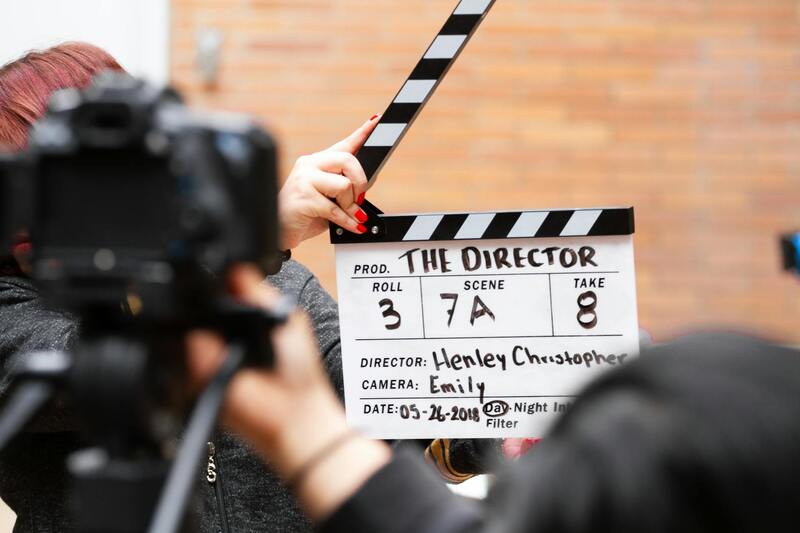
Overview of Photojournalism in Miami
Miami stands out as a vibrant hub for diverse journalistic endeavors, with photojournalism playing a pivotal role in capturing the city’s dynamic culture, ongoing events, and societal shifts. This genre of journalism combines visual storytelling with factual reporting, making pivotal moments accessible to the public through compelling imagery. The unique geographical and cultural landscape of Miami, characterized by its beaches, bustling urban areas, and diverse populations, offers photojournalists a wealth of stories waiting to be told. From the lively festivities of Art Basel to the impactful coverage of local activism, Miami photojournalists are tasked with portraying both the local flavor and the broader issues affecting the community.
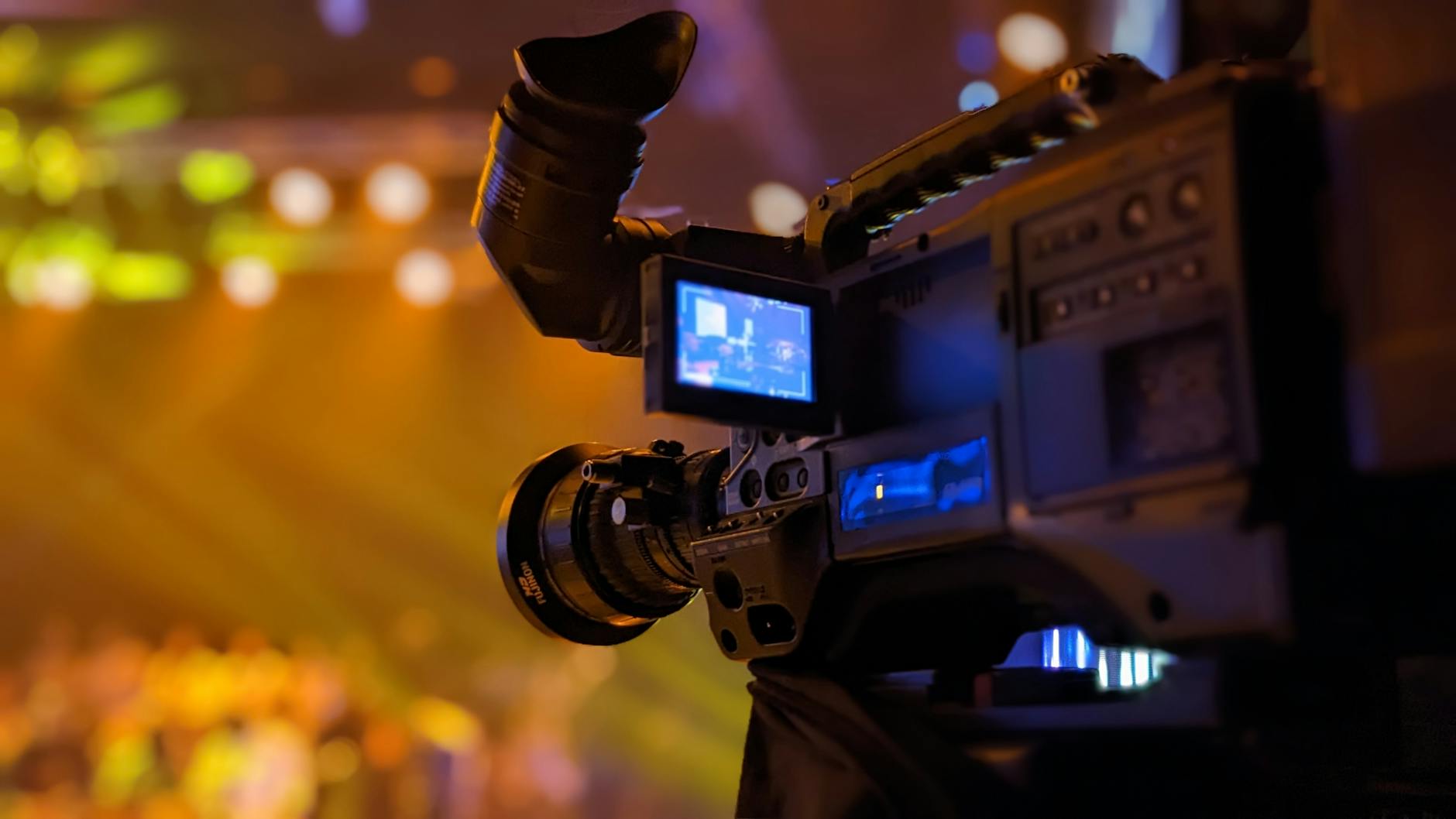
Weather conditions, light variations, and the city’s diverse demographics add layers of complexity to the craft, requiring photojournalists to adapt quickly and think creatively. Covering high-profile sports events, community protests, cultural festivals, or political rallies demands a combination of technical skill, situational awareness, and ethical responsibility. As Miami continues to grow and evolve, the role of its photojournalists remains vital in providing authentic, visual narratives that inform and engage the local community and audiences beyond.
Defining the Role of a Miami Photojournalist
A Miami photojournalist is a professional responsible for capturing and documenting significant moments within the city through compelling visual storytelling. Their work extends beyond simple photography; it involves understanding the context of events, maintaining professionalism in unpredictable environments, and delivering imagery that resonates with viewers. These photographers serve as visual witnesses to the city’s stories—ranging from everyday life to extraordinary events—ensuring that what occurs in Miami is communicated clearly, accurately, and with impact.
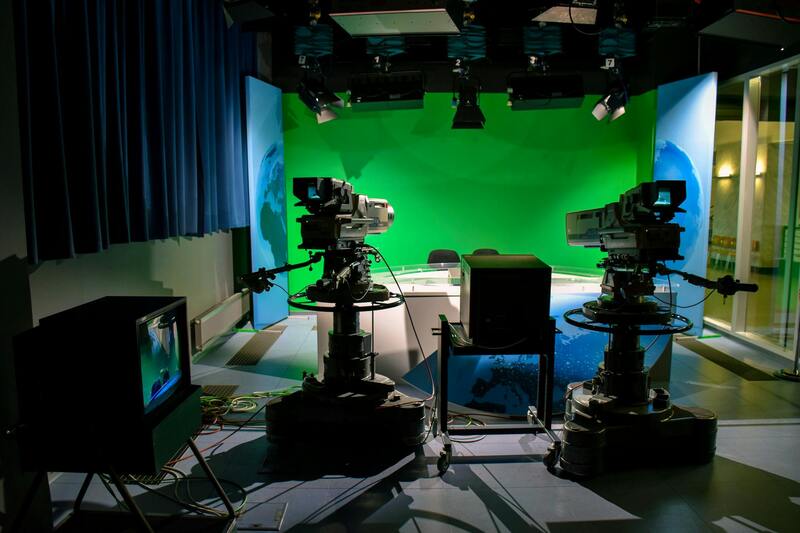
Their responsibilities include working under tight deadlines, maintaining objectivity, and respecting privacy and sensitivity when covering traumatic or emotionally charged subjects. Miami photojournalists often collaborate with news outlets, magazines, and digital media companies, playing an essential role in the local media ecosystem. Their work helps shape public understanding and preserve the historical record of Miami’s social and cultural landscape.
Skills and Qualifications Required
To excel as a Miami photojournalist, a combination of technical expertise, acute observational skills, and a deep understanding of the community is essential. Proficiency in various camera systems, including digital SLRs, mirrorless cameras, and emerging technologies such as drone photography, is fundamental. Fast shutter speeds, precise focusing, and efficient lighting control enable capturing fleeting moments accurately. Additionally, skills in post-processing, including editing and color correction, help enhance the storytelling quality without compromising authenticity.
- Strong storytelling ability through images
- Knowledge of journalism ethics and standards
- Ability to work under pressure and adapt quickly
- Excellent communication and interpersonal skills
- Understanding of Miami’s cultural and social dynamics
Educational backgrounds typically include degrees or training in photojournalism, journalism, or related fields. Continuous learning about new equipment, safety protocols, and evolving media platforms ensures that Miami photojournalists remain competitive and effective in their roles.
Defining the Role of a Miami Photojournalist
Miami photojournalists operate at the intersection of visual storytelling and investigative reporting, delivering compelling imagery that captures the essence of the city's vibrant scenes. Their responsibilities extend beyond simply taking photographs; they are tasked with documenting newsworthy events, capturing candid moments, and providing context through their images. This work encompasses a wide array of assignments, from covering political rallies and festivals to documenting social issues and natural disasters. Their ability to adapt to varied environments and unpredictable situations is critical, ensuring they provide accurate, impactful visuals that inform the public.
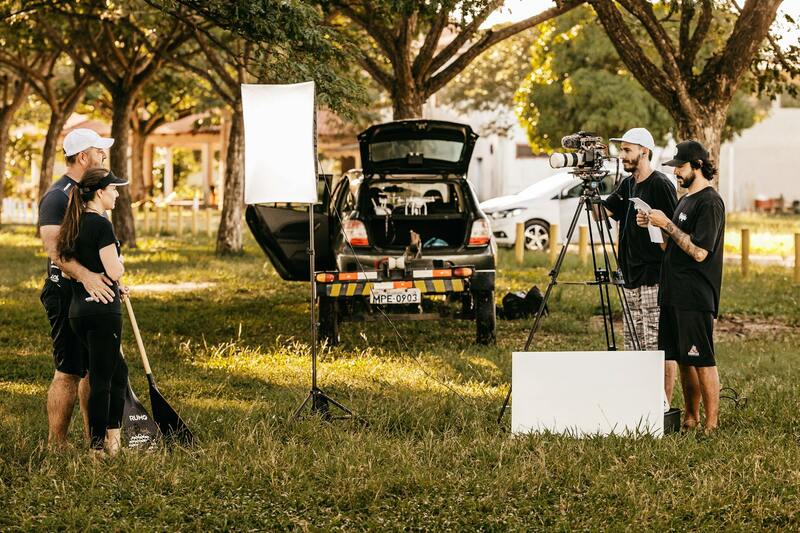
The daily tasks of a Miami photojournalist can include selecting appropriate equipment, researching story backgrounds, conducting on-the-scene reporting, and editing images for publication. They must balance technical proficiency with journalistic integrity, ensuring each photograph aligns with the story while adhering to established standards and practices. During high-pressure scenarios such as protests or emergencies, their quick decision-making and resilience are essential to deliver timely and impactful visuals.
Scope of Responsibilities
- Cover breaking news events and public gatherings
- Conduct interviews and gather supplementary information when necessary
- Prepare photographs for publication across multiple platforms
- Maintain and care for camera equipment and accessories
- Collaborate with editors, reporters, and media outlets to align visual content with editorial goals
- Ensure all images adhere to ethical standards, respecting privacy and sensitive subjects
A Miami photojournalist's role is dynamic, requiring a blend of artistic vision, technical skill, and ethical consideration to produce images that resonate with audiences and adequately represent the stories being told.
Legal and Ethical Considerations in Miami Photojournalism
In the realm of Miami photojournalism, adherence to legal and ethical standards is paramount to maintaining credibility and trust. Photographers must navigate a complex landscape of rights, privacy, and societal norms that influence their work and its reception. Respect for individuals' privacy is a foundational principle; this involves obtaining consent when photographing private moments or sensitive subjects, especially in settings where individuals may not expect to be recorded. Recognizing the boundaries of public and private spaces helps photojournalists avoid issues that could arise from intrusive or unsolicited photography.
Furthermore, the accurate representation of events is a key ethical obligation. Photojournalists should avoid manipulating images in ways that could distort the truth or mislead viewers. This includes refraining from digital alterations that could alter the context or impact of an image, and providing clear, honest captions that accurately describe the scene depicted.
In terms of legal considerations, Miami photojournalists must be familiar with regulations surrounding copyright, model releases, and permissions. Utilizing images legally obtained and giving appropriate credit when required safeguards their work from potential disputes. When capturing scenes involving minors, obtaining parental consent is often necessary to avoid infringing on the rights of individuals who cannot provide legal authorization.
Most importantly, adhering to ethical guidelines helps foster a respectful relationship with the community. Sensitive subjects, such as tragedies or personal hardships, demand a compassionate approach that prioritizes dignity and respect for those affected. By doing so, Miami photojournalists can produce powerful visuals that inform the public without sensationalism or exploitation.
Ultimately, an unwavering commitment to ethical standards not only enhances the integrity of a photojournalist’s work but also supports a responsible media environment that values transparency, accountability, and the truthful dissemination of information.
Tools and Equipment Used by Miami Photojournalists
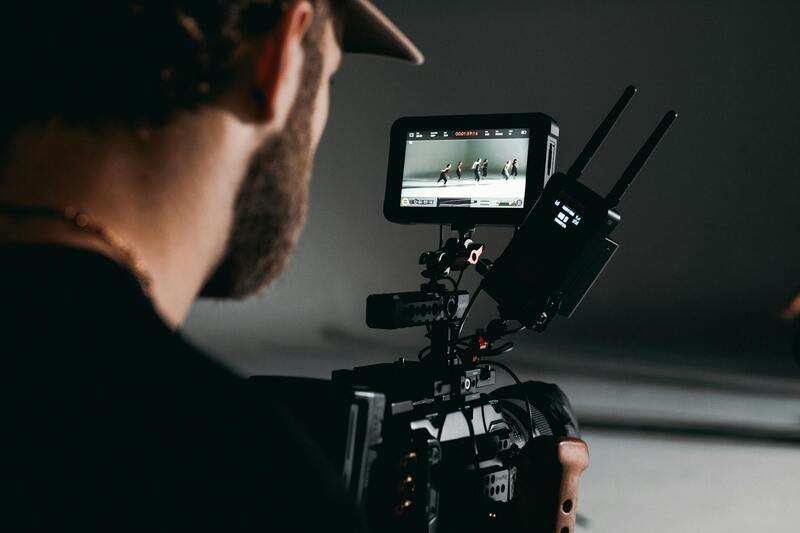
Miami photojournalists rely on a diverse array of tools and equipment to capture compelling images that tell powerful stories. The choice of gear is influenced by the city's vibrant environment, fast-paced news cycles, and varying lighting conditions, requiring professionals to be well-equipped and adaptable.
Key equipment includes high-resolution digital cameras capable of shooting in low-light environments, such as fast lenses with wide apertures that excel during nighttime coverage or indoor events. Mirrorless cameras are popular due to their lightweight design, allowing for greater mobility in crowded or rapidly changing scenarios, while DSLRs remain a staple for their durability and extensive lens options.
In addition to cameras, photojournalists utilize a range of accessories to enhance image quality and efficiency. External flashes and lighting modifiers help manage challenging lighting conditions, whether covering a street festival during the day or an urban scene at dusk. Tripods and monopods provide stability during long exposures, which are often necessary for night shoots or low-light interview settings.
For capturing video content, many Miami photojournalists employ compact, high-definition camcorders or mirrorless cameras with excellent video capabilities. This equipment is vital for multimedia storytelling, which is increasingly demanded by news outlets wanting to provide immersive content.
Another critical aspect involves communication and data management tools. Smartphones with advanced editing apps enable quick adjustments and social media sharing. Portable storage devices and robust laptops support the rapid transfer, backup, and editing of large image files on-site. The integration of drones in some instances is also transforming urban coverage, offering unique aerial perspectives of cityscapes, flood zones, or large public events.
The professional standards for equipment are complemented by a thorough understanding of their operation and maintenance, ensuring reliability during crucial moments. Regular calibration, timely repairs, and updates are essential practices that contribute to consistent image quality. Many professionals also invest in versatile accessories such as weather-resistant gear and protective cases to withstand Miami’s varied climate, including humid summers and tropical storms, safeguarding their equipment during outdoor assignments.
As Miami continues to evolve, so does the tech landscape. Photojournalists staying updated with the latest innovations—be it advanced camera sensors, lightweight stabilization systems, or remote shooting capabilities—are better positioned to capture the city's diverse and dynamic stories effectively.
Legal and Ethical Considerations
In the realm of Miami photojournalism, adhering to established guidelines for ethical practice and legal compliance is essential to maintain credibility and trustworthiness. Photojournalists operating in Miami must navigate a complex landscape of privacy rights, consent, and the responsible representation of subjects, especially given the diverse and often sensitive nature of the stories covered.
Respect for individuals' privacy is paramount, particularly when photographing vulnerable populations or private property. Photojournalists are encouraged to obtain permissions when feasible, especially in contexts where images could impact personal dignity or security. When capturing images in public spaces, understanding the boundaries of permissible photography helps prevent potential conflicts or misunderstandings.
Copyright laws are a critical aspect of legal considerations. Miami photojournalists should ensure they have the proper rights and licenses for any equipment, software, or third-party content used in their workflow. This vigilance extends to the proper attribution and licensing of images when sharing or publishing them across media outlets and social platforms.
When dealing with breaking news or hazardous environments, safety protocols and awareness of legal restrictions surrounding the use of certain equipment, such as drones, are vital. Miami’s local regulations pertaining to drone operation must be followed meticulously to avoid violations. For drone photography, maintaining compliance with airspace rules and respecting no-fly zones, especially around sensitive sites or private property, is crucial to avoid legal repercussions. Additionally, ethical standards demand that photojournalists present their subjects accurately and fairly, avoiding manipulation that could distort the story's integrity. Sensitivity when photographing tragedies, accidents, or emotionally charged scenes helps preserve the dignity of those involved and sustains public trust. Maintaining transparency about the context and purpose of images, especially in documentary work, deepens audience engagement and credibility. National and local journalistic organizations often provide codes of conduct that guide visual storytellers in Miami, emphasizing accuracy, fairness, and respect. Properly managing conflicts of interest and avoiding sensationalism also fall within ethical purview. Photojournalists should strive to depict Miami’s stories truthfully, avoiding misleading imagery or sensational angles that could misrepresent the reality of the situation. These practices uphold the professional standards expected within the industry and reinforce the positive impact of visual reporting on the community. Overall, navigating legal and ethical landscapes meticulously enables Miami photojournalists to produce compelling, impactful images while honoring the rights and dignity of their subjects, which ultimately sustains the integrity of their craft and its influence within the community.
Tools and Equipment Used by Miami Photojournalists
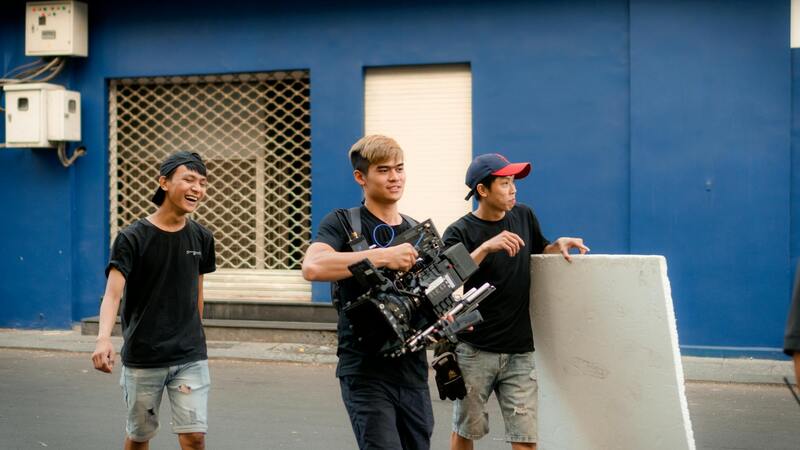
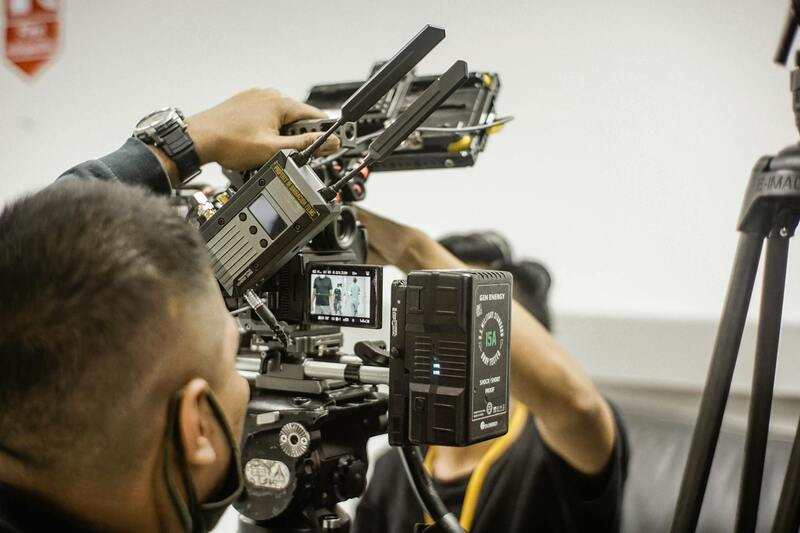
Miami photojournalists rely on a diverse array of professional tools and equipment to capture compelling images under varied and often challenging conditions. High-quality digital cameras with fast autofocus and excellent low-light performance are essential, given the dynamic environment of urban settings, sporting events, or nighttime scenes. Many professionals prefer versatile DSLR or mirrorless cameras capable of handling a broad range of lenses, from wide-angle to telephoto, to adapt to different storytelling needs.
In addition to cameras, photojournalists utilize an array of accessories to enhance their work quality and efficiency. Fast, durable memory cards ensure rapid data transfer and ample storage, while sturdy tripods or monopods provide stability during long shoots or low-light situations. External flashes and lighting modifiers help illuminate scenes when natural light is insufficient or inconsistent.
To ensure image sharpness and clarity, professional photo editors often depend on high-resolution monitors with accurate color reproduction. These tools are critical during post-processing, where adjustments to exposure, sharpness, and color balance help deliver polished, impactful visuals.
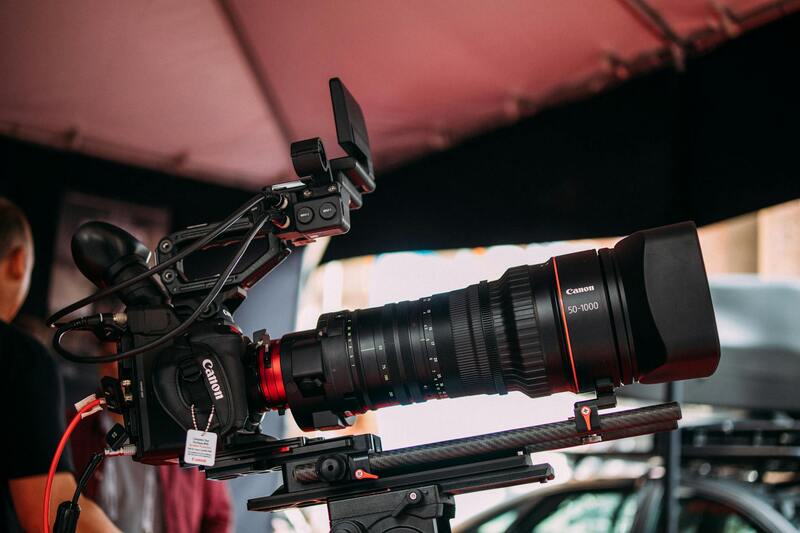
In the digital age, connectivity tools such as portable Wi-Fi transmitters enable real-time sharing of images from location to newsrooms or clients, ensuring prompt dissemination of newsworthy visuals. Additionally, rugged cases and protective gear safeguard equipment against Miami’s diverse weather conditions, from tropical storms to intense sun exposure.
Legal and Ethical Considerations
Within the realm of Miami photojournalism, adherence to established guidelines and standards is essential for maintaining integrity and respect for subjects and audiences alike. Photojournalists must navigate various situations with professionalism, ensuring their work accurately reflects reality without manipulation or misrepresentation. This involves a thorough understanding of ethical principles that govern consent, privacy, and the portrayal of sensitive events.
Respecting individuals' privacy rights is paramount, especially when capturing images in private spaces or during personal moments. It is important to avoid intrusive practices and secure necessary permissions when photographing in confined or sensitive environments. When documenting public figures or events of public interest, photojournalists are expected to balance their right to report with respectful storytelling, avoiding sensationalism or mischaracterization.
In terms of content authenticity, it is crucial that images are genuine and unaltered beyond basic adjustments such as cropping or color correction. Digital modifications should not distort the true context of the scene. Maintaining the integrity of visual documentation helps sustain public trust and uphold journalistic standards.
Handling release forms and permits is a routine part of professional practice. Securing proper documentation when required ensures clarity on the scope of the shoot and the intended use of images. This formal process helps prevent disputes and facilitates smooth distribution and publication of content.
Furthermore, photojournalists operating in Miami must stay informed about local regulations and ordinances related to photography in various venues or areas. This includes understanding restrictions around drone usage, security protocols in sensitive locations, and temporal limitations during certain events or gatherings.
Legal and Ethical Considerations in Miami Photojournalism
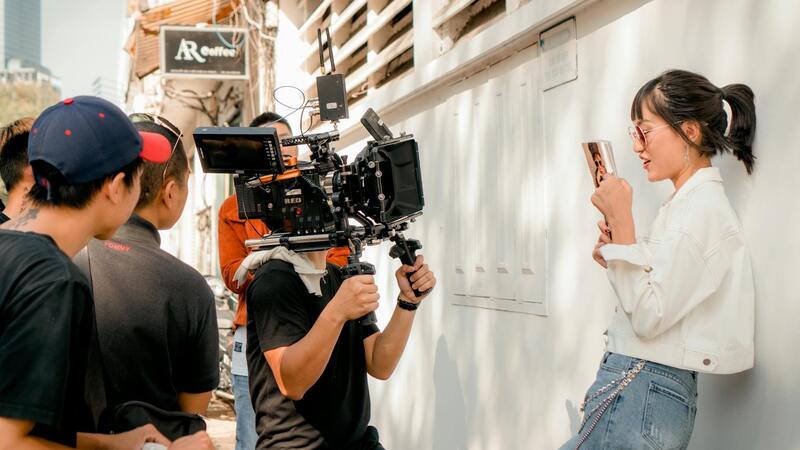
Operating within the sphere of Miami photojournalism necessitates a thorough understanding of various legal and ethical considerations that safeguard both the subject and the journalist. While adhering to these principles, photojournalists ensure that their work maintains integrity, fosters public trust, and respects personal rights. Navigating these standards involves disciplined practices that promote professionalism and accountability.
Respect for Privacy and Consent
In highly populated urban environments like Miami, balancing the right to report with respect for individual privacy is paramount. While capturing candid moments in public spaces is often part of the job, photojournalists must exercise discretion when photographing individuals in sensitive situations. Securing consent becomes essential, particularly in instances involving minors, private events, or vulnerable populations. Building rapport with subjects and obtaining explicit permission where feasible reflects a commitment to ethical storytelling.
Handling of Sensitive Content and Avoiding Sensationalism
Maintaining objectivity and dignity in visual storytelling is a core responsibility. When reporting on tragedies, accidents, or controversial topics, photojournalists must resist sensationalist impulses. Presenting images that accurately reflect the scene without exaggeration fosters credibility and reinforces the authenticity of the reportage. It also involves sensitive editing practices that do not distort the reality depicted, ensuring that viewers receive honest representations of the events.
Permissions, Releases, and Permits
While taking photographs of public events or prominent figures often does not require formal permissions, capturing images in private spaces or during certain events may mandate obtaining release forms or permits. Proper documentation clarifies the intended use of photos and establishes clear boundaries. This procedural diligence minimizes misunderstandings and supports transparent distribution practices.
Compliance with Miami Local Regulations
Photojournalists must familiarize themselves with Miami’s specific ordinances related to photography, drone usage, and access restrictions. For instance, photographing in security-sensitive zones or near governmental facilities might involve restrictions that are vital to observe. Staying informed about temporary restrictions during major events ensures responsible coverage and prevents legal complications.
Use of Technology and Digital Ethics
With advancements in digital editing tools, maintaining authenticity is crucial. Alterations should be limited to basic corrections that do not alter the original context. Avoiding manipulative techniques preserves the integrity of visual reportage. Ethical digital practices build public confidence and uphold journalistic standards in the digital age.
Documentation and Record-Keeping
Maintaining detailed records of photograph metadata, permissions, and correspondence supports transparency and accountability. Proper archival practices facilitate lawful use and distribution of images, especially when working with news organizations or in legal contexts. Ensuring these records are accurate and accessible helps uphold professional standards across all assignments.
Understanding Community Impact
Miami’s diverse communities benefit from responsible photojournalism that promotes awareness, cultural understanding, and civic engagement. Ethical practice involves portraying subjects with respect, avoiding stereotypes, and contributing to a positive societal dialogue. Building trust within the community encourages more genuine and impactful reporting.