Overview of the Professional Photography Scene in Miami
Miami stands as a vibrant hub for diverse photography styles that cater to a broad spectrum of clients, ranging from local residents to international visitors. The city’s unique blend of urban landscapes, stunning beaches, and iconic architecture provides photographers with an expansive canvas for creativity. Popular photography styles in Miami include glamour and fashion shoots, which are driven by the city’s status as a fashion capital; lifestyle photography capturing the energetic Miami vibe; event coverage for weddings and festivals; and commercial photography for businesses leveraging the city’s thriving tourism and retail sectors.
The high demand for professional photography services is supported by Miami’s bustling tourism industry, which continuously seeks high-quality visual content to promote destinations, hotels, and entertainment venues. Additionally, the rise of social media has amplified the need for visually appealing images, prompting many local photographers to specialize in portraiture, fashion, and branding photography. The city’s diverse demographics and multicultural environment also influence the variety of artistic styles employed by professionals, who often incorporate multicultural elements into their work.
Local expertise remains highly relevant for clients who require a nuanced understanding of Miami’s distinct neighborhoods, lighting conditions, and cultural nuances. Photographers with deep roots and experience in the city can better anticipate and capture authentic moments, ensuring the final images resonate with local and international audiences alike.

Types of Photography Services Offered by Miami Professionals
Miami's vibrant and diverse environment provides a fertile ground for a wide array of professional photography services, catering to both local and international clients. Among the most prominent offerings are portrait photography, which captures individual or group identities with an emphasis on personality and expression. Photographers in Miami excel at studio and outdoor sessions, often utilizing the city's scenic backdrops, from urban settings to sun-kissed beaches, to craft compelling portraits.
Commercial photography also holds a significant place in the local scene. Businesses leverage high-quality images to promote their products, enhance their branding, and connect with customers. This category includes product photography, often characterized by crisp, detailed images that appeal to online and print markets, as well as corporate headshots and promotional shoots tailored for company profiles and social media.
Fashion photography thrives in Miami’s dynamic fashion scene, where professionals work closely with designers, models, and retailers to create captivating visual narratives. These projects often incorporate Miami’s distinctive style elements, tropical palettes, and glamourous aesthetics, making the city a hub for innovative styling and creative expression.
Event photography remains a staple, capturing the essence of weddings, corporate gatherings, festivals, and social celebrations. Miami’s lively atmosphere demands photographers with quick reflexes, a keen eye for candid moments, and an ability to adapt to various lighting conditions and environments.
In addition, real estate photography has become increasingly vital amid Miami’s booming real estate market. Skilled photographers utilize advanced techniques and equipment to produce high-resolution images that highlight property features, enhance online listings, and attract potential buyers.
Key Skills and Qualifications of a Professional Photographer in Miami
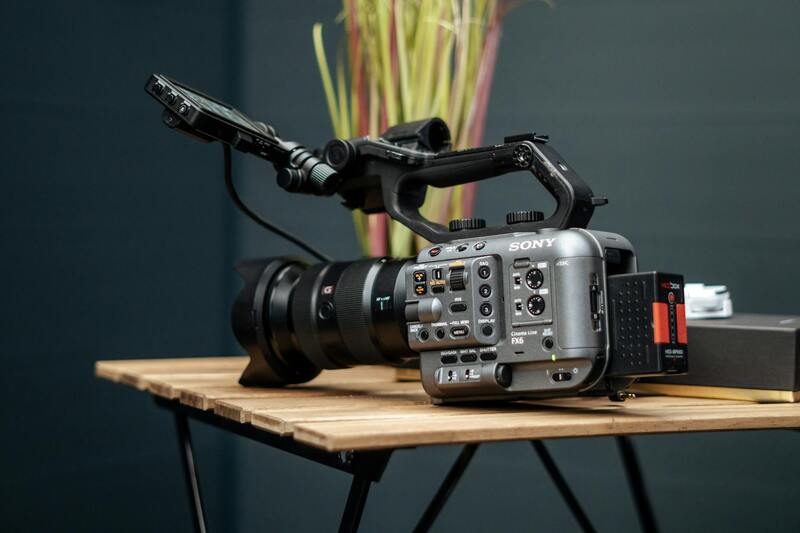
Professional photographers operating in Miami are distinguished by a combination of technical expertise, artistic sensibility, and cultural awareness. A deep mastery of camera equipment and lighting techniques is fundamental, enabling them to adapt seamlessly to Miami’s diverse environments—be it sun-drenched beaches, vibrant urban settings, or lush tropical landscapes.
Extensive experience in various photography styles—such as portraiture, commercial, event, real estate, and fashion—ensures versatility and the ability to meet a broad spectrum of client expectations. Photography professionals often hold certifications or specialized training that demonstrate their proficiency with advanced techniques like HDR imaging, drone photography, and studio lighting setups.
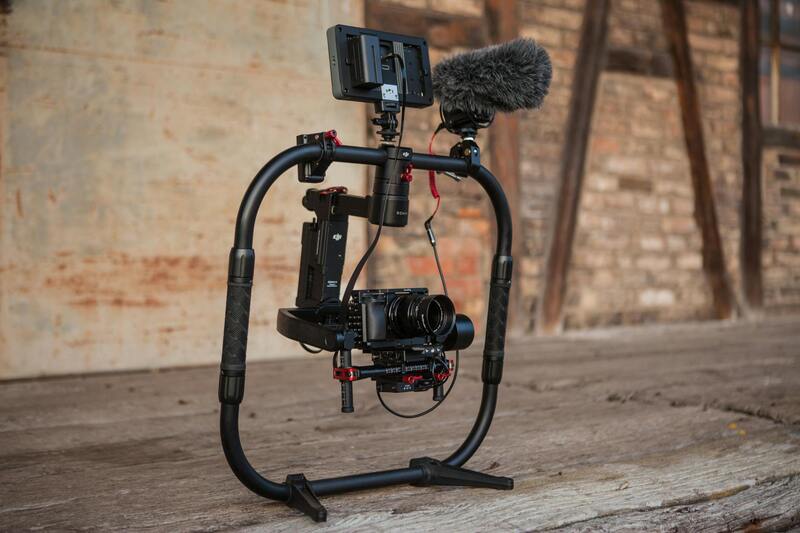
Creative vision and an eye for composition distinguish top-tier photographers. They possess an innate ability to enhance the aesthetic appeal of their images, emphasizing elements that resonate with Miami’s vibrant culture. Strong communication skills are equally important, facilitating effective collaboration with clients, models, stylists, and event organizers to realize conceptual visions.
Additionally, familiarity with Miami’s unique cultural and stylistic nuances enables photographers to tailor their approach, ensuring the images align with local aesthetics and client branding. This localized expertise enriches the storytelling quality of their visuals, making them particularly valuable in a city renowned for its diversity and innovation.
Technical proficiency must be complemented by a robust understanding of current industry standards and trends. Many successful Miami photographers actively participate in workshops, industry seminars, and professional associations, continually refining their skills and staying abreast of emerging technologies and creative directions.
Lastly, a proven track record of professional integrity, punctuality, and project management skills are essential. Clients rely on photographers who can deliver quality work within scheduled timelines and budgets, ensuring smooth execution from conceptualization through post-processing.
Legal and Ethical Aspects of Professional Photography in Miami
Engaging a professional photographer in Miami involves understanding the frameworks that guide their work, ensuring all practices adhere to established standards and protocols. Photographers operating within the city follow a set of professional guidelines that emphasize respect for client rights, privacy, and property. These standards ensure a seamless collaboration, fostering trust and transparency throughout the project lifecycle.
One crucial aspect of professional photography is the proper management of image rights and usage permissions. Photographers typically secure appropriate licenses or agreements that specify how images can be used, whether for commercial, editorial, or personal purposes. These agreements help avoid misunderstandings regarding rights to the photographs, allowing both parties to operate confidently within their respective needs and expectations.
Maintaining confidentiality and respecting client privacy are foundational principles. Photographers are committed to handling sensitive material with discretion, especially for clients involved in high-profile events or private settings. This diligence preserves the integrity of the project and upholds the reputation of the photography professional.
Furthermore, ethical practices extend to the depiction of subjects. Photographers are committed to capturing authentic representations without misrepresentation or undue manipulation. This dedication to accuracy and respect for the subject’s dignity is vital for building credibility and client satisfaction.
In terms of contractual accountability, clear communication about deliverables, timelines, and service scope forms part of the professional code of conduct. Written agreements help solidify mutual understanding, minimizing potential disputes and ensuring project objectives are met efficiently.
Professional photographers continuously update their knowledge on industry standards and best practices through participation in workshops and professional associations. Such engagement ensures their work remains aligned with evolving ethical and technical expectations amid Miami’s dynamic cultural landscape.
Legal and Ethical Aspects of Professional Photography in Miami
Engaging a professional photographer in Miami involves adhering to established standards that promote transparency, fairness, and respect for all parties involved. Photographers operating within the city follow a comprehensive framework that governs their practices, ensuring that client interactions and deliverables are handled with integrity. These protocols include detailed contractual agreements, clear communication of service scope, and respectful treatment of subjects and intellectual property.
Understanding the importance of consent is a cornerstone of professional photography in Miami. Photographers obtain permission before photographing individuals, especially in private settings or sensitive environments. This respectful approach fosters mutual trust and ensures that clients feel comfortable and confident throughout the process. Additionally, appropriate licensing and permissions are secured for locations, particularly when shooting in restricted or protected areas of Miami such as parks, historical sites, or private properties.
Ethical photography also involves honest representation. Photographers commit to capturing authentic images that reflect reality, steering clear of manipulative edits that could mislead clients or audiences. This ethical stance enhances credibility and sustains the professionalism expected within Miami's thriving creative community. When delivering final images, photographers adhere to agreed timelines and quality standards, maintaining transparency about any potential delays or revisions.
Respect for client confidentiality is also a vital aspect of ethical practice. Photographers safeguard sensitive information and images, especially when working with high-profile individuals or private events. This confidentiality forms the foundation of trust and encourages clients to engage fully with the photographer's creative process.
Furthermore, Miami photographers adhere to copyright and intellectual property laws. They provide clear licensing terms for usage rights, whether for personal portfolios, commercial campaigns, or promotional materials. This clarity prevents misunderstandings and protects both the photographer's and client’s rights.
Professional associations and certifications act as benchmarks for maintaining high standards. Many Miami photographers participate in industry workshops, adhere to codes of conduct, and pursue ongoing education to stay abreast of evolving ethical and legal guidelines. Such commitment to ethical practice not only benefits clients but also elevates the overall reputation and integrity of Miami's photography sector.
Legal and Ethical Aspects of Professional Photography in Miami
In Miami's vibrant and competitive photography industry, adherence to established legal and ethical standards is fundamental to sustaining trust and professionalism. Photographers are expected to operate transparently, respecting client rights, intellectual property laws, and industry norms. This commitment ensures that photoshoots proceed smoothly, with clear agreements on usage rights, deliverables, and timelines.
One of the key legal considerations involves obtaining proper consent from individuals appearing in photographs, especially in private settings or high-profile events. Photographers should secure signed model releases or permissions when planning to use images for promotional purposes or commercial campaigns. This prevents potential disputes and clarifies ownership rights from the outset.
Copyright and licensing are prioritized, with photographers providing clients with explicit terms outlining permitted image usage. Whether images are for personal use, marketing, or editorial purposes, clear licensing agreements safeguard both parties and outline boundaries for distribution, reproduction, and modification.
Confidentiality also plays a crucial role, particularly when working with sensitive client information or private events. Protecting the privacy of clients and respecting the confidentiality of unpublished work reflects a photographer's ethical commitment and reinforces trust.
Furthermore, Miami photographers actively participate in industry associations and pursue continuing education to stay current with evolving standards and best practices. Certifications and memberships often require adherence to codes of conduct that emphasize professionalism, accuracy, and ethical behavior. Such affiliations serve as benchmarks for quality and integrity in the industry.
Photographers also respect intellectual property rights by providing clients with detailed licensing terms and ensuring proper attribution when required. When images are used in broader campaigns or published materials, clear agreements help prevent misunderstandings and facilitate smooth creative collaborations.
Ultimately, maintaining a high standard of legality and ethics within Miami’s photography industry enhances the reputation of individual photographers and the industry as a whole. Clients can confidently engage with professionals who prioritize integrity, transparency, and respectful collaboration, securing quality images that serve their creative or commercial objectives effectively.
Legal and Ethical Aspects of Professional Photography in Miami
Operating within Miami's vibrant photography industry necessitates adherence to multiple legal and ethical standards that safeguard both the photographer and the client. Central to these practices are licensing agreements, model releases, and copyright considerations, which establish clear boundaries and rights pertaining to the use and distribution of images.
Photographers must obtain the necessary licenses for any proprietary or copyrighted material incorporated into their work. This ensures that all creative elements—such as music, artwork, or branded products—are used legitimately, avoiding potential disputes. Model releases also play a pivotal role, particularly for photos featuring identifiable individuals; these releases provide explicit consent that authorizes the use of their likeness in various contexts, whether for commercial, promotional, or artistic purposes. Such documentation is fundamental for legal protection and maintaining transparency.
Copyright management is essential in documenting ownership rights and stipulating usage rights, particularly in scenarios involving multiple stakeholders or client-specified licensing parameters. Clear agreements prevent misunderstandings, delineate rights, and set expectations for image use, reproductions, or exclusivity. Photographers should also keep meticulous records of their work, including timestamps and proof of original creation, to assert and defend their copyright should the need arise.
Maintaining high standards for professionalism involves respectful client interactions, transparent communication, and adherence to contractual obligations. Ethical conduct extends to respecting intellectual property rights, avoiding misrepresentation, and ensuring the authenticity of the images delivered.
Best Practices for Upholding Professionalism
- Secure all necessary legal documents before the shoot begins, including licenses and releases.
- Clearly define and communicate image usage rights and licensing terms to clients.
- Maintain consent and privacy considerations, especially in sensitive or candid photography sessions.
- Use watermarks strategically to protect images in promotional phases, while providing high-resolution files under agreed licensing conditions.
- Regularly update knowledge of local laws, industry standards, and emerging practices through professional development and industry groups.
By diligently applying these practices, photographers in Miami uphold not only their individual reputations but also contribute to a trustworthy environment within the local industry. Understanding and respecting the legal frameworks ensures that creative collaborations proceed smoothly and that commercial projects align with all necessary statutory requirements, ultimately fostering a secure and innovative space for professional photography in Miami.
Legal and Ethical Aspects of Professional Photography in Miami
Engaging in professional photography within Miami requires a firm understanding of the standards and practices that uphold the integrity of the craft. Photographers operating in this vibrant city are expected to adhere to strict protocols that ensure their work respects both legal guidelines and ethical considerations. This commitment not only safeguards their reputation but also enhances client trust and industry recognition.
Best Practices for Upholding Professionalism
- Documentation and Contracts: Secure all necessary legal documents prior to the shoot, including signed agreements, licenses, and model releases. These documents clearly define the scope of work, rights, and responsibilities of each party, minimizing misunderstandings and providing clarity for both photographer and client.
- Clear Communication of Usage Rights: Transparently outline licensing terms and usage rights for photos. Clients should understand exactly how images can be used, whether for commercial, promotional, or personal purposes, to ensure proper utilization in accordance with agreed terms.
- Respect for Privacy and Consent: Always obtain explicit consent when capturing sensitive or candid moments, especially involving minors or private property. Respecting individuals' privacy fosters trust and aligns with industry standards for ethical conduct.
- Strategic Use of Watermarks: Apply watermarks during promotional phases to protect images from unauthorized use. High-resolution images should only be shared under formal licensing arrangements, safeguarding intellectual property rights without compromising image quality for legitimate clients.
- Continual Professional Development: Stay informed about local laws, industry standards, and evolving best practices through workshops, seminars, and industry groups. This proactive approach ensures photographers remain compliant and competitive in a dynamic market.
Maintaining a Trustworthy Industry Environment
By committing to these practices, Miami’s professional photographers contribute to a trustworthy and respectful industry environment. Respecting copyright laws, obtaining proper permissions, and practicing transparency in licensing all promote a fair marketplace where creative talent can flourish. These standards also extend to marketing efforts, where honest representations of services build long-term client relationships.