
Overview of Photography Scene in Miami
Miami stands out as a premier destination for photographers seeking inspiration and opportunities. Its vibrant culture, picturesque landscapes, and dynamic urban environment create an ideal backdrop for a diverse range of photographic styles. From the sparkling coastline and iconic Art Deco architecture to lively street scenes and luxurious resorts, Miami offers an unparalleled visual palette for professionals and enthusiasts alike. The city’s multicultural atmosphere fosters a creative environment where innovative ideas flourish, making it a magnet for both local and international photographers.
The city's expansive coastline, including Miami Beach and the Miami River, provides a variety of scenic vistas that cater to travel, landscape, and commercial photography. Urban features such as Wynwood Walls and Downtown Miami deliver bold, colorful scenes perfect for street and fashion photography, while nearby natural reserves like Everglades National Park offer unique wildlife photography experiences. This diversity fuels a thriving industry where artistry meets commerce, enabling photographers to build specialized portfolios tailored to client needs.
Miami’s photographic industry is supported by a robust network of studios, rental facilities, and creative communities that facilitate collaboration and innovation. The city’s annual events, including art festivals, fashion shows, and cultural celebrations, further enhance its reputation as a hub of creativity. The combination of scenic beauty, cultural vibrancy, and economic opportunity makes Miami a compelling location for photography professionals and clients who value quality, versatility, and originality.
For aspiring and established photographers, Miami presents a vibrant landscape to develop their craft, showcase their work, and expand their business horizons. The city’s unique blend of natural beauty and urban sophistication ensures that every shoot can be tailored to specific themes and aesthetic preferences, making Miami a fertile ground for photographic excellence.
Types of Photography Services in Miami
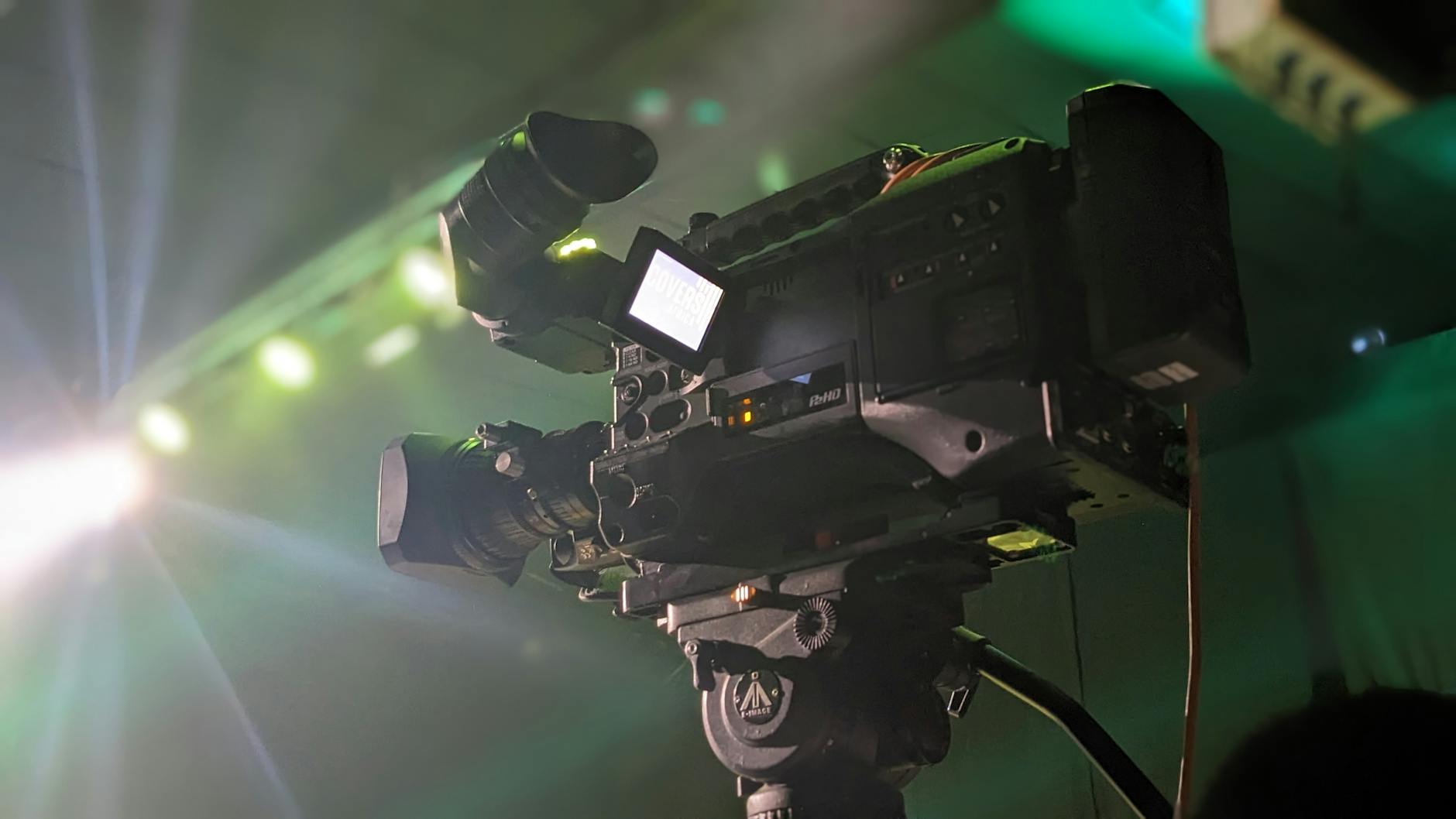
Miami’s dynamic environment supports a wide variety of professional photography services that cater to diverse client needs. These services encompass commercial branding, fashion and editorial shoots, real estate photography, event coverage, and fine art projects, all carried out by skilled local photographers equipped with state-of-the-art technology. Each category requires specific expertise, whether capturing the glamour of a fashion campaign against Miami’s vibrant cityscape or showcasing the luxury and allure of high-end properties within the city’s competitive real estate market.
Additionally, event photography has gained prominence in Miami, ranging from high-profile festivals and social gatherings to corporate functions and private celebrations. Professional event photographers use specialized techniques to ensure every detail, emotion, and atmosphere is accurately documented. Portrait and lifestyle photography also flourish in Miami, often integrating the city’s iconic backdrops to enhance personal branding and artistic expression.
Furthermore, drone photography services are increasingly popular, providing aerial perspectives that highlight Miami’s architectural marvels and scenic landscapes. These services require photographers to have expertise in drone operation and a thorough understanding of airspace regulations, ensuring safety and compliance during shoots.
Choosing the Right Photography Agency in Miami
Selecting an appropriate photography partner requires an assessment of experience, portfolio quality, and specialization. A reputable Miami-based agency should demonstrate a strong track record of diverse projects, showcasing versatility across shooting styles and client demands. It’s essential to review their portfolio to evaluate consistency, creativity, and technical proficiency, ensuring their work aligns with your aesthetic vision.
Experience in local Miami environments is another critical factor. Agencies familiar with the city’s unique landscapes, lighting conditions, and cultural nuances can better execute tailored shoots that leverage Miami’s scenic and urban settings effectively. Additionally, consult client testimonials or references to gain insight into their professionalism, punctuality, and ability to deliver results under various project scopes.
Clear communication about project scope, pricing, and licensing terms helps establish a strong working relationship. An agency that offers comprehensive consultation services and innovative solutions for different types of shoots can significantly enhance the final outcomes. Choosing the right partner ultimately hinges on their capacity to understand and realize your vision while maintaining high standards of quality and reliability.
Challenges and Opportunities in Miami Photography
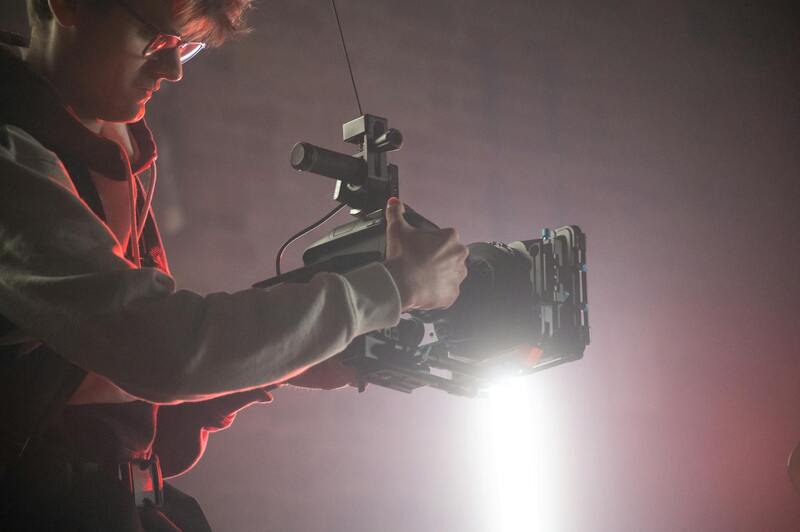
Miami’s vibrant landscape offers extensive opportunities for creative growth but also presents distinct challenges that photographers must navigate. Weather conditions, such as sudden rain showers or intense sunlight, require flexibility and preparedness to adapt shoots accordingly. Urban congestion and busy public spaces demand strategic planning for equipment logistics and minimal disruption during sessions.
Every challenge presents an avenue for innovation; for instance, adapting to variable lighting conditions can lead to distinctive artistic techniques. Moving forward, technological advancements, including high-resolution cameras and sophisticated editing software, create avenues for delivering higher quality images faster and more efficiently.
Furthermore, Miami’s cultural diversity and eclectic neighborhoods open doors for niche markets and specialized projects, such as multicultural events, culinary photography, and lifestyle branding tailored to specific communities. These opportunities enable photographers to diversify their portfolios and attract new clients by emphasizing local authenticity and artistic storytelling.
Legal and Licensing Considerations in Miami
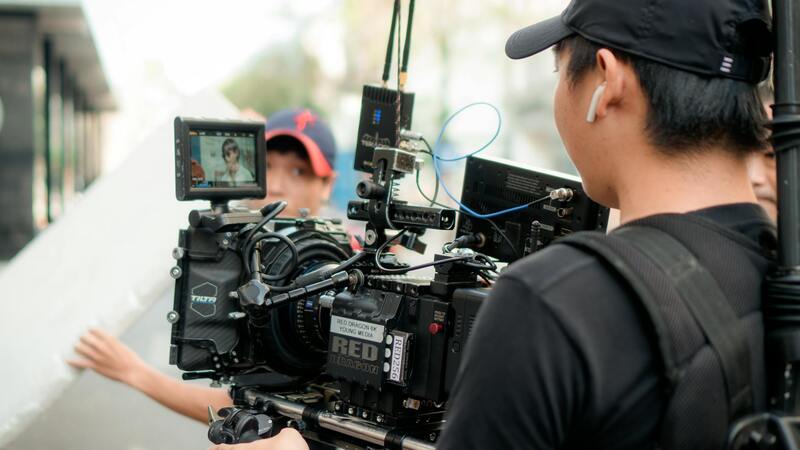
Operating professionally within Miami’s vibrant scene requires adherence to specific licensing and permit requirements to ensure seamless execution of projects. Filming permits are necessary when shooting in crowded public spaces or iconic landmarks, especially during major events or high-traffic times. Obtaining these permissions involves coordinating with local authorities and submitting detailed project plans, which facilitates smooth operations while respecting local policies.
Proper licensing also encompasses the use of copyrighted music or proprietary content during video shoots or live sessions. Additionally, agreements on model releases and property rights are essential when working with individuals or managing private locations. Ensuring compliance prevents legal disputes and safeguards the credibility of your photography ventures.
Many professional photographers and agencies in Miami are well-versed with the city’s permitting processes and can assist in streamlining paperwork, accelerating project timelines. Engaging with local authorities early and understanding zoning restrictions enables photographers to plan their shoots effectively, avoiding costly delays or complications.
Popular Photography Locations in Miami
Miami’s vibrant urban landscape, diverse cultural sites, and stunning natural scenery make it a prime destination for photographers seeking unique backdrops. Iconic locations such as South Beach provide a maritime setting with colorful Art Deco architecture and lively atmosphere, ideal for fashion shoots and lifestyle photography. The Miami Downtown skyline offers a sleek, modern aesthetic perfect for urban cityscapes, while Wynwood Walls presents a dynamic canvas of street art that enhances creative projects.
For those interested in natural scenery, the Everglades provide an expansive wetland environment teeming with wildlife, perfect for wildlife and environmental photography. Similarly, the Miami Seaquarium and other marine parks offer unique opportunities to capture ocean life up close. The vibrant neighborhoods of Little Havana and Coconut Grove showcase Miami’s multicultural milieu, enriching photographic narratives with cultural authenticity and colorful street scenes.
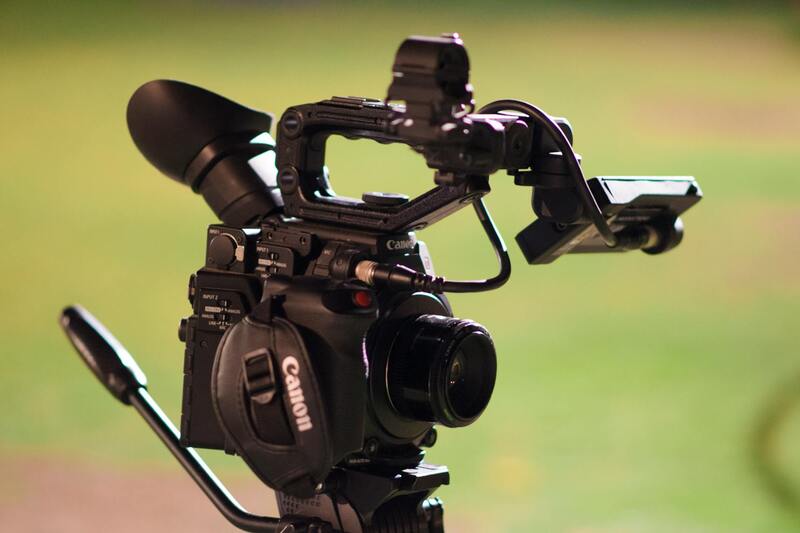
Choosing the right location is crucial, depending on the theme and mood of the project. Urban shooting spots like Brickell City Centre or the Miami Design District lend a contemporary feel, while historical sites such as the Freedom Tower provide timeless backdrops. For nature-focused shoots, places like Matheson Hammock Park or the Miami Botanical Garden offer serene environments that can be integrated into diverse photography styles.
Accessibility and timing are also important considerations; popular spots may require early planning or permits for professional shoots. Regularly updated local guides and collaborations with local authorities can facilitate smooth access, ensuring that photographers can maximize each location’s potential while respecting local regulations.
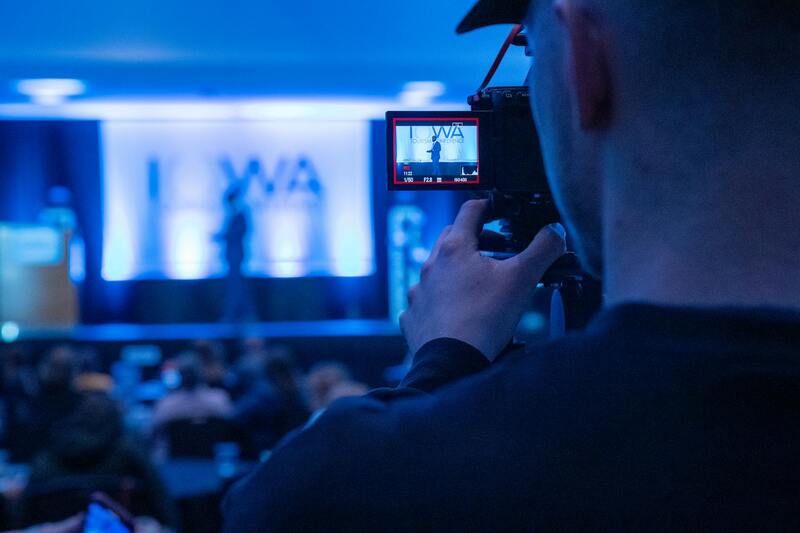
Ultimately, Miami’s multifaceted environment fosters a creative atmosphere where professional photographers can explore a wide range of styles and subjects. Whether capturing city life, stunning landscapes, or cultural vibrancy, the city’s diverse locations serve as an inspiring backdrop that elevates any photographic endeavor. Planning visits, securing necessary permits, and respecting local customs will help ensure that a shoot in Miami evolves seamlessly from concept to completion, making the most of this dynamic city’s photographic potential.
Legal and Licensing Considerations in Miami
Navigating the legal landscape of professional photography in Miami involves understanding the required permits and licensing procedures essential for conducting photoshoots across different locations. City regulations often stipulate the need for permits when shooting in public spaces, especially when equipment setup could impact local foot traffic or infrastructure. Securing these permits ensures that photography projects proceed without interruptions and avoid potential penalties.
Photographers and clients should familiarize themselves with the specific requirements set forth by Miami’s local authorities and relevant agencies. Many locations, such as parks, historic sites, and bustling urban areas, have established permit processes that can be initiated online or in person. The application typically requires detailed information about the scope of the shoot, expected number of crew members, equipment to be used, and the duration of the project.
Furthermore, proper licensing is crucial when using commercial equipment, especially for larger productions involving drone photography, lighting rigs, or specialized gear. Drone operations, in particular, are subject to strict guidelines, including altitude restrictions and no-fly zones, which are identified through official sources and mapped out by local aviation authorities. Adhering to these rules not only protects the safety of all involved but also affirms professionalism in project execution.
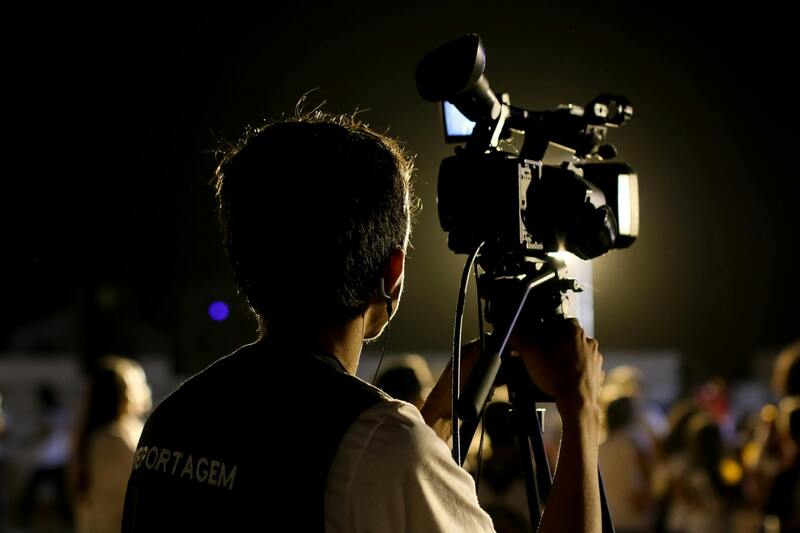
It is also advisable to establish written agreements with property owners or venue managers whenever shooting on private property or within restricted areas. These contracts should specify usage rights, duration, and any restrictions on image licensing or commercial exploitation. Collaboration with legal professionals or industry specialists can help draft agreements that clearly outline the rights and responsibilities of each party, minimizing misunderstandings.
Being proactive about permits, licenses, and contractual considerations underscores a commitment to professionalism, enhances project credibility, and ensures smooth operations during the shoot. Properly navigating Miami’s regulatory environment allows photographers to focus on creativity and storytelling without concern over potential legal obstacles, ultimately contributing to successful and respectful photographic endeavors across the city.
Legal and Licensing Considerations in Miami
When engaging in photography in Miami, professionals must navigate a range of official procedures to ensure their work complies with city regulations and industry standards. Understanding the city’s requirements for licensing and permits is essential for photographers, especially those conducting commercial shoots or utilizing specialized equipment and techniques.
For commercial photography projects, a business license may be mandated, particularly when services are offered to clients or revenue is generated. This license ensures that the photographer operates within the legal framework set by Miami-Dade County and adheres to tax regulations and business operation standards. Securing a business license typically involves registration with relevant local authorities, submission of necessary documentation, and payment of applicable fees.
In addition to licensing, obtaining permits for specific locations or types of shoots is a critical step. Many iconic Miami sites, parks, and public spaces require permit approval to conduct commercial or large-scale photography activities. Applying for these permits generally involves submitting detailed plans of the shoot, proof of insurance, and adherence to site-specific rules and restrictions. The Miami-Dade County and city municipal websites provide official resources and application procedures for obtaining such permits, ensuring that photographers have clear guidance on the process.
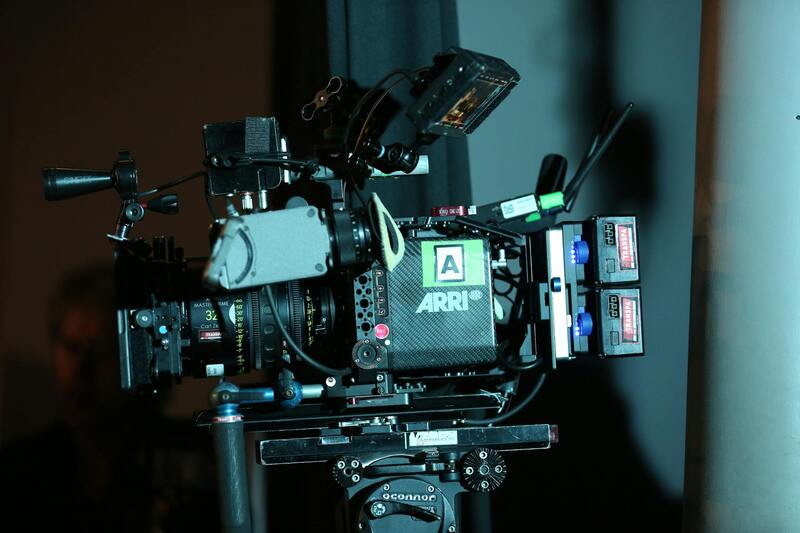
Furthermore, professional photographers working with drone equipment need to familiarize themselves with regulations overseen by the Federal Aviation Administration (FAA) and local authorities. Drone operations require adherence to altitude restrictions, no-fly zones, and flight permissions, all of which are documented through verified official channels. Licensing certifications for drone pilots can also be beneficial in demonstrating compliance and professionalism.
Insurance coverage is another vital aspect. Photographers should consider liability insurance to protect against potential damages or accidents during a shoot. Some locations may also require proof of insurance to secure permission for photography sessions, safeguarding both the client and the photographer from unforeseen incidents.
Engaging with legal and licensing professionals during the planning stages can streamline this process, providing clarity on required documentation and permits. Properly managing these official procedures not only ensures adherence to Miami’s regulatory landscape but also enhances credibility with clients and location authorities alike, facilitating smoother project execution and fostering trust within the local community.
Leveraging Official Resources for Permits and Permissions
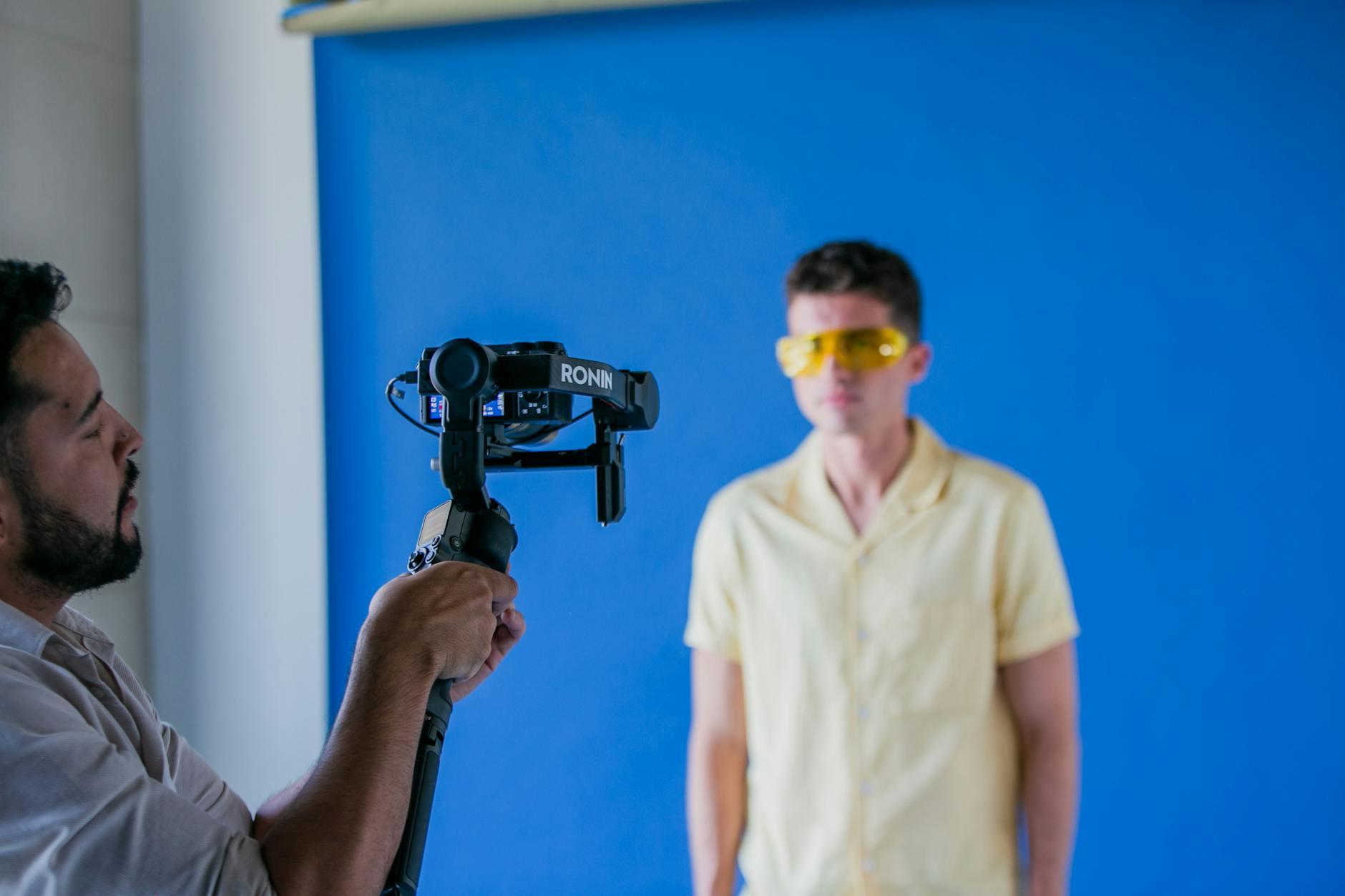
To legally conduct photography sessions in Miami’s diverse environments, it is essential to utilize official channels for obtaining necessary permits and permissions. The city’s official government websites serve as primary resources, providing comprehensive guidance on application procedures, required documentation, and fee structures. These sources ensure that photographers are well-informed about the specific rules that apply to different locations and types of shoots, whether in public parks, near iconic landmarks, or within private properties.
Collaborating with city offices or designated permit bureaus allows for streamlined processing of applications. Such agencies often offer assistance through online portals or dedicated customer service teams, helping photographers navigate forms, clarify expectations, and confirm approvals before scheduling shoots. In addition, some locations may necessitate site-specific approvals, especially during busy tourist seasons or special events.
Using official digital platforms ensures the authenticity of permits and reduces the risk of encountering unforeseen compliance issues. Photographers should carefully review the scope of permitted activities, designated shooting hours, and restrictions on equipment use—particularly when deploying professional lighting or drones. Accurate documentation of permissions can prevent potential disruptions, fines, or conflicts during the execution of projects.
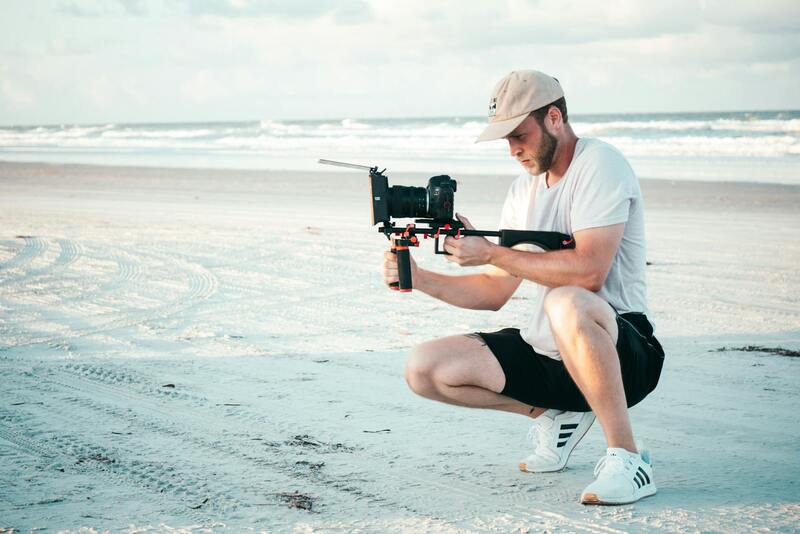
Maintaining a detailed record of all permits and permissions acquired not only demonstrates professionalism but also helps in case of audits or inspections by local authorities. It is advisable to store digital copies along with physical documents for quick reference during on-field operations. This due diligence fosters trust with clients and location managers, facilitating future collaborations and expanding business opportunities.
Legal and Licensing Considerations in Miami
For photographers operating in Miami, understanding the formal procedures for obtaining necessary permissions and licenses is pivotal for seamless and compliant operations. While shooting in public spaces, engaging with city departments such as the Miami Department of Parks & Recreation or the local municipal office can provide clarity on specific requirements. These agencies typically offer detailed guidelines and online portals for permit applications, streamlining the process and reducing the time spent on paperwork.
Applying for permits often involves submitting detailed proposals of the planned shoot, including dates, locations, equipment details, and the scope of the project. For shoots that involve the use of drones or specialized lighting equipment, additional approvals might be required, which ensures safety standards and operational restrictions are met. photographers should review these stipulations carefully to align with local regulations, avoiding penalties and ensuring a smooth workflow.
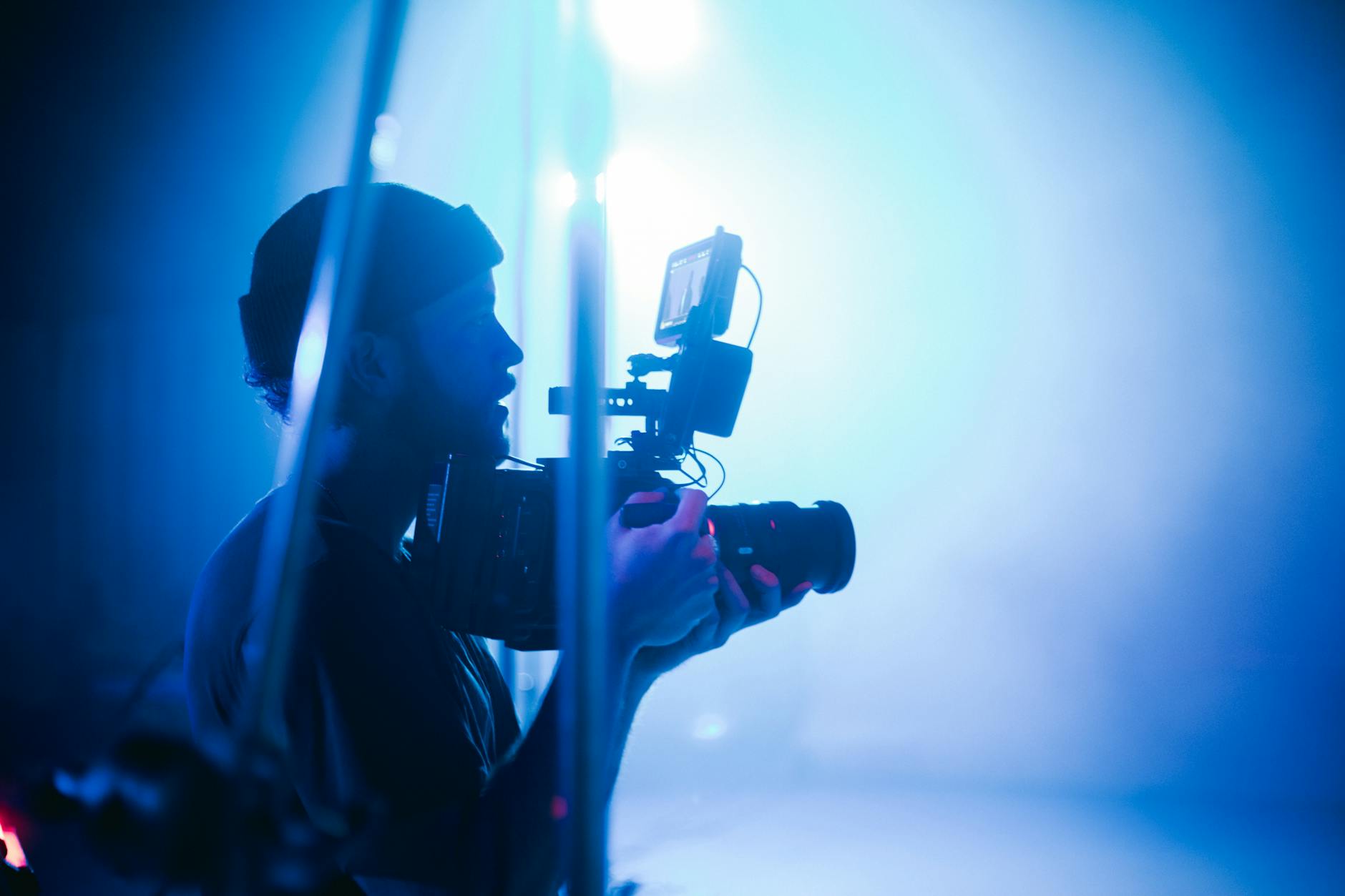
Maintaining accurate documentation of all permits not only underscores professionalism but also facilitates a transparent process in case of inspections. Digital copies stored securely alongside physical documents enable quick retrieval during shoots, which is essential for quick verification by authorities or location managers. Keeping a comprehensive record of approvals helps build trust with clients and location administrators, paving the way for long-term collaborations and repeat business.
- Permit Submission: Submit detailed proposals for approval prior to scheduled shoots.
- Scope and Restrictions: Understand the limits regarding permitted activities, hours of operation, and equipment use.
- Special Equipment: Obtain additional permits for drone photography, lighting setups, or other specialized gear.
- Compliance: Adhere to specified guidelines to avoid violations that could lead to fines or project delays.
Engaging with official platforms and following established procedures secure the legal foundation for a successful photography session in Miami. This approach not only minimizes potential disruptions but also enhances credibility and fosters strong professional relationships, critical in a competitive market like Miami’s.
Legal and Licensing Considerations in Miami
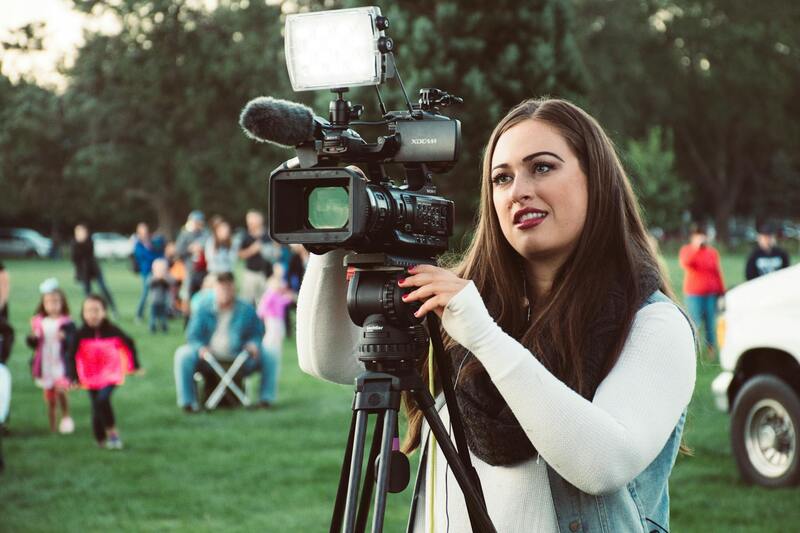
Operating a photography business or conducting individual shoots in Miami requires adherence to specific licensing and permit requirements established by local authorities and property managers. Ensuring compliance begins with understanding the process of acquiring the necessary permissions for various locations and activities. This includes submitting detailed proposals that outline the scope of work, equipment to be used, and the duration of the shoot. Proper documentation of permits—such as permission to shoot in public areas or private properties—serves as proof of authorization and helps prevent interruptions during production.
Photographers must also be aware of restrictions concerning the timing of shoots, especially in crowded or sensitive areas. For instance, filming or photographing in certain public parks or cultural landmarks might require special permits or scheduled times. Additionally, if drone photography or lighting equipment are involved, extra permits are often necessary due to the specialized nature of such gear. Obtaining these permits involves submitting detailed technical plans and adhering to specified guidelines to ensure safety and compliance.
Maintaining compliance with local regulations is facilitated by securing digital copies of all documentation, which can be stored securely for quick access. This organizational practice not only streamlines verification processes but also demonstrates professionalism to clients and authorities alike. Building relationships with official agencies and understanding the procedural requirements can substantially reduce the risk of delays or penalties and foster long-term professional collaborations.
By respecting official guidelines and engaging with the appropriate platforms, photographers can establish a solid foundation for their projects. Whether working on commercial shoots, fashion editorials, or personal projects, adherence to the legal framework ensures a smooth execution. This approach enhances credibility and demonstrates a commitment to professional standards, which is vital in a competitive environment such as Miami’s vibrant photography industry.