
Importance of Professional Real Estate Photography
In the dynamic and competitive Miami real estate market, the significance of professional photography cannot be overstated. High-quality images serve as the first impression potential buyers encounter when browsing property listings online. With the majority of homebuyers beginning their search digitally, visually appealing and accurately represented photographs can dramatically influence their interest and decision-making process. Properly captured images highlight the property's best features, create an emotional connection, and foster credibility, ultimately accelerating the sales cycle.
Real estate photography has evolved beyond simple snapshots; it now encompasses a strategic approach designed to showcase a property’s unique characteristics. Exceptional imagery attracts more online views, increases engagement, and can lead to quicker offers. In Miami’s bustling real estate environment, where luxury properties, waterfront homes, and condominiums vie for attention, professional photography becomes an invaluable asset. It ensures that listings stand out amidst a sea of competition and appeal to discerning buyers seeking quality and detail.
Moreover, professionally captured images reduce the need for multiple viewings, saving time and resources for agents and sellers alike. Such visuals also facilitate virtual tours and digital marketing efforts, extending the property's reach beyond geographic limitations. As a result, real estate photography becomes a pivotal component that influences perceived value, enthusiasm, and ultimately, the closing process.
In the competitive Miami market, where properties are often priced at premium levels, leveraging professional photography can also justify higher asking prices by emphasizing quality, craftsmanship, and location advantages. High-resolution imagery with well-composed shots communicates sophistication and confidence, ensuring listings do not merely blend into the background but instead command attention and inspire confidence among prospective buyers.
Ultimately, properly executed real estate photography is an investment that delivers measurable benefits: increased visibility, faster sales, and enhanced market positioning. For Miami’s vibrant and diverse real estate scene, collaborating with experienced photographers ensures properties are showcased at their absolute best, making a significant difference in successful property transactions.
Choosing the Right Equipment and Techniques
Investing in the appropriate tools is crucial for capturing captivating real estate images that highlight a property’s best features. High-quality digital cameras equipped with wide-angle lenses are standard in professional real estate photography, as they allow for expansive shots that display the full scope of interior and exterior spaces. Using a camera with a high megapixel count ensures that images remain sharp and detailed, even when viewed on large screens or printed in marketing materials.
Stabilization equipment, such as tripods, plays a vital role in reducing motion blur and ensuring that images are crisp. When working in interiors with variable lighting conditions, photographers often utilize lens filters, such as polarizers, to manage reflections and enhance color saturation. For exterior shots, particularly during the golden hour—shortly after sunrise or before sunset—natural light can be maximized to create warm, inviting images.
Advanced techniques like HDR (High Dynamic Range) photography involve capturing multiple exposures to balance the bright sky and shadowed areas, resulting in well-exposed and vibrant images. Bracketing your shots for HDR allows for detail retention in both dark and light regions, making the property appear more lifelike.
Additionally, employing proper shooting angles and perspectives can significantly impact how space is perceived. Emphasizing rooms with open layouts through strategic positioning creates a more inviting atmosphere. Correctly aligning shots vertically and horizontally ensures images appear natural and undistorted.
Best Practices for Shooting Interiors and Exteriors
Interior photography requires meticulous attention to detail to showcase a home's character and functionality. Removing clutter, depersonalizing spaces, and arranging furniture to highlight spaciousness are essential preparatory steps. Shooting during daylight hours with ample natural light enhances the environment, so opening blinds and windows allows light to flood the rooms.
For interior shots, testing different angles—such as corners and doorways—captures the full breadth of each space. Emphasizing key areas like kitchens, bathrooms, and living rooms can create focal points that attract buyers.
Exterior shots benefit from a clean and well-manicured landscape. Using a ladder or drone can provide elevated perspectives that showcase the property in its entirety. When photographing exteriors, consider the weather and lighting conditions, opting for clear, sunny days to produce bright, inviting visuals.
During the shoot, adjusting perspectives to avoid distortion and ensuring horizontal lines remain straight helps maintain visual integrity. Including nearby amenities and scenic views can also add context and appeal to the property.

Post-Processing and Photo Editing
Post-processing is a critical step in creating polished, attractive property images. Professional editing software allows for adjustments in brightness, contrast, and color balance, ensuring photographs accurately reflect the property's true appearance.
Smart editing techniques—such as straightening lines to eliminate skewed walls and aligning horizons—improve visual consistency and professionalism. Enhancing specific features, like brightening shadowed areas or subtly sharpening details, can make interiors appear more spacious and inviting.
When editing, maintaining authenticity is key. Over-editing can create false impressions and mislead potential buyers. Striking a balance that enhances clarity and appeal without exaggeration preserves credibility and aligns with best practices.
Creating a cohesive editing style across all images ensures a consistent narrative and presentation, which is vital for branding and marketing efforts. Employing high-resolution exports while optimizing file sizes guarantees that images remain crisp on various digital platforms.
Role of Drone and Aerial Photography
Drone photography adds a compelling dimension to real estate marketing by capturing stunning aerial views that showcase a property’s entire footprint and surrounding landscape. Elevated perspectives can highlight proximity to local amenities, natural scenery, and neighborhood features that ground-level shots cannot convey.
Using drones equipped with high-resolution cameras allows for dynamic images that emphasize the property's size, architecture, and outdoor amenities such as pools, gardens, and driveways. Aerial footage is especially effective for luxury estates and large properties, providing a comprehensive view that appeals to discerning buyers.
To maximize impact, drone shots should be planned carefully, considering lighting conditions and weather, to produce smooth, stable footage. Incorporating these images into virtual tours and marketing campaigns can significantly increase engagement and interest.

Choosing the Right Equipment and Techniques
Achieving exceptional real estate photography necessitates meticulous selection of equipment and application of specialized techniques. The foundation of compelling images begins with choosing the proper camera systems. Full-frame DSLRs or mirrorless cameras are preferred for their superior image quality, dynamic range, and low-light performance, allowing photographers to capture sharp, well-exposed photographs in varied lighting conditions. These tools enable professionals to produce images that highlight a property's best features with clarity and depth.
Lens selection plays a critical role in real estate photography. Wide-angle lenses, typically in the 14mm to 24mm range, are favored to encompass more of a room within a single shot, providing viewers with a comprehensive sense of space. Such lenses must be used carefully to avoid distortion, ensuring that the images remain true to the property's actual proportions. Tilt-shift lenses are also valuable in correcting perspective distortions, especially when photographing large rooms or exteriors from ground level.
Accessories such as tripod mounts, remote triggers, and stabilization devices enhance shot stability and precision, especially in low-light or interior shooting scenarios where longer exposures may be necessary. Additionally, circular polarizers can be employed to reduce reflections on glass surfaces and enhance color saturation in outdoor shots, emphasizing the natural beauty of exteriors and landscaping.
Employing advanced techniques further elevates the quality of real estate images. Wide-angle shots are instrumental in showcasing entire rooms and open-concept spaces. When combined with HDR (High Dynamic Range) imaging, they allow photographers to balance exposure levels across scenes with high contrast, such as bright windows and darker interiors. HDR involves capturing multiple images at different exposures and blending them during post-processing, revealing intricate details both inside and outside the property.
For exterior shots, timing and lighting are crucial. Shooting during the golden hour—shortly after sunrise or before sunset—provides warm, inviting light that enhances the property's curb appeal. Utilizing natural light effectively can accentuate architectural features and surrounding landscapes. Indoors, supplemental lighting, such as softboxes or diffusers, can be used to evenly illuminate spaces without creating harsh shadows or glare, ensuring rooms appear bright and welcoming.
Implementing panoramic techniques or stitching multiple photos can produce expansive views, giving potential buyers a sense of larger outdoor areas or panoramic interior vistas. This approach, combined with meticulous post-processing, results in compelling, high-resolution images that reflect the true character of a property.
Best Practices for Shooting Interiors and Exteriors
Capturing compelling real estate images requires a strategic approach tailored to each area of the property. For interior shots, it is essential to prepare spaces meticulously, ensuring rooms are clean, clutter-free, and well-staged to highlight their best features. Proper staging involves arranging furniture to maximize space perception and adding subtle decorative elements to create a warm, inviting atmosphere. The use of natural light is paramount; shooting during times when sunlight streams through windows ensures rooms are bright and visually appealing. When natural light is insufficient, supplemental lighting such as softboxes or diffusers can help achieve even illumination, avoiding harsh shadows or glare that detract from the image quality.
Exterior photography demands attention to timing, lighting, and composition. The optimal moments are during the golden hour to utilize warm, diffuse sunlight, enhancing the property's curb appeal. Keep the landscape tidy and well-maintained to underscore the property's value. Use wide-angle lenses to capture the full scope of the exterior, including driveways, gardens, and architectural details. Including elements like trees, fences, or pathways can provide depth and context, making the scene more inviting and authentic.
When photographing large outdoor spaces, consider panoramic techniques to encompass expansive vistas and landscape features. Stitching multiple images ensures a comprehensive view, illustrating the full scale and beauty of the property. Always verify that weather conditions are favorable—clear skies with optimal sunlight promote crisp, vibrant shots. Conversely, overcast days can offer diffuse light that minimizes shadows, often resulting in more evenly exposed images. It’s crucial to avoid reflections and distortions by positioning the camera correctly and utilizing lens filters if necessary.
Post-processing plays a vital role in refining images post-shoot. Careful adjustments to brightness, contrast, and color balance help ensure that photos accurately represent the property’s true appearance, enhancing visual appeal without misrepresentation. Slight cropping or straightening can improve composition, but it is important to maintain the integrity of the images.
Utilizing Advanced Techniques for Superior Results
- High Dynamic Range (HDR): Balances exposure in scenes with stark lighting differences, such as interior rooms with bright windows or exterior shots with contrasting light and shadow.
- Panoramic Stitching: Combines multiple images to create wide, seamless views of exteriors or open-plan interiors, conveying a sense of spaciousness.
- Vertical and Horizontal Composition: Ensures horizon lines are straight and structures are represented accurately, critical for maintaining professional standards.
- Proper Lens Selection: Wide-angle lenses are commonly used, but caution is necessary to avoid distortion that can misrepresent spaces.
- Consistent Shooting Settings: Maintain uniform aperture, ISO, and white balance across shots to ensure uniformity in the photo series.

Ensuring Accurate Representation Through Ethical Photography Practices
Establishing trust with potential buyers is paramount in real estate marketing, and this begins with integrity in visual presentation. Employing accurate photography practices means capturing images that truthfully depict the property's features, layout, and condition. Photographers should avoid techniques that overly enhance or manipulate images in a way that could mislead viewers. This includes refraining from excessive HDR, which if misused, can create images that do not reflect actual lighting and contrast, or over-editing that distorts colors or proportions.
By adhering to consistent lighting setups during the shoot, real estate professionals can ensure uniformity across images, providing a realistic view that aligns with what buyers will encounter during a visit. Proper use of lenses, angles, and camera settings helps preserve spatial integrity, preventing distortions that could give a false impression of room sizes or ceiling heights.
Another vital practice centers around transparency in post-processing. When adjustments are necessary, subtle modifications to brightness, contrast, and sharpness should be employed. Importantly, any digital corrections must serve to enhance clarity and appeal without altering the true character of the property. Maintaining this balance is essential in fostering honest communication and maintaining the credibility of the marketing materials.
Furthermore, high-quality images captured through meticulous techniques directly influence online engagement metrics. Clear, honest visuals attract serious buyers and reduce the risk of disappointing appointments or misaligned expectations. Overall, Professional real estate photography depends heavily on ethical practices that prioritize authenticity, transparency, and photorealistic representations to serve both sellers and buyers effectively.
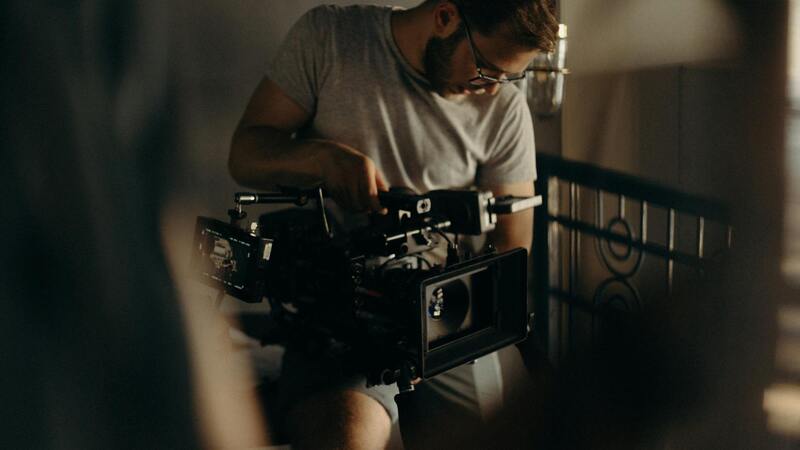
Role of Drone and Aerial Photography
Integrating drone and aerial photography into real estate marketing offers a compelling perspective that ground-level images often cannot provide. These aerial shots are invaluable for capturing the full scope of a property’s exterior, landscaping, and surrounding amenities, especially in scenic and expansive areas typical of Miami. High-quality drone footage can effectively highlight unique features such as waterfront views, large lots, or exclusive outdoor spaces that are significant selling points.
Modern drone technology uses stabilized gimbals and high-resolution cameras, ensuring crisp, clear images that convey professionalism and attention to detail. The strategic use of aerial photography can enhance online listings, making properties stand out in competitive markets. It provides prospective buyers with a comprehensive understanding of the property’s layout, orientation, and proximity to local attractions or transportation hubs.
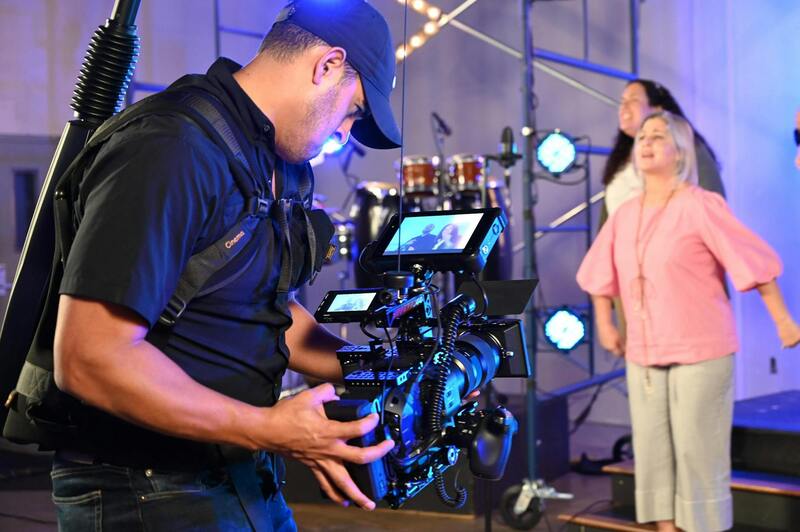
Employing drone footage requires adherence to established procedures for safe and effective operation. Certified pilots utilize specific flight plans to ensure comprehensive coverage while avoiding privacy infringements and adhering to local regulations. In real estate marketing, the emphasis is on capturing high-quality, well-composed shots that complement ground images, offering viewers a layered visual experience that enhances overall listing appeal.
Enhancing Virtual Tours and Marketing Strategies
Beyond static images, drone footage integrates seamlessly into virtual tours and promotional videos, providing an engaging, immersive experience that draws potential buyers. This approach not only modernizes listings but also expedites the decision-making process, as buyers can explore the property remotely with more confidence. When executed correctly, aerial imagery becomes a pivotal element in creating a compelling narrative around the property, highlighting its features from multiple perspectives.
Role of Professional Real Estate Photography in Marketing Success
In the highly competitive Miami real estate market, professional photography stands as a cornerstone of effective property presentation. High-quality images serve as the visual first impression, capturing the property's best features while conveying a sense of quality and appeal that resonates with prospective buyers. The clarity, lighting, and composition found in expert real estate photography can significantly accelerate the sales process by attracting serious inquiries and reducing time on market.
From expansive waterfront views to cozy interiors, professional photography ensures each element of a property is showcased with precision. Well-executed images highlight the spatial flow, architectural details, and unique selling points, creating an emotional connection that encourages viewers to envision themselves living in the space. When integrated into online listings, social media, and virtual tours, quality visuals maximize outreach and generate greater interest.
Investing in skilled photography also reflects a vendor's commitment to professionalism, fostering trust with potential clients and establishing a reputable market presence. Consequently, properties featured with superior imagery are more likely to command competitive pricing and generate higher volume of inquiries, elevating overall marketing efficacy.
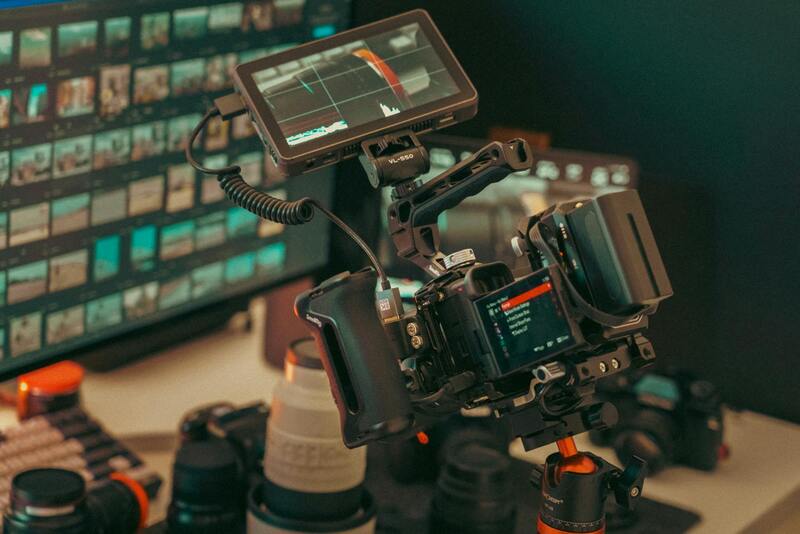
Core Components of Exceptional Real Estate Photography
- Lighting: Proper use of natural and artificial light enhances the property's features and creates welcoming, vibrant images.
- Composition: Strategic framing and attention to detail ensure each shot emphasizes the space's best attributes.
- Staging: Pre-shoot staging or decluttering prepares interiors to appear spacious, tidy, and appealing.
- Timing: Shooting during optimal weather and lighting conditions yields the most attractive visuals.
- Equipment: Using professional-grade cameras and lenses captures high-resolution images suitable for various marketing platforms.
Optimal Equipment and Techniques for Real Estate Photography
Professionally captured real estate images require specific equipment and technique mastery. DSLR or mirrorless cameras with wide-angle lenses are preferred to depict spaces accurately and fully. Tripods ensure stability, reducing blurriness and allowing precise framing. External flash units or reflectors are often used to balance interior lighting, especially in areas with uneven natural light.
Post-shoot techniques include HDR (High Dynamic Range) imaging, which synthesizes multiple exposures to harmonize dark shadows and bright highlights. This results in well-exposed images that reveal detailed textures and colors without overprocessing, maintaining authenticity. Employing proper camera settings such as aperture, ISO, and shutter speed ensures crisp, clear, and professional-looking photos.

Best Practices for Interior and Exterior Photography
Interior Photography
- Declutter and Stage: Remove personal items and arrange furniture to maximize space perception.
- Use Natural Light: Open curtains and blinds to flood spaces with daylight, enhancing warmth and depth.
- Shoot at Optimal Angles: Capture rooms from multiple vantage points to illustrate layout and flow.
- Highlight Unique Features: Focus on architectural details, high-end finishes, or upgraded amenities.
Exterior Photography
- Time of Day: Golden hours, shortly after sunrise or before sunset, provide ideal lighting conditions.
- Sky and Landscaping: Ensure the sky is clear or subtly cloudy to avoid dull backgrounds; tidy landscaping enhances curb appeal.
- Include Context: Show neighboring amenities, proximity to parks, or waterfront views to tell a comprehensive story.
- Use Aerial Shots: Drone photography captures expansive visuals of property surroundings, adding depth and context.
Refined Post-Processing and Editing Techniques
Post-processing is integral to transforming raw images into polished marketing assets. Adjustments to brightness, contrast, and color saturation help ensure images accurately reflect the property's appearance under real-world conditions. Skilled editing preserves authenticity while removing minor imperfections such as blemishes or distracting elements.
Advanced techniques like perspective correction and straightening lines prevent distortion, especially in wide-angle shots. Enhancing textures and details through sharpening algorithms boosts visual clarity. Consistency in editing style across all images maintains a cohesive property presentation that reinforces brand identity.
Careful attention to image file sizes and formats is crucial for maintaining high quality in online listings without compromising website performance. Properly resized and optimized images load faster, improving user experience and search engine ranking.
Implementing Aerial Photography for Enhanced Property Marketing
Beyond ground-level shots, drone and aerial photography unlock new perspectives, showcasing the property and its surroundings from strategic heights. These images provide a comprehensive understanding of the landscape, layout, and external features that are otherwise difficult to capture from the ground.
In Miami's vibrant real estate scene, aerial images highlight waterfront access, expansive gardens, or nearby amenities, supplying prospective buyers with valuable context. Drone photography can also capture large estate boundaries, unique architectural features, or developments in the neighborhood.
Operating aerial equipment requires meticulous planning, including flight path design, safety measures, and adherence to local regulations. Certified operators utilize advanced drone technology and software to plan optimal shots while respecting privacy and safety protocols.
Integrating aerial footage into virtual tours and marketing materials offers dynamic, engaging content that stands out. These visuals can be seamlessly incorporated into promotional videos, social media campaigns, and interactive listing presentations, creating a compelling narrative that enhances the property's appeal.
Utilizing Innovative Techniques for Authentic Real Estate Visuals
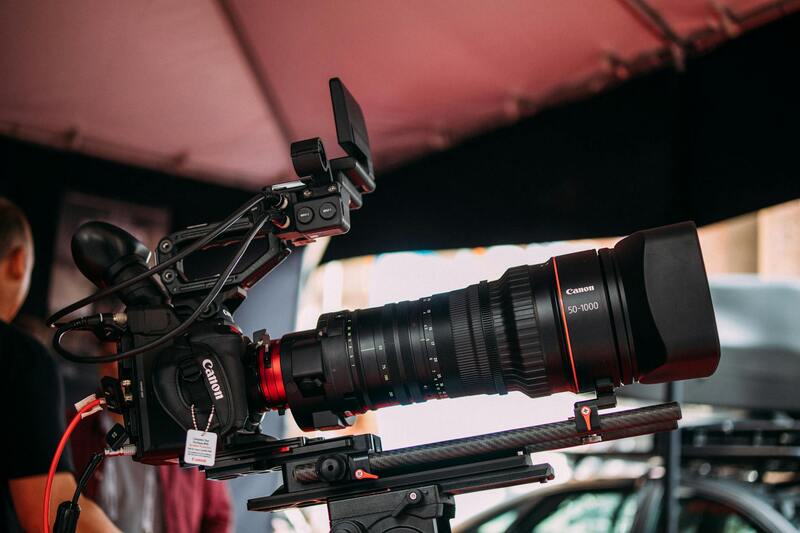
In the highly competitive Miami real estate market, the deployment of innovative and authentic visual strategies is essential for differentiating property listings. Real estate photography that emphasizes honest representation and diverse perspectives plays a crucial role in capturing client trust and fostering engagement. Incorporating advanced techniques, such as HDR imaging, panoramic shots, and virtual staging, ensures that each property’s unique features are highlighted without exaggeration.
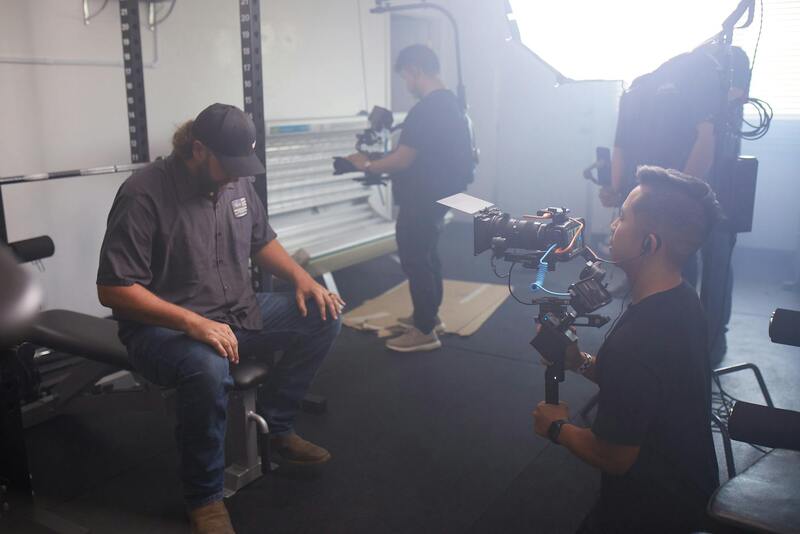
HDR imaging combines multiple exposures to produce images that accurately depict both interior details and exterior lighting conditions. This approach prevents typical issues such as overexposed windows or shadowed interior spaces, providing a balanced and inviting view of each property. Such methodical attention to detail ensures prospective buyers receive an authentic visual representation that aligns with their on-site impressions.
Maintaining Consistency and Reliability in Visual Content
Consistency across visual content reinforces professionalism and builds a reliable brand image for real estate photographers. Establishing standardized procedures for shot composition, camera settings, and post-processing enhances the coherence of property portfolios. Consistent quality fosters trust among real estate agents and property owners, ensuring repeat business and positive referrals.
Adherence to Accurate Depiction Standards
Authentic real estate photography must align with the actual features of a property. This entails honest display of room sizes, architectural details, and key external elements. Avoiding manipulative editing—such as disproportionately wide-angle lens distortion or excessive retouching—upholds integrity and ensures prospective buyers make informed decisions based on true visual cues.
Integration of Lifestyle and Contextual Elements
Authentic visuals extend beyond mere property images to include contextual shots of neighborhood environments, nearby amenities, and lifestyle appeal. These supplementary visuals help buyers envision the living experience and understand the property's place within the Miami community. Emphasizing genuine surroundings and features enhances the credibility and appeal of listings, fostering genuine interest and engagement.
Leveraging Technology for Effective Visual Storytelling
Technological innovations like 3D walkthroughs, virtual reality tours, and interactive floor plans complement traditional photography, providing immersive and authentic experiences. Integrating these tools into marketing strategies allows prospective buyers to explore properties remotely, gaining a clear and honest understanding of the layout and spatial relationships. This approach supports transparent communication, reducing misunderstandings and setting accurate expectations.
In summary, adopting innovative techniques that promote authenticity, consistency, and contextual relevance is vital for effective real estate marketing in Miami. Such practices not only enhance the visual appeal of listings but also reinforce trust, ultimately facilitating more confident purchasing decisions.