
Understanding the Importance of Cinematic Videos in Real Estate Marketing
In the dynamic and highly competitive Miami real estate scene, showcasing a property effectively is essential for attracting prospective buyers and investors. Traditional photos and virtual tours, while valuable, often fall short in capturing the full essence and ambiance of a luxurious or unique property. This is where cinematic videos have become a transformative tool, elevating real estate marketing to a new level of professionalism and engagement.
By integrating high-quality cinematic videos into marketing strategies, real estate professionals can present properties in a compelling manner that highlights their distinctive features, location benefits, and overall atmosphere. The visual storytelling employed through cinematic techniques allows potential clients to experience a property virtually as if they were physically present. This immersive approach enhances emotional connection, builds trust, and accelerates decision-making processes.
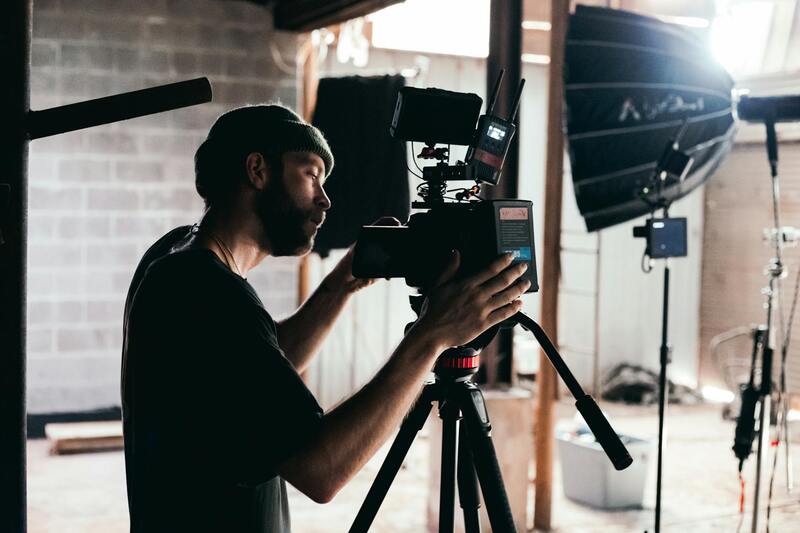
In a market as vibrant and diverse as Miami, a cinematic video provides an edge by emphasizing the lifestyle, architecture, and scenic surroundings that set each property apart. As a visual medium, cinematic videos effectively communicate the quality, elegance, and unique character of a listing, making it stand out amid a sea of competitors. This form of marketing appeals not only to prospective buyers but also to high-net-worth individuals seeking exclusive and visually captivating property presentations.
Furthermore, cinematic videos are optimized for social media sharing and online presence, increasing the potential reach and visibility of each listing. When crafted with precision, they serve as powerful assets that can generate leads, foster trust, and ultimately close deals more efficiently. As the Miami market continues to evolve, integrating cinematic video content into comprehensive marketing campaigns is no longer optional but a strategic necessity for agents and developers aiming to maximize property exposure.
Key Elements of a High-Quality Real Estate Cinematic Video
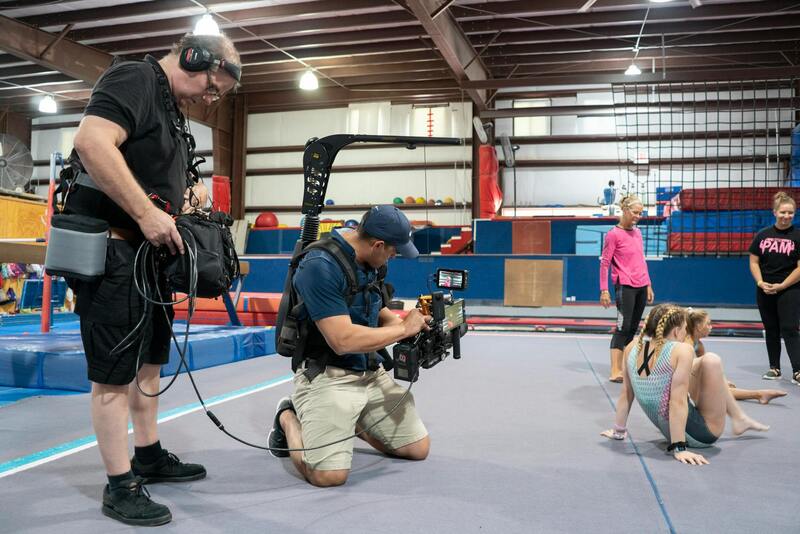
Creating a compelling real estate cinematic video demands meticulous attention to various essential elements that collectively ensure the final product resonates with viewers and effectively showcases the property. These components include camera techniques, lighting, staging, and sound design, each contributing to the overall cinematic appeal and professionalism of the video. Mastery over these elements can significantly elevate the property's perceived value and attract serious buyers.
Camera Techniques
Effective camera work is the foundation of a cinematic real estate video. Utilizing stabilizers and gimbals allows for smooth, fluid movements that mimic the natural flow of human vision, avoiding jittery or shaky footage. Wide-angle lenses should be employed to capture expansive views of interior spaces, emphasizing space and architectural details. Drone footage adds a dynamic aerial perspective, offering a comprehensive view of the property's exterior and surroundings. Strategic framing focuses on accentuating distinctive features, such as waterfront views, landscaped gardens, or luxurious interiors, guiding the viewer’s eye toward key selling points.
Lighting
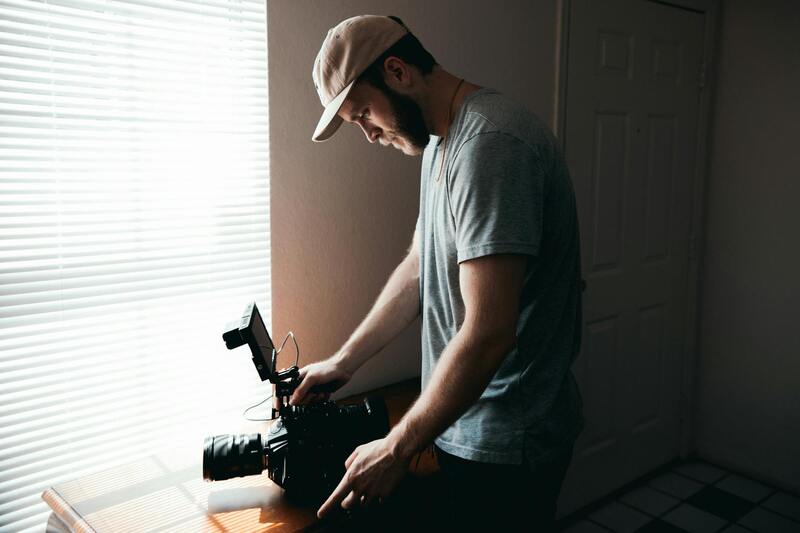
Lighting plays a pivotal role in achieving a warm, inviting, and cinematic look. Natural light is preferred during daytime shoots, highlighting the property’s features and creating a vibrant atmosphere. Properly timed shoots during the golden hour—shortly after sunrise or before sunset—can infuse the footage with a softer, golden hue that enhances visual appeal. Supplementary lighting, such as softboxes or LED panels, should be used indoors to eliminate shadows, enhance textures, and maintain consistent brightness across scenes. Attention to lighting angles and intensity ensures that the space appears spacious and welcoming rather than cluttered or dull.
Staging
Effective staging is critical for creating a visually appealing environment that allows potential buyers to envision living in the space. Minimalistic, tasteful decor emphasizing architectural features helps showcase the property’s potential. Carefully selected furniture and accessories should complement the property’s style, scale, and color palette. Incorporating lifestyle elements—such as a well-set dining table or a cozy reading nook—can evoke a desirable lifestyle and emotional connection. The goal is to highlight how spaces function and feel, making them more enticing through visual storytelling.
Sound Design
Quality audio enhances the cinematic experience by adding depth and atmosphere. Using professional-grade microphones during filming captures clear environmental sounds and subtle audio cues, such as footsteps or water features. Additionally, background music should be carefully chosen to match the mood of the video, whether it’s sophisticated, relaxed, or energetic. Sound editing ensures seamless integration of music, voiceovers, and ambient sounds, resulting in a polished and immersive viewer experience that reinforces the property's allure.
Production Techniques for Capturing Miami Real Estate
Harnessing the vibrant and diverse architecture of Miami requires strategic camera techniques and equipment choices to best showcase the property’s unique features. Wide-angle lenses are indispensable for conveying spaciousness and an open feel within interiors and exteriors, allowing viewers to grasp scale and flow seamlessly. When filming expansive rooms or grand outdoor spaces, shifting between wide shots and medium perspectives creates a dynamic visual narrative that keeps viewers engaged while preserving a sense of proportion and context.
Zenith shots—from elevated drone footage to high vantage points—are instrumental in highlighting a property's location and geographical context. Drone cinematography offers sweeping views of the neighborhood, nearby waterfronts, parks, and city skylines, adding an aspirational element that resonates with target buyers. Smooth drone transitions should be carefully choreographed, combining sweeping aerials with detailed ground shots to establish both the environment and interior allure.
Lighting remains a cornerstone of high-quality footage, especially considering Miami’s sunny climate and beautiful natural light. For interior shots, diffused natural light should be maximized, complemented by reflectors or diffusers to soften shadows and unify the ambiance. During overcast days or low-light situations, artificial lighting setups, such as softboxes or LED panels, provide consistent illumination, ensuring clarity and vibrancy in every frame. When capturing outdoor scenes, timing filming sessions during golden hour—shortly after sunrise or before sunset—produces warm, inviting visuals that emphasize the property’s exterior appeal.
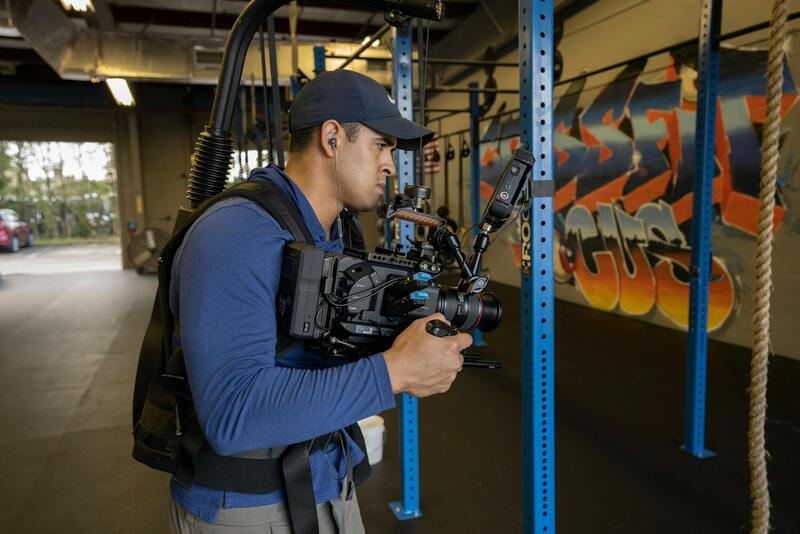
Skillful camera movements, including smooth dolly shots, pans, and sliders, create cinematic flow and enhance storytelling. For example, a steady sliding shot down a luxurious hallway or a cinematic reveal of a pool area can evoke emotion and desire. Incorporating stabilization technology, such as gimbals and steadicams, ensures fluid motion and prevents shaky footage, which is crucial for maintaining a professional appearance and audience confidence.
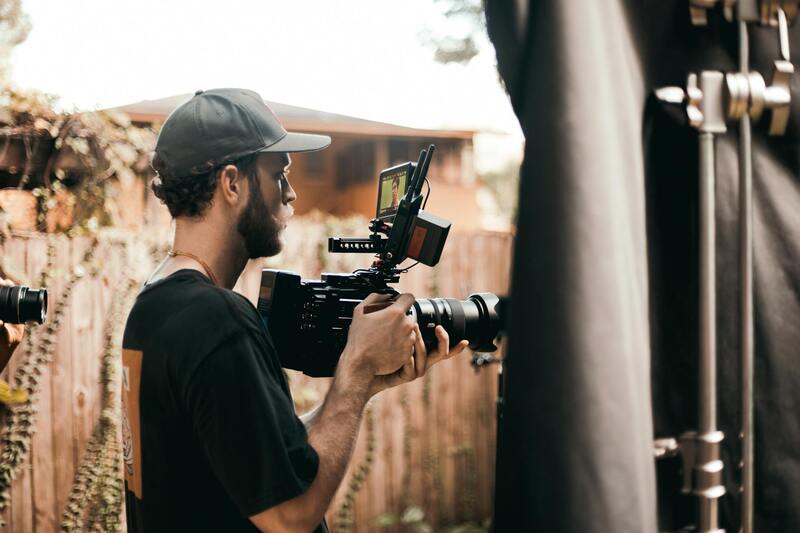
Post-production editing further refines these techniques. Color grading is used to enhance aesthetic appeal, drawing out the vibrant hues of Miami’s landscape and creating a cohesive look throughout the video. Cutting between shots should be seamless, with careful attention to pacing to maintain viewer interest and highlight key features. Incorporating subtle visual effects, such as light flares or lens boosts, can add a touch of cinematic artistry that elevates the overall presentation.
Sound design also plays an integral role during production. Environmental sounds captured during filming—like rustling palm leaves, gentle water features, or urban ambiance—add authenticity. Layering these sounds softly in the background enriches the sensory experience. When paired with thoughtfully selected music, the cinematic video becomes a captivating journey that communicates not only the property’s physicality but also its lifestyle potential, resonating deeply with prospective buyers.
Post-Production and Editing Strategies
Once the filming process is complete, the focus shifts to post-production, where the raw footage is transformed into a compelling cinematic narrative. Effective editing is crucial in shaping the story, emphasizing the property’s unique features, and immersing potential buyers in an aspirational experience. Careful color grading is applied to enhance visual appeal, accentuating Miami’s vibrant landscapes, architectural details, and interior aesthetics. This process ensures consistency across shots, establishing a cohesive look that aligns with the property's branding and target market.
Seamless transitions are integral to maintaining viewer engagement. Cuts should be smooth and contribute to the narrative flow, avoiding abrupt scene changes that might jolt the viewer's experience. Utilizing techniques such as crossfades, wipes, or dynamic motion effects can add a layer of sophistication, making the viewing experience more immersive.
Sound editing also plays a vital role. Ambient sounds captured during shoot days—like urban buzz, nature sounds, or water features—can be layered subtly to build atmosphere, adding authenticity and ambiance. Complementing this, music selection should be tailored to evoke the desired emotional response, whether it's serenity, excitement, or exclusivity. Carefully synchronized with visuals, harmonized sound and music elevate the cinematic quality.
Other editing strategies include incorporating visual effects like light flares, lens boosts, or slow-motion sequences to draw attention to specific features or create a dream-like atmosphere. These enhancements should be used judiciously to maintain a professional appearance without overwhelming the viewer. Additionally, adding animated text overlays or graphical labels can strategically point out key property amenities or features, helping viewers retain critical information.
Finally, rendering the final cut in various formats and resolutions ensures compatibility across multiple online platforms. This step includes compressing the video for faster load times without sacrificing visual quality, optimizing it for streaming, and ensuring it looks impeccable on desktops, tablets, and smartphones.
Legal Considerations and Best Practices for Real Estate Cinematic Videos
Producing high-quality cinematic videos for real estate involves adhering to a set of established best practices that ensure professionalism and consistency. While there are no explicit mandates to follow certain procedures, maintaining high standards in filming, editing, and distribution not only enhances the property's appeal but also safeguards the reputation of the real estate professional or agency involved.
Clear permission and appropriate documentation are fundamental. Securing rights or authorizations for all third-party elements included in the video—such as music, aerial footage, or proprietary signage—avoids potential issues post-publication. This diligence ensures that all content used within the video aligns with intellectual property guidelines and respects the rights of original creators.
Transparency with clients regarding the scope and purpose of cinematic production is another critical aspect. Establishing a comprehensive agreement that outlines the intended use of the video, distribution channels, and the duration it will be accessible helps manage expectations and prevent misunderstandings.
Adhering to safety standards on set is equally important. This involves ensuring that equipment setup does not pose hazards or interfere with surrounding properties or residents, especially during aerial or drone filming. Proper risk assessments and safety measures not only protect the crew but also preserve the integrity of the property and neighborhood.
For the editing and distribution phases, maintaining an archive of original footage, project files, and final versions supports future revisions and legal referencing if needed. Utilizing professional software and following consistent color grading and audio mixing protocols also guarantees a polished final product that adheres to industry standards.
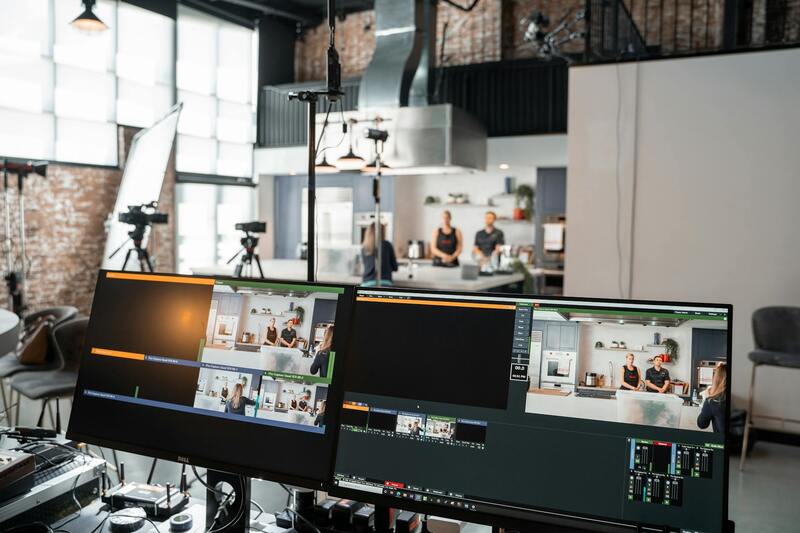
Finally, delivering the cinematic content through secure, reputable online platforms minimizes exposure to unauthorized sharing or misuse. Properly encoding and watermarking videos can further protect ownership rights and encourage responsible viewing and sharing practices. Such measures uphold the integrity of the cinematic production, ensuring it serves as a powerful marketing tool while respecting legal and ethical standards.
Legal Considerations and Best Practices for Real Estate Cinematic Videos
When producing cinematic videos for real estate, it is imperative to adhere to established standards that safeguard the interests of all parties involved. This includes securing permissions for all locations showcased in the video, especially when filming involves private properties, commercial spaces, or restricted areas. Each property owner or managing entity should provide explicit consent, documented in writing, to prevent any disputes or misunderstandings that could arise post-production.
In addition to property permissions, filming in public spaces often requires adherence to municipal regulations related to drone usage and aerial photography. Compliance involves obtaining necessary permits, respecting no-fly zones, and following altitude restrictions. These measures help avoid interruptions and ensure that aerial shots are captured lawfully and responsibly.
Another key aspect in cinematic video production is respecting the privacy rights of residents or individuals present during filming. Obtaining clear consent to include identifiable persons in the footage minimizes risks of privacy infringement claims. When such consent cannot be acquired, it is advisable to frame shots strategically to obscure individuals or void identifiable features.
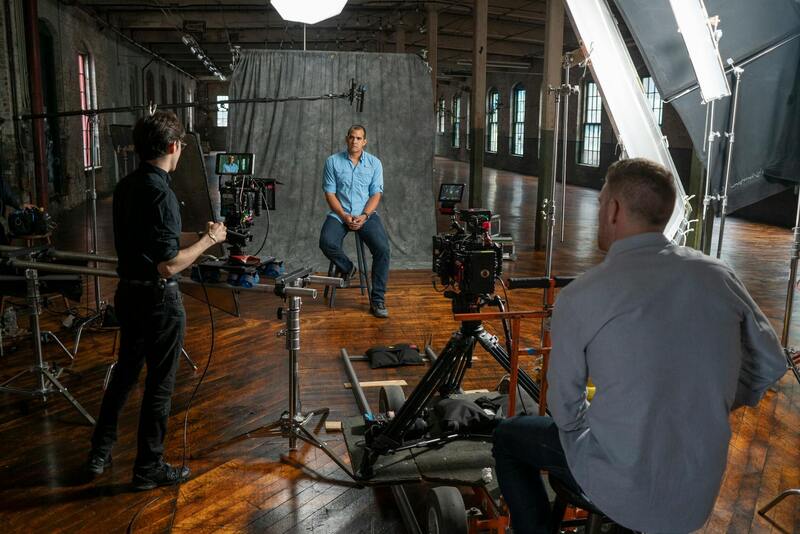
From a technical perspective, employing professional editing standards is essential. This encompasses proper color grading, audio clarity, and seamless transitions that reflect authenticity and elevate the property's appeal. Using watermarking and secure digital delivery platforms helps protect your footage from unauthorized use, maintaining ownership rights and promoting responsible sharing.
Moreover, it's advantageous to document all stages of production, including permissions, permits, and client agreements. Keeping an organized archive of project files, original footage, and final renderings not only streamlines future updates but also supports transparency and accountability.
Most importantly, aligning the cinematic video with local advertising regulations and housing disclosure laws ensures compliance at every level. This disciplined approach minimizes potential legal challenges and enhances the credibility of your marketing efforts.
Legal Considerations and Best Practices for Real Estate Cinematic Videos
Producing cinematic videos for real estate requires a meticulous approach to ensure all activities align with established standards for privacy, safety, and ethical marketing. Adhering to these best practices not only facilitates a smooth production process but also protects all parties involved from potential disputes or misunderstandings.
One of the foremost considerations is securing explicit permissions prior to filming. This involves obtaining written consent from property owners and, where applicable, residents or occupants. Clear documentation of permissions ensures that all footage captured is authorized for commercial use and avoids future complications. Additionally, securing permits for drone operations and outdoor filming locations complies with local regulations and demonstrates professionalism.
Respect for individual privacy is critical in cinematic real estate marketing. Filmmakers should be vigilant not to include identifiable persons without their informed consent. When filming in occupied properties, strategic framing can be employed to obscure or exclude residents or visitors. This approach helps uphold privacy rights and safeguards the reputation of the production company.
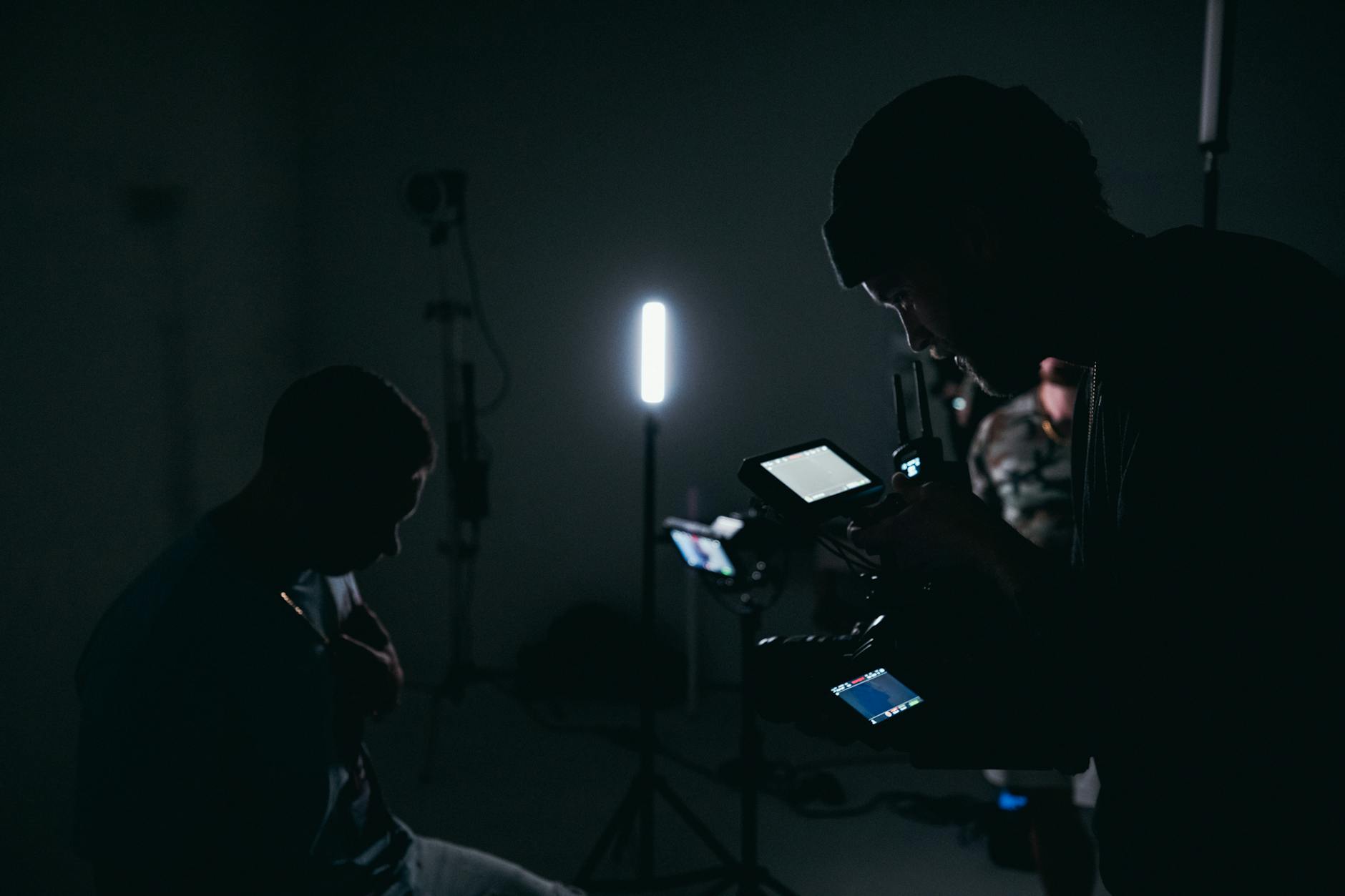
Safety protocols are equally vital during production. Ensuring the structural stability of filmed properties, especially when using drones or equipment that require proximity to buildings, minimizes risks. Production teams should also conduct scene assessments beforehand, identifying potential hazards and establishing safe filming practices.
Authenticity in cinematic videos can be maintained through transparent storytelling that accurately represents the property’s features. Avoiding misrepresentation helps build trust with prospective buyers and aligns with fair marketing practices. All editing and post-production adjustments should preserve the integrity of the property’s appearance, refraining from misleading enhancements that could compromise credibility.
Implementing secure digital storage and watermarking measures is advisable to protect footage rights. These practices not only deter unauthorized use but also facilitate controlled sharing with clients or platforms, maintaining ownership integrity. Proper version control and detailed project documentation streamline revisions and future updates, reinforcing the professionalism of the production pipeline.
Ultimately, complying with local advertising standards and real estate disclosure requirements fosters a trustworthy relationship with viewers and clients. Diligently following these guidelines reflects a commitment to ethical marketing and enhances the overall reputation of the production agency.
Legal Considerations and Best Practices for Real Estate Cinematic Videos
When producing high-quality real estate cinematic videos, adhering to established rights and permit requirements is essential to maintain ethical standards and safeguard the integrity of the marketing process. This involves securing permissions from property owners before filming, ensuring that all involved parties are informed about the scope and purpose of the video production.
Obtaining appropriate filming permits is a critical step, especially when utilizing aerial drone footage or involving restricted areas within the property. Permits help ensure compliance with local regulations and prevent potential delays or legal complications during the shooting process. It is advisable to communicate with relevant municipal or governing authorities early in planning to acquire the necessary authorizations.
In terms of ethical practices, transparency remains paramount. Disclosing the use of drone footage, special effects, or post-production enhancements helps build trust with prospective buyers and maintains fair marketing standards. Honest representations ensure that viewers receive an accurate depiction of the property’s features and condition, which reinforces credibility and supports ethical advertising practices within the real estate industry.
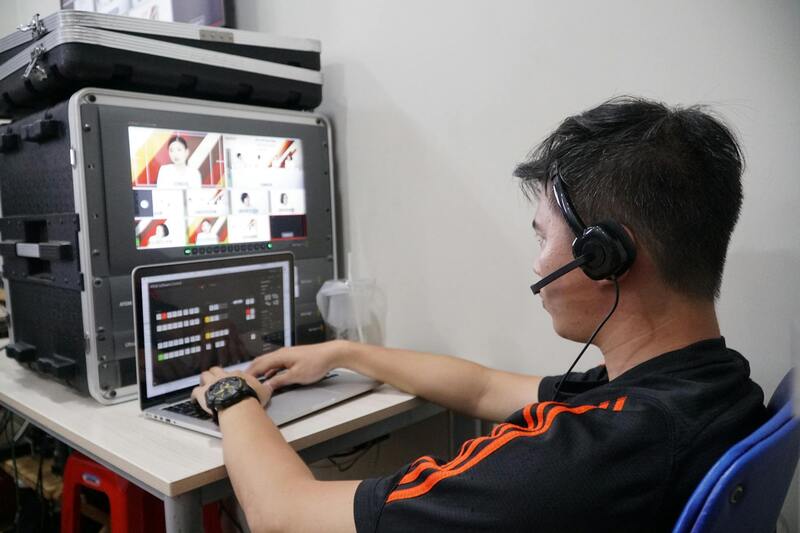
Respecting privacy rights is another critical aspect. Filming privacy-sensitive areas such as backyards or interior spaces requires explicit consent from involved residents or neighbors. Respectful engagement with the community mitigates potential conflicts and promotes positive relationships with the local environment.
It is equally important to stay updated on evolving industry standards and local regulations governing real estate advertising. This includes understanding specific disclosure requirements related to digital media and ensuring all content aligns with fair marketing practices. Regular legal consultations or collaborations with professionals versed in real estate law can facilitate seamless compliance and help avoid inadvertent violations that could detract from the property's appeal.
Moreover, maintaining accurate documentation of all permits, permissions, and consent forms facilitates accountability and provides a clear record of adherence to regulatory standards. This documentation can be crucial in case of audits or disputes, offering reassurance to clients and stakeholders about the responsible handling of the marketing campaign.
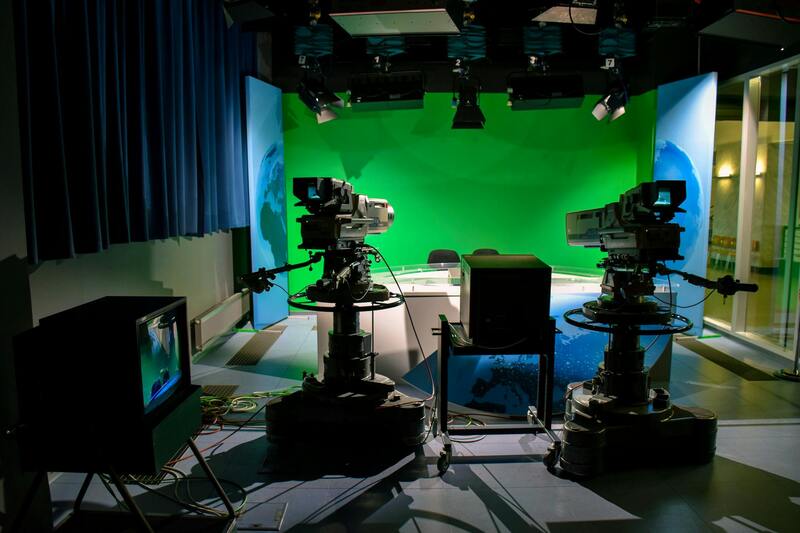
Incorporating all these best practices ensures that cinematic videos not only showcase properties effectively but also uphold industry integrity and foster trust among buyers, sellers, and regulatory bodies alike. An emphasis on legal and ethical standards within the production process exemplifies a commitment to responsible real estate marketing that benefits all stakeholders involved.