Importance of High-Quality Property Photography
In the competitive real estate market, the visual representation of a property significantly influences its appeal to potential buyers. High-quality property photography not only highlights the unique features and spaciousness of a home but also creates an immersive experience that encourages viewers to envision themselves living there. Skilled photography enables estate agents to present properties in the best possible light, capturing the ambiance and architecture with clarity and accuracy.
When prospective buyers browse listings online, they are often making initial judgments based solely on photographs. Well-composed images that are clear, well-lit, and professional can increase the likelihood of attracting more inquiries and viewings. Moreover, properties showcased with compelling images tend to sell faster and often command higher prices compared to those with substandard visuals. This is because high-quality images communicate professionalism, trustworthiness, and attention to detail, establishing an instant connection with the audience.
Furthermore, research indicates that listings with professional photographs receive significantly higher engagement on property portals and social media platforms. This increased visibility can translate into a broader reach, expanding the pool of potential buyers. For estate agents, investing in expert property photography becomes an essential part of a strategic marketing plan to stand out in a crowded marketplace.
Ultimately, professional photography acts as a powerful marketing tool that elevates a property's appeal, builds credibility, and facilitates quicker, more profitable transactions. High-quality images are not merely an aesthetic enhancement; they are a fundamental component of effective property marketing and sales success.
Choosing the Right Equipment and Techniques
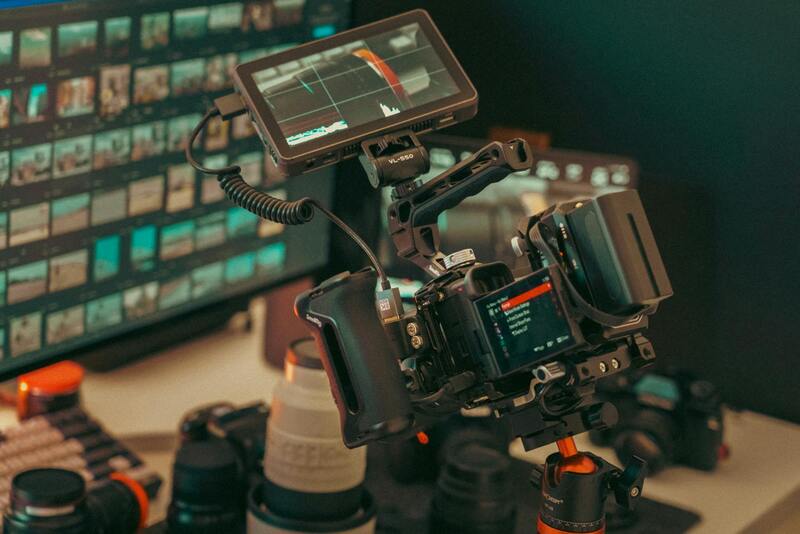
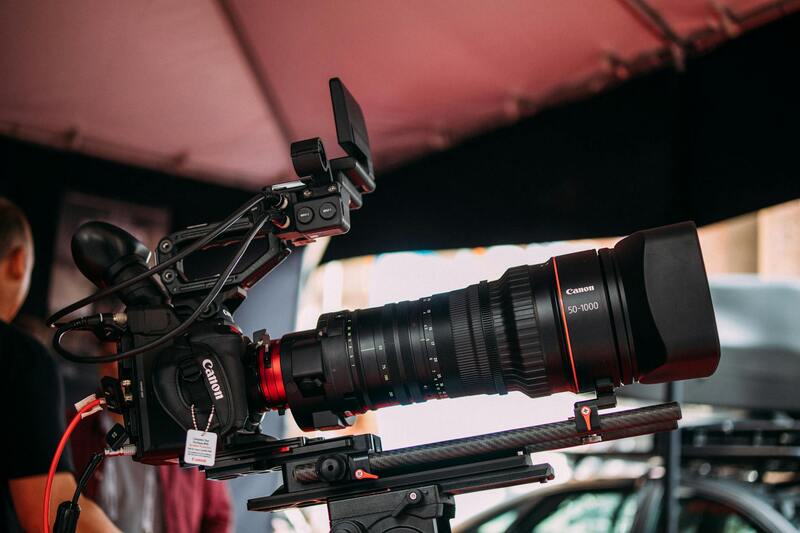
Ensuring that property photographs meet high standards begins with selecting appropriate equipment and employing effective techniques. Professional-grade cameras equipped with wide-angle lenses are essential to capture expansive interiors and architectural details accurately. The wide-angle lens allows for the inclusion of more space in a single shot, reducing the need for numerous images and providing a comprehensive view of each room.
Aside from camera choice, proper lighting techniques play a crucial role. Natural light is preferable, and agents are encouraged to schedule shoots during times of day when natural illumination is optimal. Supplementing with professional lighting equipment helps eliminate shadows and highlights the property's best aspects, ensuring consistency across images.
Exposure settings, aperture control, and focus techniques must be carefully managed to produce sharp, well-detailed images. Maintaining a steady camera position with tripods ensures stability, which contributes significantly to image clarity. Consideration should also be given to vertical and horizontal lines, ensuring they are perfectly aligned to avoid distorted perspectives that can diminish the property's appeal.
Staging and Composition
Effective property photography is as much about artistic composition as it is technical precision. Proper staging involves arranging furniture and decor to accentuate space, flow, and functionality. Clutter should be cleared, and minor repairs might be made to enhance visual appeal. When composing shots, the focus should be on highlighting unique features—such as a fireplace, bespoke cabinetry, or scenic views—by framing images that naturally draw the viewer's eye to these elements.
Utilizing leading lines and symmetry guides viewers through the space, creating a sense of harmony that invites them into the environment visually. Shooting from a slightly elevated angle, when appropriate, provides a more comprehensive perspective and enhances the depth of the space.
Implementing Advanced Techniques
Advanced techniques, such as HDR (High Dynamic Range) imaging, allow for capturing images with balanced light and shadow levels, particularly useful in rooms with large windows or contrasty lighting conditions. Panorama shots can be employed to provide wider views of large spaces or outdoor areas, giving prospective buyers a more immersive experience.
Post-processing methods, including color correction, straightening horizons, and minor retouching, help ensure images align with the property's true appearance while maintaining a professional stylistic consistency across all visuals. The goal is to create images that are both attractive and authentic, serving as effective representations for all marketing channels.
Choosing the Right Equipment and Techniques
For precision and professionalism in property photography, selecting appropriate equipment is essential. Modern digital single-lens reflex (DSLR) or mirrorless cameras are highly recommended because they offer superior image quality, versatility, and manual control over exposure settings. These cameras allow photographers to handle varying lighting conditions within a property, ensuring that each shot captures the space accurately and attractively.
Complementing the camera choice, high-quality lenses—particularly wide-angle lenses—are crucial. Wide-angle lenses enable the photographer to capture more of a room within a single frame, which is especially valuable for smaller spaces or tight areas, providing a sense of openness and scale to potential buyers. It is important to use lenses with minimal distortion to maintain accurate proportions and avoid creating misleading representations of the property.
Lighting gear also plays a prominent role in achieving stunning visuals. While natural light is preferred for its softness and authenticity, supplementary lighting equipment such as softboxes or diffusers can help fill in shadows and balance lighting, especially in dimly lit interiors or during overcast days. Proper lighting ensures that the property appears welcoming and true to life, minimizing undesirable shadows or washed-out areas.
Advanced shooting techniques further elevate the quality of property images. Wide-angle shots are standard for capturing entire rooms in a single frame, fostering a sense of space. High Dynamic Range (HDR) imaging involves capturing multiple exposures and blending them to highlight details in both bright and shadowed areas. This technique is particularly effective in properties with large windows or varied lighting conditions, providing well-balanced images that attract viewers’ attention.
Panorama photography is another valuable approach that offers a comprehensive view of large outdoor spaces, such as backyards or open-plan living areas. Through panoramic shots, viewers gain a more immersive perspective, enhancing their understanding of the property's scale and layout. When executed properly, panoramas can be stitched seamlessly to produce wide, distortion-free images that showcase the property's full scope.
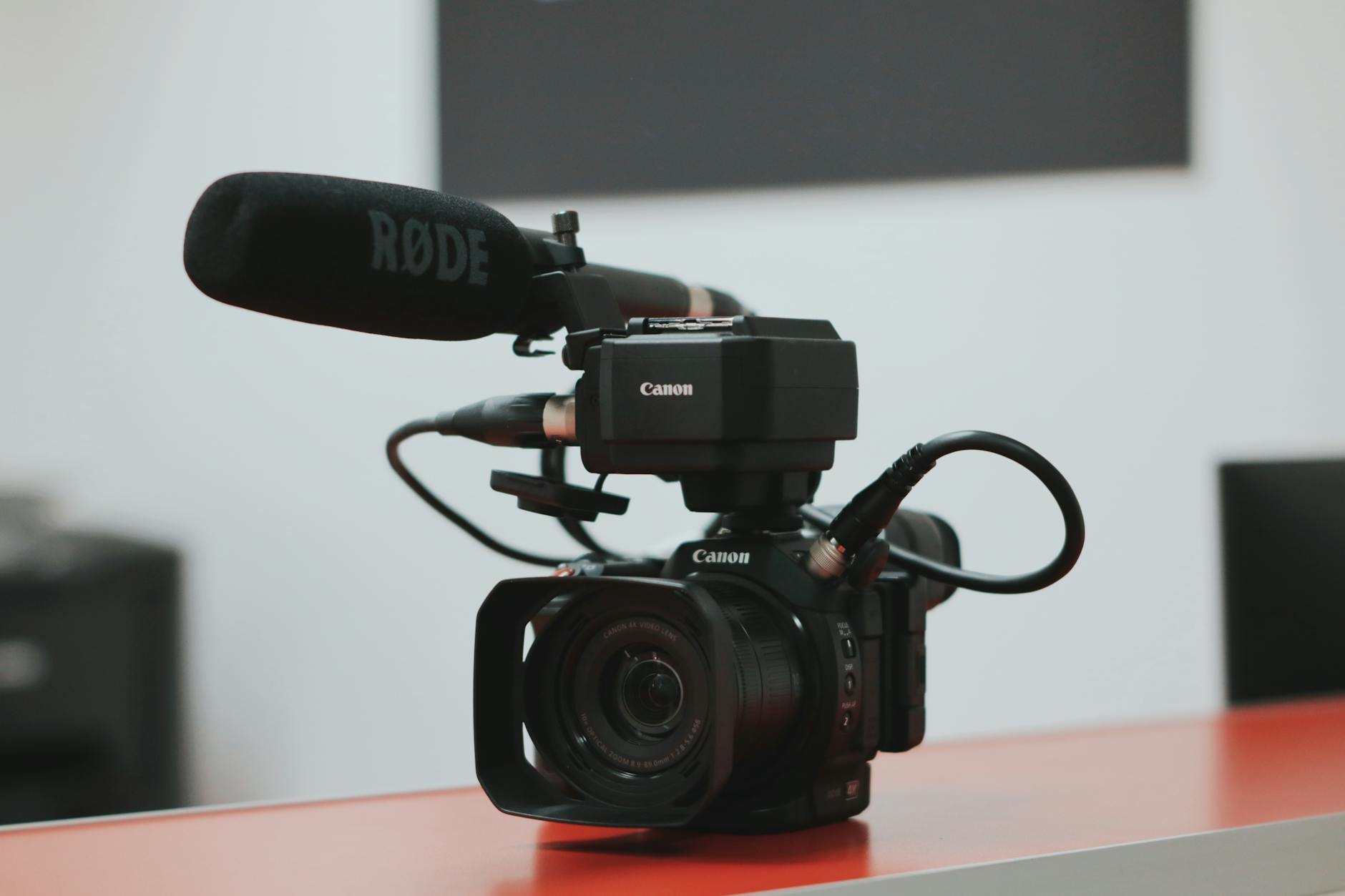
Post-processing also plays an important role in refining images. Adjustments such as color correction, straightening horizons, and minor retouching ensure that the final photos accurately represent the property’s true appearance while enhancing visual appeal. Consistency in editing styles across a portfolio reinforces professionalism and helps create a recognizable brand for property listings.

Choosing the Right Equipment and Techniques
Achieving stunning property images begins with selecting the appropriate tools and employing effective techniques. Modern digital cameras with high-resolution sensors are essential, allowing for sharp, detailed images that accurately portray the property's features. A wide-angle lens is typically preferred in real estate photography because it captures more of the scene within a single shot, making rooms feel more spacious and inviting. These lenses usually range from 10mm to 24mm for full-frame cameras, providing versatility across various interior spaces.
Lighting equipment also plays a pivotal role. Natural light is ideal, but supplementary lighting fixtures such as portable flashes and diffusers help eliminate shadows and highlight key areas. Proper lighting not only illuminates the property evenly but also enhances color accuracy and depth, creating a warm and welcoming atmosphere in photographs. Using a tripod ensures stability during shoots, especially in lower light situations, resulting in clear, blur-free images.
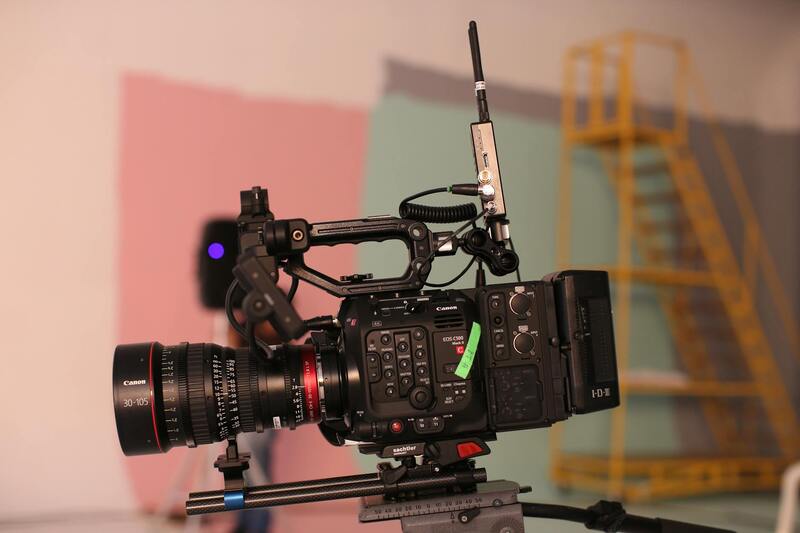
Post-Processing and Editing Tips
Post-production refines property images, elevating their appeal while maintaining an authentic representation. Software like Adobe Lightroom or Photoshop provides powerful tools for color correction, perspective adjustments, and minor retouching. Ensuring that images are correctly exposed, with balanced contrast and vibrancy, makes properties look more attractive without overdoing enhancements. Straightening lines and fixing distortions are crucial for maintaining spatial accuracy, especially in wide-angle shots.
Careful editing ensures consistency across a property listing portfolio, reinforcing a professional appearance. Subtle enhancements can draw attention to desirable features, such as a fireplace or scenic view, without detracting from the property's true character. High-quality post-processing also prepares images for different marketing channels, ensuring they look their best whether viewed on a website, social media, or printed brochures.
Utilizing Virtual Tours and 3D Imaging
In today's competitive real estate market, immersive visual experiences have become a valuable asset for estate agents aiming to attract serious buyers. Virtual tours and 3D imaging redefine traditional property marketing by providing potential buyers with detailed, walk-through experiences from anywhere in the world. These technologies enable viewers to explore a property's layout and spatial relationships more effectively than static images alone.
By incorporating virtual tours, estate agents can showcase properties with a high degree of interactivity, allowing viewers to navigate through rooms and understand the flow of the space. This method not only saves time for both agents and buyers but also broadens the reach of marketing efforts, as virtual experiences can be easily shared across multiple online platforms. For properties that are under construction or require a visual upgrade, 3D imaging offers a compelling preview of the final look, helping to set accurate expectations and generate more interest.

Implementing these advanced tools often involves meticulous planning and high-quality captures. Professional-grade 3D cameras, along with sophisticated software, deliver highly detailed and realistic images that accurately represent the property’s features. This technology allows estate agents to create comprehensive floor plans, 360-degree views, and interactive experiences that emulate in-person visits.
Furthermore, virtual tour platforms and 3D imaging are adaptable to various marketing channels, making it easy to embed these experiences into websites, social media, and email campaigns. This versatility helps estate agents stand out in a crowded marketplace and attract a wider pool of potential buyers who appreciate convenient, engaging viewing options.
Enhancing Listings with Strategic Photography Techniques
Beyond just capturing high-resolution images, employing strategic techniques can significantly elevate property listings. This includes using wide-angle lenses to maximize space perception and employing natural light to emphasize the property’s best features. Consistent styling and staging also ensure that each shot aligns with the overall aesthetic, creating a cohesive visual narrative for the property.
Additionally, utilizing drone photography can reveal aspects of the property’s surroundings—such as gardens, nearby amenities, or scenic views—that are difficult to showcase from ground level. Drones provide a unique vantage point that underlines the property’s location benefits, often influencing prospective buyers' emotional connection to the space.

Incorporating these imaging techniques ensures that listings are comprehensive and visually compelling, translating to increased inquiries and faster sales. When executed with a focus on authenticity and clarity, high-quality visuals serve as a powerful marketing tool that effectively communicates the property's value and potential.
Advanced Techniques for Capturing Property Details and Enhancing Visual Appeal
Successfully showcasing a property goes beyond simply taking wide-angle shots or perfectly aligned compositions. It involves an intricate understanding of lighting, staging, and post-processing techniques that highlight the property's unique features and create an inviting atmosphere. Professional property photography for estate agents emphasizes the importance of attention to detail — from capturing nuanced architectural elements to ensuring every room is presented at its best.
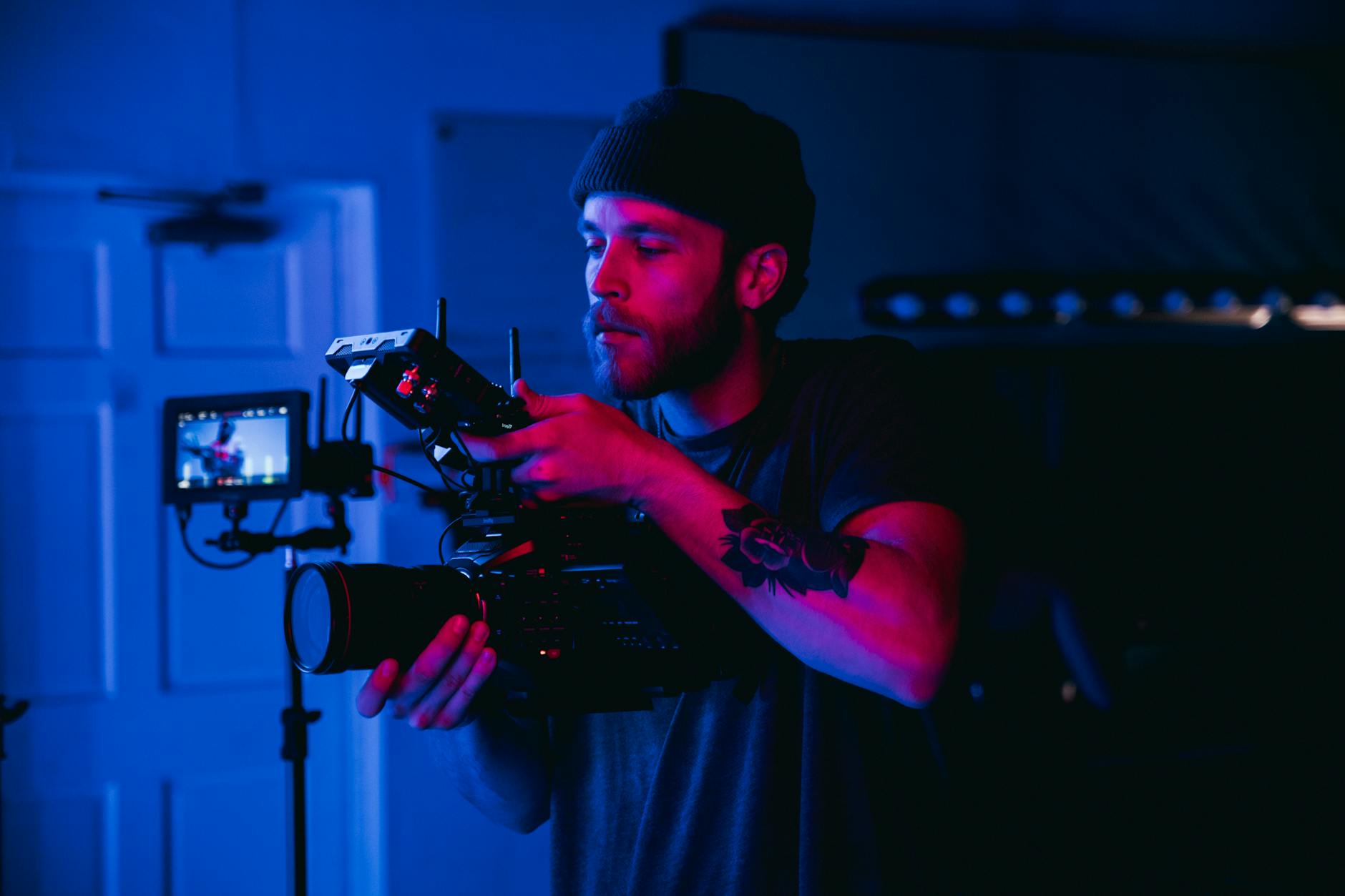
Mastering the Use of Lighting and Angles
Lighting plays a fundamental role in elevating property photos. Using natural light effectively involves shooting during optimal times of day, such as early mornings or late afternoons when sunlight adds warmth and depth. Supplementing with professional lighting fixtures can help illuminate shadowed areas, revealing textures and features that might otherwise be overlooked.
Choosing the right angles is equally important. To maximize space, shots should be taken from corners or doorways, providing a sense of depth and scale. Experimenting with different perspectives allows estate agents to find the most flattering view for each room, whether it's capturing a spacious living area or highlighting a striking architectural detail.
Encouraging Authenticity and Emotional Connection
Authentic visuals foster trust and help prospective buyers visualize themselves in the space. It’s essential to avoid overly staged or edited images that distort the property’s reality. Instead, aim for photos that accurately represent the property’s true condition, including any unique features or architectural quirks.
Using soft, balanced lighting and candid shots of lifestyle aspects, such as a cozy reading nook or inviting outdoor space, creates emotional resonance. Such images not only draw interest but also help potential buyers form a genuine connection with the property, increasing the likelihood of an inquiry or viewing appointment.
The Role of Composition and Framing in Property Photography
Effective composition guides the viewer's eye through each image, emphasizing key features while maintaining a balanced visual flow. Techniques such as the rule of thirds, leading lines, and symmetry can be applied to craft compelling images that stand out both online and in print. Framing shots thoughtfully ensures that important aspects like a beautiful fireplace, modern kitchen, or panoramic window are highlighted prominently.
Optimizing Images for Different Platforms and Uses
Properties are often showcased across multiple channels, including websites, social media, and email marketing. Optimizing each image involves resizing and formatting to suit specific platforms, ensuring fast load times and high visual clarity. Consistently high-quality, engaging visuals enhance brand reputation and attract a broader audience of prospective buyers.
Advanced techniques in property photography not only involve technical mastery but also a keen eye for storytelling. Every image should serve to tell a story about the lifestyle and comfort the property offers, making it not just a listing but a compelling visual narrative. When combined with effective editing and strategic planning, these methods can drastically boost the effectiveness of property listings, helping estate agents achieve quicker sales with satisfied clients.
Enhancing Listings with 3D Imaging and Virtual Walkthroughs
In an increasingly digital real estate market, 3D imaging and virtual tours have become indispensable tools for estate agents aiming to attract more potential buyers. These technologies provide an immersive experience that allows prospective clients to explore properties remotely, offering a comprehensive view that static images alone cannot deliver. By integrating 3D walkthroughs, agents can showcase the spatial layout, flow, and design of a property in a way that feels immediate and engaging, often leading to increased interest and quicker sales.
High-quality virtual tours not only improve the property's online presence but also help set realistic expectations for viewers. This reduces the likelihood of viewing cancellations and increases the probability of serious inquiries. For estate agents, offering detailed virtual experiences demonstrates professionalism and a commitment to leveraging modern marketing strategies, positioning listings as advanced, accessible, and user-centric.
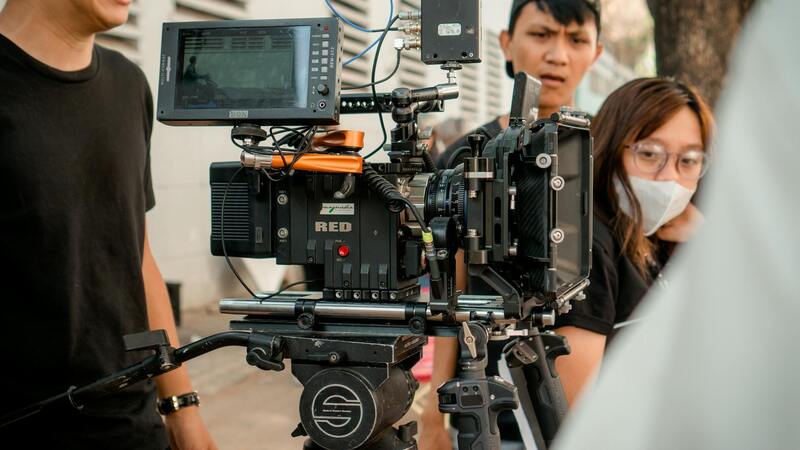
Advantages of 3D Property Visualizations
- Enhanced remote engagement for out-of-state or busy clients
- Better spatial understanding, leading to more qualified inquiries
- Competitive advantage over listings relying solely on traditional photography
- More accurate representation, reducing misunderstandings post-visit
- Streamlined viewing process, saving time for both agents and clients
Implementing Effective 3D and Virtual Tour Solutions
- Invest in professional equipment such as high-resolution cameras and 3D scanners to ensure clear, detailed visuals.
- Conduct thorough property scans to capture every room and detail accurately, paying attention to lighting, angles, and space utilization.
- Use specialized software to stitch images into seamless virtual walkthroughs that allow interactive navigation.
- Complement virtual tours with high-quality still images positioned strategically within the tour to highlight key features.
- Ensure compatibility across various devices and platforms for maximum accessibility.
Future Trends in Digital Property Marketing
The evolution of property photography continues as new technologies emerge, including augmented reality (AR) and artificial intelligence (AI). These innovations are expanding the capabilities of virtual tours, making them more interactive and personalized. Estate agents who adopt these advanced tools can stand out in a competitive market, offering clients a seamless and modern property viewing experience that aligns with the expectations of today’s digitally savvy buyers.
Partnering with a Professional Property Photography Service
Collaborating with a specialized property photography provider ensures that estate agents can consistently present their listings in the most compelling manner. An experienced service understands the nuances of real estate marketing, recognizing how to highlight a property's strongest features while capturing its true essence through expertly crafted visuals. When selecting a photography partner, consider the following criteria:
- Industry Experience: Choose providers with a proven track record in property photography, preferably with expertise working with estate agents. Their familiarity with typical property layouts and the kind of visuals that generate leads is essential.
- Equipment Quality: Reliable professionals utilize high-end cameras, wide-angle lenses, drone technology, and advanced lighting equipment to ensure every shot is sharp, well-lit, and immersive.
- Post-Production Skills: The ability to efficiently edit images while maintaining authenticity enhances visual appeal without misrepresentation, creating a balanced and honest depiction of the property.
- Local Market Knowledge: A provider aware of regional architectural styles and buyer preferences can tailor images to resonate with local audiences, making listings more attractive.
- Turnaround Time: Fast, reliable service allows estate agents to list properties promptly, maintaining momentum in competitive markets.
Establishing a relationship with a reputable photography provider facilitates consistent branding, professional presentation, and an efficient workflow. It also enables agents to leverage the latest techniques and equipment without the need for heavy investment, ensuring every property listing maximizes its visual impact.