
Importance of High-Quality Property Photography
In the competitive landscape of the Miami real estate market, the visual presentation of a property can significantly influence its selling timeline and final sale price. Professional property photography has become an indispensable tool for real estate agents and property owners aiming to capture the essence and unique features of their listings. High-quality images not only showcase the property's best attributes but also create a compelling first impression that attracts potential buyers or tenants.
Listing quality imagery can highlight spacious interiors, appealing exterior views, and distinctive architectural elements, making these properties stand out in online listings and marketing materials. When potential buyers browse through numerous options, the quality of photographs often determines whether they will schedule a viewing or move on to other listings. Enhanced visuals also facilitate a faster selling process by generating higher engagement and increasing the likelihood of inquiries.
In the dynamic Miami market, where luxury condos, waterfront estates, and modern developments dominate, the role of professional property photography becomes even more critical. It helps articulate the property's lifestyle appeal, emphasizing quality, ambiance, and location advantages. Moreover, listings with superior imagery tend to receive more views, shares, and interest from serious buyers, ultimately leading to quicker sales at favorable prices.
Effective property imagery supported by skilled photography professionals can influence buyer perception, build trust, and affirm the property's value. As more prospective buyers begin their search online, the importance of capturing professionally produced images cannot be overstated. This investment in imagery directly correlates with increased engagement, more competitive offers, and a streamlined sales process.
Services Offered by Property Photography Companies
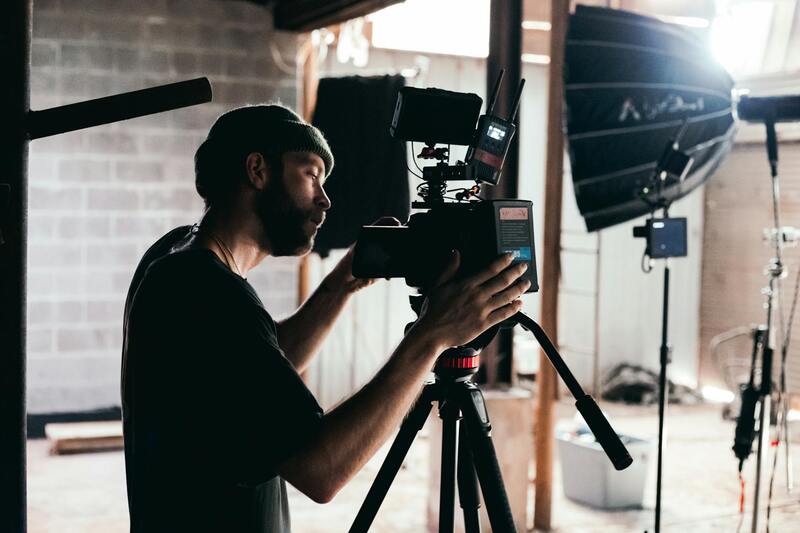
When selecting a property photography company, it is essential to consider the breadth and quality of services they offer. Standard offerings include high-resolution interior and exterior photography designed to highlight the property's best features. These images are carefully composed to showcase spatial layouts, architectural details, and design elements that appeal to potential buyers.
In addition to traditional photography, many companies now incorporate advanced techniques such as drone footage to capture expansive property views, especially for waterfront estates or sprawling acreage. Drone shots provide a comprehensive perspective that ground-level images often cannot convey, emphasizing property size, landscaping, and neighborhood surroundings.
Virtual tours have become an increasingly vital component of property marketing. These interactive experiences allow prospective buyers to explore the property remotely, gaining a better understanding of flow and space without an in-person visit. High-quality virtual tours can significantly increase engagement and help attract serious buyers from a broader geographic area.
Staging services may also be offered, where professional stylists work to arrange furniture and decor in a way that highlights the home’s best potential. Well-staged properties, when paired with professional photography, create a compelling visual narrative that resonates with viewers and elevates the listing’s appeal.
Key Factors When Choosing a Property Photography Company
To ensure the most effective marketing outcomes, selecting the right property photography partner requires careful consideration of several crucial factors:
- Experience and Portfolio: Review their previous work to gauge the quality, style, and diversity of their images. An experienced company will understand how to capture different property types and lighting conditions effectively.
- Technical Capabilities: Confirm that they use state-of-the-art equipment, including professional-grade cameras, wide-angle lenses, drone technology, and editing software that ensures crisp, polished images.
- Service Range: Determine whether they offer comprehensive services such as virtual staging, 3D walkthroughs, or twilight photography, aligning with your property's unique marketing needs.
- Reputation and Client Feedback: Seek client testimonials or reviews to understand their reliability, professionalism, and ability to meet deadlines.
- Pricing Transparency: Clarify what is included in their packages, whether there are additional fees, and if customizable options are available to match your budget and goals.
Technologies and Equipment Used
Modern property photography relies heavily on advanced technology to produce superior images. Professional companies typically invest in the latest cameras with high-resolution sensors capable of capturing fine details and vibrant colors. Wide-angle lenses are essential for showcasing entire rooms and exterior vistas within a single shot, providing a realistic sense of space and scale.
Drone technology has revolutionized real estate marketing by allowing photographers to capture aerial views that highlight property size, landscaping, and surrounding neighborhood features. These images add a dynamic perspective that can significantly enhance listings.
Post-processing tools such as Adobe Photoshop and Lightroom are used to refine images, correct lighting inconsistencies, and enhance color accuracy. The editing process ensures that each photograph meets high standards of clarity and visual appeal, while remaining true to the actual property appearance.
The Process of Working with a Property Photographer
Effective collaboration with a property photographer begins with clear communication about your objectives and expectations. The process often follows these steps:
- Scheduling and Planning: Book an appointment that aligns with the property's optimal lighting conditions, such as early morning or late afternoon for exterior shots. Provide specific instructions about areas to highlight or any unique features.
- Preparation and Staging: Ensure the property is clean, well-lit, and decluttered. If staging is included, the photographer may coordinate with stylists or set up furniture arrangements.
- Photography Session: The photographer captures images using professional equipment, often including multiple angles, interior, exterior, drone shots, and virtual tours if arranged.
- Post-Processing: The selected images are edited and refined to ensure consistency, color accuracy, and visual impact.
- Delivery and Review: Final images are delivered within the agreed timeframe. It is advisable to review the photos and request any necessary adjustments prior to publishing or using for marketing.
The structured process ensures high-quality images that accurately represent the property's best features. Benefits of Hiring a Local Miami Property Photography Company
Partnering with a locally based photography firm offers numerous advantages. Local professionals have an in-depth understanding of Miami's real estate landscape, including the most marketable property features, neighborhood highlights, and popular architectural styles. This insight allows them to customize their approach to match the region’s aesthetics and buyer preferences.
Additionally, local companies are often more responsive and flexible when scheduling shoots, especially for properties with tight timelines or last-minute requests. They possess firsthand knowledge of local regulations, weather patterns, and optimal times of day for capturing images, ensuring the best possible results under Miami's unique conditions.
Building a relationship with a Miami-based property photographer also means you gain ongoing access to their expertise for future listings, providing consistency in visual branding and a deeper understanding of your target market.
Utilizing a local photography team ensures tailored visuals that resonate with Miami's vibrant real estate market and clientele. Technologies and Equipment Used
Leading property photography companies leverage advanced technologies and top-tier equipment to capture stunning visuals that highlight a property's best features. Professional-grade digital cameras with high-resolution sensors are essential for ensuring sharp, detailed images that appeal to prospective buyers and renters. These cameras often feature wide-angle lenses, which are critical for capturing expansive shots of interior spaces, showcasing the size and flow of rooms, and creating inviting virtual tours.
In addition to high-quality cameras, state-of-the-art lighting equipment plays a vital role, especially when shooting interiors with challenging lighting conditions. Portable flash units, softboxes, and reflectors help balance light within rooms, reducing unwanted shadows or overexposure. For exteriors, drone photography has become increasingly popular, providing aerial perspectives that reveal property surroundings, landscaping, and neighborhood context from unique vantage points.
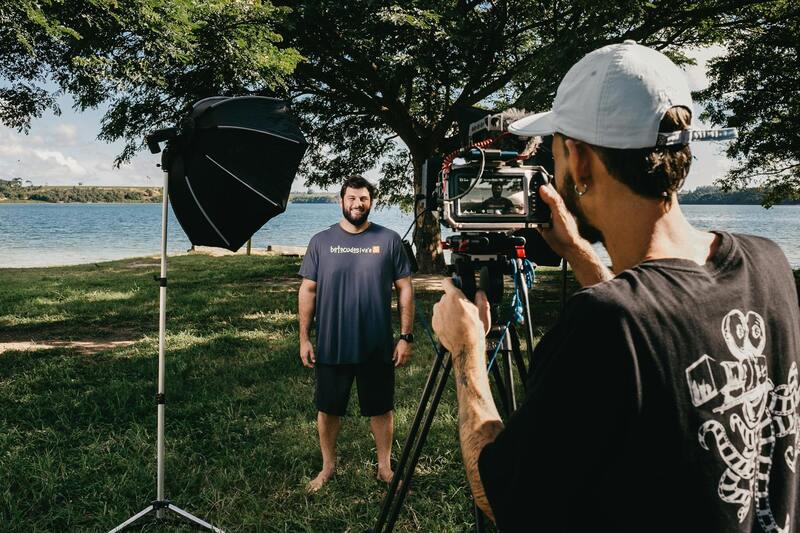
Modern property photography relies on advanced cameras, lighting, and drone technology to produce captivating visuals. Utilizing specialized software for post-processing enhances the final images further. Professional editors correct color inconsistencies, adjust brightness and contrast, and remove distracting elements to ensure each photo accurately and beautifully reflects the property. This meticulous attention to detail results in cohesive, eye-catching marketing materials that stand out in competitive real estate markets.
Adoption of Emerging Technologies
Some property photography companies incorporate emerging tools such as 3D virtual tours, panoramic photography, and Matterport scans. These technologies allow potential buyers to experience a property remotely with immersive, interactive visuals. High Dynamic Range (HDR) imaging is also a standard technique used to blend multiple exposure shots, providing balanced lighting and vivid details across various lighting conditions.
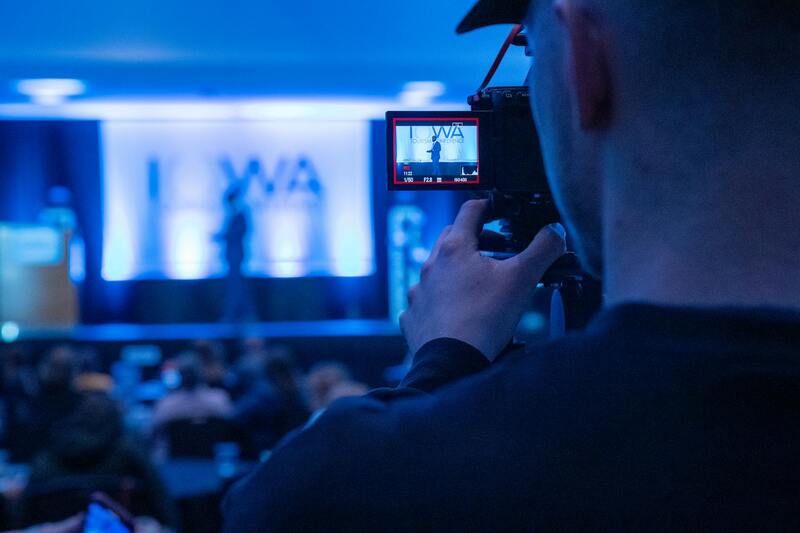
Emerging technologies like 3D tours and HDR imaging are transforming visual marketing in real estate. By combining these advanced tools with skilled professionals, property photography companies ensure their clients receive compelling, high-quality images that significantly impact listing appeal and marketability. The technology-driven approach not only enhances aesthetic quality but also accelerates sales cycles by attracting more interest and engagement from prospective buyers.
Technologies and Equipment Used
To produce images that stand out in the competitive real estate market, property photography companies utilize a range of advanced technologies and equipment. High-resolution digital cameras are fundamental, capturing crisp details and vibrant colors that convey the true essence of a property. These cameras often support high Dynamic Range (HDR) imaging, which skillfully blends multiple exposures to produce images with optimal lighting and clarity in various lighting conditions, such as bright sunlight or shadowed interiors.
Lighting equipment is equally vital, ensuring every corner of the property is illuminated uniformly and attractively. Professional-grade strobes, softboxes, and reflectors help eliminate harsh shadows and highlight key features of each space. Proper lighting not only enhances the visual appeal but also brings out textures and colors, making rooms appear warm and inviting.
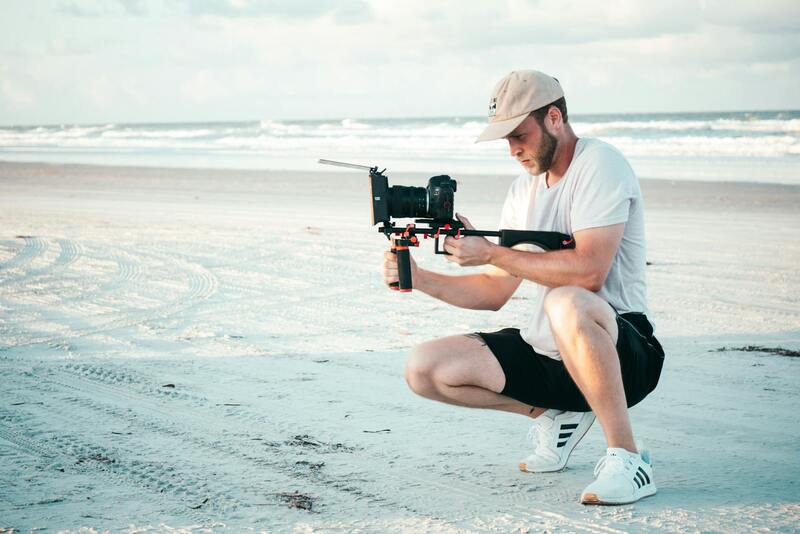
State-of-the-art cameras and lighting setup used in professional property photography Incorporating drone technology has become increasingly popular for capturing expansive exterior shots and unique aerial perspectives. Drones equipped with high-definition cameras allow photographers to showcase a property's size, layout, and surroundings from angles inaccessible to ground-level photography. This aerial view provides prospective buyers with a comprehensive understanding of the property and its context within the neighborhood.
Post-processing software is an essential component of modern property photography. Tools such as Adobe Photoshop and Lightroom enable professional editors to refine images further. Corrections include balancing colors, adjusting brightness and contrast, and retouching minor imperfections to guarantee each photo accurately represents the property without exaggerated enhancements. This meticulous approach enhances the visual coherence of a property listing, attracting more potential buyers.

Advanced editing software used to enhance property images for marketing Overall, the integration of cutting-edge cameras, lighting, drone technology, and sophisticated editing software ensures that property photography companies can deliver stunning visuals that elevate a property's market presence. These tools help create a compelling narrative around each property, attracting more interest and facilitating quicker sales.
Technologies and Equipment Used
Professional property photography relies heavily on advanced technologies and specialized equipment to produce high-quality images that captivate potential buyers and tenants. The foundation of any effective visual presentation starts with high-resolution cameras equipped with wide-angle lenses, allowing photographers to capture comprehensive views of interior spaces and exteriors. These cameras ensure sharp detail, accurate color reproduction, and clarity, even in challenging lighting conditions.
Lighting plays a critical role in professional property photography. State-of-the-art lighting setups, including softboxes, diffusers, and external flashes, help create a balanced illumination that highlights a property's best features. Proper lighting reduces shadows and enhances the natural ambiance, making rooms appear warmer and more inviting.
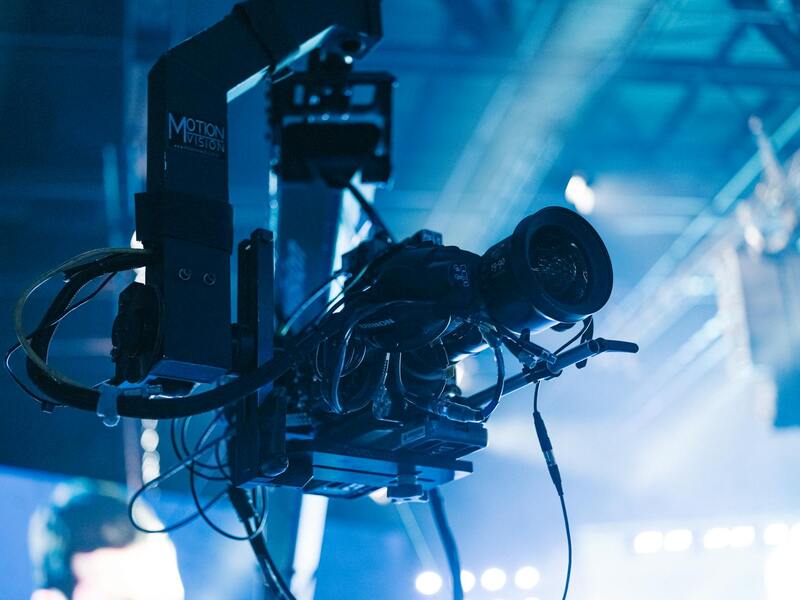
High-quality professional cameras and lighting equipment used in property photography In recent years, drone technology has become a transformative tool for exterior and aerial shots. Drones equipped with high-definition cameras facilitate stunning overhead views that effectively showcase a property's size, landscape, and proximity to surrounding amenities. These perspectives give prospective buyers a more comprehensive understanding of the property's layout and its context within the neighborhood.
Post-processing software is integral to achieving the polished final images desired in property marketing. With tools like Adobe Photoshop and Lightroom, photographers can adjust colors, enhance lighting, and retouch minor imperfections to ensure each photo accurately reflects the property's real appearance. This meticulous editing process not only improves visual appeal but also maintains credibility, avoiding exaggerated representations.
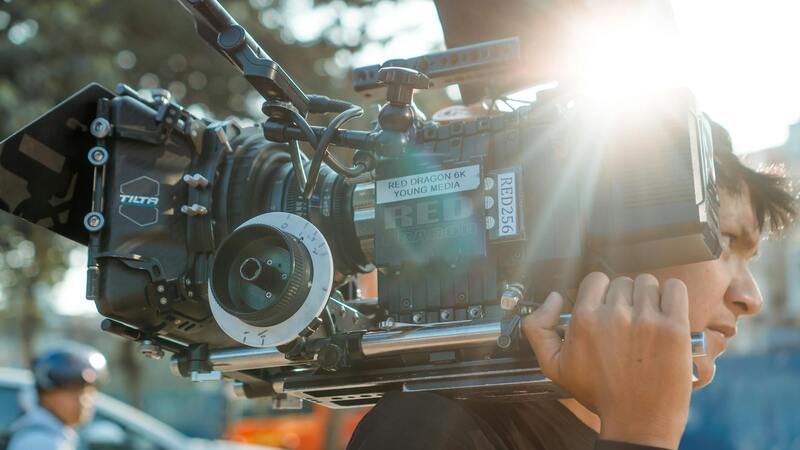
Advanced editing software used to refine property images for marketing Overall, the combination of cutting-edge cameras, innovative drone technology, sophisticated lighting setups, and expert editing software allows property photography companies to create compelling visuals that significantly boost a property's market visibility. Utilizing these advanced tools ensures listings stand out in competitive markets, attract more interest, and accelerate the sales process.
Technologies and Equipment Used
Property photography companies rely on a sophisticated array of tools and technology to produce captivating images that effectively showcase each property’s unique features. Modern digital cameras with high-resolution sensors are fundamental, capturing crisp, detailed images that reveal the true essence of a space. These cameras often feature wide-angle lenses that help to encapsulate the full scope of rooms, making interior spaces appear larger and more inviting.
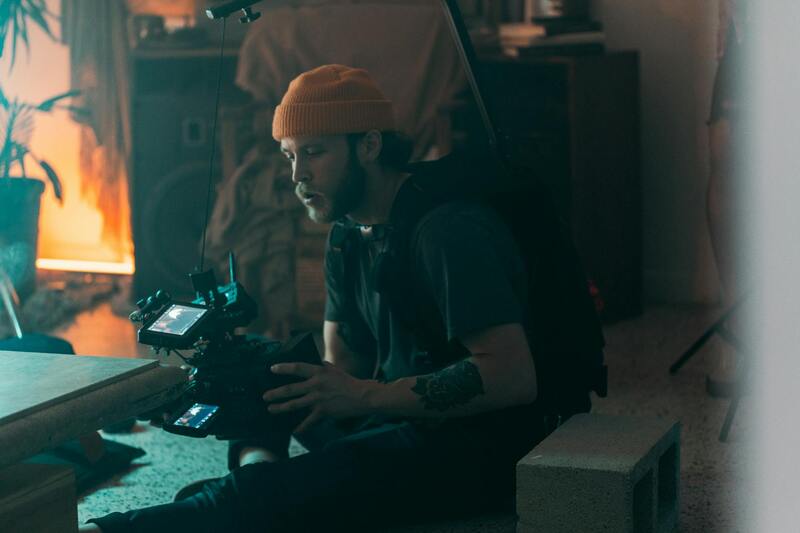
High-end camera setup used in professional property photography. Lighting equipment plays a crucial role in achieving optimal results. Professional photographers utilize portable flash units, diffusers, and reflectors to control natural and artificial light, reducing shadows and ensuring consistent brightness throughout images. This careful manipulation of light highlights best features and creates a warm, welcoming atmosphere that appeals to potential buyers.
Exterior shots and aerial photography are enhanced through drone technology. Equipped with high-definition cameras, drones provide striking overhead perspectives that reveal property boundaries, landscaping, and proximity to surrounding amenities. Drone photography captures unique angles that traditional ground-level shots cannot, providing a comprehensive view of the property in its environment.
Post-processing software such as Adobe Lightroom and Photoshop is used extensively to refine images. Adjustments in color balance, contrast, and sharpness help to bring out the property's best features while maintaining an authentic portrayal. Minor retouching can correct imperfections and enhance visual appeal, ensuring the images stand out in digital listings and marketing materials.
Advanced drone technology used for aerial property photography. Employing this combination of cutting-edge hardware and software solutions allows property photography companies to produce high-quality visuals that significantly amplify a property’s market presence. These images are essential tools in creating compelling property listings, attracting interest, and facilitating faster sales. When selecting a property photography service, understanding the equipment and technologies they utilize can offer insight into the quality and professionalism you can expect in your property marketing efforts.
Technologies and Equipment Used
In the realm of professional property photography, the choice of technology and equipment plays a pivotal role in ensuring high-quality, compelling visuals. Modern property photography companies leverage a suite of advanced tools designed to capture every detail of a property with precision and clarity. High-definition digital cameras with high megapixel counts are fundamental, enabling the production of sharp, detailed images that accurately showcase interior and exterior features. These cameras often support various lens options, including wide-angle and tilt-shift models, which enhance the depiction of both spacious interiors and intricate architectural details.
To expand property perspectives and provide a comprehensive view, drone photography has become an indispensable component. Equipped with lightweight, high-resolution cameras, drones can capture stunning aerial images and videos that highlight the property’s scale, landscaping, and surrounding amenities. Modern drones incorporate stabilized gimbals for smooth footage and can fly at different altitudes to capture unique angles and perspectives, offering a vantage point previously unreachable in traditional photography.

State-of-the-art cameras and drone equipment enhance property visualizations at every angle. Lighting equipment further refines image quality by ensuring spaces are evenly illuminated, reducing shadows and emphasizing features. Professional photographers utilize portable lighting kits, including softboxes and ring lights, to achieve consistent and flattering illumination inside properties. Additionally, specialized equipment such as panoramic tripod heads allows for 360-degree shots, creating immersive virtual tours that captivate prospective buyers.
Post-processing software is integral to the enhancement process. Applications like Adobe Lightroom and Photoshop facilitate precise adjustments, including color correction, contrast enhancement, and minor retouching. These tools help refine images to ensure they meet high standards of clarity, realism, and aesthetic appeal, ultimately making the property stand out in digital listings.
Utilizing advanced editing software to perfect property images for maximum visual impact. Collectively, these cutting-edge tools and technologies enable property photography companies to produce stunning visuals that serve as powerful marketing assets. The integration of high-quality cameras, drones, lighting, and software ensures that every image accurately represents the property while capturing attention in competitive real estate markets. Reliable and sophisticated equipment is essential for real estate professionals seeking to elevate their listings and attract motivated buyers efficiently.
Strategies for Maximizing Property Photography Effectiveness
Proprietors seeking to leverage property photography as a key element in their marketing strategy should adopt comprehensive approaches that enhance visibility and engagement. Effective property photography goes beyond capturing beautiful images; it involves strategic planning, targeted presentation, and consistent branding to attract the right buyers or tenants.
Optimizing Image Presentation for Digital Listings
High-quality images should be paired with compelling descriptions and accurate information about the property. Ensure that each photograph highlights the property’s unique features, such as architectural design, spacious interiors, and attractive outdoor spaces. Incorporate a variety of shots, including wide-angle and detailed close-ups, to provide viewers with a balanced perspective. Consistency in image style and lighting enhances professionalism, making listings more appealing across multiple platforms.

Consistent, professional images elevate property listings and attract more potential buyers. Utilizing Virtual Tours and Interactive Media
Incorporating virtual tours created from high-quality photography allows prospective buyers to explore properties remotely, increasing engagement and interest. These immersive experiences can be embedded into property websites, social media, and listing platforms, offering a comprehensive view that static images cannot provide. Interactive media enhances the user experience, encouraging longer viewing times and more serious inquiries.
Strategic Social Media Campaigns
Sharing professional property images across social media platforms expands reach and visibility. Tailored campaigns, utilizing targeted advertising tools, can direct the right audience to your listings. Consistent branding, including branded watermarks, color palettes, and logos, reinforces credibility and recognition. Engaging content, such as behind-the-scenes shots or virtual walkthrough clips, can further boost audience engagement.
Collaborating with Real Estate Professionals
Working closely with real estate agents and marketing teams ensures that property photography aligns with broader sales strategies. Professional photographers can tailor shoots based on specific marketing goals, such as highlighting certain property features or creating seasonal imagery. Maintaining open communication ensures that deliverables meet expectations and enhance overall listing quality.
Maximizing the Impact Through Post-Processing and Strategic Editing
Post-processing is crucial for refining images to ensure they are crisp, bright, and true to the property's appearance. Skilled editing can correct lighting discrepancies, remove distractions, and enhance visual appeal without compromising authenticity. Properly edited photos attract more clicks, viewings, and potential offers, directly influencing sales performance.
Training and Continuing Education for Property Photographers
Maintaining cutting-edge skills through ongoing training ensures that property photographers stay current with industry standards, technological advancements, and evolving aesthetic trends. Workshops, certification programs, and industry conferences provide valuable knowledge and networking opportunities that translate into higher quality output for clients.
Conclusion: Integrating Techniques for Optimal Results
To maximize the benefits of professional property photography, a combination of high-quality visual content, strategic digital marketing, and seamless client collaboration is essential. Investing in advanced equipment, leveraging innovative media formats, and focusing on continuous improvement ensures that property listings stand out in a competitive market, ultimately generating increased interest and faster sales.