
Importance of Professional Property Photography
In the competitive realm of real estate, the quality of visual presentation plays a pivotal role in attracting potential buyers and renters. High-caliber property photography serves as a window into the property's true potential, offering a compelling first impression that can significantly influence a viewer’s decision-making process. When listings feature crisp, well-lit images that showcase the property's best features, they stand out amidst a sea of competitors, increasing visibility across various platforms.
Professional photography not only enhances the aesthetic appeal of a property but also conveys a sense of professionalism and trust. This helps in building confidence among potential clients, encouraging them to consider the listing more seriously. Moreover, good images can reduce the time a property remains on the market, facilitating quicker sales or rentals and often allowing for a more favorable financial outcome.
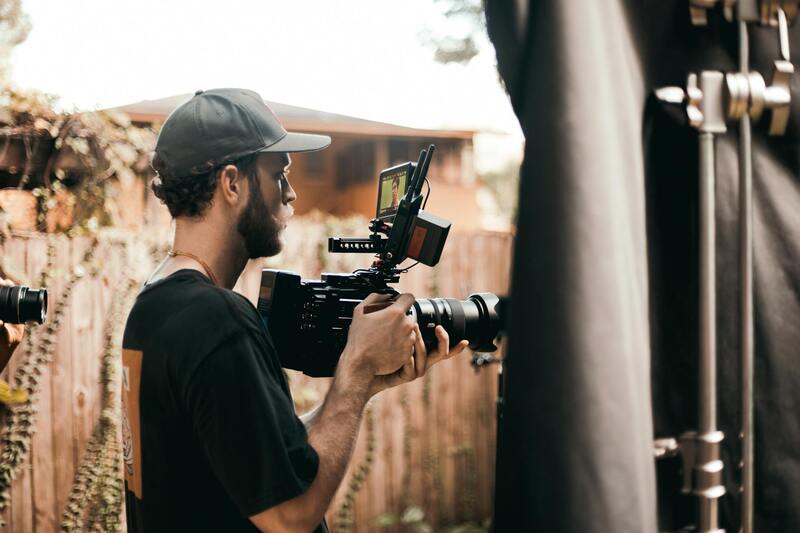
In addition to attracting immediate attention, professional property photos can significantly impact online visibility. Properties with high-resolution, captivating images tend to rank higher in search results and attract more clicks, expanding the property's reach. For property owners and real estate agents, investing in professional photography is an essential strategy for maximizing marketing efforts and ensuring their listings resonate effectively with target audiences.
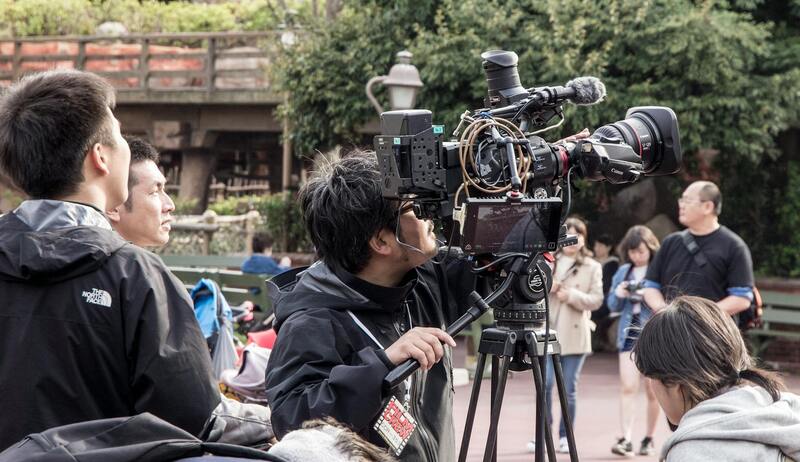
Beyond the initial impact, quality photography influences the perception of the property's value. Clear, professionally captured images highlight spaciousness, design details, and unique attributes, creating an emotional connection that can motivate potential buyers to schedule viewings or make offers. In a market where first impressions are often the deciding factor, superb property photos become an indispensable part of a successful real estate strategy.
Key Features of a Professional Property Photography Service
To ensure properties are showcased at their highest potential, professional property photography services leverage state-of-the-art equipment and meticulous techniques. High-resolution DSLR or mirrorless cameras are standard, enabling crisp, detailed images that accurately represent the property's best features. Wide-angle lenses are employed to capture expansive spaces, making rooms appear larger and more inviting. Drones are increasingly used to provide stunning aerial views that highlight the property's exterior and surrounding neighborhood, offering prospective clients a comprehensive perspective.
Staging plays a crucial role in professional photography. Skilled photographers work closely with agents or owners to arrange furniture, decor, and lighting in a way that accentuates the property's strengths and creates a welcoming atmosphere. This setup ensures that each space is presented in its best light, appealing emotionally to viewers.
Post-processing techniques are another hallmark of professional services. Advanced editing software is used to enhance lighting, correct color imbalances, and remove any imperfections. These adjustments result in polished images that are visually appealing and consistent across all listing materials. Such attention to detail ensures that potential buyers and renters receive a true-to-life yet captivating representation of the property.
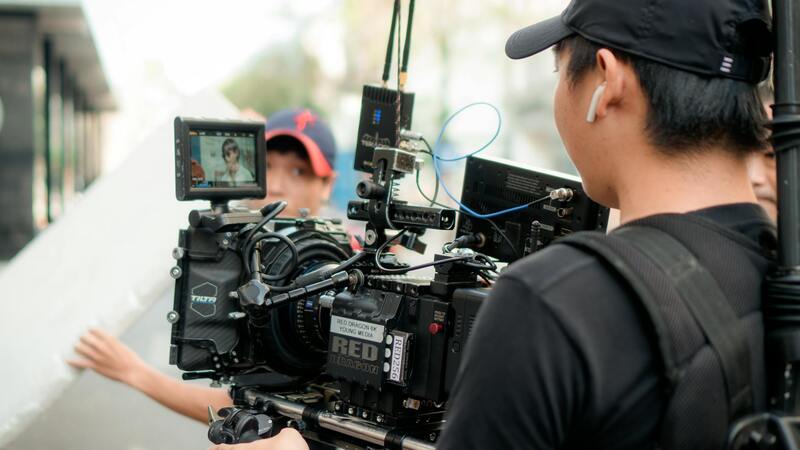
Moreover, professional photographers utilize lighting setups that eliminate shadows and dark corners, ensuring uniform brightness throughout images. This consistency is essential for creating a cohesive visual narrative across multiple listing photos, establishing a trustworthy presentation that encourages engagement.
Advanced editing isn’t limited to basic retouching. It often includes HDR imaging techniques to balance exposure in complex lighting conditions, ensuring that both interior and exterior views are equally impressive. This comprehensive approach results in a collection of images that not only attract attention but also accurately convey the property’s true appeal, inspiring confidence in potential buyers or tenants.
Benefits of Modern Techniques in Property Photography
- Enhanced visual clarity through high-resolution images that showcase finer details
- Broader perspectives via wide-angle lenses, making spaces appear more spacious
- Dynamic aerial shots provided by drones for unique vantage points
- Consistent and bright imagery achieved through professional lighting and editing
- Effective portrayal of architectural elements and design features
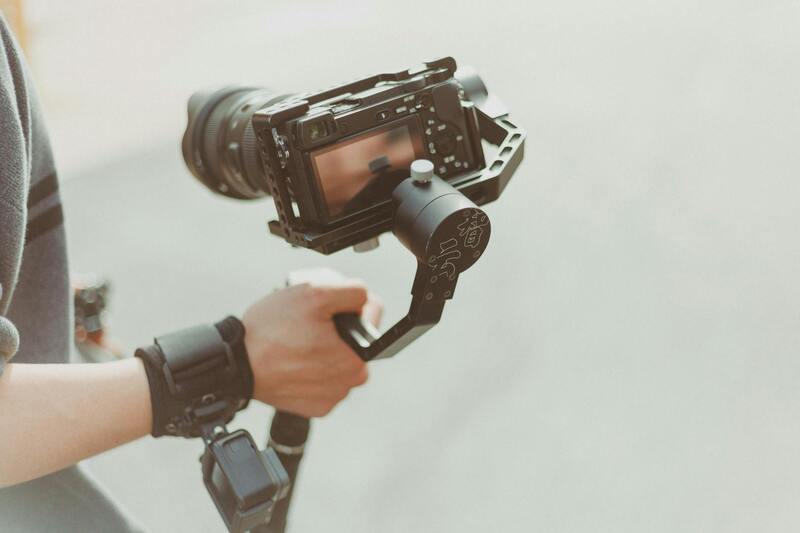
Incorporating these advanced techniques ensures that each property is presented in a compelling manner, capturing the attention of online viewers and compelling them to take action. The combination of effective staging, professional equipment, and skilled editing makes a significant difference in the final presentation, leading to faster sales and higher engagement levels.
Types of Photography Offered
Professional property photography services provide a diverse range of photographic options tailored to meet the specific needs of each property and client. These include high-resolution exterior shots that highlight curb appeal, capturing the property’s façade, landscaping, and surrounding environment to create an inviting first impression. Interior photography is equally detailed, focusing on key rooms such as the living areas, kitchens, bathrooms, and bedrooms, utilizing wide-angle lenses to enhance the sense of space and natural light.
In addition to standard shots, many services offer specialized photography features such as twilight images that showcase the property with evening lighting, emphasizing ambiance and security. HDR (High Dynamic Range) photography balances exposure, revealing every detail from shadowed corners to brightly lit areas, thus presenting a balanced visual narrative.
Aerial photography has become increasingly popular, providing sweeping views of large estates, commercial properties, or developments. Drone imagery offers unique vantage points that are impossible to capture from the ground, adding a dramatic and comprehensive perspective.
Panoramic images and virtual tours are also offered to elevate the user experience. These immersive options allow prospective buyers or tenants to explore the property remotely, fostering a deeper understanding of space and layout.
Process of Booking and Working with a Photography Service
Engaging with a professional property photography service involves a streamlined process designed to maximize convenience and quality. Typically, clients start by contacting the service provider through their website or direct communication channels to discuss the scope of the project, specific property features, and preferred photographic styles. Clear communication about the property's unique aspects ensures tailored images that meet marketing goals.
Once the details are finalized, an appointment is scheduled, with specialists coordinating to perform the shoot at the most suitable time, often during optimal natural lighting conditions or specific moments such as sunset or early morning. Preparation advice may be provided, including tips on staging or clearing clutter to enhance visual appeal.
On the day of the shoot, professional photographers employ advanced equipment, including high-resolution cameras, wide-angle lenses, and drone technology if needed. They meticulously capture images from multiple angles, ensuring comprehensive coverage of interior and exterior views. Post-shoot, images undergo professional editing, including color correction, exposure balancing, and retouching to deliver polished visuals.
Clients receive the final images through secure digital delivery, ready for immediate use in listings, marketing materials, and online platforms. Many providers also offer virtual tour creation and additional multimedia services.
Cost Factors and Packages
The pricing for a professional property photography service varies based on several key factors, primarily the size of the property, the number of images required, and any additional features such as drone shots or virtual tours. Smaller residential properties typically have more affordable packages, while large estates or commercial properties may incur higher costs due to the increased photographic scope.
Many providers offer tiered packages that include basic photography, enhanced editing, and optional extras. Basic packages often encompass a set number of high-resolution images suitable for online listings and marketing. Upgraded options may include twilight photography for dramatic effects, aerial imagery for expansive property views, or interactive virtual tours that allow potential clients to explore the space remotely.
Additional services such as drone footage or 3D walkthroughs are priced separately, reflecting the specialized equipment and expertise involved. Some providers also offer bundle discounts for multiple properties or ongoing partnership agreements, making regular listing updates more cost-effective.
For clients seeking transparency, upfront cost estimates are provided based on the property details, ensuring no hidden fees or surprises. Selecting a tailored package that aligns with the property's marketing objectives and budget is essential for maximizing return on investment.
Types of Photography Offered
Professional property photography services encompass a diverse range of styles designed to showcase properties in the best possible light. Interior shots focus on highlighting the architectural features, spaciousness, and aesthetic appeal of living areas, bedrooms, kitchens, and bathrooms. These images are carefully staged and lit to emphasize comfort and style, making spaces look inviting and well-maintained.
Exterior photography captures the property's façade, landscaping, driveway, and surrounding environment. Well-composed exterior shots help potential buyers or tenants visualize the property's curb appeal and overall ambiance.
Drone photography adds a dynamic perspective by providing aerial views of the property and its surroundings. This is particularly valuable for large estates, commercial properties, or properties in scenic locations. Aerial imagery highlights the property's size, layout, and proximity to key amenities or natural features.
Virtual tours and 3D walkthroughs are increasingly integral parts of modern property marketing. These immersive experiences enable prospective clients to explore the property remotely, providing depth and spatial understanding that static images alone cannot convey.
Additional Specialized Services
- Twilight Photography: Evokes a captivating mood, ideal for showcasing properties during the evening when lighting can accentuate architectural details.
- Virtual Staging: Digital enhancements facilitate the visualization of different interior design styles, helping buyers envision their future space.
- Aerial Videography: Incorporates video footage captured from drones for comprehensive property showcases, especially in expansive or scenic locations.
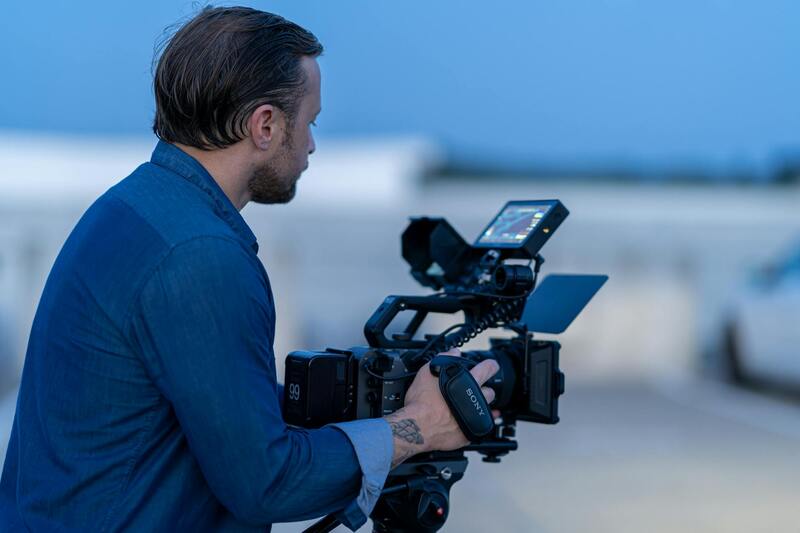
Choosing the right combination of these photography styles depends on the property type, target market, and marketing objectives. A professional service offers tailored solutions to maximize the visual impact of each listing, enhancing engagement and increasing the likelihood of a swift transaction.
Essential Equipment and Techniques for Professional Property Photography
To produce compelling and high-quality property images, professional photographers utilize advanced equipment and precise techniques that surpass the capabilities of typical consumer cameras. The foundation begins with high-resolution DSLR or mirrorless cameras, which capture detailed images with excellent clarity and dynamic range. These cameras allow for optimal control over exposure, focus, and depth of field, which are crucial for highlighting both interior and exterior features.
Complementing the camera body, professional lenses are selected based on the specific shot requirements. Wide-angle lenses are particularly instrumental in real estate photography, enabling the photographer to capture expansive room interiors and exterior facades in a single shot. This creates an immersive feel for viewers and maximizes space representation.
Lighting equipment plays a vital role in achieving consistent, true-to-life images. Natural light is often harnessed to emphasize authenticity, but many professionals also use portable strobe lights, softboxes, and reflectors to fill shadows, reduce glare, and illuminate darker spaces without overexposing bright areas. Proper lighting ensures that textures, colors, and architectural details are accurately depicted, which influences the overall appeal.
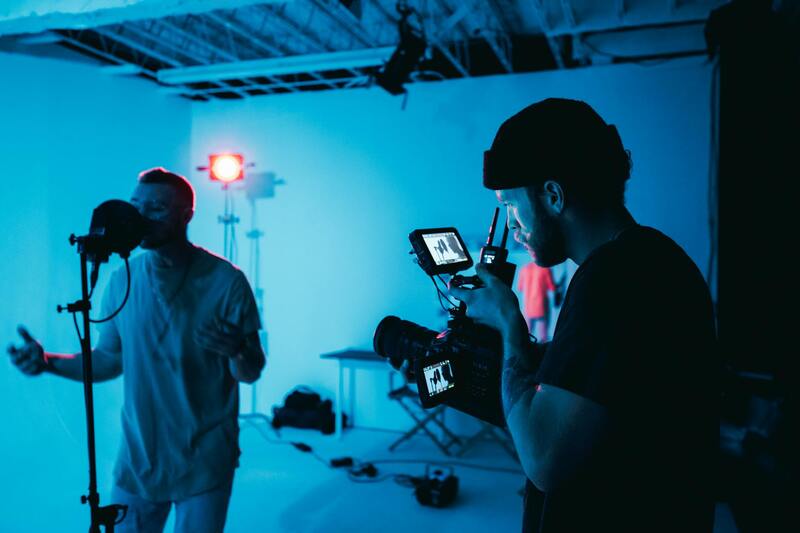
In addition to the core equipment, modern technology enhances the quality and versatility of real estate photography. Drones equipped with high-definition cameras offer aerial perspectives that showcase property size and landscape features. Gimbals provide stabilized footage for smooth video walkthroughs, and panoramic cameras facilitate 360-degree shots, enabling virtual tours.
Editing is equally important for delivering polished images that meet professional standards. Photographers utilize advanced software like Adobe Photoshop and Lightroom to adjust brightness, contrast, and color balance, ensuring each image accurately reflects the property. Retouching may also include removing minor imperfections, such as distracting elements or lens flare, to present a pristine and inviting appearance.
Optimal Techniques for Capturing Stunning Property Photos
Achieving compelling property images goes beyond equipment—techniques and planning are fundamental. Photographers often employ the following strategies:
- Staging the Property: Properly arranging furniture and decor creates an inviting atmosphere and highlights the space’s potential.
- Timing of Photography: Capturing images during optimal lighting conditions, such as early morning or late afternoon, enhances natural light and creates warm, appealing shots.
- Camera Settings: Using a narrow aperture (high f-stop number) ensures the entire scene remains in focus, while a balanced ISO avoids noise or grain in the images.
- Composition: Following principles like the rule of thirds and leading lines guides viewers’ eyes through the image, emphasizing the property’s best features.
- Perspective and Angle: Shooting from various angles helps to showcase the property’s layout and architectural details, providing viewers with a comprehensive understanding of the space.
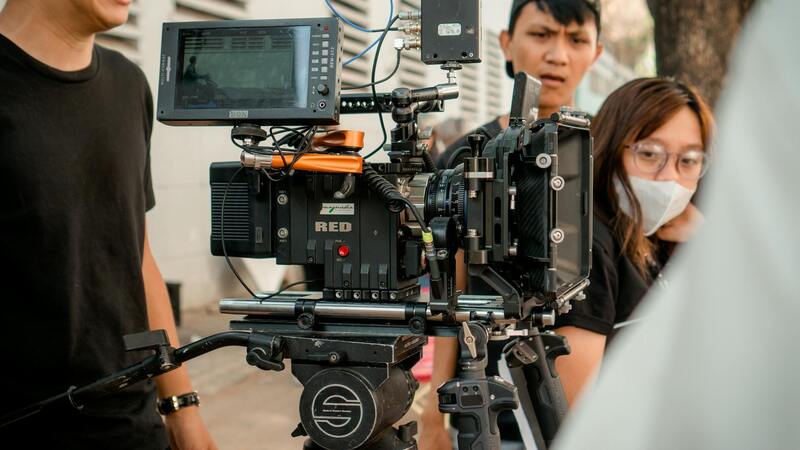
Delivering consistently professional results requires a blend of state-of-the-art equipment, refined techniques, and an eye for detail, making the investment in a dedicated property photography service clearly advantageous for real estate marketing efforts.
How to Effectively Coordinate the Photography Process for Real Estate Listings
Successful collaboration with a professional property photography service hinges on meticulous planning and clear communication. Property owners and real estate agents should begin by providing comprehensive details about the property, including its unique features, preferred angles, and any specific highlights they wish to emphasize. Sharing a floor plan or layout can assist photographers in understanding the spatial dynamics, ensuring the images accurately reflect the property's character.
Scheduling the photoshoot during optimal times of natural light is crucial. Typically, early mornings or late afternoons offer warm, flattering illumination that enhances the property's visual appeal. It's advisable to prepare the property beforehand by decluttering, staging rooms, and ensuring that all areas are clean and well-lit.
Once the booking date is set, maintain open communication lines with the photographer to address any specific requests or questions. Providing access instructions, keys, or entry codes in advance can streamline the process, ensuring minimal delays. During the shoot, it's beneficial for the property owner or an agent to be available to guide the photographer toward desired focal points or special features.
Preparing the Property for the Photoshoot
- Ensure the property is thoroughly cleaned and decluttered to create a polished appearance.
- Stage rooms thoughtfully, highlighting the property's potential and functionality.
- Adjust lighting fixtures and curtains to maximize natural light and reduce harsh shadows.
- Remove personal items and clutter to keep the focus on the space itself.
- Communicate any specific areas that require special attention or unique features to be showcased.
Post-Shoot Follow-up
After the images are captured, clients should review the proofs promptly and communicate any requested edits or adjustments to the photographer. Ensuring clear feedback helps achieve images that align with marketing objectives. Additionally, confirming delivery timelines guarantees that the final photographs are available for listing platforms and promotional campaigns without delay.
Official and Legitimate Methods for Enhancing Your Property Listings
When it comes to elevating property listings through visual content, adherence to established practices ensures both effectiveness and compliance. Professionals who specialize in property photography utilize proven techniques that emphasize authenticity, clarity, and visual appeal. This involves using high-quality camera gear capable of capturing detailed imagery across varied lighting conditions, ensuring color accuracy and sharpness. Additionally, the selection of appropriate lenses, such as wide-angle options, allows for capturing spaciousness and layout, providing potential buyers with a realistic sense of the property's dimensions.
To produce images that truly represent a property, legitimate photography providers employ systematic processes that include pre-shoot planning, professional staging, and post-processing. Pre-shoot planning entails visiting the property beforehand to identify the best angles and consider natural lighting patterns throughout the day. Proper staging involves tidying up spaces, removing personal clutter, and arranging furniture to highlight the property's strengths. This step is critical in presenting the space as appealing and functional without exaggerating or overstating features.
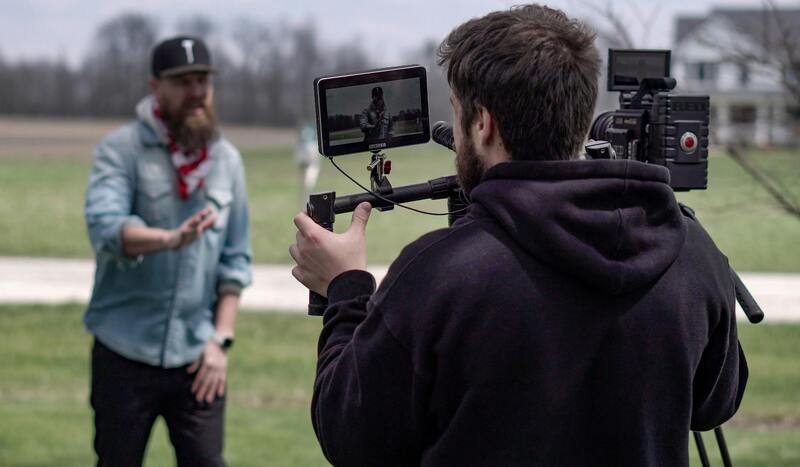
During the actual shoot, professional photographers adhere to best practices such as using stabilizers for clarity, adjusting exposure settings to prevent overexposure or underexposure, and controlling reflections and shadows. Post-shoot, high-resolution digital processing ensures images are clear, color-balanced, and optimized for online platforms. Retouching is performed within ethical boundaries to maintain an accurate depiction without misrepresentation, fostering trust with viewers.
Methodical Workflow for Property Photography
- Scheduling and Preparation: Confirming appointments and ensuring property readiness aligned with photography timelines.
- Conducting the Shoot: Executing captures with state-of-the-art equipment, focusing on key areas and unique selling points.
- Post-Processing: Editing images to enhance natural appeal while safeguarding truthful representation.
- Delivery and Feedback: Providing clients with digital copies promptly for review and implementing adjustments as needed.
This structured approach guarantees that the imagery not only enhances the property's attractiveness but also aligns with ethical standards and industry best practices.
Maintaining Transparency and Quality in Professional Property Photography
Using standardized protocols for image capture and editing ensures consistency across listings, supporting brand integrity for real estate professionals. Authentic images help establish credibility with prospective buyers, foster confidence during the decision-making process, and streamline the marketing workflow. Adhering to recognized methods also aligns with the expectations for quality content within the digital real estate landscape, making sure that each visual is both compelling and compliant.
Advanced Techniques and Trends in Professional Property Photography
Staying ahead in the real estate market requires integrating innovative imaging methods that elevate property listings beyond traditional photography. Modern advancements have revolutionized how properties are showcased, offering immersive experiences that captivate prospective buyers and significantly enhance engagement.
Emergence of 3D Virtual Tours
One of the most impactful innovations in property photography is the development of 3D virtual tours. These immersive experiences allow potential buyers to explore a home virtually, gaining a comprehensive understanding of the space without leaving their current location. High-resolution 3D scans, combined with interactive navigation, enable viewers to assess layouts, lighting, and spatial relationships with remarkable accuracy. For real estate professionals, integrating virtual tours into listings increases transparency and provides an engaging preview, often translating into faster sales and higher buyer confidence.
Enhanced Visual Effects and Drone Photography
Technologies such as drone filming provide breathtaking aerial perspectives that highlight a property's exterior and surrounding neighborhood. Aerial shots are particularly effective in showcasing large estates, waterfront properties, or homes with expansive land. Additionally, professional editing techniques now include enhanced visual effects—like HDR imaging, precise color grading, and sky replacements—that boost curb appeal while maintaining authentic representations. These features serve to capture attention quickly, making listings stand out in competitive markets.
Integration of Augmented Reality (AR) and Virtual Staging
Augmented reality tools enable prospective buyers to visualize potential modifications or furnishings within a property's space. Virtual staging, on the other hand, offers the ability to showcase a property's full potential without physical furniture placement, reducing costs and logistical challenges. When combined with high-quality photography, AR and virtual staging produce compelling visuals that help buyers imagine living in the space, creating a stronger emotional connection and accelerating the decision-making process.
Focus on Sustainability and Eco-Friendly Features
As environmentally conscious practices become more prevalent, professional property photographers are increasingly highlighting eco-friendly features—solar panels, energy-efficient windows, or sustainable building materials. High-quality imagery emphasizing these elements caters to the growing demographic of eco-minded buyers and underscores a property's modern appeal.
The Future Outlook for Property Photography
Advancements in artificial intelligence (AI) and machine learning are poised to further transform property imaging. AI-powered editing tools can automate enhancements, streamline workflows, and improve the consistency of images across multiple listings. Additionally, developments in high-dynamic-range (HDR) imaging and low-light photography will allow for superior visuals in challenging lighting conditions, ensuring properties look their best regardless of environment.
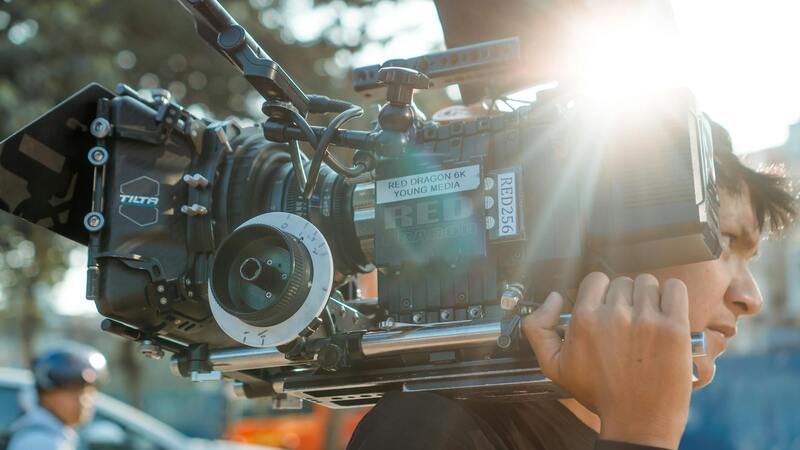
Implementing these cutting-edge techniques requires a partnership with skilled photographers who understand both the technology and the visual narrative necessary to create compelling property presentations. Partnering with a reputable provider ensures that each image meets the highest standards of quality and authenticity, aligning with evolving industry trends while maintaining trust and credibility in the digital marketplace.