
Role and Significance of a Certified Real Estate Photographer
In the competitive landscape of property marketing, the role of a certified real estate photographer extends beyond capturing attractive images. Certification serves as a formal recognition of a photographer’s expertise, technical skill, and adherence to industry standards. This validation reassures clients and real estate professionals of a photographer’s ability to produce high-quality visuals that can make a significant difference in property presentation.
Property listings with professionally captured images usually attract more potential buyers, facilitate faster sales, and often realize higher selling prices. Certified photographers bring a level of professionalism that encompasses not only technical proficiency but also an understanding of how to best showcase a property's unique features. Their ability to produce compelling visuals helps to create engaging online listings, which are the primary exposure method in today’s digital-driven real estate market.
Additionally, certification fosters client trust and confidence; clients are more likely to engage with professionals who demonstrate credibility and commitment to their craft. The formal recognition often involves rigorous training, proven experience, and adherence to ethical standards, which collectively contribute to delivering consistent, superior results. As property marketing continues to evolve, a certified real estate photographer is a strategic partner capable of elevating a property’s marketability through expert image capture and presentation.
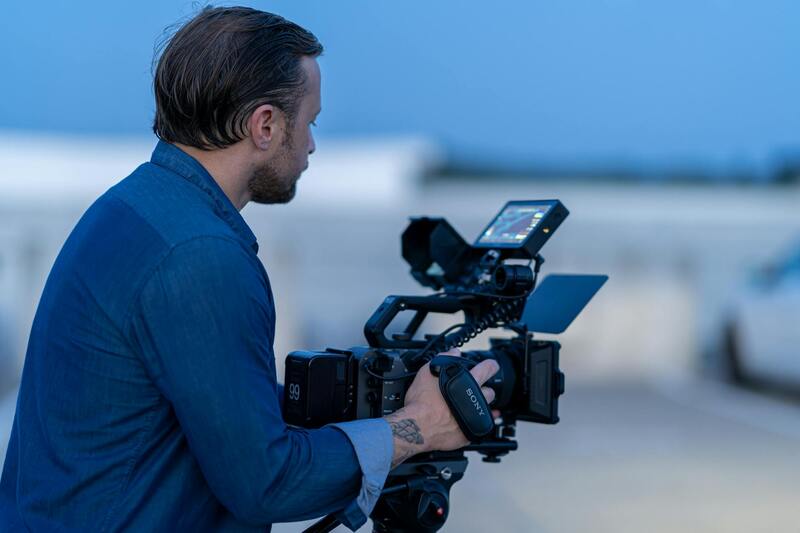
The importance of certification in this field cannot be overstated. It not only signifies mastery of technical skills but also demonstrates commitment to ongoing education, adherence to industry best practices, and a professional work ethic. Such qualities are indispensable in a market as vibrant and dynamic as Miami, where competitive listings demand visual excellence. When selecting a real estate photographer, clients and agencies alike tend to favor those who have earned reputable certifications, knowing they will deliver images that meet exacting standards and contribute positively to the property’s market appeal.

Certification Requirements and Industry Standards
Becoming a certified real estate photographer involves meeting specific qualifications that ensure a high level of professionalism and expertise. Typically, candidates must complete comprehensive training programs that cover core aspects such as camera operation, lighting techniques, and image editing tailored to real estate. These programs often integrate industry standards that emphasize the importance of showcasing properties in their best light to attract potential buyers.
In addition to formal training, aspiring certified photographers are required to demonstrate a portfolio of prior work that evidences their ability to consistently produce high-quality images. This portfolio often undergoes a review process, ensuring the photographer possesses the technical proficiency and artistic sensibility needed for professional real estate photography.
Adherence to industry standards is crucial. These standards encompass guidelines for photo composition, optimal lighting conditions, and image resolution, all of which contribute to the visual impact of property listings. The process may also involve passing certification exams that evaluate understanding of these principles and the ability to apply them effectively in various scenarios.
Furthermore, ongoing education plays a vital role. Certified photographers are encouraged or required to participate in continuing training sessions to stay updated with emerging trends, technological advancements, and evolving best practices in real estate marketing. This commitment to lifelong learning ensures that their skills remain sharp and aligned with industry expectations.
Credentials from reputable organizations often substantiate a photographer’s certification. These organizations provide structured certification programs that validate a professional’s competency in delivering consistent, market-ready visuals. For clients, these certifications serve as a quality marker, signaling that the photographer has met rigorous standards and is dedicated to maintaining excellence in their craft.
Skills and Techniques for Professional Real Estate Photography
Achieving high-quality imagery that captures a property’s true appeal requires a combination of advanced photographic skills and meticulous attention to detail. Certified real estate photographers employ a variety of techniques to ensure each shot effectively showcases the space, highlight architectural features, and evoke an emotional response from potential buyers.
One fundamental skill is mastering the art of lighting. Proper use of natural and artificial lighting ensures the property appears bright, inviting, and true to its day-to-day appearance. Certified professionals often utilize diffusers, reflectors, and external flash units to minimize shadows, balance exposure, and enhance the natural ambiance of each room.
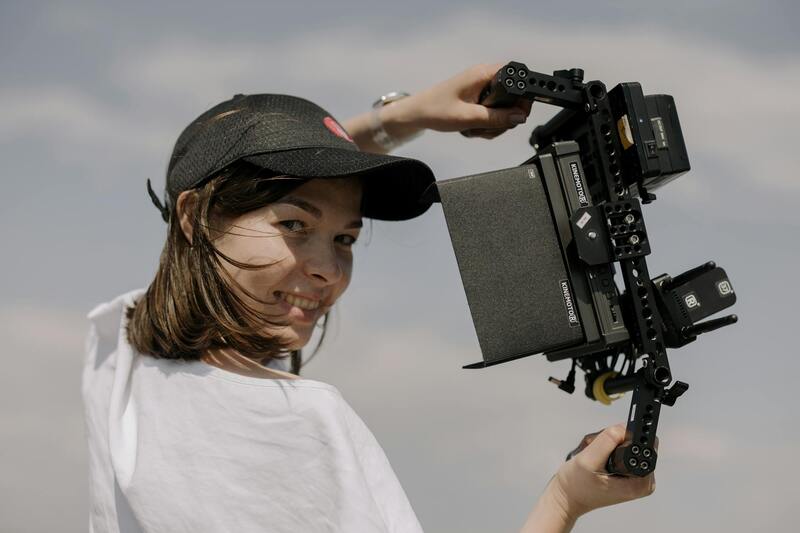
Staging and composition are equally essential. A certified photographer understands how to arrange furniture and decor to maximize space perception and flow. They apply principles like the rule of thirds, leading lines, and symmetry to create visually compelling images that guide viewers through the property’s key features.
Post-production editing is a critical phase. Professional photographers use advanced editing software to enhance colors, correct distortion, and adjust brightness and contrast. Such polishing ensures that images are vibrant and accurately represent the property, helping listings stand out in a competitive market.
Use of Specialized Equipment and Techniques
HighDynamic Range (HDR) imaging is common among certified real estate photographers. This technique involves capturing multiple exposures and blending them to produce well-exposed images in scenes with varied light levels. HDR imaging ensures interior shots do not appear overly dark or washed out, delivering a balanced, true-to-life presentation.
Another vital aspect involves the utilization of wide-angle lenses. These lenses allow for capturing expansive views of interiors and exteriors, making rooms appear larger and more inviting. Certified photographers are adept at selecting the appropriate lens for each shot to avoid distortion while maintaining perspective.
Drone photography also plays an increasingly significant role, particularly for showcasing large properties, stunning aerial views, or hard-to-reach exterior angles. Certified professionals are trained to operate drones safely and effectively, ensuring comprehensive visuals that provide viewers with a complete understanding of the property's scope and surroundings.
Maintaining Consistency and Quality
Consistency in image quality is crucial for building a recognizable brand and trustworthy reputation. Certified real estate photographers follow standardized procedures for image capture, editing, and delivery, ensuring each listing maintains a high standard. This consistency fosters confidence among real estate agents and property owners, who rely on professional visuals to attract serious buyers.
Strategic use of editing tools allows for the refinement of images to meet specific market preferences. For instance, bright and vibrant images tend to perform well in the Miami real estate market, where buyers often seek properties that seem lively and well-maintained. Certification programs typically emphasize these skills, ensuring photographers are well-equipped to meet regional expectations while adhering to industry best practices.
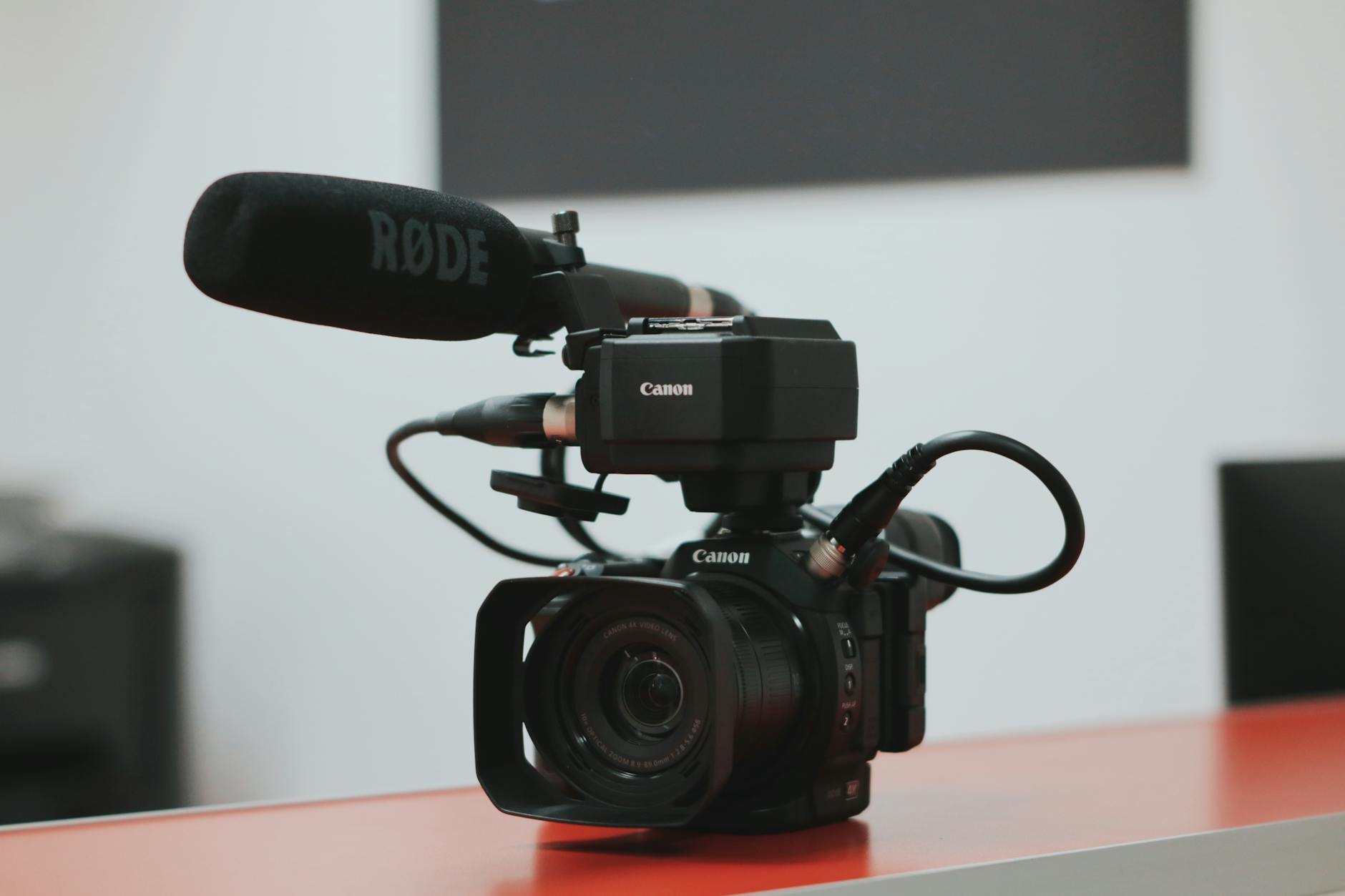
Ultimately, the combination of technical mastery, artistic sensibility, and advanced equipment enables certified real estate photographers to deliver images that are not merely aesthetically pleasing but strategically effective for marketing purposes. For property owners and real estate professionals in Miami, partnering with such qualified experts can significantly impact listing success, helping properties sell faster and at more desirable prices.
Equipment and Technology Used by Certified Photographers
To produce high-quality images that meet industry standards, certified real estate photographers rely on a range of advanced equipment and innovative technology. The foundation of professional real estate photography is a high-resolution digital camera, often a full-frame DSLR or mirrorless camera, equipped with wide-angle lenses. These lenses are essential for capturing expansive room views and architectural details, providing potential buyers with a realistic sense of space and layout.
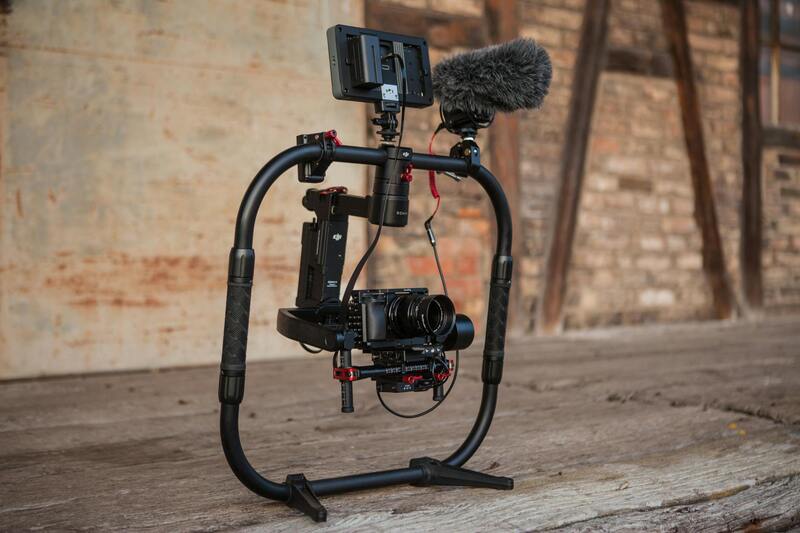
Stability and clarity are crucial in real estate images, which is why tripods are a standard part of the photographer's toolkit. Tripods enable sharp focus, prevent blur, and facilitate consistent framing across multiple shots, which is especially important in listing portfolios that require uniformity.
In recent years, drone technology has become an integral component of comprehensive property presentation. Certified photographers often incorporate aerial shots captured via professional-grade drones. These aerial views showcase large properties, landscaping, and surrounding areas, offering a perspective that ground-level photos cannot replicate. Proper drone operation requires adherence to safety and operational standards, ensuring shots are both visually appealing and compliant with regulations.
Lighting equipment, such as portable flash units and diffusers, are also employed to enhance indoor images. Proper lighting helps eliminate shadows and evenly illuminates spaces, making rooms appear brighter and more inviting. In addition, editing software like Adobe Lightroom and Photoshop plays a pivotal role in post-processing, allowing photographers to adjust color balance, correct distortions, and enhance details for a polished final image.
Another technological advancement gaining popularity among certified real estate photographers is high dynamic range (HDR) imaging. HDR techniques merge multiple exposures to create images with balanced lighting and detail throughout both highlights and shadows, capturing the full ambiance of a property regardless of challenging lighting conditions. Such technological proficiency ensures listings stand out in competitive markets like Miami, where visual impact directly influences buyer engagement.
In summary, a combination of top-tier cameras, drone technology, specialized lighting gear, and sophisticated editing software equips certified real estate photographers to deliver superior visuals. Mastery of these tools is essential not only for capturing compelling images but also for meeting the evolving expectations of the real estate industry.
Role and Significance of a Certified Real Estate Photographer
A certified real estate photographer plays a crucial role in presenting properties in their best light, directly impacting how listings engage potential buyers. Their expertise extends beyond simple camera operation; it encompasses an understanding of architectural features, lighting techniques, and post-processing skills essential for creating compelling visuals. In competitive markets like Miami, where high-quality imagery can determine a property's visibility, the value of hiring a professional with certified credentials cannot be overstated.
Certification signifies a photographer’s commitment to industry standards, ensuring consistent quality and professionalism. This validation provides real estate agents and property owners with confidence that the images will meet the expectations of sophisticated buyers and meet platform requirements. Certified photographers are trained in the latest techniques and equipped with the knowledge to handle diverse property types, from luxury condos to sprawling estates, capturing every detail with precision.
Beyond aesthetic quality, a certified photographer understands the importance of consistency across all visuals, creating cohesive marketing materials that reflect the property's true character. Their work ensures that listings stand out in crowded online platforms, drawing more attention from prospective buyers and investors. Moreover, these professionals often offer guidance on staging, lighting setup, and optimal shooting times, which collectively amplify the visual impact of the property.
Certification Requirements and Industry Standards
Obtaining certification typically involves fulfilling specific criteria established by reputed industry bodies or accredited training programs. These standards emphasize technical proficiency, knowledge of real estate marketing, and adherence to ethical practices. Certification processes often include practical exams, portfolio assessments, and continuing education to stay current with technological advancements and market trends.
Standards set by these bodies ensure that photographers are proficient in using modern equipment such as high-resolution cameras, drones, and advanced lighting systems. They are also trained to leverage editing software effectively, ensuring the final images are polished, balanced, and accurately represent the property. Punctuality, professionalism, and clear communication are part of the credentialing process, reinforcing the importance of reliable service in fast-paced real estate transactions.
Skills and Techniques for Professional Real Estate Photography
- Lighting mastery: Using natural and artificial light to eliminate shadows and highlight architectural features.
- Strategic composition: Framing shots that emphasize property space and flow, guiding viewers through the property visually.
- HDR imaging: Combining multiple exposures to balance lighting and expose all details effectively.
- Drone photography: Capturing aerial views for larger properties or unique landscape features.
- Post-processing expertise: Using software like Adobe Lightroom and Photoshop to enhance images without losing authenticity.
Certified professionals continuously refine their skills through workshops and industry updates, ensuring their approach remains aligned with evolving market expectations.
Equipment and Technology Used by Certified Photographers
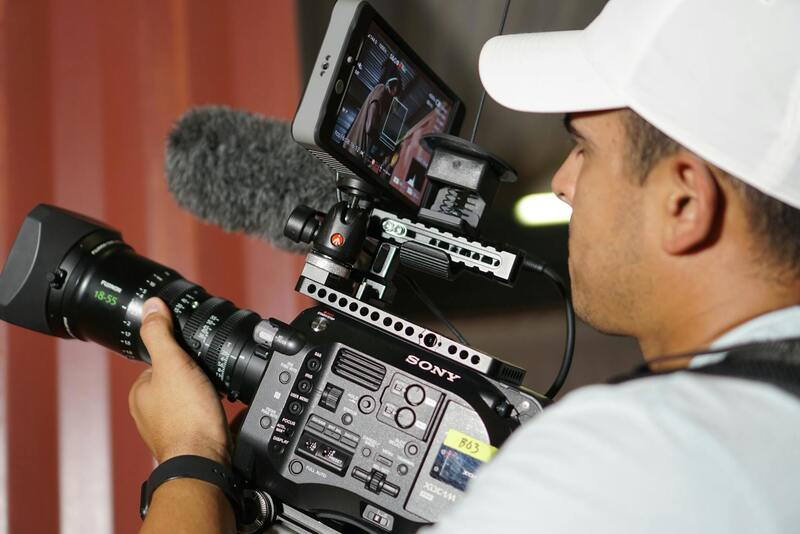
Modern certified real estate photographers rely on high-resolution DSLR or mirrorless cameras capable of capturing fine details essential for attractive property images. Drone technology allows for captivating aerial shots, providing prospective buyers with comprehensive views of larger estates or outdoor amenities. Specialized lighting equipment, such as portable flashes and diffusers, helps achieve even illumination in interior settings, eliminating shadows and enhancing room proportions.
Post-shoot, editing tools enable fine-tuning of images to ensure color accuracy, perspective correction, and overall aesthetic refinement. Technologies such as HDR merging and panoramic stitching expand creative possibilities, enabling photographers to produce dynamic visual content tailored to each property’s unique features.
Role and Significance of a Certified Real Estate Photographer
A certified real estate photographer plays a crucial role in the property marketing process by providing high-quality visuals that directly impact a property’s marketability. Their expertise extends beyond simply capturing images; they strategically compose shots to highlight a property's best features, ensure proper lighting, and deliver images that resonate with potential buyers. These professionals possess an understanding of what buyers seek visually, enabling them to create compelling virtual representations that increase engagement and generate more inquiries. In competitive markets like Miami, the significance of professional, certified photography becomes even more apparent. Property listings with superior imagery tend to attract more attention, stand out amidst numerous listings, and often result in quicker sales. Moreover, a certified real estate photographer's skillful approach helps mitigate common issues like distorted perspectives, poor lighting, or misrepresentation of space, preserving the integrity and appeal of each property. Beyond aesthetic quality, certified photographers adhere to established industry standards which ensure consistency, reliability, and legal compliance, fostering trust among clients and real estate agents. Their role extends into aiding the virtual tours, 3D renderings, and detailed visual narratives that are essential in today’s digital-first property market.
Certification Requirements and Industry Standards
Achieving certification as a real estate photographer involves fulfilling specific criteria that validate an individual’s expertise and technical proficiency. Most relevant organizations mandate a combination of formal training and practical experience, including workshops that cover advanced photographic techniques, lighting, staging, and post-processing. Certification programs typically require candidates to demonstrate their competency through portfolio submissions, practical assessments, or written exams. These evaluations focus on key industry standards such as image clarity, exposure accuracy, composition, and the ability to accurately portray interior and exterior spaces. Furthermore, adherence to ethical guidelines—such as avoiding misleading enhancements or misrepresentations—is fundamental. Certified photographers are expected to stay current with evolving technology and market practices through ongoing education. Industry standards emphasize the use of high-quality equipment, consistent editing protocols, and a thorough understanding of regional market expectations. This ensures that certified real estate photographers deliver images that meet or exceed buyer and agent expectations, facilitating swift, confident transactions.
Skills and Techniques for Professional Real Estate Photography
To excel in real estate photography, professionals must hone a diverse set of skills and techniques that elevate property images from ordinary to extraordinary. Mastery begins with understanding the importance of composition, such as the use of leading lines, balanced framing, and the rule of thirds, which guide viewers’ attention effectively. Lighting techniques are equally vital. Certified photographers utilize natural light when possible and supplement it with professional lighting equipment to eliminate dark shadows and highlight architectural features. Techniques like HDR (High Dynamic Range) imaging combine multiple exposures to capture detail in both shadowed and brightly lit areas, producing balanced images. Aperture control and focus stacking help in achieving sharp, detailed images across various depths, while perspective correction ensures the lines of interior and exterior shots remain true to reality. Drone photography is integrated for sprawling properties, producing aerial views that include landscape features, proximity to amenities, or real estate development. Post-processing further refines images, with adjustments made to color balance, contrast, and perspective, ensuring the final visuals are both vibrant and authentic. A proficient real estate photographer continuously updates these skills to align with market trends and technological advancements.
Role and Significance of a Certified Real Estate Photographer
In the competitive Miami real estate market, the visual presentation of a property can significantly influence buyer interest and perceived value. A certified real estate photographer possesses specialized training and industry-recognized credentials that ensure each image accurately captures the property's essence. These professionals understand the nuances of property staging, lighting, and composition to produce compelling visuals that highlight a property's best features.
By employing advanced photographic techniques and adhering to established industry standards, a certified photographer enhances the property's appeal, making it stand out in listings and marketing materials. Their expertise extends beyond mere camera operation; they are adept at creating immersive visuals that evoke emotional responses, encouraging potential buyers to envision themselves in the space.
Furthermore, certified professionals are diligent about consistency and quality control. This consistency ensures that all imagery aligns with the branding and marketing strategies of real estate agents and property owners, fostering trust and credibility in how properties are presented online and in print.
Certification Requirements and Industry Standards
Achieving certification as a real estate photographer involves a rigorous process designed to verify technical proficiency and an understanding of real estate marketing principles. Candidates typically complete specialized training programs that cover essential topics such as advanced camera techniques, lighting, editing, and the legal considerations of property imaging.
Industry standards emphasize high-resolution image quality, appropriate framing, and accurate color representation. Certified photographers are expected to stay updated with evolving technologies, including the use of drone photography and 3D virtual tours, to meet the dynamic needs of the Miami real estate market.
In addition to technical skills, certification programs often assess knowledge of local real estate regulations and best practices to ensure professional conduct and ethical standards. This comprehensive approach reinforces the photographer’s role as a trusted partner in property marketing efforts.
Skills and Techniques for Professional Real Estate Photography
To succeed as a certified real estate photographer, mastery of a broad skill set is essential. Artistic understanding of composition techniques—such as the use of leading lines, framing, and the rule of thirds—guides the viewer’s eye through the space naturally. Mastery of lighting is crucial, involving a combination of natural light optimization and professional lighting equipment to create bright, inviting images free of harsh shadows.
Specialized techniques like HDR imaging enable capturing high-contrast scenes with detail preserved in both shadows and highlights. Focus stacking enhances sharpness across different depth planes, ensuring all elements of a room or scene are crisp and clear.
Perspective correction and vertical alignment are vital for producing realistic interior shots, removing distortion caused by wide-angle lenses. Drone photography expands the visual perspective, especially for sprawling properties, providing sweeping aerial views that showcase landscape features and property surroundings effectively.
Post-processing is an integral component, involving meticulous adjustments to color, contrast, and perspective to ensure authenticity and visual appeal. Continuous skill development and staying abreast of technological advances allow certified photographers to deliver high-quality images that resonate with today’s discerning homebuyers.
Equipment and Technology Used by Certified Photographers
Professional-grade cameras with full-frame sensors and high-resolution capabilities form the backbone of quality real estate imagery. Wide-angle lenses are standard for capturing expansive interior and exterior shots, providing a sense of space and proportion. Adjustable tripod systems ensure stability and precise framing, even in challenging lighting conditions.
Lighting equipment, such as portable strobes and diffusers, help manage interior lighting, compensating for natural light limitations. Drones equipped with high-resolution cameras facilitate captivating aerial photography, adding a dynamic visual element to property marketing.
Software solutions for HDR imaging, perspective correction, and image editing enable photographers to produce refined visuals that adhere to industry standards. Advances in virtual tour technology, 3D scanning, and interactive floor plans further enhance the marketing toolkit available to certified professionals.
Benefits of Hiring a Certified Real Estate Photographer in Miami
Miami's vibrant property market demands high-quality visuals that capture the city’s unique aesthetic and lifestyle appeal. Hiring a certified real estate photographer ensures that property listings are professionally presented, increasing their attractiveness to potential buyers and tenants. These professionals can effectively showcase a property’s space, architecture, and design details, making listings stand out in a crowded market.
Enhanced imagery also translates into faster sales cycles and higher sale prices, as high-quality visuals foster trust and credibility. Additionally, certified photographers produce consistent, brand-aligned images that reinforce marketing strategies across digital platforms and print media.
Working with such specialists streamlines the listing process, reduces the need for multiple reshoots, and maximizes marketing ROI. For Miami property owners and agents committed to excellence, engaging a certified real estate photographer is a strategic investment in their property’s success.
Role and Significance of a Certified Real Estate Photographer
In the highly competitive Miami real estate market, visual presentation plays a crucial role in attracting potential buyers and tenants. A certified real estate photographer possesses specialized training and industry experience that enable them to capture images that highlight the unique features and aesthetic appeal of properties. These professionals understand how to optimize lighting, angles, and composition to produce images that evoke emotion and engagement, ultimately increasing the likelihood of a quick sale or rental.
Certified photographers also adhere to industry best practices for image quality, ensuring that photographs are sharp, well-exposed, and color-balanced. They are adept at capturing both interior and exterior shots, including aerial drone photography and twilight images, which provide a comprehensive visual narrative of the property. Their expertise extends beyond technical proficiency—they understand the importance of storytelling through imagery, helping listings stand out online and in print.
Furthermore, a certified real estate photographer’s work serves to build trust with clients, showcasing their professionalism and commitment to excellence. As a result, property listings become more credible and attractive, fostering quicker engagements and negotiations. In Miami’s dynamic market, where first impressions are vital, the role of a certified photographer becomes indispensable in achieving marketing success.
Details on Certification Requirements and Industry Standards
Obtaining certification as a real estate photographer involves meeting specific industry standards that demonstrate competence and professionalism. Professional organizations and certifying bodies often require photographers to complete comprehensive training programs covering technical skills, marketing principles, and ethical practices. Such programs typically include coursework on advanced camera techniques, lighting, image editing, and virtual tour creation.
Certification exams assess knowledge and practical abilities, ensuring that photographers can consistently produce high-quality images aligned with market expectations. These credentials serve as a validation of a photographer’s expertise, elevating their reputation within the industry. Many certifying organizations also mandate continuing education to keep professionals updated on emerging technologies, industry trends, and evolving customer preferences.
Standardization in practices, such as color accuracy, framing, and post-production editing, ensures that certified photographers deliver consistent results. Such consistency not only benefits individual clients but also enhances the overall credibility of the real estate marketing industry, providing property owners with confidence in their choice of a visual professional.
Skills and Techniques for Professional Real Estate Photography
- Lighting mastery: Utilizing natural light and supplemental artificial lighting to highlight spaces without overexposure or shadows.
- Proper framing and composition: Emphasizing the property’s best features and ensuring a balanced visual perspective.
- HDR imaging: Incorporating high dynamic range techniques to capture details in both bright and dark areas of a property.
- Virtual staging and editing: Enhancing images through post-processing to remove imperfections and showcase potential design layouts.
- Interactive media creation: Developing virtual tours, 3D scans, and floor plans to provide a comprehensive viewing experience.
- Aerial drone photography: Capturing expansive exterior views and property surroundings for a complete visual presentation.
Equipment and Technology Used by Certified Photographers
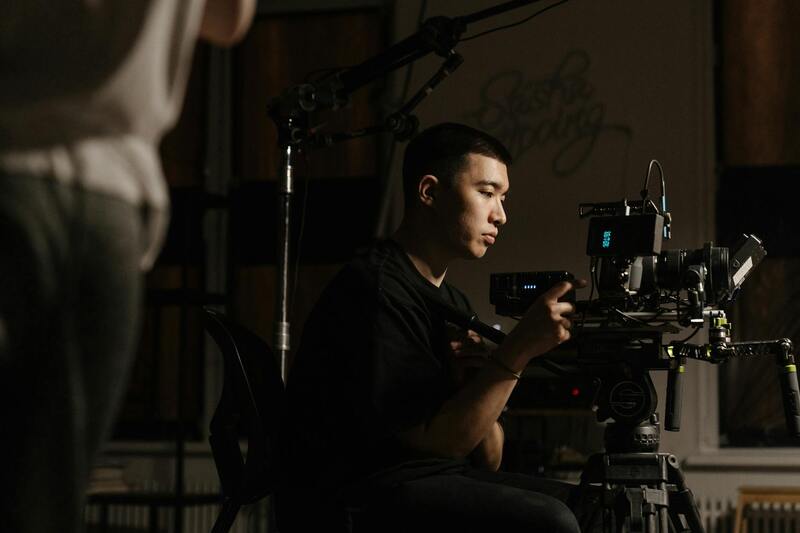
Certified real estate photographers rely on advanced equipment such as full-frame digital cameras, wide-angle lenses, and high-powered lighting systems to produce crisp, vibrant images. Tripods and stabilizers ensure sharpness and consistency in shots, especially in low-light conditions. The integration of HDR imaging technology allows capturing balanced exposures across challenging lighting environments.
Drones equipped with high-resolution cameras are employed for aerial shots, providing unique perspectives and showcasing property boundaries and surrounding amenities. Additionally, specialized software is used for image editing, virtual staging, and the creation of interactive virtual tours, enhancing the overall marketing appeal of listings.
Benefits of Hiring a Certified Real Estate Photographer in Miami
Miami’s diverse property market demands attention to visual detail that reflects its vibrant lifestyle and architectural elegance. A certified professional possesses the technical skill and market insight necessary to produce compelling imagery that resonates with local buyers. Their work results in striking photographs that can emphasize the property’s lifestyle benefits, proximity to beaches, city views, or neighborhood features.
Hiring a certified photographer also ensures consistency across listings, which is vital for real estate agencies aiming to establish a strong brand presence. Such consistency builds brand recognition and trust among clients, who associate quality visuals with professionalism. Moreover, certified photographers are proficient in leveraging the latest virtual tools, enabling property owners to showcase their listings through immersive virtual tours and 3D models, essential for remote buyers in Miami’s international market.
This strategic approach to visual marketing often leads to faster property turnover, reduced days on market, and higher listing prices. The investment in certified professional imagery directly impacts the success of property sales and rentals, making it an essential component of effective real estate marketing in Miami.