
Understanding 3D House Photography
3D house photography has revolutionized the way real estate professionals present properties to potential buyers. Unlike traditional photography, which captures flat images of a property from specific angles, 3D house photography creates immersive, detailed digital models that offer a comprehensive view of the interior and exterior spaces. This advanced imaging technique utilizes specialized hardware and software to produce highly accurate representations, allowing viewers to explore properties virtually with a sense of depth and perspective that mimics real-life experience.
The core of 3D house photography lies in capturing spatial data through numerous photographs taken from multiple angles. These images are then processed and rendered into interactive 3D models or virtual tours, which can be navigated freely by users. The unique aspect of this technology is its ability to present properties in a way that highlights spatial relationships, room layouts, and design features with exceptional clarity and detail, far beyond what conventional images can achieve.

This method significantly enhances the property viewing experience online, giving prospective buyers an opportunity to explore a home remotely as if they were physically there. It allows them to assess space utilization, visual quality, and overall ambiance with minimal effort. Consequently, 3D house photography bridges the gap between remote viewing and in-person visits, helping buyers make more informed decisions while reducing unnecessary property visits.
Another distinction of 3D house photography stems from its capability to incorporate augmented reality (AR) and virtual reality (VR) components. These integrations facilitate interactive engagement, enabling users to simulate furniture placement, visualize renovations, or walk through a property in real-time. Such features significantly enhance marketing strategies, providing a dynamic and engaging experience that appeals to modern digital audiences.
In summary, 3D house photography stands out as a powerful tool that elevates real estate marketing by delivering realistic, immersive property representations. Its ability to accurately depict space, facilitate virtual exploration, and integrate innovative digital features positions it as an essential asset in competitive property listings. As technology advances, its role in shaping the future of property presentation continues to grow, offering both sellers and buyers a more precise and engaging way to connect with real estate assets.
Techniques and Equipment Used in 3D House Photography
Implementing high-quality 3D house photography relies on a combination of advanced techniques and specialized equipment designed to capture detailed spatial data and visual information. Professional practitioners employ sophisticated tools that ensure accuracy, clarity, and immersive appeal in every virtual model. This combination of technology and methodology streamlines the creation of realistic 3D representations essential for effective real estate marketing.
Among the core techniques used in 3D house photography, light scanning and laser scanning stand out as pivotal. These methods utilize Light Detection and Ranging (LiDAR) technology or terrestrial laser scanners to generate precise point clouds that map interior and exterior spaces. This data collection process captures various surfaces, dimensions, and spatial relationships with exceptional detail, forming the foundational layer for constructing digital models.
In tandem with laser scanning, panoramic imaging plays a critical role in capturing comprehensive views of each room. These panoramic images are often taken with 360-degree cameras, allowing virtual viewers to experience the space as if they were physically present. The seamless stitching of multiple exposures produces high-resolution, immersive visuals that can be integrated into the 3D platform.
To enhance the accuracy and realism of the virtual environments, specialized software applications are employed to process raw data. These programs convert point clouds into detailed meshes, add realistic textures, and enable interactive features such as virtual walkthroughs or furniture placement. Top-tier software solutions are capable of aligning multiple data streams, correcting distortions, and optimizing models for web-based viewing.
In addition to hardware and software, careful planning and methodical execution are vital. Techniques such as strategic lighting during shooting, optimal camera positioning, and meticulous calibration of equipment ensure that spatial relationships remain precise and visuals are of the highest quality. When these elements are combined effectively, they produce highly accurate and engaging 3D visual content that captures the unique features and layout of each property.
Overall, the integration of cutting-edge technology, expert methodology, and detailed data processing forms the backbone of professional 3D house photography. This comprehensive approach guarantees that each virtual property presentation not only meets industry standards but also exceeds the expectations of modern digital consumers seeking authentic and immersive real estate experiences.
Techniques and Equipment Used in 3D House Photography
Implementing high-quality 3D house photography requires a combination of advanced equipment and meticulous techniques to ensure accurate, compelling visuals. A primary tool in this process is the use of 360-degree cameras, which capture comprehensive spatial data from every angle, providing a seamless panoramic view of interior spaces. These cameras are equipped with multiple lenses and sensors to record images simultaneously, significantly reducing processing time and ensuring consistency across different angles.
In addition to panoramic imaging devices, laser scanning technology plays a critical role. Laser scanners emit rapid pulses of laser light to measure distances with exceptional precision. When used inside a property, they generate point clouds that map every surface within the space, forming the foundational data required for creating precise 3D models. The density of point clouds directly correlates with the level of detail and accuracy achievable in the final virtual environment.
Specialized software applications are indispensable for processing raw data collected via imaging devices. These programs transform point clouds into detailed 3D meshes, accurately depicting walls, fixtures, and furnishings within the property. They also allow for the addition of realistic textures, sourced either from high-resolution photographs or material libraries, to enhance visual fidelity. Interactive features, such as virtual walkthroughs or configurable furniture, are enabled through these platforms, providing an immersive experience for viewers.

Effective 3D house photography hinges on deploying the right combination of hardware and software, supported by well-planned execution strategies. Precise camera calibration, strategic placement to maximize coverage, and optimal lighting conditions during capture are essential components. These practices help maintain spatial relationships and color consistency, resulting in authentic reproductions of the property's interior and exterior spaces.
Further refinement of the visuals is often achieved through post-processing, which involves alignment of multiple data streams, correction of distortions, and optimization of models for online presentation. This comprehensive approach ensures that the final virtual tour or 3D model accurately reflects the physical property, providing a trustworthy and engaging experience to potential buyers or tenants.
Integrating 3D Visuals into Real Estate Marketing Strategies
In today's competitive Miami real estate market, leveraging 3D house photography can significantly enhance property listings, making them stand out amid numerous options. Incorporating high-quality 3D visuals into marketing strategies enables real estate professionals to showcase properties in a manner that captures the attention of prospective buyers and tenants alike. This integration encourages a more interactive and immersive experience, allowing viewers to virtually tour properties from anywhere, at any time, increasing engagement and interest.
One effective approach is embedding 3D walkthroughs directly into online listings, providing potential clients with a seamless virtual experience. This transparency helps build trust, showcasing the property's true condition and layout without requiring an in-person visit. Additionally, 3D images can be used in targeted digital advertising campaigns, such as social media ads, email newsletters, and property websites, to attract specific demographics or geographic audiences.
Augmenting traditional marketing with 3D visuals also opens avenues for creative presentations. For instance, interactive floor plans can be integrated alongside 3D models, offering detailed spatial awareness and personalized viewing experiences. Real estate agents can highlight unique features or renovations within the virtual tour, emphasizing the property's distinctive selling points. These elements combined create a compelling narrative that can drive faster sales or rentals, particularly in the vibrant Miami market with its diverse clientele.
Furthermore, 3D house photography can be incorporated into virtual open house events, allowing prospective buyers to explore properties virtually and in detail. This approach not only broadens the reach but also accommodates clients with limited availability for in-person visits, such as international buyers or those with busy schedules. Consistent use of 3D visuals across different marketing channels helps establish a professional and innovative brand image, positioning Miami real estate professionals at the forefront of property marketing technology.
Adopting a comprehensive strategy that integrates 3D house photography into various facets of real estate marketing enhances the overall presentation, providing a competitive advantage in an increasingly digital world. Ensuring that visuals are high-resolution, accurately rendered, and seamlessly integrated into marketing platforms is essential for maximizing their impact and adding value to property sales and leasing efforts.
Legal and Ethical Considerations for 3D House Photography
When utilizing 3D house photography, it is essential to adhere to established standards that promote transparency, accuracy, and respect for client privacy. Professional 3D imaging services follow rigorous protocols to ensure that all visuals are truthful representations of the property, avoiding any manipulative techniques that could mislead viewers. This commitment to accuracy fosters trust between agents, clients, and prospective buyers, supporting informed decision-making throughout the purchasing or leasing process.
Respecting the privacy of property occupants and neighbors is paramount. Prior to capturing 3D visuals, property owners should be adequately informed about the scope of the imaging process, including the areas that will be included and the ways the images might be used. Consent should be obtained to prevent privacy breaches, especially when capturing images of personal possessions or sensitive spaces.
It is also important to maintain consistency and professionalism in how 3D visuals are presented. Manipulating images or selectively editing certain aspects of a property could distort viewer expectations and diminish the credibility of the listing. Legitimate 3D imaging providers uphold ethical standards that emphasize objectivity and authenticity, supporting a trustworthy real estate market.
Finally, compliance with industry guidelines regarding advertising and property disclosures contributes to maintaining integrity in marketing practices. This includes clearly indicating when 3D visuals are used and providing supplementary information about the property to complement the images. Transparent communication helps avoid misunderstandings and builds confidence among potential buyers, reinforcing the professionalism of real estate agents leveraging 3D technology.
Technical Aspects of 3D House Photography
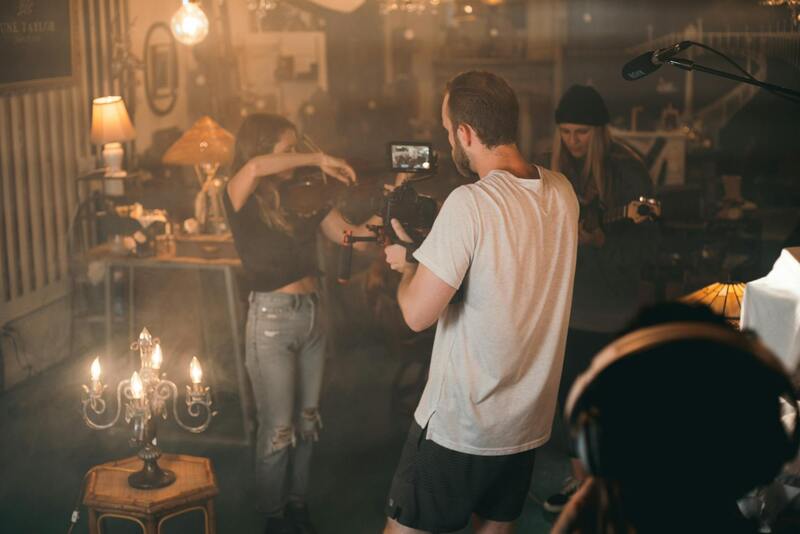
Creating compelling 3D house visuals requires a precise understanding and application of advanced technological tools. This process begins with high-quality 3D scanners or specialized camera systems designed to capture spatial data with exceptional accuracy. These devices employ laser scanning or structured light technology to generate detailed point clouds, which are the foundational data sets for constructing three-dimensional models of a property. The resolution and density of these point clouds directly influence the clarity and realism of the final visualizations, making the choice of equipment a critical decision for professional results.
Data Processing and Model Creation
Once the raw data is captured, it undergoes a series of processing steps using specialized software. This phase involves filtering out imperfections, aligning multiple scans, and constructing a cohesive 3D mesh or model that accurately represents the interior and exterior of the property. The software also allows for the integration of textures and detailed surface information, enhancing the visual fidelity of the model. This process demands technical expertise to ensure the final digital model is precise, scalable, and suitable for various marketing applications.
Rendering and Visualization Techniques
After model creation, the visualization phase leverages rendering software to produce high-quality images and interactive tours. Techniques such as photorealistic rendering, augmented reality, and virtual walkthroughs enable immersive experiences that replicate the real space with exceptional detail. These visualizations can highlight specific features of the property, showcase layout options, and provide potential buyers with a comprehensive understanding of the space from multiple perspectives.
Importance of Professional Expertise
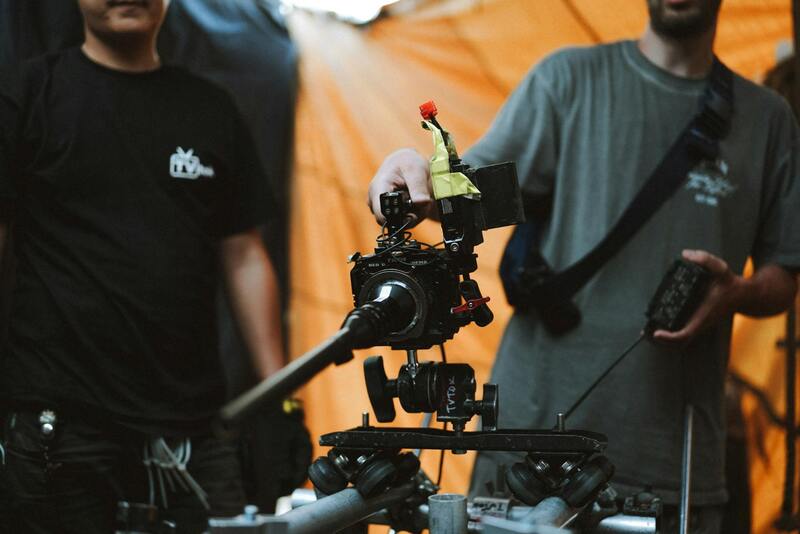
Executing 3D house photography at a professional level demands specialized training and experience. Operators must be skilled in handling sophisticated equipment, understanding spatial relationships, and applying best practices in data processing and rendering. Such expertise ensures that the final product not only meets industry standards but also effectively enhances marketing efforts by delivering accurate and visually engaging representations.
Technological Standards and Best Practices for 3D House Photography
Ensuring high-quality 3D house images requires adherence to established technological standards and best practices. These maintain consistency, accuracy, and integrity across different platforms and marketing materials, ultimately enhancing the property's appeal. The precision in capturing spatial details — including walls, ceilings, floors, fixtures, and outdoor elements — is fundamental to creating a realistic digital representation. Accuracy in dimensions is critical for effective visualization, so professionals utilize calibrated equipment to produce true-to-life images.
Standardized best practices also involve meticulous planning before the capture process. This includes assessing the lighting conditions, choosing optimal camera angles, and ensuring the space is clutter-free to avoid visual distractions. Proper positioning of equipment minimizes distortion and maintains the proportions of the architecture. Following these protocols helps in generating consistent, high-fidelity 3D visuals suited for varied listing platforms, virtual tours, or augmented reality applications.
Furthermore, choosing reliable hardware and software solutions is central to producing exceptional results. Top-tier 3D cameras, laser scanners, and photogrammetry tools are preferred for their accuracy and detail resolution. These devices often incorporate multiple sensors and high-resolution imaging, enabling detailed surface and texture capture that enhances the realism of the final product.
Importance of Data Management and Storage
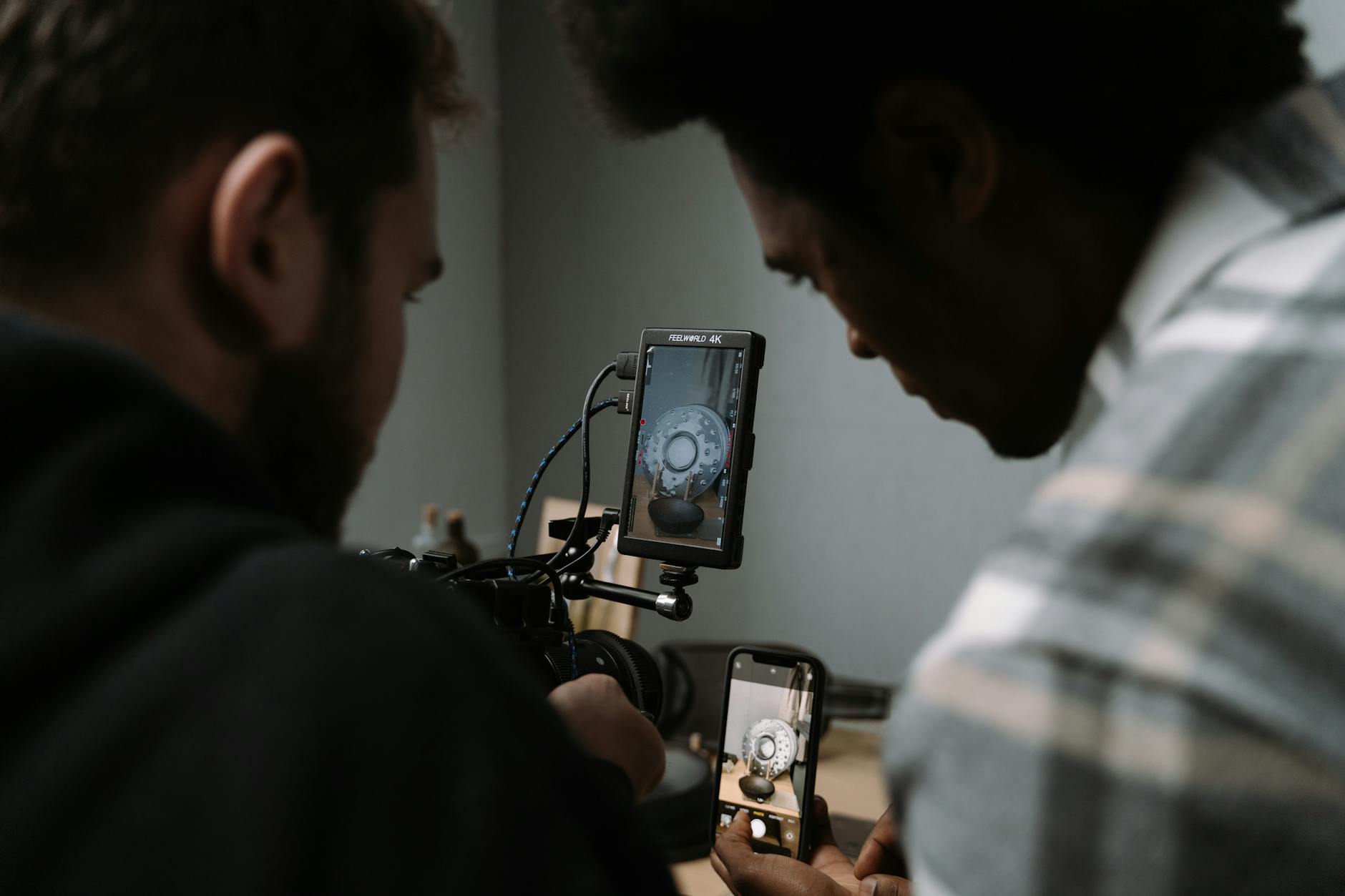
Efficient data management is essential for handling the substantial files generated during 3D house photography sessions. These files include raw images, point clouds, and processed models, which require organized storage solutions to facilitate easy access and modification. Reliable data management also safeguards sensitive property information, ensuring it remains secure throughout the project lifecycle.
Proper data protocols include consistent labeling, backing up files regularly, and maintaining version control. These practices prevent data loss and enable seamless updates or revisions to the digital models. Additionally, using standardized formats compatible with various rendering and visualization tools guarantees that the 3D assets can be readily integrated into digital marketing channels or virtual walkthrough platforms.
Ensuring Ethical Representation and Customer Trust
Adhering to ethical standards in 3D house photography involves honest and transparent depiction of the property's features. Professionals avoid manipulations that could mislead viewers, such as overly aggressive enhancements or selective photography. The goal is to provide an accurate visual portrayal that reflects the current state of the property, fostering trust with potential clients and avoiding disputes.
Respecting privacy is another critical aspect, especially when capturing images that include neighboring properties or personal spaces. Ensuring that consent is obtained for any inclusion of third-party elements preserves ethical integrity and upholds professional standards.
Maintaining clear communication with clients about the scope and limitations of 3D visualizations helps set correct expectations. Proper documentation of the process and generated visuals further supports transparency and professional credibility.
Legal and Ethical Considerations for 3D House Photography
When implementing 3D house photography within the real estate industry, adhering to stringent standards of honesty and transparency is paramount. Accurate depiction of properties ensures that potential buyers and renters have a clear understanding of what to expect, which enhances trust and reduces misunderstandings. Visual integrity involves avoiding the use of manipulative editing techniques that could exaggerate or misrepresent the property's features, such as altering lighting, removing flaws, or selectively highlighting certain areas while concealing others.
Maintaining authentic visual representations is essential for fostering confidence with clients and prospects alike. Professionals should clearly communicate the scope of the 3D visualizations, including what aspects of the property are captured and how they are rendered. Proper documentation of the creation process, including the data sources and any post-processing involved, adds an extra layer of transparency, reinforcing credibility.
Privacy considerations must be carefully managed, especially when capturing images that include neighboring properties, personal residences, or other sensitive elements. Securing consent for the inclusion of any third-party spaces or elements ensures respect for individual privacy rights and upholds professional integrity. This practice not only mitigates potential conflicts but also demonstrates a commitment to ethical standards in digital rendering.
Effective communication with clients about the capabilities and limitations of 3D modeling further enhances trust. It is essential to set realistic expectations, clarifying that 3D visuals are representations intended to facilitate decision-making rather than perfect replicas. Keeping comprehensive records of the processes, adjustments, and final outputs creates an audit trail that supports accountability and professionalism.
Moreover, integrating 3D house images into broader marketing strategies requires a focus on accuracy and ethical presentation. This involves continuous education of practitioners and adherence to established protocols for data handling and image representation. Such practices ensure that the industry maintains high standards and that clients receive reliable, truthful visual information for their purchasing decisions.