Overview of Virtual Real Estate Photography
Virtual real estate photography has transformed how properties are presented and marketed in the Miami residential and commercial markets. This innovative approach involves creating high-quality, immersive digital representations of physical real estate assets, enabling prospective buyers and tenants to explore properties remotely with exceptional detail and realism. Unlike traditional photography, virtual real estate images utilize advanced technology to deliver virtual tours, 3D walkthroughs, and panoramic views that replicate the experience of onsite visits through digital platforms.
In Miami’s competitive property landscape, virtual real estate photography has become an essential tool for real estate agents, developers, and property managers aiming to attract a broader audience. The method enhances property visibility, accelerates the decision-making process, and allows clients to view multiple properties efficiently without physical visits. As the market evolves, the importance of high-quality virtual representations continues to grow, providing a strategic advantage in capturing the attention of discerning buyers and investors.
Virtual real estate photography merges technical expertise with aesthetic accuracy, ensuring that virtual images depict properties in their most appealing and accurate form. This involves capturing comprehensive visual data that can be compiled into interactive and immersive multimedia presentations. The goal is to offer an experience that closely mirrors an in-person visit, fostering engagement and trust in the property’s true condition and potential.
The increasing accessibility to sophisticated imaging tools and digital platforms has democratized the use of virtual real estate photography across Miami’s diverse property market. From upscale waterfront estates to commercial spaces, virtual tours enhance marketing strategies by providing a dynamic and compelling view of each property. For real estate professionals, understanding the foundational principles of virtual photography is vital to leveraging its full potential, ensuring that listings stand out in this highly competitive environment.
Key Elements of Virtual Real Estate Photos
Effective virtual real estate photography hinges on delivering images that not only showcase a property's physical features but also evoke a sense of space, light, and potential. To achieve this, professionals utilize specialized equipment and advanced editing tools designed specifically for real estate imagery. High dynamic range (HDR) photography plays a vital role in capturing details in both shadows and highlights, ensuring scenes are balanced and true to life.
In addition, wide-angle lenses are commonly employed to capture expansive spaces within a single frame, making rooms appear larger and more inviting. Accurate color reproduction is critical; it involves careful calibration of cameras and lighting to prevent distortions or overly saturated images that could mislead prospective buyers.
Post-processing techniques further enhance virtual images. Adjustments to brightness, contrast, and sharpness help in highlighting a property’s best features without compromising authenticity. Professional editing software allows for seamless corrections, ensuring every image portrays the property in its best light and maintains consistency throughout a virtual tour.
Choosing the Right Equipment and Software
The selection of suitable tools significantly impacts the quality of virtual property photos. Key equipment includes DSLR or mirrorless cameras with wide-angle lenses, sturdy tripods, and panoramic heads for stable, comprehensive shots. Drones may also be used for capturing aerial views of larger properties or estate grounds, adding an extra dimension to the virtual tour.
Software options for stitching images into seamless panoramas, HDR processing, and editing are equally important. Programs like Adobe Lightroom, Photoshop, and specialized virtual tour platforms facilitate the creation of engaging, professional-grade virtual images. These tools enable photographers to optimize lighting, correct distortions, and assemble virtual walkthroughs that are both accurate and visually compelling.
Best Practices for Virtual Property Photography in Miami
- Preparation of the Property: Ensure the property is thoroughly cleaned, well-lit, and de-cluttered. Natural light should be maximized during the shoot, and window coverings should be adjusted to control brightness levels.
- Strategic Shot Selection: Capture key areas and features, including every room, entryways, outdoor spaces, and focal points such as views or unique architectural details. Consider the flow and layout when planning shots for immersive tours.
- Consistent Lighting: Use supplemental lighting or flashes to maintain uniformity across images, avoiding overly dark or bright spots that disrupt the virtual experience.
- Angles and Composition: Employ wide-angle lenses and maintain consistent angles to produce cohesive visuals. Avoid distortion by adjusting the camera settings for optimal results.
- Post-Processing: Carefully edit images to enhance clarity and color accuracy, while preserving the true essence of the property. Minor retouching should aim to improve realism rather than alter the property's appearance.
Adopting these practices ensures virtual tours are both captivating and reliable, providing prospective buyers with an accurate impression that facilitates decision-making.
Overview of Virtual Real Estate Photography
Virtual real estate photography has become an essential component of modern property marketing, offering potential buyers an immersive experience that bridges the physical and digital worlds. This technique involves capturing high-quality, wide-angle imagery of properties, which can then be integrated into virtual tours, 3D walkthroughs, and interactive platforms. Unlike traditional photography, virtual real estate photography emphasizes creating a seamless, realistic representation of the property that allows viewers to explore spaces at their own pace, from any location.
At its core, virtual real estate photography combines professional photography skills with advanced imaging technology. The process usually involves capturing multiple images from different angles, which are processed and stitched together to produce panoramic views or virtual tours. The result is a compelling visual narrative that highlights the property’s best features, spatial layout, and overall ambiance. As technology advances, virtual real estate photography increasingly incorporates 360-degree imaging, augmented reality, and virtual staging to further elevate the consumer experience.
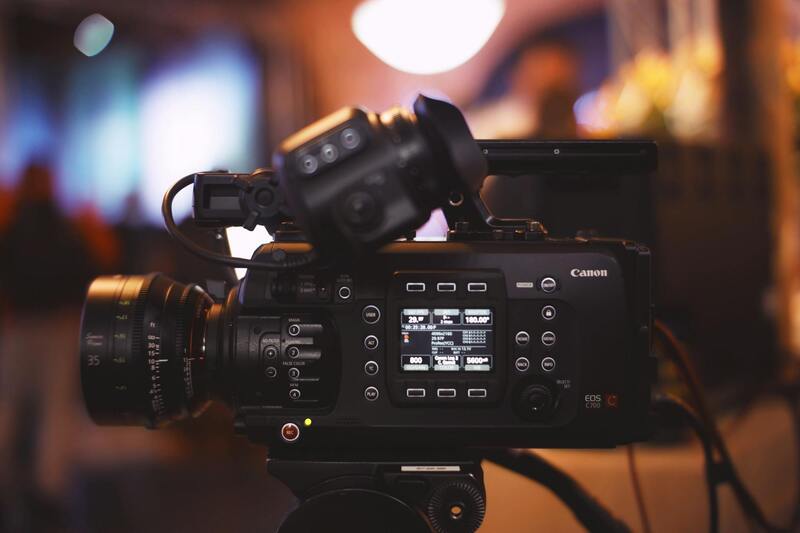
Professionally executed virtual real estate images not only attract more potential buyers but also facilitate faster sales by offering a comprehensive view of the property without the need for physical visits. With the rise of remote buying trends and digital-first marketing strategies, virtual photography is quickly becoming a non-negotiable element in the real estate industry. It provides agents and property owners with a versatile tool to showcase homes effectively and stand out in competitive markets.
Benefits of Virtual Property Showcasing
- Enhanced Reach and Accessibility: Virtual tours can be accessed from anywhere, allowing remote buyers to explore properties without geographical constraints.
- Time and Cost Efficiency: Reduces the necessity for multiple physical showings, saving time for both agents and clients.
- Increased Engagement: Interactive virtual tours encourage longer viewing times and deeper engagement, leading to a higher likelihood of interest.
- Accurate Representation: High-quality images and virtual walkthroughs provide a truthful and detailed depiction of the property, helping manage buyer expectations effectively.
- Market Competitiveness: A property with professional virtual photography often stands out in listings, attracting more views and inquiries.
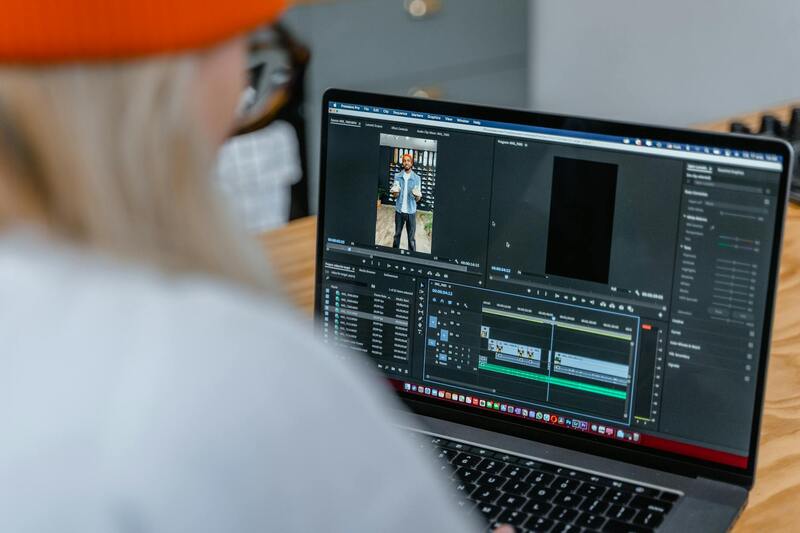
By utilizing these advanced visual tools, real estate professionals can significantly enhance their marketing effectiveness. The strategic deployment of virtual real estate photography transforms static images into dynamic, interactive experiences that resonate with modern buyers, especially in markets like Miami where luxurious and unique properties attract international and local interest alike.
Choosing the Right Equipment and Software
Producing high-quality virtual real estate photography requires an investment in suitable equipment and reliable software solutions. The key is to select tools that facilitate capturing detailed, well-lit images, and creating immersive virtual experiences that accurately represent the property. This ensures consistency and professionalism in each visual presentation, which can significantly influence potential buyers.
At the core of virtual real estate photography is a high-resolution camera capable of capturing sharp images with accurate color reproduction. Many professionals prefer wide-angle lenses to encompass more of each room in a single shot, minimizing distortion and offering viewers a true sense of space. A sturdy tripod is essential for stable, blur-free images, especially in lower light conditions or when multiple exposures are necessary for HDR imaging.
Lighting equipment also plays a vital role. Proper lighting enhances the depth and appeal of each scene, making spaces look inviting and well-maintained. Photographers often supplement natural light with portable lighting kits to ensure consistent illumination regardless of exterior conditions.
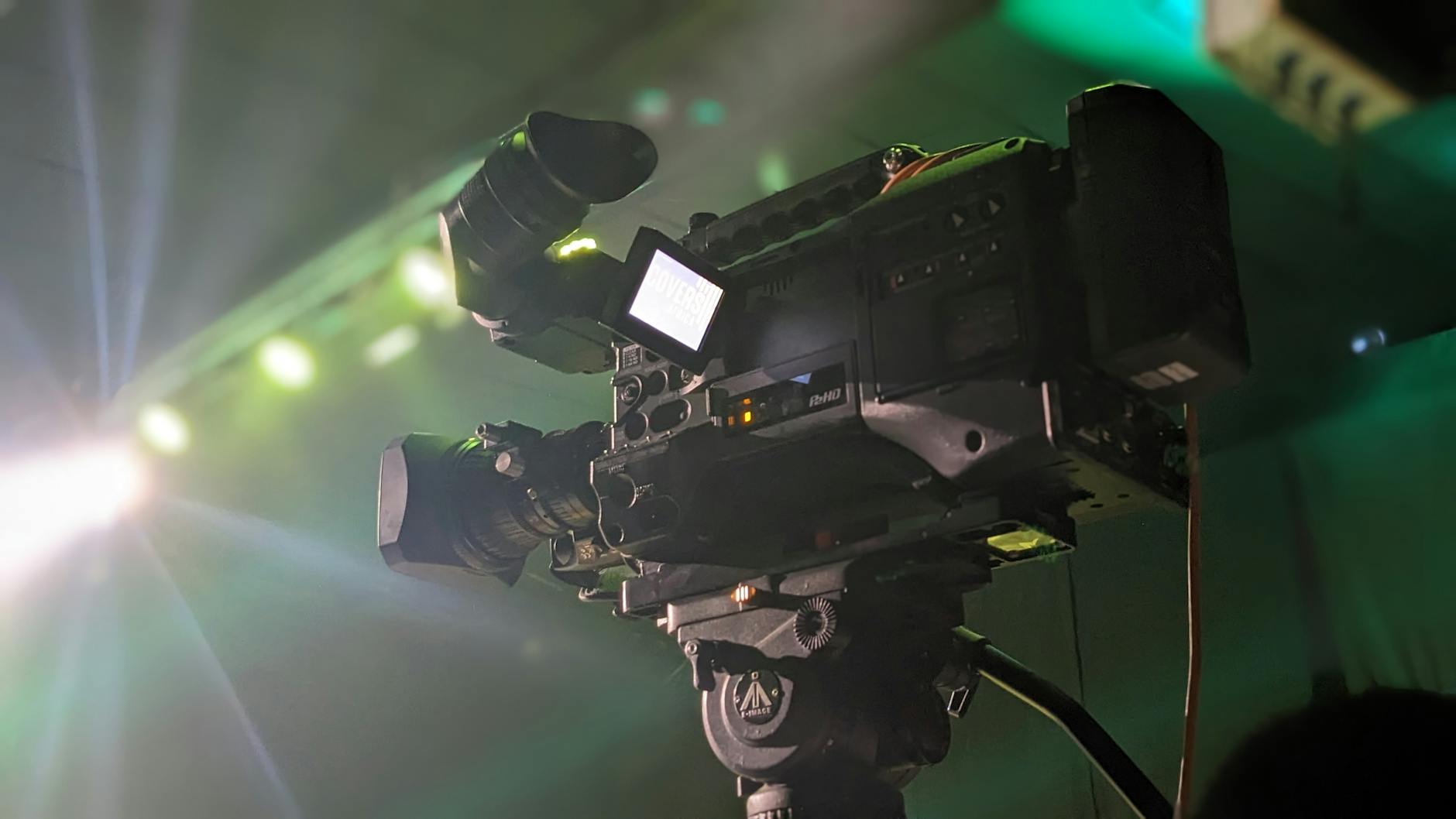
Post-processing software is equally important. Programs like Adobe Lightroom and Photoshop are industry standards for editing images, allowing enhancements in brightness, contrast, and color balance while correcting imperfections. Advanced editing can also include perspective adjustments to straighten lines and ensure that the spaces appear proportionate and realistic.
To assemble immersive virtual tours, specialized software platforms such as Matterport, Kuula, or 3DVista are widely used. These tools facilitate seamless integration of high-quality images into interactive virtual walkthroughs, often with features like hot spots, annotations, and embedded media to enrich the viewing experience. These platforms ensure that virtual tours are user-friendly, accessible across devices, and capable of replicating the spatial feel of physical properties with precision.
For agents and property owners aiming for a polished virtual presentation, partnering with experienced photographers who utilize the latest equipment and software can make a considerable difference. The proper combination of hardware and digital tools ensures that each virtual tour not only attracts attention but also builds trust through authentic and visually compelling property representations.
Best Practices for Virtual Property Photography in Miami
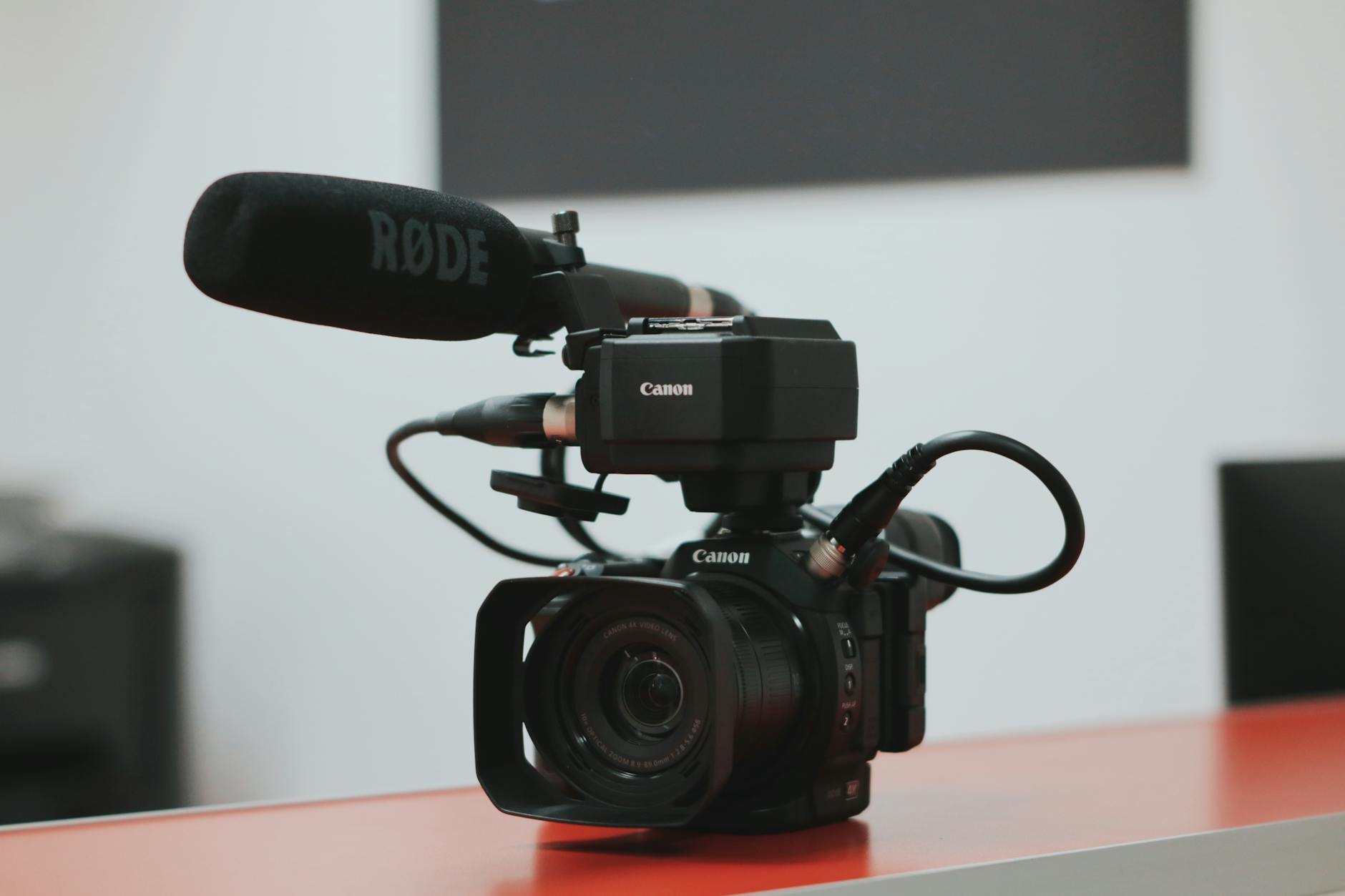
Miami’s vibrant real estate market demands a tailored approach to virtual property photography. Professionals should pay close attention to specific regional and property-related nuances to craft images that truly showcase what makes Miami homes unique. A focus on lighting, seasonality, and architectural details is critical for making properties appealing to both local and international buyers.
Start by scheduling shoots during optimal natural lighting hours, typically early morning or late afternoon, when sunlight enhances the property's features without casting heavy shadows. For properties with water views, capturing reflections and ambient light can add depth and allure. When dealing with high-end or luxury properties, emphasizing exceptional architectural elements and interior design details can help create an aspirational image that resonates with targeted audiences.
Consistency across property images is essential for professional branding. Using similar angles, lighting setups, and editing styles helps uniformity in listings. Additionally, include shots that highlight key selling points—such as modern kitchens, outdoor spaces, and scenic vistas—providing a comprehensive virtual experience that encapsulates the property's full potential.
Miami’s diverse climate sometimes challenges outdoor photography. In such cases, using professional lighting equipment and post-processing can mitigate weather-related issues, ensuring images are vibrant and inviting regardless of seasonal or weather constraints.
Choosing the Right Equipment and Software
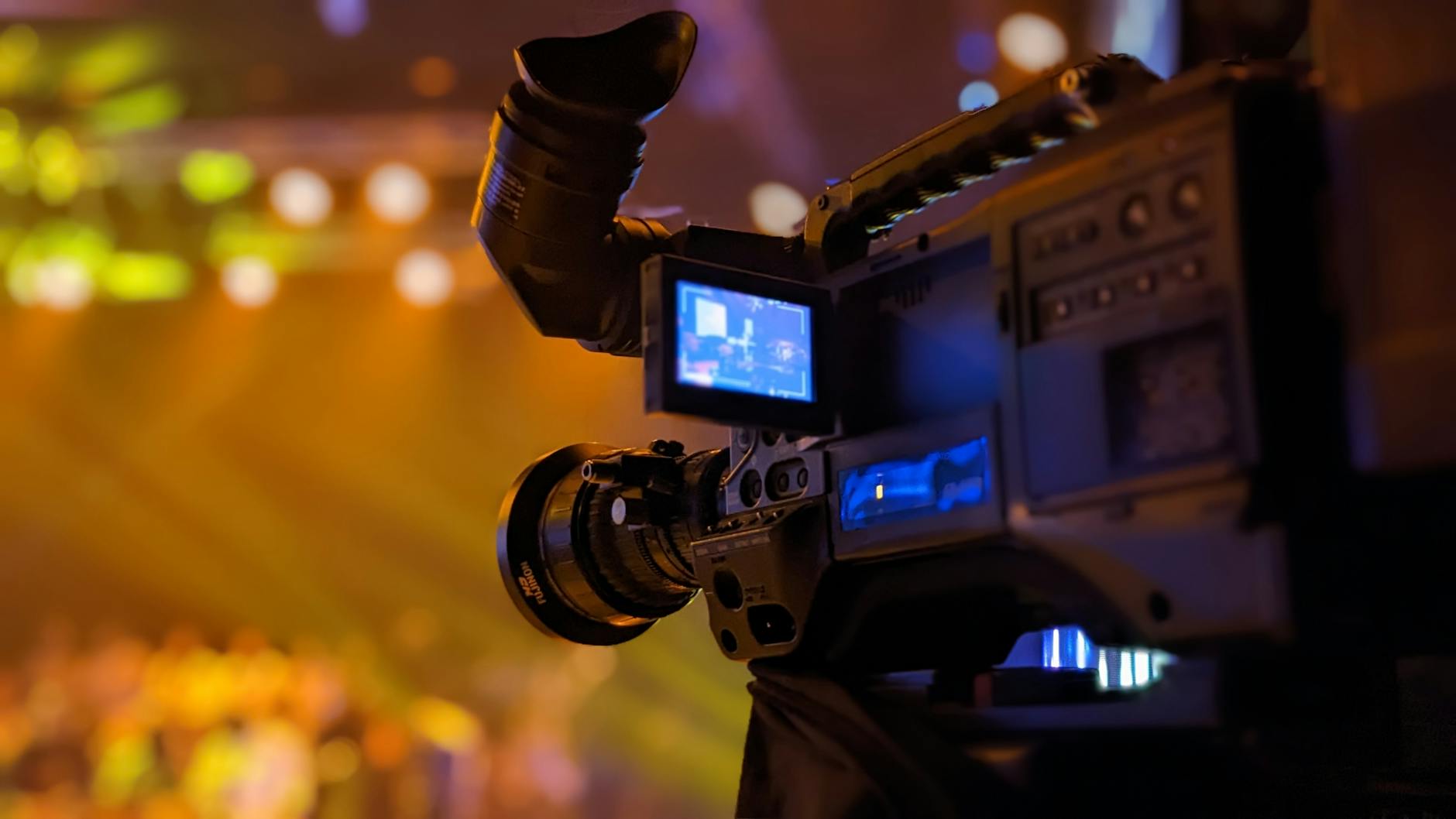
To produce compelling virtual real estate photography that accurately represents a property's appeal, selecting appropriate equipment and software is fundamental. High-resolution cameras with wide-angle lenses are essential to capture expansive interior and exterior views, providing viewers with a comprehensive perspective that closely mimics in-person experiences. Mirrorless or DSLR cameras equipped with wide-angle lenses generally deliver superior image clarity and depth, which are crucial for showcasing architectural details and spatial layouts effectively.
Tripods are indispensable for ensuring stability during shooting, enabling consistent framing and sharp images, especially in low-light conditions. Additionally, utilizing drone cameras can add dramatic aerial perspectives of larger properties or scenic surroundings, which are especially attractive in Miami's waterfront locales. When capturing the interior, employing supplementary lighting such as softboxes or portable LED panels can eliminate shadows and enhance natural light, creating inviting and visually balanced images.
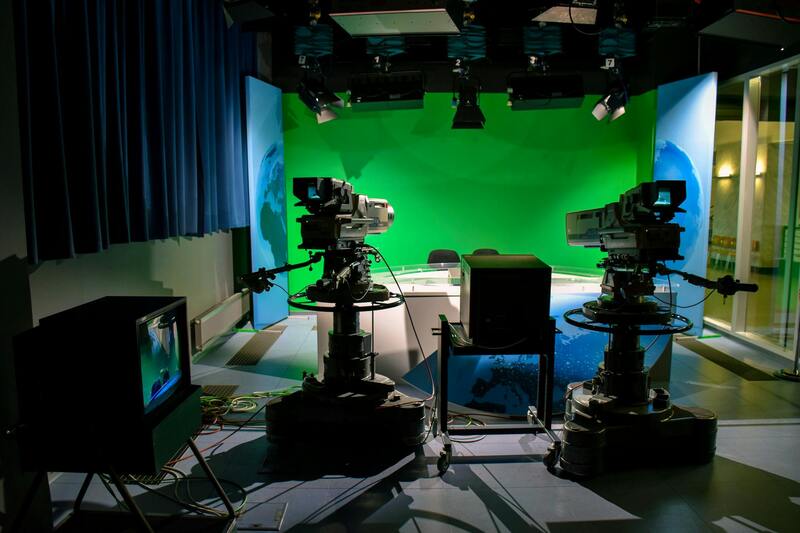
Switching to advanced software is equally important for post-production refinement. Programs like Adobe Lightroom and Photoshop facilitate HDR processing, color correction, and perspective adjustments to elevate image quality. For stitching multiple shots into seamless 360-degree panoramas, specialized applications such as PTGui or Hugin are recommended. These tools allow precise alignment and blending of images, resulting in immersive virtual tours that engage potential buyers effectively.
Furthermore, virtual staging software can enhance empty spaces digitally, adding furniture and décor that help prospective buyers visualize the property's full potential. When used skillfully, this technology can significantly increase engagement and interest in the listing.
Investing in high-quality equipment and sophisticated software tools is a cornerstone of delivering professional virtual real estate photography. This approach ensures that every image and virtual tour element accurately and attractively represents the property, ultimately boosting its market appeal and buyer interest.
Legal and Ethical Considerations
In the realm of virtual real estate photography, adhering to accepted industry standards and ethical practices is essential for maintaining credibility and fostering trust among clients and viewers. This includes obtaining proper permissions to photograph and showcase property, especially when using drones or capturing images in private spaces. Ensuring transparency about the techniques used, such as digital staging or image enhancements, helps manage client expectations and upholds integrity.
Utilizing high-quality, legitimate equipment and software aligns with professional standards, emphasizing the importance of authenticity in virtual property representations. Skilled photographers should be aware of potential biases introduced through editing or staging and strive to present the property as accurately as possible without exaggeration.
It is also critical to respect privacy rights by removing or obscuring identifiable information or personal belongings in images when necessary. Clear communication of service scope, including what modifications or enhancements will be made, preserves professional relationships and reduces misunderstandings.
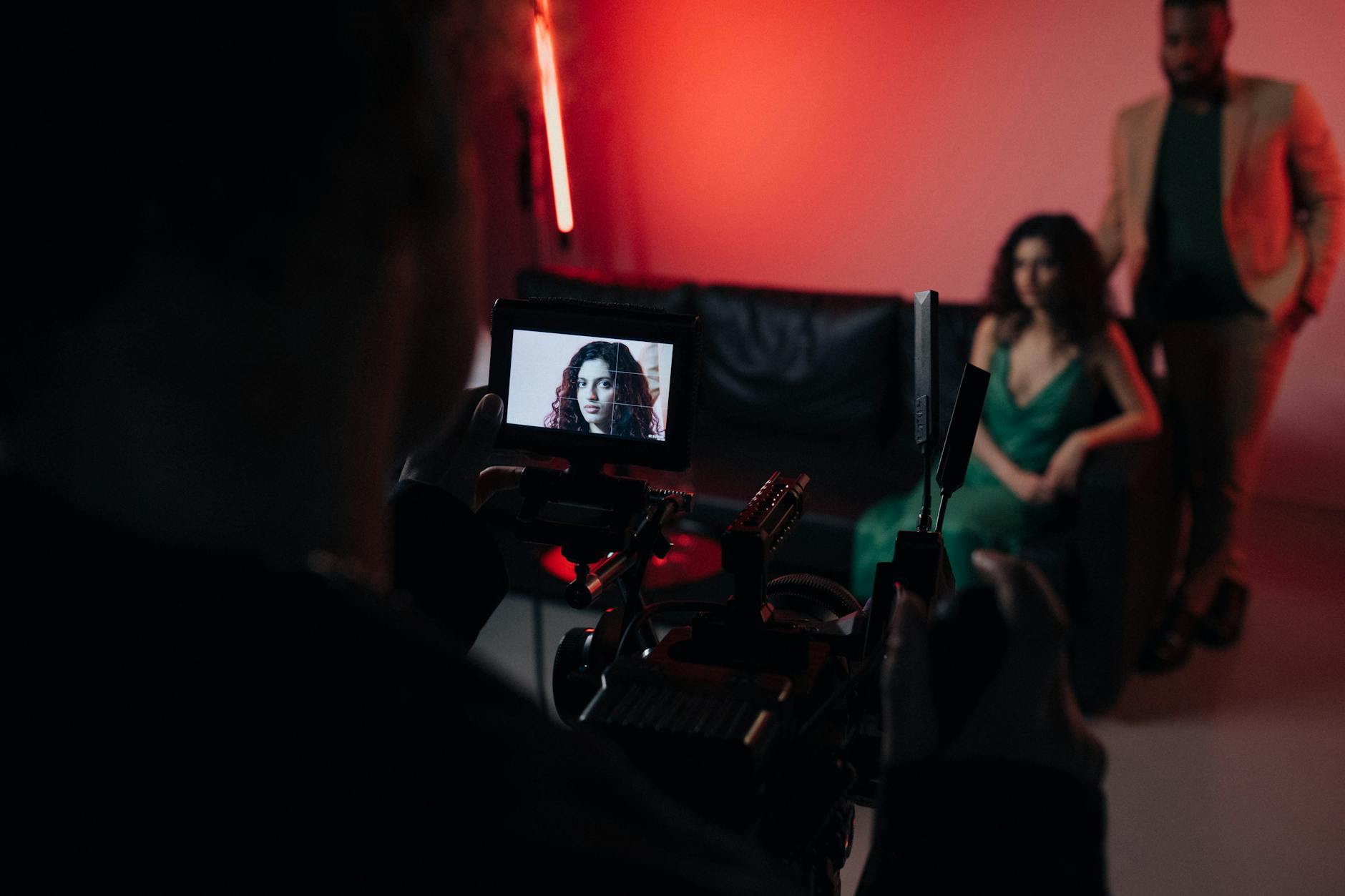
By implementing consistent ethical guidelines, virtual real estate photographers can enhance their reputation within the Miami property market and beyond. This approach not only safeguards against potential disputes but also elevates the overall quality and trustworthiness of virtual property presentations, making them more effective tools for attracting serious buyers and investors.
Legal and Ethical Considerations
Engaging in virtual real estate photography necessitates adhering to strict guidelines that uphold transparency and respect for all parties involved. Securing explicit permission from property owners before capturing images or creating virtual tours is fundamental to maintaining trust and professionalism. This practice ensures that owners are aware of how their property will be showcased, fostering a transparent relationship between photographers and clients.
Maintaining accuracy in virtual representations is equally essential. Digital adjustments, such as color correction or minor enhancements, should be performed judiciously to reflect the true appearance of the property. Overly manipulated images can mislead prospective buyers and create discrepancies between online viewing and physical inspection. Clear communication regarding the extent of editing and virtual staging helps set realistic expectations and preserves the integrity of the listing.
Respect for privacy rights is a critical component of ethical virtual real estate photography. Sensitive information, personal belongings, or areas that could infringe on individuals’ privacy should be appropriately obscured or removed from images and virtual tours. This practice not only demonstrates ethical responsibility but also cultivates confidence among clients and viewers.
Adhering to industry standards includes providing accurate descriptions of the property and employing responsible marketing strategies. Photographers should avoid exaggerations or manipulations that could distort a property's features or size. Instead, they should focus on delivering honest, high-quality visuals that truly represent the property’s selling points.
Upholding Professional Standards
- Obtain clear and documented permission for image capture and virtual tour creation.
- Perform honest editing that enhances, without altering the factual representation of the property.
- Respect individuals’ privacy by avoiding inclusion of identifiable personal information or private spaces unless expressly authorized.
- Communicate transparently about the scope of editing, virtual staging, or enhancements involved.
- Stay informed about evolving industry guidelines and best practices to ensure compliance and uphold reputation.
By consistently applying these citation-free, transparent, and respectful approaches, virtual real estate photographers in Miami can foster a reputation of professionalism and reliability. This commitment to ethical standards ultimately contributes to a more trustworthy and effective virtual property market, where clients and buyers feel confident in the accuracy and quality of the visual representations provided.
Legal and Ethical Considerations in Virtual Real Estate Photography
Maintaining integrity in virtual real estate photography involves adherence to established practices that respect both property rights and personal privacy. Photographers must obtain explicit permission from property owners or authorized representatives before capturing images or creating virtual tours. Documented consent ensures that all parties are aware of and agree to the use of visual media for marketing purposes. This process not only safeguards the professional reputation of the photographer but also fosters trust with clients and prospective buyers.
Accuracy in visual representation is a cornerstone of reputable virtual real estate photography. Photographers should employ honest editing techniques that enhance the visual appeal without distorting the property's actual features or dimensions. Overly manipulated images can mislead viewers, leading to disappointment or disputes during negotiations. Transparent communication about any virtual staging, enhancements, or image adjustments reinforces credibility and helps set realistic expectations for potential buyers.
Respecting privacy is another key aspect. Photographers should avoid including identifiable personal information or private spaces unless explicitly authorized. When documenting properties with occupied spaces, care must be taken to preserve privacy and comply with any applicable guidelines or owner preferences. Transparency about the scope of editing and virtual staging activities is essential, as it assures clients and viewers that the visuals accurately reflect the property's real state.
Staying abreast of evolving industry standards is vital for maintaining high ethical standards. Professionals should regularly review best practices, participate in relevant training, and stay informed about new technologies and regulations that affect virtual real estate marketing. Ethical conduct not only safeguards the reputation of individual photographers but also contributes to a trustworthy virtual property market, providing clients and buyers with confidence in the accuracy and quality of the visual materials.