
Importance of Video Marketing in Real Estate
In the competitive landscape of real estate, leveraging high-quality video content has become an essential strategy for agents seeking to stand out and connect effectively with potential buyers. Professional videos serve as dynamic virtual tours that allow viewers to experience a property’s spatial layout, design features, and ambiance from the comfort of their own homes or devices. This immersive presentation significantly increases engagement and provides a comprehensive understanding of the property, which static images alone cannot achieve.
Additionally, incorporating professionally produced videos into property listings enhances visibility across various online platforms. Search engines favor content that engages users longer, and videos naturally attract more attention, driving increased traffic to listings. This heightened exposure often translates into a higher volume of inquiries and faster sales cycles. For real estate agents, making a compelling first impression through videos helps to build trust and authority in a saturated market.
The use of video content extends beyond listings, enabling agents to showcase their expertise, share testimonials, and provide market insights. These elements establish credibility and foster relationships with prospective clients. As consumers increasingly turn to digital channels for property searches and decision-making, integrating well-crafted videos into marketing campaigns ensures agents remain relevant and competitive.
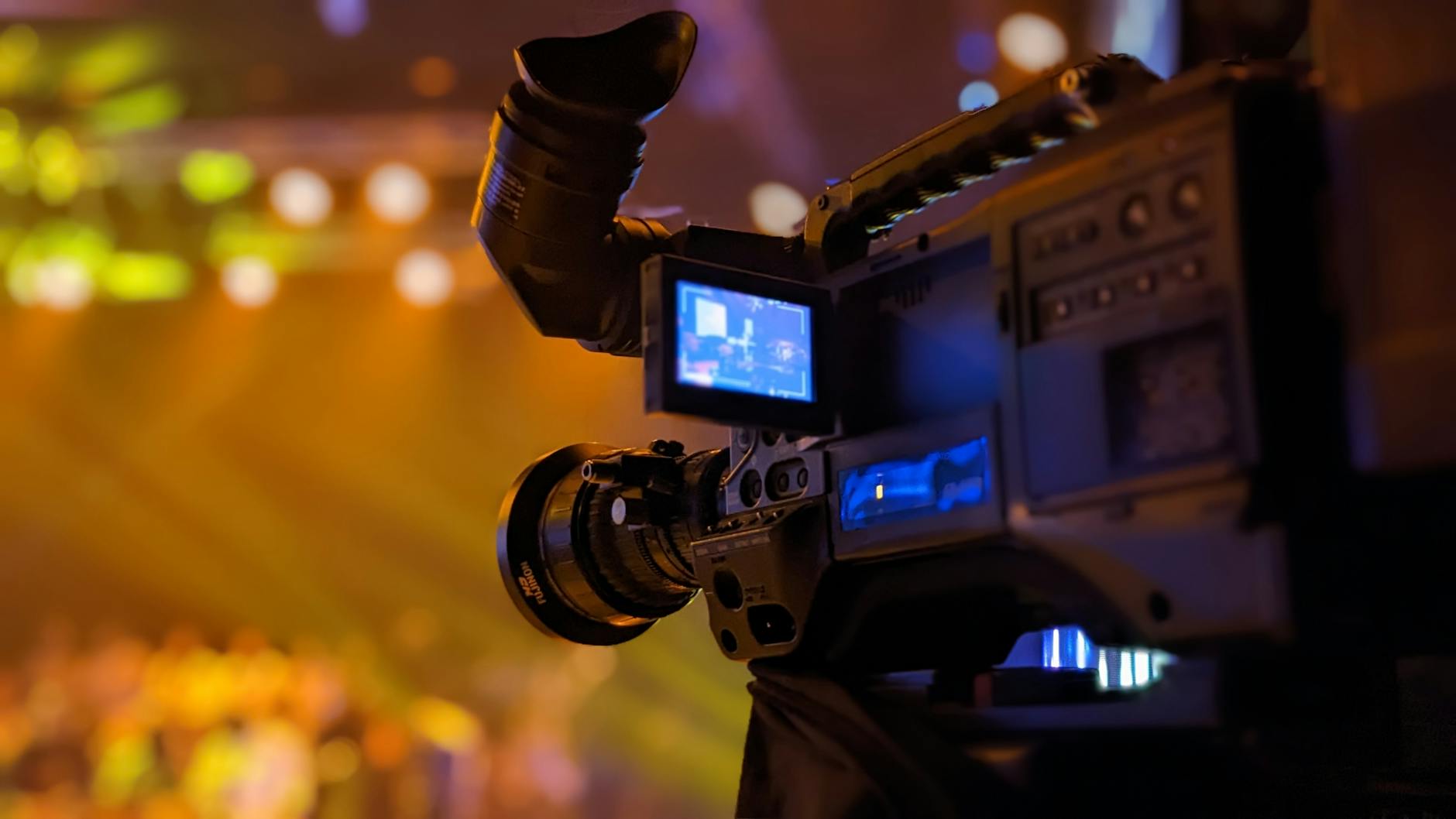
High-quality real estate videos not only serve as a powerful marketing tool but also demonstrate professionalism and commitment to client satisfaction. They aid in creating a compelling narrative around each property, highlighting its unique features and lifestyle benefits. This storytelling aspect is crucial for appealing to specific buyer demographics, whether they seek luxury homes, family residences, or investment properties.
Furthermore, video marketing contributes to a more streamlined sales process. Virtual tours reduce in-person viewings to serious inquiries, saving time for both agents and clients. This efficiency is particularly valuable in bustling markets like Miami, where a rapid turnaround can make the difference between closing a deal or losing a prospect to competitors.
In summary, integrating high-quality video content into real estate marketing strategies is no longer optional; it is a vital component of effective property promotion. Agents who invest in professional video production can expect increased engagement, faster property turnover, and an enhanced reputation that attracts more clients in today’s digital-first environment.
Planning Effective Real Estate Video Content
Developing compelling real estate videos begins with meticulous planning to ensure each piece aligns with the targeted audience and highlights the property’s key features. Successful videos start with a clear strategy, including identifying the unique selling points of the property, understanding the preferences of potential buyers, and setting specific goals for the video campaign. Whether aiming to boost online engagement, generate inquiries, or facilitate virtual touring, the content must be tailored accordingly.
Creating a detailed shot list enables agents or production teams to capture all necessary aspects of the property comprehensively. This includes both interior and exterior spaces, focusing on architectural details, spaciousness, natural lighting, and unique amenities. Planning each scene’s sequence ensures a smooth flow that narrates the property’s story effectively, maintaining viewer interest throughout the video.
Storyboarding can be an essential component, particularly for high-end listings or properties with distinctive features. Incorporating a visual outline helps synchronize camera angles, movement, and transitions, resulting in polished footage. Additionally, pre-visualizing the video’s tone and style—whether sleek and modern or cozy and inviting—aligns the final product with the property's branding and target market.

Coordination with property owners or stakeholders ahead of shooting day minimizes disruptions and guarantees access to all spaces. Moreover, establishing a feasible schedule considering optimal lighting conditions and available resources maximizes production quality. An organized approach to content planning is fundamental for efficient filming, editing, and eventual distribution, ensuring the final product resonates with the intended audience and achieves marketing objectives.
Video Production Techniques and Equipment
Achieving professional-grade real estate videos requires expertise in various filming techniques and the right set of equipment. High-definition cameras are essential for capturing crisp, clear footage that emphasizes property details, evoking trust and sophistication. Utilizing wide-angle lenses allows for immersive shots, making rooms appear more spacious and inviting. For dynamic visuals, camera stabilization systems, such as gimbals or Steadicams, deliver smooth, cinematic shots free of jitter.
Drone technology plays a pivotal role in showcasing properties' exterior and surrounding landscapes from compelling aerial perspectives. Drones can portray the property in its entirety, highlighting its size, layout, and proximity to local amenities. When operated skillfully, drone footage adds a competitive edge, especially for large estates or properties with scenic surroundings.
Lighting is a critical factor that influences image quality. Employing external lighting fixtures during indoor shoots helps illuminate dark corners and emphasizes architectural features, while natural light streaming through windows enhances the ambiance. Proper lighting ensures the property looks its best, psychologically appealing viewers and potential buyers.
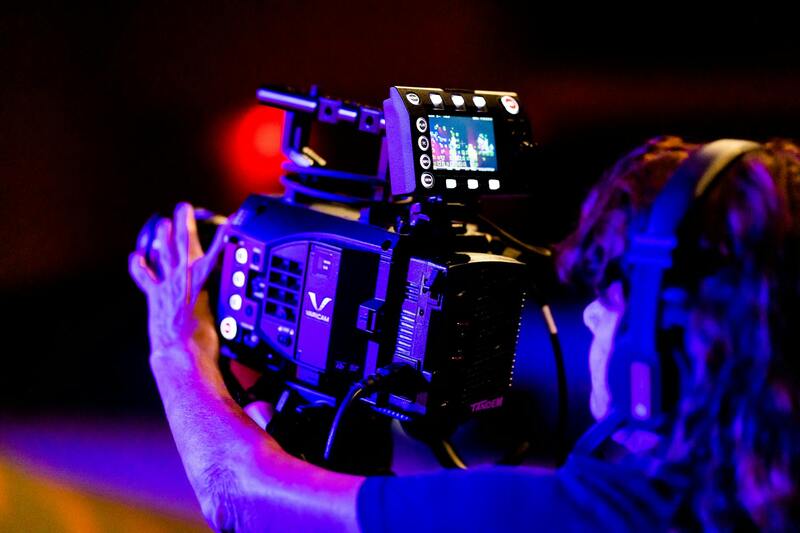
Complementing the technical setup, careful framing and camera movement contribute to a more engaging viewing experience. Techniques such as slow pans, smooth tilts, and strategic zooms can emphasize key elements and create a sense of flow. Skilled videographers understand how to combine these elements seamlessly, resulting in a compelling narrative that draws viewers into the property’s lifestyle potential.
Editing and Post-Production
Post-production transforms raw footage into captivating marketing content. This stage involves editing for color correction, sound enhancement, and adding visual effects or motion graphics where appropriate. Consistent color grading ensures a polished and professional appearance, aligning the visual tone with the property’s branding and target audience.
Incorporating music or voiceovers can enhance the emotional appeal of the video, guiding viewers' attention and reinforcing key messages. On-screen text and graphics provide additional information, such as property features or contact details, creating a comprehensive presentation that is easy to understand and visually appealing.
Attention to detail during editing ensures that the final product maintains high quality, free from distractions or errors. Optimized file formats and resolutions facilitate quick uploading and streaming, critical for online listings and social media platforms. The editing process not only refines the visual storytelling but also ensures the video is tailored to each distribution channel’s specifications, maximizing reach and engagement.
Planning Effective Real Estate Video Content
Developing impactful video content for real estate requires meticulous planning to ensure the final product resonates with potential buyers and effectively highlights the property’s best features. Scripting should focus on storytelling that captures the essence of the property and its surrounding community, incorporating narratives that address the needs and desires of the target audience. For example, emphasizing family-friendly amenities, proximity to schools, or the lifestyle benefits of the neighborhood can enhance emotional engagement.
Creating a detailed storyboard is essential for visualizing the flow of the video, aligning shots with the narrative, and ensuring a cohesive story arc. This process helps identify specific angles, camera movements, and shot sequences that will best showcase each property feature, from spacious interiors to scenic outdoor spaces. By planning the sequence of scenes, videographers can streamline the shooting process, minimizing disruptions and maximizing efficiency.
Scheduling is another critical component, involving coordinate timing to capture optimal lighting conditions—typically during the golden hour for outdoor shots—and avoiding periods of high activity that might disturb residents or construction work. A well-organized schedule also facilitates a smoother shoot day, allowing sufficient time for multiple takes, equipment setup, and adjustments. This preparation ensures continuity and high production value, critical for producing a professional-looking video.
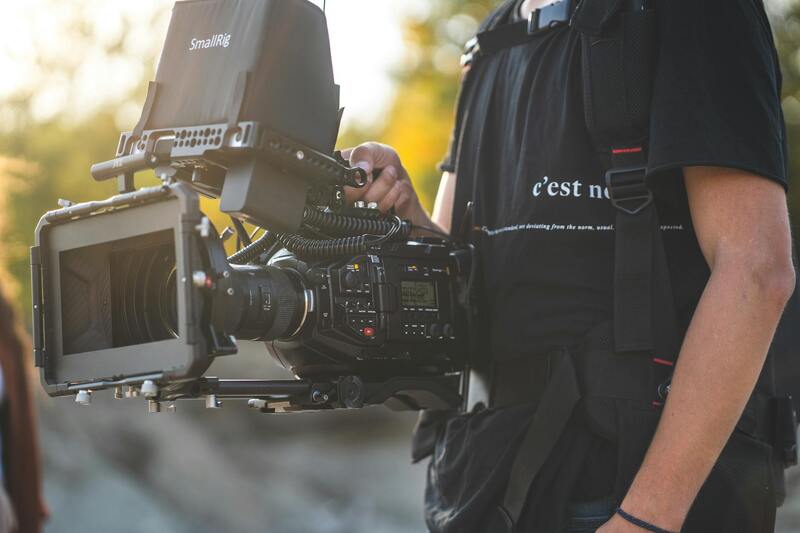
Incorporating insights about local property trends and seasonal considerations into the content plan further aligns the video with market demands. For example, capturing vibrant landscaping during peak blooming season or showcasing recent upgrades can enhance a property's appeal. Aligning content with current market conditions and buyer preferences ensures that the video resonates more deeply with viewers and increases the likelihood of engagement and inquiries.
Overall, thorough planning—covering scripting, storyboarding, and scheduling—serves as the blueprint for a compelling real estate video that not only attracts attention but also conveys the unique value and lifestyle associated with each property. Proper preparation translates into higher quality footage, reduced shooting time, and a more polished final product, ultimately supporting a strategic marketing approach aimed at converting viewers into interested buyers.
Editing and Post-Production
Following the filming process, editing is a crucial stage that transforms raw footage into a polished and engaging real estate video. Professional editing involves several key steps to ensure the final product effectively highlights the property's best features, maintains a cohesive narrative, and appeals to target audiences. Advanced editing techniques include color correction to enhance visual appeal, stabilization to maintain a smooth viewing experience, and color grading to evoke specific moods or atmospheres that align with the property's style. Integrating motion graphics and text overlays can provide contextual information such as property details, price, or unique selling points, making the video more informative and engaging. Additionally, incorporating background music carefully selected to match the tone of the property helps evoke an emotional response from viewers, encouraging further interest. Transition effects between scenes should be smooth to maintain a professional look without distracting from the property itself. When appropriate, aerial drone footage, crystal-clear interior shots, and close-up details are seamlessly integrated to create a comprehensive visual story. Ensuring the pacing keeps viewers engaged without feeling rushed is vital, especially for longer tours or complex properties. The post-production process also involves quality control checks—reviewing the video on various devices to confirm consistency and high resolution. Properly rendered videos are optimized for various platforms and formats, facilitating better load times and playback quality across online listings, social media, and other digital channels. This meticulous editing process ensures the final video effectively communicates the property’s value and appeals to the most discerning buyers.
Effective Editing and Post-Production Strategies
High-quality editing and post-production processes are pivotal in transforming raw footage into compelling real estate videos that capture potential buyers' attention. Implementing precise color correction enhances the visual appeal by ensuring property colors appear vivid and true-to-life, which is crucial for creating an authentic representation of the listing. Properly balanced lighting adjustments can emphasize key features, making spaces look more inviting and spacious.
Adding captions throughout the video serves to highlight specific details such as square footage, unique architectural features, or recent upgrades. These overlays not only improve viewer comprehension but also amplify key selling points, ensuring critical information is communicated clearly. Additionally, integrating background music that complements the property's style can evoke emotional responses, fostering a deeper connection with viewers.
Branding elements, such as logo watermarks or agent contact information, should be tastefully incorporated within the video to reinforce brand recognition without detracting from the property’s features. Smooth transition effects between scenes contribute to a polished look, maintaining viewer engagement while conveying a seamless narrative of the property's essence.
During the post-production stage, meticulous quality control checks are vital. This involves reviewing the video across multiple devices and screen sizes to ensure resolution consistency, clarity, and overall professionalism. Optimizing the final version for various platforms, including online listings and social media, guarantees fast loading times and high-performance playback. Correctly formatted videos can significantly increase visibility and engagement, making them an essential component of any comprehensive real estate marketing strategy.
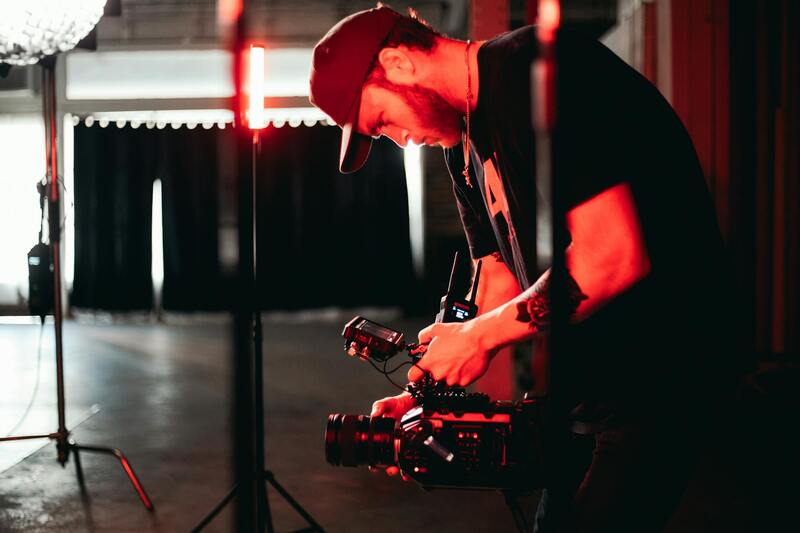
By carefully orchestrating the editing process, real estate professionals can elevate their visual marketing approach, capturing the interest of prospective buyers more effectively and encouraging higher inquiry rates. The combination of technical precision and creative storytelling ensures that each property’s visual presentation matches its true potential, making impactful first impressions that convert viewers into clients.
Localization and Tailoring Content for the Miami Market
Effective real estate videos in Miami require a nuanced understanding of the local market's unique characteristics. Miami's diverse neighborhoods, vibrant lifestyle, and distinctive architectural styles should be highlighted to resonate with prospective buyers. Incorporating aerial shots of iconic landmarks such as Miami Beach, the Wynwood Walls, or the Brickell skyline can evoke an aspirational lifestyle, appealing to both domestic and international clients. Additionally, showcasing nearby amenities like upscale dining, boutique shopping, and cultural hotspots creates a comprehensive picture of the living experience in Miami.
To further enhance local appeal, videos should capture the climate and outdoor lifestyle that Miami offers year-round. Featuring footage of outdoor pools, patio entertainment spaces, and nearby beaches can underscore the property's suitability for the vibrant outdoor culture. The choice of music and narration should reflect the lively, energetic vibe synonymous with Miami, engaging viewers emotionally and culturally.
Incorporating local language, slang, or references within the video narration or captions can establish a personal connection with viewers, making the content feel more authentic and relatable. Moreover, adapting the visual storytelling to the specific target demographic—whether luxury buyers, young professionals, or international investors—ensures that the message aligns with their preferences and expectations.
Leveraging Market Data and Trends in Video Content
Integrating up-to-date market data and recent trends into real estate videos can substantially improve their impact. Highlighting recent sale prices, neighborhood appreciation rates, or upcoming developments can inform and persuade prospective buyers. Using graphics or overlay text to present this information in an engaging way adds a layer of credibility and professionalism.
Stay current with Miami’s evolving real estate landscape by featuring projections or insights from local experts within your videos. This strategy not only establishes authority but also demonstrates a comprehensive understanding of the local market dynamics to potential clients.
Strategies for Engaging Property Tours and Walkthroughs
Creating compelling virtual property tours is a cornerstone of effective real estate video marketing, particularly within the vibrant Miami market. Engaging walkthroughs should serve not only as visual representations but also as immersive experiences that allow prospective buyers to envision themselves living in the space. The key is to combine high-quality cinematic techniques with strategic narration and pacing, ensuring viewers remain captivated from start to finish.
Commence the tour with an exterior shot that highlights the property's curb appeal, emphasizing unique architectural features and the surrounding neighborhood. Use drone footage to offer a sweeping overview of the property’s exterior and proximity to desirable local amenities, such as beaches, parks, or commercial hubs. This visual context helps to position the property within Miami's dynamic landscape.
Inside, employ stabilized camera movements and well-considered lighting to showcase the flow of each room. Highlight architectural details, spacious layouts, and high-end finishes that appeal to discerning buyers. Incorporate smooth transitions between spaces to maintain narrative continuity, and consider adding textual overlays or narration that describe key features, like smart home integrations, modern appliances, or custom finishes.
Moreover, incorporating lifestyle elements—such as scenes of residents enjoying the outdoor living spaces or engaging in local activities—can elevate the emotional impact of the video. By doing so, potential buyers aren’t just viewing a house; they’re visualizing a lifestyle rooted in Miami’s energetic and diverse environment.
Utilizing Narration and Voice-Over to Enhance Property Videos
Effective narration can transform a simple property walkthrough into a compelling story that resonates with viewers. When crafting voice-overs, it’s important to adopt a tone that aligns with the property’s target demographic and the Miami market’s vibrant character. A confident, warm, and engaging voice can draw prospective buyers into the narrative, guiding them through each room and highlighting key features.
Dialogue should be succinct yet informative, providing context for the visuals. For example, when showcasing a chef’s kitchen, mention premium appliances or custom cabinetry. When highlighting a spacious backyard, emphasize potential for entertainment or outdoor living, especially given Miami’s outdoor-oriented lifestyle.
Incorporating local references, such as nearby hotspots or neighborhood highlights, can reinforce the connection to Miami’s unique culture. A well-produced voice-over also includes nuanced intonations and pacing that keep viewers interested and prevent monotony.
Adding Interactive Elements and Call-to-Action Features
Maximize the impact of real estate videos by integrating interactive elements that encourage viewer engagement. These can include clickable links to property listings, embedded contact information, or prompts to schedule a viewing. Additionally, incorporating calls-to-action within the video or as overlays — such as “Contact us for a private tour” or “Explore Miami luxury living today” — guides viewers toward the next step in their home-buying journey.
Furthermore, incorporating testimonials from previous clients or local experts within the video can add credibility and foster trust. These elements not only enhance viewer confidence but also strengthen the overall marketing strategy by integrating social proof.
Strategies for Effective Video Distribution and Engagement
Once high-quality real estate videos are produced, the next crucial step involves strategic dissemination to reach the target audience effectively. For Miami real estate agents, leveraging multiple distribution channels ensures maximum visibility and engagement, ultimately accelerating property sales and brand recognition.
Utilizing Multiple Platforms for Broader Reach
Disseminating videos on diverse online platforms creates a comprehensive exposure network. Key channels include:
- MLS Listings and Real Estate Websites: Embedding videos within property listings enhances their appeal, providing prospective buyers with a dynamic view of the property directly on trusted platforms.
- Social Media Networks: Platforms such as Facebook, Instagram, and LinkedIn facilitate targeted advertising, allowing agents to reach specific audience segments based on demographics, interests, and browsing behavior.
- YouTube and Vimeo: Hosting videos on dedicated video-sharing platforms not only increases discoverability but also allows for the creation of a branded channel that can serve as a portfolio for multiple listings.
- Email Campaigns and Newsletters: Embedding compelling videos within email marketing strategies captures attention and nurtures leads through engaging visual storytelling.
Implementing SEO Strategies for Video Content
To maximize organic reach, it’s vital to optimize video content for search engines. This includes:
- Keyword Integration: Incorporate relevant keywords such as "video production for real estate agents" and localized terms like "Miami luxury homes" in video titles, descriptions, and tags.
- Transcriptions and Captions: Providing accurate captions and transcriptions not only aids viewer engagement but also improves search indexing, making videos more discoverable by search engines.
- Video Sitemaps: Submitting dedicated video sitemaps ensures search engines recognize your video content, enhancing visibility in search results.
Harnessing Paid Advertising for Targeted Reach
Paid social media campaigns and search engine ads enable precise targeting of prospective buyers in Miami’s competitive real estate market. Specific tactics include:
- Geotargeting: Focusing ads on Miami neighborhoods or demographics interested in luxury real estate.
- Retargeting: Re-engaging users who have previously interacted with property videos or your website, increasing conversion likelihood.
- Lead Generation Campaigns: Using video ads with embedded forms to capture potential buyer information directly from viewer engagement.
Monitoring Performance and Adjusting Strategy
Consistent analysis of video engagement metrics such as view counts, watch time, click-through rates, and conversions provides actionable insights. Tools like Google Analytics and platform-specific insights help identify what content resonates most with your Miami audience, allowing continuous refinement of distribution tactics to maximize impact.