
Understanding the Role of a Residential Real Estate Photographer
In Miami’s competitive housing market, presenting properties with high-quality imagery is essential for attracting potential buyers and closing deals efficiently. A residential real estate photographer plays a vital role in showcasing a property’s best features through compelling visual representation. Their responsibilities extend beyond simple photography, encompassing a strategic understanding of lighting, composition, and the specific needs of real estate marketing.
Professional photographers in this niche work closely with real estate agents and homeowners to produce images that accurately reflect the property’s space, layout, and ambiance. This involves carefully capturing the property's interior and exterior, ensuring that each shot highlights its unique selling points. Their work not only helps create a visual storyline for the property but also enhances online listings, which are often the first impression potential buyers have of a home.
In Miami, where the real estate market is vibrant and diverse, the importance of professional photography cannot be overstated. Residential images serve as a primary marketing tool, influencing a buyer’s perception before they even visit in person. Elevated photography can significantly increase the number of views on listings and generate higher interest levels. As a result, real estate professionals increasingly recognize the value a skilled photographer offers in leveraging visual narratives to drive sales.
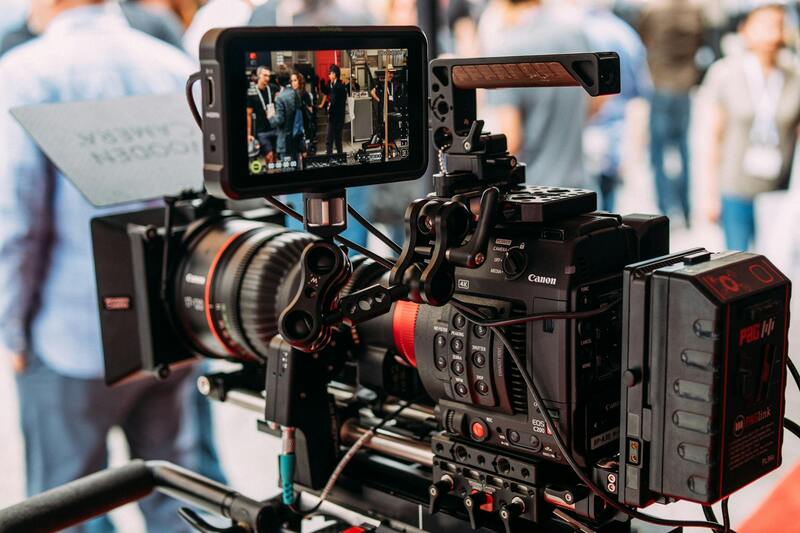
The role of a residential real estate photographer extends into understanding the specific nuances of Miami’s diverse neighborhoods—from waterfront properties to urban condominiums. Each setting requires tailored photographic techniques to best capture the essence and appeal of the space. The photographer’s expertise influences not only the aesthetic quality of images but also their ability to evoke an emotional response, encouraging potential buyers to envision themselves living in the home.
The significance of professional real estate photography goes beyond mere picture-taking; it integrates an understanding of marketing strategy, the target audience, and current visual trends. The result is a collection of images that convey trust, quality, and a compelling story about the property, ultimately facilitating quicker sales and higher market value.
Key Skills and Equipment for Residential Real Estate Photography
Achieving exceptional real estate images requires a boutique blend of technical skill, artistic vision, and professional-grade equipment. A residential real estate photographer must possess a deep understanding of lighting, composition, and the nuances that make each property unique. Mastery over camera settings ensures images are sharp, vibrant, and accurately represent the property's true character. Skills in framing and perspective help create engaging visuals that highlight space and flow, crucial factors in capturing viewers’ interest.
In addition to foundational photography skills, proficiency in editing software allows photographers to enhance images subtly while maintaining authenticity. Brightness, contrast, color correction, and perspective adjustments can transform ordinary shots into compelling visual stories that resonate with potential buyers. Using a consistent editing style helps build a recognizable brand that property owners and real estate agents trust.
Technical equipment forms the backbone of professional residential real estate photography. A full-frame DSLR or mirrorless camera provides the resolution and low-light performance necessary for capturing detailed interior shots. Wide-angle lenses, typically 14mm to 24mm, are essential for showcasing spaciousness, making rooms appear larger and more inviting. Tripods stabilize the camera during long exposures, particularly in low-light conditions or when capturing interiors with inconsistent lighting.
Lighting equipment, such as portable strobes or flash units, ensures even illumination and reduces shadows that can distort a space's appearance. Neutral density filters and remote shutter releases offer additional control during shoot setups. Drone photography is increasingly popular for showcasing exterior views, aerial perspectives, and neighborhood context. This complements ground-level shots by providing a comprehensive visual narrative of the property.
Beyond gear, knowledge of proper post-processing practices enhances photo quality. Skilled editing ensures colors pop, and images appear crisp without oversaturation or unnatural effects. A professional portrait of a property combines technical expertise, artistic understanding, and the right tools, creating compelling visuals that attract interest and elevate listings in Miami's competitive market.
Effective Composition and Lighting Strategies
Achieving compelling images of residential properties hinges on mastery of composition and lighting. A professional residential real estate photographer carefully considers the placement of key elements within each shot to emphasize the property's best features. The rule of thirds, leading lines, and natural framing are techniques employed to guide viewers' eyes and evoke a sense of harmony. Proper composition not only captures the space accurately but also enhances visual appeal, making listings more attractive to potential buyers.
Lighting plays a critical role in real estate photography. Natural light, when utilized effectively, can make interior spaces feel warm and inviting. Photographers often schedule shoots during times of day when sunlight floods the rooms, avoiding harsh shadows or overexposure. In indoor settings where natural light may be insufficient, professional lighting equipment—such as softboxes, portables strobes, or flash units—is used to create uniform illumination that highlights architectural details and textures. Diffusing light sources helps soften shadows, ensuring rooms appear bright without glare or unnatural spots, which can distort perceptions of space and quality.
Utilizing Wide-Angle Perspectives
One of the signature elements of professional residential real estate photography is the use of wide-angle lenses. Ranging typically between 14mm and 24mm on full-frame cameras, these lenses capture more of the room in a single shot, making interior spaces appear larger and more open. Proper use of wide-angle perspectives requires careful alignment to avoid distortion that could misrepresent the size or proportions of rooms. Skilled photographers know how to position the camera to balance perspective and maintain a true sense of scale, which helps prospective buyers visualize living spaces more accurately.
In addition, employing multiple exposures for different lighting conditions and combining them during post-processing enhances detail and ensures consistency across images. For exterior shots, wide-angle lenses capture entire facades and neighboring surroundings, providing context that appeals to buyers interested in neighborhood features.
Advanced Shooting Techniques for Flat and Multi-Level Properties
Shooting multi-level homes offers unique challenges, requiring strategic positioning to portray each floor effectively. A professional photographer may use a combination of interior and exterior shots, employing drone photography where appropriate to capture the property's full scope. For level transitions, such as stairs or split-level designs, establishing a consistent perspective and accurate vertical lines helps create a cohesive visual story. Additionally, high dynamic range (HDR) imaging is often utilized to balance interior and exterior lighting, ensuring bright windows do not overwhelm the interior exposure. This technique results in well-exposed images that accurately reflect the property’s aesthetic appeal in competitive markets like Miami.
Photography Techniques Specific to Residential Properties
To effectively showcase residential properties, a professional photographer employs a range of specialized techniques that highlight the home’s best features while maintaining true-to-life representations. Mastery of lighting is crucial; natural light is often preferred to create a warm, inviting atmosphere. Photographers strategically select the time of day to maximize sunlight, ensuring that interiors are bright without harsh shadows or overexposure. When natural light isn’t sufficient or available, photographers utilize diffusers, reflectors, and studio-quality lighting setups to evenly illuminate spaces, emphasizing their dimensions and aesthetic qualities.
Angles and composition also play a pivotal role. Using a combination of straight-on and slightly elevated shots helps portray rooms with depth and clarity. Wide-angle lenses are favored to capture more of the space in a single frame, but this must be done carefully to avoid distortion that could misrepresent room proportions. Skilled photographers adjust their camera positions to strike a balance between wide coverage and realistic depictions.
Camera settings are tailored for each shoot to optimize clarity and detail. Aperture selections prioritize depth of field, ensuring that foreground and background elements remain sharp, while shutter speeds are adjusted to freeze motion, especially in dynamic environments where movement might occur. ISO settings are kept low to minimize grain, preserving image quality. For highlighting architectural features, tilt-shift lenses may be employed to correct perspective distortion.
Additional techniques include the strategic use of interior and exterior framing to draw viewers’ attention to key features like custom finishes, scenic vistas, or outdoor amenities. For multi-level properties, showcasing transitions between floors—through stairways or split-level layouts—requires careful perspective alignment to maintain consistency across images.
Color correction and contrast adjustments are performed during post-processing to enhance visual appeal while ensuring images accurately reflect the property’s true appearance. This involves adjusting brightness, shadows, and highlights to create a balanced, professional look that stands out in a competitive real estate market.
Post-Processing and Editing for Real Estate Photos
After capturing high-quality images of a residential property, the next critical phase involves meticulous post-processing to produce visuals that are both compelling and true to life. Professional residential real estate photographers employ a range of editing techniques tailored specifically for the real estate market, ensuring that each image highlights the property's best features without exaggeration.
Fundamental to this process is the adjustment of brightness and contrast, which helps bring out the property's natural appeal. Brightness modifications ensure interior spaces appear well-lit and inviting, while contrast adjustments help define architectural details and textures. These enhancements are carefully balanced to avoid artificial appearances, maintaining the authenticity of the property.
Clarity and sharpness are also enhanced through selective sharpening techniques, which draw attention to key elements such as fixtures, cabinetry, and landscape features. Noise reduction tools are applied judiciously to eliminate any graininess, especially in images captured under low-light conditions, without sacrificing detail.
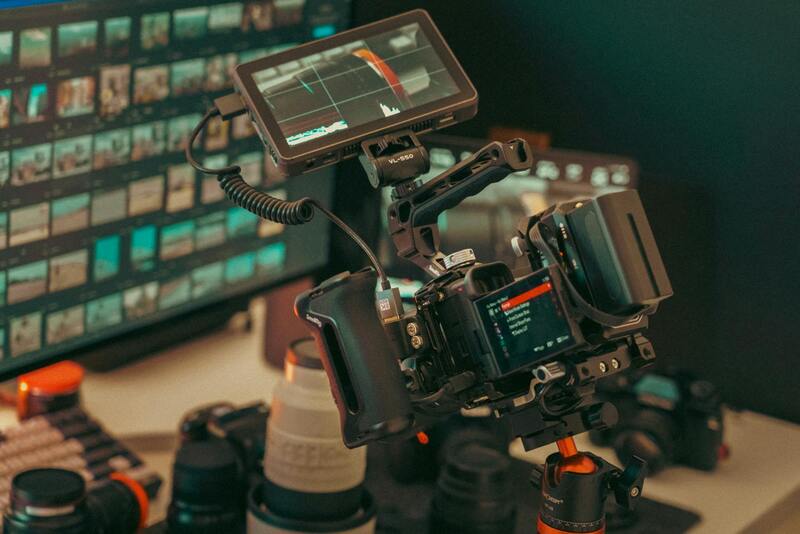
Color correction plays an essential role in ensuring the images accurately portray the property's true hues. This process involves balancing white levels, tweaking color saturation, and adjusting temperature to match the actual lighting conditions. The goal is to create images that look natural yet vibrant enough to attract potential buyers.
Additionally, perspective correction tools are employed to rectify any distortions caused by wide-angle lenses. This step ensures that vertical lines do not appear tilted, especially around walls and windows, thus presenting a true representation of the space.
Retouching may involve the subtle removal of minor distractions, such as light fixtures or imperfections on walls, to enhance visual appeal. However, the edits are performed with restraint to preserve the property's integrity and avoid misleading viewers.
Final images undergo a thorough review process to ensure consistency across all photos related to a property. Consistent lighting, color balance, and perspective throughout a shoot ensure a cohesive visual presentation, which is essential for marketing materials.
Benefits of Hiring a Professional Residential Real Estate Photographer in Miami
Engaging a professional residential real estate photographer brings substantial advantages that can significantly impact the success of property listings in Miami's competitive market. Skilled photographers possess an understanding of local real estate trends and an eye for detail that ensures each property is showcased in its optimal light. This specialized expertise translates into high-quality images that capture the unique features and architectural nuances specific to Miami's diverse neighborhoods.
One of the primary benefits is the ability to produce images that stand out in online listings and marketing campaigns. High-resolution, well-composed photographs attract more viewer attention, which can lead to increased foot traffic and faster sales. Real estate professionals recognize that visuals are often the first impression prospective buyers have of a property; therefore, compelling imagery is critical.
Professional photographers utilize advanced camera equipment and lighting techniques tailored for residential settings. They understand how to manipulate natural light, enhance interior features, and accentuate exterior aesthetics. This proficiency ensures that each photograph accurately reflects the property's true appeal, avoiding dull or overstated images that fail to meet viewer expectations.
Moreover, hiring a dedicated photographer guarantees consistency across all listing images. Consistent styling and quality foster a professional brand image that prospective clients trust. This cohesion can also simplify the marketing process, as uniformly high-quality visuals make property listings more attractive across various online platforms and printed materials.
In Miami, where diverse property types range from luxury waterfront estates to charming single-family homes, a seasoned photographer adapts their approach to highlight each unique aspect. Their local market knowledge enables them to identify and emphasize features that resonate with regional buyer preferences.
Additionally, professional photographers often provide comprehensive services, including drone photography, virtual tours, and twilight shots. These supplementary visuals cater to different marketing channels and viewer preferences, further enhancing the property's marketability.
Overall, choosing an experienced residential real estate photographer ensures properties are presented at their best, making listings more compelling and competitive. For sellers and agents aiming to maximize visibility and speed up the sale process, professional photography is an investment that delivers tangible results in Miami’s bustling real estate environment.
Post-Shoot Image Delivery and Usage Strategies
Effective delivery of high-quality real estate images is crucial in ensuring that listings stand out in a competitive Miami market. Once the photographic session concludes, the residential real estate photographer must provide images in formats optimized for various platforms, including MLS listings, social media, and print advertisements. This involves resizing, compressing, and sometimes converting images to ensure quick loading times without sacrificing visual fidelity.
Many professionals utilize secure online galleries or cloud-based delivery systems, allowing real estate agents and sellers swift access to the images. Such platforms often include features for reviewing, selecting, and requesting edits, streamlining the entire process. Clear communication regarding image rights and usage terms is essential to prevent misunderstandings and to maximize the effective deployment of visual content across all marketing channels.
Another critical aspect involves guiding clients on the best practices for utilizing the images effectively. This could include advice on optimal image resolutions for different platforms, the importance of high-quality images for virtual tours, and strategies for boosting online engagement through targeted social media posts. Properly managed image deployment enhances the viewer experience and increases the likelihood of attracting serious inquiries.
Creating a Consistent Branding Style
To foster recognition and trust, a professional residential real estate photographer often helps in establishing a visual style that aligns with the branding of the real estate agency or individual seller. Consistency in color grading, composition, and overall presentation across multiple listings contributes to a cohesive aesthetic that appeals to prospective buyers. This uniformity not only enhances credibility but also simplifies the digital marketing process, enabling agents to maintain a recognizable visual identity.

In addition to digital formats, providing high-resolution images suitable for print materials such as brochures, banners, and signage is a vital service. Effective marketing often combines these tangible promotional tools with online listings to maximize property exposure.
Monitoring and Analyzing Engagement
Once images are distributed, tracking their performance can provide valuable insights. Analytics tools enable real estate professionals to assess which visuals generate the most interest, allowing for strategic adjustments in future marketing efforts. A residential real estate photographer with knowledge of local and digital marketing trends can advise clients on how to leverage these insights for optimal results.
Understanding the Role of a Residential Real Estate Photographer
A residential real estate photographer specializes in capturing the unique charm and features of homes through expertly composed images. Their primary role is to showcase properties in the best light, highlighting architecture, interior layout, and key selling points to attract serious buyers. This professional understands the importance of lighting, angles, and timing to produce compelling visuals that stand out in competitive markets. With an eye for detail, they can identify subtle elements that enhance the home’s appeal, such as optimal natural light, space perception, and focal points that guide viewers through each room.
Moreover, a skilled residential real estate photographer collaborates closely with real estate agents and sellers to understand the unique story or features each property offers. They tailor their approach, considering factors such as target buyer demographics and market trends to produce images aligned with marketing strategies. Their work extends beyond basic photography, often including virtual tours, 3D walkthroughs, and drone footage to provide comprehensive visual representations that appeal to a broad audience.
Key Skills and Equipment for Residential Real Estate Photography
The effectiveness of a residential real estate photographer hinges on a combination of technical skills and high-quality equipment. They must possess a deep understanding of camera settings, lighting techniques, and composition principles to capture alluring images in varying indoor and outdoor conditions. Proficiency in post-processing ensures that photos are polished without losing authenticity or clarity, maintaining the integrity of the property’s appearance.
- Camera Equipment: Digital SLR or mirrorless cameras with wide-angle lenses are standard tools, enabling the capture of expansive, detailed images that accurately depict property dimensions.
- Lighting Tools: Portable flash units, reflectors, and ambient lighting help achieve consistent, well-lit images regardless of natural light availability.
- Drone Technology: For an impressive aerial perspective, drone cameras provide sweeping shots of the property and surrounding area, giving prospective buyers a comprehensive view of the property’s setting.
Investing in the right equipment, combined with refined skills, allows the photographer to deliver visually compelling photos that can significantly impact a property’s online presence and marketability.
Preparing a Property for Photoshoots
Preparation is crucial to ensure the property looks its best during the shoot. This involves decluttering spaces, staging interiors to highlight their potential, and ensuring all areas are clean and well-maintained. Natural lighting should be maximized by opening curtains and blinds, while any personal items or distracting elements should be temporarily stored away.
- Remove clutter and personal belongings.
- Enhance curb appeal by trimming bushes, mowing lawns, and cleaning walkways.
- Adjust furniture and decor to accentuate space and functionality.
- Ensure all appliances and fixtures are spotless and operational.
- Coordinate timing to shoot during optimal natural light hours, typically early morning or late afternoon.
The goal is to create an inviting atmosphere that communicates the property’s potential, making it easier for prospective buyers to imagine themselves living there. Detailed preparation not only enhances the quality of the photographs but also reduces post-shoot editing time, leading to quicker turnaround and more polished images.
Photography Techniques Specific to Residential Properties
Effective residential real estate photography employs specialized techniques to accentuate space, light, and design. Wide-angle lenses are instrumental in capturing expansive interiors, making rooms appear larger and more inviting. Proper exposure balancing prevents overexposed windows while maintaining interior details. HDR (high dynamic range) imaging is often utilized to merge multiple shots, ensuring both shadows and highlights are properly exposed, especially in rooms with large windows.
Understanding and applying the right perspective is critical. Shooting from corners or doorways can reveal depth and layout, helping viewers understand the spatial relationships within the property. Vertical lines should be kept straight to avoid distortion, which can be achieved by using a tripod and lens correction tools during post-processing.
Mastering lighting enhances mood and draws attention to architectural features. In some cases, supplementing natural light with artificial lighting or reflectors provides a balanced, vibrant look. The use of drone photography or exterior shots from high vantage points can also strategically highlight the property’s surroundings and overall curb appeal.
Post-Processing and Editing for Real Estate Photos
Post-processing is an essential step in refining images to meet marketing standards. It involves color correction, straightening, and minor retouching to present the property as attractively as possible without misrepresentation. Techniques such as exposure adjustment, noise reduction, and clarity enhancement can help images stand out online and in print materials.
Of particular importance is maintaining natural-looking photos that accurately reflect the property’s true appearance. Over-editing can lead to misleading visuals, which may undermine viewer trust or cause dissatisfaction during in-person viewings. Skilled editing ensures consistent style across listing portfolios, fostering a cohesive and professional brand identity for the real estate agent or seller.
Marketing and Delivering Images to Real Estate Agents and Sellers
Once completed, high-quality images must be delivered promptly through secure digital channels. Organized galleries or cloud-based platforms allow easy access for real estate professionals to download and distribute the photos to potential buyers. Providing multiple formats, including web-optimized images for online listings and high-resolution files for print campaigns, ensures flexibility for various marketing needs.
Effective communication about image delivery timelines and specifications helps streamline the marketing process, ensuring listings are published promptly and remain competitive. Continuous support through revisits or additional shoots can further strengthen the relationship between the photographer and clients, leading to future collaborations.
The Importance of Local Knowledge in Miami’s Real Estate Market
In Miami, understanding the local market dynamics is invaluable for a residential real estate photographer. Awareness of neighborhood characteristics, architectural styles, and popular amenities allows the photographer to capture images that resonate with local buyers. Knowing the best times for shooting, considering weather patterns and lighting, enhances image quality and appeal.
This expertise also informs the selection of shooting locations and angles that highlight unique selling points of each property, whether it’s waterfront views, lush landscaping, or proximity to vibrant districts. Such insights enable the creation of visuals that communicate the property's full value within the local context. This tailored approach ensures listings not only attract attention but also connect with prospective buyers seeking properties in specific Miami neighborhoods.