
Importance of Quality Real Estate Photos
In the competitive landscape of the real estate market, the visual presentation of a property can significantly influence a potential buyer’s decision. High-quality real estate property photos serve as the primary virtual impression, often making the difference between a quick sale and prolonged listing periods. Professional images highlight a property’s unique features, spacious layouts, and appealing aesthetics, drawing more attention from online searches and marketing campaigns. Well-executed photos create a compelling narrative that resonates with prospective buyers, encouraging them to schedule viewings or inquire for more information.
Effective property photos do more than just showcase the physical attributes; they evoke an emotional response, helping buyers imagine themselves living in the space. Clear, detailed images facilitate faster transactions by reducing uncertainties and questions about the property's condition or layout. Additionally, striking photographs increase engagement on digital platforms, amplify social media presence, and optimize online visibility, ultimately leading to higher sale prices and reduced time on the market.
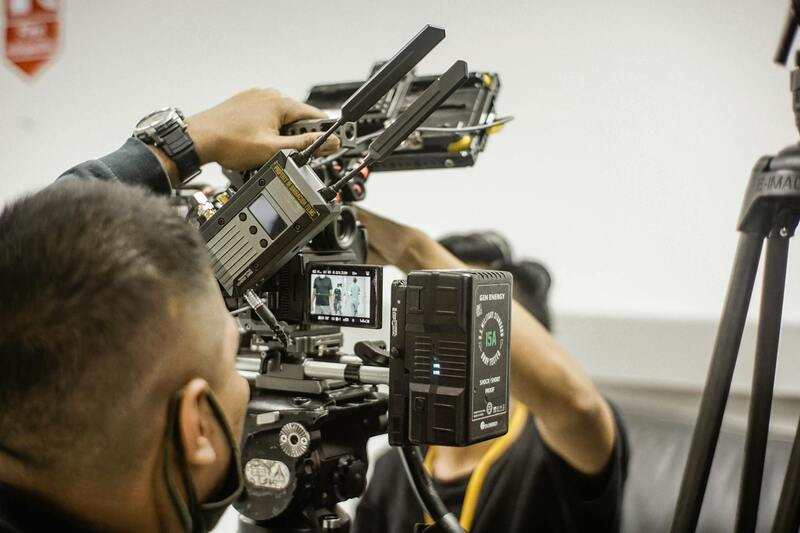
For property owners and real estate professionals, investing in professional photography is a strategic move. It ensures that every shot captures the property's best aspects with optimal clarity, color accuracy, and composition. From highlighting spacious living areas to capturing outdoor appeal, the power of high-quality images cannot be overstated in today’s digital-driven real estate industry. With the advent of advanced photography services such as those offered by Miami Video Services, showcasing properties with impeccable visuals has become more accessible and impactful than ever before.
Besides attracting greater interest, premium property photos also contribute to establishing credibility and trustworthiness in listings. When prospective buyers browse through polished images, they perceive the listing as more serious and professional. This perception increases the likelihood of engagement and inquiry, ultimately leading to quicker sales cycles and favorable transaction outcomes.
In summary, high-quality real estate photos are a fundamental component of successful property marketing. They serve as the visual gateway that draws in potential buyers, embodies the property's essence, and drives sales efficiency. As the real estate market continues to evolve, professional photography remains an indispensable tool in the arsenal of effective property promotion, especially in markets as vibrant and competitive as Miami.
Understanding the Role of Lighting in Property Photography
Effective lighting is the cornerstone of capturing stunning real estate property photos. Natural light, when harnessed correctly, can infuse images with warmth, clarity, and a sense of space that artificial lighting alone often cannot replicate. The time of day plays a crucial role; shooting during the golden hours—shortly after sunrise or before sunset—can create soft, diffused light that enhances the property's features and maintains color accuracy. Overcast days are also ideal for interior shoots, as the clouds act as a giant diffuser, softening shadows and providing even illumination throughout the space.
Indoor lighting should be carefully balanced to avoid harsh shadows or overexposed highlights. Combining ambient light with supplemental techniques such as using softboxes or white reflectors can achieve a natural and inviting ambiance. For extensive properties, upgrading interior lighting fixtures or using portable lighting equipment allows for greater control and consistency across shots. Beyond technical setups, understanding how light interacts with different surfaces and textures within the space helps photographers emphasize the property's best features, making rooms appear more spacious and appealing.
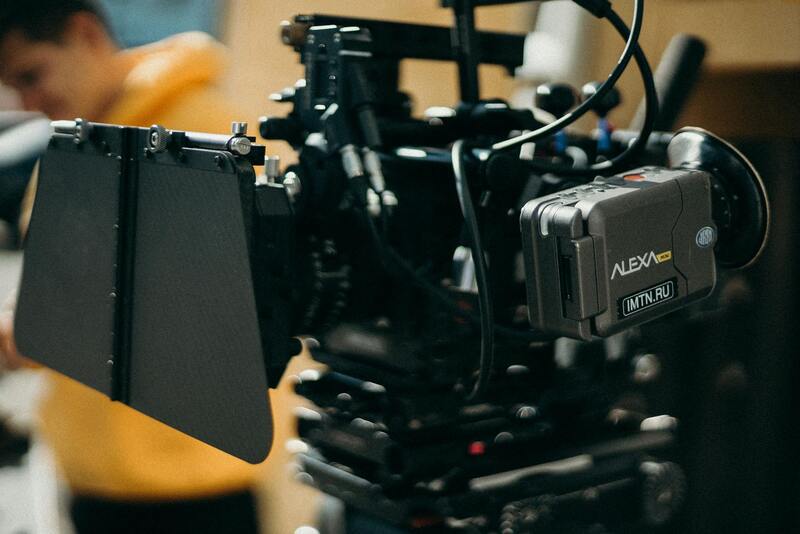
Maximizing Natural Light Indoors
- Open curtains and blinds prior to the shoot to let in maximum daylight.
- Schedule photo sessions during daylight hours for optimal natural illumination.
- Utilize wide-angle lenses to capture more light and space in each shot.
Artificial Lighting Tips
- Use LED or daylight-balanced bulbs to simulate natural light indoors.
- Guide interior lighting to complement natural sources, avoiding mixed color temperatures that can produce unnatural hues.
- Employ portable diffusers and reflectors to soften shadows and evenly distribute light, especially in darker or shaded areas.
Effective lighting not only makes interior spaces more visually appealing but also plays a significant role in conveying the true character of the property to prospective buyers, inspiring confidence in the listing’s accuracy and professionalism.
Essential Tips for Capturing Compelling Interior Property Photos
High-quality interior photographs are pivotal in making a property stand out in a competitive real estate market. To achieve this, specific techniques should be employed to ensure each shot accurately represents the space, showcases its best features, and appeals to potential buyers. First, selecting the appropriate lens is crucial; wide-angle lenses are preferred as they allow the photographer to capture more of the room without distortion, giving viewers a true sense of space and layout.

Next, the camera angle and height play significant roles. Shooting from a corner or along a hallway can emphasize the room's dimensions and create a sense of depth. Eye-level shots tend to offer the most relatable and inviting perspective, allowing prospective buyers to visualize themselves within the space effectively. Additionally, ensuring that the camera is perfectly level prevents crooked images, which can distract viewers and undermine perceived professionalism.
- Keep the space tidy: Clutter can be distracting and diminish the room's perceived size. Remove personal items and unnecessary furniture to create a clean, spacious appearance.
- Use natural light when possible: Schedule shoots during times of abundant daylight to enhance brightness and color accuracy, reducing the need for artificial lighting adjustments.
- Incorporate supplementary lighting: Employ portable LED lights or reflectors to fill shadows and balance exposure, ensuring that every corner is well-lit without harsh contrasts.
- Highlight key features: Focus on architectural details, fireplaces, built-in shelving, or upgrades that add value and appeal to the property.
- Maintain consistent image quality: Use the same settings across shots to keep a uniform look, enhancing the overall professionalism of the listing.
Post-processing plays an integral part in refining interior images. Subtle adjustments to brightness, contrast, and color saturation can correct for lighting variances and highlight the property's true attractiveness. However, it is important to maintain an authentic representation, as overly edited photos may mislead prospective buyers and impact their trust.

In summary, a strategic approach combining technical expertise, proper equipment, and attention to detail results in interior photos that not only attract attention online but also build confidence in the property's presentation. When these elements are meticulously executed, they significantly increase the likelihood of engaging prospective buyers and accelerating the sales process.
Advanced Techniques for Interior Photography
Achieving professional-quality interior property photos requires a mastery of specific techniques that emphasize the property's best features while maintaining an authentic representation. Utilizing wide-angle lenses is pivotal in interior photography, allowing for a comprehensive view of rooms which can make spaces appear larger and more inviting. Proper angle selection involves shooting from corners or doorways to showcase room dimensions, architectural details, and the overall layout effectively.
Framing is equally important. Ensuring that vertical lines are straight to avoid distortion, and avoiding clutter in the shot, helps maintain a clean, appealing presentation. When shooting, consider the height at which the camera is positioned; typically, eye level or slightly higher provides a natural perspective that appeals to viewers. Tripods are invaluable in maintaining stability, enabling sharp images even in low-light conditions, especially when natural light is limited or supplemental lighting is used.

Proper lighting setup remains critical in interior photography. Combining natural light with artificial sources minimizes shadows and ensures colors are represented accurately. Techniques such as bracketing—taking multiple shots at different exposures—and then blending them during post-processing can greatly enhance image clarity and brightness levels. Additionally, control over reflections and glare, especially on shiny surfaces or glass, enhances the overall quality of the photographs.
Consistent use of settings across a series of photos creates a cohesive look that enhances the professionalism of the listing. Post-processing further refines images through adjustments in brightness, contrast, and color saturation. It is crucial, however, to retain a truthful depiction of the property to maintain transparency and trust with prospective clients. Subtle retouches that sharpen details, correct lens distortion, and enhance focal points can significantly elevate the quality of interior images, making listings more attractive and effective.
Overall, mastering these advanced methods ensures the creation of captivating, clear, and representative interior property photos. These images serve not only to attract potential buyers but also to reflect the true appeal of the property, facilitating a smoother sales process and enhancing the overall marketing strategy.
Advanced Techniques for Showcasing Property Features
To truly highlight a property's unique features through real estate photography, employing advanced techniques can make a significant difference. Using specialized lenses, such as wide-angle or tilt-shift lenses, allows photographers to capture expansive interiors and cleverly minimized distortions, resulting in more accurate representations. Proper lens selection ensures that rooms appear spacious and inviting, which can influence a prospective buyer’s perception positively.
Another crucial aspect involves strategic composition. Utilizing the rule of thirds places focal points — such as a fireplace, custom cabinetry, or panoramic views — in positions that naturally draw the eye. Incorporating leading lines within the frame guides viewers’ attention towards key elements, creating depth and interest within each shot. Additionally, capturing multiple shots from various angles provides a comprehensive perspective, giving potential buyers a realistic understanding of the space.

Lighting remains paramount, especially in showcasing architectural details and interior finishes. Techniques such as balancing ambient and artificial light prevent overexposure and underexposure in different parts of the room. Using external flashes and reflectors can help in evenly illuminating darker corners, ensuring every feature is visible and appealing. When shooting exterior shots, timing the session during the golden hour — shortly after sunrise or before sunset — imparts a warm glow that enhances curb appeal and creates inviting images.

In addition to photographs, incorporating lifestyle imagery, such as a setting dining table or a cozy reading nook, can help prospective buyers envision themselves living in the space. These details add a narrative layer to the photographs, making the property more relatable and desirable.
Careful planning and execution of these techniques, combined with professional post-processing, ensure that each image communicates the property's true potential with clarity and aesthetic appeal. Employing such detailed methods ultimately leads to a more compelling listing that captures genuine interest and facilitates quicker sales outcomes.
Maintaining Consistency and Branding in Property Photography
Consistency across a real estate property photo portfolio is vital for establishing a professional brand identity. When potential clients or buyers browse multiple listings, uniformity in image style, lighting, and composition reinforces confidence in the service provider and enhances perceived quality. This consistency includes maintaining the same perspective, color tones, and post-processing style throughout all property images, creating a cohesive visual narrative for the real estate portfolio.
Utilizing a standardized shooting protocol ensures each property is represented accurately and attractively, reducing discrepancies that could detract from the property's appeal. This approach also streamlines the editing process, as images from different shoots are more likely to harmonize in color grading and overall aesthetic. Implementing a consistent color palette that mimics natural daylight helps highlight the property's features authentically and appealingly.
Branding extends beyond the visual style to include watermark placement, logo integration, and the inclusion of consistent contact information across images. Such practices not only enhance professionalism but also serve as subtle promotional tools, increasing the likelihood of prospective clients recalling the service provider for future needs.
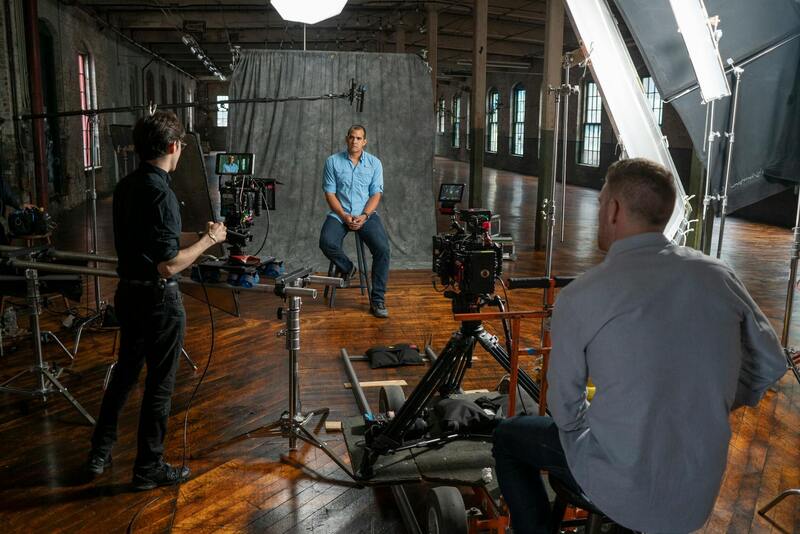
Ensuring High-Resolution and Optimal File Formats
The quality of real estate photos hinges on the resolution and file formats used during the capture and delivery process. High-resolution images allow for detailed viewing, making it easier for prospective buyers to scrutinize features without losing clarity. This is particularly important for printing marketing materials like brochures or signage, where image quality is paramount.
Choosing the appropriate file format—typically JPEG or RAW—affects the editing flexibility and final image quality. JPEGs are ideal for online listings due to their smaller size and rapid loading capabilities, whereas RAW files provide maximum editing latitude for professional adjustments before exporting the final images. Delivering images in the correct resolution and format ensures that they look sharp and vibrant across multiple platforms, from websites and social media to printed advertisements.
Moreover, proper compression settings during image export prevent unnecessary file size increases that could hinder loading speeds on listing websites, potentially impacting user experience and engagement. Maintaining high standards for resolution and format selection directly translates to a more polished presentation that captures the property's essence effectively.
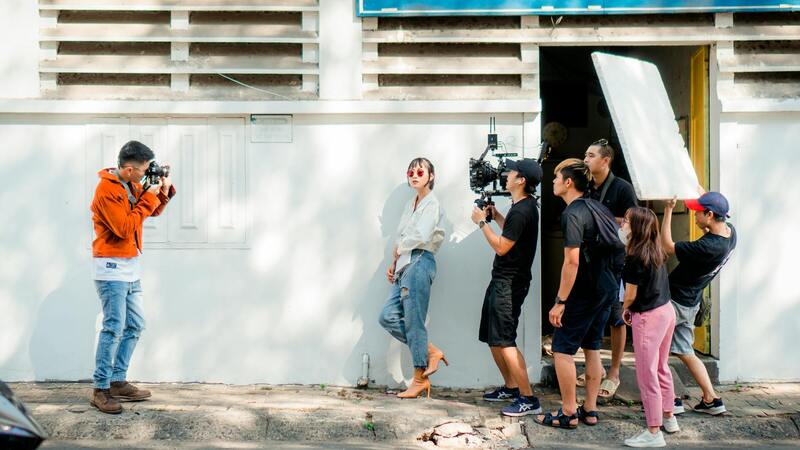
Integrating 3D and Virtual Tour Content with Property Photos
While professional property photography remains fundamental, integrating 3D walkthroughs and virtual tours has become increasingly important for a comprehensive marketing approach. These digital assets complement high-quality images by providing an immersive experience, allowing prospective buyers to explore the property's layout and flow from the comfort of their own homes.
High-quality property photos serve as the foundation for creating engaging virtual tours, ensuring that the space is accurately represented and inviting. When paired with 3D models, potential buyers can virtually navigate rooms, examine architectural details, and gain a better sense of scale and proportion—factors that static images may not fully convey.
Implementing such technology attracts a wider audience and increases engagement rates, as buyers can analyze the property more thoroughly before scheduling physical visits. This comprehensive visual presentation enhances the overall marketing strategy, making listings stand out in a competitive landscape.

Utilizing Proper Equipment and Techniques for Authentic Property Photos
To produce authentic and high-quality real estate property photos, it is essential to use the right equipment combined with proven photography techniques. The choice of camera, lenses, and accessories significantly impacts the clarity, color accuracy, and overall impact of the images captured.
Professional-grade DSLR or mirrorless cameras are preferred over entry-level models, as they offer better control over exposure, focus, and resolution. Wide-angle lenses are commonly used to capture more of a room in a single shot, providing viewers with a sense of space and layout. When photographing interior spaces, a tripod ensures stability and sharpness, especially in lower-light conditions or when using longer exposures.
Utilizing natural light is paramount, but supplementing it with professional lighting equipment can enhance visibility and highlight architectural features. Techniques like high dynamic range (HDR) imaging combine multiple exposures to balance bright and dark areas, revealing the property's details effectively. Properly adjusting aperture settings and ISO levels helps prevent distortion and graininess, ensuring a polished final product.
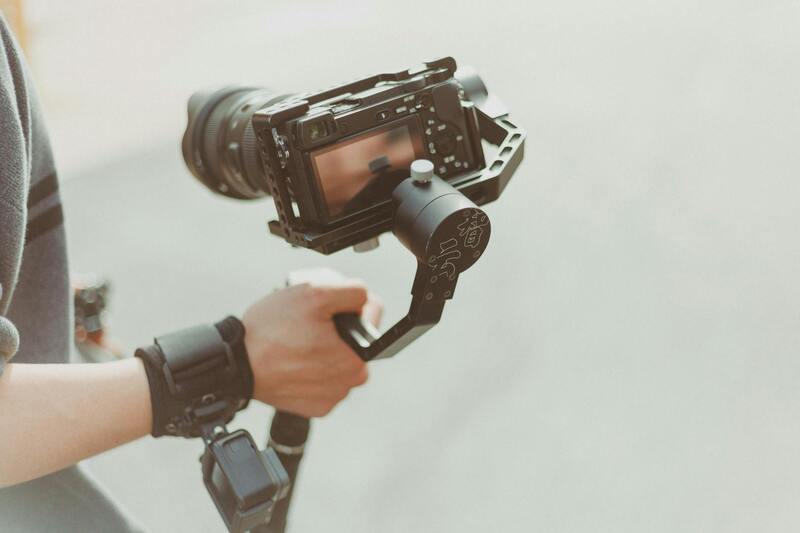
Moreover, employing strategic framing and composition—such as the rule of thirds or leading lines—guides viewers' attention to key features. Post-shoot review and meticulous editing further refine the images, correcting minor imperfections and enhancing visual appeal. Consistency across all photos, including angles, lighting, and color tones, creates a cohesive presentation that accurately represents the property, fostering trust and interest among prospective buyers.
Leveraging these legitimate and refined methods in real estate photography ensures that property listings stand out visually while maintaining integrity and authenticity. Such attention to detail not only captures the property's true essence but also builds credibility with potential clients, ultimately leading to faster sales and higher engagement rates.
Maximizing the Impact of Professional Real Estate Photography in Marketing Strategies
In today’s competitive real estate market, leveraging professionally captured property photos is essential for creating compelling marketing campaigns. High-quality images serve as the visual cornerstone for online listings, social media advertisements, virtual tours, and print brochures, significantly influencing prospective buyers' perceptions and interest levels.
Firstly, consistent and high-resolution images ensure that the property’s features are showcased accurately and attractively. Clear, detailed photos allow potential buyers to form a vivid mental image of the space, which can expedite decision-making processes. When these images adhere to best practices in lighting, framing, and editing, they enhance the property’s perceived value and desirability.

Effective photography also enables targeted marketing campaigns. For example, high-quality interior shots highlight the property’s best features, from spacious living areas to modern finishes, encouraging viewers to schedule viewings. Exterior shots, especially drone images or aerial views, provide comprehensive perspectives of the property's surroundings and landscape, painting a complete picture for buyers.
When used across digital platforms, professional photos increase click-through rates and engagement. Listings with well-crafted images appear more trustworthy and appealing, leading to higher inquiries and conversion rates. Social media channels thrive on attractive visuals; consistent posting of high-resolution photos can boost visibility and broaden the reach to diverse audiences.
Moreover, integrating high-quality images into virtual tours and augmented reality applications offers immersive experiences that attract remote or international buyers, reducing the need for physical visits while maintaining buyer interest. These advanced approaches rely heavily on the foundational quality of the original property photos.
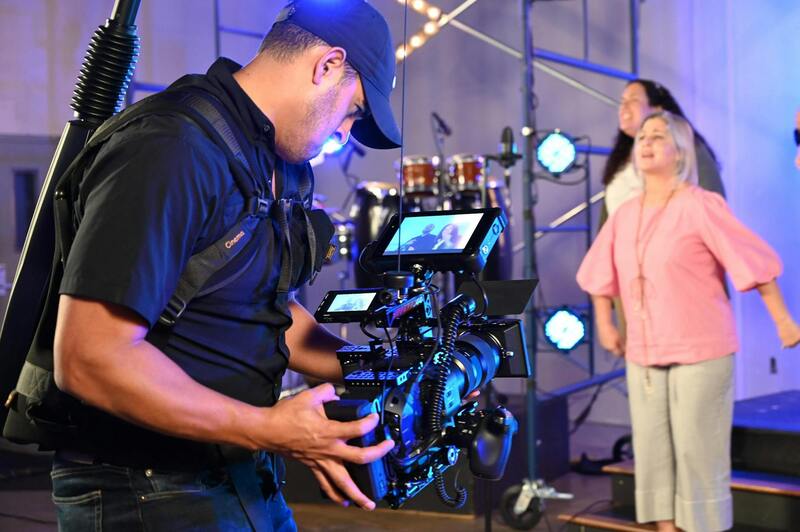
Incorporating professional property photos into your marketing toolbox ultimately results in a cohesive and credible listing that stands out amidst the competition. Ensuring each image aligns with the property’s best attributes and highlighting unique selling points can significantly influence market perception. When these images are employed thoughtfully across all platforms, they create a seamless narrative that resonates with prospective buyers, encourages engagement, and accelerates the sales process.
In summary, the strategic deployment of high-quality real estate property photos is indispensable for effective marketing. By emphasizing professionalism in photography, leveraging diverse visual presentation methods, and maintaining consistency across channels, real estate professionals can substantially enhance their listing visibility, build trust with clients, and achieve faster sale closures.