
Importance of High-Quality Real Estate Visuals
In the highly competitive Miami real estate market, the power of compelling visuals cannot be overstated. Professional photographs and videos serve as the frontline tools to showcase a property's best features, capturing the attention of prospective buyers swiftly and effectively. High-quality images can communicate the spaciousness of rooms, highlight architectural details, and evoke the lifestyle associated with the property. When listings feature sharp, well-composed photos, they stand out among countless competitors and generate increased engagement.
Beyond immediate visual appeal, professionally produced real estate videos offer an immersive experience that static photos cannot match. Virtual tours and cinematic walkthroughs create a sense of presence, allowing viewers to explore the property remotely and gauge the flow of spaces more intuitively. This technological advantage appeals particularly to remote buyers or those seeking a comprehensive understanding before scheduling an in-person visit.
Studies consistently demonstrate that listings with high-quality visuals receive more clicks, inquiries, and showings. In Miami, where buyer expectations are high and competition fierce, investing in superior visual content increases the likelihood of selling faster and at a better price point. Such visuals serve not only as marketing assets but also as a reflection of professionalism and quality that can bolster a property’s desirability in a saturated market.
Impact on Buyer Perception and Engagement
Effective visuals foster an emotional connection with potential buyers. Clear, well-lit photos can make spaces appear larger and more inviting, while visually attractive videos can evoke a desired lifestyle and aspiration. When buyers perceive the property as visually appealing and professionally presented, their confidence in the listing grows, increasing the probability of inquiries and offers. This perception shift underscores the critical role of high-quality real estate visuals in contemporary marketing strategies.
In addition to individual preferences, current digital marketing trends favor visually rich content, with social media platforms and online listing portals prioritizing engaging images and videos. Properties showcased with superior visual assets are more likely to be featured prominently, expanding reach and enhancing overall visibility. Consequently, the strategic use of high-caliber visuals is a key driver for successful property transactions in Miami’s dynamic industry.
Types of Real Estate Photo and Video Content
In the highly competitive Miami real estate market, employing a diverse range of visual formats can significantly enhance property appeal and reach. These various content types allow agents and property owners to present their listings in the most compelling manner possible, extending beyond basic photographs to include immersive and detailed visuals.
Drone footage has become an indispensable tool for showcasing large estates, waterfront properties, and neighborhoods, offering potential buyers a comprehensive understanding of scale and context. Elevated perspectives emphasize the property's exteriors, nearby amenities, and overall setting, which static images cannot fully convey. As part of a broader visual strategy, aerial videos stimulate interest and elevate the listing’s prominence in online platforms.
3D virtual tours distinguish listings by providing interactive experiences that allow prospective buyers to explore spaces remotely. These immersive walkthroughs facilitate a detailed understanding of each room’s layout, size, and flow, encouraging more serious inquiries from motivated buyers who can virtually 'walk through' the property at their convenience. This type of content reduces the need for in-person visits initially, saving time and resources for both sellers and agents.
Twilight photography captures homes during the golden hour, creating warm, inviting images that enhance curb appeal. This technique effectively highlights exterior lighting, architectural details, and landscaping, presenting the property in the best possible light. These images are especially effective in marketing campaigns designed to evoke emotion and aspiration, making the property stand out among competitive listings.
Walkthrough videos combine dynamic narration, music, and real-time footage to simulate an in-person viewing experience. Such videos are essential in demonstrating spatial relationships within a property, showcasing features like open-plan living areas, luxurious kitchens, or scenic outdoor spaces. When professionally produced, walkthrough videos can convey a lifestyle—highlighting aspects such as outdoor entertaining areas or stunning views—thus generating stronger emotional engagement.
Integrating these various visual formats—drone footage, virtual tours, twilight images, and walkthrough videos—creates a comprehensive marketing package that appeals to a broad range of potential buyers. When executed with quality and consistency, these content types can increase engagement, improve online visibility, and ultimately facilitate faster sales at desirable prices in Miami’s vibrant market landscape.
Choosing the Right Photographer and Videographer
Securing the services of skilled professionals in real estate photography and videography is vital for producing compelling visuals that accurately represent a property’s best features. Look for local specialists who possess extensive experience in real estate marketing within Miami, as they will be familiar with the area's distinctive architectural styles, lighting conditions, and market expectations. An adept photographer or videographer will utilize techniques tailored to highlight the property’s unique selling points and adapt to various property sizes and styles.
When evaluating potential providers, review their portfolio to assess consistency, creativity, and technical proficiency. Prioritize those who demonstrate a keen eye for composition, lighting, and framing, ensuring each shot emphasizes the space’s openness and natural light. For videographers, an understanding of storytelling and the ability to create a smooth, engaging flow is crucial to craft videos that resonate emotionally with viewers.
It’s essential to choose professionals who stay up-to-date with the latest technology and industry standards, including high-resolution cameras, drone equipment, and editing software. Their familiarity with Miami’s real estate landscape positions them to produce visuals that align with local marketing trends and audience preferences. This targeted approach can significantly impact the property’s online visibility and attract serious buyers effectively.

Clear communication of project goals, deadlines, and budget is also critical when engaging professionals. A well-coordinated effort results in smooth production, minimizing delays and maximizing output quality. Remember, investing in experienced local talent is a strategic decision that can elevate your listing’s appeal, making it stand out in a competitive Miami market.
Optimal Techniques for Capturing Compelling Real Estate Photos and Videos
Achieving professional-quality real estate visuals requires adherence to specific methods that highlight a property's best features while presenting spaces in a clear, attractive manner. High-quality photography and videography are the backbone of effective online marketing for Miami real estate or any vibrant urban market, emphasizing professionalism and attention to detail. Here are key practices to ensure your visual content exceeds expectations:
- Effective Staging: Properly arranging furniture and decor creates a welcoming environment that helps prospective buyers envision living in the space. Decluttering, neutral color schemes, and purposeful decoration can dramatically enhance visual appeal and make each room look more spacious and inviting.
- Optimized Lighting: Utilizing natural light is crucial. Schedule shoots during daylight hours with optimal weather conditions to allow sunlight to flood the interiors. Supplement natural light with professional lighting equipment to avoid shadows and illuminate intricate details, especially in darker areas or rooms with small windows.
- Strategic Camera Angles: Capture images from eye-level to reflect natural perspectives, avoiding exaggerated or distorted angles. Employ wide-angle lenses to showcase room dimensions effectively without creating visual distortion, and consider multiple perspectives to give a comprehensive view of each space.
- Proper Framing and Composition: Follow the rule of thirds, leading lines, and symmetry to compose visually engaging shots. Highlight focal points such as fireplaces, expansive windows, or scenic views to draw attention and create a narrative within each frame.
- High-Resolution Equipment: Use professional-grade cameras capable of capturing sharp, detailed images that translate well across multiple digital platforms. Higher resolution ensures the visuals maintain their quality when zoomed-in or resized, providing a polished presentation that meets platform standards.
- Post-Processing and Editing: Subtle adjustments in color correction, brightness, contrast, and sharpness enhance the natural beauty of the property. Avoid over-editing, which can misrepresent the space, and instead focus on accurate portrayals that reflect real conditions, avoiding misleading impressions.
- Professional Drone Shots: Incorporate aerial videography to showcase the property's exterior, landscaping, and surrounding neighborhood. Drone footage provides a dynamic perspective that captures the property's scale and context within its environment, offering potential buyers a comprehensive view.
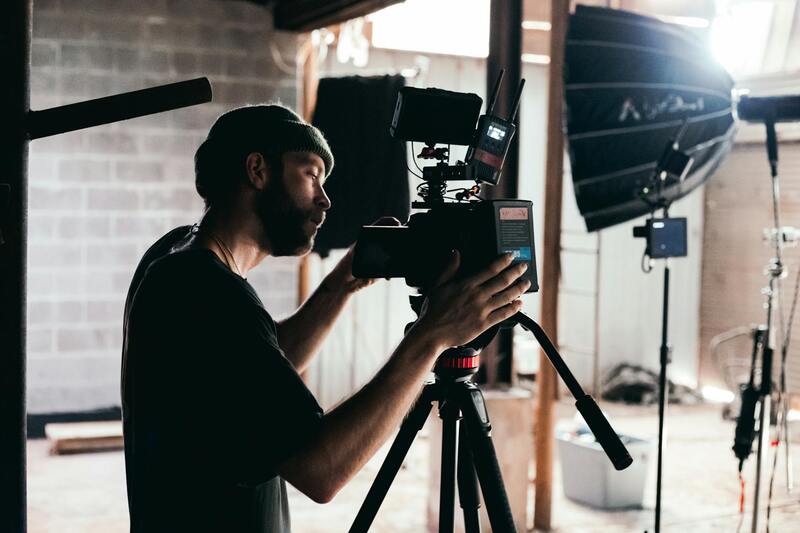
Consistent execution of these practices not only elevates the property's appeal but also ensures the visuals are compelling, accurate, and engaging across all digital marketing channels. Leveraging the skills of seasoned Miami-based professionals familiar with local property standards guarantees visuals that resonate with target audiences, ultimately supporting faster sales and higher offers.
Importance of High-Quality Real Estate Visuals
Exceptional visuals are the cornerstone of a successful real estate marketing strategy. High-quality photography and videography not only attract more potential buyers but also foster an emotional connection to the property. Clear, vibrant images help buyers visualize living in the space, making it easier for them to imagine their future home. The impact of visually stunning content extends across online listings, social media, and virtual tours, significantly increasing engagement rates.
In a competitive real estate market, properties with professionally produced visuals often stand out against the clutter of amateur shots. This distinction can lead to faster sales and higher offers, as quality visuals communicate professionalism and attention to detail. Furthermore, high-resolution images and videos ensure the property looks its best from every angle, accurately representing its features and layout. This level of clarity reduces misunderstandings and sets realistic expectations, facilitating smoother negotiations.
Moreover, professionally crafted visuals enhance the credibility of the listing. They reflect the property's true potential and demonstrate that the seller has invested in presenting their property compellingly. This not only attracts serious buyers but also boosts confidence in the property's value, paving the way for a successful transaction process.
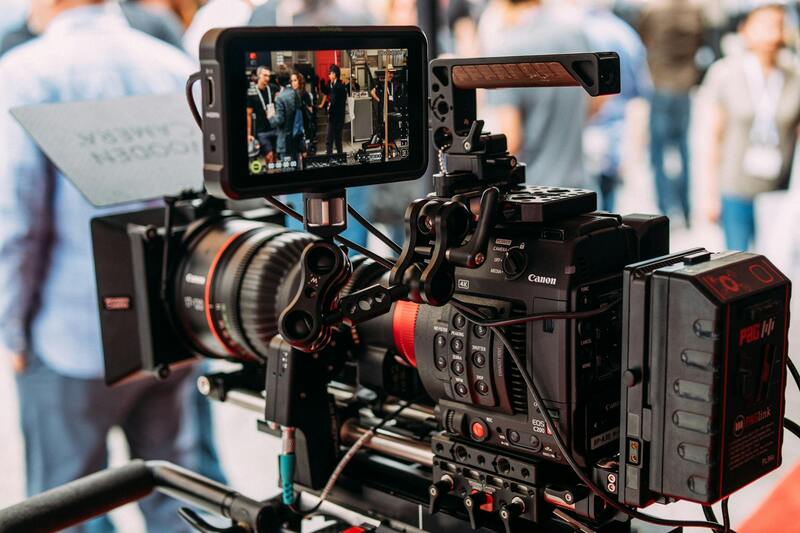
Investing in high-quality visuals is a strategic move that amplifies a property's visibility across digital platforms. As buyers increasingly rely on online content to narrow down their options, having top-tier images and videos becomes critical. They serve as the first impression and can determine whether a potential buyer proceeds to schedule a viewing. Thus, quality visuals function as a vital marketing tool, expanding reach and enhancing the property's perceived worth.
Types of Real Estate Photo and Video Content
- Exterior Photography and Videos: Showcases the property's curb appeal, landscaping, and overall size from various angles, often utilizing drone shots for a striking aerial perspective.
- Interior Photography and Videos: Highlights room layouts, natural light, and key features such as kitchens, bathrooms, and living spaces.
- Virtual Tours: Offers immersive experiences that allow viewers to navigate through the property at their own pace, often supported by 360-degree images and walkthrough videos.
- Neighborhood and Community Footage: Provides context about the surrounding area, amenities, and local attractions, helping buyers envision their lifestyle.
Choosing the Right Photographer and Videographer
Selecting a skilled professional with experience in real estate visuals ensures that your property is presented in its best light. Experienced photographers understand how to utilize lighting, angles, and staging to create captivating images. Similarly, a videographer skilled in real estate can craft dynamic videos that highlight key features and tell a compelling story about the property.
When choosing a provider, consider their portfolio, familiarity with local market standards, and familiarity with digital marketing practices. Collaborating with a Miami-based team familiar with regional architectural styles and buyer preferences can significantly enhance the appeal of your listing, ensuring visuals resonate with the target audience.
Best Practices for Real Estate Photography
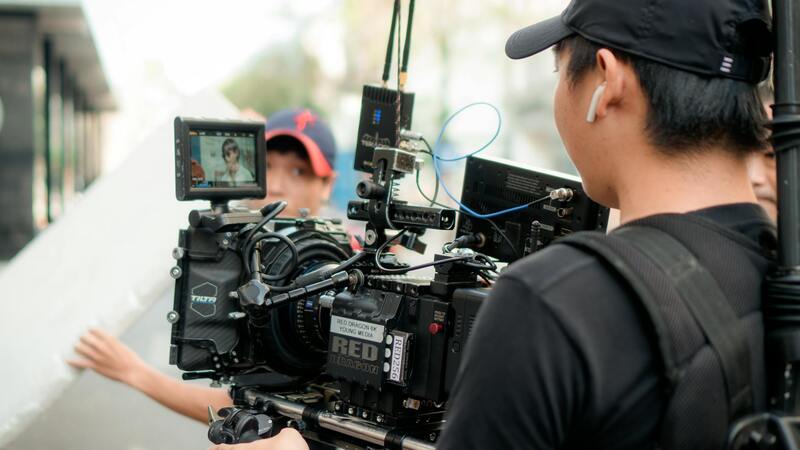
- Plan Your Shots: Prepare your property by decluttering and staging to ensure each space looks inviting. Create a shot list focusing on key areas and unique features.
- Adequate Lighting: Utilize natural light whenever possible; supplement with professional lighting to highlight interiors and avoid shadows.
- Use Multiple Angles: Capture each room from various perspectives to showcase space dimensions and flow.
- Maintain Consistency: Use similar angles, lighting, and editing styles across all visuals for a cohesive presentation.
- Focus on Composition: Apply the rule of thirds, leading lines, and strategic framing to create engaging images that draw viewers’ attention.
- Post-Processing: Enhance images through color correction and brightness adjustments to reflect the property's true appearance without over-editing.
Adherence to these practices results in professional-looking visuals that elevate the property's attractiveness and credibility. Proper planning and execution ensure that every shot contributes to a compelling narrative that appeals to buyers and maximizes the property's market potential.
Legal Considerations and Best Practices
In the realm of real estate marketing, maintaining proper adherence to established standards when producing visual content is essential. This encompasses a range of practices that preserve the authenticity and integrity of the property’s representation, ensuring that potential buyers receive an accurate depiction of what is being offered.
To achieve this, professionals involved in real estate photo and video production should implement meticulous planning and execution strategies. These include verifying that all visuals are an honest portrayal of the property without excessive editing or manipulation that could mislead viewers. Color correction should enhance clarity and accuracy while avoiding alterations that distort the property's true appearance.
Moreover, consistency across all visual elements is crucial. This means employing uniform lighting conditions and angles when photographing or filming similar spaces, which helps in creating a cohesive narrative of the property. Consistency also extends to metadata, where appropriate tagging and descriptions can improve search relevance and visibility on various online platforms.
Another key aspect is respecting privacy and securing necessary permissions, especially when including features like neighboring properties or shared amenities. Proper consent ensures that all content shared publicly is compliant with local regulations and respects individuals’ rights.
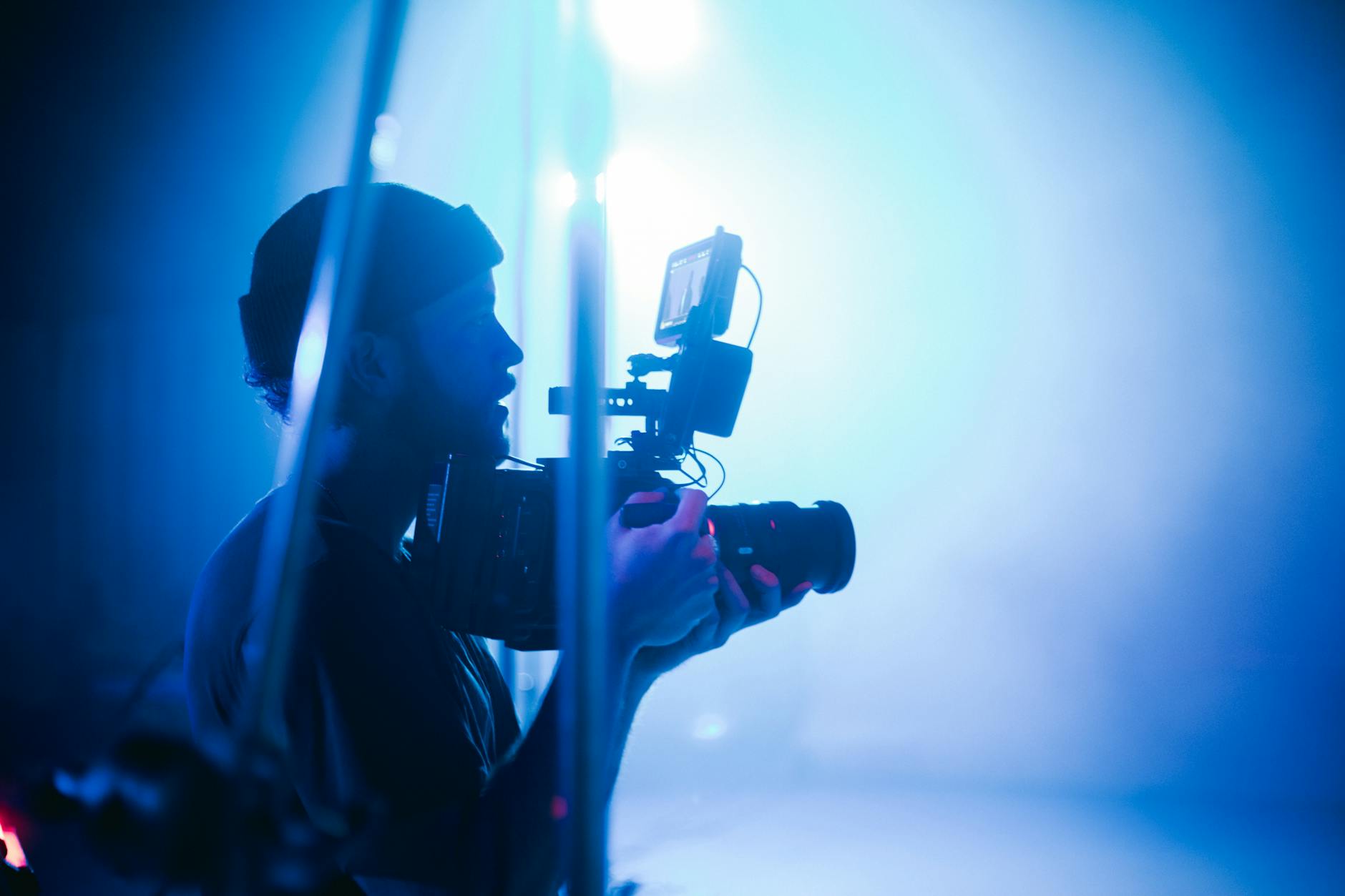
For videography, this involves avoiding deceptive editing techniques such as manipulating the timeframe or creating misleading representations of space and features. Drone footage should be operated responsibly, especially around private properties and in areas with restricted airspace, to respect privacy and safety regulations.
Additionally, recording and using music or voiceovers in real estate videos must be done with licenses to prevent copyright infringement issues. All content should be clearly marked with detailed descriptions, including any modifications or enhancements, to maintain transparency with prospective buyers.

By aligning with these best practices, real estate professionals can uphold ethical standards, foster trust with clients, and enhance the overall quality of their marketing materials. Adhering to these principles not only preserves the reputation of the agency but also ensures a smooth, compliant marketing process that benefits all parties involved.
Enhanced Techniques for Real Estate Photo and Video Content
Effective real estate visuals extend beyond basic photography and videography; they encompass a strategic approach that emphasizes authenticity, clarity, and appeal. To maximize the impact of visual marketing efforts, professionals should leverage advanced shooting techniques, high-end equipment, and post-production enhancements that highlight the property’s best features without overpromising. Ensuring consistency in lighting, perspective, and color tone across images helps create a unified presentation that captures the property's true essence.
Utilizing Ambient and Artificial Lighting
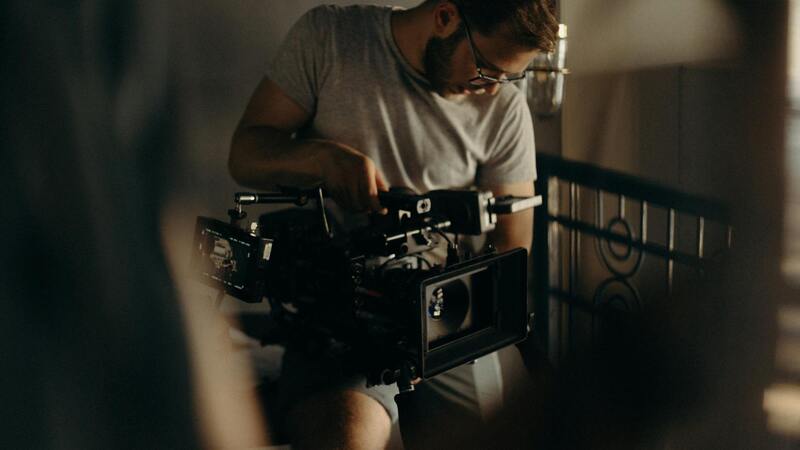
Optimal lighting plays a pivotal role in showcasing real estate properties effectively. Taking advantage of natural light during daylight hours enhances the openness and vibrancy of interiors. Supplementing with professional artificial lighting infuses spaces with warmth and clarity, reducing shadows and highlighting architectural details. The proper use of lighting not only improves visual appeal but also ensures consistency across all media formats.
Incorporating 360-Degree Photos and Interactive Tours
For an immersive experience, integrating 360-degree photos and virtual walkthroughs provides prospective buyers with a comprehensive view of the property from any device. High-resolution panoramic images enable viewers to explore every corner and feel physically present, overcoming geographical barriers. These formats are increasingly preferred on online listing platforms, as they elevate engagement levels and help prospects make more informed decisions.
Quality Assurance and Consistency
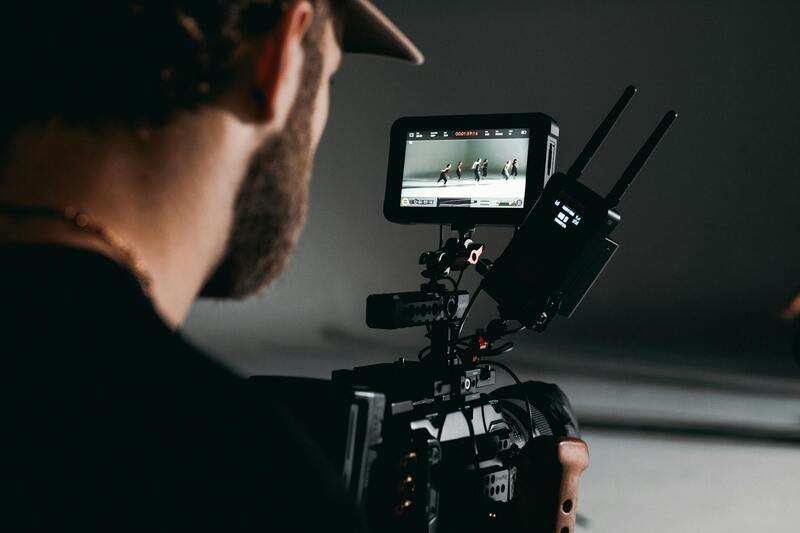
Maintaining high standards across all visual content ensures professionalism and reinforces brand credibility. Implementing rigorous editing protocols, including color correction, perspective correction, and image stabilization, preserves the authenticity of each shot. Regularly updating equipment and techniques also helps stay aligned with industry best practices, preventing stagnation and ensuring your visuals remain compelling and competitive.
Advanced Video Techniques for Dynamic Listings
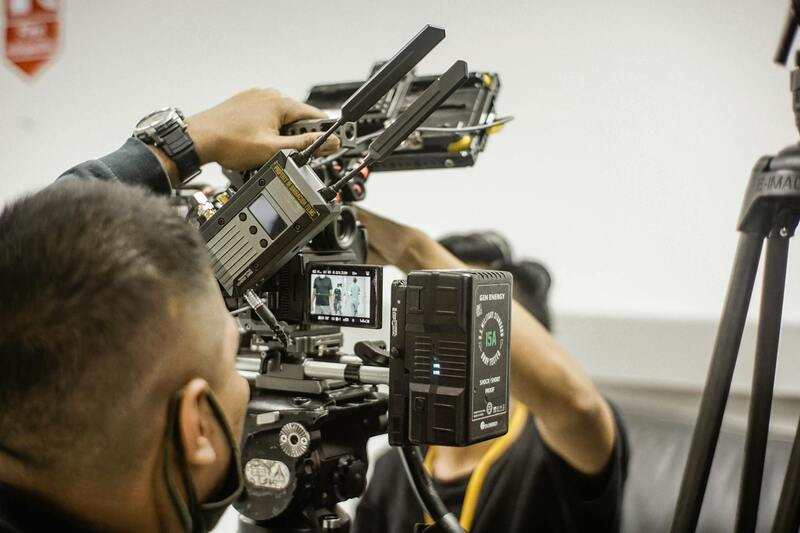
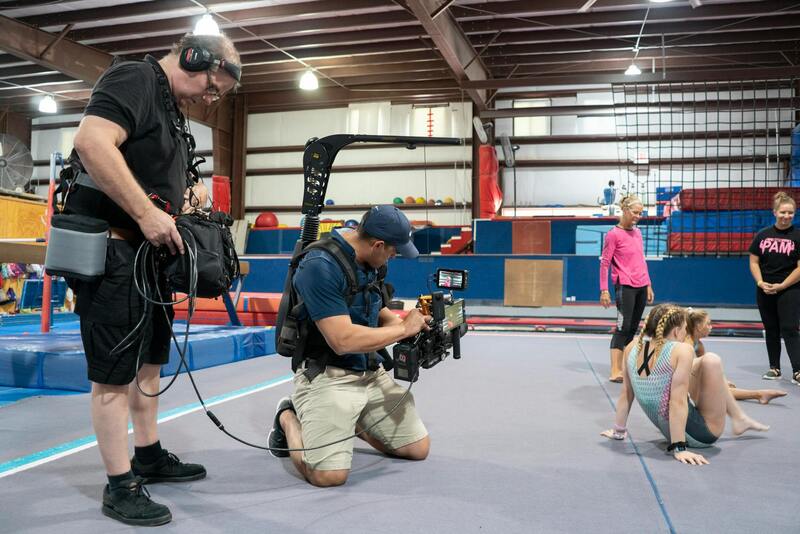
Modern real estate videos benefit from dynamic editing, including smooth transitions, drone shots, and well-paced narratives. Using professional stabilization gear during filming minimizes shaky footage, producing smooth, cinematic results. Incorporating drone footage offers sweeping views of the property and surrounding environment, adding context and grandeur. Combining various shot types—interior, exterior, aerial—creates comprehensive visual stories that engage and inform viewers more effectively than static images alone.
Effective Use of Music, Voiceover, and Text
Enhancements such as background music and professional voiceovers can evoke emotion and clarify key property features. Including informative text overlays helps highlight unique selling points, making videos more accessible and engaging. All audio elements should be licensed appropriately, ensuring legal compliance and avoiding intellectual property issues. Clear, concise narration combined with compelling visuals creates an impactful viewing experience that resonates with potential buyers.
Editing and Post-production Best Practices
Polished visuals demonstrate attention to detail and commitment to quality. Post-production editing involves color grading, touch-ups, and visual effects that accentuate the property's best features while maintaining authenticity. Avoiding manipulative enhancements preserves trust and aligns with ethical marketing standards. Consistent styling across all visuals helps reinforce branding and facilitates seamless integration into online listings, social media, and virtual tours.
Final Recommendations for Real Estate Visual Content
Invest in professional-grade equipment and skilled talent to ensure the highest standards in photo and video production. Develop a cohesive visual strategy that emphasizes clarity, authenticity, and aesthetic appeal. Regularly assess and update content to adapt to evolving marketing trends, ensuring your property's visuals stay fresh, relevant, and compelling—ultimately attracting more qualified buyers and accelerating sales.
Legal Considerations and Best Practices
When producing real estate photo and video content, adhering to established standards and procedures is essential to maintain professionalism and ensure the content accurately represents the property. Accurate representations help manage buyer expectations and foster transparency throughout the marketing process. It is recommended to obtain clear permissions from property owners and individuals appearing in the visuals, covering the scope of their depiction in all promotional materials. Clear documentation of permission helps avoid potential disputes and supports responsible marketing practices.
In the planning stage, taking detailed property measurements and capturing comprehensive images from multiple angles ensures prospective buyers receive a complete understanding of the space. Incorporating wide-angle and drone footage can enhance the panoramic view of the property, providing a genuine sense of scale and layout. However, these should be used judiciously, respecting privacy and avoiding over-editing that could mislead viewers about the property's true condition or features.
Regarding intellectual property, only licensed music, graphics, and overlays should be used to avoid infringing on copyrights. When integrating voiceovers or background music, sourcing from reputable providers ensures compliance with licensing agreements. Additionally, any branded elements or proprietary content must be used with proper authorization, especially when showcasing new developments or pre-construction properties, to uphold ethical standards and ensure fair marketing.
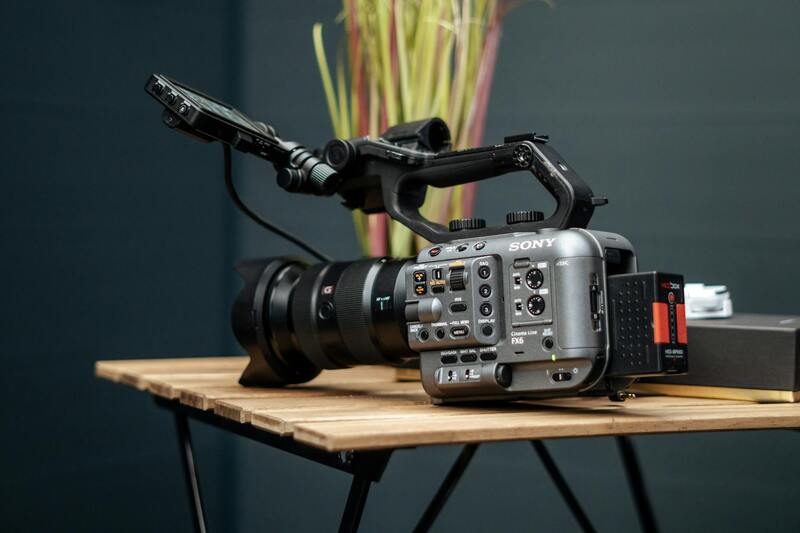
Post-production editing should enhance visual clarity and highlight key features without altering the intrinsic qualities of the property. Adjustments such as color correction, brightness, contrast, and minor retouching should be applied consistently across all visuals to create a cohesive viewing experience. Texture enhancements or digital alterations that could potentially distort the true appearance of spaces are discouraged, as they might compromise trust with prospective buyers.
Content retention and distribution practices are equally important. Maintaining original files and keeping records of permissions and licensing agreements can streamline compliance checks and audit processes. When publishing videos or photos online, proper metadata and descriptions should accurately reflect the property's features, location, and unique selling points, aligning with best practices for search engine optimization (SEO).
Ultimately, meticulous attention to these legal and ethical standards helps build trust with clients and audience, fostering a reputation for integrity and professionalism in the competitive Miami real estate market. Staying informed about evolving guidelines and continuously updating content processes ensures that visual marketing efforts are both effective and compliant, promoting sustainable success in property sales.