
Factors Influencing Real Estate Photo Pricing
Determining the appropriate pricing for real estate photography services involves careful consideration of multiple variables that impact the overall cost structure. These factors are essential for professionals in the industry to understand, as they help establish fair and competitive rates that reflect the scope and quality of the work required.
The primary elements influencing real estate photo pricing include property size, location, complexity of the shoot, and the level of photography technology needed. Each of these components plays a significant role in shaping the cost estimate provided to clients.
Property Size and Layout
The physical dimensions of a property directly influence the duration and effort involved in capturing high-quality images. Larger homes with multiple rooms or expansive outdoor areas demand more time for staging, photographing, and editing, which naturally raises the price. Conversely, smaller properties typically require fewer shots and less post-production work, resulting in lower costs.
Location and Accessibility
The property's geographic location impacts travel time and potential logistical challenges. Properties situated in remote or traffic-heavy areas may incur additional charges to compensate for time and transportation expenses. Accessibility considerations, such as difficult terrain or tight parking conditions, can also increase effort and, consequently, pricing.
Shoot Complexity and Style
Some properties require specialized photography techniques, including drone shots, HDR imaging, or 360-degree virtual tours. These advanced methods enhance listing appeal but involve more sophisticated equipment and post-production processes. The complexity and desired style of the shoot influence the overall rate, with more elaborate setups justifying higher fees.
Photography Technology and Equipment
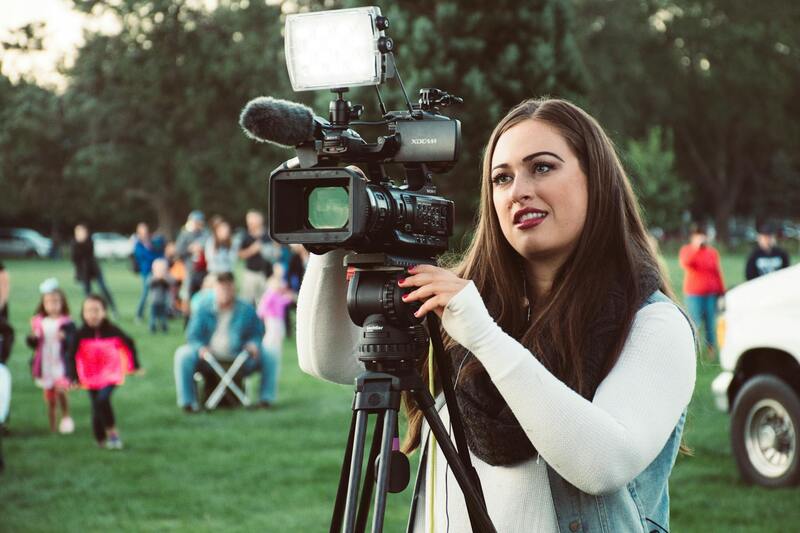
The level of technology employed in capturing images significantly impacts pricing. High-end cameras, wide-angle lenses, drone equipment, and advanced lighting setups contribute to professional results but also increase operational costs. Agencies that invest in cutting-edge tools often pass these costs on to clients through premium pricing tiers.
Properly assessing these factors enables providers to create accurate, competitive pricing strategies that reflect the value delivered. Clients benefit from transparent rates aligned with the scope of work, ensuring clarity and satisfaction in the transaction.
Factors Influencing Real Estate Photo Pricing
Understanding the variables that affect real estate photo pricing is essential for both service providers and clients seeking a fair and accurate rate. These factors not only determine the initial cost but also help in setting expectations around the scope and quality of the final images. Among the most critical considerations are property accessibility, shoot complexity, and the technology used during photography sessions.
Property Accessibility
The geographic location of a property significantly influences the cost structure for real estate photography. Locations that are remote or require extensive travel time can lead to increased charges, reflecting the additional effort involved in transportation and scheduling. Conversely, properties situated centrally within urban areas often have more straightforward access, potentially reducing logistical costs. Challenges such as difficult terrain, limited parking, or narrow driveways can further complicate access, necessitating more planning and effort from the photographer, which can elevate the overall price.
Shoot Complexity and Style
Different properties demand varying levels of technical expertise and stylistic approaches. Standard residential homes may require basic exterior and interior shots, yet high-end properties or commercial spaces often benefit from advanced techniques to showcase their features effectively. Drone photography, HDR imaging, and 360-degree virtual tours are examples of specialized methods that add value but also require more time, talent, and equipment. The desired aesthetic or presentation style also influences pricing; elaborate staging or customized editing may increase each shoot’s complexity, contributing to higher fees.
Photography Technology and Equipment
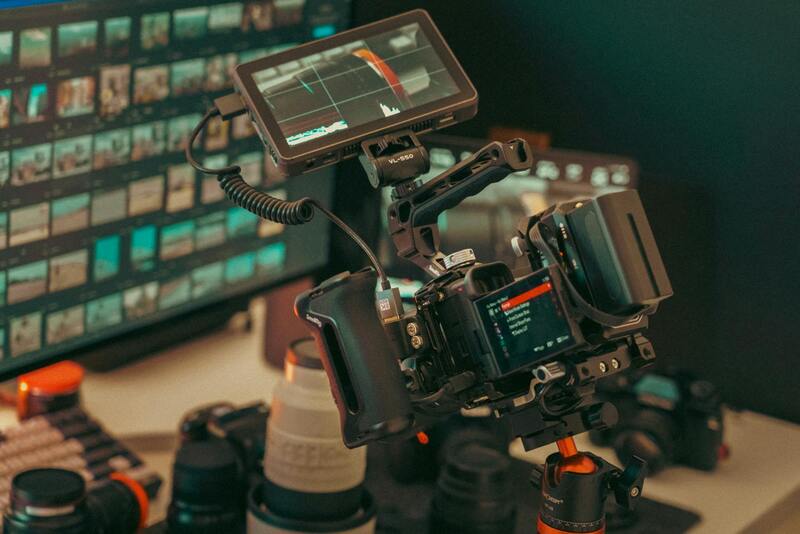
The quality of images captured is directly linked to the technology employed. Top-tier cameras with wide-angle lenses, sophisticated lighting gear, and drone units for aerial shots deliver superior results but come with increased costs. Agencies with access to cutting-edge equipment typically set higher price points, justified by the enhanced quality and appeal of their visuals. Well-maintained and modern tools enable photographers to produce crisp, well-lit images that effectively highlight property features, thereby justifying premium charges.
Investing in high-grade equipment not only improves image quality but also shortens editing time, contributing to more efficient workflows. These efficiencies can sometimes offset the higher initial costs, although the market generally favors premium pricing for high-end technology use. For clients, understanding that advanced gear translates to better property presentation can be a key factor in choosing a service provider.
Properly assessing these factors enables providers to craft accurate, competitive pricing strategies that reflect the value delivered. Clients, in turn, benefit from transparent rates aligned with the scope of work, ensuring clarity and satisfaction in the transaction.
Impact of Property Size and Detail on Photo Pricing
In the Miami real estate market, the size of a property significantly influences the overall photography costs. Larger estates, multi-story homes, and expansive commercial spaces require more extensive planning, setup, and shooting time, which naturally elevates the price. Properties with intricate architectural details or unique interior designs also demand a higher level of attention from photographers to capture their distinctive features effectively. These intricacies often call for specialized techniques, such as macro shots for detailed fixtures or high dynamic range (HDR) photography to balance diverse lighting conditions. Consequently, providers may charge a premium for capturing the full scope and nuance of larger or more elaborate properties.
Another aspect influencing pricing is the level of detail required in the images. For high-end listings, where showcasing luxury finishes and custom features is essential, photographers often invest additional time in meticulous staging, lighting adjustments, and multiple shooting angles. This meticulous process ensures that every desirable aspect of the property is highlighted, which can justify higher rates. Real estate professionals seeking premium visuals to attract affluent buyers must consider these factors, as more comprehensive coverage translates into increased costs but also enhanced marketing appeal.
Additional Costs and Upsells in Real Estate Photography
Beyond standard session fees, several supplementary charges may apply based on client needs or property characteristics. These extra costs include:
- Extra editing or retouching to refine images and ensure optimal presentation
- Night or twilight photography to create captivating visual effects
- Drone footage or aerial photography for a comprehensive property view
- Virtual staging and 3D virtual tours to elevate virtual marketing efforts
- Expedited delivery of images within a shortened timeframe
It is common for photography providers in Miami to offer customized packages that combine these features based on client objectives. Clear communication about these options helps prevent misunderstandings and ensures that clients receive a final product aligned with their marketing needs.
Understanding these potential extras allows real estate professionals to budget effectively while leveraging high-impact visuals to maximize property exposure. It also provides an opportunity for agencies to present tiered pricing structures, offering clients flexible choices for their specific marketing goals.
Impact of Property Size and Detail on Photo Pricing
When determining the cost of real estate photography, the size of the property and the level of detail required are crucial factors that influence pricing. Larger properties typically demand more extensive coverage, additional time, and specialized equipment, all of which contribute to increased costs. For instance, a spacious commercial or multi-story residential property involves capturing multiple angles, rooms, and exterior shots, thereby elevating the total time spent and editing efforts.
Moreover, properties with intricate architectural features, high-end finishes, or unique design elements necessitate enhanced photographic attention to highlight their distinctive qualities effectively. This may include specialized lenses, lighting setups, and post-processing techniques to ensure every feature is showcased accurately and attractively.
The level of detail required also impacts pricing. Properties that benefit from high-resolution images or require close-up shots to emphasize specific elements, such as textures, fixtures, or custom details, usually incur higher costs. These images often involve additional lighting adjustments, retouching, and sometimes specialized equipment like macro lenses, all of which add to the overall expense.
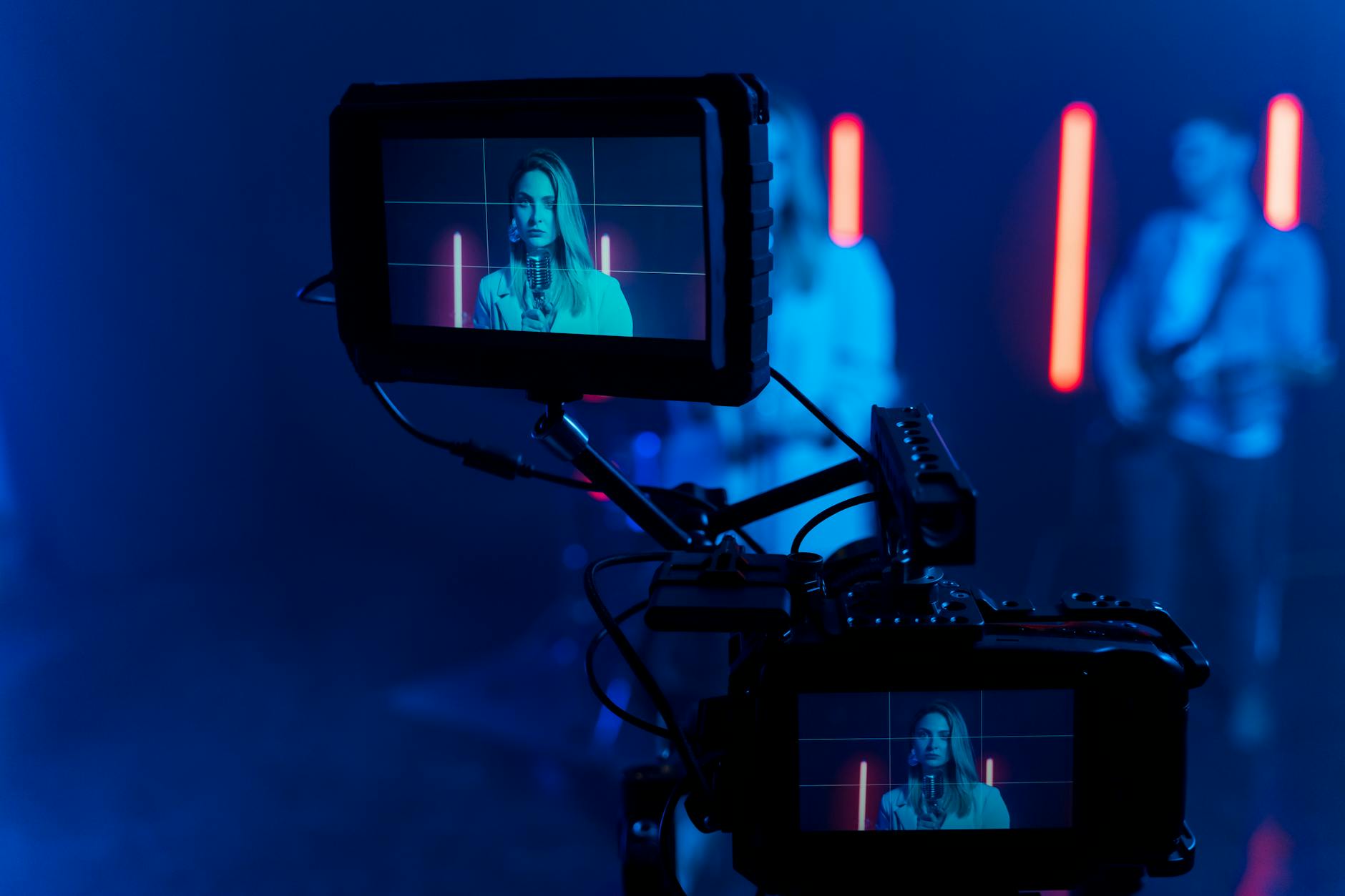
In terms of planning, real estate agents and property owners should factor in the property's dimensions and the required visual complexity when budgeting for photography. This consideration ensures that the final images accurately represent the property’s scale and design, thereby maximizing marketing impact.
Impact of Property Size and Detail on Photo Pricing
Property size and the intricacy of architectural features are critical factors that influence real estate photography costs significantly. Larger properties, such as sprawling residences or commercial complexes, demand more extensive coverage, which translates into additional time for shooting and editing. These properties often require multiple angles for each room, exterior shots from various vantage points, and comprehensive coverage of landscaped areas, pools, or outdoor amenities. Each element adds to the photographer’s workload, equipment setup, and post-processing efforts.
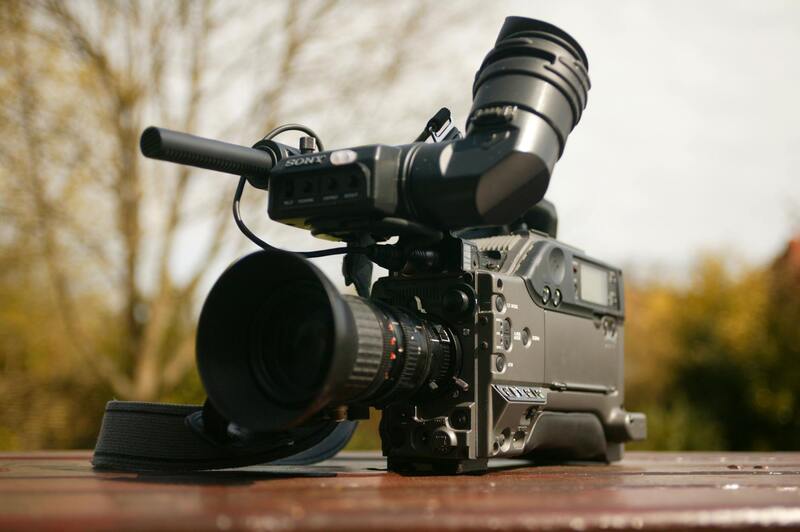
In addition to size, architectural intricacies, high-end finishes, and distinctive design features elevate the complexity of the shoot. Unique structures such as custom facades, intricate moldings, large windows, and specialty features like spiral staircases or decorative facades require the use of specialized equipment, lighting, and advanced editing techniques to accurately portray their aesthetic appeal. This increased complexity necessitates longer shooting sessions and meticulous post-production, which contribute to higher pricing.
Moreover, properties with high levels of detail, including textures, fixtures, and craftsmanship, benefit from high-resolution imaging to capture every element accurately. Close-up shots of textures, fixtures, or bespoke design details often demand additional lighting setups, macro lenses, and retouching efforts. These processes ensure the property’s unique qualities are highlighted effectively, but they also elevate the overall cost of the photographic service.
From a planning perspective, real estate professionals should consider the property's dimensions and visual complexity when allocating a budget for photography. Properly assessing these elements allows for a realistic estimate that ensures high-quality images will serve as effective marketing tools to attract prospective buyers or tenants. Moreover, understanding how size and detail influence costs helps in choosing the right service package or customizing a photography plan that aligns with the property's specific needs.
Impact of Property Size and Detail on Photo Pricing
The size of a property plays a significant role in determining the overall cost of real estate photography. Larger homes and expansive commercial spaces naturally demand more extensive photographic coverage, requiring multiple angles, higher shooting times, and additional equipment to comprehensively showcase the property. For small to medium-sized residences, a standard comprehensive session may suffice, but as the property enlarges, the photographer must allocate more time, often leading to increased rates.
Beyond mere square footage, the intricacy of architectural and interior details can heavily influence pricing structures. Properties featuring complex layouts, high ceilings, intricate moldings, or custom finishes necessitate careful planning and specialized techniques to accurately capture their aesthetic qualities. For example, capturing the grandeur of a multi-story staircase or the fine craftsmanship of bespoke woodwork requires macro lenses and controlled lighting to reveal texture and depth, extending the duration of the shoot and increasing editing requirements.
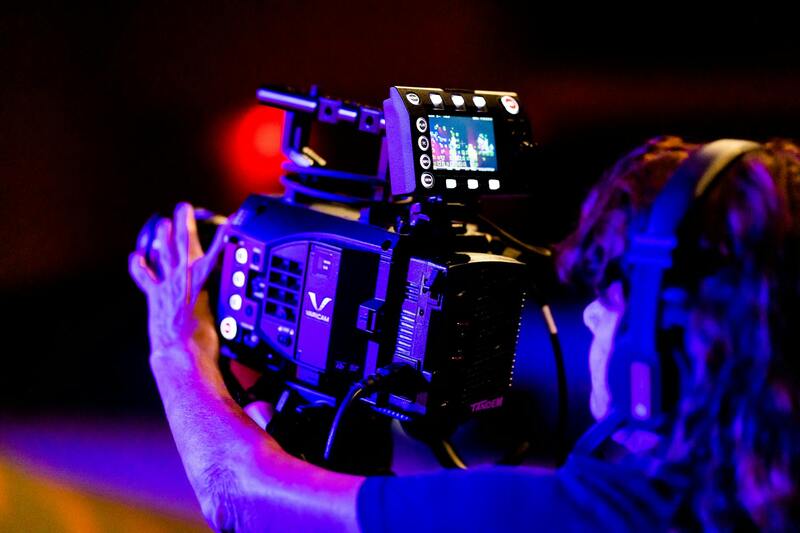
Additionally, properties with unique architectural features, such as curved walls, large panoramic windows, or decorative facades, often involve specialized equipment like drone cameras or panoramic rigs to effectively portray their character. The use of these tools adds layers of complexity and cost, resulting in higher pricing tiers.
When evaluating the costs associated with property size and detail, real estate professionals should consider the required scope of coverage, the necessity for specialized equipment, and the potential for intricate post-production work. Proper understanding of these elements ensures that the visual presentation aligns with the property's value and appeal, helping attract prospective buyers or tenants more effectively.
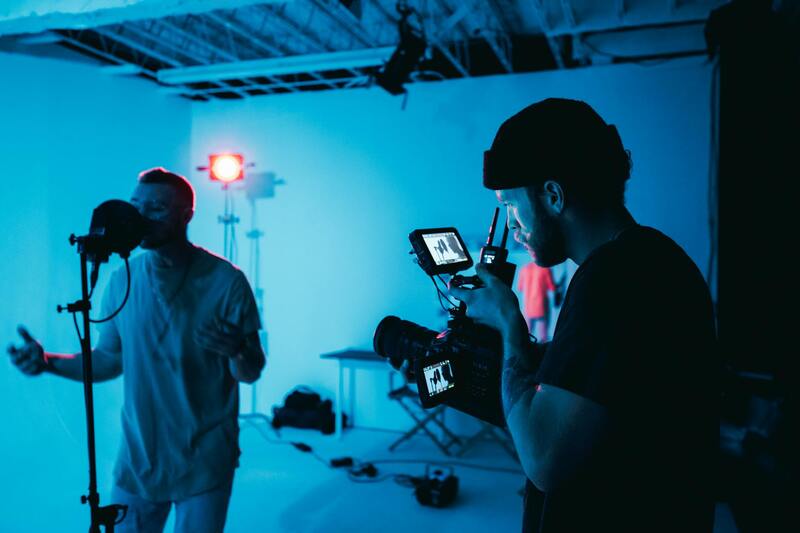
Ultimately, recognizing the relationship between property size, architectural detail, and photographic effort allows both clients and agencies to establish realistic expectations and appropriate budgets. This ensures that the investment in high-quality imagery delivers maximum impact in marketing strategies, supporting quicker sales or leasing processes and maximizing ROI.
Factors Influencing Real Estate Photo Pricing
The cost of real estate photography in Miami is shaped by various factors that reflect the complexity and scope of the project. These elements include the size and architectural features of the property, the level of detail required, and the specific client needs. Larger properties typically necessitate more extensive coverage, multiple shoot angles, and longer editing times, all of which contribute to higher pricing. Similarly, properties with unique architectural elements—such as intricate facades, expansive interiors, or specialty features—demand specialized equipment and advanced shooting techniques, increasing overall costs.
Another key consideration is the condition and lighting complexity of the property. Homes that require professional staging or advanced lighting setups to highlight their best features may see increased charges. The inclusion of auxiliary services, like drone photography or 360-degree virtual tours, further impacts pricing due to the need for specialized equipment and additional post-production work.
Average Price Ranges for Miami Real Estate Photography
In Miami, pricing for real estate photography services varies broadly based on service scope, property size, and provider experience. The standard sessions for modest residential homes generally fall within the range of $150 to $300. These packages typically include a set number of high-resolution images, basic editing, and quick turnaround times.
For larger homes or luxury properties requiring comprehensive coverage—including interior, exterior, drone shots, and virtual tours—costs can escalate from $500 to $1,500 or more per session. These premium packages often include extensive post-production, staged interior shots, twilight photography, and 3D walkthroughs, providing a complete visual presentation tailored to high-end markets.
Pricing Models and Packages Offered by Miami Photography Agencies
Miami-based real estate photography service providers often adopt flexible pricing models to cater to diverse client needs. These include fixed-rate packages, hourly rates, and custom quotes based on project specifics. Fixed packages are common, offering tiered options such as basic, standard, and premium, each with a predefined number of images and services included.
Hour-based billing is also prevalent, especially for properties requiring multifaceted setups or additional editing time. Custom quotes are tailored to properties with unusual features or when additional services like virtual staging or twilight shoots are requested, providing transparency and flexibility for both clients and providers.
For clients seeking value, comprehensive packages that combine interior, exterior, drone, and virtual tour services at a bundled rate often deliver the best ROI. These packages reduce individual costs while ensuring every aspect of the property is showcased effectively.
Impact of Property Size and Detail on Photo Pricing
The size of the property often directly correlates with the scope of photographic work, including shoot duration, number of images required, and editing complexities. Larger estates or commercial properties typically demand more extensive coverage, involving multiple angles and specialized equipment like high-resolution drones or panoramic rigs. The effort to capture detailed architectural features—such as decorative moldings, textured surfaces, or intricate facades—also influences costs significantly.
Properties with extensive square footage or complex layouts increase the time needed for both shooting and editing, reflecting in higher prices. Additionally, high-detail features like ornate interiors or unique structural elements may require advanced techniques to accurately represent textures and depth, further adding to the overall expense.
Additional Costs and Upsells in Real Estate Photography
Many Miami real estate photographers offer additional services or upsells that can enhance the visual appeal of a listing but also impact the budget. These options include twilight or dusk photography, which captures properties in the evening light for an evocative look; aerial drone shots to showcase large estates or sprawling landscapes; and virtual staging to digitally furnish empty spaces.
Other potential costs involve expedited delivery of processed images, extra editing for complex scenes, or customized virtual tours. Clients should evaluate the necessity of these add-ons based on their marketing strategy and property requirements, balancing additional costs against potential benefits in attracting buyers or renters.
Market Trends Affecting Real Estate Photo Pricing in Miami
Current trends in Miami's real estate market, including an influx of luxury developments and a robust demand for high-quality visual content, have led to increased expectations for photography standards. As properties become more visually competitive, agencies are investing in advanced equipment and creative techniques, which naturally influence pricing structures.
Growing availability of virtual and augmented reality solutions also plays a role in reshaping pricing. These innovative tools enable immersive property views, adding value but also contributing to higher project costs. Furthermore, the competitive nature of Miami’s real estate market encourages agencies to offer customizable packages that align with unique property attributes and client objectives, reflecting in flexible, yet premium, pricing options.
Factors Influencing Real Estate Photo Pricing
Pricing for real estate photography services in Miami is determined by multiple key factors that professionals carefully consider to set competitive and fair rates. One of the primary considerations is the complexity of the property. Larger estates or properties with intricate architectural details require more extensive setup, higher-end equipment, and longer shoot times, naturally leading to increased costs. The presence of special features such as pools, outdoor spaces, or unique facades can also influence pricing, as they often necessitate specialized angles or additional equipment.
Another critical aspect is the level of post-processing required. Standard editing, such as color correction and minor touch-ups, might be included in the base price. However, complex editing tasks, like virtual staging, removing unwanted objects, orHDR blending for high-dynamic-range images, incur supplemental charges. The kind of equipment used, such as drones for aerial shots or wide-angle lenses for expansive interior shots, is also a determining factor—higher-end gear tends to increase operational costs.
Time-sensitive projects, such as rapid turnarounds required for urgent listings or last-minute marketing campaigns, typically attract premium pricing due to the need for expedited editing and delivery. The scope of the project and client specifications, such as inclusion of virtual tours or 3D walkthroughs, further impact rates. Agencies calibrate their pricing models to reflect the complexity and customization desired for each campaign, ensuring that each property’s unique aspects are adequately represented visually.
Average Price Ranges for Miami Real Estate Photography
In Miami, the pricing landscape for real estate photography varies widely based on service level and property characteristics. Entry-level packages for small or modest properties often start around $150 to $300 per listing, encompassing a handful of basic images captured with standard equipment and minimal editing. These packages typically include interior and exterior shots in daylight as standard.
For mid-range properties, fees generally range from $300 to $700, offering a broader selection of images, advanced editing, and sometimes virtual staging or drone photography. High-end listings, especially those in luxury markets or sprawling estates, may command rates exceeding $1,000, reflecting the comprehensive services provided. Such packages often include twilight photography, aerial shots, and immersive virtual tours to attract discerning buyers.
It’s important to recognize that these price brackets serve as general guidelines, with actual costs influenced by property size, location, and the specific needs of the marketing campaign. Clients seeking premium visual content should expect to invest accordingly to achieve maximum impact and engage a targeted audience effectively.
Pricing Models and Packages Offered by Miami Photography Agencies
Miami-based real estate photography agencies typically adopt diverse pricing structures to cater to various client needs. Flat-rate packages are popular, offering a predefined set of images and services at a fixed price, providing transparency and simplicity for clients. These packages often include a specific number of interior and exterior photos, with options to add on premium features.
Hourly rates are also common, particularly for shoot coordination and on-location work, where clients may require a flexible and customizable approach. Agencies might charge between $150 and $300 per hour, with additional fees for post-processing and special services like drone photography or virtual staging.
Some agencies present tiered packages that combine fixed pricing for standard offerings and optional add-ons. For example, a basic package may include 20 interior and exterior shots with standard editing, whereas deluxe options could include twilight photography, aerial shots, virtual tours, and expedited delivery, all bundled at a premium rate. This modular approach allows clients to tailor their marketing assets precisely while understanding the cost implications from the outset.
Impact of Property Size and Detail on Photo Pricing
The physical dimensions of a property significantly influence the cost of its visual presentation. Smaller homes or condos usually require fewer images and less time to photograph, resulting in lower rates. Conversely, larger properties with sprawling layouts or multiple levels necessitate extensive setup, multiple shoot locations, and comprehensive coverage, which naturally increase expenses.
Additionally, the level of detail included in the photos impacts pricing. High-end properties often feature custom interiors, luxury furnishings, and unique architectural traits that demand more extensive staging, lighting, and detailed editing to accurately capture their essence. Photographers may need to employ specialized equipment, such as drones for extensive aerial views or high-resolution cameras for intricate interior shots, further elevating costs.
Furthermore, properties requiring tailored shots that highlight specific features—such as panoramic views, outdoor amenities, or custom design elements—entail additional planning, equipment, and editing time. For clients, understanding how property size and detail influence costs can aid in budgeting effectively for marketing campaigns and in selecting packages that align with their property’s unique attributes.

Additional Costs and Upsells in Real Estate Photography
While standard photo packages provide a solid foundation, many projects include additional features that can enhance marketing efforts but also lead to increased costs. Twilight photography, which captures images during the evening with the house lit from within, adds a dramatic and inviting appeal to property listings. It often costs between $100 and $300 extra due to the need for specific lighting conditions and carefully scheduled shoots.
Drone coverage is another popular upgrade, offering sweeping aerial views that showcase the property’s surroundings and landscape. This service generally incurs additional charges ranging from $150 to $500, depending on shoot complexity and the number of drone photos or video footage required.
Virtual staging services digitally furnish empty rooms, helping potential buyers visualize the space. The costs for virtual staging usually range from $50 to $150 per image, with discounts offered for larger projects. Virtual tours and 3D walkthroughs are premium add-ons that significantly elevate property presentation, often costing between $300 and $1,000+ depending on length and interactivity levels.
Other ancillary costs include expedited editing, custom branding overlays, or feature-specific photography styles. Agencies recommend discussing these options upfront to ensure budget alignment and to optimize the visual marketing portfolio for each property.
Market Trends Affecting Real Estate Photo Pricing in Miami
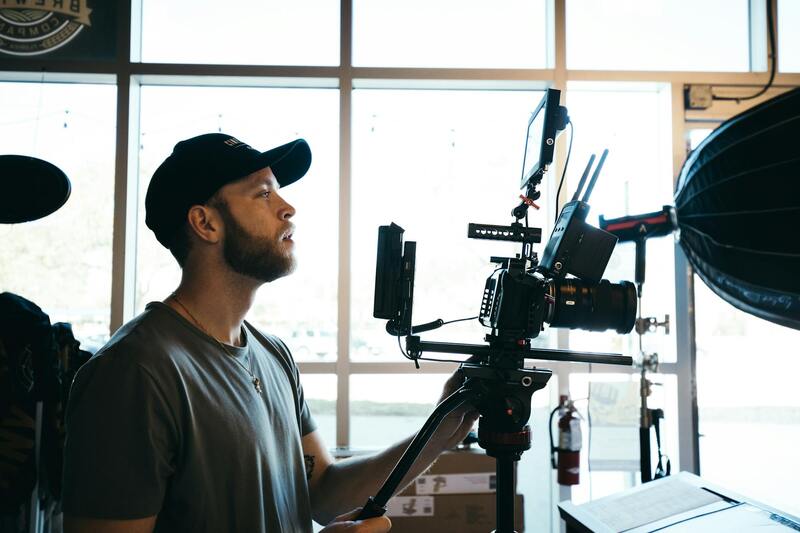
The Miami real estate market is characterized by rapid growth and high-value transactions, which directly impact photography rate structures. The increasing prevalence of luxury developments and the demand for exceptional visual content have driven providers to invest in advanced equipment, including 4K cameras, aerial drones, and virtual reality systems. These technological enhancements elevate the quality and impact of property images but also influence pricing strategies.
The market's competitive landscape encourages agencies to offer premium services—such as virtual staging, 3D tours, and drone coverage—to differentiate themselves. As a result, property owners and developers are willing to allocate higher budgets for cutting-edge visual marketing, supporting elevated price points across the board. Additionally, the rise of online listing platforms and digital marketing channels heightens the importance of high-quality images, making investment in top-tier photography services increasingly necessary for successful property sales.
Flexible pricing options and customizable packages are also evolving in response to customer preferences. Agencies are now more equipped to tailor services and pricing based on property value, marketing goals, and specific visual presentation demands, thus maintaining a dynamic pricing environment aligned with market trends.
Billing and Negotiation Tips for Clients and Agencies
Establishing clear billing practices is essential for maintaining transparency and ensuring mutual understanding. Agencies often provide detailed quotes outlining base costs and optional add-ons, helping clients make informed decisions. Clients should scrutinize invoice breakdowns and ask for clarification on any charges related to special services or expedited processing.
Negotiating rates can be effective, particularly when engaging agencies with flexible packages or those offering multiple services. Clients might request discounts for bundled services, larger property portfolios, or repeat engagements. Conversely, agencies can justify premium prices by emphasizing their experience, equipment quality, and proven results that enhance a property’s marketability.
Both parties benefit from setting expectations early—discussing project scope, turnaround times, and service inclusions during initial consultations. Written agreements outlining deliverables, revisions, and payment schedules can prevent misunderstandings and facilitate smooth collaboration. Ultimately, transparent communication around pricing and value fosters trust and encourages ongoing professional relationships.