
Introduction to Property Videography
In the competitive landscape of real estate, visual presentation plays a critical role in attracting potential buyers and investors. Property videography has emerged as an essential tool for showcasing residential and commercial spaces in a dynamic and engaging manner. This specialized form of media production involves capturing high-quality video footage that highlights the property's features, layout, and ambiance, providing a comprehensive view that static images alone cannot deliver.
As technology advances and consumer expectations evolve, the demand for professional property videos continues to rise, especially within vibrant markets like Miami. The city’s diverse real estate offerings—from luxury waterfront condos to sprawling commercial complexes—benefit immensely from high-caliber videography services. These videos serve as virtual tours, enabling prospective clients to explore properties remotely, thus saving time and broadening reach.
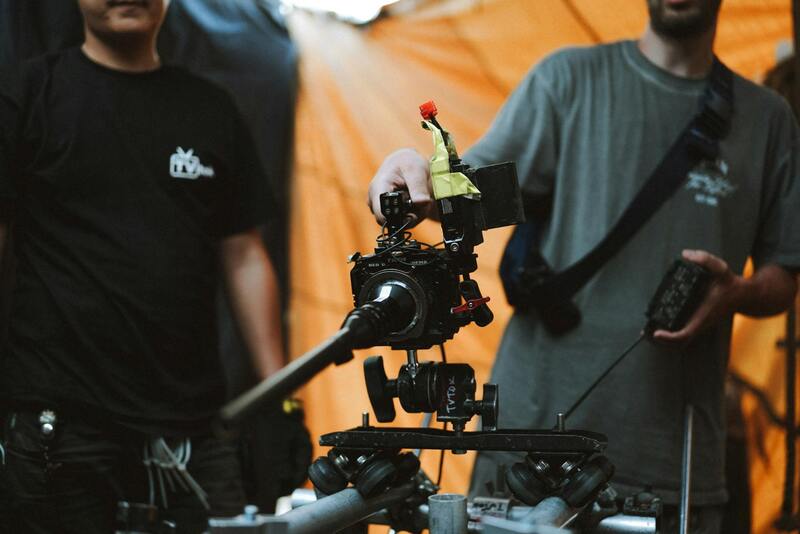
Effective property videos not only enhance online listings but also support broader marketing campaigns, including social media promotion and email marketing. The growing reliance on digital platforms underscores the importance of professional-quality content that captures viewer attention and communicates the unique value propositions of each property.
The use of property videography in Miami aligns with the city’s reputation as a premier real estate destination. As international investors and local buyers alike seek innovative ways to experience properties, professional video services offer a competitive edge. Their role in helping agents, developers, and property owners stand out in a crowded market is undeniable, making property videography a cornerstone of contemporary real estate marketing strategies.
To maximize impact, high-quality property videos should be shot with advanced equipment and technical expertise, ensuring clarity, stability, and compelling visuals. In addition, adhering to emerging best practices enables creators to produce content that not only looks appealing but also effectively communicates the aspirational lifestyle associated with Miami real estate.
Key Equipment and Techniques
Producing compelling property videos requires the use of specialized equipment and refined techniques that ensure visual excellence. High-definition cameras are fundamental, capturing crisp, detailed imagery that highlights every feature of the property. These cameras should be capable of shooting in various lighting conditions, ensuring versatility across different times of day and interior environments.
Gimbal stabilizers are essential tools that enable smooth, professional-looking shots, minimizing shaky footage and providing viewers with a seamless viewing experience. Drones are increasingly utilized to incorporate aerial footage, offering a panoramic view of the property’s exterior, surrounding neighborhood, and landscape features, which adds a dynamic element to the visual narrative.
Proper lighting is crucial; real estate videographers often employ additional lighting equipment to brighten interior spaces and eliminate shadows, emphasizing the property’s best aspects. Lenses with wide apertures help in capturing expansive interior shots with a shallow depth of field, drawing focus to key areas.
Techniques such as systematic shot planning, including establishing a logical flow from the exterior to interior spaces, ensure comprehensive coverage. Smooth camera movements, achieved through careful stabilization, highlight property layouts effectively. Using natural light combined with supplemental lighting creates warm, inviting atmospheres that resonate with viewers.
Post-shoot workflows involve meticulous color correction to enhance visual appeal, sound editing to ensure clarity of narration or background music, and precise editing to maintain pacing and engagement throughout the video. Incorporating transitions, overlays, and text can further clarify property features and enhance viewer understanding.
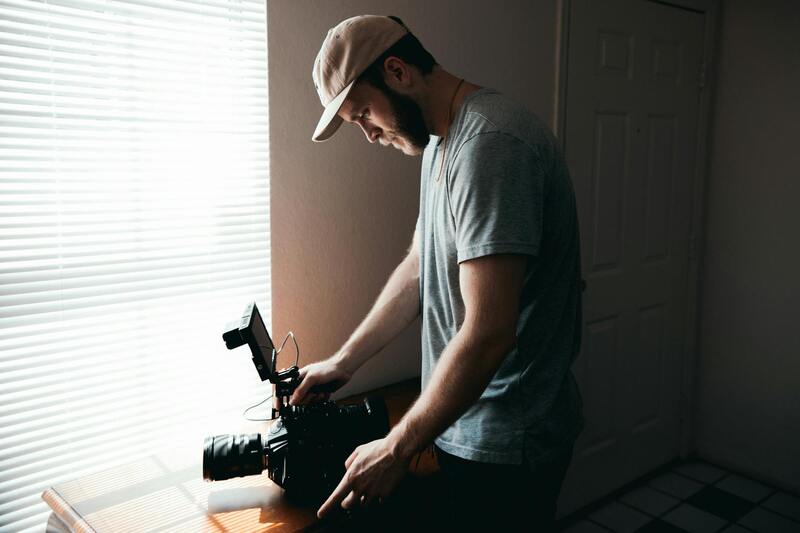
Key Equipment and Techniques
Achieving high-caliber property videos relies heavily on the proper selection of equipment and mastery of filming techniques. Commercial-grade drones are indispensable for capturing sweeping aerial shots that provide viewers with an expansive perspective of the property’s exterior, surrounding landscape, and neighborhood context. These aerial visuals help showcase the property’s size, layout, and its integration within the local environment, which are influential factors in attracting potential buyers.
Camera stabilization tools such as gimbals and steadicams are critical to ensure smooth, fluid motion shots. These movements evoke a sense of professionalism and allow viewers to experience the space as if they are physically present. When combined with high-definition cameras equipped with wide-angle and tilt-shift lenses, videographers can deliver crisp, distortion-free images that faithfully represent the property’s dimensions.
Lighting equipment also plays a vital role in property videography. Using supplementary lighting to illuminate interior spaces enhances visual clarity and highlights architectural details. This is especially important in rooms with limited natural light, where proper lighting lends warmth and depth to the visuals. The strategic use of natural lighting alongside artificial sources ensures that each shot is vibrant and inviting.
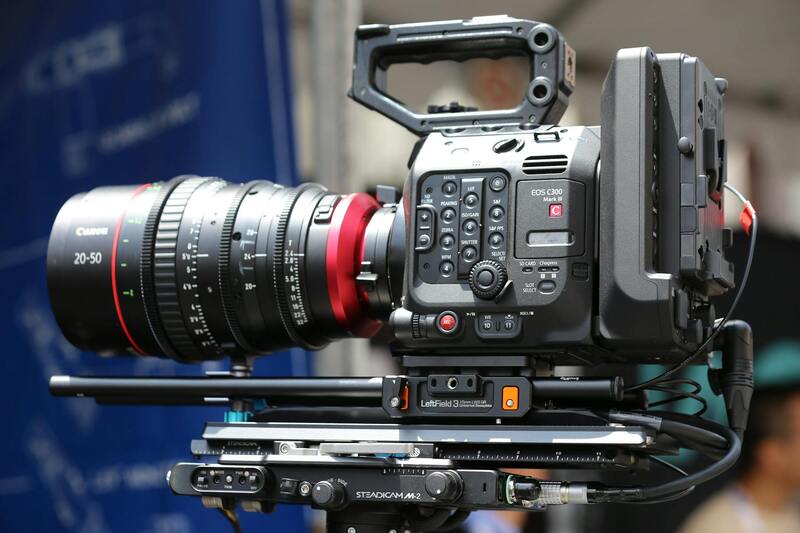
Filming techniques such as systematic shot planning help create a coherent narrative flow, typically moving from the exterior to interior spaces in a logical sequence. Panoramic sweeping shots introduce the property, followed by detailed walkthroughs of individual rooms. Progressive camera movements with precise stabilization emphasize the layout and flow of the space, providing viewers with an immersive experience.
In addition, employing various camera angles and heights allows for dynamic compositions that accentuate architectural features and spatial relationships. Focus stacking and depth-of-field adjustments draw attention to key elements within each scene, guiding viewers’ focus naturally.
Color grading is a post-production technique that enhances visual appeal by adjusting brightness, contrast, and color balance, helping the footage look vibrant yet natural. Sound editing ensures clear narration or background music, avoiding muffled or distracting audio issues. Effective editing cuts emphasize key features without overwhelming the viewer, maintaining engagement throughout the presentation.
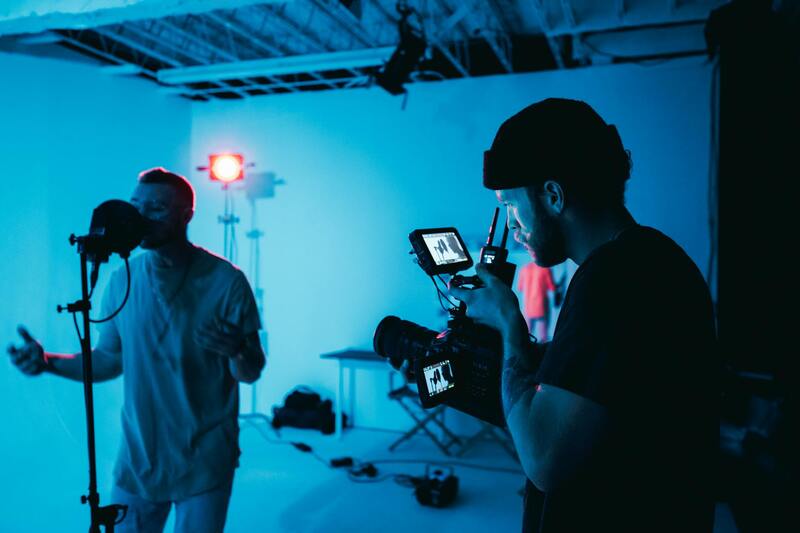
Ultimately, mastering these equipment choices and filming techniques ensures each property video produced is polished, professional, and capable of captivating prospective buyers. Precision in both pre-production planning and post-production refinement results in visual content that effectively communicates the unique appeal of each property, making it more attractive to a targeted audience.
Legal Considerations and Privacy Protocols in Property Videography
To ensure that property videography adheres to accepted standards and maintains respect for client and third-party privacy, professionals utilize verified methods that are rooted in established regulations and industry best practices. This involves obtaining explicit permissions before filming, especially when including private spaces or personal belongings. Clear agreements outline the scope of the project, usage rights, and privacy expectations, fostering transparency between videographers and property owners.
In addition to client authorization, practitioners enforce strict protocols surrounding consent for capturing images that include neighboring properties or public areas. Proper signage may be employed in prospective filming zones to inform passersby or residents of upcoming recording activities, aligning with community guidelines.
Advanced techniques such as controlled drone operations utilize GPS-based flight planning to prevent trespass over restricted areas, ensuring aerial footage remains within designated spaces. Similarly, stabilizing equipment like gimbals, steadicams, and tripod setups help produce smooth footage, reducing unintended captures of extraneous environments or unintended persons.
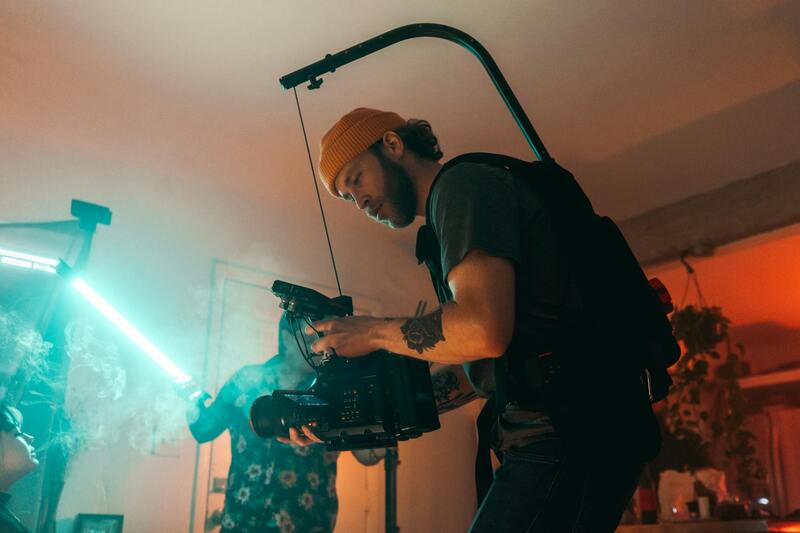
Furthermore, post-shoot editing processes include reviewing footage for compliance, cropping out unwanted areas, and blurring sensitive content, thus safeguarding privacy. Metadata embedded within video files often details permissions and consent, providing additional documentation that reinforces adherence to established protocols.
Organized workflow management, including checklists and project timelines, ensures that all legal and ethical considerations are addressed systematically. This meticulous approach minimizes the risk of content disputes and reinforces the reputation of the videography service as a trusted provider committed to integrity.
Legal Considerations in Property Videography
When creating property videos, it is essential to adhere to established procedures that respect privacy and property rights. This involves obtaining clear and documented permissions from property owners or authorized representatives before filming begins. These permissions should specify the scope of the project, the areas to be covered, and how the footage will be used, ensuring transparency and mutual understanding.
In cases where the property is part of a larger community or subdivision, homeowners' associations or property management may have specific guidelines governing filming activities. Engaging with these entities proactively can facilitate smooth operations and prevent potential misunderstandings. It is important to follow community protocols, which might include scheduling recordings during designated hours or adhering to noise ordinances.
Consent protocols extend to capturing footage that might include neighboring properties or public spaces visible from the property being filmed. Properly marking shots that might inadvertently include such areas allows for measures like cropping or blurring during post-production to maintain discretion and uphold respectful boundaries.
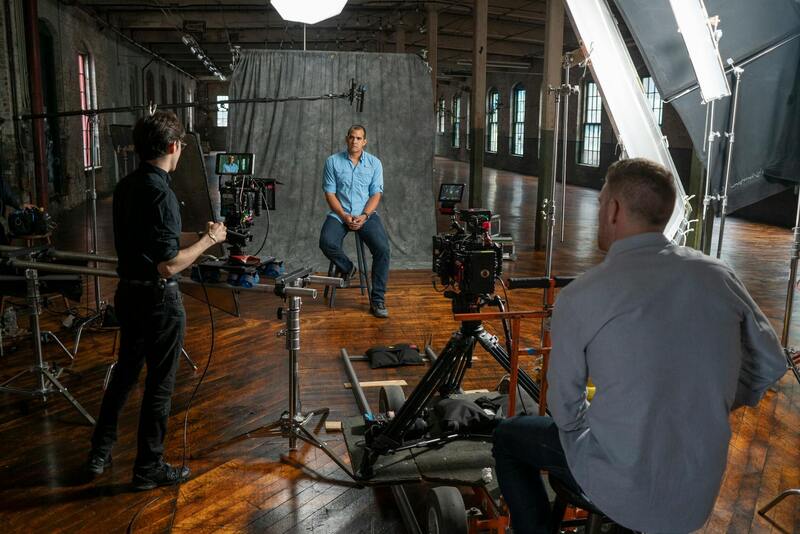
Advanced techniques, such as GPS-guided drone flights, are planned meticulously to avoid overflight of private zones or restricted areas, aligning with safety and privacy standards. Similarly, stabilizing rigs like gimbals or steadicams are used to produce steady footage without intruding on personal spaces.
Throughout the process, comprehensive documentation is maintained, including permission records, checklists, and project timelines. This not only helps streamline workflows but also provides a clear record of compliance with outlined protocols. Metadata embedded within videos serve as an additional layer of documentation, indicating where permissions were granted or where consent details are stored.
Post-shoot editing plays a critical role in upholding standards. Editors review all footage to remove any images captured outside the agreed-upon scope, crop sensitive areas, and blur faces or addresses as needed. These steps help ensure that the final product aligns with privacy expectations and maintains the professional integrity of the service.
Types of Off-Limit Areas During Property Videography
While capturing high-quality footage, it’s essential to recognize and respect boundaries established by property owners and local regulations. Certain areas within or around a property may be off-limits due to safety concerns, private activities, or other reasons. Identifying these zones beforehand helps ensure a smooth filming process and maintains respectful relationships with clients.
These restricted zones often include, but are not limited to:
- Private Gardens and Backyards: Some homeowners prefer their outdoor retreats to remain private, especially if they are not publicly accessible or contain personal items or sensitive landscaping features.
- Private Driveways and Garages: Filming vehicles or entrances that are not publicly accessible can infringe on the owner's privacy. It’s crucial to obtain explicit permission if including these areas in the footage.
- Interior Spaces with Sensitive Content: Certain rooms or areas, such as home offices or personal bedrooms, may contain private information or belongings. Restricted access to these spaces helps preserve privacy and confidentiality.
- Adjacent Properties: When capturing exterior shots, adjacent properties or areas visible from the main property might be off-limits, especially if they belong to neighbors who have not consented to footage capture.
- Public Spaces with Visible Private Property: Items like fences, gates, or signage indicating private property should be respected. Maintaining distance from such features upholds professional standards and mitigates potential misunderstandings.
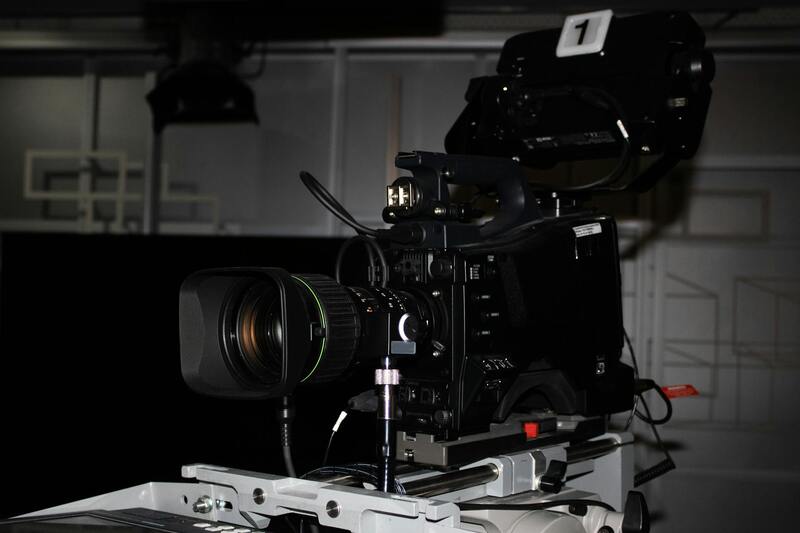
Implementing clear protocols for navigation around these limitations is fundamental. This includes thorough site assessments before filming, explicit communication with property owners about the areas to avoid, and strategic planning for camera angles to exclude sensitive zones. Additionally, advanced equipment like remote-controlled drones and stabilized cameras facilitates capturing aesthetic shots while respecting boundaries.
During the editing phase, footage that inadvertently captures restricted areas should be handled carefully. Cropping, blurring, or masking such content ensures privacy is maintained, and the final video aligns with respectful imaging practices. Maintaining detailed records of permission and restriction zones documented during the pre-shoot assessment provides an additional layer of accountability and professionalism.
Ensuring Compliance and Respect During Property Videography
Professional property videography demands a meticulous approach to respecting property boundaries and privacy considerations. A critical step involves comprehensive site assessments prior to shooting. This process includes identifying areas that are off-limits due to privacy concerns or restrictions imposed by property owners. Clear communication with clients about these limitations helps set expectations and prevents misunderstandings during the filming process.
Strategically planning camera angles is vital in capturing stunning visuals while avoiding sensitive zones. Utilizing advanced equipment like remote-controlled drones allows videographers to obtain high-angle shots without intruding on private spaces. Stabilized cameras and gimbals enable smooth, dynamic footage that enhances the property's appeal, all while adhering to boundary guidelines.
During the actual shoot, maintaining a respectful distance from fences, gates, and signage indicating private property is essential. When filming exterior shots, it's advisable to include only publicly accessible areas. If any part of the footage inadvertently captures private zones, such as neighboring properties, careful editing can mitigate privacy concerns through techniques like cropping or blurring. These procedures preserve the focus on the property without exposing sensitive surroundings.
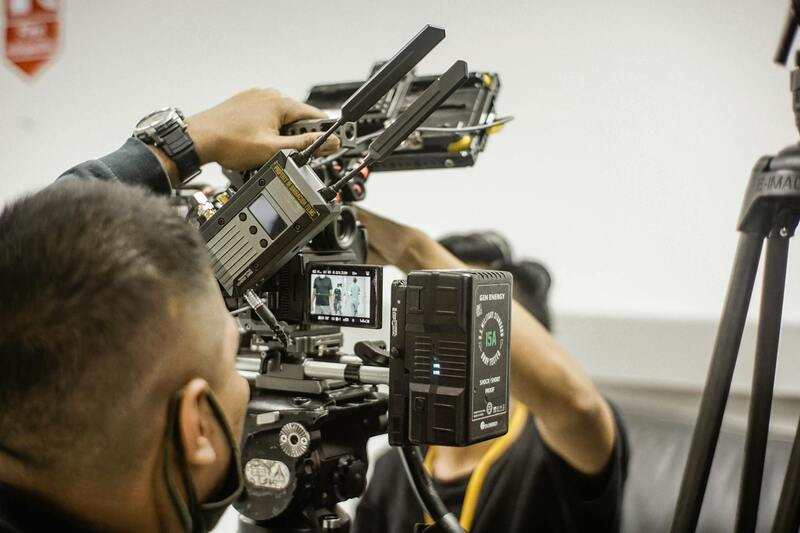
Documenting permission zones and restricted areas during pre-shoot assessments provides a record that demonstrates adherence to clients' instructions and property boundaries. This documentation is valuable in maintaining a professional standard and fostering trust with clients and property owners.
Post-Production Considerations for Respectful Content
Editing is a crucial phase where inadvertent captures of private or restricted areas should be addressed promptly. Techniques such as smart cropping, pixelation, or even masking sections of footage ensure that the final-video presentation remains professional and respectful of privacy. These adjustments contribute to a polished, compliant end product that accurately showcases the property’s features without encroaching on sensitive spaces.
Moreover, maintaining detailed records of permissions, restrictions, and footage edits enhances accountability. These records serve as proof of compliance and can be useful for future projects or client inquiries, emphasizing a commitment to integrity and professionalism in property videography.
Introduction to Property Videography
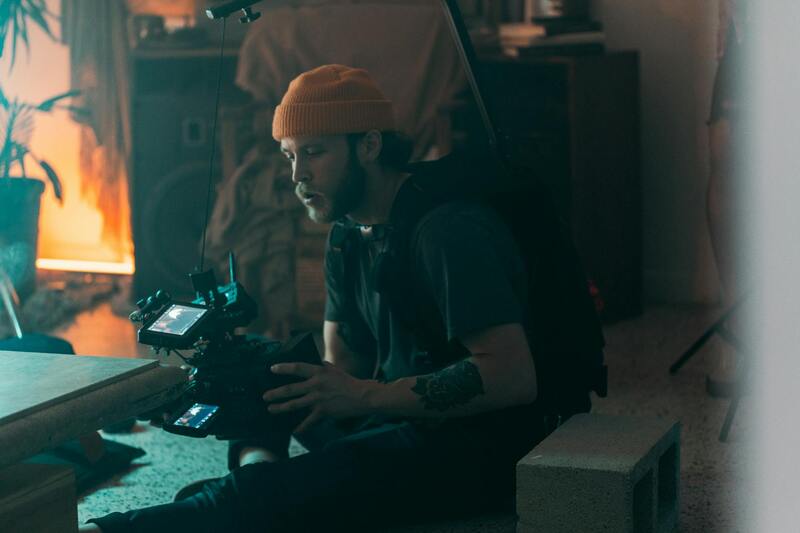
Property videography has become an essential tool for real estate professionals seeking to showcase properties in the most engaging and comprehensive manner. Through high-quality video content, prospective buyers can gain a realistic and immersive understanding of a property's layout, features, and surrounding environment. This integration of visual storytelling enhances property listings, drawing more attention and generating increased interest.
Benefits of Professional Property Videos
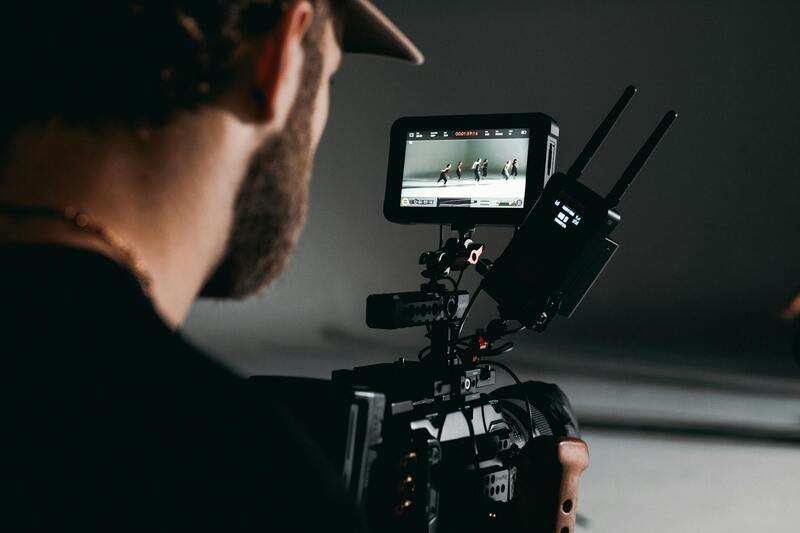
Employing professional property videographers ensures that each frame aligns with marketing goals. These experts utilize advanced equipment and proven techniques to produce visually compelling videos that highlight the property's best features. High-quality videos can significantly reduce the time a property remains on the market by attracting serious buyers early in the process.
- Enhanced property visibility across digital platforms
- Ability to showcase property scale and layout more effectively than static images
- Increased engagement from online audiences, leading to more inquiries
- Improved reputation for real estate brands through polished presentations
- Showcasing unique neighborhood features and nearby amenities with ease
Key Equipment and Techniques
Professional property videographers rely on a suite of specialized tools to achieve stunning results. High-definition cameras, stabilizers, drones, and wide-angle lenses are among the essential gear used to capture expansive, clear images from various perspectives. Techniques such as smooth camera movements, strategic lighting, and precise framing contribute to a refined finish that complements each property's character.
Types of Property Videography Content
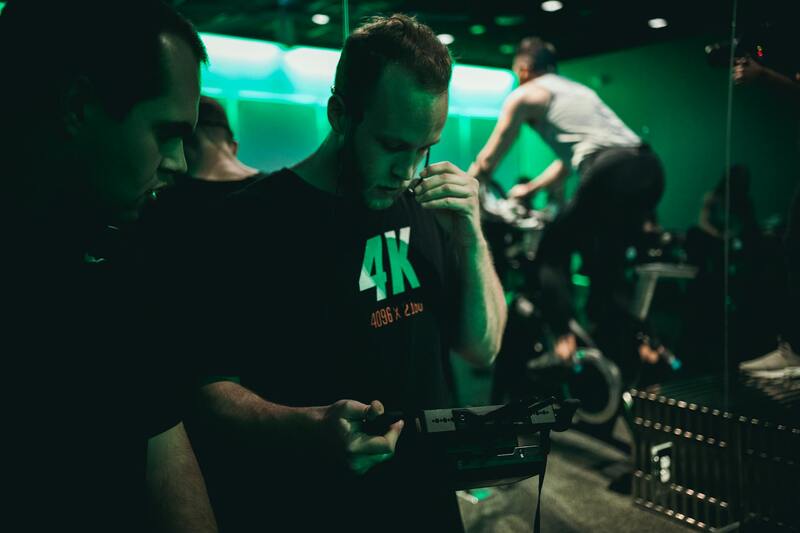
Creating diverse content types tailored to diverse marketing channels maximizes outreach. Among commonly produced formats are:
- Walkthrough videos providing a seamless narrative of the property's interior and exterior
- Drone footage highlighting the property's surroundings and landscape features
- 360-degree virtual tours allowing viewers to explore at their own pace
- Highlight reels capturing key features for quick social media sharing
Best Practices for Shooting Property Videos
Optimizing footage collection starts from meticulous planning. It's crucial to prepare shot lists and storyboard sequences to ensure all vital features are covered. During filming, respecting property boundaries and privacy considerations is paramount, with careful maneuvering and consent secured beforehand. Maintaining consistent lighting and avoiding cluttered shots helps produce clean visuals. Additionally, recording multiple takes from different angles offers editing flexibility and enhances the final presentation.
Post-Production and Editing Tips
Effective editing transforms raw footage into a captivating product. Color correction enhances visual appeal, while stabilized shots deliver a smooth viewing experience. Incorporating graphic overlays, titles, and branding elements communicates professionalism and clarity. Audio enhancement, including background music and clear narration, creates an immersive atmosphere. For sensitive areas inadvertently captured, applying techniques such as cropping or blurring ensures the content remains respectful and focused on the property itself.
Choosing a Miami Property Videography Service
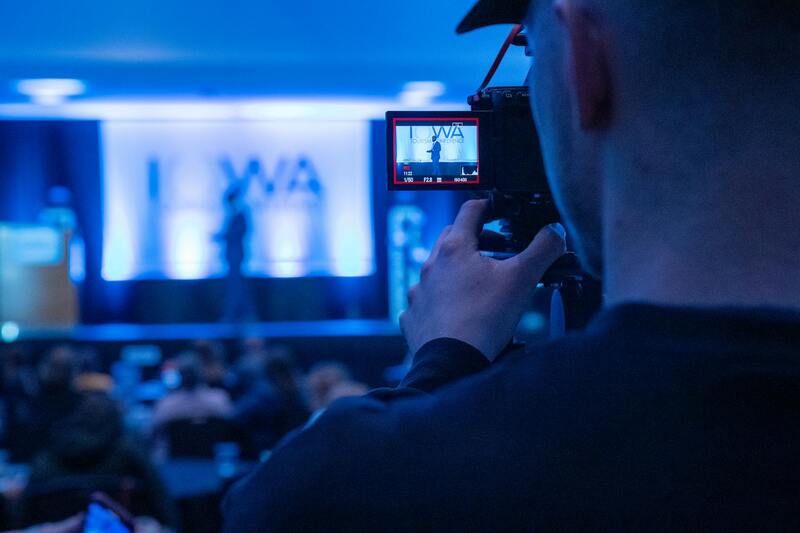
Selecting a reputable service involves evaluating their portfolio, understanding their approach to privacy, and confirming their familiarity with Miami’s unique real estate market. Experienced providers bring a comprehensive understanding of local neighborhoods, architectural styles, and client expectations. Transparent communication about equipment capabilities, turnaround times, and editing processes ensures alignment with project goals. Confirming the provider's commitment to high standards and professionalism results in videos that effectively elevate property listings and attract qualified buyers.